Global B2B Roll Forming Sourcing Platform | Free RFQ Response within 24h

- Tuo AI

- Live

- My Account
- Shopping Cart
- Inquiry Basket
- Contact Us
- Back to Top




Roll Forming Machine Wear Parts & Transmission Components
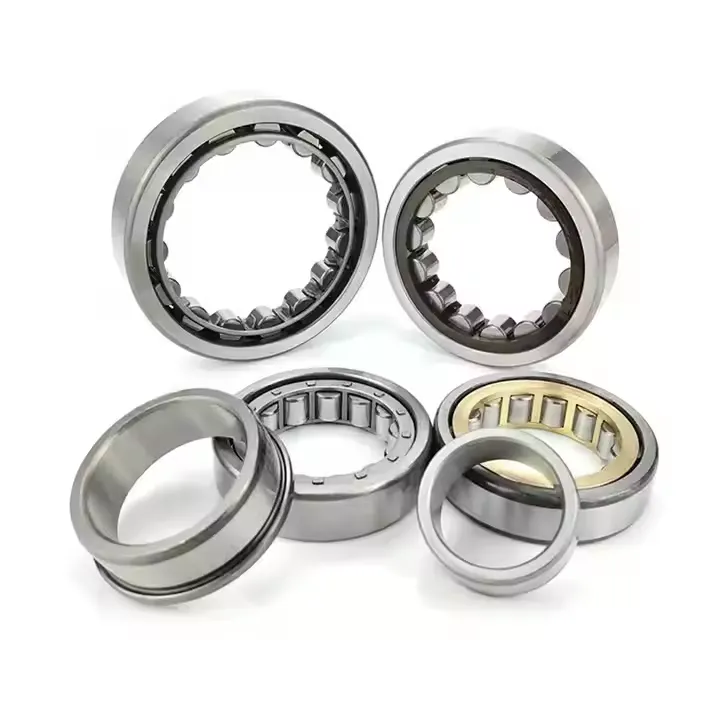
Roll forming machine wear parts, heavy-duty mechanical transmission components, and sacrificial wear liners provide the essential load bearing capacity, synchronized rotary drive power, shaft alignment stability, and friction reduction powering continuous high-speed roll forming production lines. Encompassing high-precision double-row tapered roller bearings, heavy-duty duplex and triplex drive roller chains, induction-hardened drive sprockets, oil-impregnated sintered bronze bushings, polyurethane infeed pinch rollers, and tool steel flying cutoff shear blade inserts, our wear parts portfolio resists severe cyclic fatigue, heavy thrust loads, and abrasive metal dust conforming to ISO and ANSI specifications.

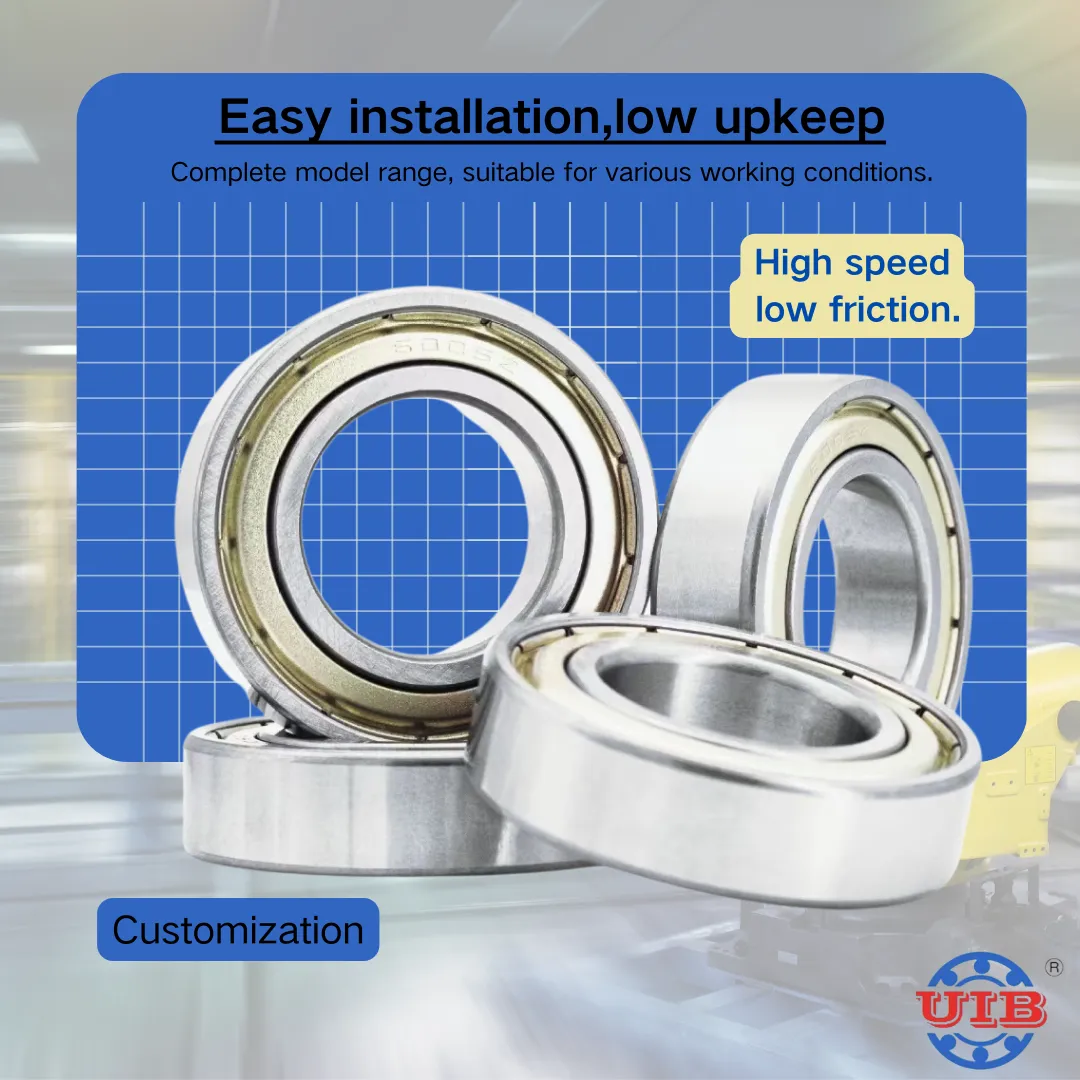
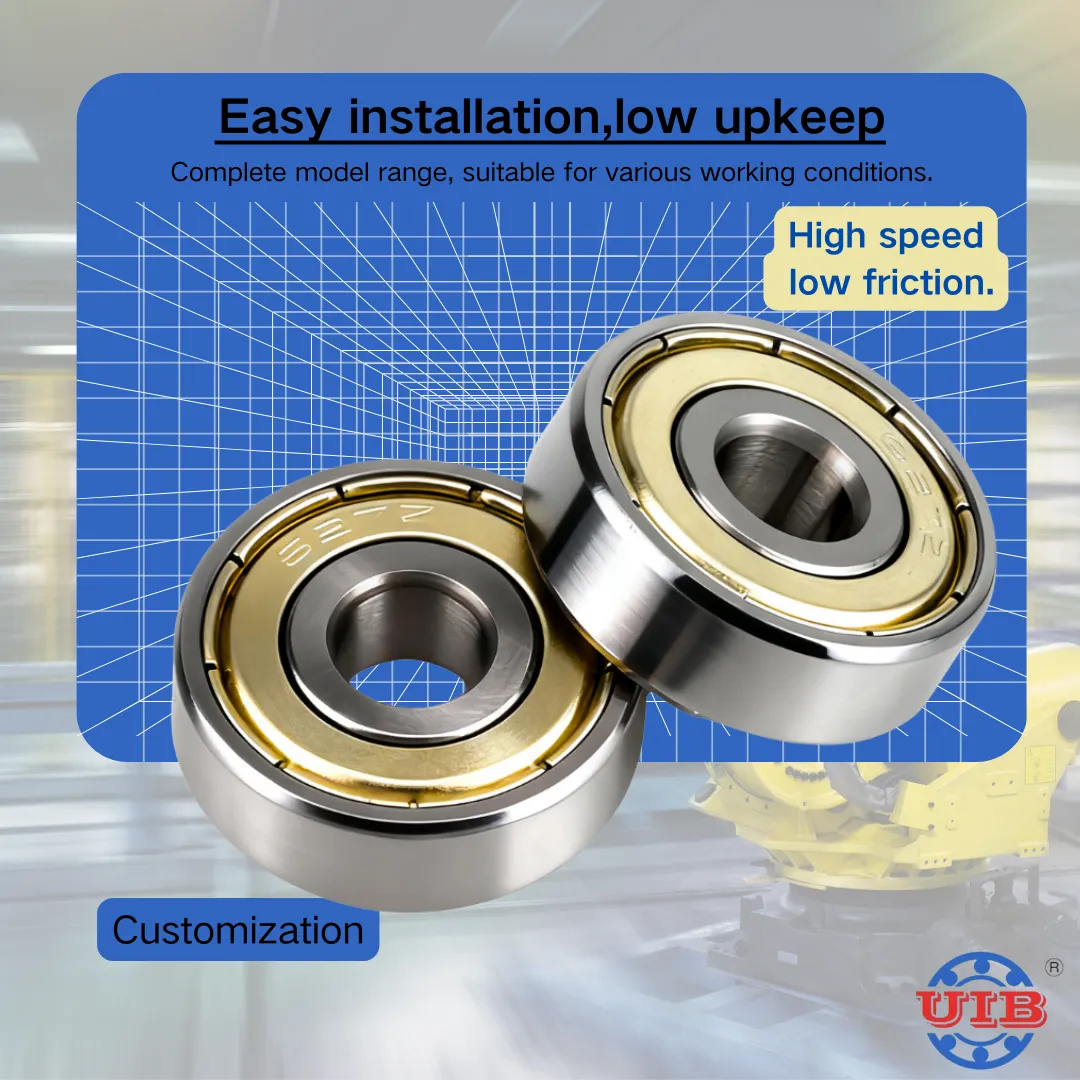
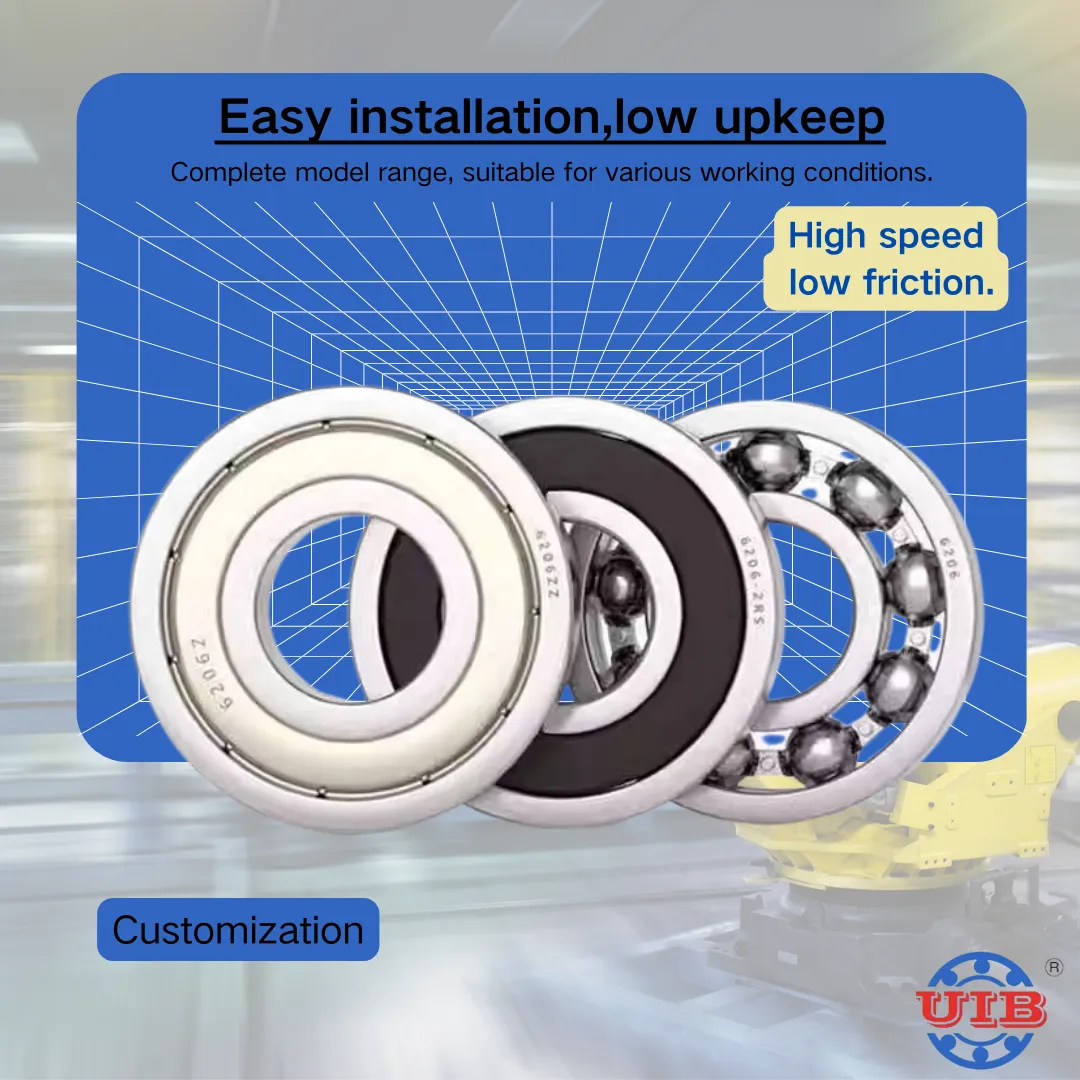
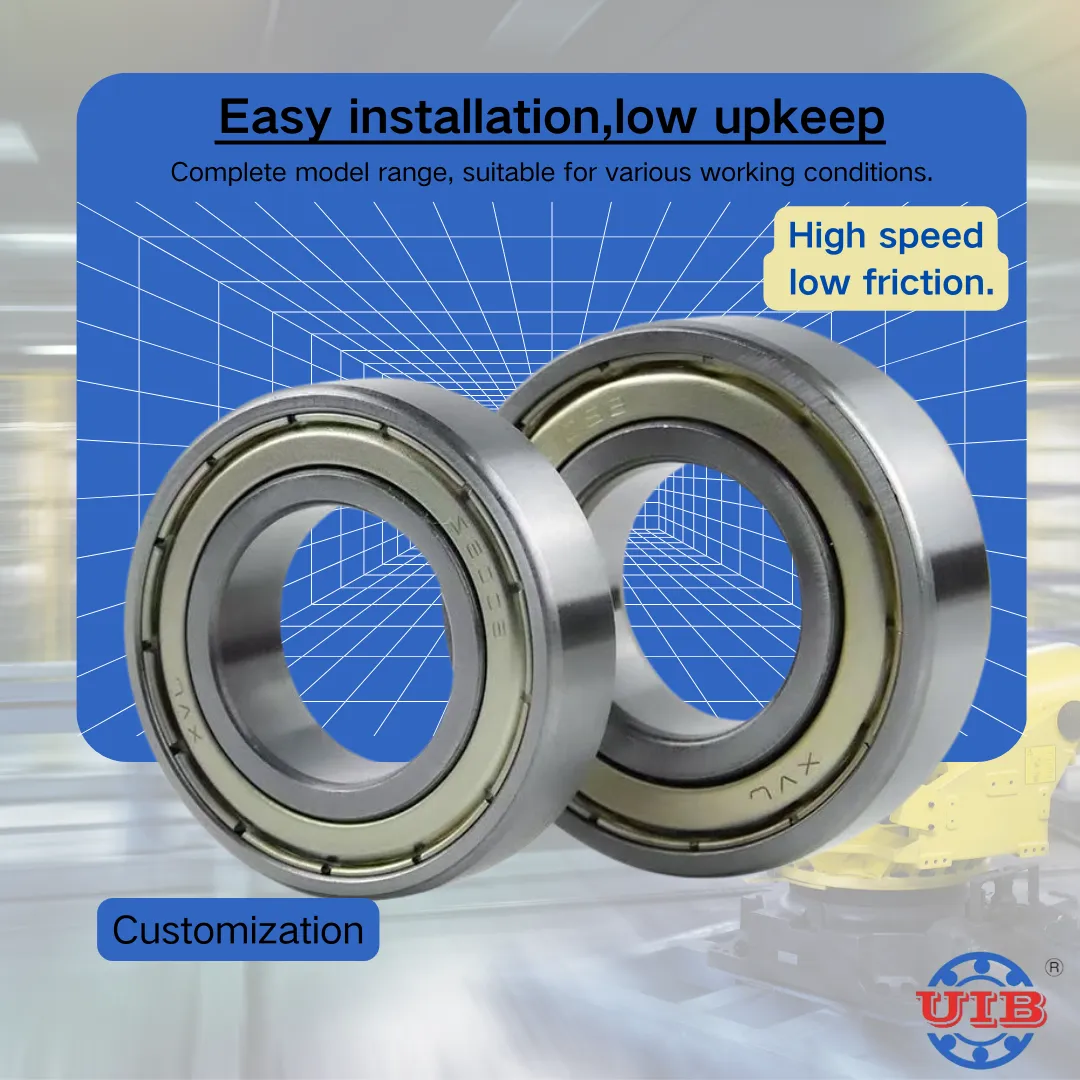
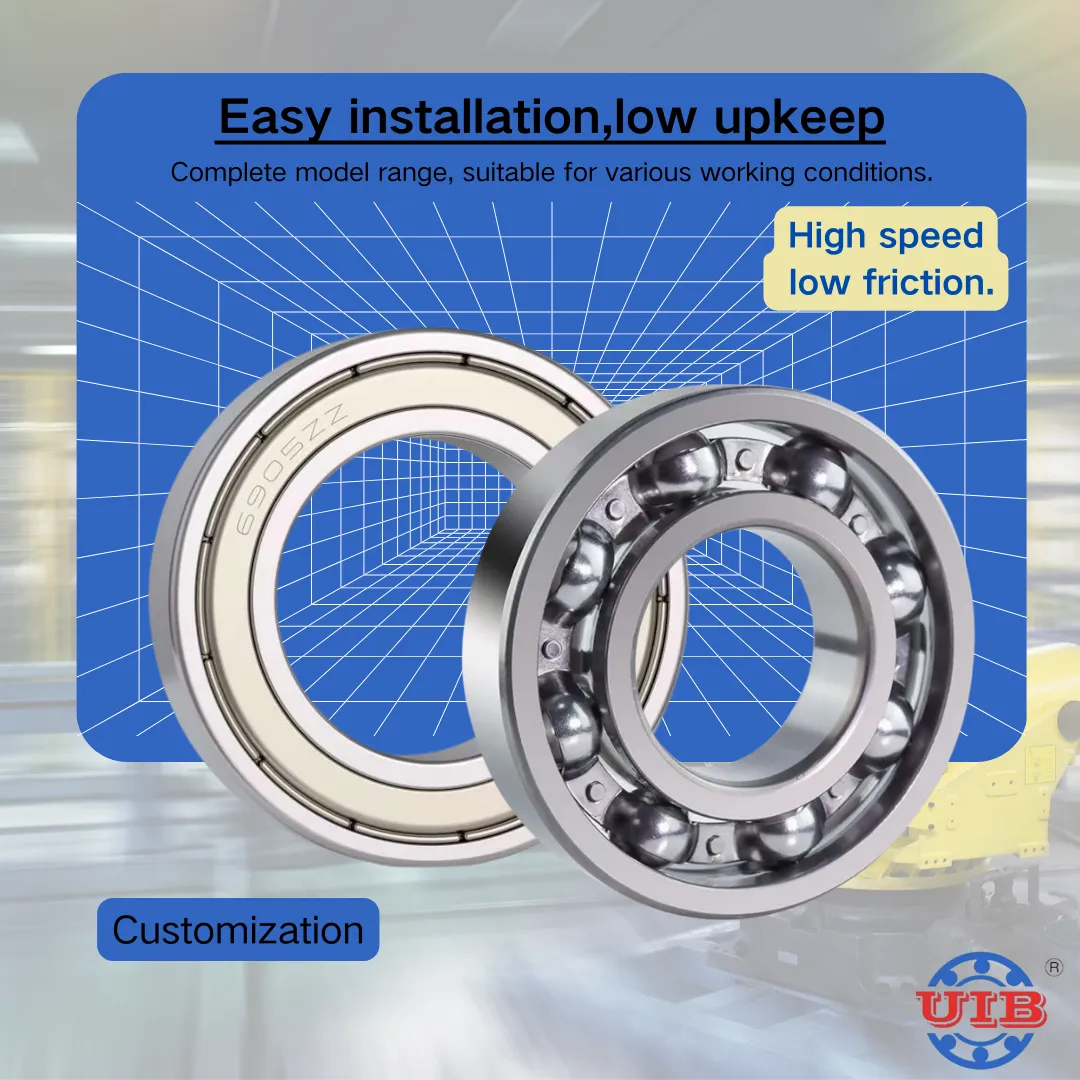
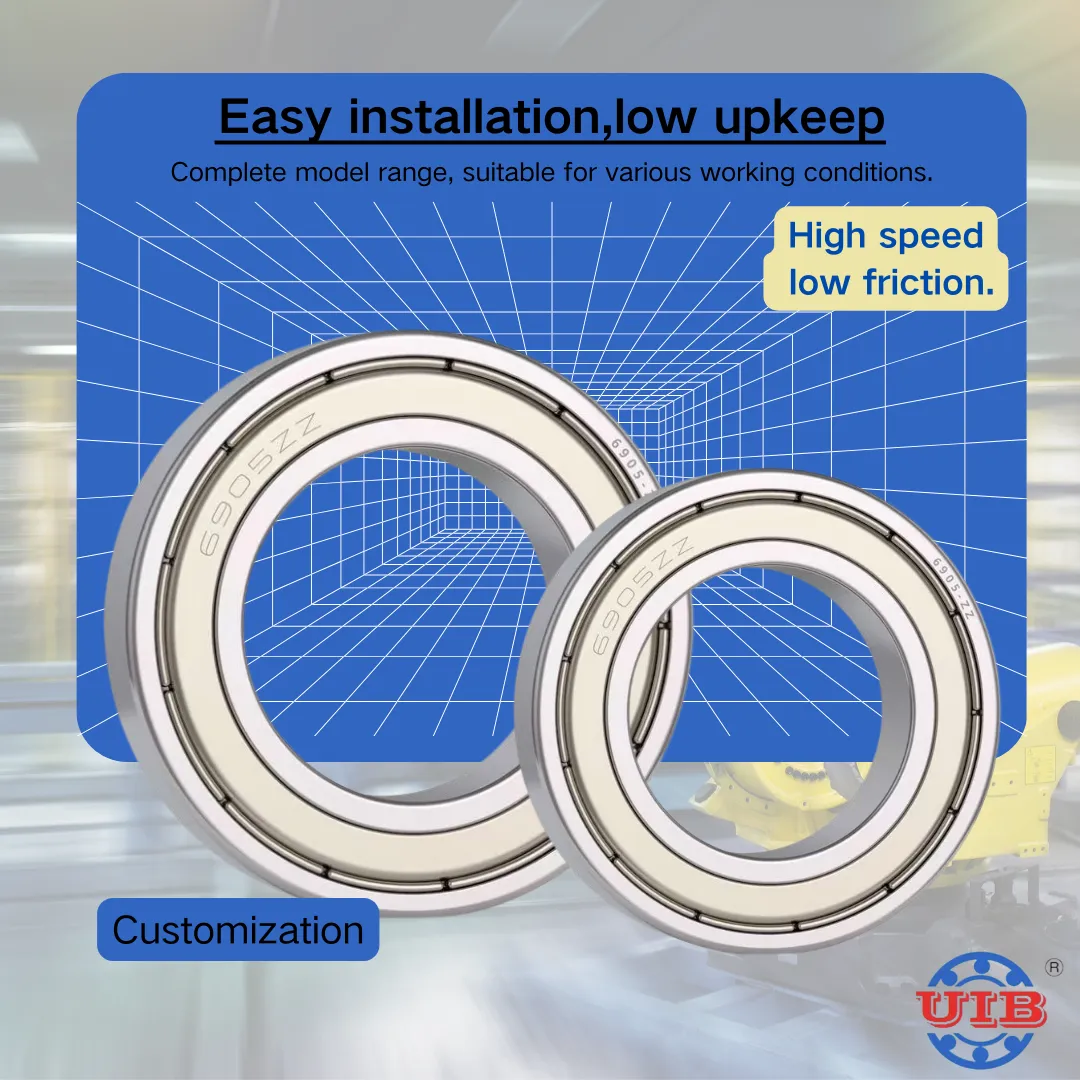
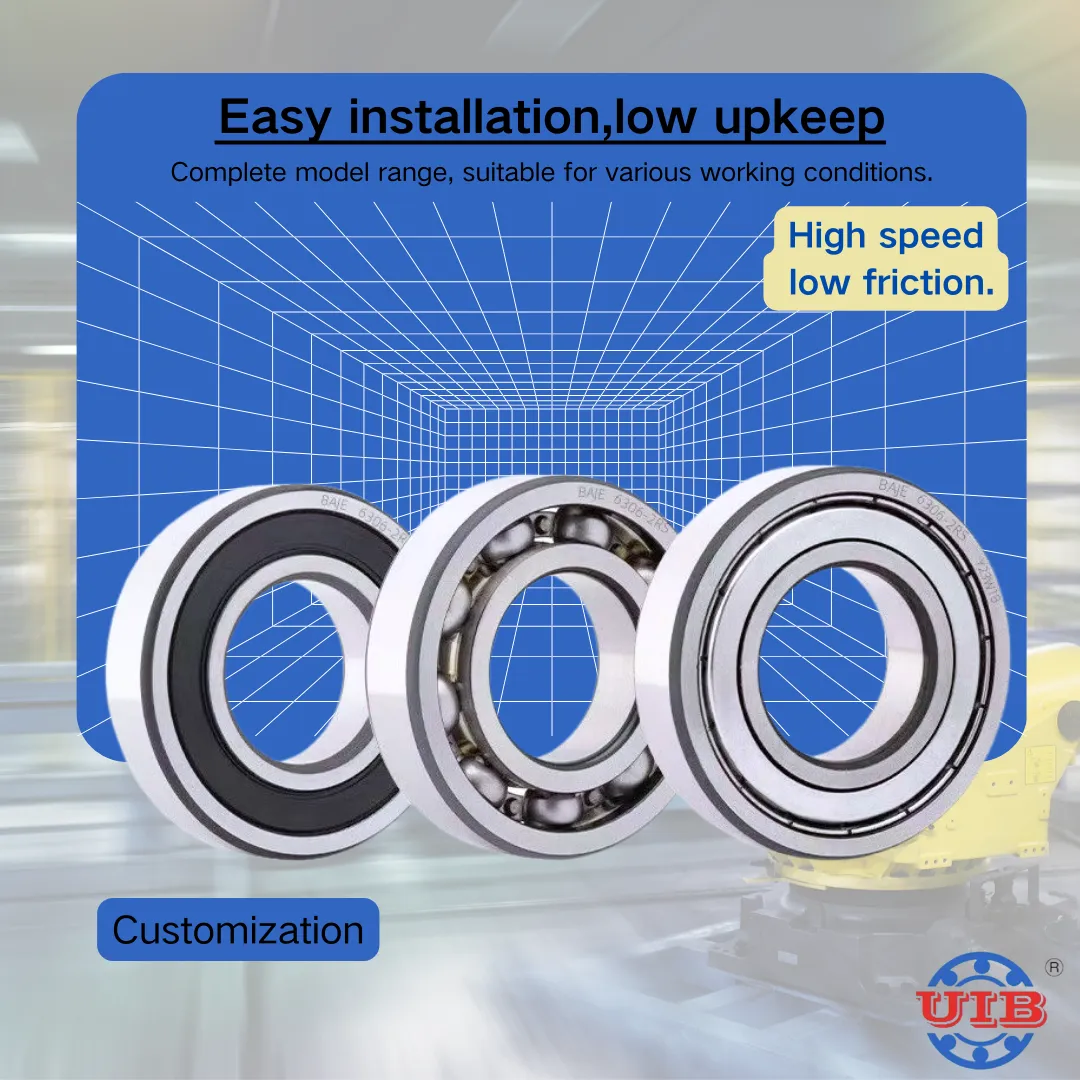
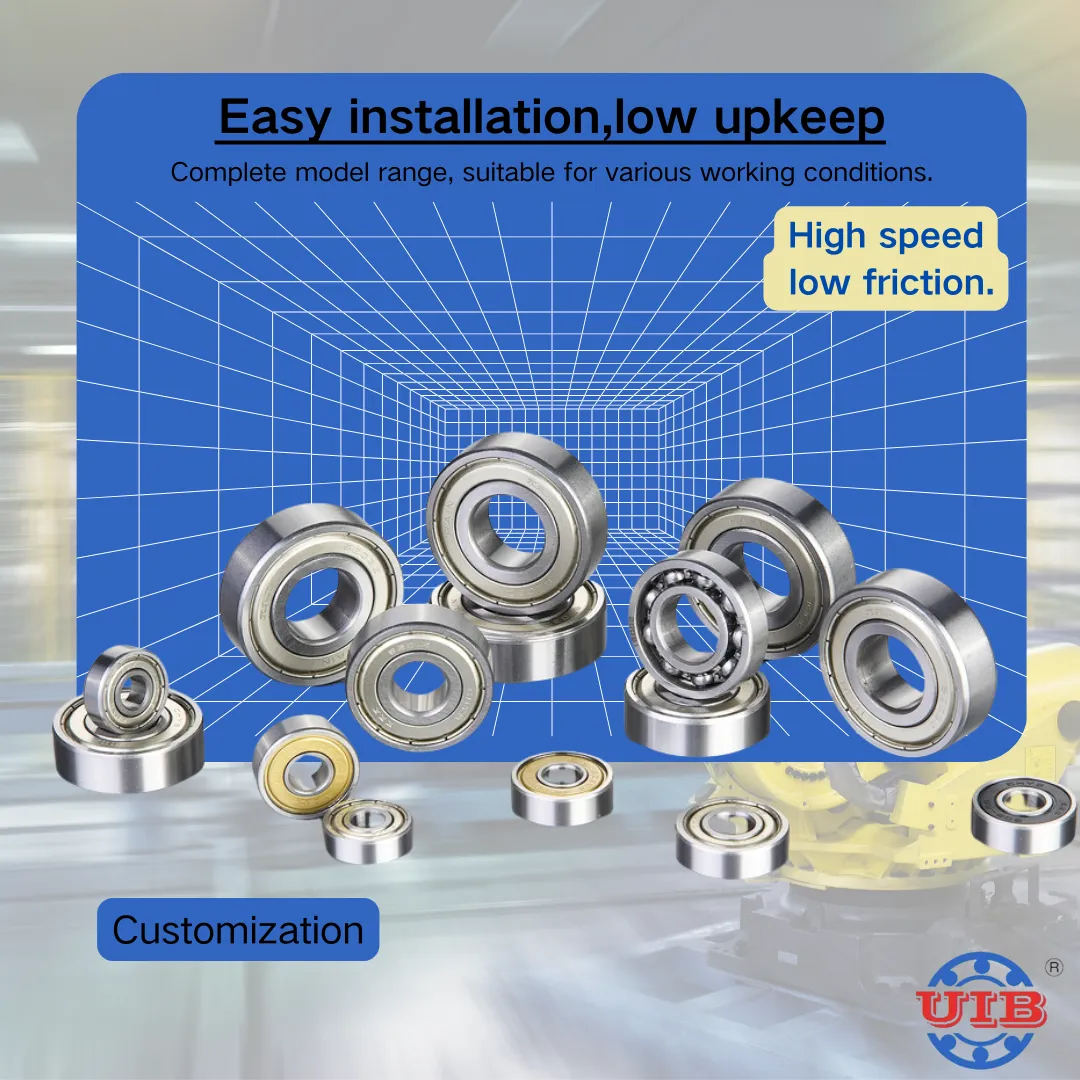
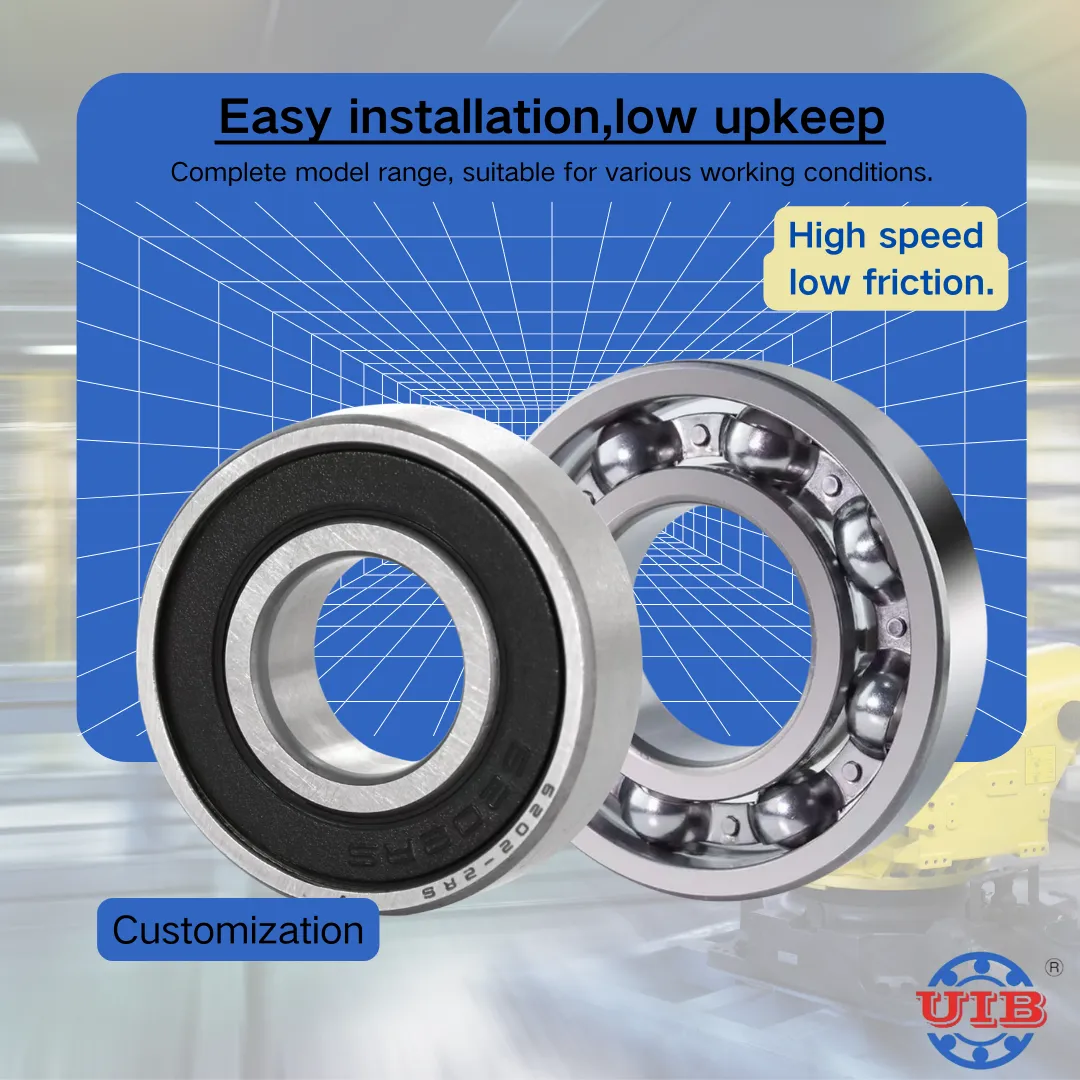
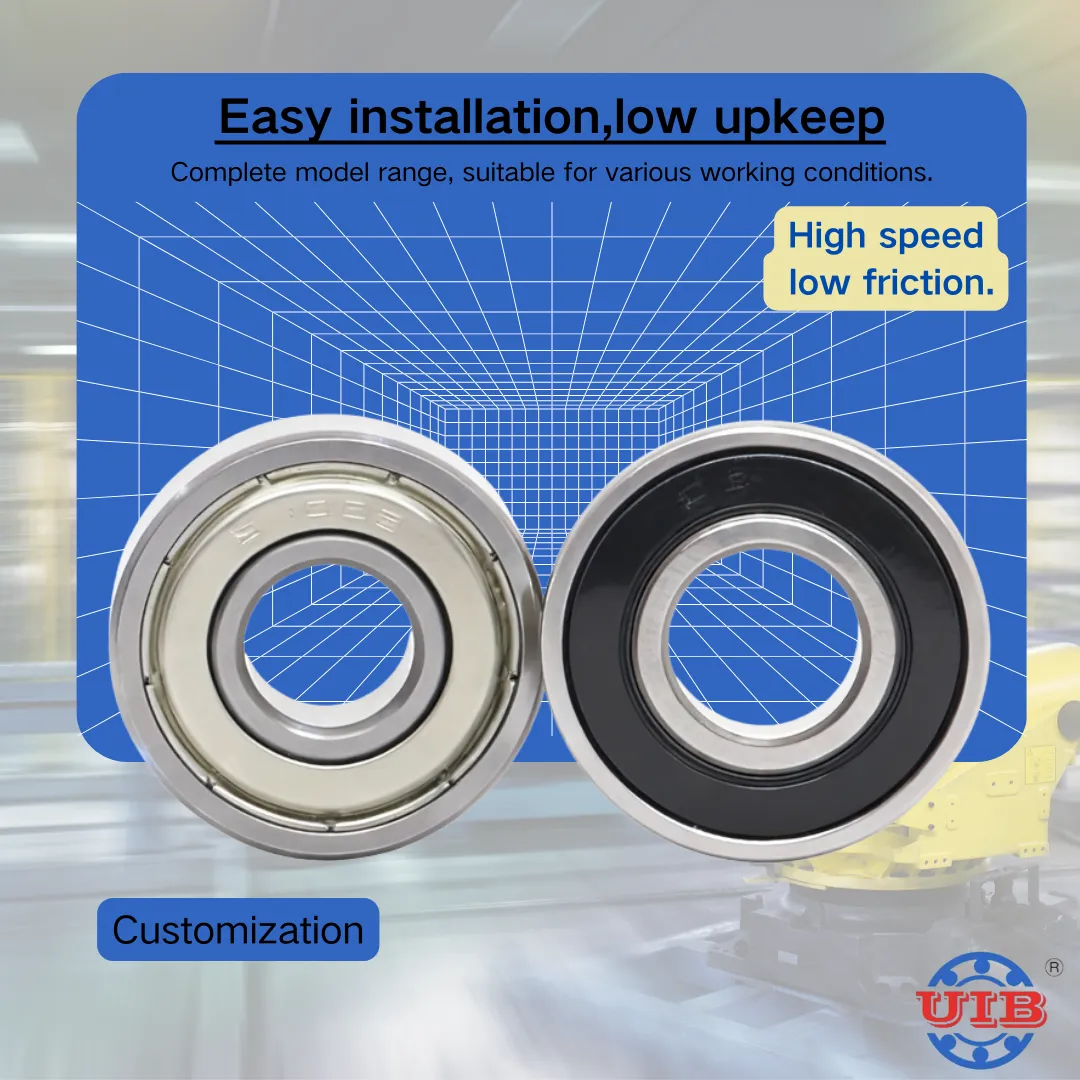
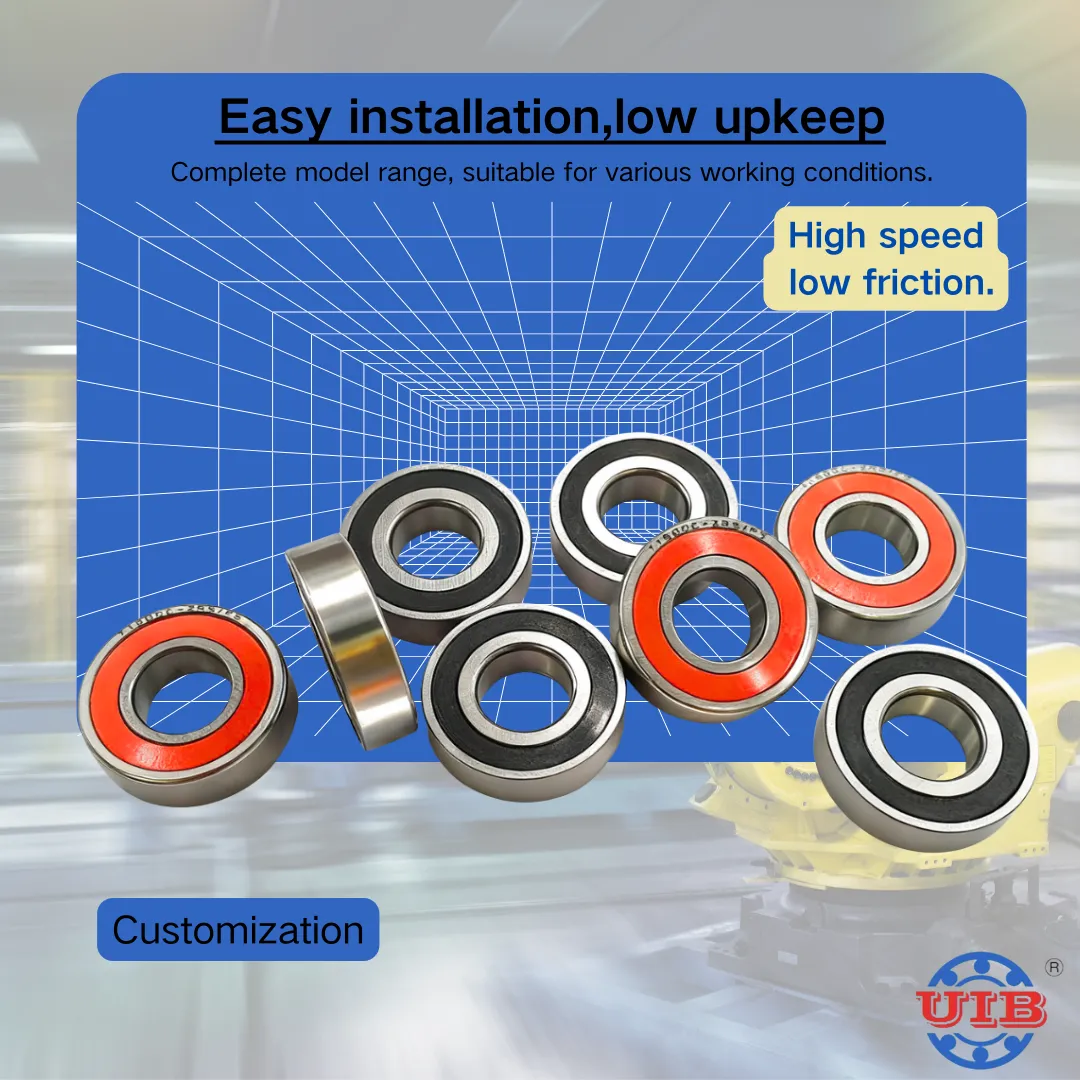
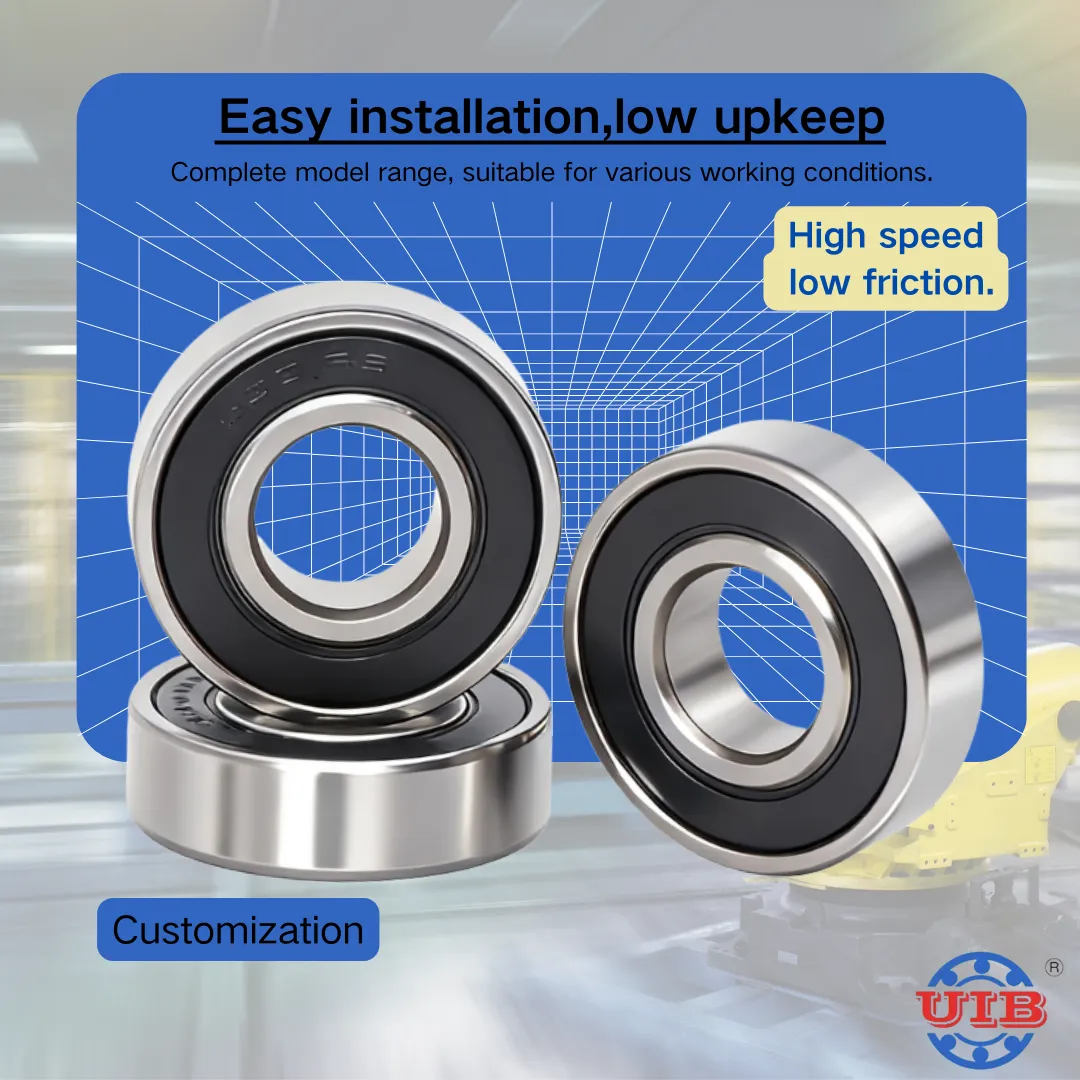
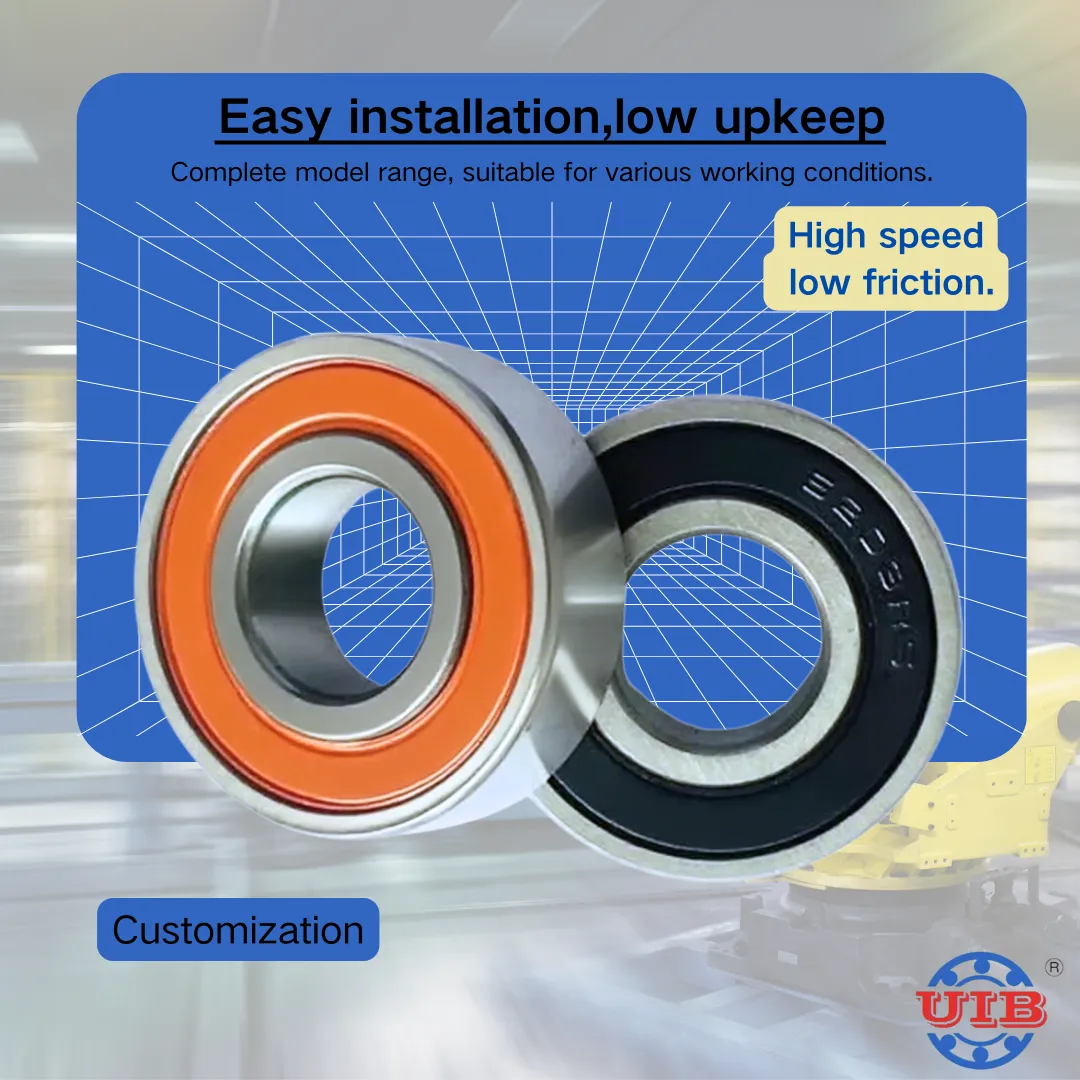
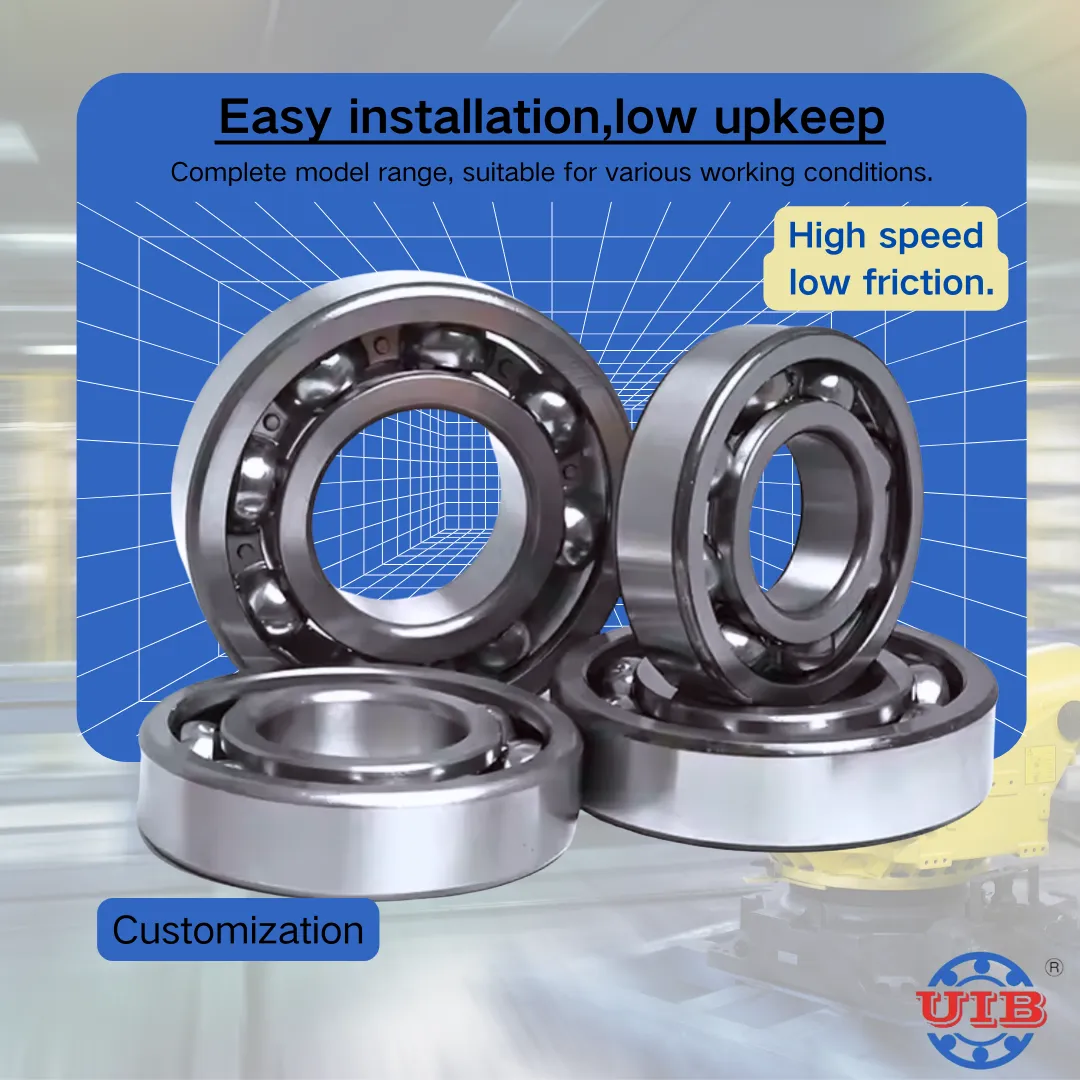
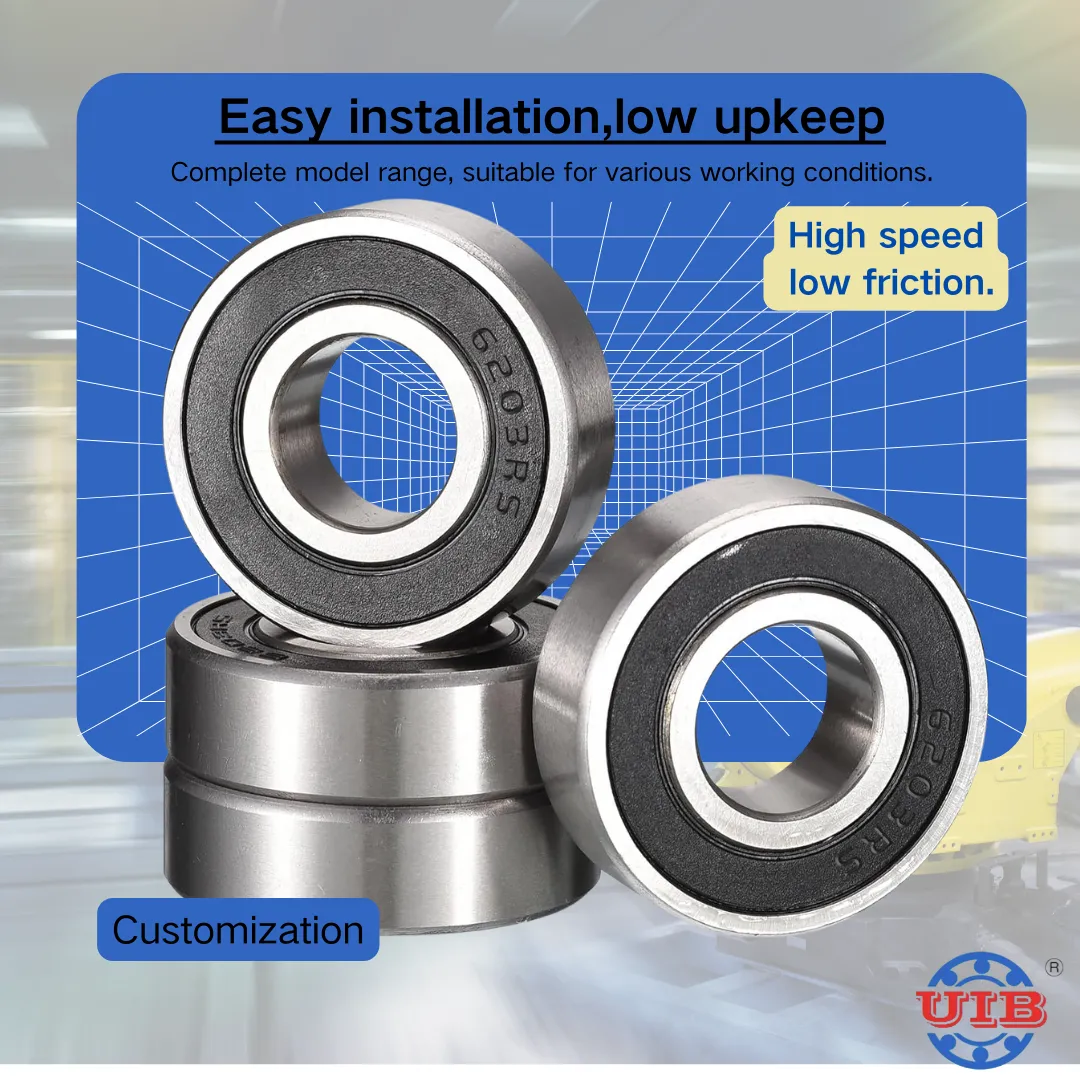
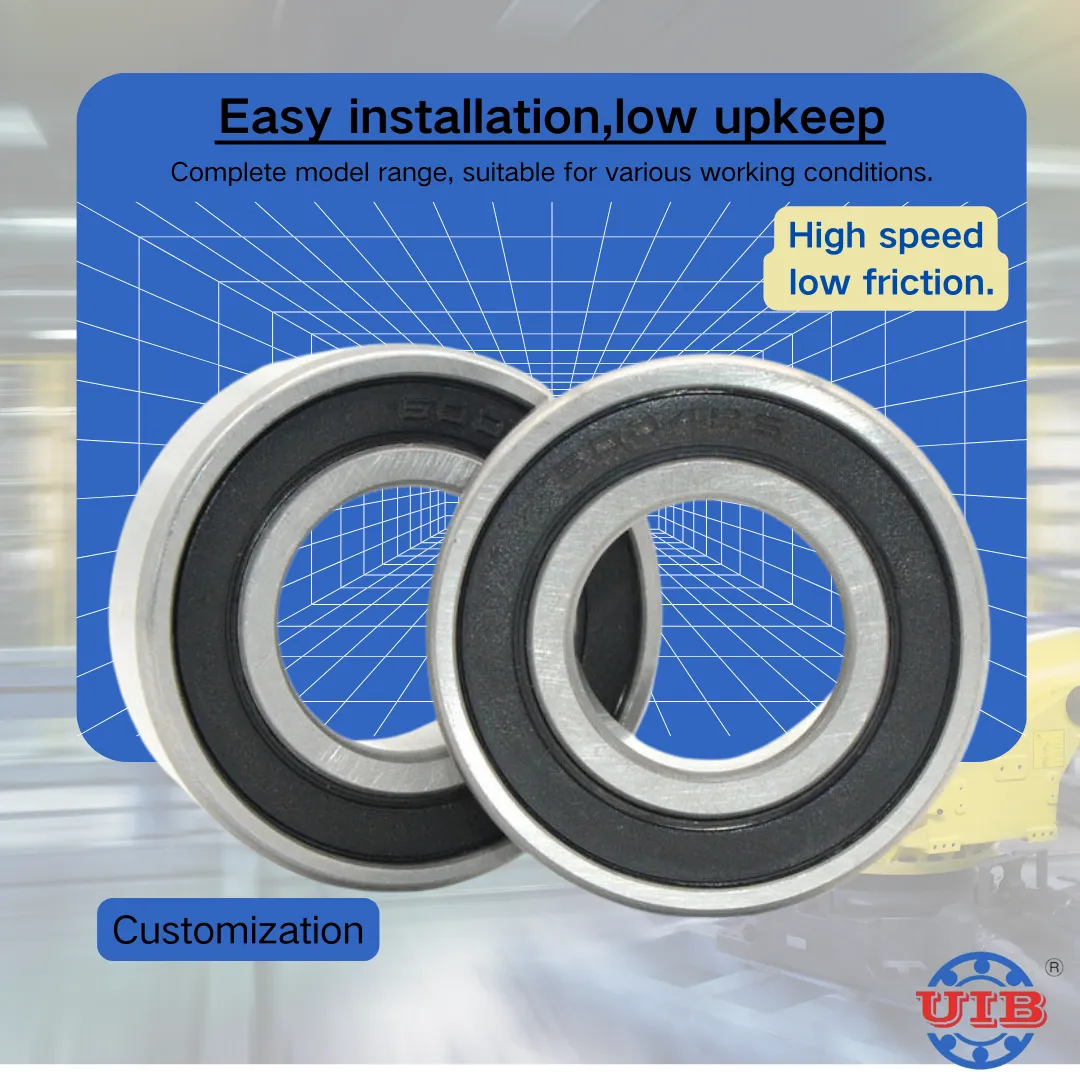
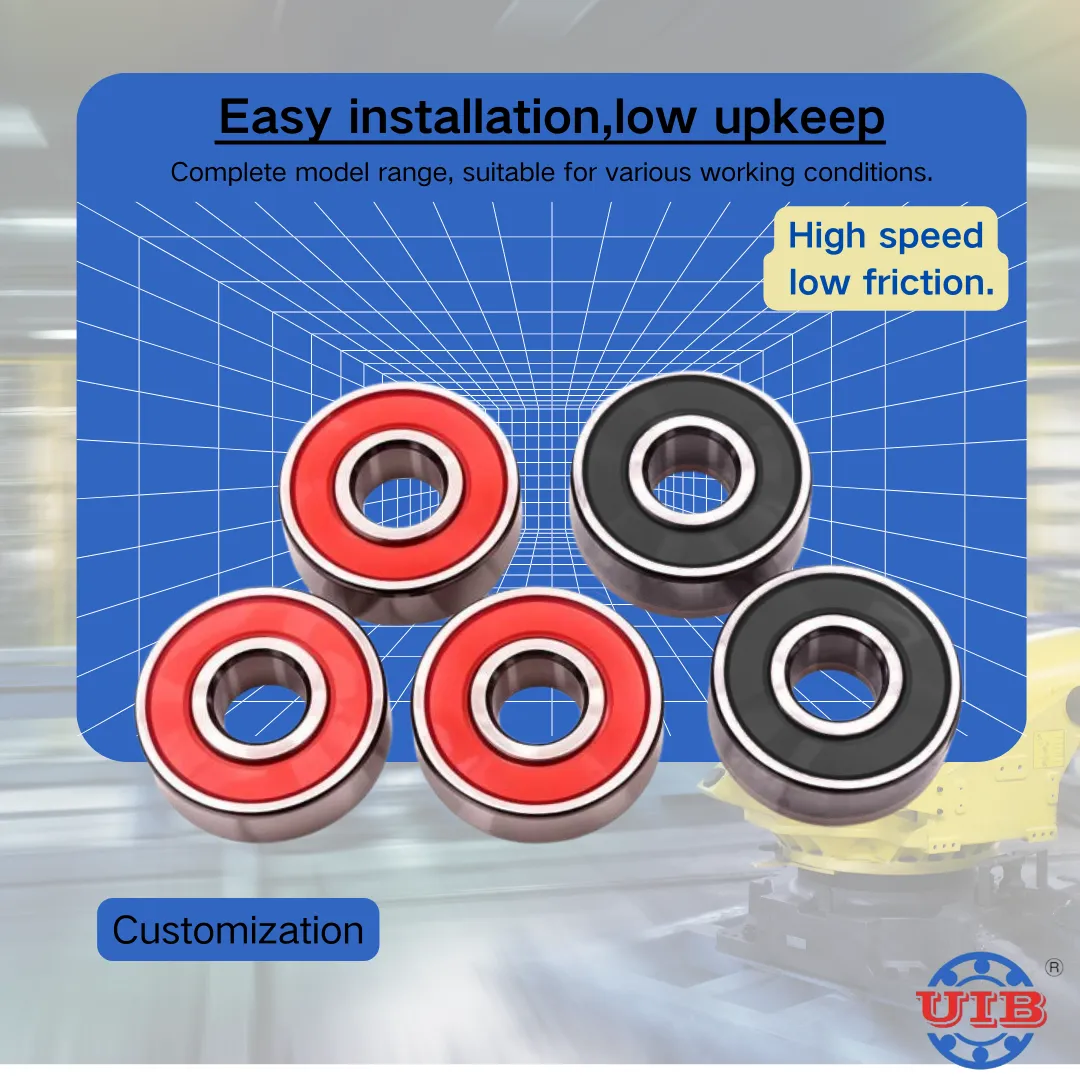
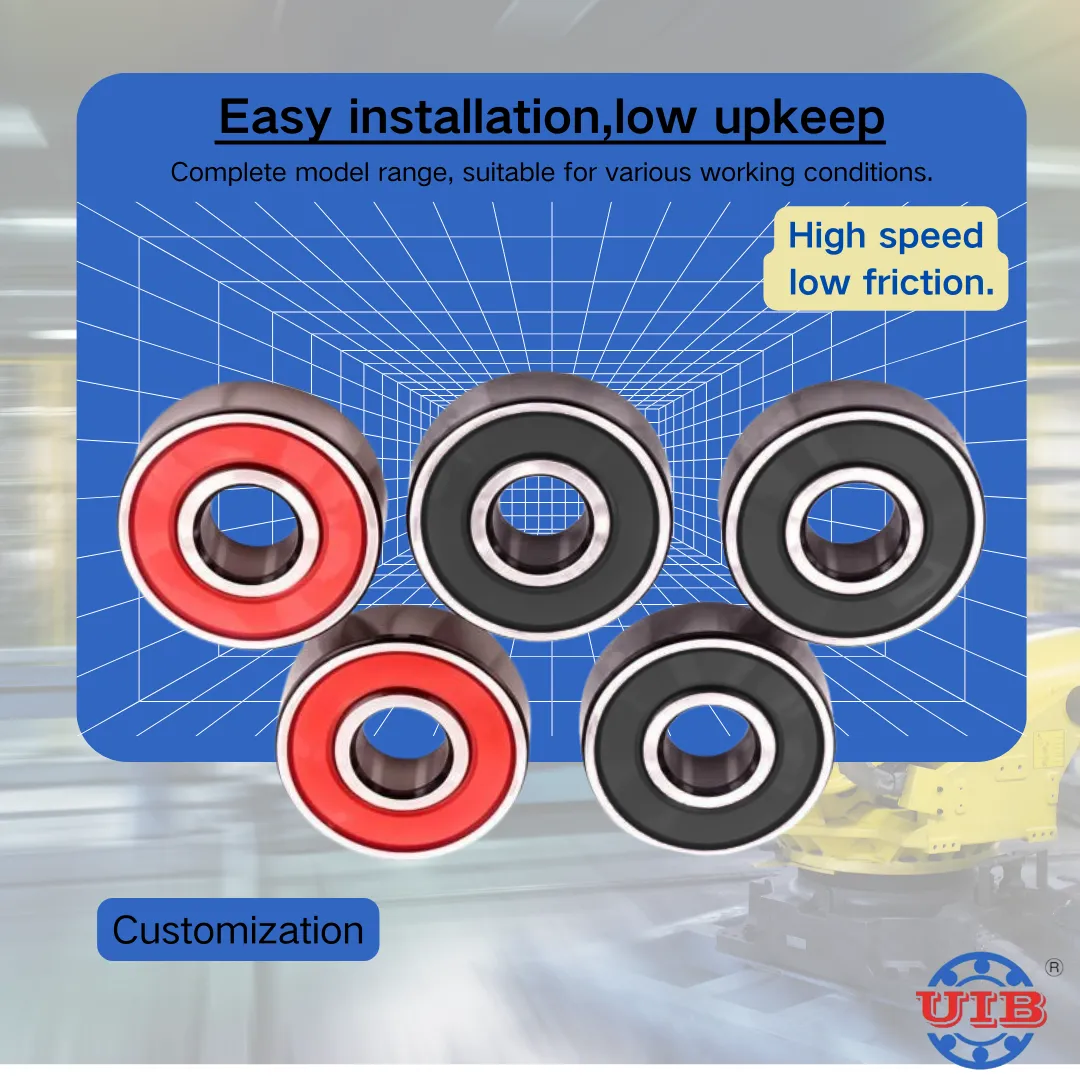
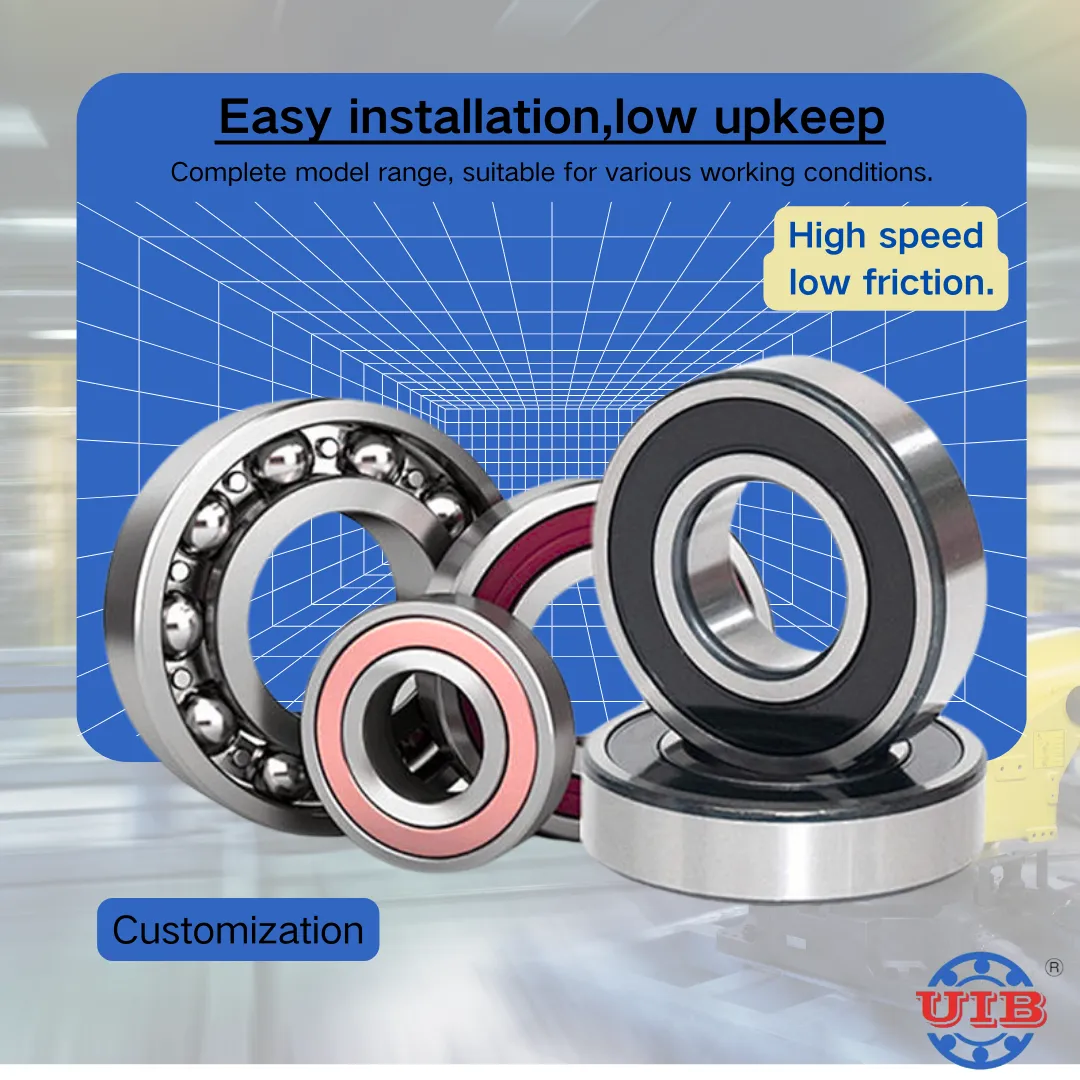
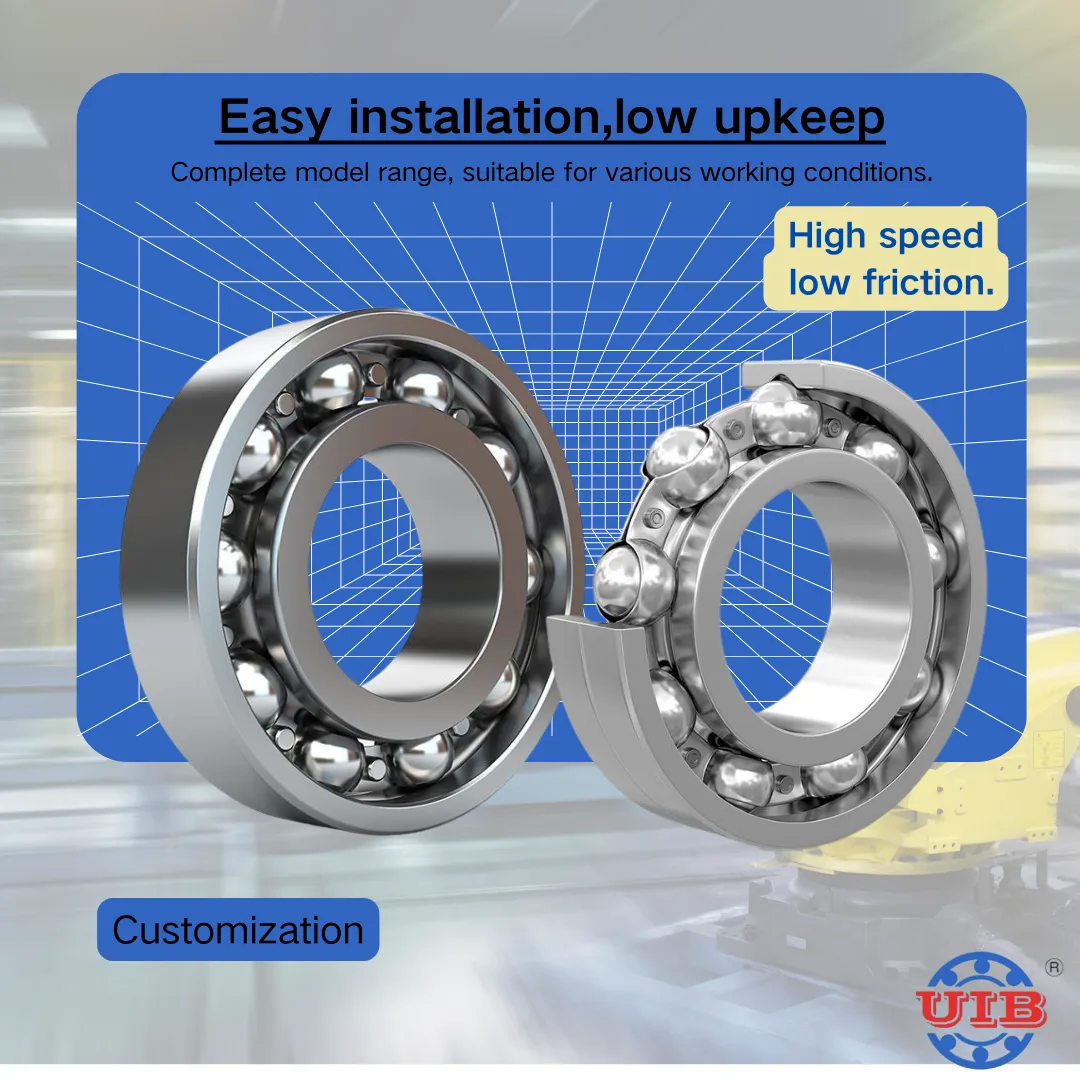
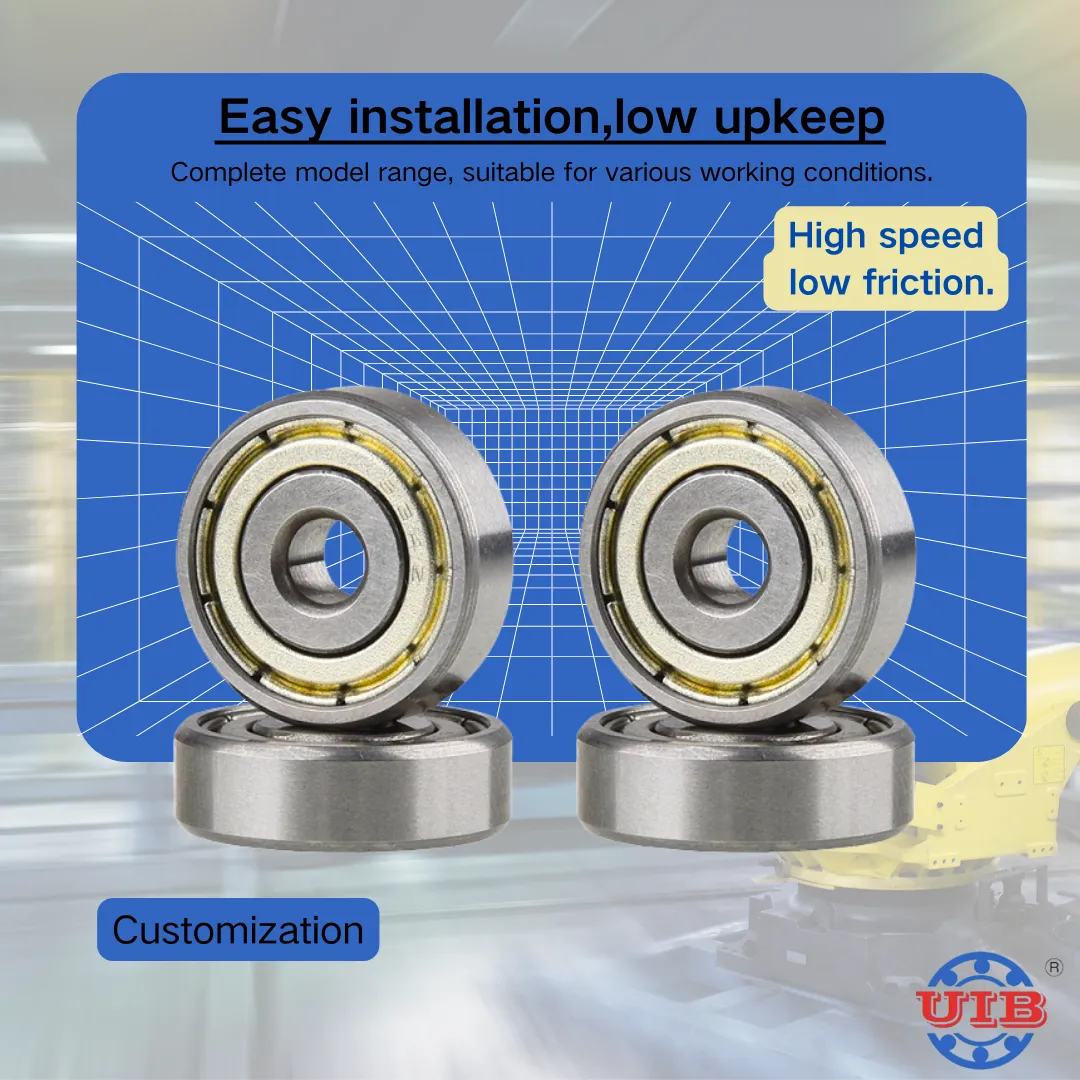
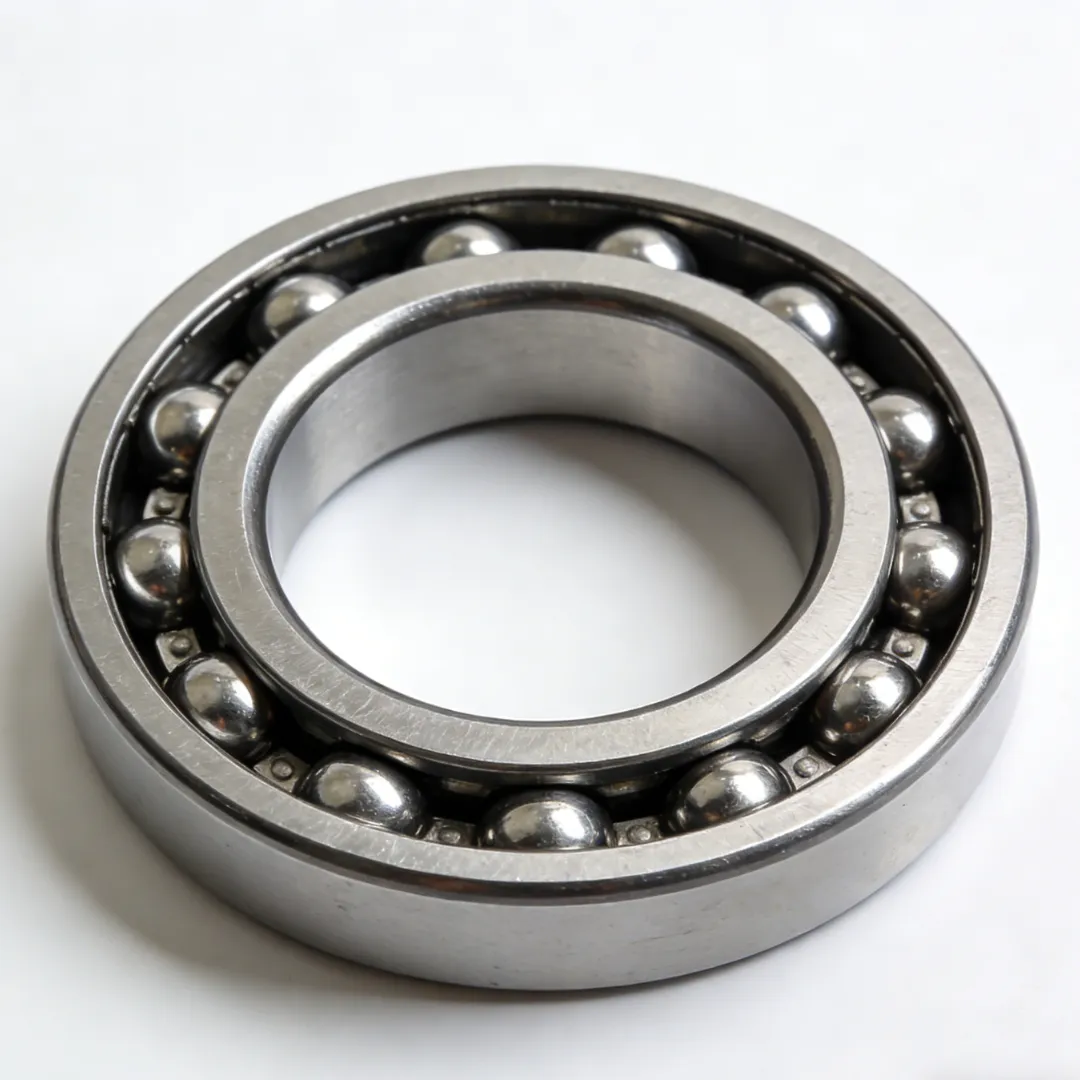
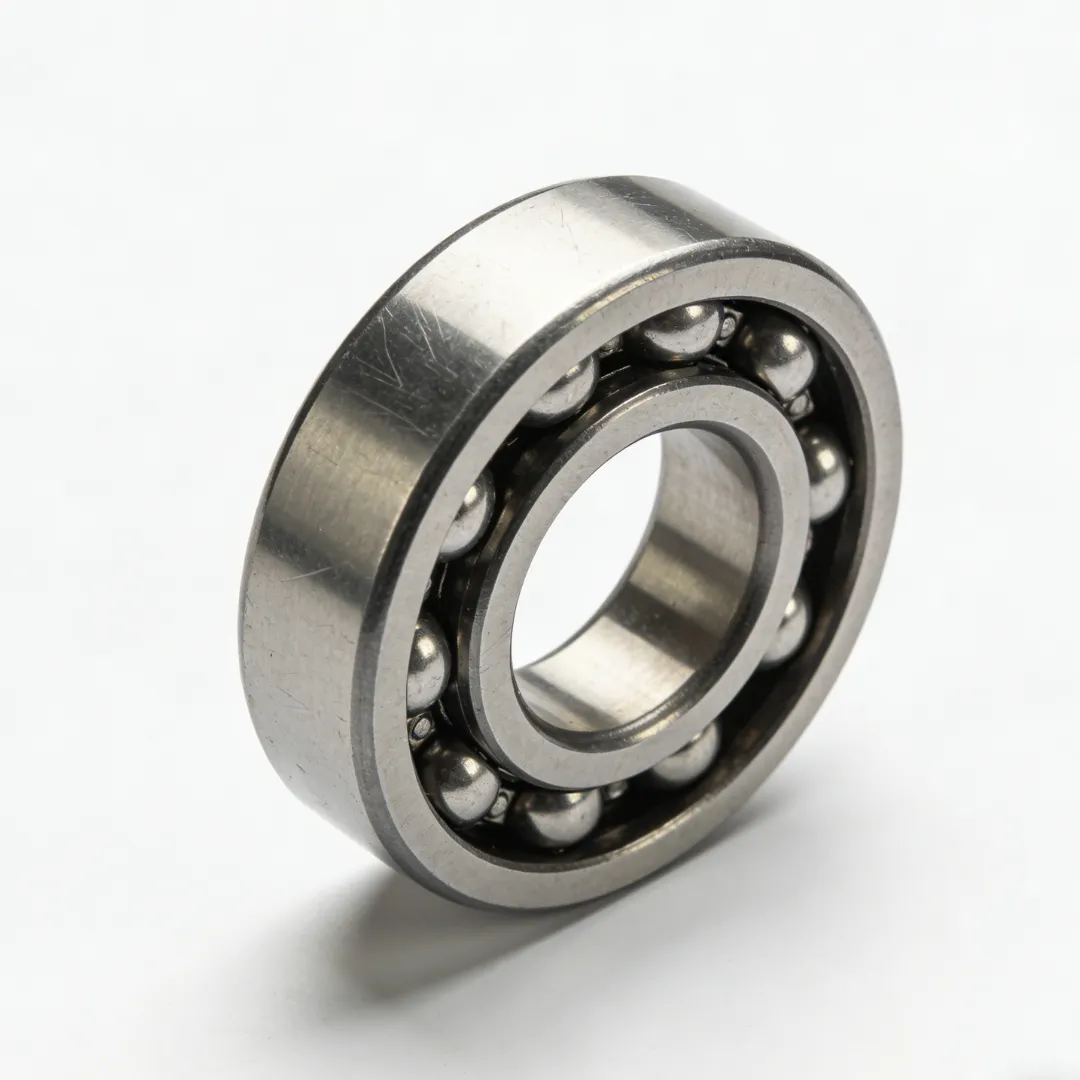
About Roll Forming Machine Wear Parts & Transmission Components
Precision-engineered machine wear parts, heavy industrial bearings, and synchronous power transmission chains represent the high-wear mechanical backbone determining the continuous operating efficiency, rotational smoothness, and finished profile dimensional repeatability across automated cold roll forming mills. In heavy profiling operations—where multi-ton forming forces, high line speeds up to 30 m/min, and constant abrasive metal scale subject drive shafts and bearings to extreme radial and axial thrust loads—utilizing premium metallurgical wear parts prevents premature machine seizure and catastrophic shaft runout.
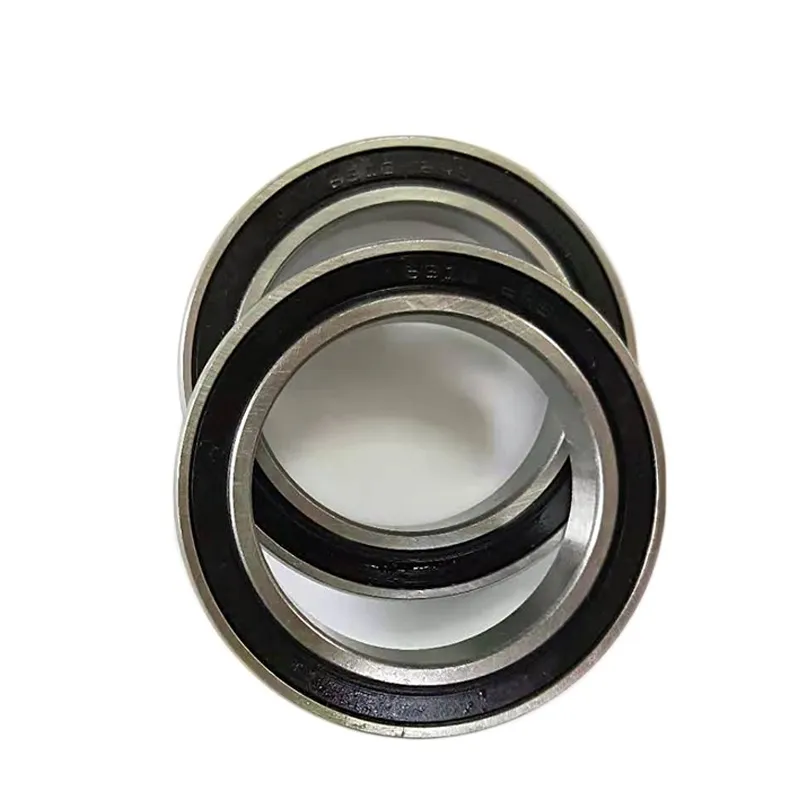
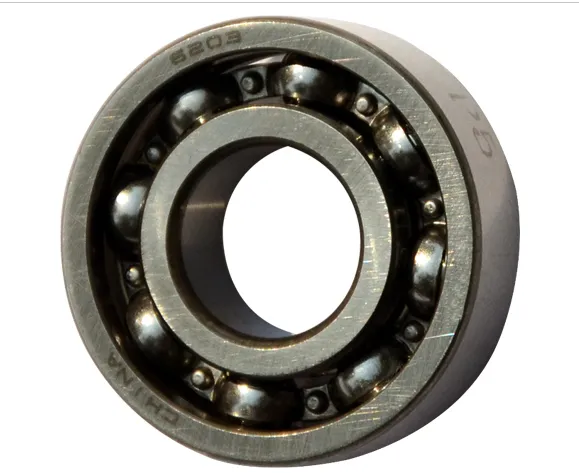
Our roll forming wear parts portfolio spans four primary engineering classifications: heavy-duty spindle bearings (including high-capacity double-row tapered roller bearings, spherical roller bearings, and heavy pillow block units engineered from premium vacuum-degassed GCr15 / 52100 bearing steel with sub-micron raceway finishes and heavy labyrinth contact seals); synchronous chain drives (heavy-duty ANSI / ISO duplex and triplex roller chains featuring shot-peened link plates, solid cold-extruded rollers, and carburized alloy pins delivering high fatigue endurance); drive sprockets (manufactured from high-carbon 45# or 40Cr steel with high-frequency induction-hardened teeth to HRC 45–50 and precision keyway broaching); and sacrificial sliding wear components (hardened tool steel strip guide shoes, polyurethane pinch rings, and bronze sliding carriage gibs for flying cutoff dies).
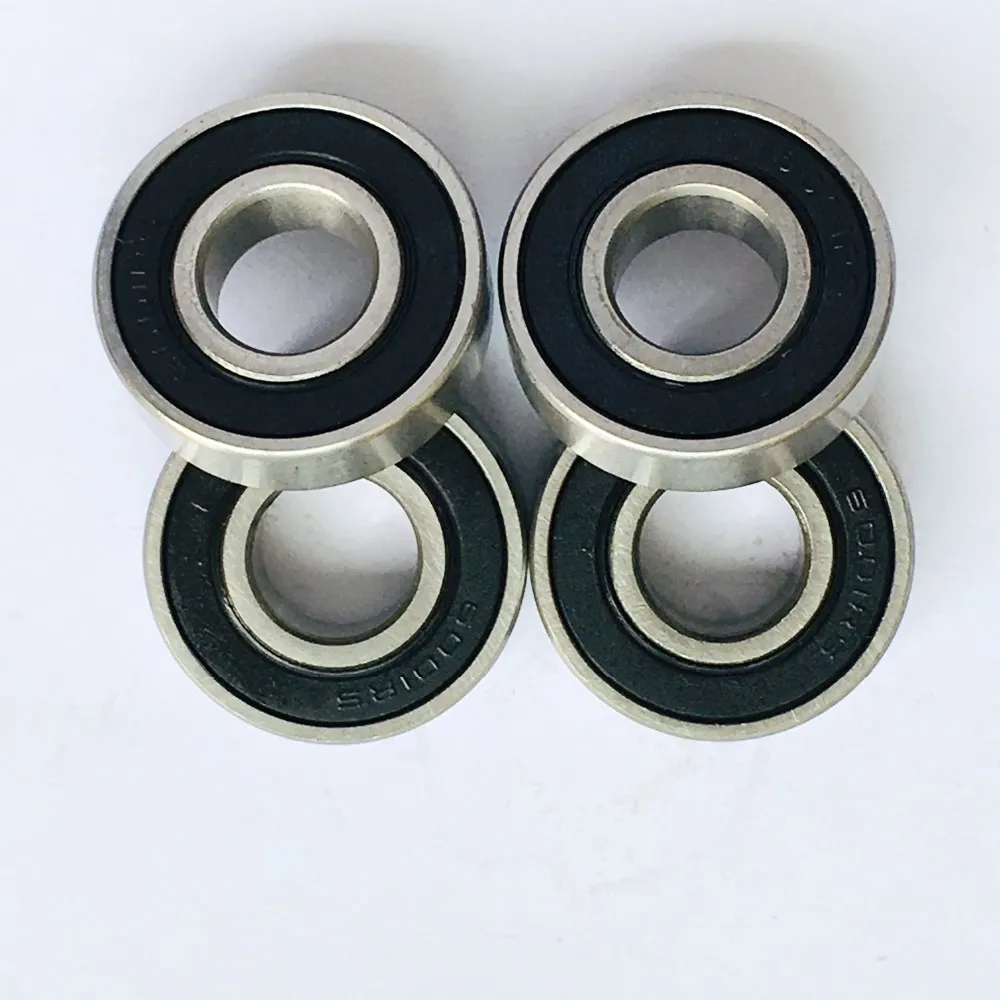
Manufactured to strict ABEC-3 / ISO Normal precision standards with multi-lip dustproof NBR seals and pre-lubricated with high-temperature extreme-pressure lithium complex grease, all components undergo dynamic fatigue testing and crack inspection. Providing rapid off-the-shelf replacement parts that keep production lines rolling without delay, our wear components deliver uncompromised industrial reliability globally.
Applications
High-Precision Roller Shaft Tapered Bearing Pillow Block Assembly
In high-precision roller shaft tapered bearing pillow block assembly, assembly technician pressing a heavy-duty tapered roller bearing onto a ground roll former spindle shaft and securing the locknut. These induction-hardened mechanical wear parts and high-load transmission assemblies distribute drive torque evenly and ensure smooth, synchronized machine operation.
Heavy Duplex Roller Drive Chain Lubrication & Tensioning on Mill
In heavy duplex roller drive chain lubrication & tensioning on mill, millwright using an oiler can and tensioning wrench to lubricate and adjust sag on a heavy duplex roller drive chain interconnecting roll stands. Engineered for high-wear industrial service, these precision-ground shafts, bearings, and forming dies provide exceptional wear resistance and extend machinery service intervals.
Induction-Hardened Tooth Sprocket Keyway Alignment on Main Drive Shaft
In induction-hardened tooth sprocket keyway alignment on main drive shaft, technician sliding a double-strand drive sprocket onto a drive shaft, aligning the precision ground keyway with a brass drift punch. Precision-machined from vacuum-hardened alloy tool steel and mirror-polished with hard-chrome plating, these heavy tooling components withstand extreme forming pressures without galling.
Polyurethane Infeed Pinch Roller Replacement on High-Speed Roll Former
In polyurethane infeed pinch roller replacement on high-speed roll former, operator installing a pair of yellow cast-polyurethane infeed drive rings onto the entry feed table shafts of a high-speed roll forming line. These induction-hardened mechanical wear parts and high-load transmission assemblies distribute drive torque evenly and ensure smooth, synchronized machine operation.
Hardened Bronze Flying Shear Guide Bushing and Wear Plate Inspection
In hardened bronze flying shear guide bushing and wear plate inspection, inspector using feeler gauges to audit clearance between hardened tool steel wear plates and bronze guide gibs on a flying cutoff carriage. These automated forming systems integrate hydraulic punching, progressive roll forming, and synchronized flying cutoff technology to mass-produce complex metal profiles efficiently.
Technical Overview
| Parameter | Information |
|---|---|
| Wear Part Classifications | Tapered Roller Bearings, Pillow Blocks, Duplex Roller Chains, Sprockets, Wear Gibs |
| Bearing Metallurgy Specs | Vacuum-Degassed GCr15 / AISI 52100 High-Carbon Chromium Bearing Steel (HRC 60–64) |
| Bearing Precision & Tolerances | ABEC-3 / ISO Class 6 Normal Running Tolerances with Optimized Raceway Geometry |
| Roller Chain Standards | ANSI Heavy Series (60H, 80H, 100H, 120H) & ISO/DIN (12B-2, 16B-2, 20B-2) Duplex Chains |
| Chain Pin & Bushing Hardness | Carburized Alloy Steel Pins (HRC 58–62) with Shot-Peened Link Plates & Solid Rollers |
| Sprocket Material & Treatment | High-Carbon 45# / 40Cr Steel, High-Frequency Induction-Hardened Teeth (HRC 45–50) |
| Sealing & Grease Lubrication | Dual-Lip Heavy Contact NBR Seals with Pre-Packed NLGI-2 Lithium Complex EP Grease |
| Temperature & Speed Range | Continuous Operating Range: -20°C to +120°C; Maximum Shaft Speeds up to 2500 RPM |
| Shaft Runout Tolerances | Radial Shaft Runout <= 0.015 mm, Precision Keyway Broaching to DIN 6885/1 Tolerances |
| Manufacturing Standards | ISO 606 (Chains), ISO 355 (Tapered Bearings), DIN 8187, ISO 9001:2015 Certified |
FAQ
Why are double-row tapered roller bearings preferred over standard ball bearings on roll forming shafts?
Tapered roller bearings handle heavy simultaneous radial loads and bidirectional axial thrust loads generated when forming thick steel strip; their wide line contact area provides significantly higher dynamic load capacity (C-rating) and prevents shaft axial deflection.
What causes premature elongation and wear on roll forming machine main drive chains?
Chain elongation is primarily caused by abrasive pin-and-bushing frictional wear rather than metal stretching; insufficient lubrication, abrasive metal fines, and chain slack beyond 2% of total length accelerate joint wear, requiring regular lubrication and tension adjustment.
How does tooth induction hardening (HRC 45–50) extend drive sprocket operating life?
High-frequency induction hardening creates a deep martensitic wear-resistant layer on the sprocket tooth flanks while preserving a ductile, shock-absorbing core; this prevents tooth hooking and profile galling under heavy continuous starting torque.
How do dual-labyrinth rubber seals protect roll former bearings from metal fines and coolant?
Dual-lip nitrile rubber (NBR) or fluoroelastomer (FKM) contact seals physically block ambient metal fines, scale, and splashing water-soluble forming emulsions from penetrating the bearing cavity, preventing raceway abrasive scoring and grease wash-out.
What is the maximum permissible elongation before replacing a duplex roller chain on a mill?
A roller chain must be replaced when total elongation reaches 1.5% to 2.0% of its original pitch length; running an elongated chain causes severe sprocket tooth scrubbing, uneven shaft rotation, and audible drive vibration.
Why are polyurethane infeed pinch rings utilized instead of bare steel on coil feed tables?
High-rebound cast polyurethane (90 Shore A) provides high friction traction to advance raw coils smoothly into forming stands without slipping, while preventing scratching and zinc transfer on delicate prepainted and galvanized steel surfaces.
What routine maintenance checks ensure maximum service life for roll forming wear parts?
Millwrights perform weekly chain tension checks and re-lubrication with ISO VG 150/220 chain oil, monthly grease replenishment in bearing pillow blocks, and quarterly dial indicator checks of shaft radial runout (< 0.02 mm) to detect bearing wear early.