Global B2B Roll Forming Sourcing Platform | Free RFQ Response within 24h

- Tuo AI

- Live

- My Account
- Shopping Cart
- Inquiry Basket
- Contact Us
- Back to Top




Industrial Drive Chains & Heavy Roller Chains
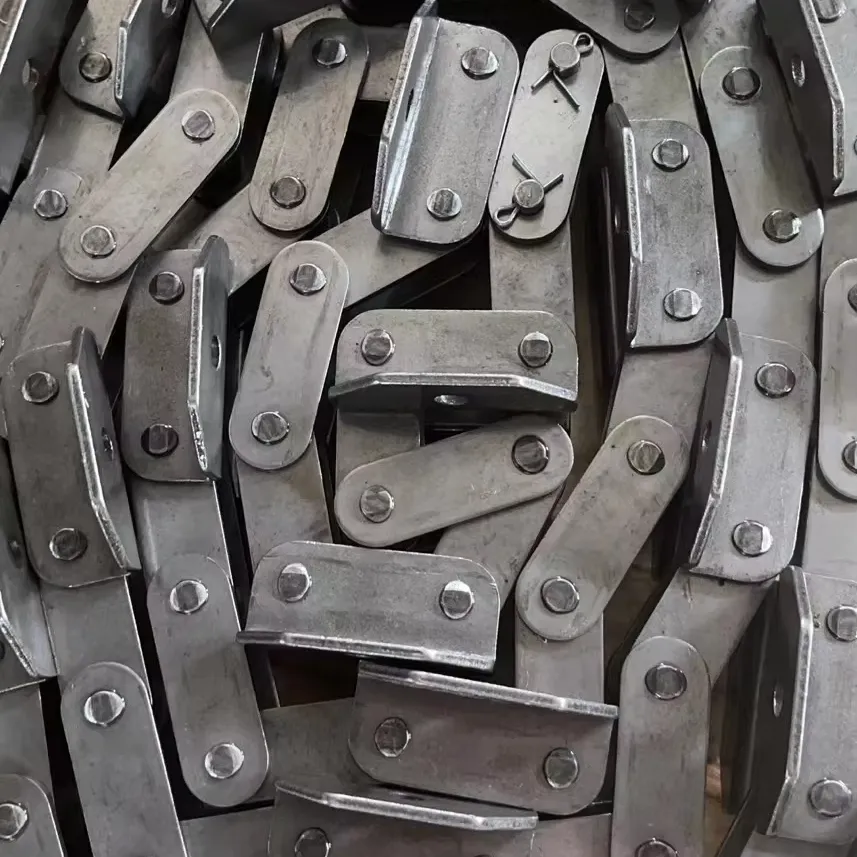
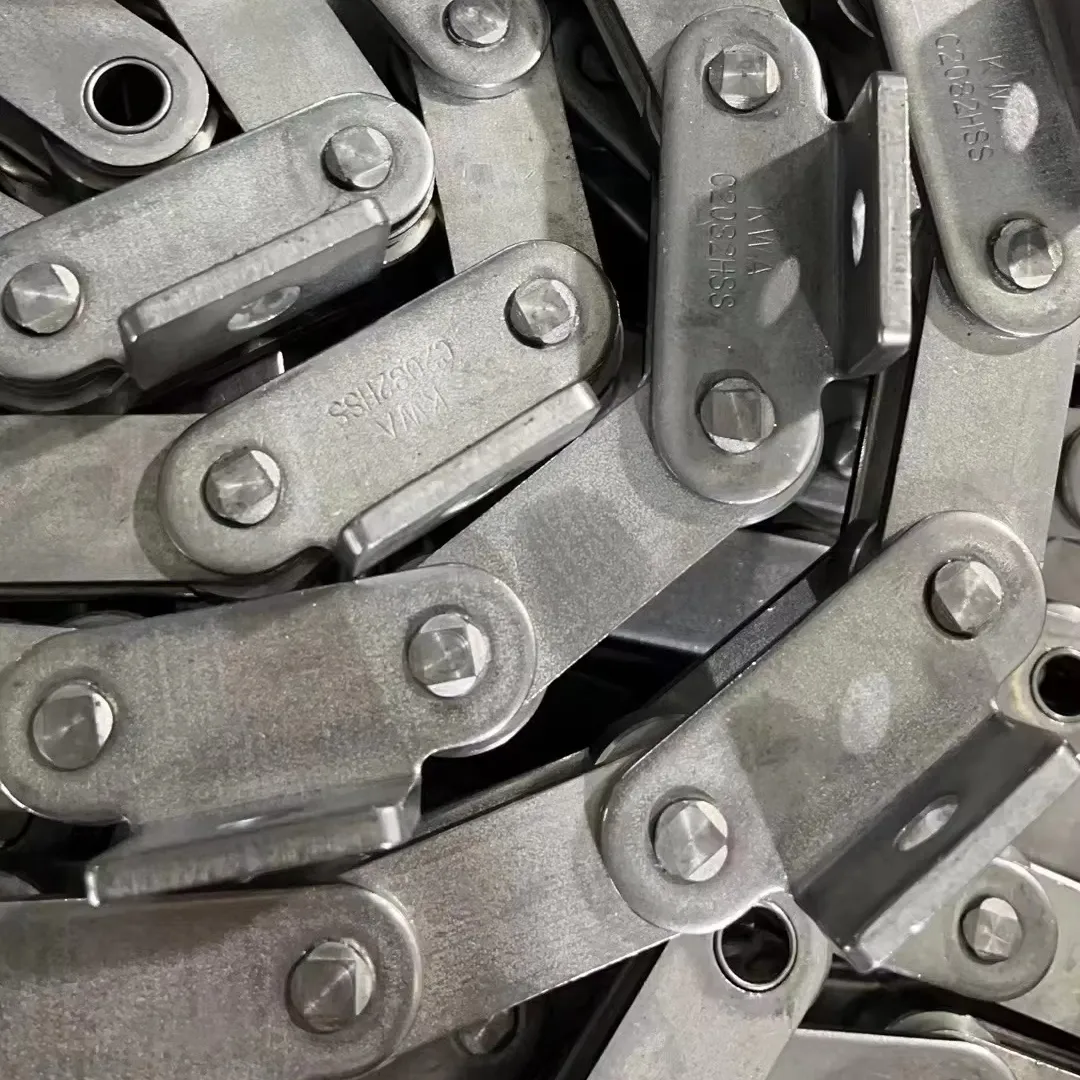
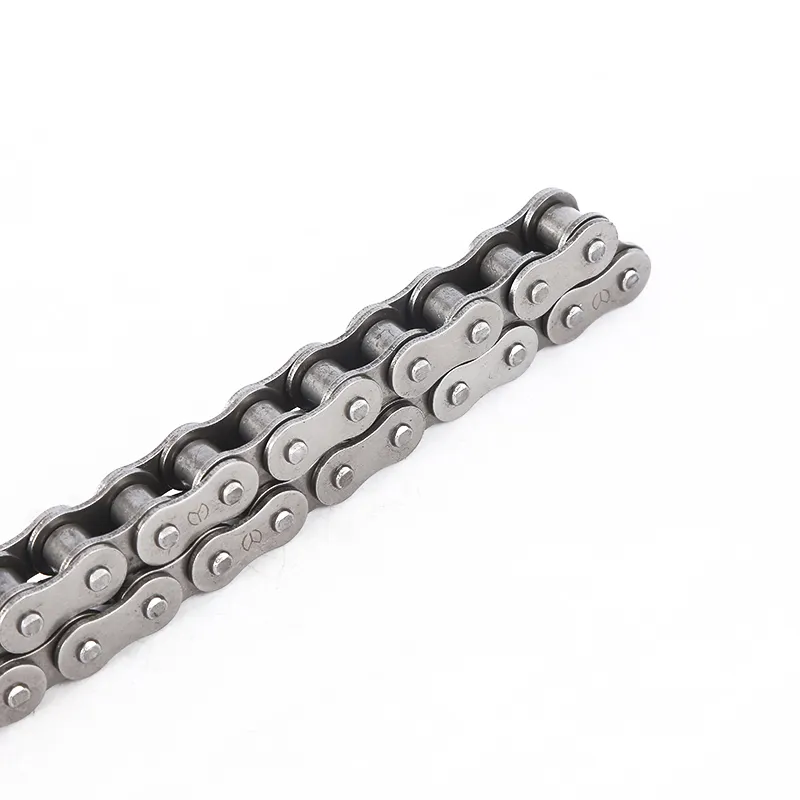
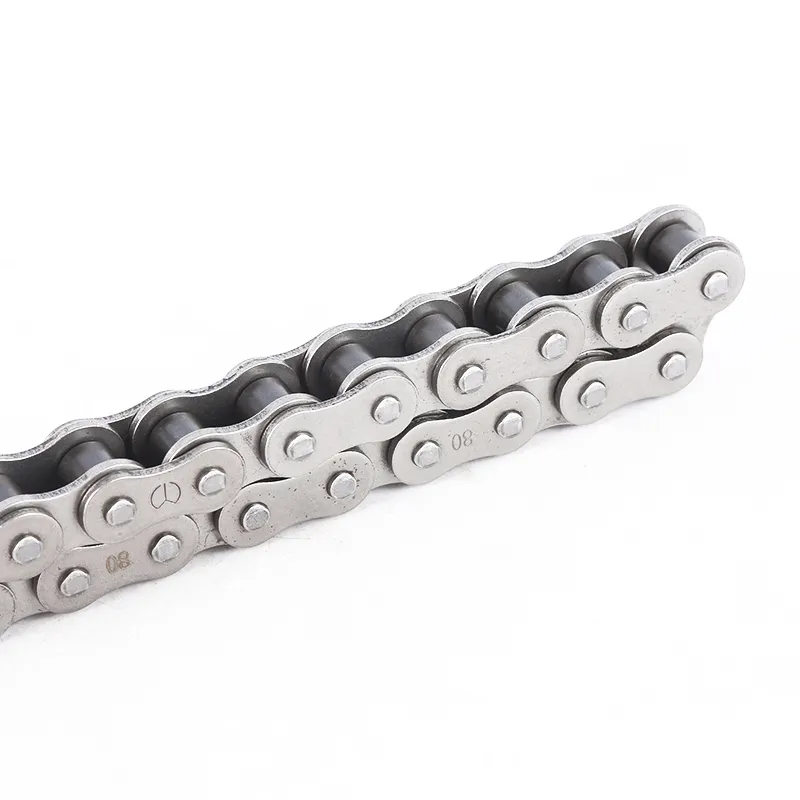
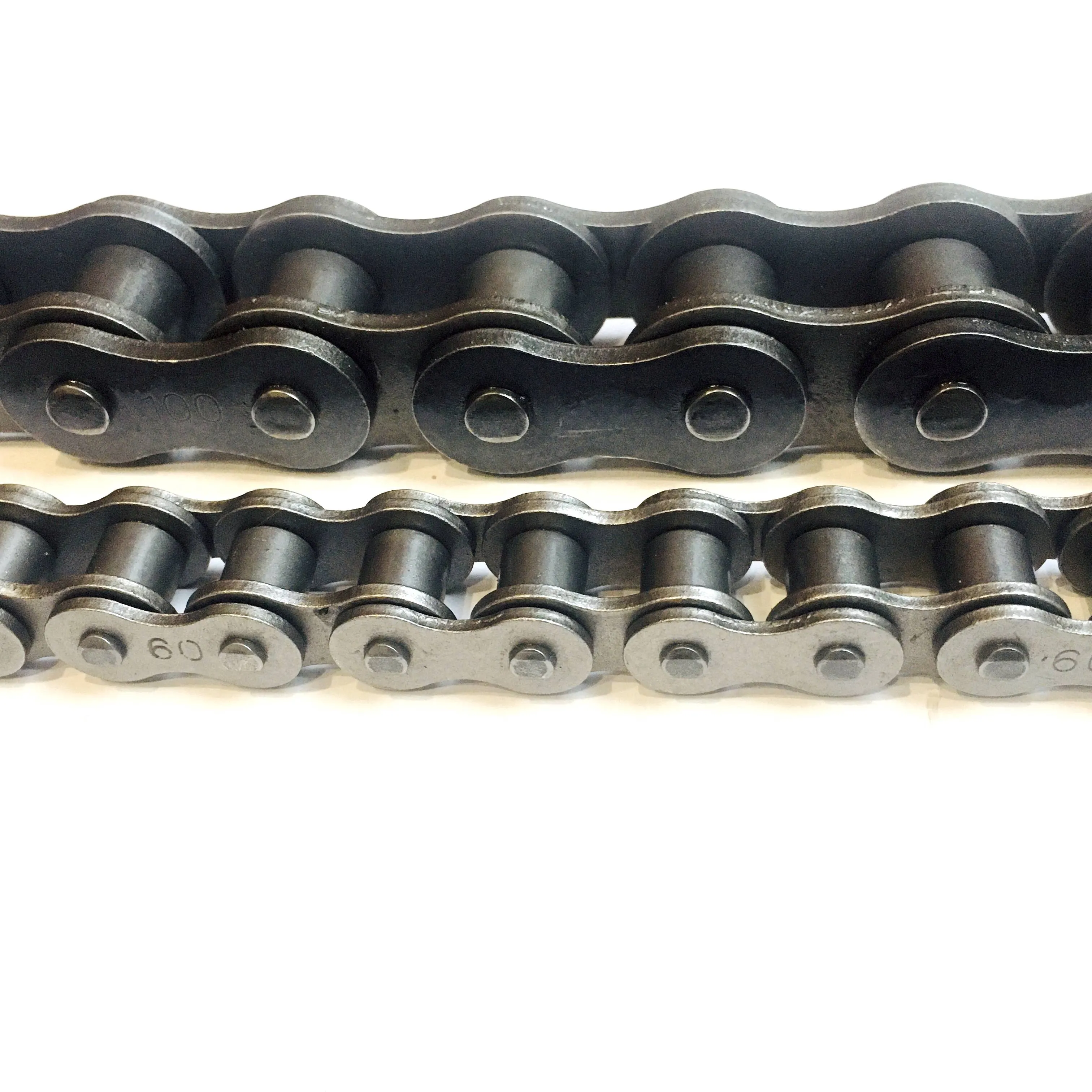
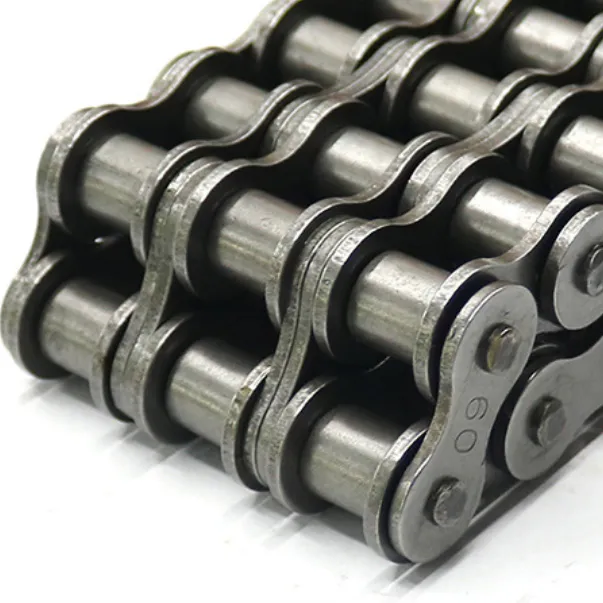
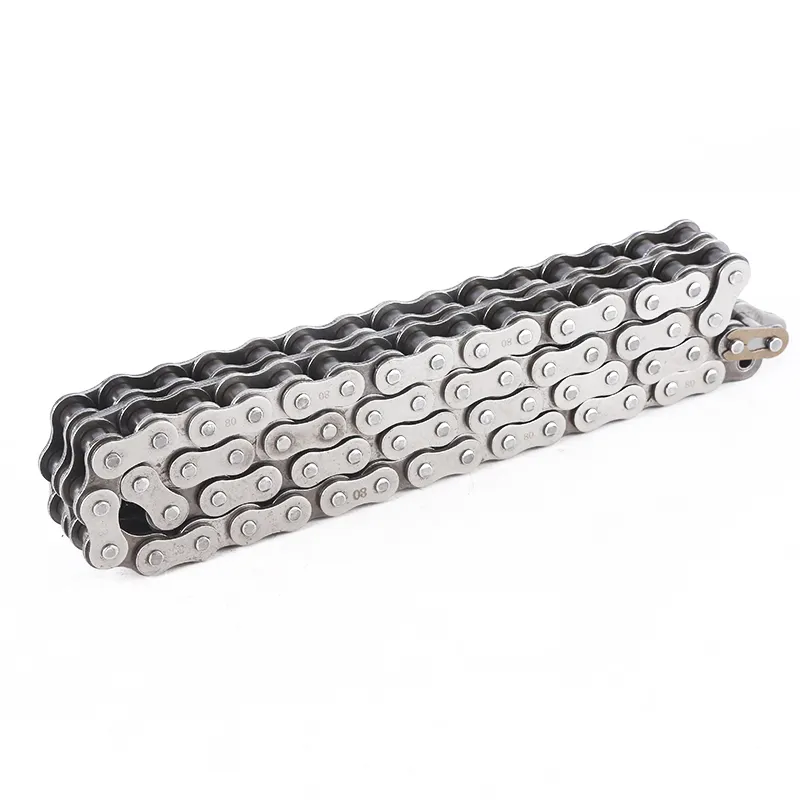
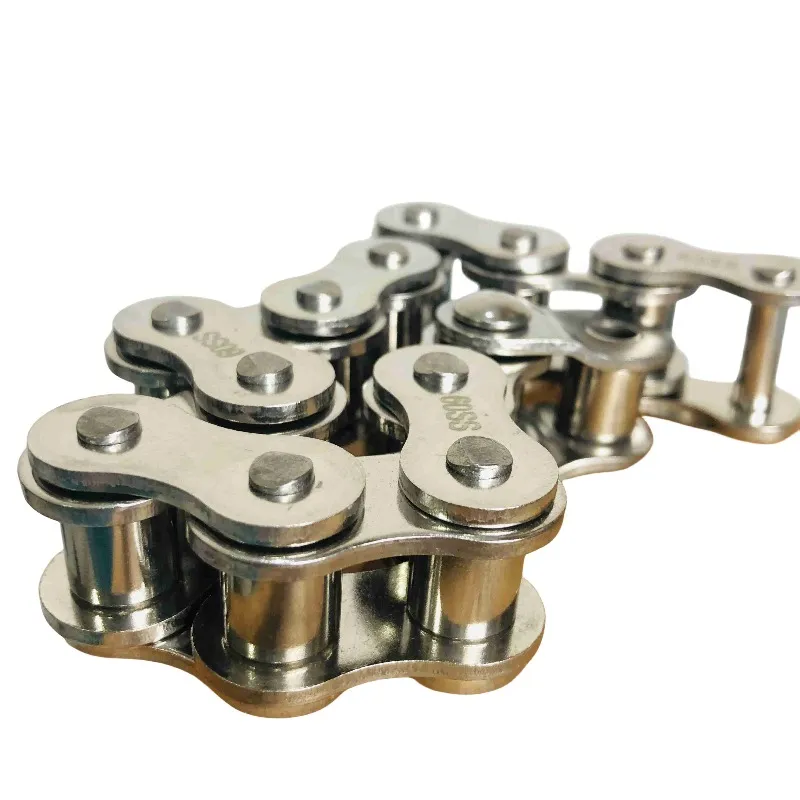
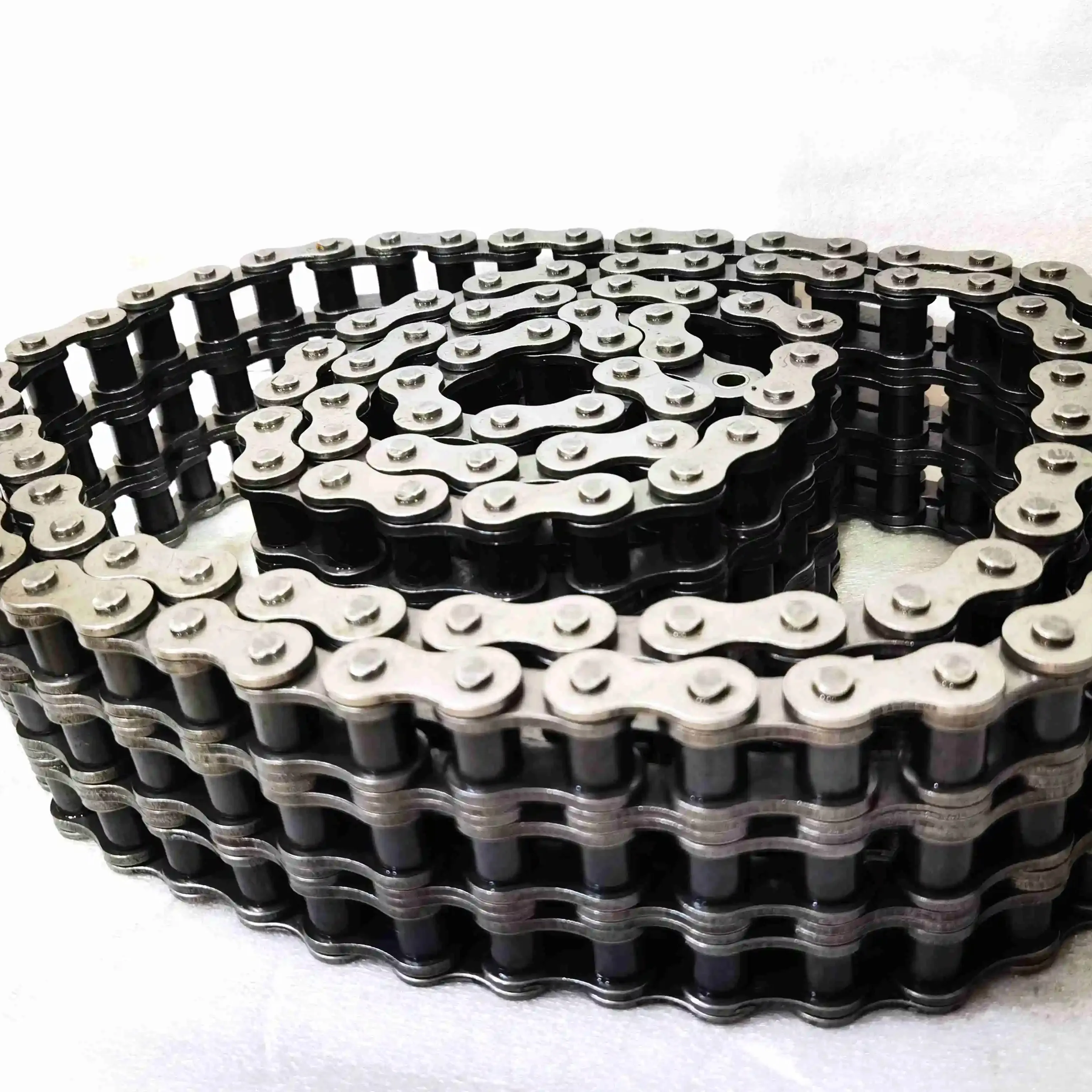
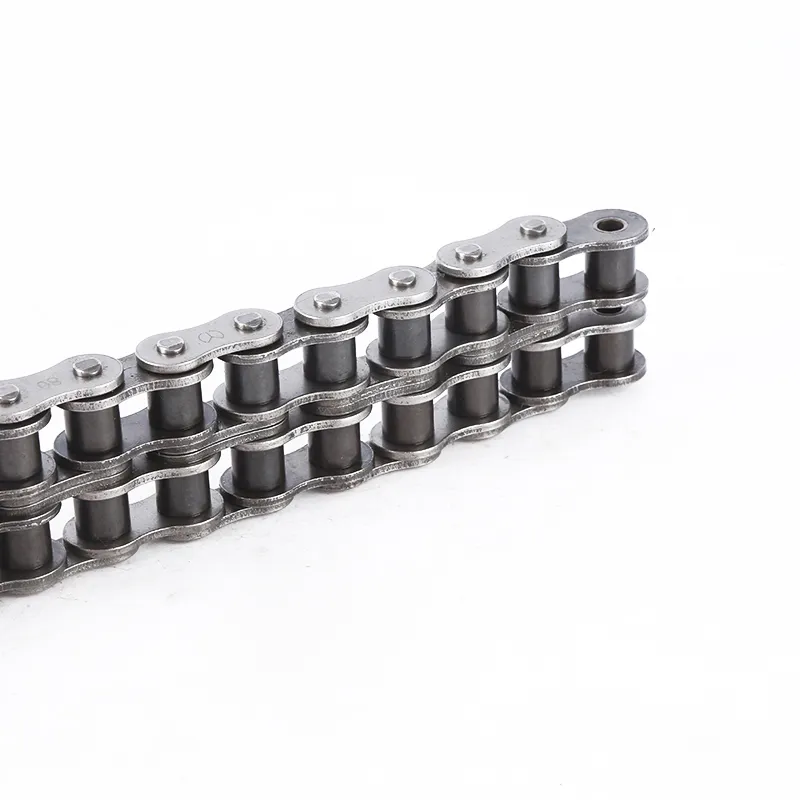
Industrial roller chains deliver high-efficiency mechanical power transmission and synchronized drive torque across continuous cold roll forming mills, automated cut-to-length lines, and motorized discharge conveyors. Manufactured from premium alloy carbon steel and heat-treated stainless steel, our precision-articulated chains feature shot-peened rollers, carburized pins, and pre-stretched link plates. Designed to withstand severe shock loads, cyclic fatigue, and continuous factory operational speeds, these chains conform to ANSI B29.1 and ISO 606 standards, ensuring minimum elongation, maximum wear life, and dependable power transfer in demanding industrial sheet metal fabrication environments.
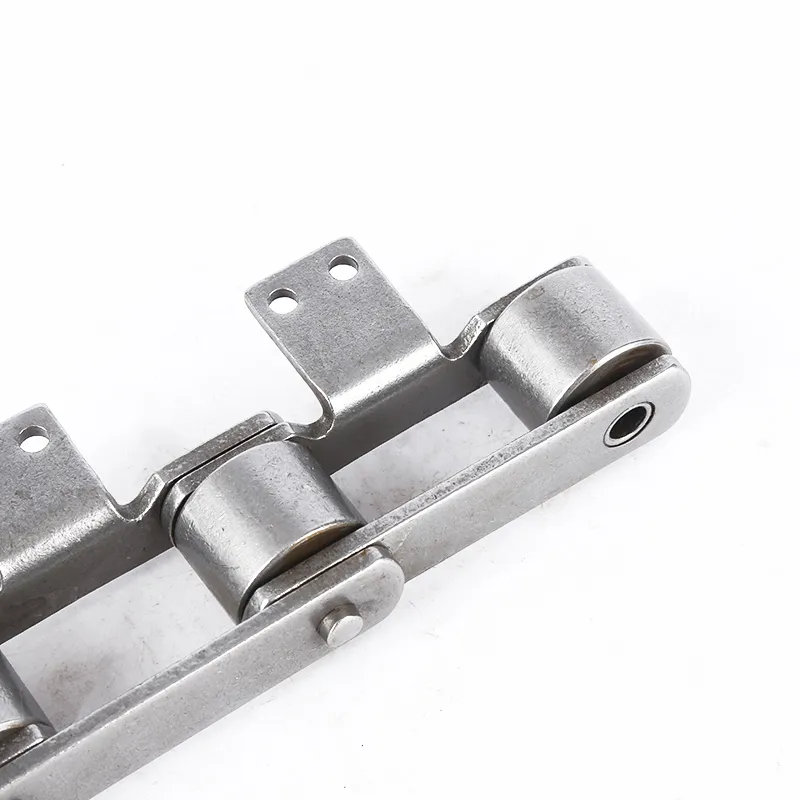 Industrial Roller Chain Stainless Chain Carbon Steel Chain Accessories Customized
- Zhejiang, China+5MM+Single+6mm+15mm
$12.00
MOQ: 100
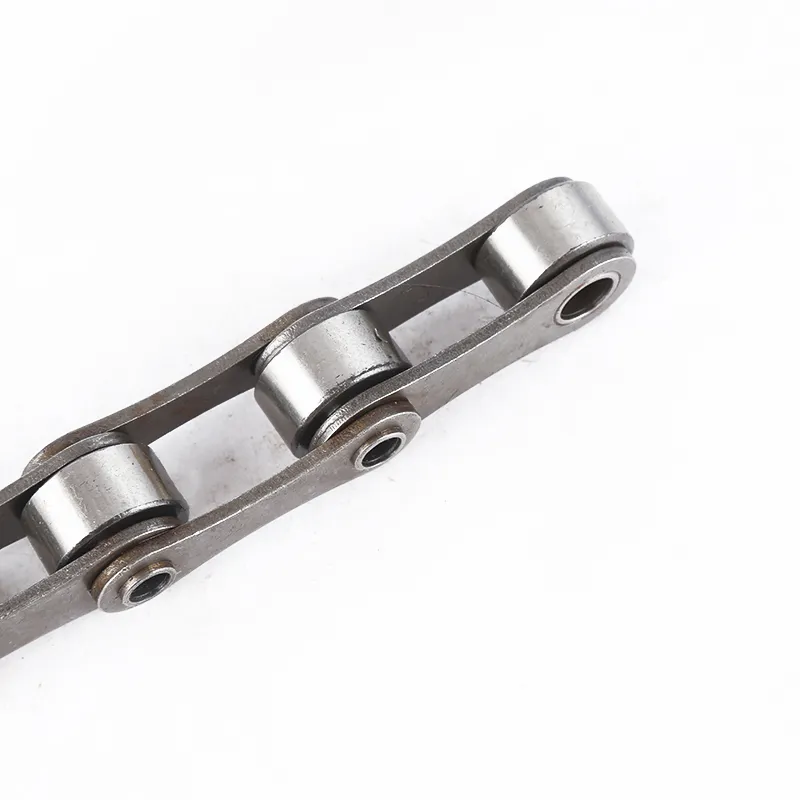 Ready Shipment Industry Transmission Chains Carbon Steel Stainless Steel Roller Chain C208A C208AL C208B C208BL
- C208A C208AL C208B C208BL
$15.00
MOQ: 1000
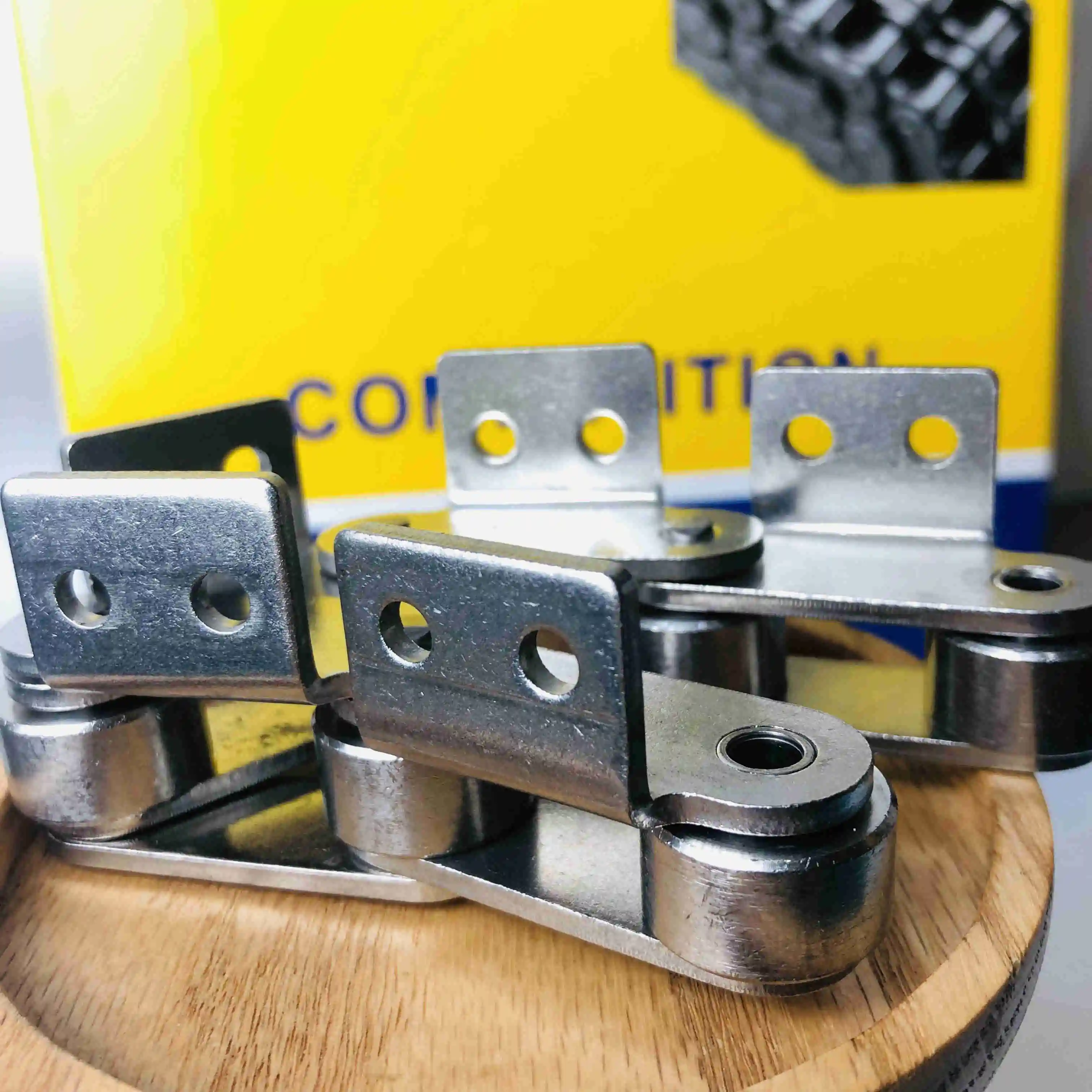 Stainless Steel C2120H C21022H Conveyor Roller Chain
- C2120H C21022H
$80.00
MOQ: 50
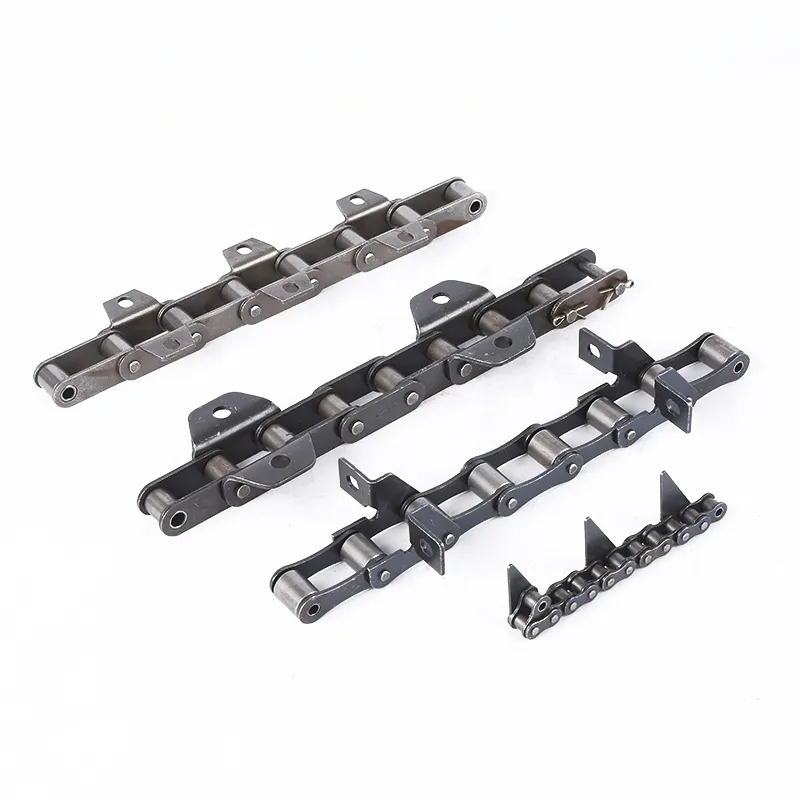 China Industrial Chain Factory Agricultural Machinery Carbon Steel Chain Harvester Conveyor Chain Belt Accessories
- Fujian, China+10mm+Single+6mm+5MM
$25.50
MOQ: 50
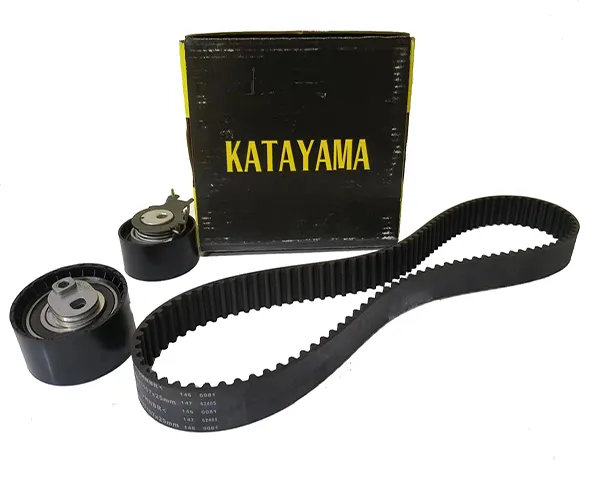 Timing Belt Kit CT1185 High Quality Professional Best Price High Performance
- DHL FEDEX EMS UPS by SEA / AIR+CPTA/8X1 / CZD/8XA+1 Years+Fujian, China+20mm * 163
$20.00
MOQ: 300
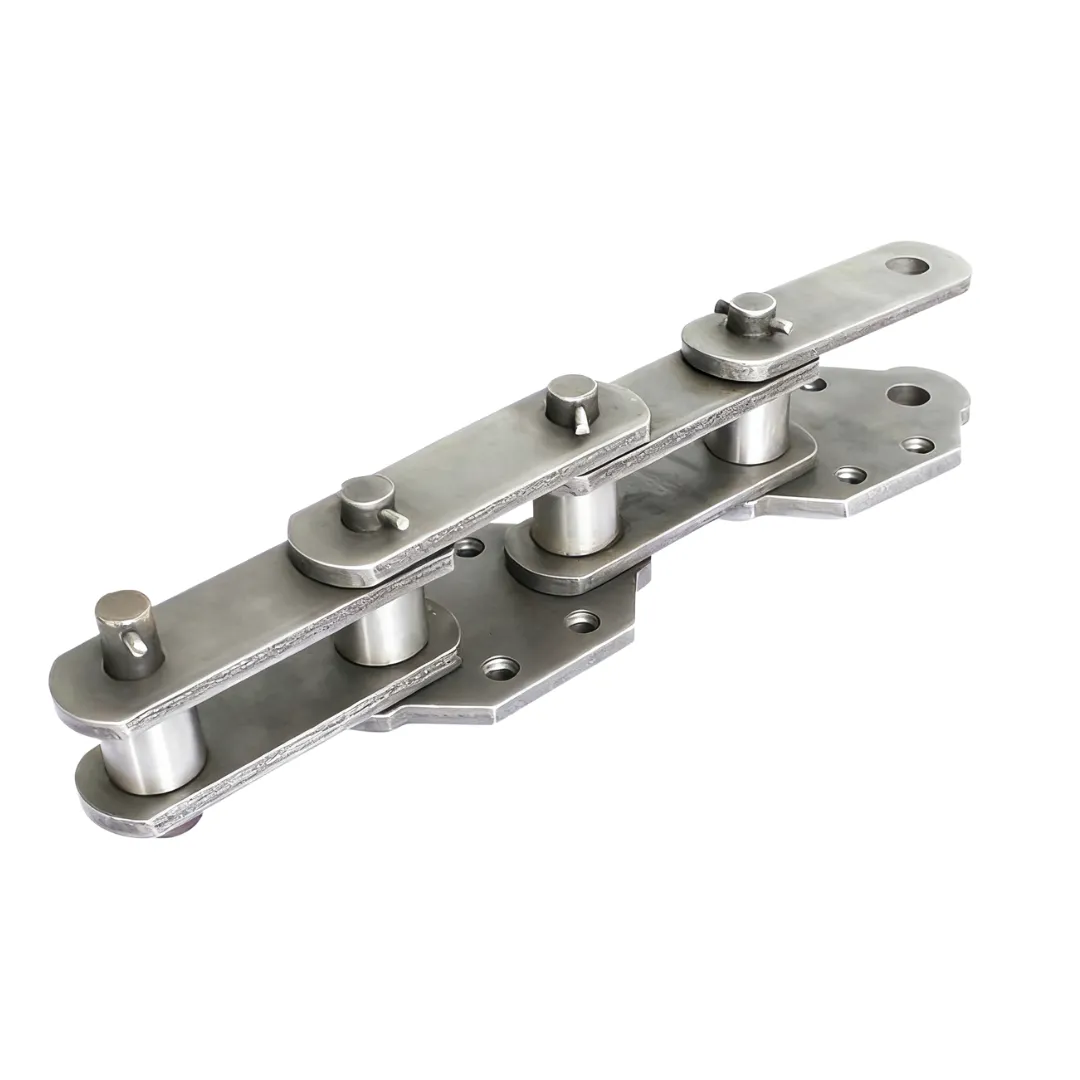 China Industrial Chain Factory Wear-Resistant Industrial Iron Roller Chain for Mining & Material Handling Equipment
- Fujian, China+10mm+Single+6mm+10mm
$112.00
MOQ: 10
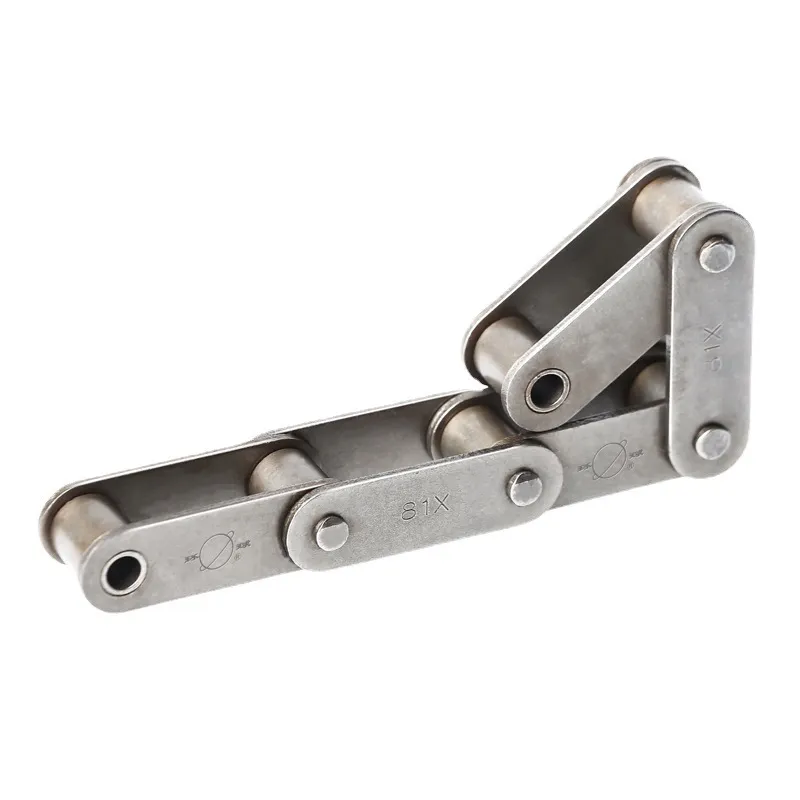 Factory Industrial Multi-industry Industrial Transmission Chain Roller Chain 81xh 81xhh Tranmsission Roller Chain
- Fujian, China+30MM+Single+6mm+5MM
$4.00
MOQ: 500
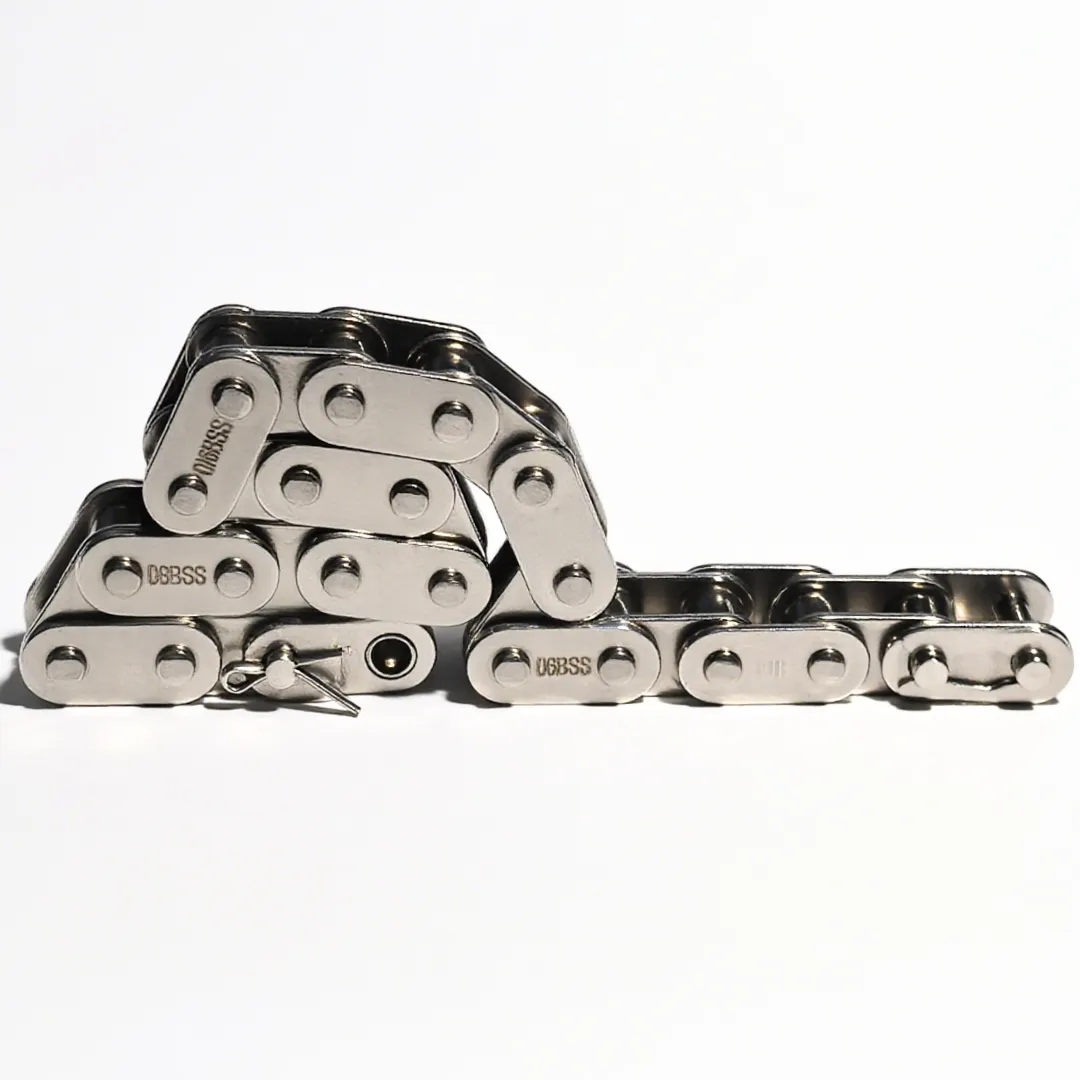 UIB Farm Conveyor Uses High-Quality Short-Pitch Stainless Steel Transmission Chains and Industrial Roller Chains
- Fujian, China+50cm+Single+6mm+5MM
$1.50
MOQ: 100
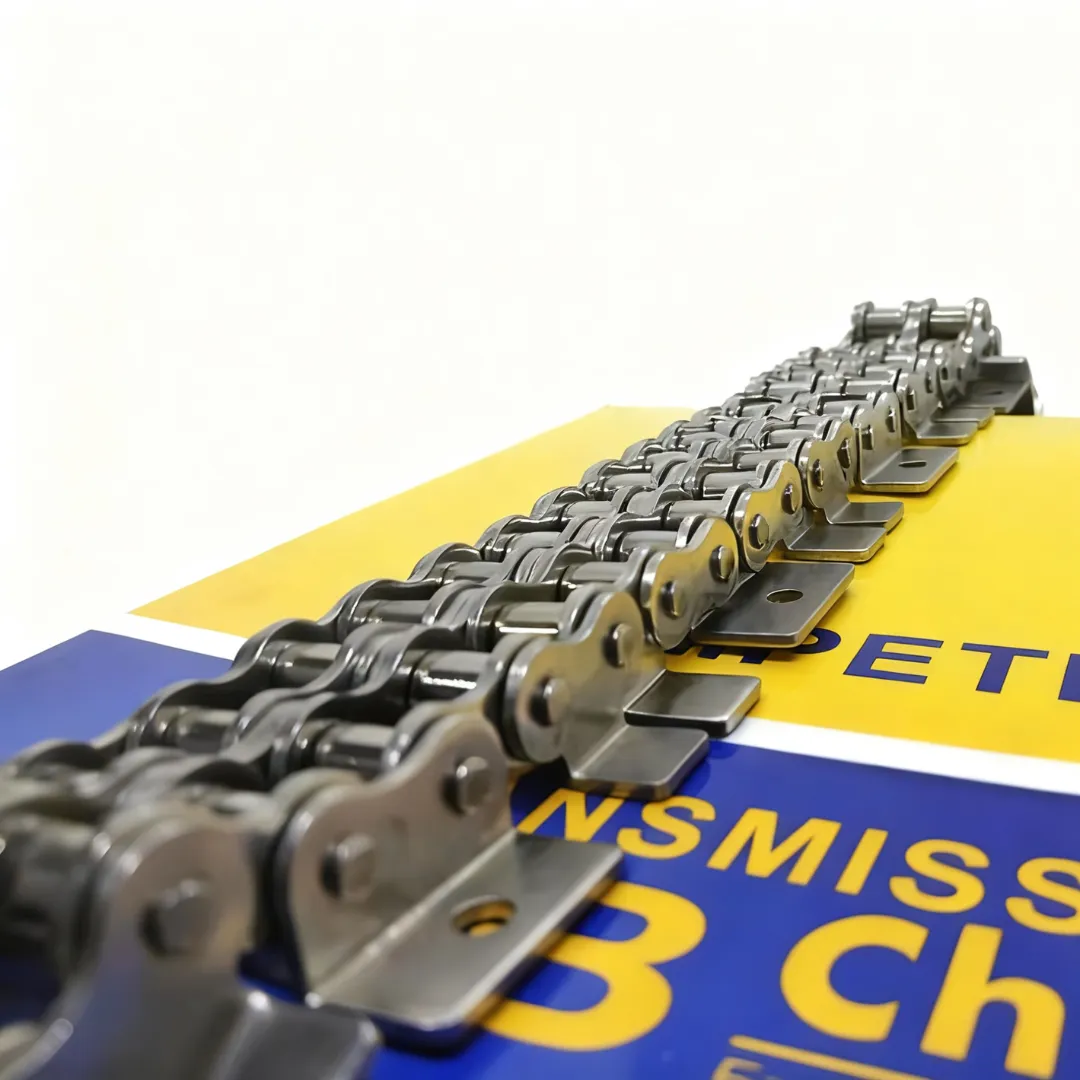 Ready for Shipment China Factory Conveyor Transportation Automatic Parking Machine Roller Chain
- Fujian, China+20mm+Single+12.7 mm+20mm
$2.01
MOQ: 100
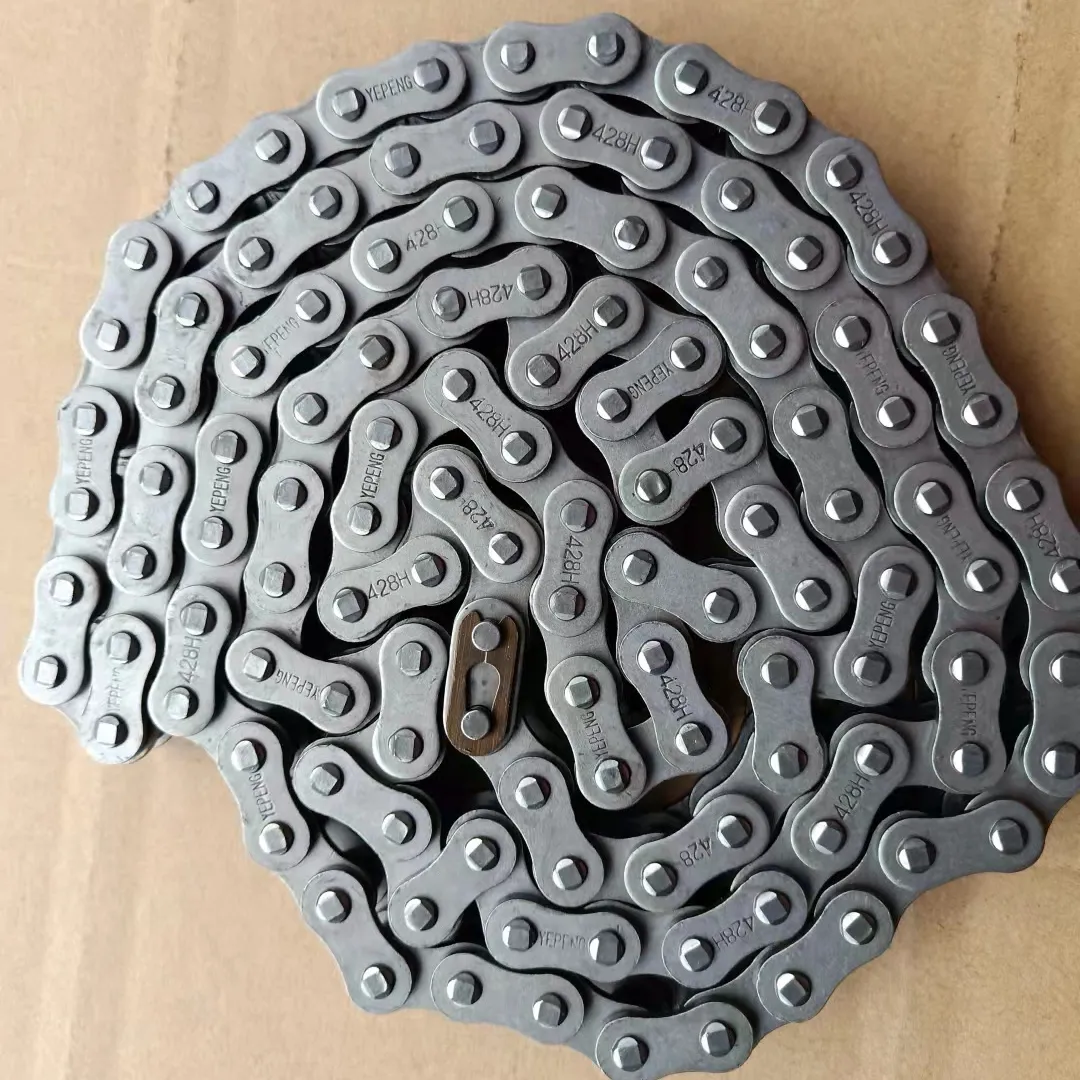 China Supplier Good Quality Conveyor Transportation Automatic Parking Machine Roller Chain
- Fujian, China+Manufacturing Plant+UIB+Iron+Original steel color
$2.41
MOQ: 100


About Industrial Drive Chains & Heavy Roller Chains
Mechanical roller chains represent the primary synchronized drive transmission mechanism across heavy-duty cold roll forming machinery, automated decoilers, and steel coil processing lines. Unlike direct gear drives that require rigid shaft spacing or belt systems susceptible to slippage under sudden loads, roller chains provide positive, slip-free torque distribution across multiple staggered forming stations over long center distances. When thick steel coils undergo multi-stage progressive bending, instantaneous forming resistance creates heavy cyclic shock loads that drive chains must absorb without permanent elongation.
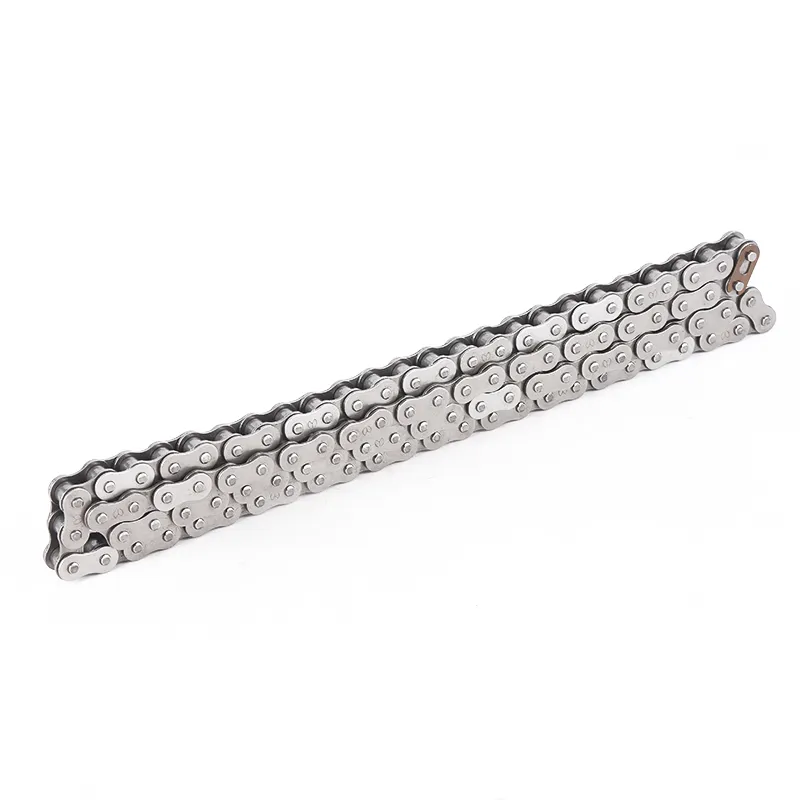
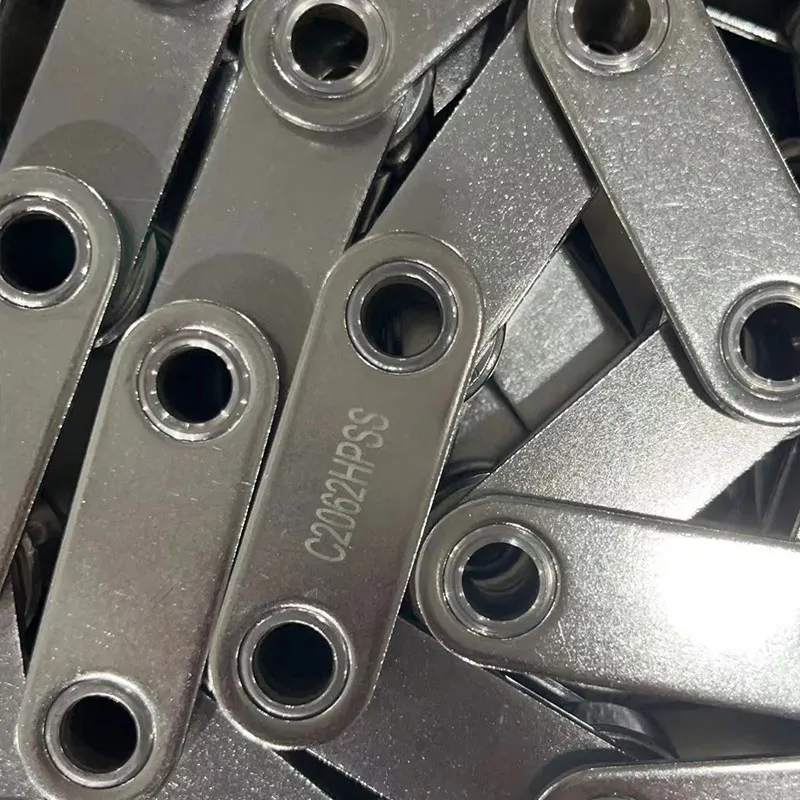
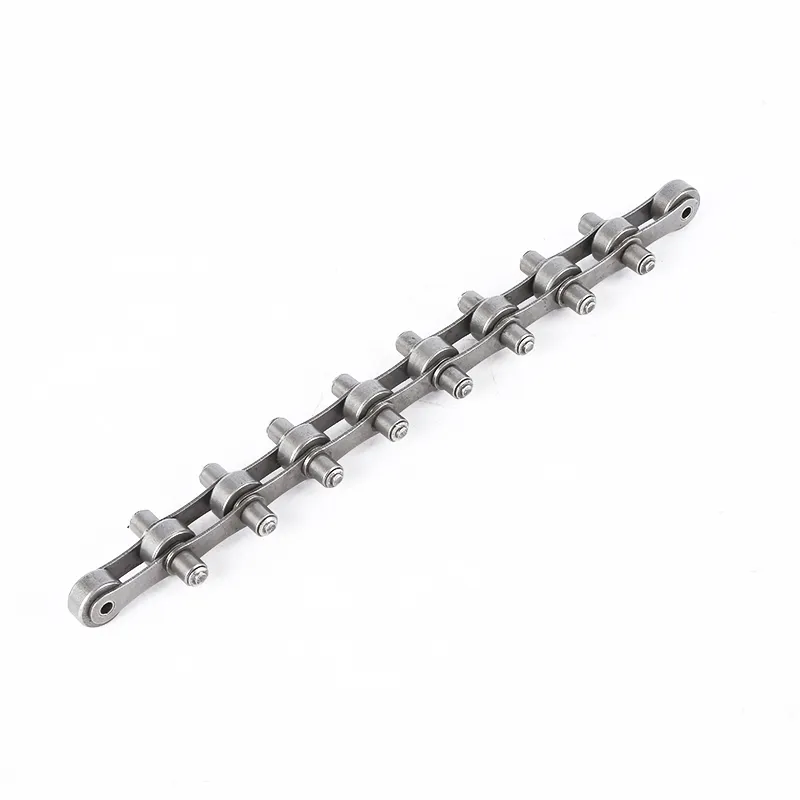
Our industrial chain portfolio encompasses single-strand and multi-strand precision roller chains, heavy-series (H-series) chains with thickened side plates, and specialized attachment conveyor chains. Each component undergoes rigorous metallurgical heat treatment: link plates are precision-stamped and ball-burnished for maximum fatigue strength, while alloy steel pins are case-hardened and micro-polished to minimize frictional wear at articulating joints. Factory pre-loading and pre-stretching protocols eliminate initial run-in slack, guaranteeing consistent roller timing across all roll forming shaft stations.
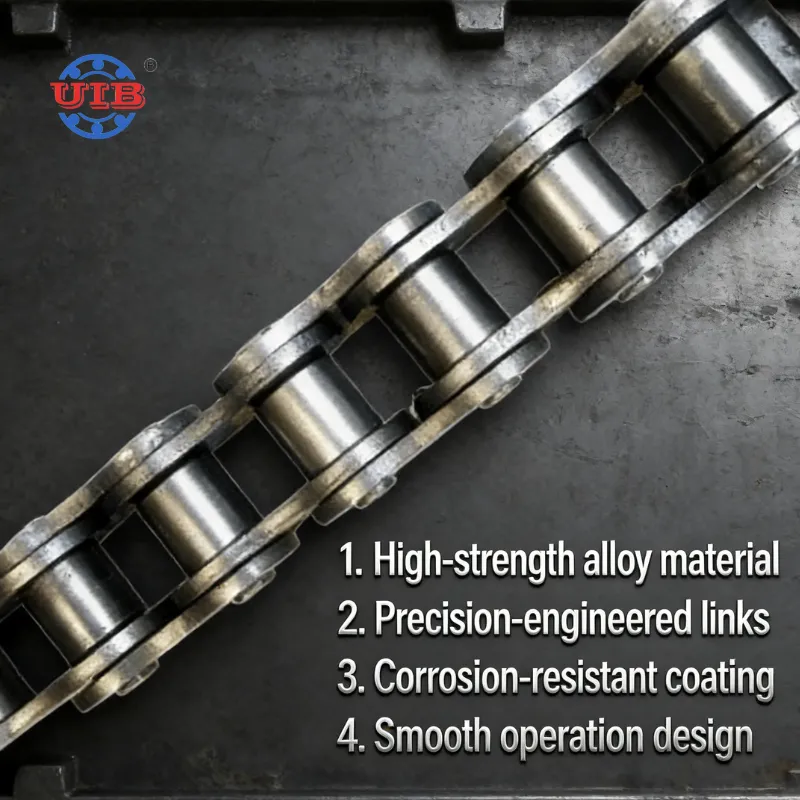
To withstand abrasive metal scale, particulate contaminants, and industrial humidity, our roller chains are available with nickel-plated, zinc-plated, or Dacromet anti-corrosion surface treatments. Precision factory vacuum-immersion lubrication ensures deep penetration of high-temperature extreme-pressure grease into pin-bush clearances, dramatically extending maintenance service intervals in automated sheet metal profiling factories.
Applications
Cold Roll Forming Machine Inter-Station Spindle Drive Chain
In cold roll forming machine inter-station spindle drive chain, heavy-duty duplex roller chains linking sequential drive shafts and gear reducers across multi-station cold roll forming machine beds. These automated forming systems integrate hydraulic punching, progressive roll forming, and synchronized flying cutoff technology to mass-produce complex metal profiles efficiently.
Motorized Steel Coil Decoiler Mandrel Drive Chain Assembly
In motorized steel coil decoiler mandrel drive chain assembly, high-torque ANSI #100 heavy-series transmission chains coupling electric gear motors to expanding mandrel shafts on hydraulic steel uncoilers. Synchronized by advanced PLC automation with real-time encoder feedback, these heavy roll forming lines continuously shape metal strip at high speeds with tight tolerances.
Automated Runout Conveyor Roller Table Chain Drive System
In automated runout conveyor roller table chain drive system, precision simplex roller chains driving continuous conveyor rollers to smoothly transfer roll formed metal panels to automated stacking stations. These induction-hardened mechanical wear parts and high-load transmission assemblies distribute drive torque evenly and ensure smooth, synchronized machine operation.
Hydraulic Flying Shear Carriage Synchronized Chain Drive
In hydraulic flying shear carriage synchronized chain drive, high-tensile pre-stretched roller chains accelerating flying hydraulic cut-off dies to match line speed during high-speed metal profile cutting. These automated forming systems integrate hydraulic punching, progressive roll forming, and synchronized flying cutoff technology to mass-produce complex metal profiles efficiently.
Steel Sheet Stacker Cross-Transfer Slat Conveyor Chain
In steel sheet stacker cross-transfer slat conveyor chain, double-pitch attachment conveyor chains moving heavy bundles of pre-painted steel cladding panels across automated packaging transfer beds. Precision-machined from vacuum-hardened alloy tool steel and mirror-polished with hard-chrome plating, these heavy tooling components withstand extreme forming pressures without galling.
Technical Overview
| Parameter | Information |
|---|---|
| Chain Classifications | Simplex, Duplex, Triplex Precision Roller Chains; Heavy-Series (H-Series) |
| Standard Chain Sizes | ANSI #40 to #160 (1/2" to 2" Pitch); ISO 08B to 32B (Metric Standard) |
| Link Plate Materials | High-Carbon Alloy Steel (Grade 40Mn/45Mn), Stainless Steel 304/316 |
| Pin & Roller Materials | Carburized Alloy Steel (Grade 20CrMnMo), Case-Hardened & Micro-Polished |
| Ultimate Tensile Strength | 18.2 kN (ANSI #50) to 250.0 kN (ANSI #160 Heavy Series) |
| Surface Finishing / Plating | Shot-Peened Natural, Black Oxide, Nickel-Plated, Zinc-Plated, Dacromet |
| Pin Hardness Specification | HRC 58 - 62 (case depth 0.2 mm to 0.6 mm per heat-treat batch) |
| Plate Hardness Specification | HRC 44 - 48 (quenched and tempered for optimal fatigue resilience) |
| Pre-Stretching Load Ratio | Factory pre-loaded to 30% - 35% of minimum ultimate tensile strength |
| Manufacturing Standards | ANSI B29.1, ISO 606, DIN 8187, DIN 8188, CE Certified Production |
FAQ
What are the primary differences between ANSI and ISO metric roller chains in roll forming lines?
ANSI chains (such as #60, #80, #100) feature standardized pitch, pin, and roller dimensions based on inches, while ISO/DIN chains (such as 12B, 16B, 20B) follow European metric standards with slightly thicker inner link plates and larger roller diameters.
Why is pre-stretching and pre-loading critical for industrial roll forming drive chains?
Pre-stretching subjects the assembled chain to calibrated initial proof loads, seating the pins firmly inside the bushings to eliminate initial run-in elongation, ensuring precise synchronicity between sequential roll forming stations.
When should heavy-series (H-series) roller chains be specified over standard roller chains?
Heavy-series roller chains feature link plates that are 20% to 25% thicker than standard chains, providing substantially higher fatigue resistance and greater tensile capacity under severe shock loads caused by heavy gauge metal roll forming.
How does shot-peening improve the fatigue life of chain link plates and rollers?
Shot-peening bombards link plate surfaces with microscopic steel shot, inducing compressive residual stress that prevents microscopic surface fatigue cracks from initiating under continuous cyclic tensile loading.
What lubrication methods are recommended for continuous high-speed roll forming chain drives?
Automated drip-feed oilers or circulating oil bath sumps utilizing extreme-pressure industrial gear oil (ISO VG 150 to 220) are recommended, ensuring continuous oil replenishment inside the critical pin-bushing articulating clearance.
How is permissible chain elongation measured to determine replacement intervals?
Permissible chain elongation is measured across a span of 12 to 24 pitches using a precision caliper; chains exceeding 1.5% to 2.0% elongation must be replaced to prevent tooth climbing, premature sprocket wear, and chain breakage.
Can stainless steel roller chains replace carbon steel chains in corrosive manufacturing environments?
Yes, 304 and 316 grade stainless steel chains deliver superior chemical and moisture corrosion resistance, though carbon steel chains offer higher tensile strength and fatigue life in non-corrosive heavy mechanical drive applications.