Global B2B Roll Forming Sourcing Platform | Free RFQ Response within 24h

- Tuo AI

- Live

- My Account
- Shopping Cart
- Inquiry Basket
- Contact Us
- Back to Top




Industrial Chain Sprockets & Drive Plate Wheels
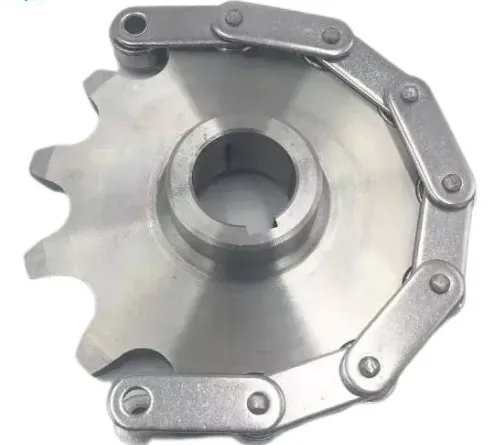
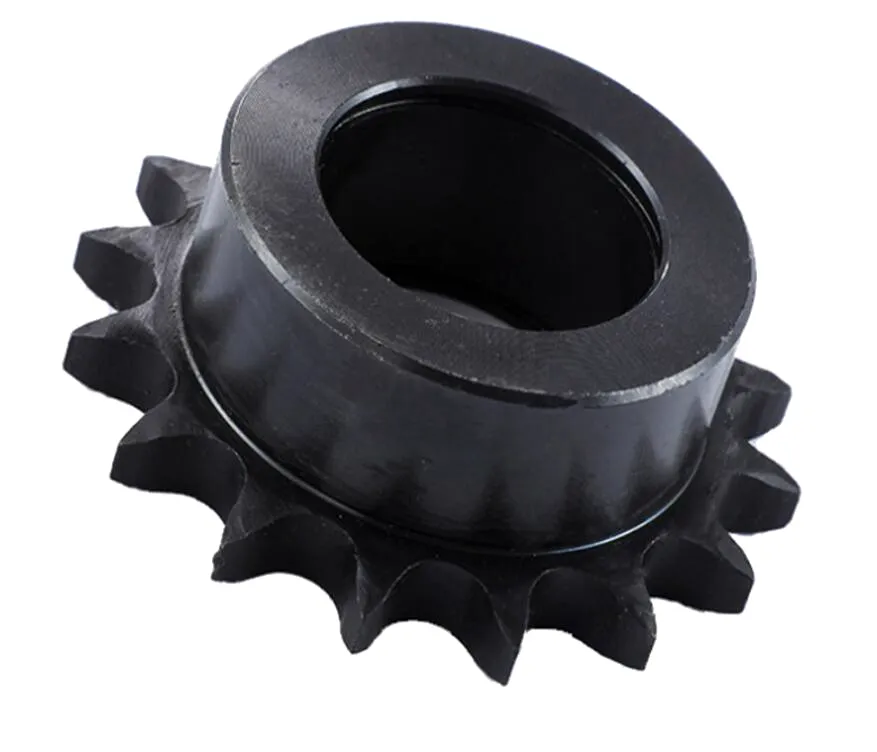
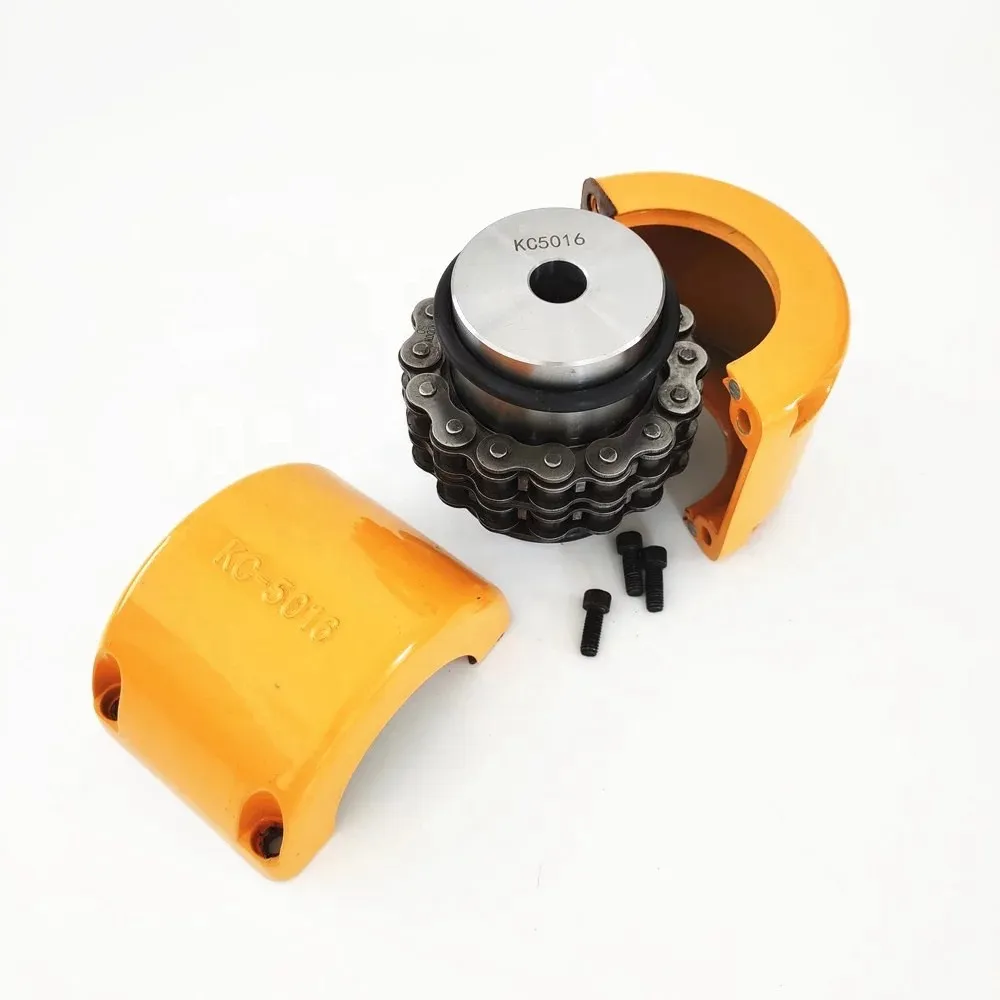
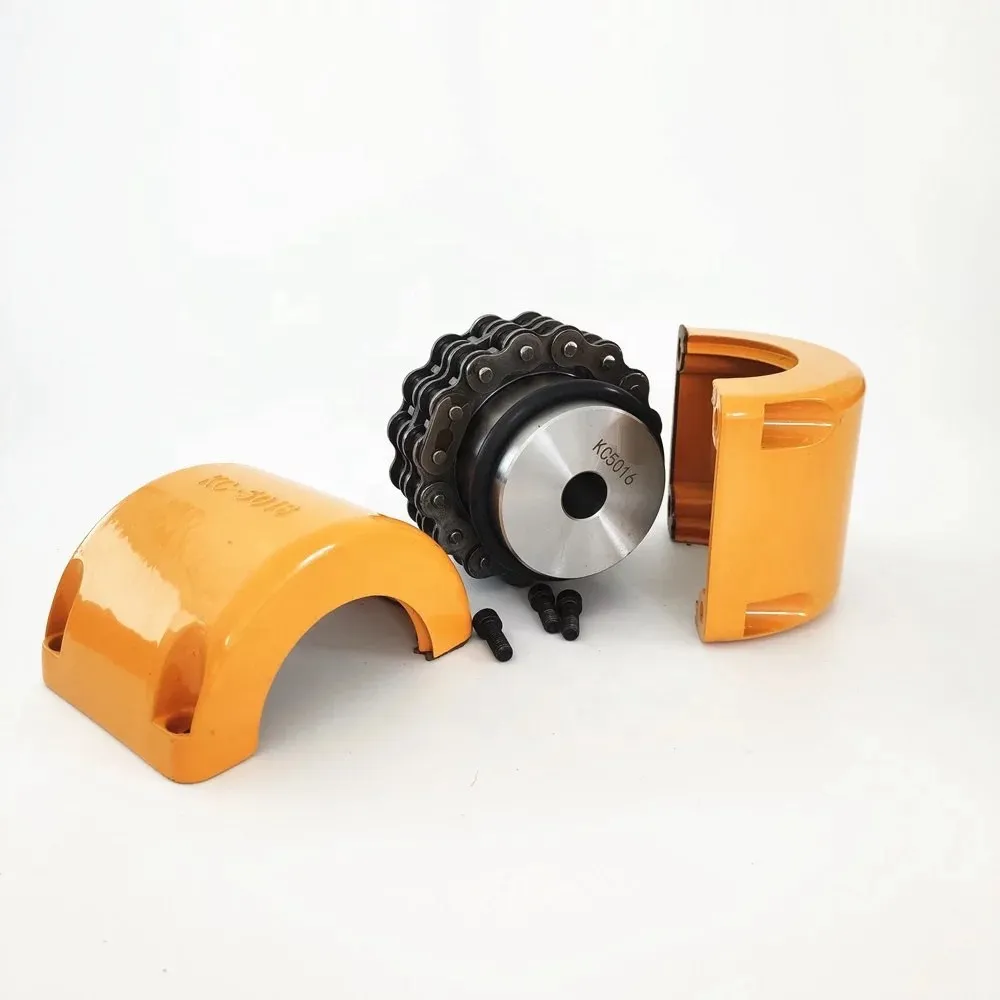
Industrial chain sprockets provide precision mechanical engagement and reliable torque transmission across cold roll forming machine drives, motorized coil handling equipment, and automated factory transfer conveyors. Machined from medium carbon structural steel Grade 45 or cast iron, our sprockets feature induction-hardened tooth profiles, precision broached keyways, and high-tolerance bores. Conforming strictly to ANSI B29.1 and ISO 606 tooth geometry standards, these sprockets deliver smooth roller entry, minimized chain articulation impact, and superior wear life under severe cyclic operating conditions in industrial metal manufacturing facilities.
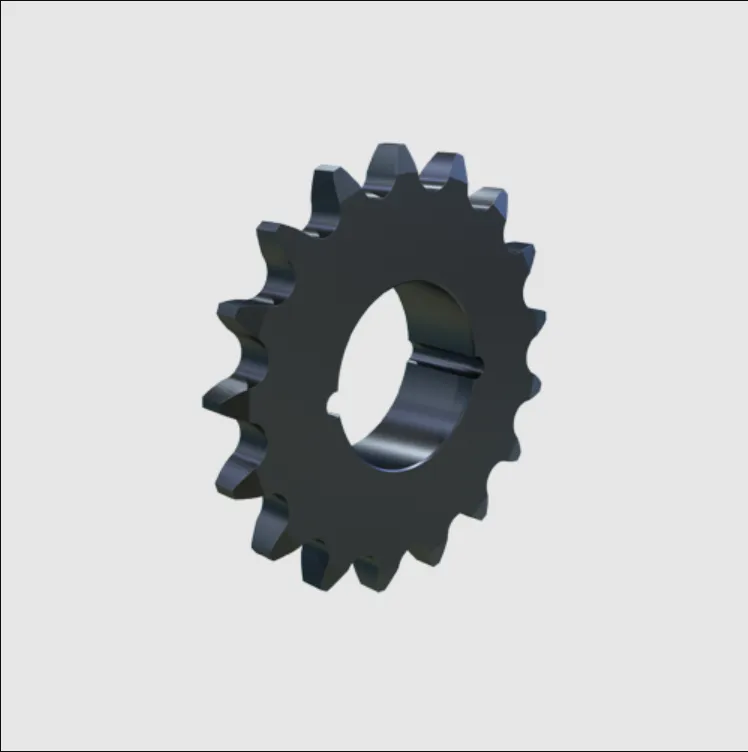 Sprocket Gear Chain Wheel Carbon Steel Stainless Steel Single Row Double Row Three Row 12A-1 10A-1
- Hebei, China+10mm+6mm+30+150 mm
$15.00
MOQ: 100
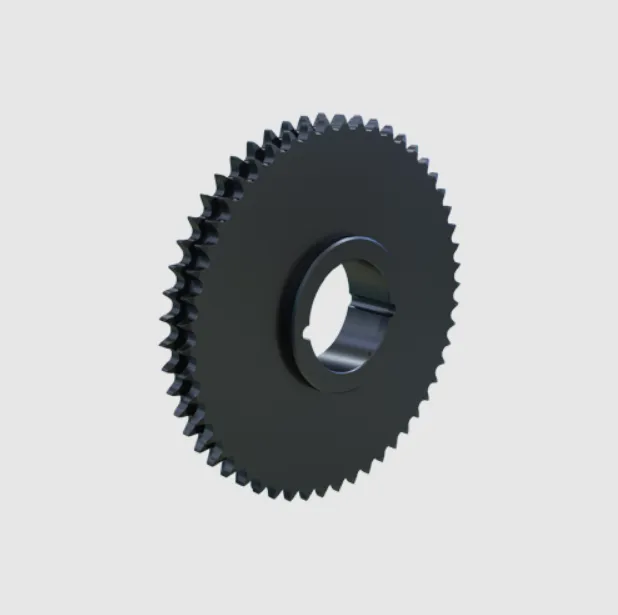 Sprocket Gear Chain Wheel Carbon Steel Stainless Steel Single Row Double Row Three Row 32B-2
- Hebei, China+20mm+12.7 mm+30+50mm
$15.00
MOQ: 100
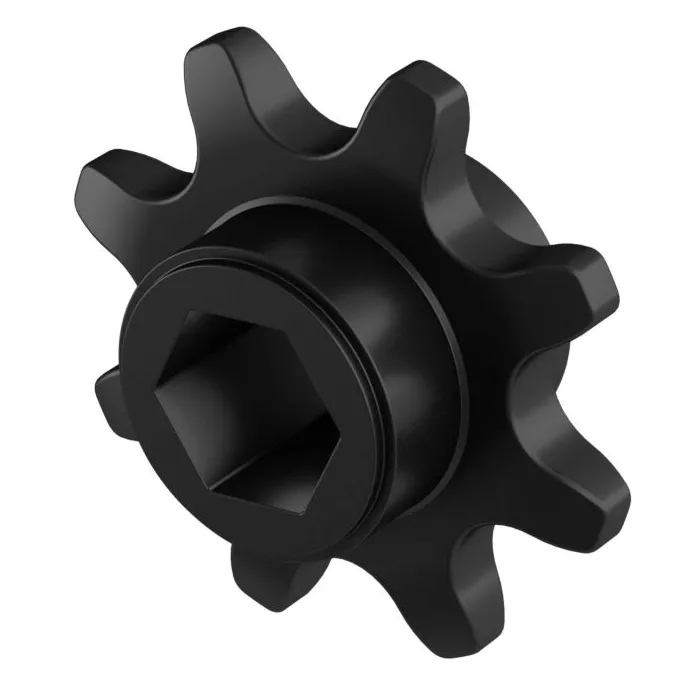 Sprocket Gear Chain Wheel Carbon Steel Stainless Steel Single Row Double Row Three Row
- Hebei, China+10mm+6mm+20+50mm
$15.00
MOQ: 100
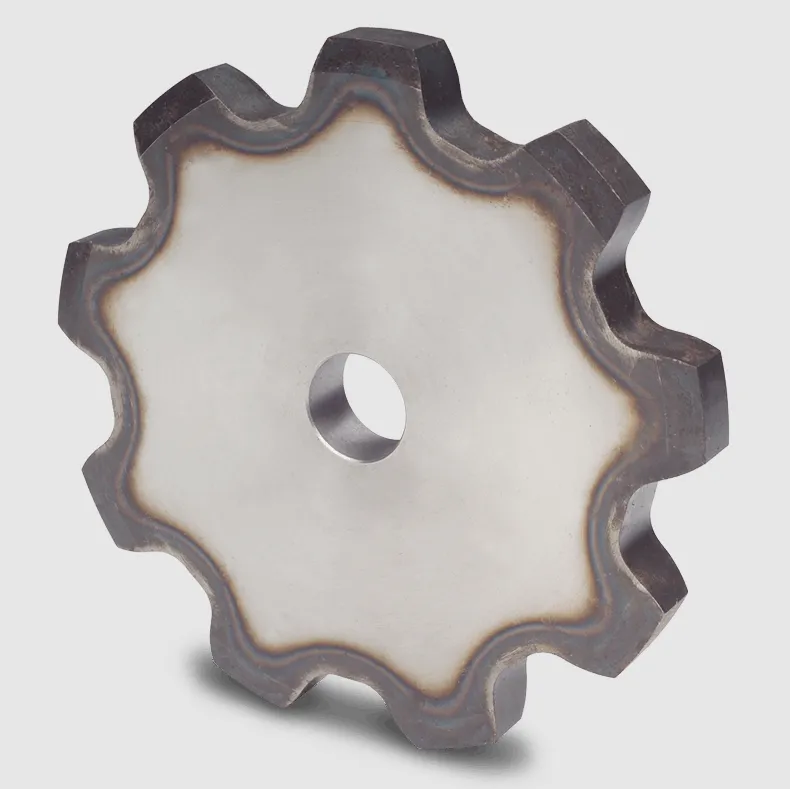 Sprocket Gear Chain Wheel Carbon Steel Stainless Steel Single Row Double Row Three Row C2060 Chain Sprocket
- Hebei, China+50mm+25.4 mm+20+200 mm
$15.00
MOQ: 100
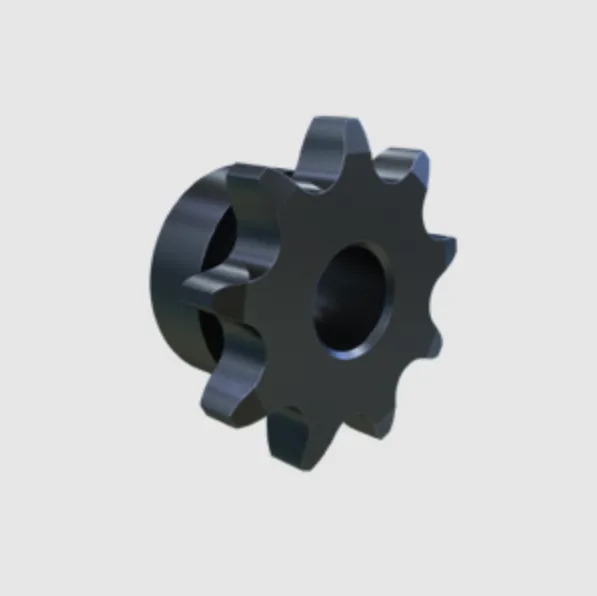 Sprocket Gear Chain Wheel Carbon Steel Stainless Steel Single Row Double Row Three Row 08B-1 06B-1
- Hebei, China+20mm+12.7 mm+30+150 mm
$15.00
MOQ: 100
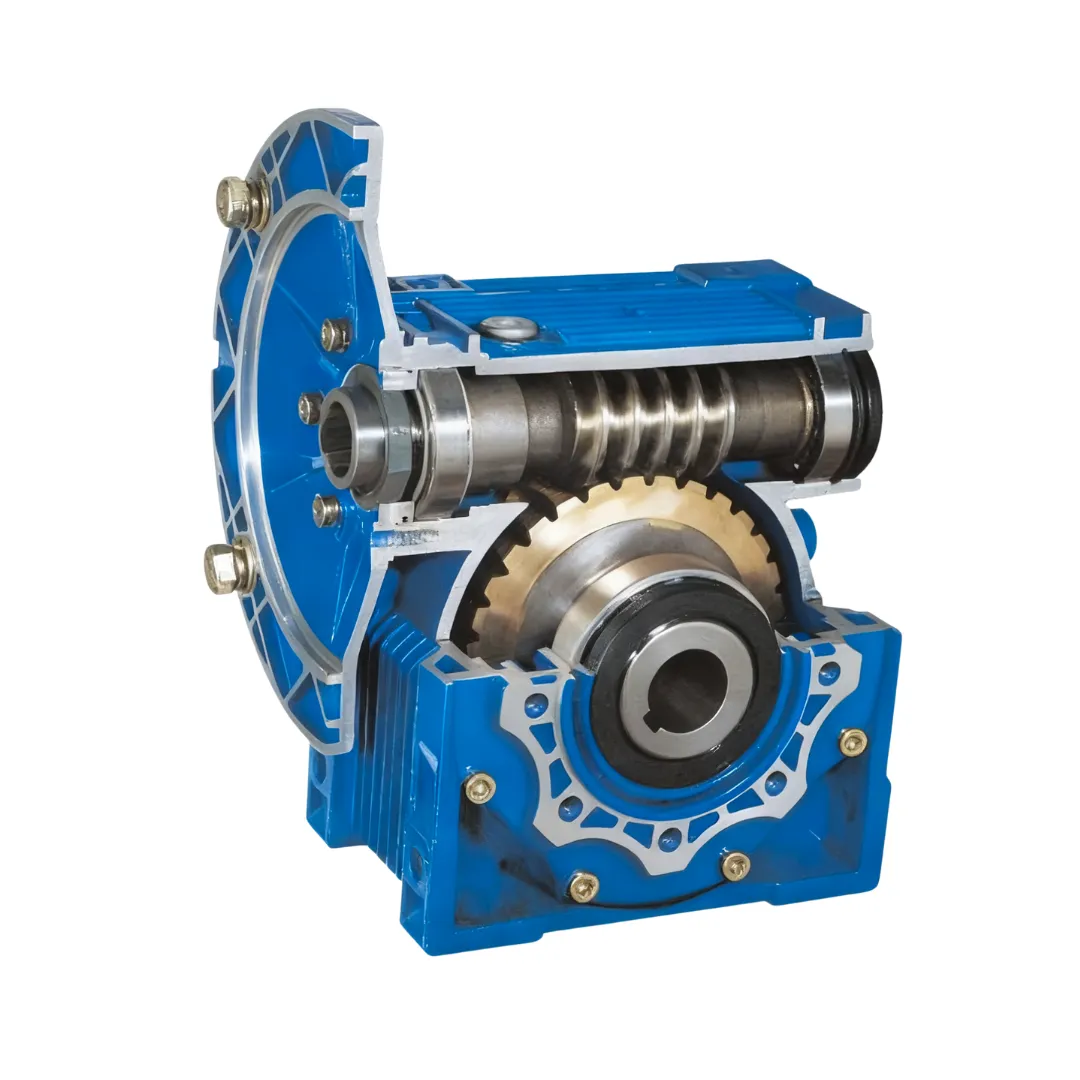 Suitable for Multiple Working Conditions: Precision Gears Dedicated to Differential Systems of Industrial/agricultural Machinery
- Fujian, China+10mm+12.7 mm+50+150 mm
$345.00
MOQ: 100
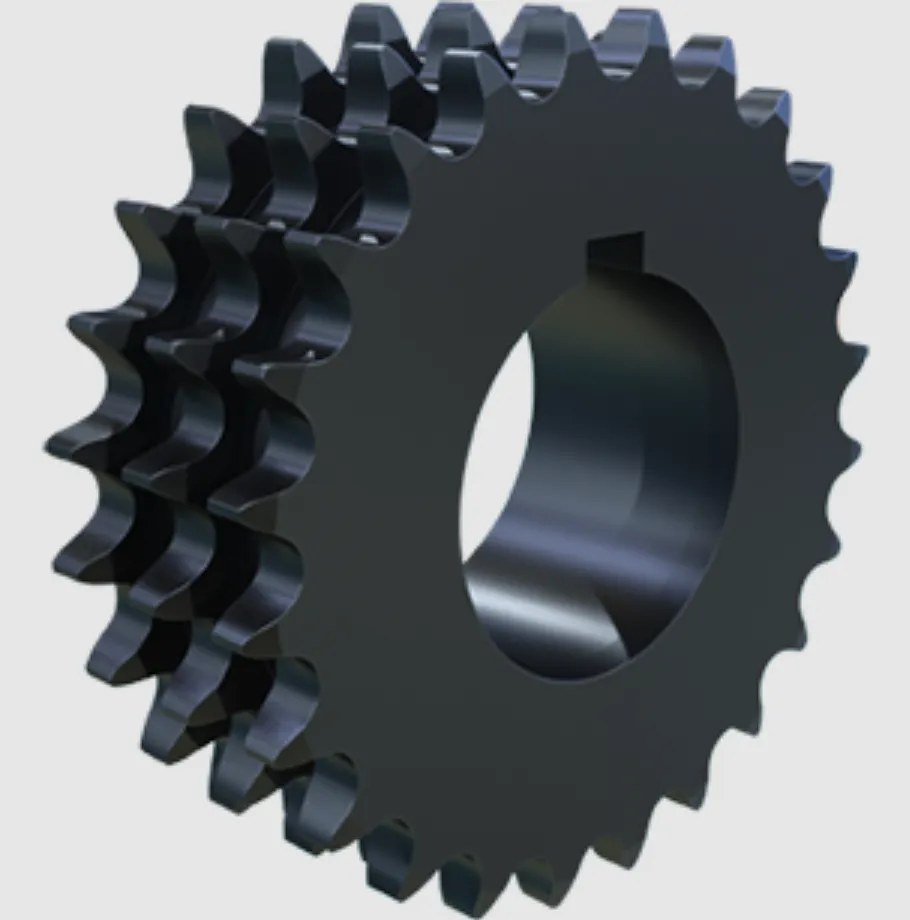 Sprocket Gear Chain Wheel Carbon Steel Stainless Steel Single Row Double Row Three Row 16A-3R
- Hebei, China+30MM+12.7 mm+40+250 mm
$15.00
MOQ: 100
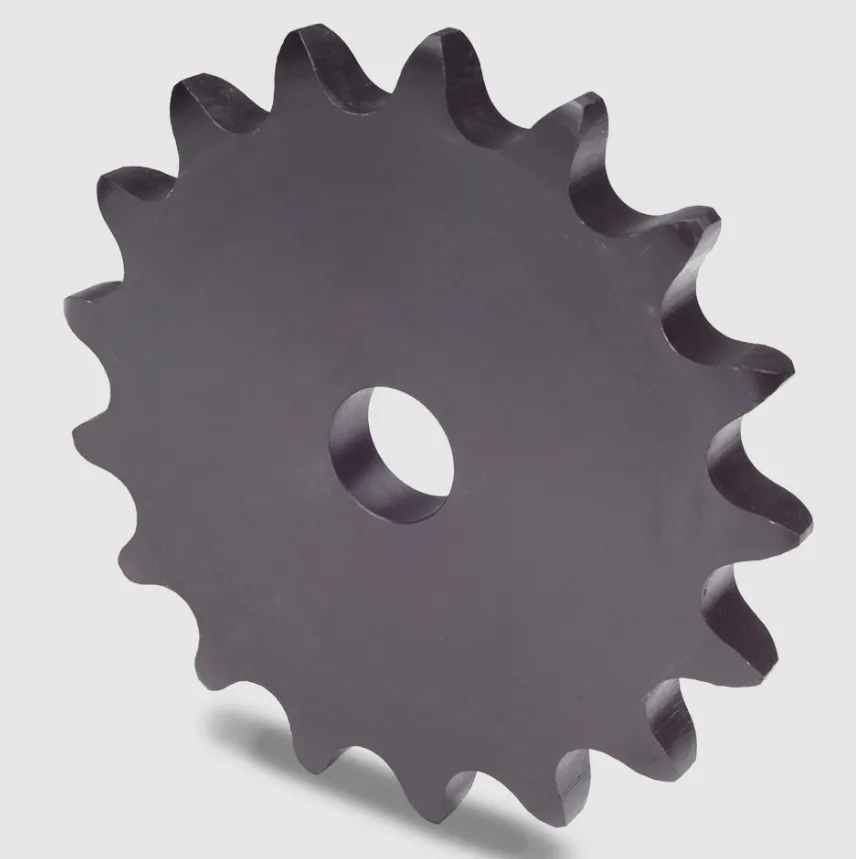 Sprocket Gear Chain Wheel Carbon Steel Stainless Steel Single Row Double Row Three Row 16B-1R
- Fujian, China+10mm+12.7 mm+40+150 mm
$18.00
MOQ: 100
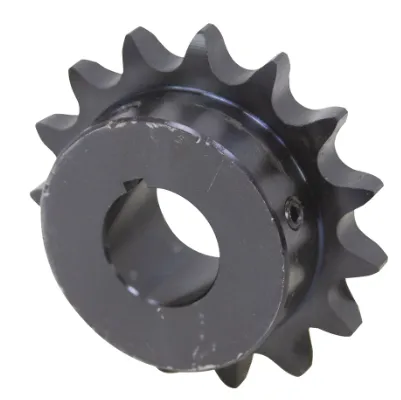 Sprocket Gear Chain Wheel Carbon Steel Stainless Steel Single Row Double Row Three Row
- Hebei, China+UIB+1 years+Sprocket+C45/SUS304
$15.00
MOQ: 100
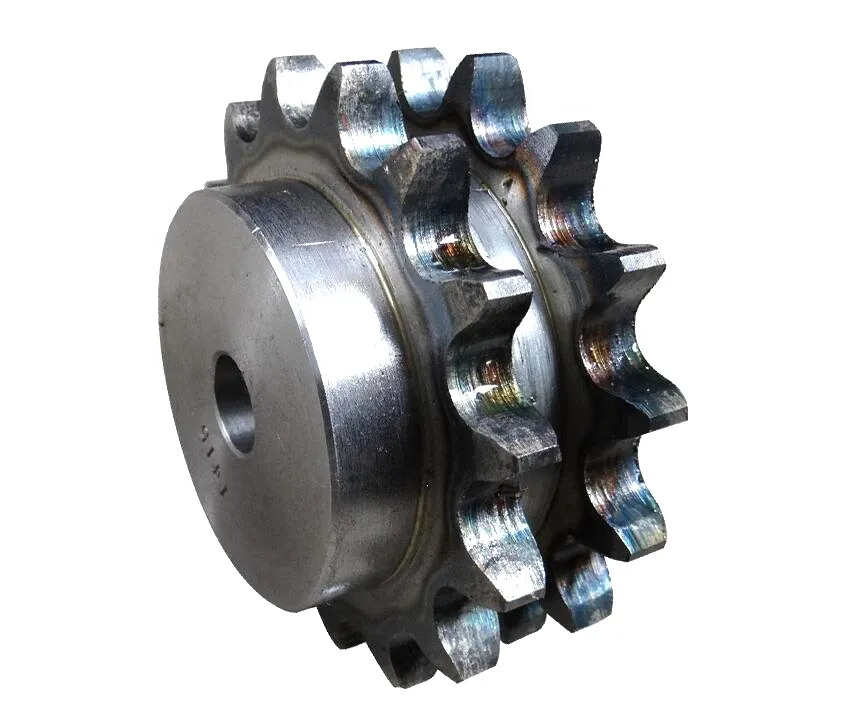 China Sprocket Factory Duplex 08B-2 12T Double Row C45 Steel ISO Standard Roller Chain Sprocket
- Fujian, China+5MM+Double+6mm+5MM
$2.65
MOQ: 10
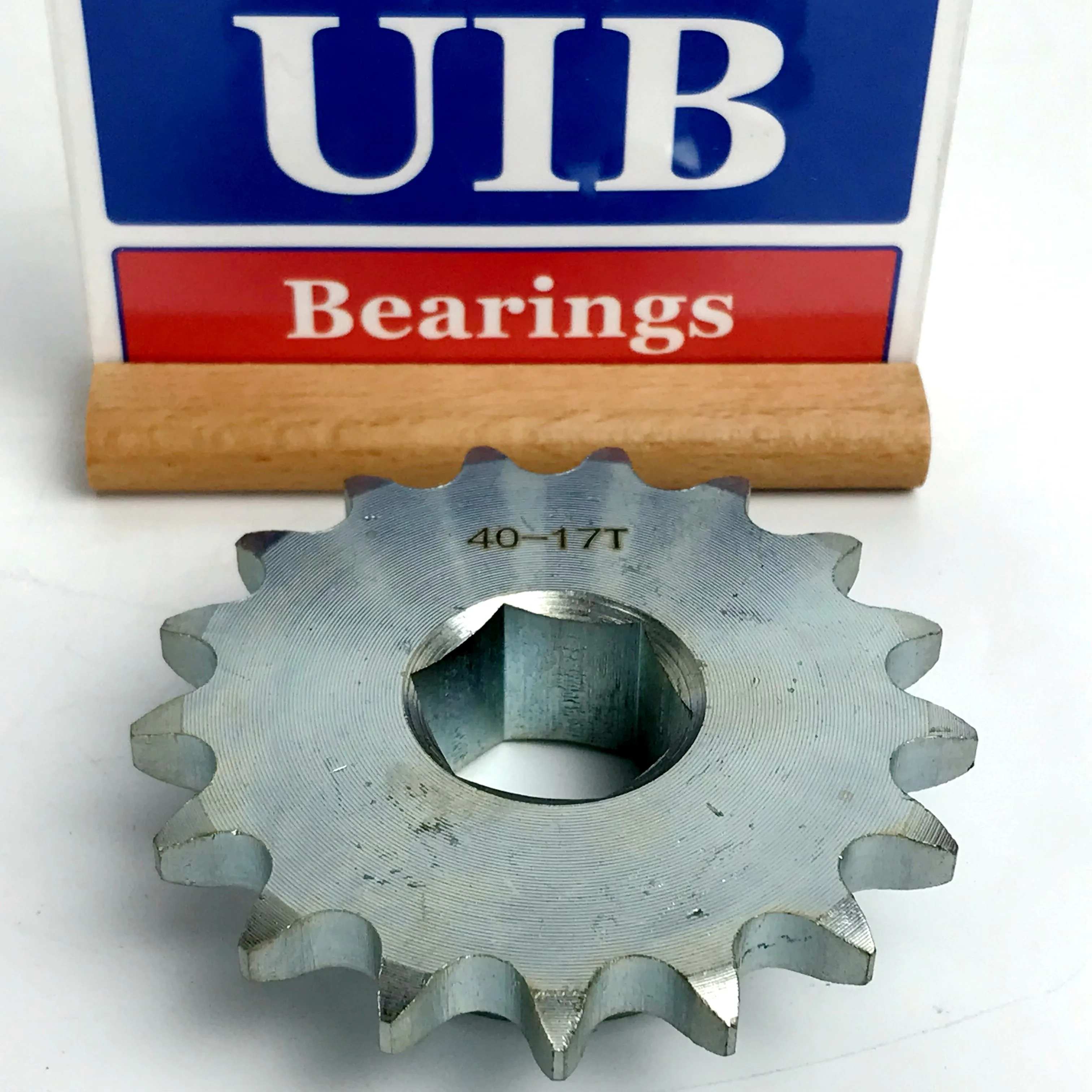
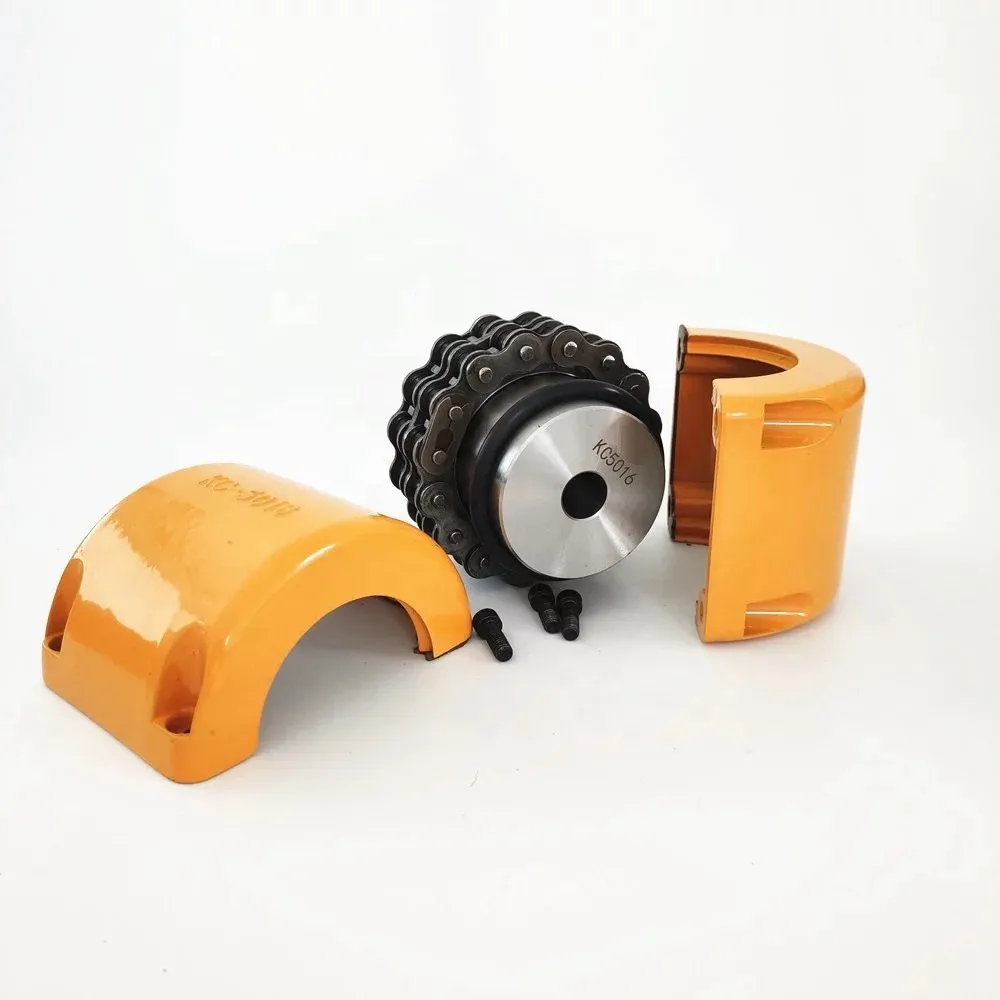
About Industrial Chain Sprockets & Drive Plate Wheels
Chain sprockets are foundational power transmission components that work in tandem with industrial roller chains to drive roll forming spindles, hydraulic decoiler mandrels, and motorized discharge conveyor systems. In multi-stand roll forming machinery, exact rotational synchronization between upper and lower roller shafts is paramount to prevent sheet scuffing, profile twisting, and uneven metal stretching. High-precision sprockets ensure positive, slip-free torque transfer across all forming passes while dampening mechanical vibration during continuous heavy profiling.
Our industrial sprocket portfolio covers Type A (flat plate wheels), Type B (hub on one side), and Type C (hub on both sides) configurations, available in simplex, duplex, and triplex tooth patterns. Teeth are precision hobbed using specialized involute cutters conforming to international standards, followed by high-frequency induction hardening to achieve a robust case depth of HRC 45 to 55. This metallurgical treatment ensures exceptional resistance to tooth flank pitting, galling, and abrasive deformation while maintaining a ductile core to absorb sudden mechanical shock loads.
Finished with precision-broached keyways, dual set screws, or taper-lock bushing systems, our sprockets facilitate rapid, concentric installation on drive shafts without slippage. Available in black oxide, zinc-plated, or electroless nickel-plated surface finishes, these sprockets guarantee durable corrosion protection and extended operational longevity across global steel profiling and automated processing plants.
Applications
Cold Roll Forming Machine Roller Spindle Drive Sprocket
In cold roll forming machine roller spindle drive sprocket, flame-hardened Type B duplex sprockets mounted on precision roll forming spindle shafts, transmitting synchronized drive torque across roll passes. Engineered with heavy-duty arch stands and precision-ground alloy steel shafts, these automated production lines ensure smooth continuous metal processing and high yield.
Heavy Hydraulic Decoiler Reducer Transmission Sprocket
In heavy hydraulic decoiler reducer transmission sprocket, large-diameter ANSI #120 industrial chain sprockets transmitting high-torque rotation from speed reducers to master steel coil uncoiler spindles. These automated forming systems integrate hydraulic punching, progressive roll forming, and synchronized flying cutoff technology to mass-produce complex metal profiles efficiently.
Sheet Metal Stacking Conveyor Driven Sprocket Assembly
In sheet metal stacking conveyor driven sprocket assembly, simplex zinc-plated sprockets installed along motorized conveyor roller axles, driving automated cross-feed chains in metal roofing packaging lines. Engineered with anti-capillary side-laps and continuous structural ribs, these precision roll-formed metal panels deliver leak-proof weather-tightness and withstand hurricane-force wind uplift.
Precision Flying Cut-Off Die Synchronizing Sprocket System
In precision flying cut-off die synchronizing sprocket system, taper-lock bushing sprockets providing backlash-free chain coupling between servo motors and reciprocating hydraulic cut-off die carriages. These induction-hardened mechanical wear parts and high-load transmission assemblies distribute drive torque evenly and ensure smooth, synchronized machine operation.
Continuous Slitting Line Waste Scrap Winder Drive Sprocket
In continuous slitting line waste scrap winder drive sprocket, heavy-duty single-strand sprockets driving scrap edge winders to reliably recoil edge-trim ribbons on high-speed steel slitting production lines. These automated forming systems integrate hydraulic punching, progressive roll forming, and synchronized flying cutoff technology to mass-produce complex metal profiles efficiently.
Technical Overview
| Parameter | Information |
|---|---|
| Sprocket Classifications | Type A (Plate), Type B (Single Hub), Type C (Double Hub), Taper-Lock Bushing |
| Tooth Pitch Standards | ANSI #40 to #160 (1/2" to 2" Pitch); ISO 08B to 32B (Metric Standard) |
| Strand Configurations | Simplex (Single Strand), Duplex (Double Strand), Triplex (Triple Strand) |
| Base Material Grades | Medium Carbon Steel C45 / 1045, Cast Iron GG25, Alloy Steel 42CrMo |
| Tooth Hardening Method | High-Frequency Induction Hardening (Flame Quenching available) |
| Tooth Hardness Depth | HRC 45 - 55 (effective case depth 1.5 mm to 3.0 mm along tooth profile) |
| Shaft Bore Options | Pilot Bore, Finished Bore with Keyway & Set Screws, Taper-Bushing Clamping |
| Keyway & Tolerance Spec | DIN 6885 / ISO JS9 Precision Broached Keyway; H7 Bore Tolerance |
| Surface Finishing / Plating | Black Oxide, Zinc-Plated (Blue / Yellow), Electroless Nickel Plated |
| Manufacturing Standards | ANSI B29.1, ISO 606, DIN 8187, DIN 8188, CE Certified Production |
FAQ
What is the difference between Type A, Type B, and Type C chain sprockets?
Type A sprockets are flat plate wheels with no hub extension; Type B sprockets feature an integrated hub on one side for keyways and set screws; Type C sprockets incorporate symmetrical hubs on both sides for wider shaft bearing support.
Why is induction tooth hardening essential for roll forming drive sprockets?
Induction hardening hardens the sprocket tooth flanks to HRC 45-55 while keeping the hub and core tough and ductile, dramatically reducing abrasive tooth wear and hook formation caused by high-tension chain roller impact.
How does tooth count affect sprocket performance and chain life?
Sprockets with fewer than 17 teeth create higher chordal action and polygon effect, resulting in speed fluctuations and increased chain wear; sprockets with 19 to 25 teeth provide smoother roller entry, quieter operation, and extended chain lifespan.
What are the advantages of taper-lock bushing sprockets over standard bore sprockets?
Taper-lock sprockets utilize a split conical bushing that clamps rigidly around the shaft when tightened, eliminating shaft fretting, providing exact concentric alignment, and allowing effortless replacement without machining.
How do duplex and triplex sprockets handle high-torque transmission requirements?
Duplex and triplex sprockets distribute drive torque across two or three parallel chain strands simultaneously, multiplying power transmission capacity while maintaining a compact overall sprocket diameter.
What causes sprocket tooth hook wear and when should sprockets be replaced?
Hook wear occurs when elongated chain rollers ride high on the tooth face, gradually wearing deep pockets into the driving flanks; sprockets showing visible tooth thinning or hooking must be replaced immediately to avoid damaging new chains.
Which surface treatments are recommended for sprockets in humid factory environments?
Black oxide with corrosion-inhibiting oil dip is standard for indoor factory drives, while electro-zinc plating, yellow chromating, or electroless nickel plating are recommended for humid, coastal, or mildly corrosive processing environments.