Global B2B Roll Forming Sourcing Platform | Free RFQ Response within 24h

- Tuo AI

- Live

- My Account
- Shopping Cart
- Inquiry Basket
- Contact Us
- Back to Top




Roll Forming Tooling Rollers & Forming Dies
Roll forming tooling rollers and precision forming dies constitute the core metallurgical and mechanical components determining profile dimensional accuracy, surface finish, and line productivity across cold roll forming machinery. Precision engineered from forged Cr12MoV, D2, high-speed steel (HSS), and premium GCr15 bearing alloy, our tooling portfolio spans multi-stand breakdown rolls, progressive fin passes, precision sizing dies, knurled embossing rollers, and pipe straightening mill roll rings. Vacuum heat-treated to HRC 60-64 and finished with micro-polished hard chrome flash plating (Ra < 0.2 µm), these forming dies withstand millions of linear meters of high-speed profiling without surface galling or dimensional wear.
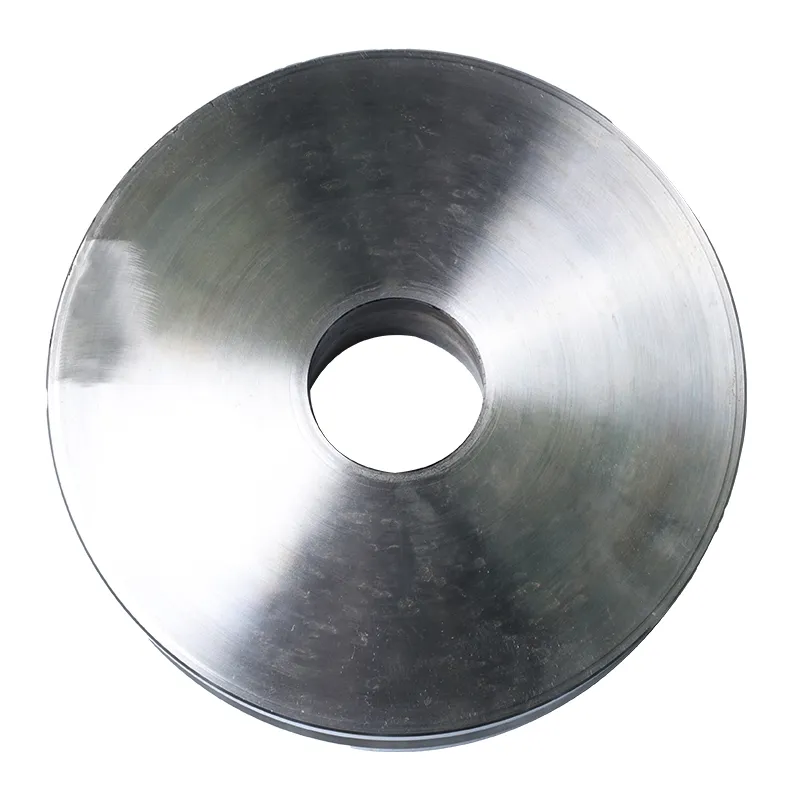
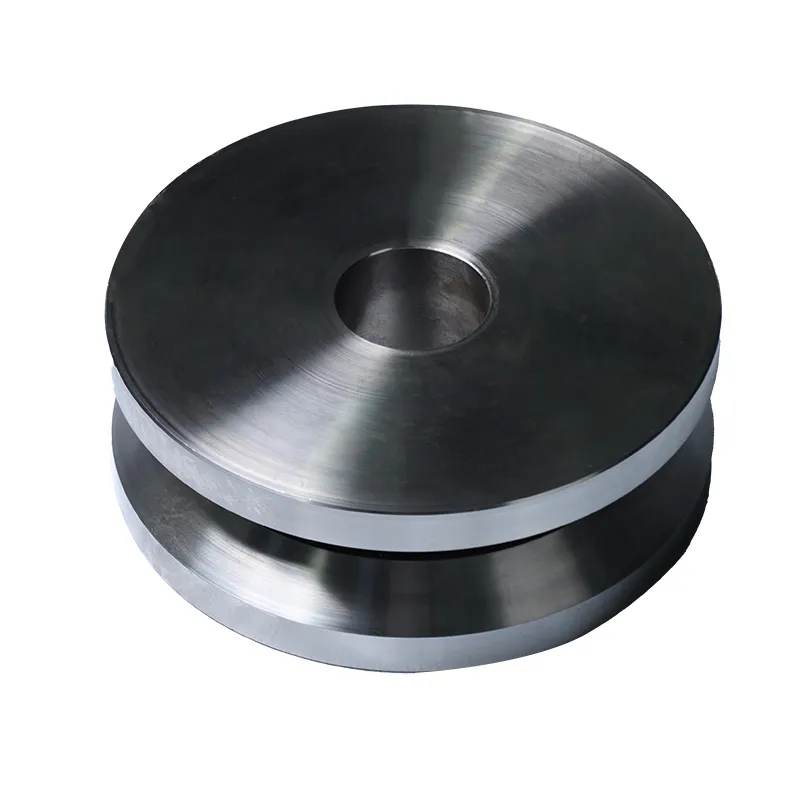
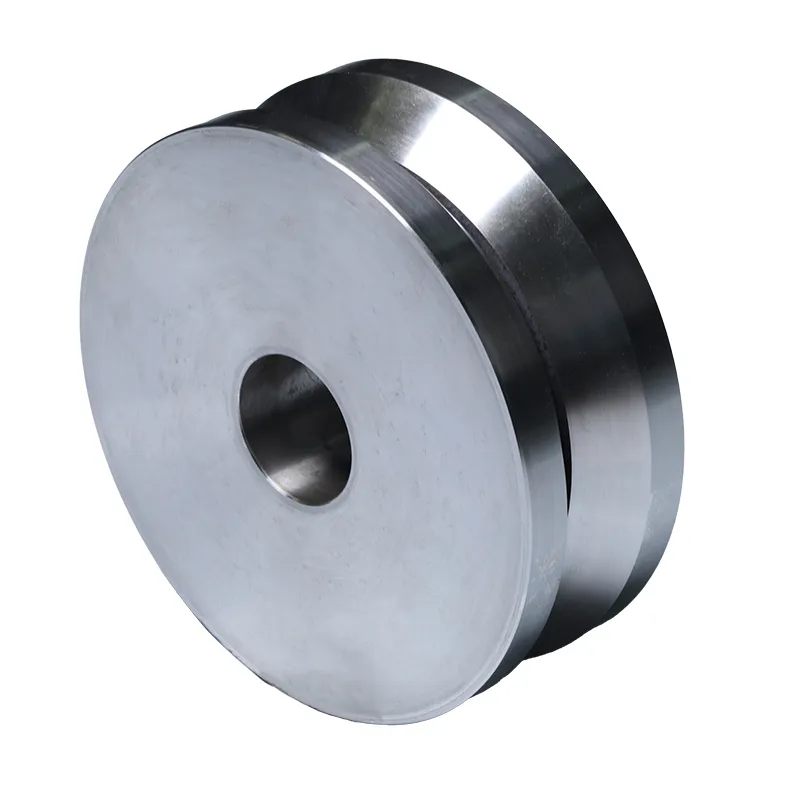
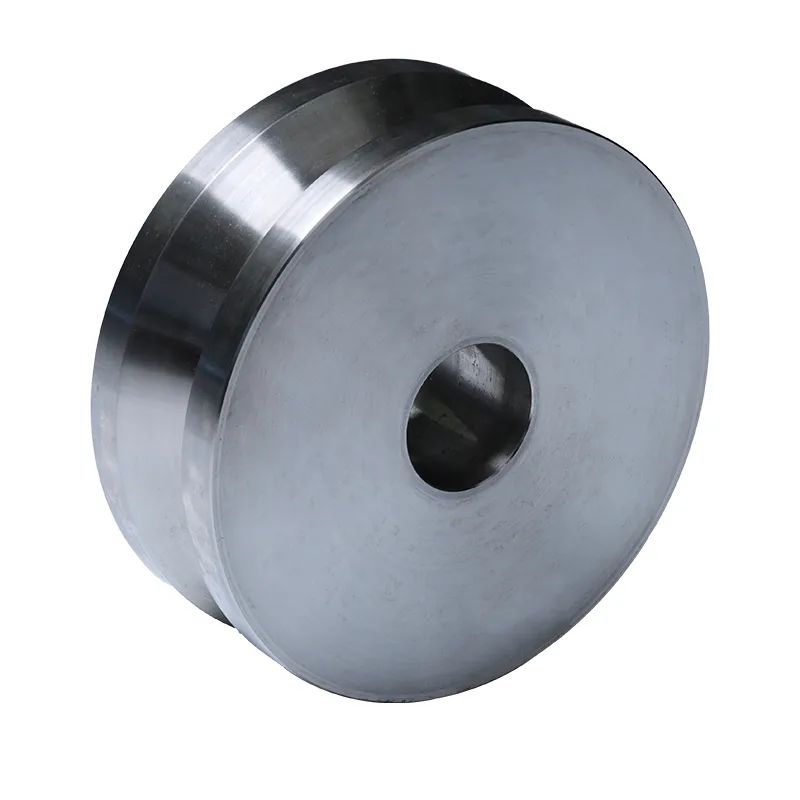
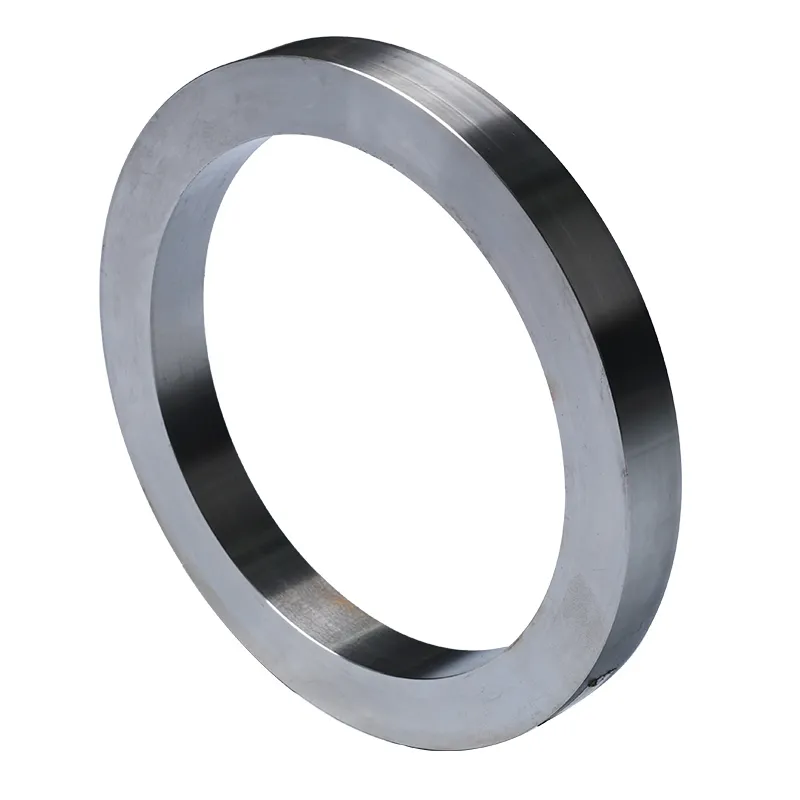 Customized Shandong Zaozhuang High-Speed Steel Roller Ring Metal & Metallurgy Machinery Parts From China
- Shandong, China+40+ruixing+Provided+Provided
$500.00
MOQ: 1
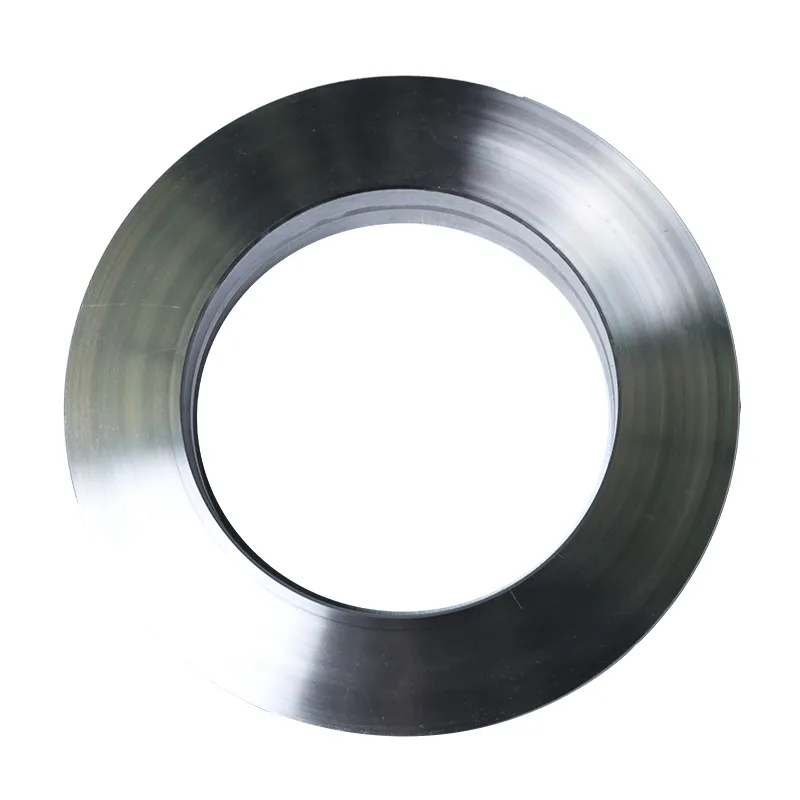 Customized Shandong Zaozhuang High-speed Steel Roller Ring China
- Shandong, China+40 KG+ruixing+Provided+Provided
$500.00
MOQ: 1
 El Numero uno En Venta De Tornillos Para Paredes De Yeso
- Drywall Screws+200 mm+M3.5
$1.50
MOQ: 1000
 Tornillos Para Paredes De Yeso De Alta Calidad a La Venta a Precios Bajos
- Drywall Screws+200 mm+M3.5
$1.50
MOQ: 1000
 Una Fabrica China Confiable Produce Tornillos Para Paneles De Yeso De Bajo Precio #6 1-1/4
- Drywall Screws+200 mm+M3.5
$1.50
MOQ: 1000
 Punto De Fabrica De China Cruz Plana Cabeza Corneta Tornillo Para Paneles De Yeso
- Drywall Screws+200 mm+M3.5
$1.50
MOQ: 1000
 La Fabrica De Tornillos De China Produce Tornillos Para Muebles De Alta Calidad
- Drywall Screws+200 mm+M3.5
$1.50
MOQ: 1000
 6*1 Inch and Metric Tornillos Para Paneles De Yeso Chinese Factory Produced Tornillos in Box Packaging
- Drywall Screws+200 mm+M3.5
$1.50
MOQ: 1000
 Maquina Para Hacer Tornillos Para Paneles De Yeso Automatic Tornillos Para Paneles De Yeso 1 Pulgada
- Drywall Screws+200 mm+M3.5
$1.50
MOQ: 1000
 Fine Thread 3.5*25mm Tornillos Gypsum Board Screw
- Drywall Screws+200 mm+M3.5
$1.50
MOQ: 1000
 Tornillo Zincado Rosca Gruesa 6mm Diametro 1 1/4"
- Drywall Screws+200 mm+M3.5
$1.50
MOQ: 1000
 Punto De Fabrica De China Cruz Plana Cabeza Corneta Tornillo Para Paneles De Yeso
- Drywall Screws+200 mm+M3.5
$1.50
MOQ: 1000
 Toneladas De Tornillo Para Paneles De Yeso 6x1 De Calidad Producidas
- Drywall Screws+200 mm+M3.5
$1.50
MOQ: 1000
 Fabricante De Tornillos Suministra Tornillos Para Yeso En Todo El Mundo
- Drywall Screws+200 mm+M3.5
$1.50
MOQ: 1000
 Fabrica De Tornillos Production En Masa De Tornillos Para Yeso Plastico Asequibles Y De Calidad
- Drywall Screws+200 mm+M3.5
$1.50
MOQ: 1000
 Distribuidor Chino Vende Tornillos Para Paneles De Yeso De 61/4 De Alta Calidad
- Drywall Screws+200 mm+M3.5
$1.50
MOQ: 1000
 Cruz Plana Cabeza Bugle Drywall Tornillo De Alta Calidad Para Muebles De Madera.
- Drywall Screws+200 mm+M3.5
$1.50
MOQ: 1000
 Tornillos Para Paneles De Yeso En Caja Con Cabeza De Corneta Tipo Fino/grueso
- Drywall Screws+200 mm+M3.5
$1.50
MOQ: 1000
 Tornillos Para Drywall De Alta Calidad En Modelo Universal M3.5-M4.8 C1022
- Drywall Screws+200 mm+M3.5
$1.50
MOQ: 1000
 Cajas De Tornillos Para Paneles De Yeso Envios De Cajas Completas Con Garantia De Calidad
- Drywall Screws+200 mm+M3.5
$1.50
MOQ: 1000
 La Fabrica De Tornillos Para Paneles De Yeso De China Produce Tornillo Drywall De Alta Calidad
- Drywall Screws+200 mm+M3.5
$1.50
MOQ: 1000
 1 Pulgada Fosfato Negro Tornillos Drywall Screw 3.5x25 Para Placa De Yeso
- Drywall Screws+16mm+M3
$2.00
MOQ: 1000
About Roll Forming Tooling Rollers & Forming Dies
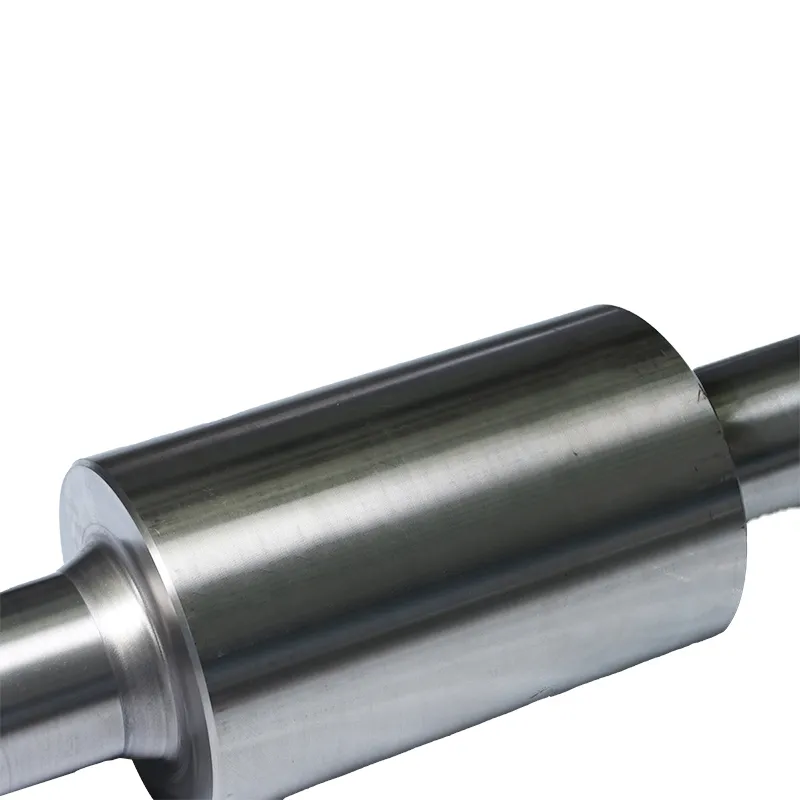
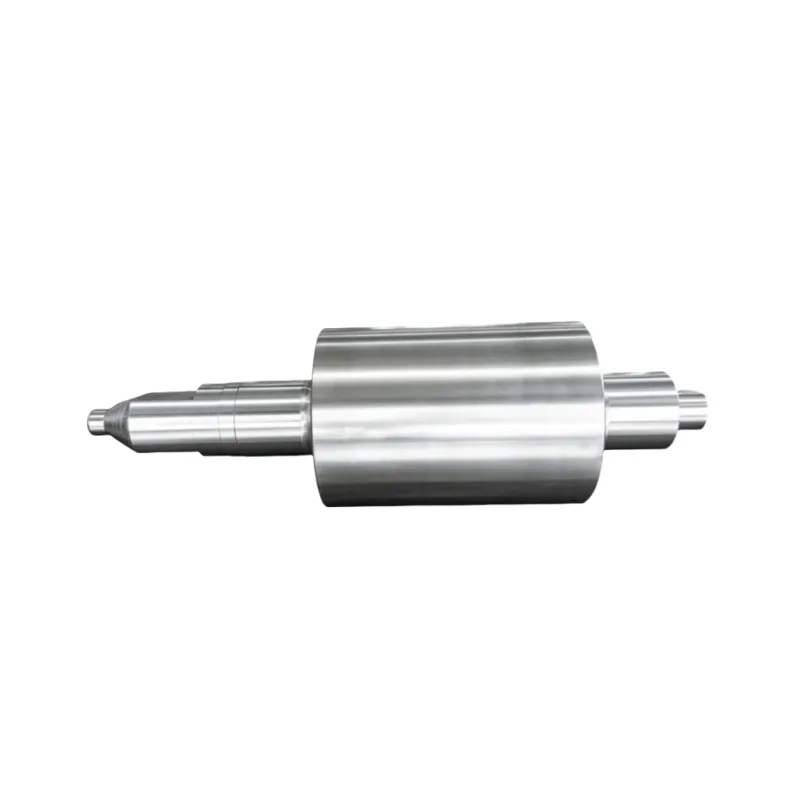
Precision-engineered cold roll forming tooling rolls and progressive forming dies represent the foundational intellectual property and mechanical craft driving the global metal building envelope, automotive profile, and structural framing industries. Transforming flat steel coils into complex geometric profiles—spanning trapezoidal roof sheets, C/Z purlins, standing seams, and door frames—relies upon progressive flower pattern design, where each successive roller station incrementally bends the moving metal strip without inducing residual localized stress, oil canning, or edge waviness.
Our forming rolls portfolio spans five specialized tooling classifications: breakdown and transition forming rollers (CNC-turned from forged Cr12MoV and vacuum quenched to HRC 60-62 to handle heavy forming pressures); high-speed steel (HSS) rolls (engineered with tungsten-molybdenum alloys for severe abrasive forming of high-tensile G550 and stainless steel strips); hard-chrome plated rolls (finished with 0.05 mm hard chrome and diamond micro-polishing to prevent paint scratching on delicate PVDF prepainted coils); specialized embossing rollers (CNC-engraved with diamond and traction patterns for composite floor decking); and multi-roll pipe and bar straightening mill roll rings machined with precision hyperbolic curves.
Manufactured using multi-axis CNC turn-mill centers and high-precision CNC roll grinders conforming to ISO 9001 quality management, all tooling profiles undergo 100% optical coordinate measuring machine (CMM) dimensional verification against CAD models (+/- 0.01 mm tolerance). Providing turnkey tooling sets for new machine builds and replacement tooling for existing production lines, our forming rolls maximize operational profitability globally.
Applications
High-Precision CNC Roll Grinder Tooling Profile Refurbishment
In high-precision cnc roll grinder tooling profile refurbishment, machinist operating a high-precision CNC roll grinding machine to regrind and polish the complex contour of a large Cr12MoV forming roller. Engineered for high-wear industrial service, these precision-ground shafts, bearings, and forming dies provide exceptional wear resistance and extend machinery service intervals.
Multi-Stand Trapezoidal Roofing Roll Forming Line Tooling Assembly
In multi-stand trapezoidal roofing roll forming line tooling assembly, assembly technicians fitting hard chrome-plated Cr12MoV forming rollers onto solid horizontal drive shafts of a 24-stand roll forming line. Engineered with anti-capillary side-laps and continuous structural ribs, these precision roll-formed metal panels deliver leak-proof weather-tightness and withstand hurricane-force wind uplift.
Continuous Pipe & Tube Straightening Mill Roll Ring Calibration
In continuous pipe & tube straightening mill roll ring calibration, multi-roll pipe straightener equipped with polished hyperbolic forged steel roll rings guiding and calibrating rotating steel pipe tubing. Engineered with heavy-duty arch stands and precision-ground alloy steel shafts, these automated production lines ensure smooth continuous metal processing and high yield.
Composite Floor Decking Embossing Roller Diamond Texture Stamping
In composite floor decking embossing roller diamond texture stamping, heavy-duty roll forming stand equipped with CNC-engraved embossing rollers stamping raised diamond patterns into moving galvanized steel sheet. Featuring high-strength interlocking seams and concealed fastener clips, these continuous metal panels prevent water infiltration and ensure long-term building envelope integrity.
Quality Control Optical CMM Dimensional Inspection of Forming Dies
In quality control optical cmm dimensional inspection of forming dies, quality control engineer using a coordinate measuring machine (CMM) probe to verify sub-millimeter profile accuracy on a newly machined forming die. Precision-machined from vacuum-hardened alloy tool steel and mirror-polished with hard-chrome plating, these heavy tooling components withstand extreme forming pressures without galling.
Technical Overview
| Parameter | Information |
|---|---|
| Tooling Roller Classifications | Breakdown Rolls, Fin Passes, Sizing Dies, Embossing Rolls, Straightening Rings |
| Primary Tool Steel Metallurgy | Cr12MoV (AISI D2), GCr15 (Bearing Steel), M2 High-Speed Steel (HSS), 45# Forged |
| Heat Treatment Specifications | Vacuum Hardening & Double Tempering, Surface Hardness HRC 60–62 (HSS: HRC 62–64) |
| Surface Plating & Polishing | Hard Chrome Flash Plated 0.03–0.05 mm, Diamond Mirror Polished (Ra < 0.2 µm) |
| Precision Shaft Bore Range | Ground Bore Ø40 mm to Ø120 mm with Standard DIN 6885 Precision Broached Keyways |
| Machining Accuracy Tolerances | Radial Runout <= 0.01 mm; Axial Face Runout <= 0.01 mm; Profile Contour +/-0.015mm |
| Design & Simulation Platform | data M COPRA RollForm FEA Software with 3D Progressive Flower Pattern Modeling |
| Compatible Sheet Materials | Hot-Dip Galvanized, Galvalume, PPGI/PPGL, Stainless Steel, Aluminum, Copper |
| Tooling Lifespan Capacity | Over 5,000,000 linear meters of continuous production before profile redressing |
| Manufacturing Standards | ISO 9001:2015, DIN 17350 Tool Steels, CMM Coordinate Inspection Certified |
FAQ
Why is Cr12MoV / D2 tool steel the premier metallurgical choice for roll forming tooling?
Cr12MoV (equivalent to AISI D2) contains 12% chromium and 1% molybdenum, providing deep air-hardening capability, minimal dimensional distortion during vacuum heat treatment, and exceptional abrasive wear resistance under continuous metal-on-metal forming contact.
How does hard chrome flash plating protect sensitive prepainted (PPGI) coil surfaces during roll forming?
Roll tooling is electroplated with a 0.03 to 0.05 mm hard chrome layer (hardness > HV 900) and diamond-polished to a mirror finish (Ra < 0.2 µm); the slick, low-friction surface eliminates paint pickup, micro-scratches, and zinc galling on glossy prepainted coils.
What is the role of COPRA CAD/CAM flower pattern simulation software in tooling roller design?
COPRA FEA software simulates progressive sheet metal strain and elongation across every roll stand, detecting edge over-stretching, twisting, and wrinkling before CNC machining, ensuring profiles exit the machine completely flat with zero edge wave.
When should High-Speed Steel (HSS) or Tungsten Carbide tooling be specified over standard Cr12MoV?
HSS (M2) or inserted tungsten carbide tooling is required for forming abrasive high-tensile materials (G550 MPa full hard steel, titanium-zinc, and heavy stainless steel), extending tool life by 3 to 5 times in severe high-speed continuous production.
How do knurled embossing rollers achieve permanent mechanical bonding on composite floor decking?
Embossing rolls are CNC machined with precision raised diamond or chevron tooth patterns that press into the steel sheet under hydraulic load, forming raised mechanical indentations that mechanically lock cured concrete slabs to the steel deck.
What dimensional runout and bore tolerances are maintained on precision roll forming dies?
Shaft bore tolerances are ground to precision ISO H7 standards with standardized keyway broaching; outer profile runout and face runout are held within +/- 0.01 mm, eliminating roller wobble and preventing strip thickness variation.
How does proper inter-stand lubrication prolong roll forming tooling life?
Recirculating synthetic water-soluble forming emulsions or vanishing forming oils cool the roll-strip contact zone, wash away loose zinc/paint particles, and reduce boundary friction, preventing abrasive micro-welding and doubling roller service life.