Global B2B Roll Forming Sourcing Platform | Free RFQ Response within 24h

- Tuo AI

- Live

- My Account
- Shopping Cart
- Inquiry Basket
- Contact Us
- Back to Top




Precision Sheet Metal Straighteners
Precision sheet metal straighteners and multi-roll plate levelers eliminate coil curvature, residual stresses, and surface distortions from steel coils and cut sheet blanks. Processing material thicknesses from 0.5 mm to 16.0 mm across coil widths up to 2000 mm, these heavy-duty machines integrate 9 to 23 high-strength alloy leveling rollers backed by multi-point support flights and motorized hydraulic gap control. Operating at processing speeds up to 15 to 40 m/min, they deliver dead-flat sheet metal blanks essential for high-precision laser cutting, robotic welding, and automated stamping. Explore technical specifications, roller configurations, and turnkey line integrations below to optimize your blank flatness.
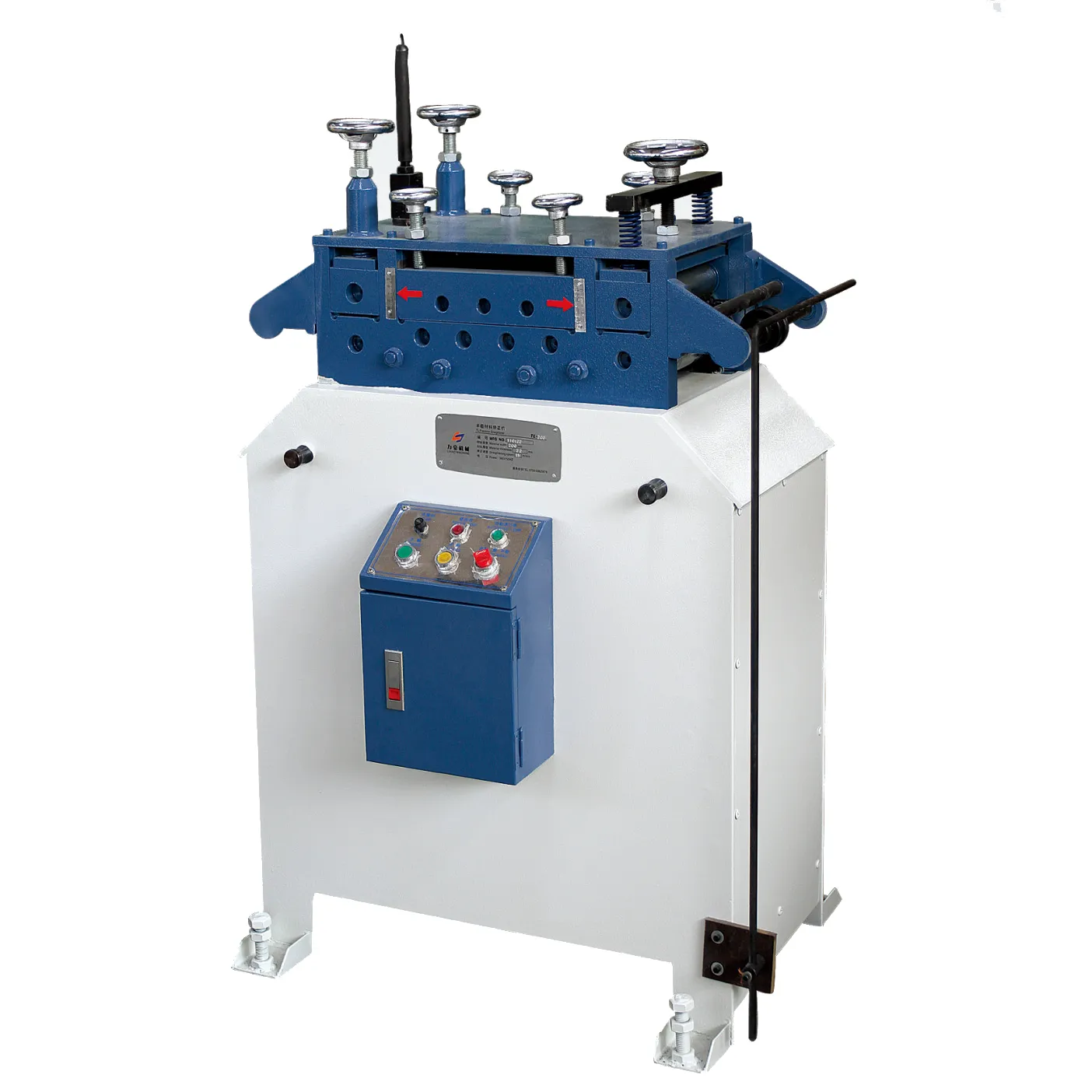
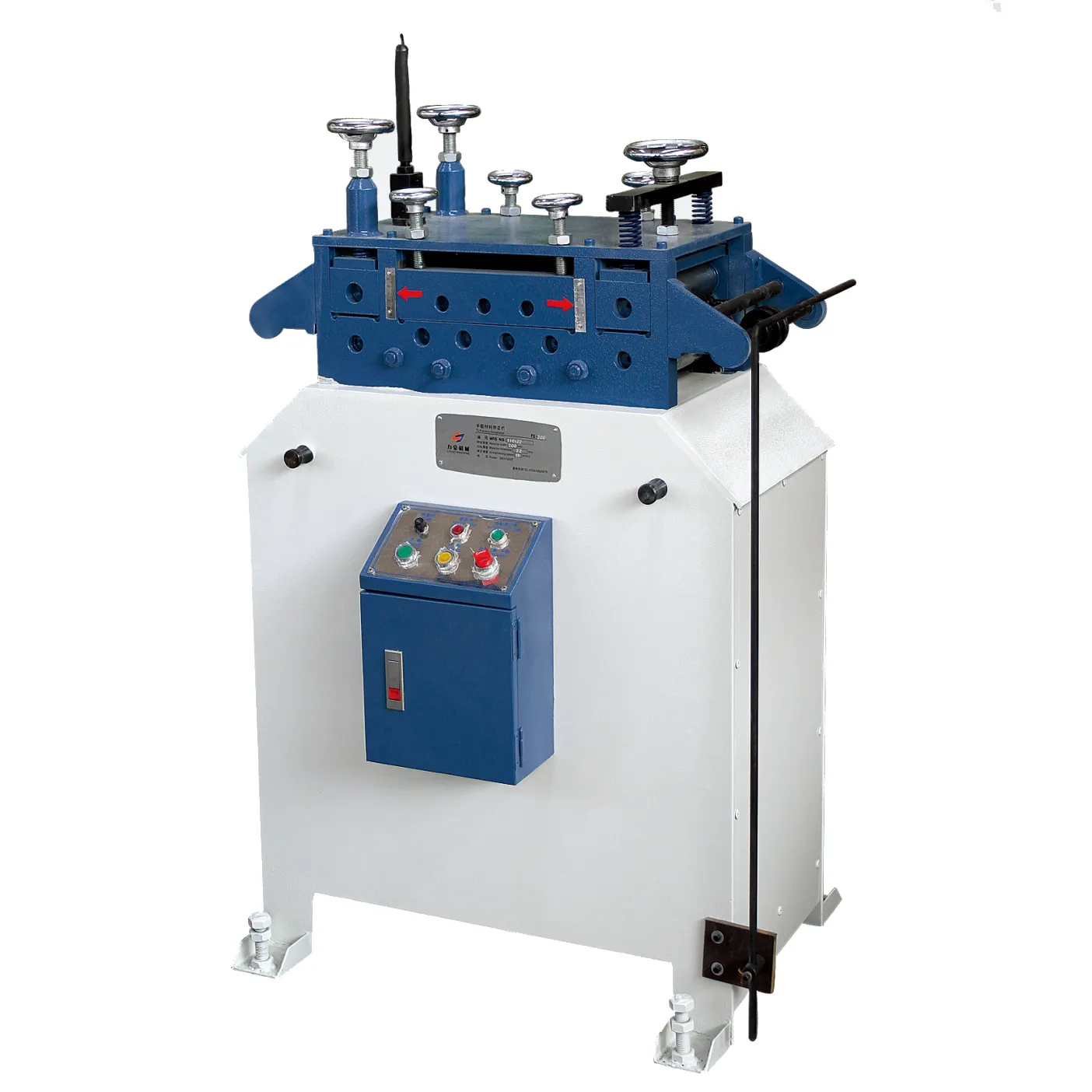
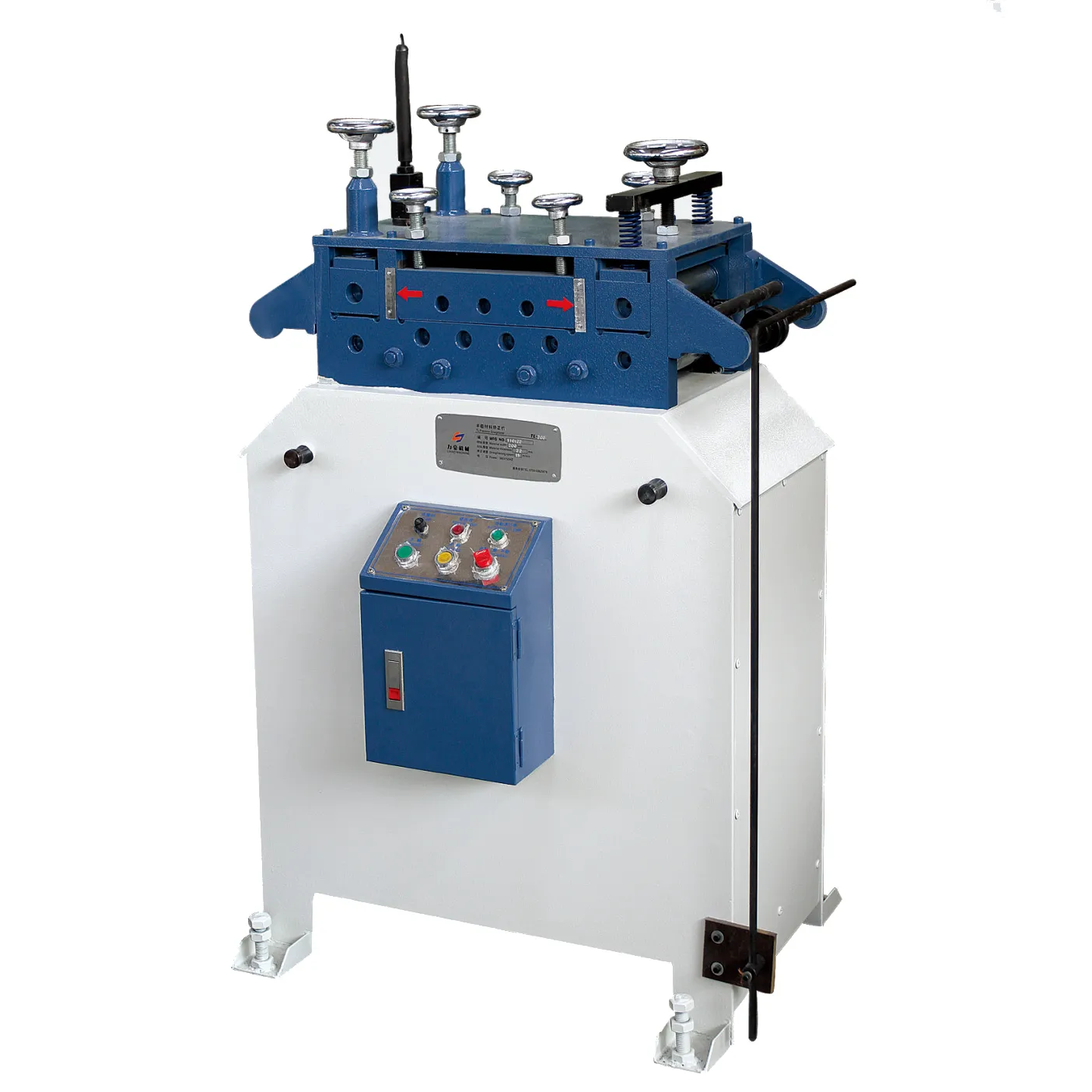
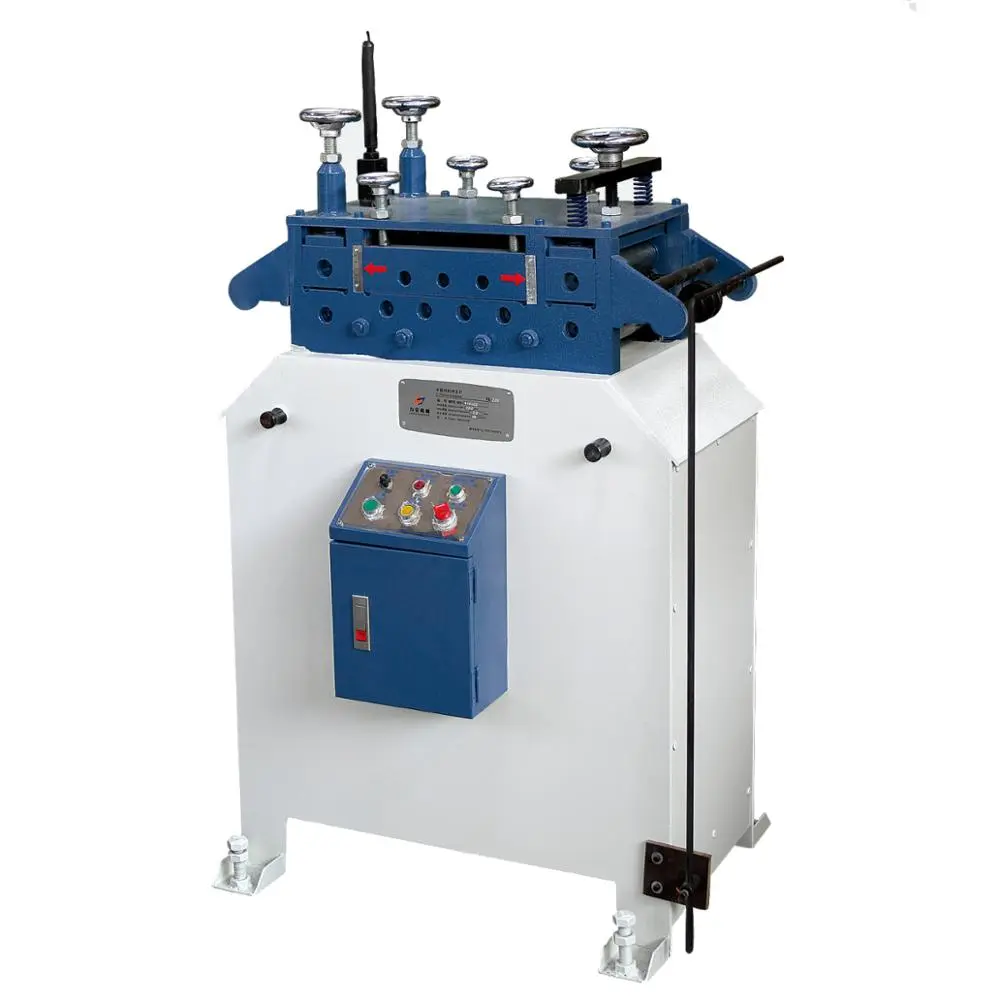
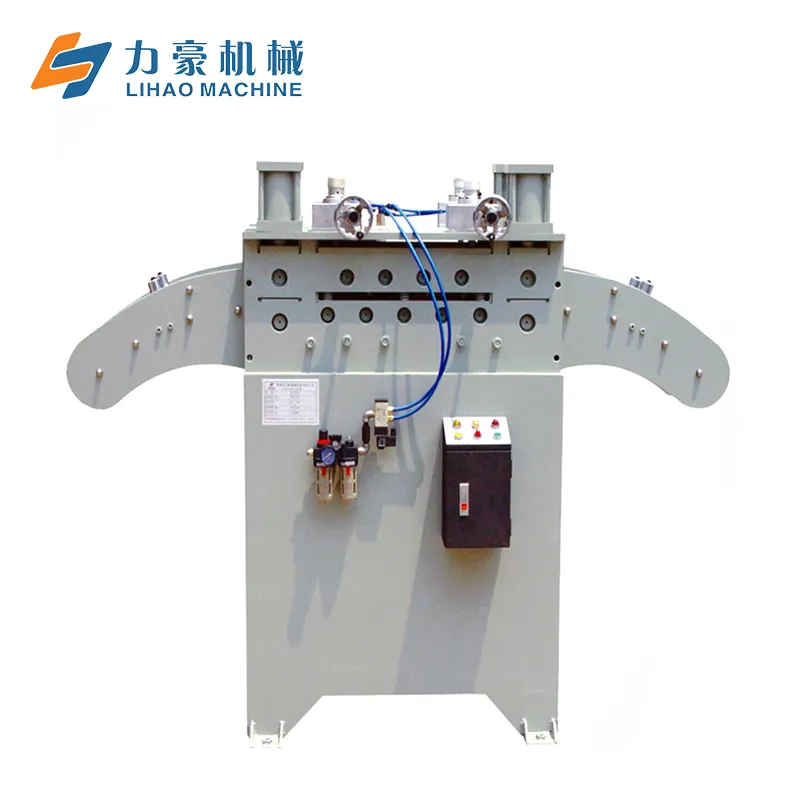
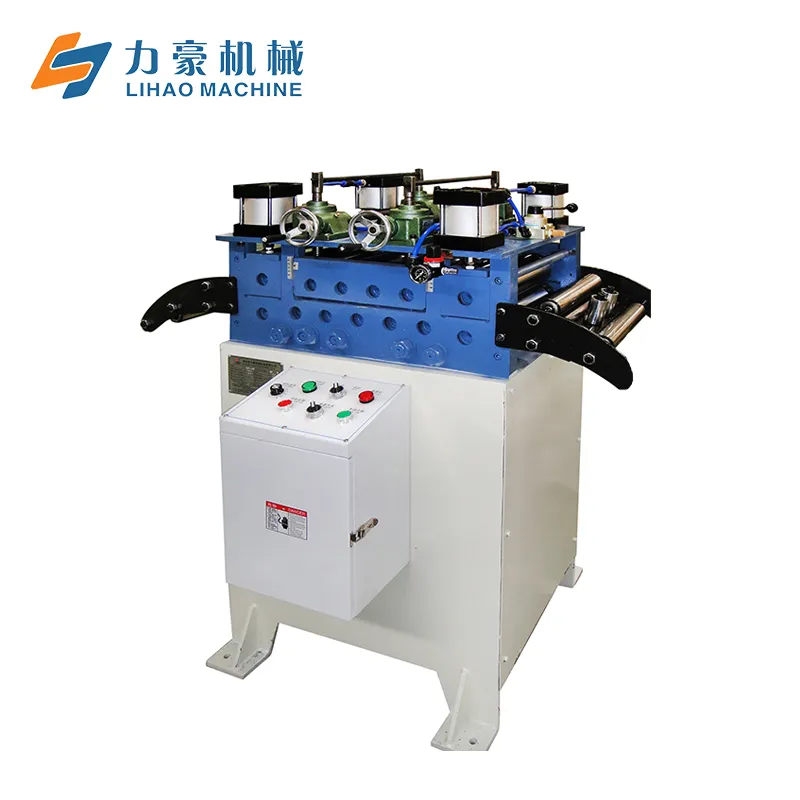
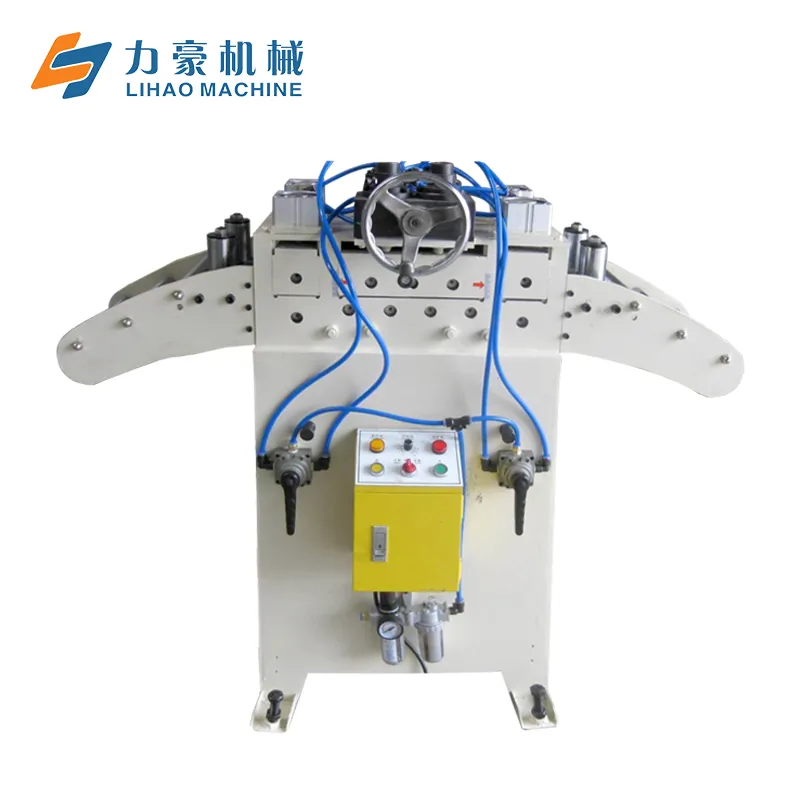
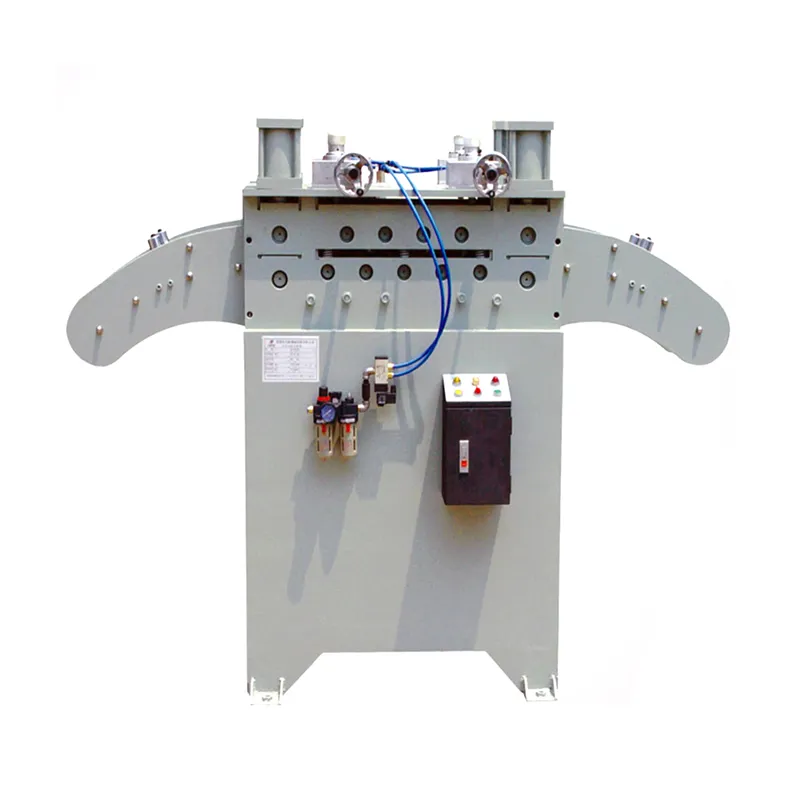
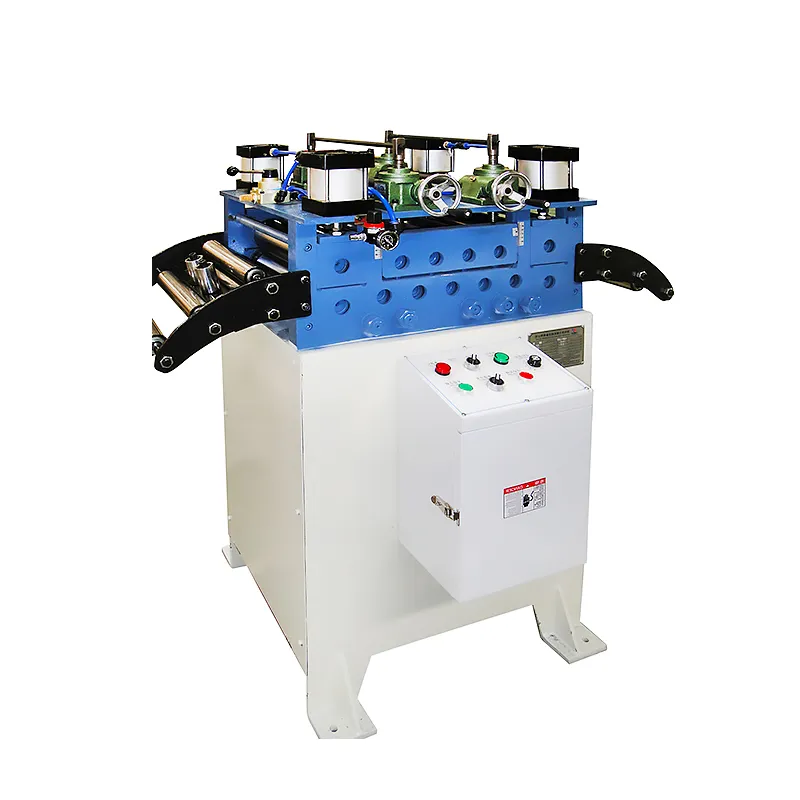
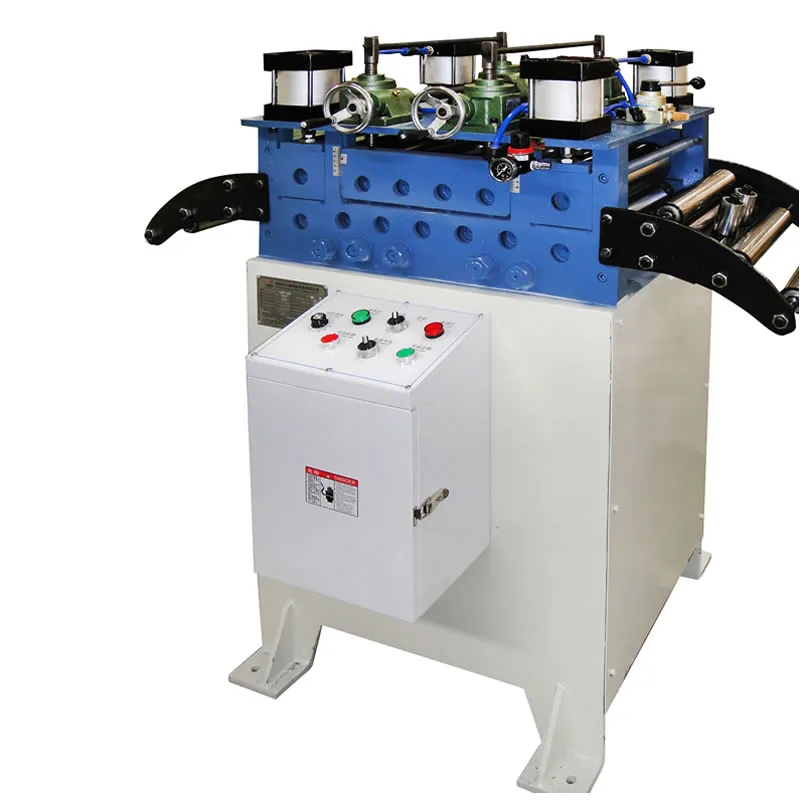
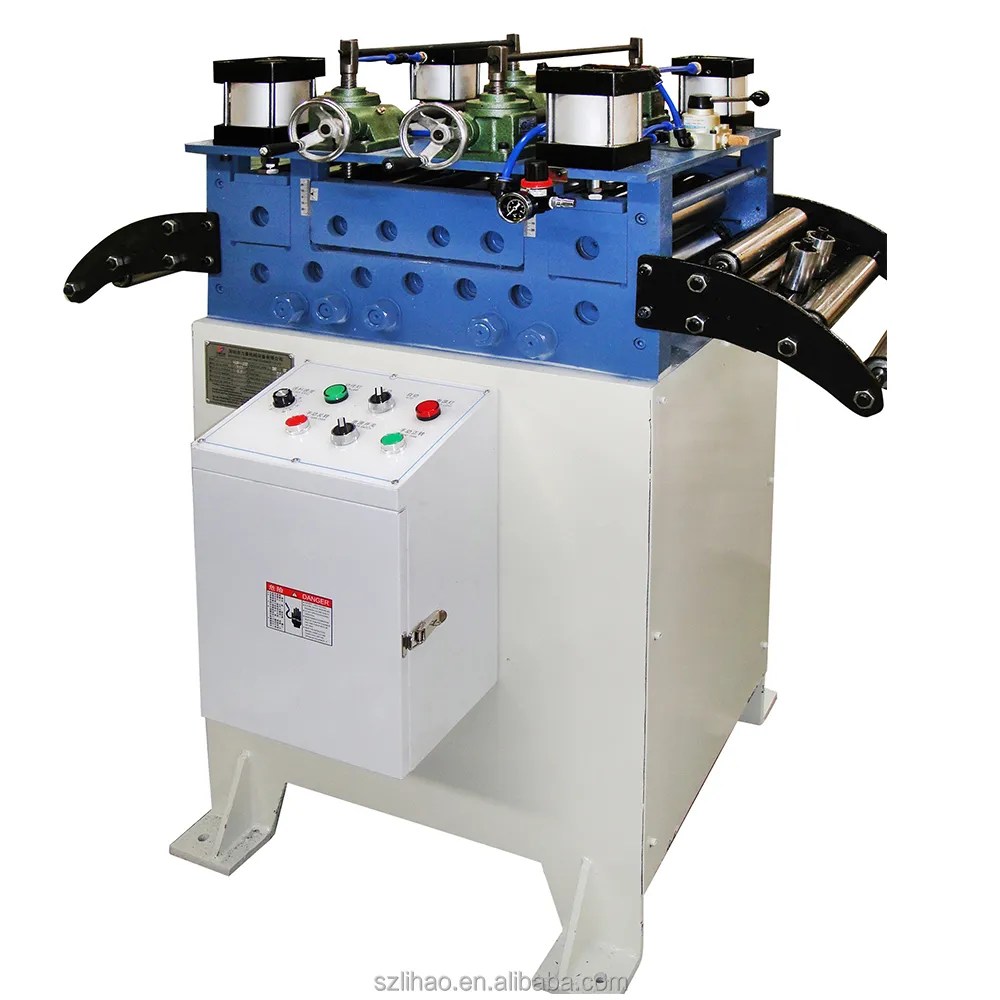
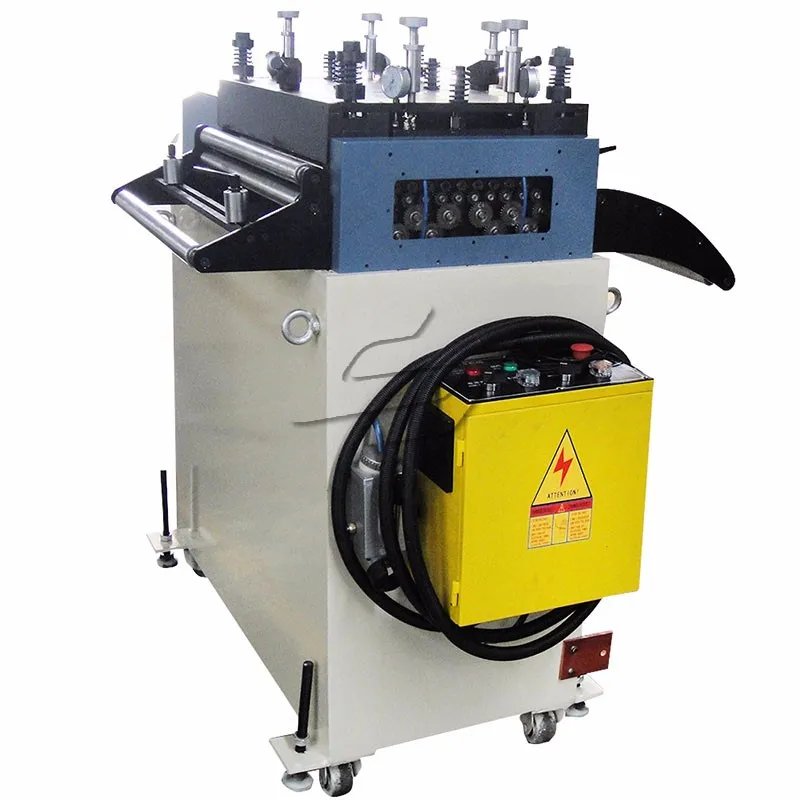
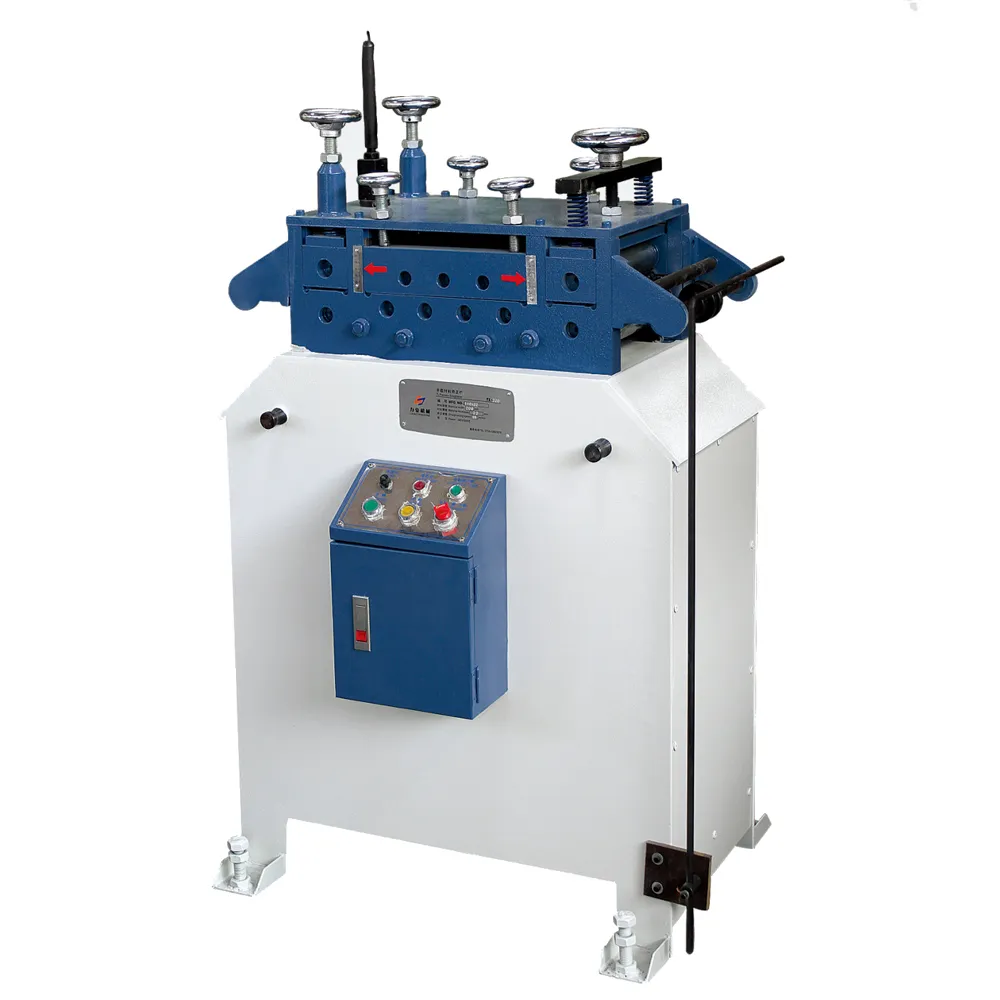 Best Seller Flat Sheet Plate Stainless Steel Metal Straightening Machinery for Metal Sheet
- TL-200( Material Width 200 )
$2,860.00
MOQ: 1
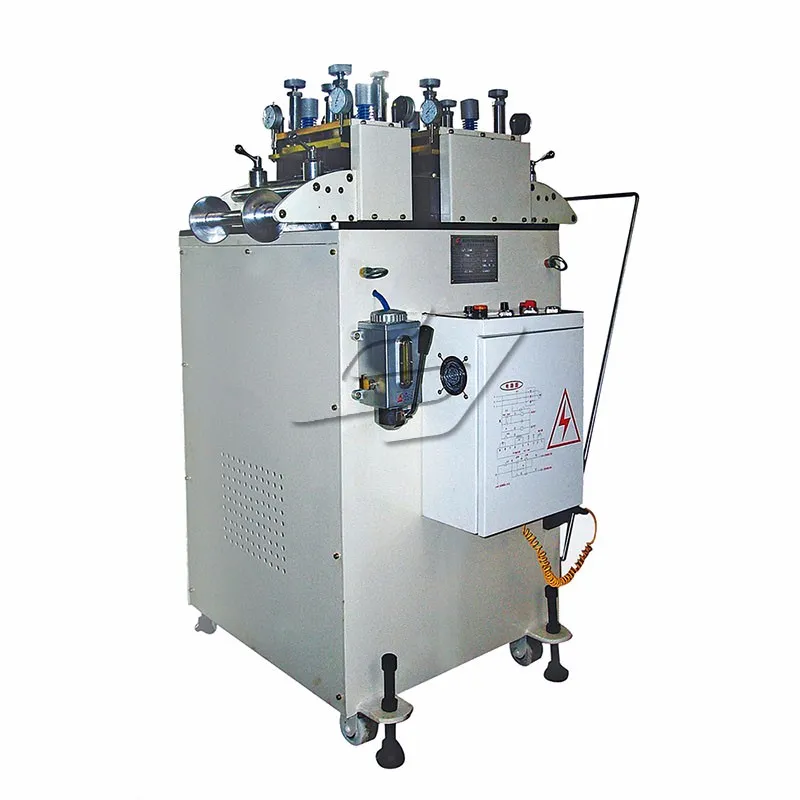
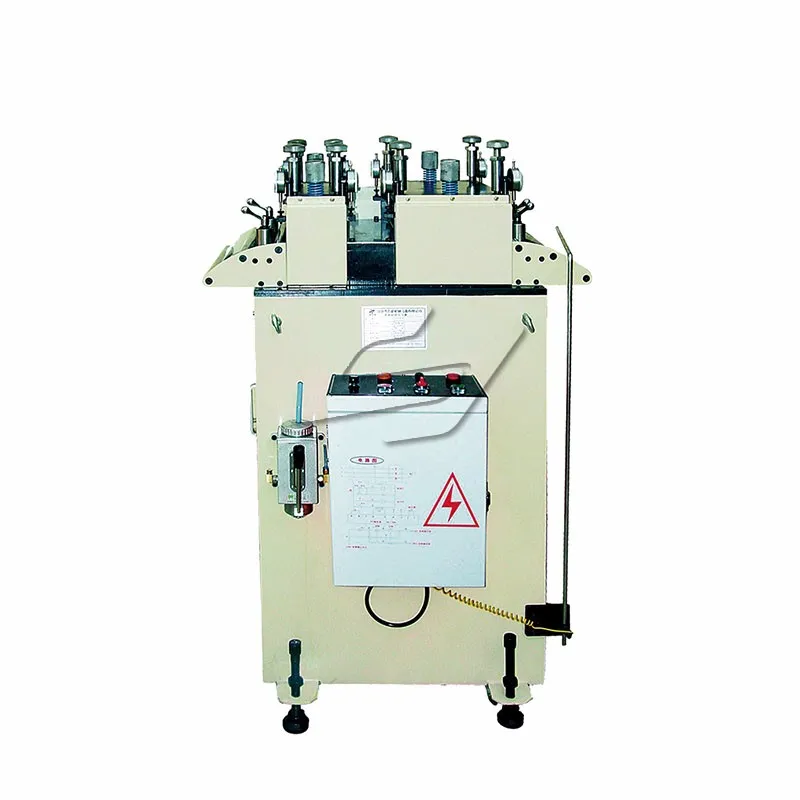 Sheet Metal Straightening Machine/straightener
- STL-200
$4,000.00
MOQ: 1

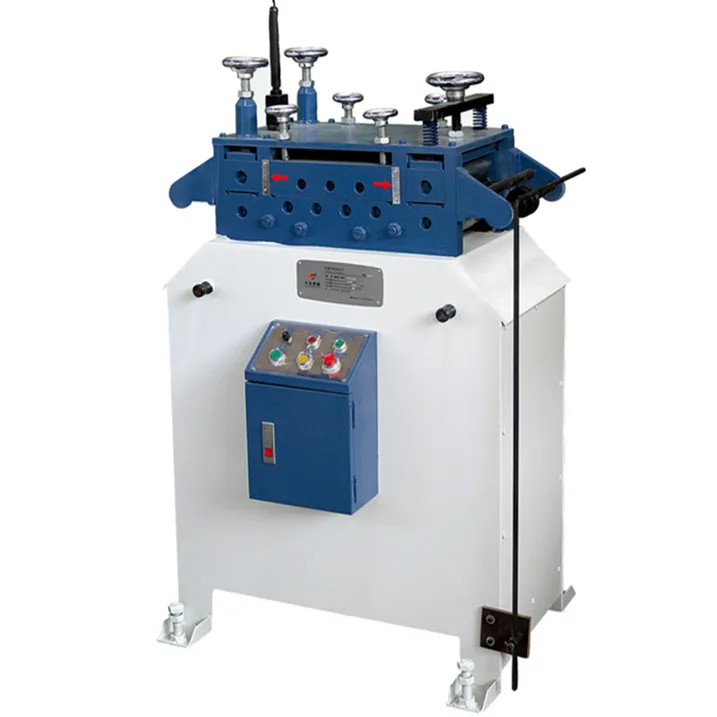
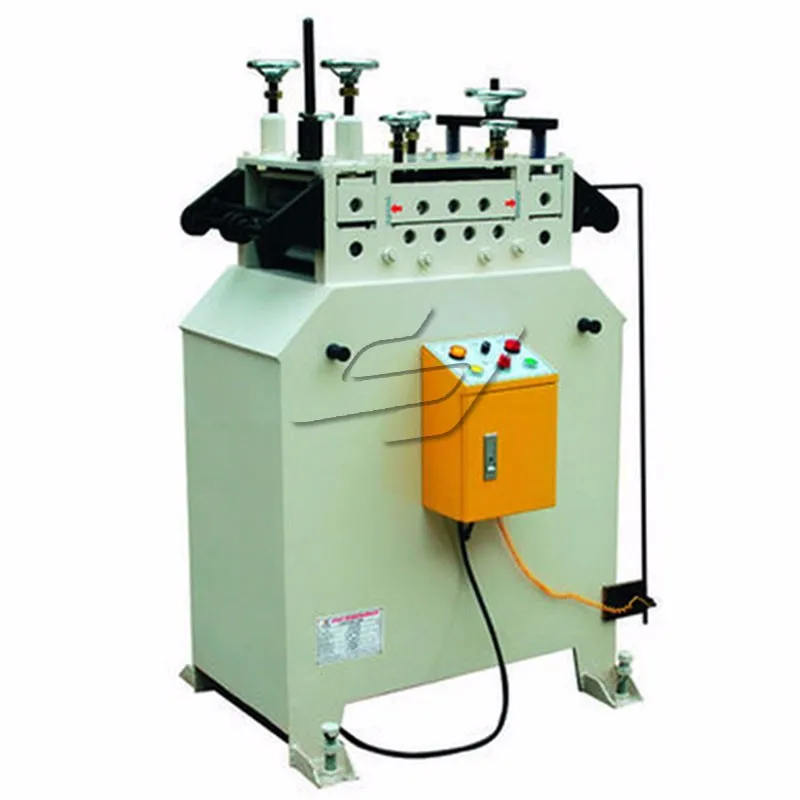
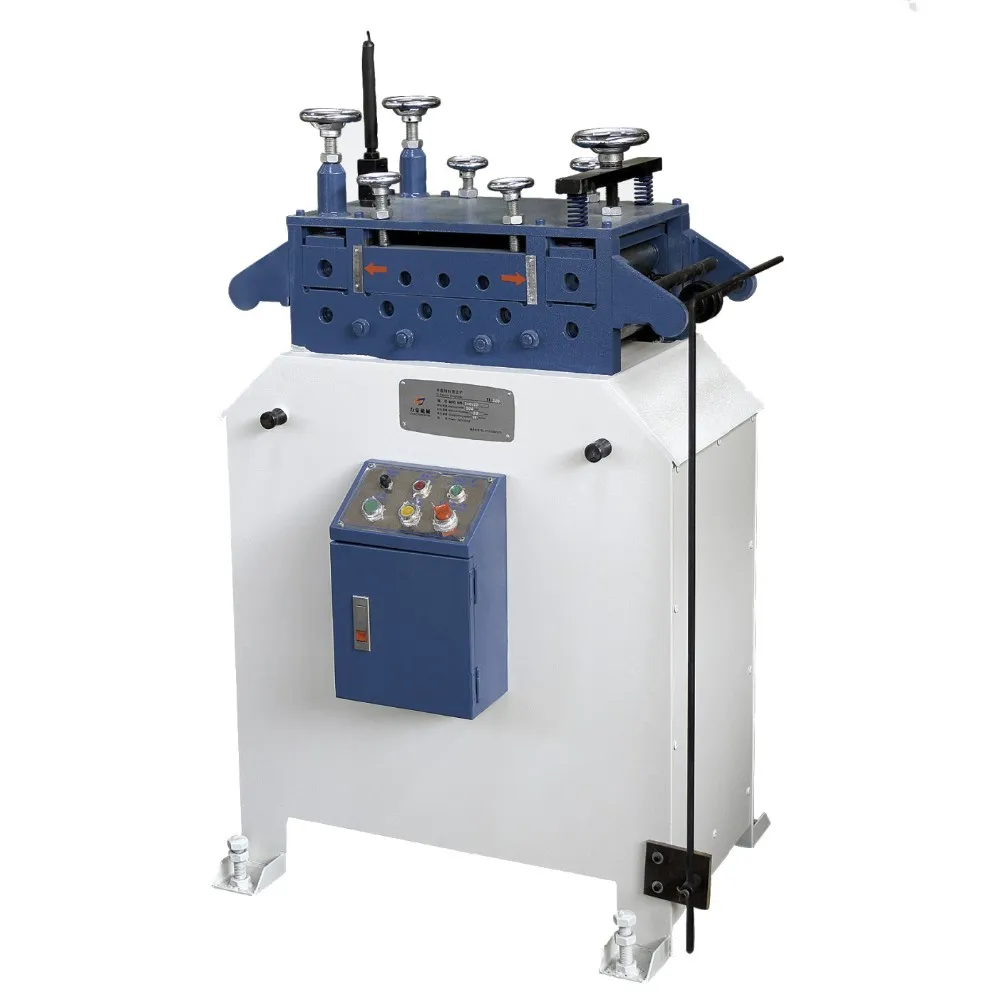
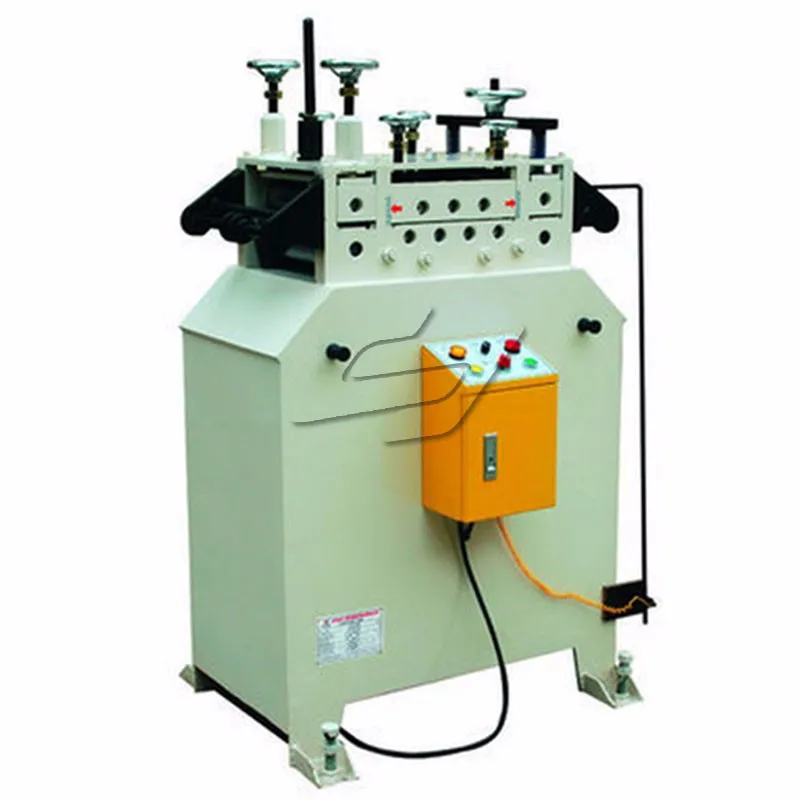
About Multi-Roll Sheet Metal Leveling & Straightening Technology
Coiled sheet metal retains significant internal stresses, coil set (longitudinal curvature), crossbow (transverse curvature), and edge wave induced during hot rolling, cold reduction, and tight coiling. When processed on laser cutters or stamping presses, these unreleased stresses trigger severe heat warping and dimensional inaccuracy. Multi-roll precision straighteners subjected material to controlled alternating elastoplastic bending to homogenize internal stress and restore perfect flatness.
A precision straightener employs a series of offset upper and lower leveling rollers. The machine geometry establishes a tight entry gap that forces the metal through aggressive reverse bending cycles beyond its yield point, followed by a gradually tapering exit gap that relieves residual elasticity and guides the sheet out dead flat. Machines incorporate 9 to 15 rollers for heavy plate and 17 to 23 smaller-diameter rollers for thin, high-precision sheet metal.
To prevent roller deflection under massive separating forces, the main leveling rolls are supported by multi-row backup roller flights mounted on rigid intermediate wedges. Motorized wedge adjustment systems allow operators to crown the rollers dynamically, eliminating center buckle or edge wave across wide sheets. High-rigidity four-column or monolithic welded steel frames house heavy drive gearboxes and individual universal drive shafts powered by high-torque AC inverter motors.
Compatible materials encompass mild carbon steel (SPCC, Q235), high-strength low-alloy structural steel (Q355, S550GD), cold-rolled stainless steel (AISI 304/316), and aluminum alloy plates (AA5052). Equipped with digital touchscreen controls storing roller gap recipes, these straighteners achieve post-leveling flatness tolerances within 0.1 to 0.5 mm per square meter, eliminating secondary flattening labor in modern fabrication shops.
Applications
Precision Leveling for Heavy Laser Cutting Blanks & Plates
In precision leveling for heavy laser cutting blanks & plates, eliminating thermal cutting stress and warping from 8.0 mm thick structural steel laser-cut blanks, ensuring dead-flat parts for automated robotic welding. These engineered industrial systems and accessories provide vital structural and operational support, ensuring seamless equipment integration and robust weather protection.
Automotive High-Speed Stamping Line Coil Strip Flattening
In automotive high-speed stamping line coil strip flattening, 17-roll precision straightener removing coil set and transverse crossbow from 2.5 mm high-strength steel coil strip prior to servo progressive stamping. These automated forming systems integrate hydraulic punching, progressive roll forming, and synchronized flying cutoff technology to mass-produce complex metal profiles efficiently.
Perforated Sheet Metal Internal Stress-Relief Leveling
In perforated sheet metal internal stress-relief leveling, multi-roll flattener eliminating severe punching stresses and oil canning waves from densely perforated 1.5 mm stainless steel architectural sheets. Featuring uniform zinc-alloy coating adhesion and tight metallurgical gauge consistency, these high-grade raw steel coils deliver superior corrosion protection and long service lives.
High-Strength Structural Steel Plate Multi-Roll Straightening
In high-strength structural steel plate multi-roll straightening, heavy-duty four-high plate straightener flattening 12 mm thick high-tensile structural steel plates (Q355) for bridge girders and heavy crane manufacturing. Engineered with heavy-duty arch stands and precision-ground alloy steel shafts, these automated production lines ensure smooth continuous metal processing and high yield.
Mirror-Finish Stainless Steel Appliance Blank Leveling
In mirror-finish stainless steel appliance blank leveling, 23-roller precision straightener flattening mirror-finish and brushed stainless steel appliance blanks for refrigerator doors without surface scuffing. Manufactured from heavy-gauge galvanized steel, these architectural door profiles deliver tight air-seal closure, high impact resistance, and compliant life-safety performance.
Technical Overview
| Parameter | Information |
|---|---|
| Equipment / Product Family | Multi-roll precision sheet metal straighteners & plate levelers |
| Applicable Metal Substrates | Carbon steel (Q235/Q355), stainless steel (304), galvanized steel, aluminum |
| Material Thickness Capacity | 0.5 mm – 16.0 mm (engineered across light, medium & heavy plate ranges) |
| Working Roller Width Range | 600 mm – 2000 mm (customizable up to 2500 mm for wide plate) |
| Leveling Roller Count | 9 – 23 rollers (arranged in upper and lower staggered banks) |
| Leveling Roller Material | Cr12MoV / GCr15 / 40Cr forged alloy steel (induction hardened HRC 60-63) |
| Roll Support Backup Flights | Multi-row intermediate backup flights with motorized CNC wedge cambering |
| Leveling Gap Adjustment | Motorized worm-gear or hydraulic cylinder drive with digital gap readouts (0.01 mm resolution) |
| Line Operating Speed | 15 – 40 m/min (variable frequency synchronized drive) |
| Drive & Control Architecture | Heavy-duty distribution gearbox + individual cardan shafts + PLC Touchscreen HMI |
Related Solutions
Heavy Coil Handling Solution
Coil infeed is a weight class plus a drive: manual expand, electric expand with…
Metal Sheet Processing Solution
Blanking and cut-off around a roll former is a shear class: flying (tracking) sh…
Custom Profile Roll Forming for OEM
Flexible roll forming line for custom cross-sections. Suitable for OEMs who need…
Pre-Engineered Building Component Line
Integrated solution for PEB secondary framing: C/Z purlins, girts, eave struts,…
Metal Roofing & Wall Panel Roll Forming Solution
Trapezoidal / IBR, standing-seam, corrugated or glazed-tile roof and wall panel…
Roof & Wall Purlin System Solution
Secondary steel for roofs and walls is a section family first: dedicated C, dedi…
Related Information

Cold Formed Steel vs Hot Rolled Steel: What Roll Forming Buyers Need to Know
Yield strength, ductility, surface finish, tolerances — a practical comparison o…
Read More
High-Strength Steel (HSLA) in Roll Forming
High-strength low-alloy steel lets you build lighter structures—but it fights ba…
Read More
Roll Forming Roller Materials: D2 vs DC53 and Heat Treatment Guide
D2, DC53, Cr12MoV — which roller material is right for your roll forming line? H…
Read More
Roll Forming Machine Control Systems: PLC, HMI and Encoder Integration
How do PLC, HMI, VFD and encoders work together on a roll forming line? A practi…
Read More
Cut-to-Length Systems in Roll Forming: Flying Shear vs Static Shear Explained
Stop-cut or flying shear? A machine designer explains the difference, accuracy,…
Read More
Steel Coil for Roll Forming: Specifications, Grades & How to Choose
The complete guide to steel coil for roll forming — thickness ranges, width stan…
Read More
FAQ
What is the operating principle of a multi-roll precision sheet straightener?
The machine subjects sheet metal to progressive alternating elastoplastic reverse bending through staggered upper and lower rollers. Bending metal past its yield point eliminates residual tension, while a tapering exit gap discharges dead-flat strip.
How many leveling rollers are optimal for different material thicknesses?
Thick plates (6–16 mm) typically utilize 9 to 13 large-diameter rollers to deliver high bending force. Medium sheets (2–6 mm) use 15 to 19 rollers, while thin precision blanks (0.5–2 mm) require 19 to 23 small-diameter rollers for optimal stress relief.
How do backup rollers prevent leveling roll deflection on wide sheets?
Continuous multi-row backup roller flights support the work rolls along their entire length. Motorized wedge blocks allow operators to adjust backup support rows independently to eliminate center buckles or edge waves.
Can the straightener process laser-cut parts and stamped blanks directly?
Yes, standalone parts levelers feature tight roller centers and continuous conveyor belts, allowing individual laser-cut, plasma-cut, or stamped sheet metal blanks to feed through and emerge dead flat in seconds.
What roller materials and surface treatments ensure long service life?
Leveling rollers are forged from premium Cr12MoV, 40Cr, or GCr15 alloy tool steel, medium-frequency induction hardened to HRC 60–63, precision ground, and hard-chrome plated (≥0.05 mm) to resist wear and prevent material adhesion.
What flatness tolerance can be achieved on high-strength steel?
With optimized roller gap settings, precision multi-roll straighteners achieve flatness tolerances between 0.1 mm and 0.5 mm per meter, even on high-yield structural steels up to 550 MPa.
What parameters should buyers provide when selecting a straightener?
Buyers should specify minimum and maximum sheet thickness, maximum sheet width, material yield strength (MPa), input coil set condition, and required line operating speed (m/min).