Global B2B Roll Forming Sourcing Platform | Free RFQ Response within 24h

- Tuo AI

- Live

- My Account
- Shopping Cart
- Inquiry Basket
- Contact Us
- Back to Top




Metal Coil Slitting Lines
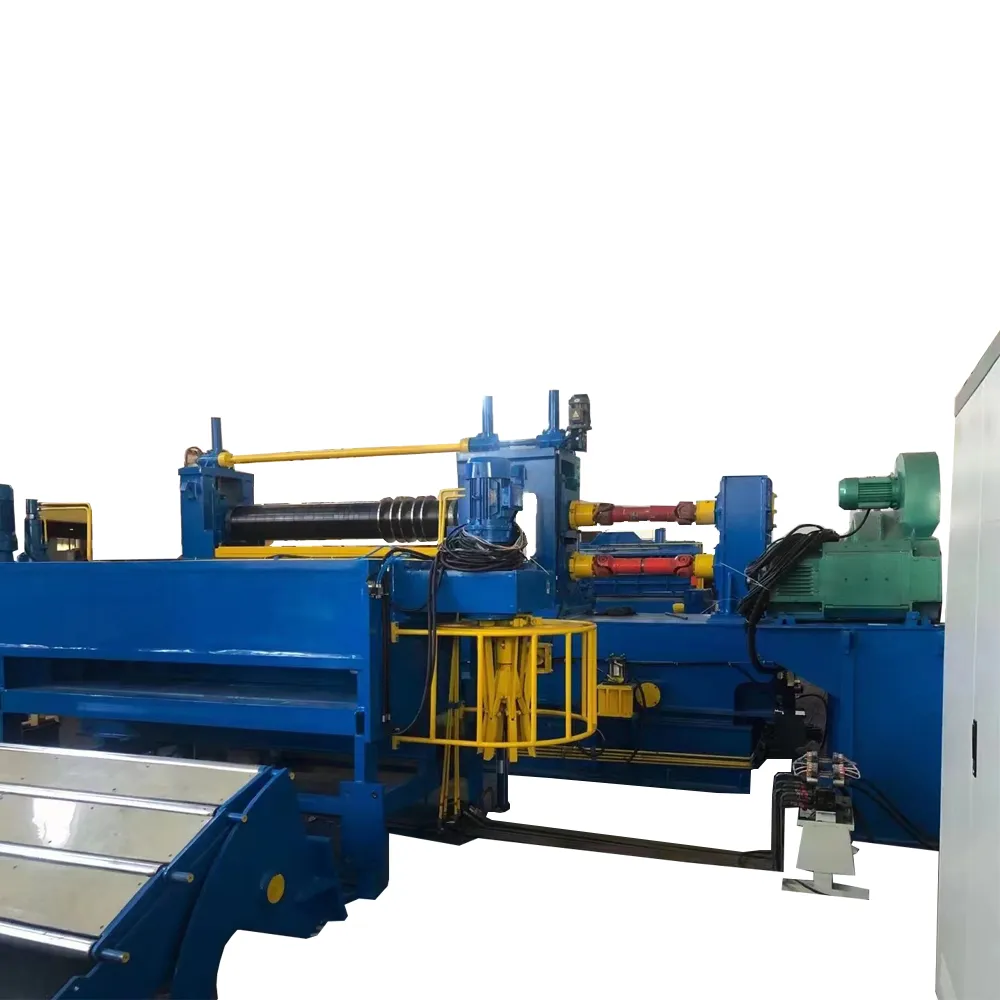
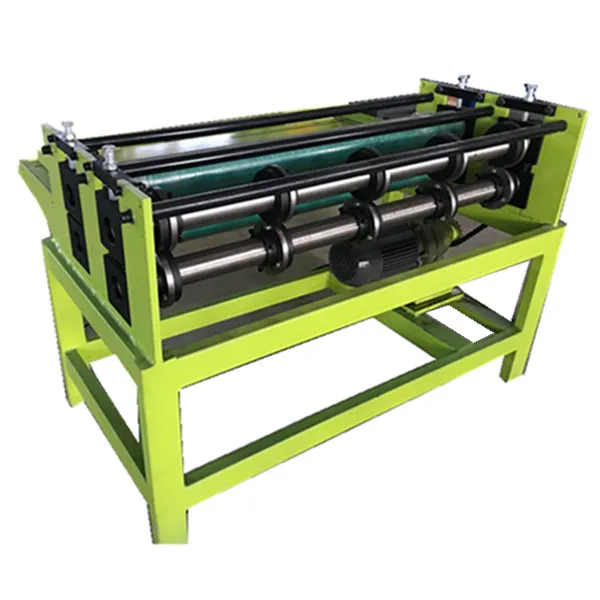
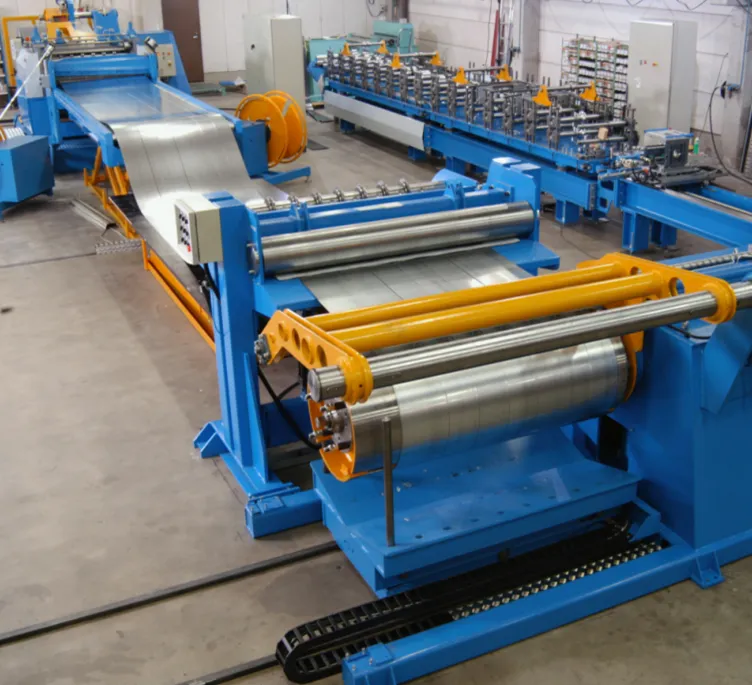
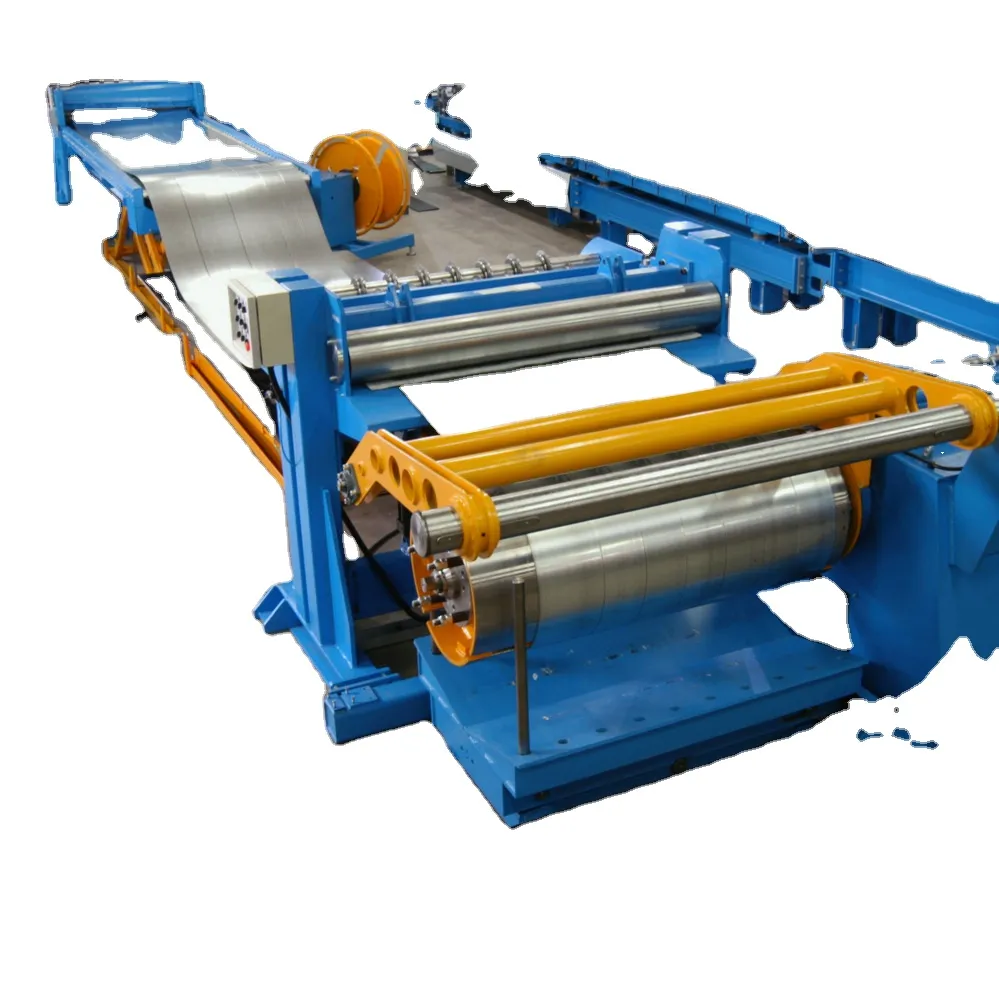
Metal coil slitting lines slit wide master coils of hot-rolled, cold-rolled, galvanized, and stainless steel into multiple narrow coil strips with high width accuracy and minimal edge burr. Processing coil thicknesses from 0.2 mm to 16.0 mm across coil widths up to 2000 mm, these automated production lines integrate hydraulic uncoiling, crop shearing, high-precision dual-arbor rotary slitting heads, edge scrap choppers, deep looping pits, tensioning stands, and heavy hydraulic recoilers. Operating at line speeds up to 100 to 250 m/min, they provide essential precision infeed strips for roll forming machines, tube mills, and stamping presses. Explore technical specifications, tooling setups, and turnkey equipment below to expand your coil processing business.
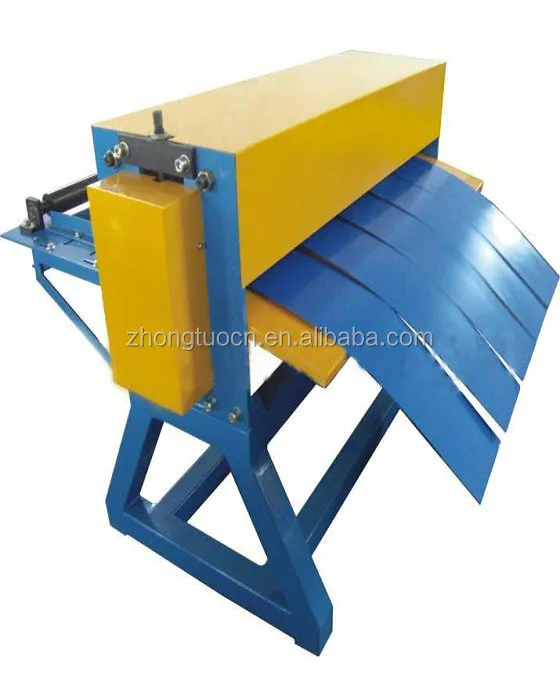
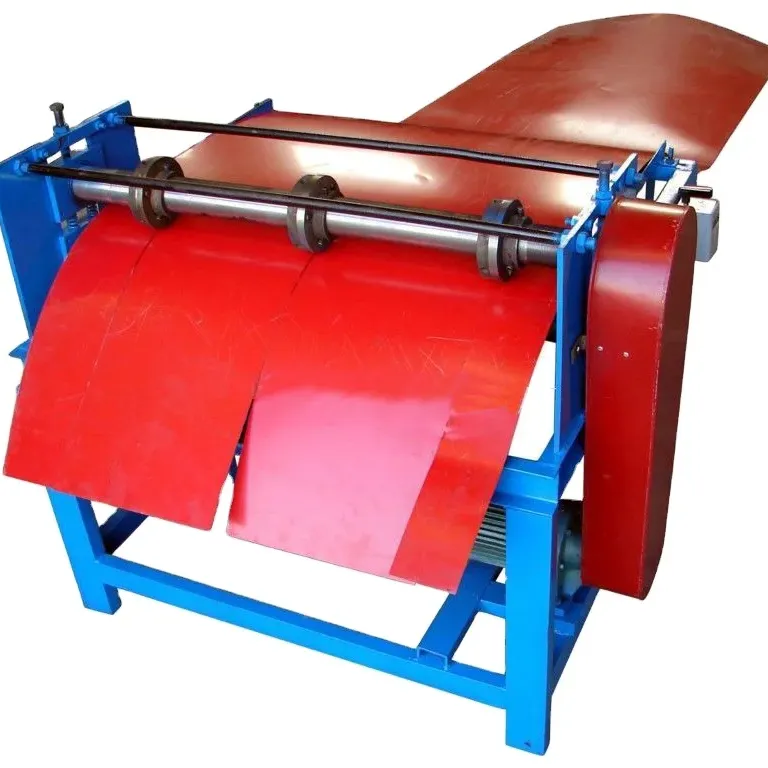 Aluminum Metal Sheet Slitting Machine
- ZTRFM-S02
$1,500.00
MOQ: 1
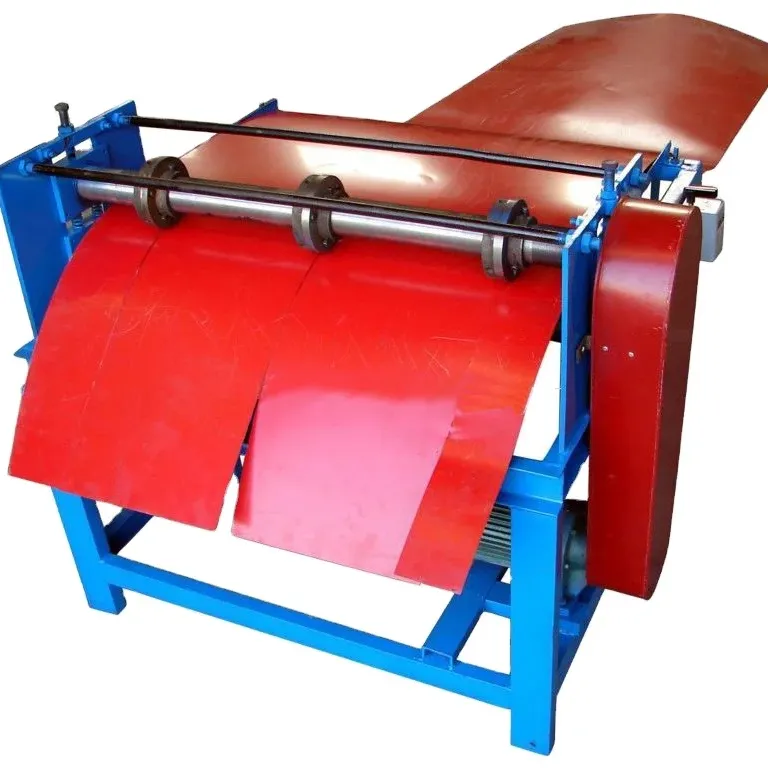
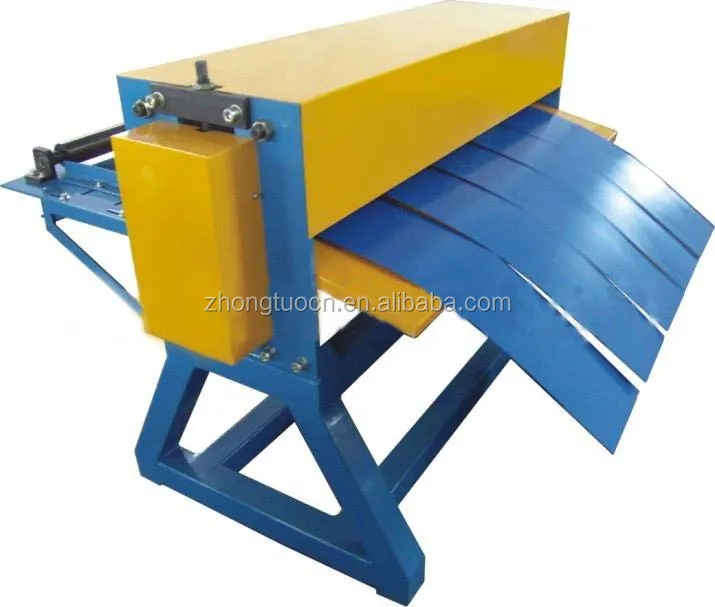 Simple Aluminum Metal Sheet Slitting Machine
- ZTRFM-S02
$1,500.00
MOQ: 1
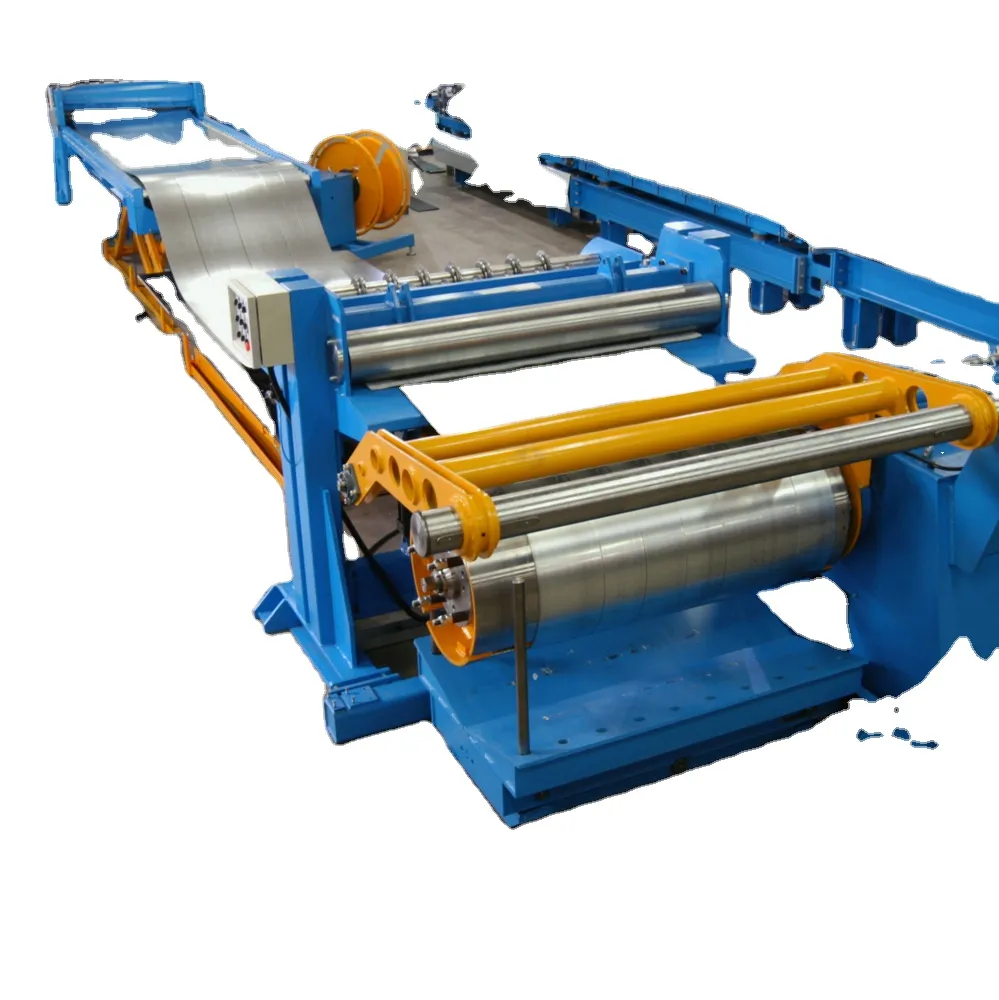 Metal Slitting Line Coil Slitting Line
- slitting+22kw
$75,000.00
MOQ: 1
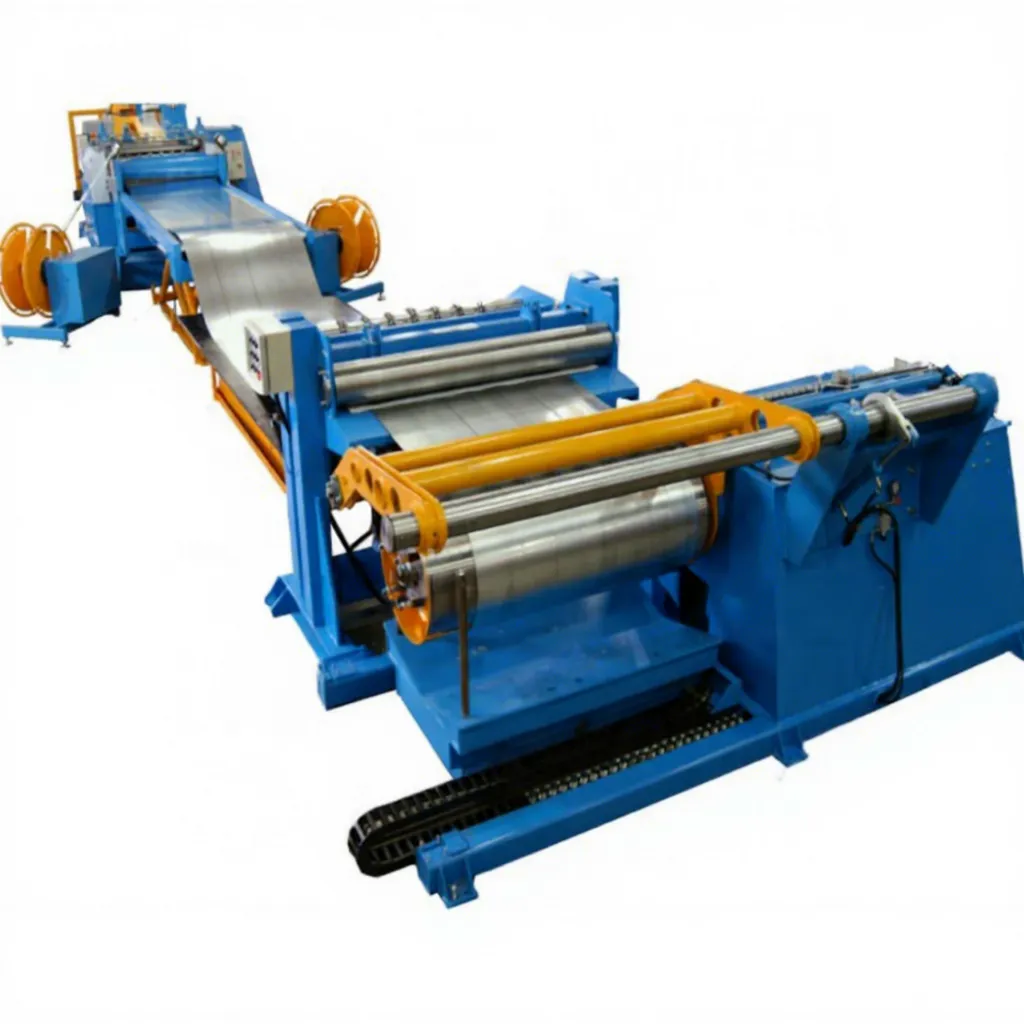 Sheet Coil Cutting Machine Steel Galvanized 0.5 2 30-90 Slitting
- cutting machine slitting line
$34,000.00
MOQ: 1
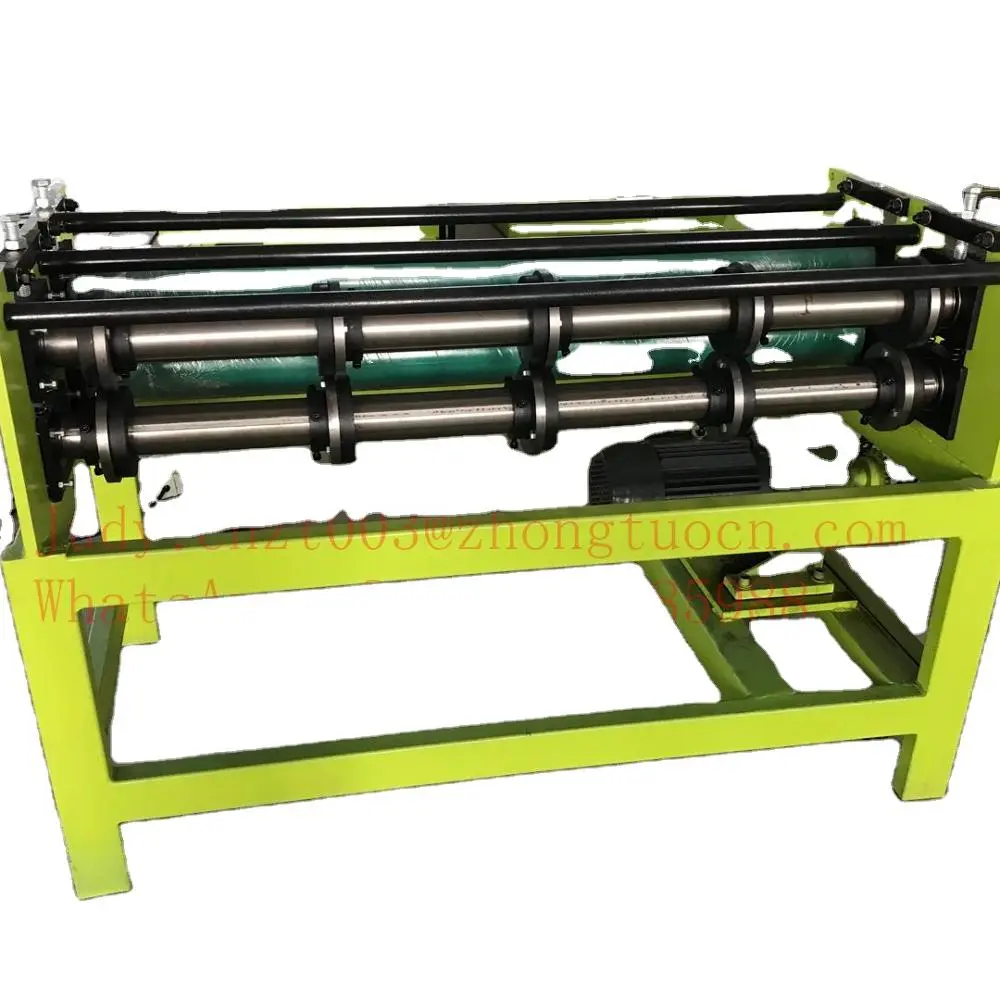 Color Steel GI PPGI Simple Slitting Machine
- ZTRFM+3KW
$1,300.00
MOQ: 1
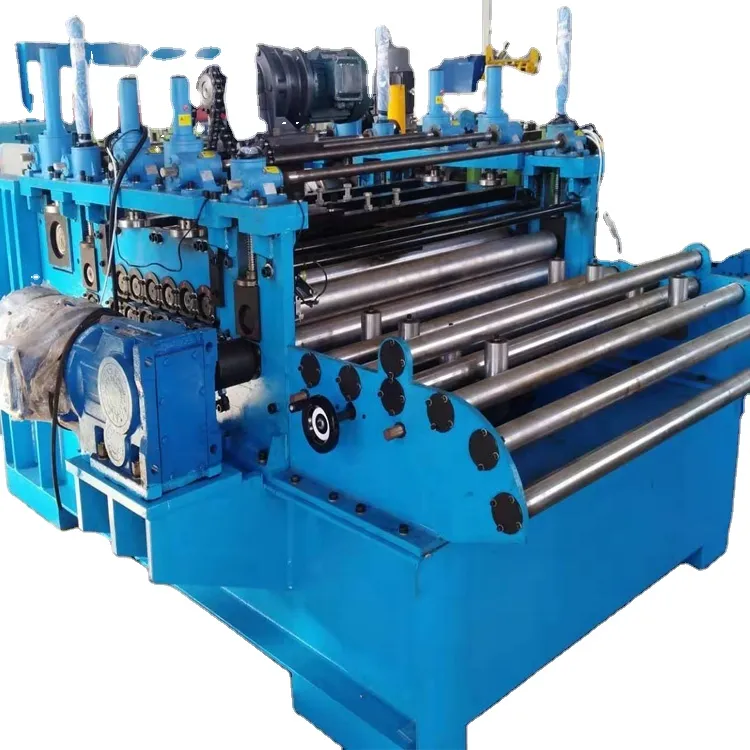 Slitting Machine Economic Metal Sheet Cut Length
- 3 ±mm/m+Hebei, China+1 Year+Provided+Provided
$22,000.00
MOQ: 1
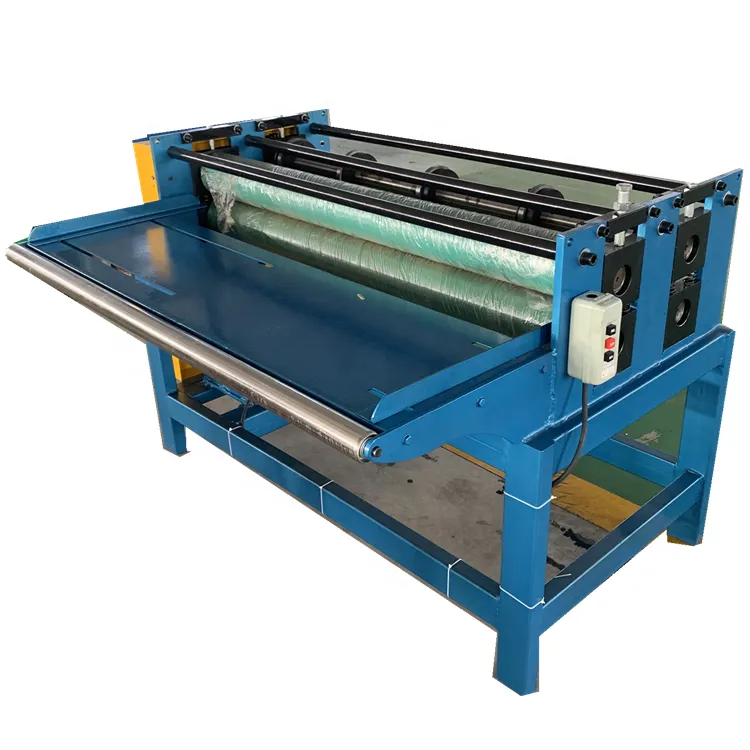 Colour Galvanized Metal Sheet Simple Slitting Simple Steel Coil
- simple slitting machine
$35,000.00
MOQ: 1
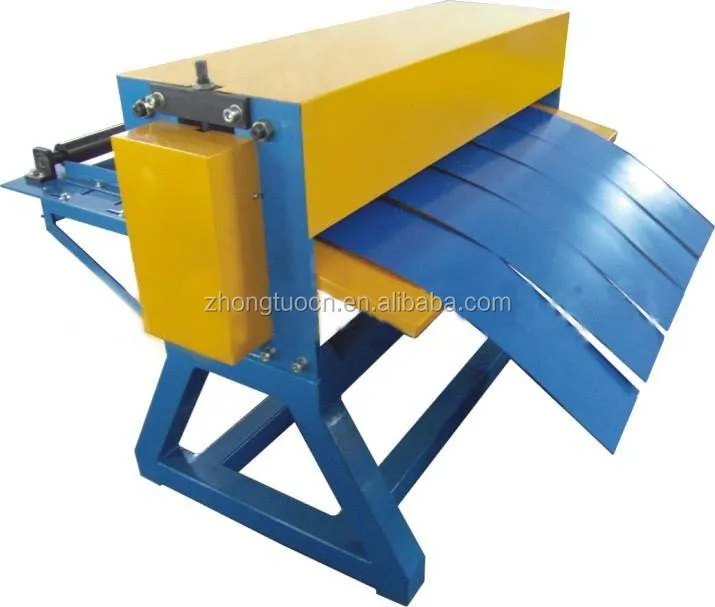 Color Steel GI PPGI Metal Sheet Slitting Cutting Machine
- 8-15m/min+ZTRFM+3KW
$780.00
MOQ: 1
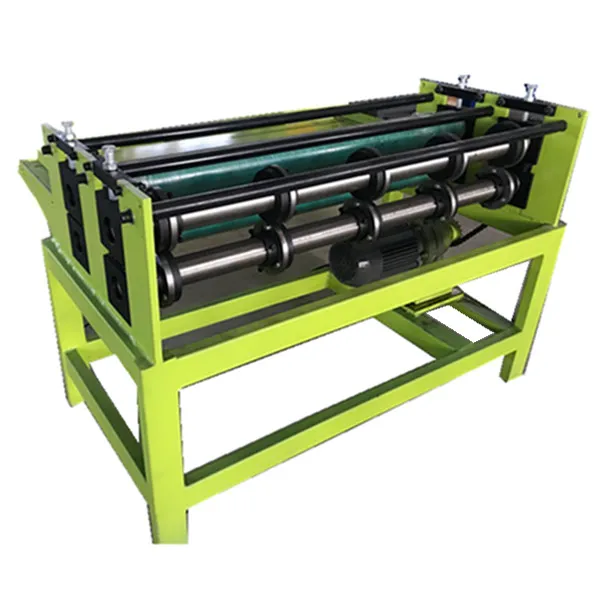 Cangzhou Portable Color Steel Plate Simple Slitting Machine
- 50 m/min+ZTRFM-S+3KW
$780.00
MOQ: 1
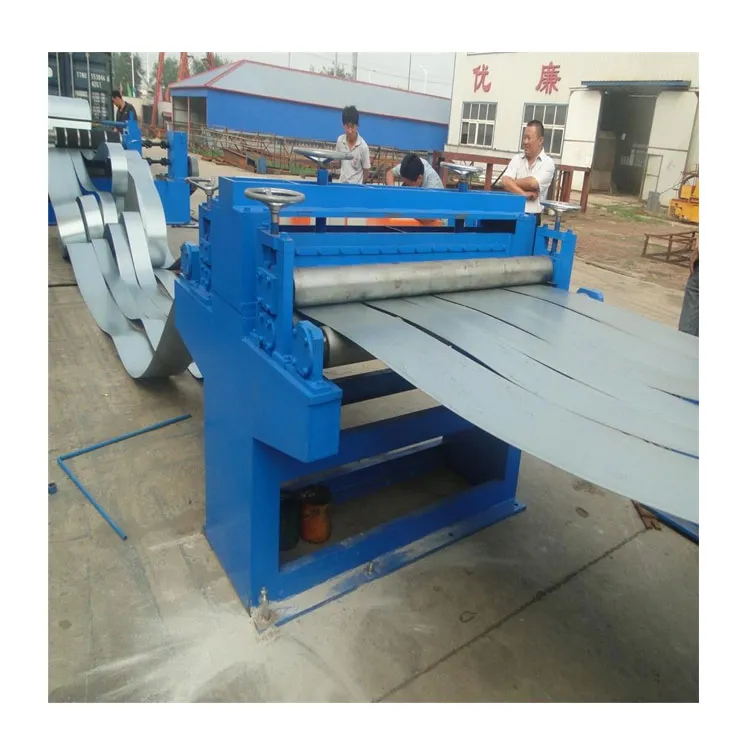 Steel Coil Slitting Slitting Line Machine
- zhongtuo--00102
$80,000.00
MOQ: 1
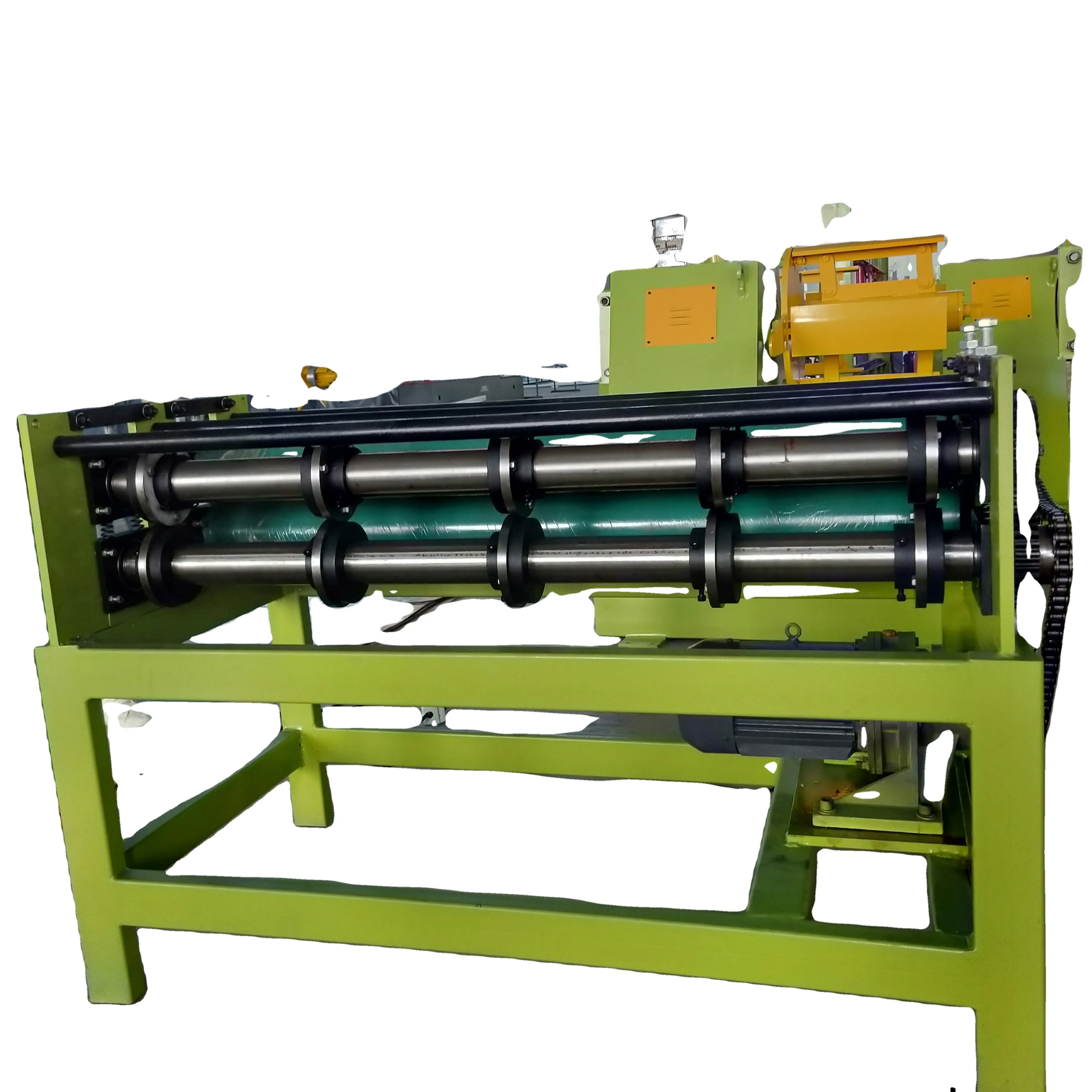 Portable Simple Metal Steel Coil Slitting Machine
- 15 T+Hebei, China+7.5kw+1 Year+Provided
$10,000.00
MOQ: 1
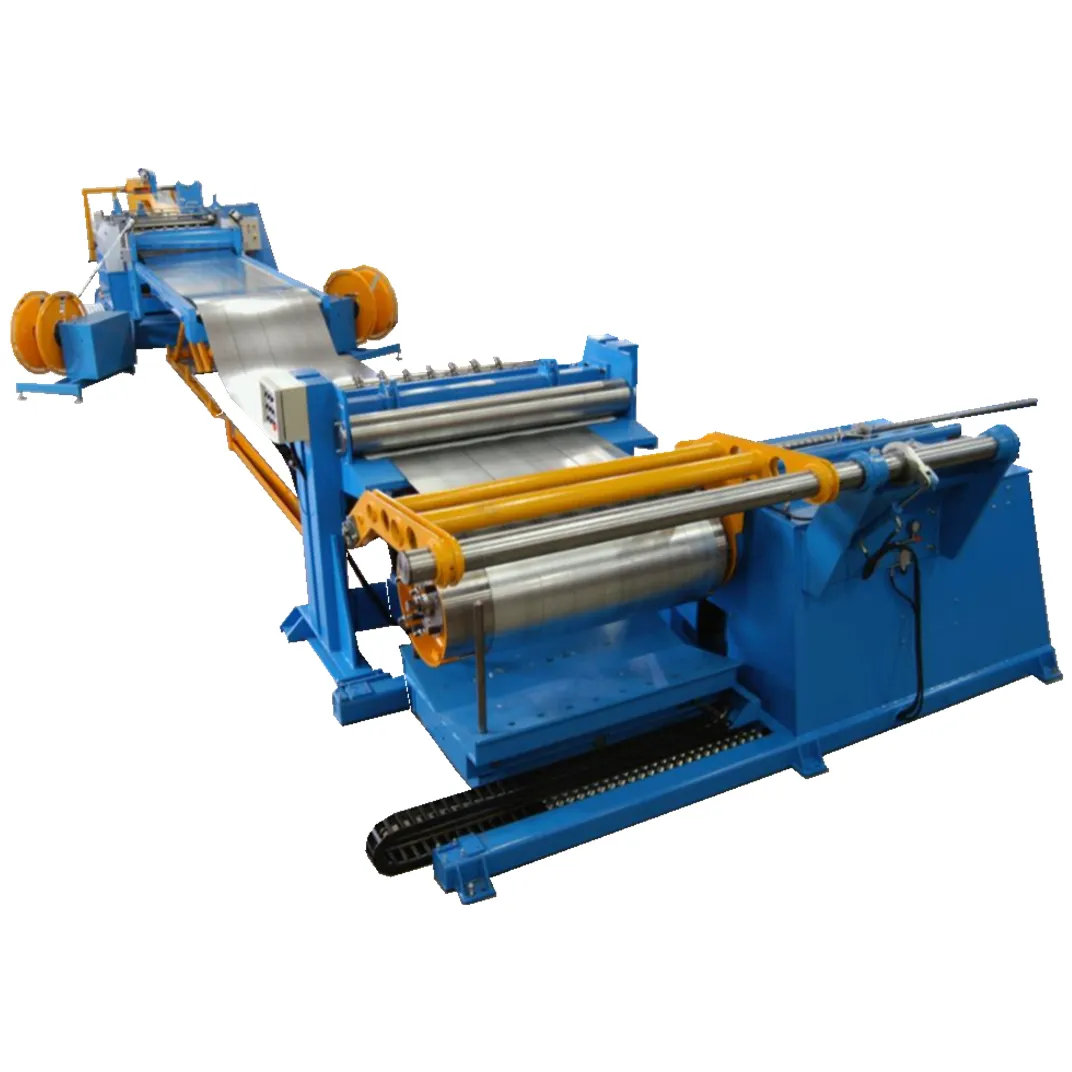 Metal Slitting Line Coil Slitting Line
- ZT003
$50,000.00
MOQ: 1


About Industrial Rotary Metal Coil Slitting Technology
Coil slitting serves as a cornerstone processing operation within global steel distribution centers, welded tube and pipe mills, automotive stamping centers, and roll forming manufacturing plants. Slitting lines convert wide master coils (typically 1000 mm to 2000 mm wide) into multiple narrow custom-width strips wound tightly onto individual recoiler spools ready for downstream fabrication.
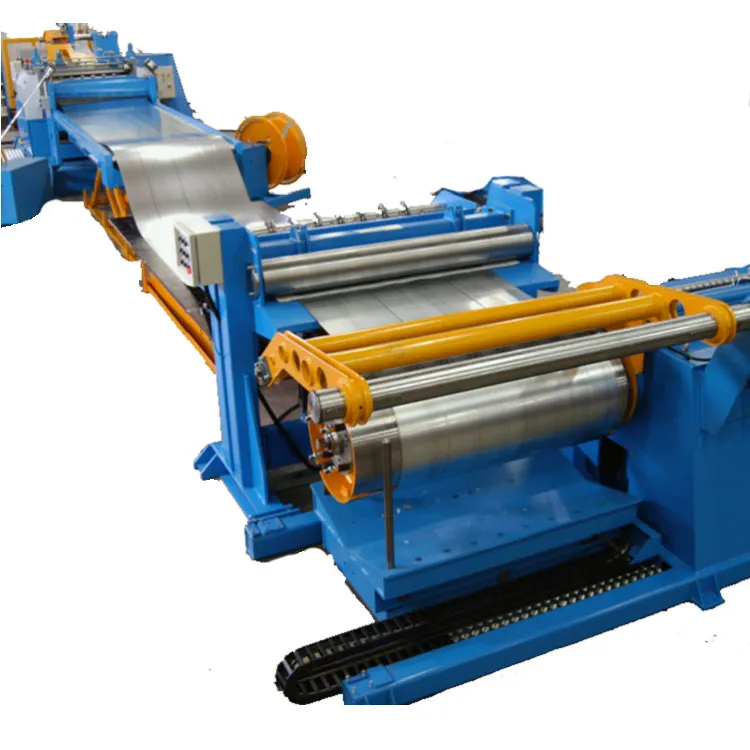
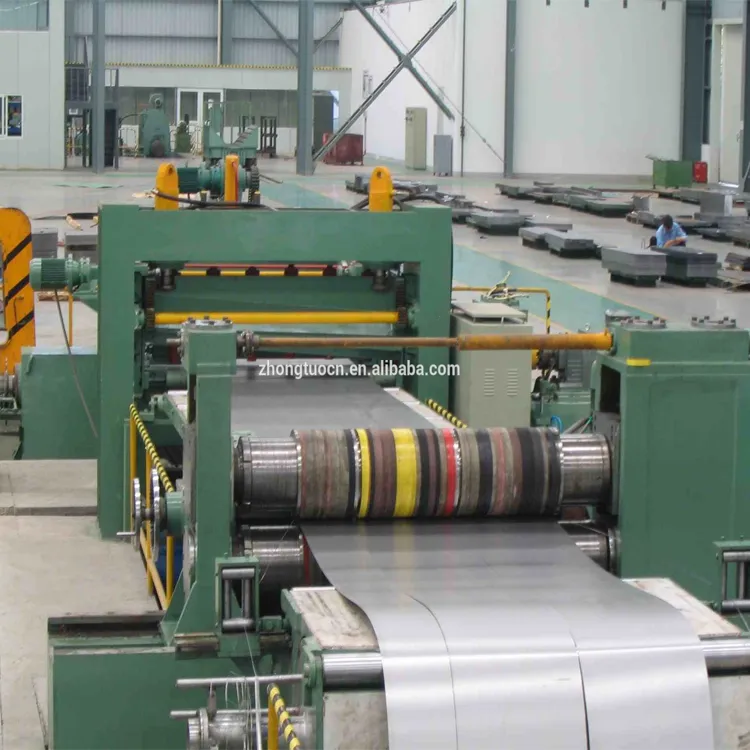
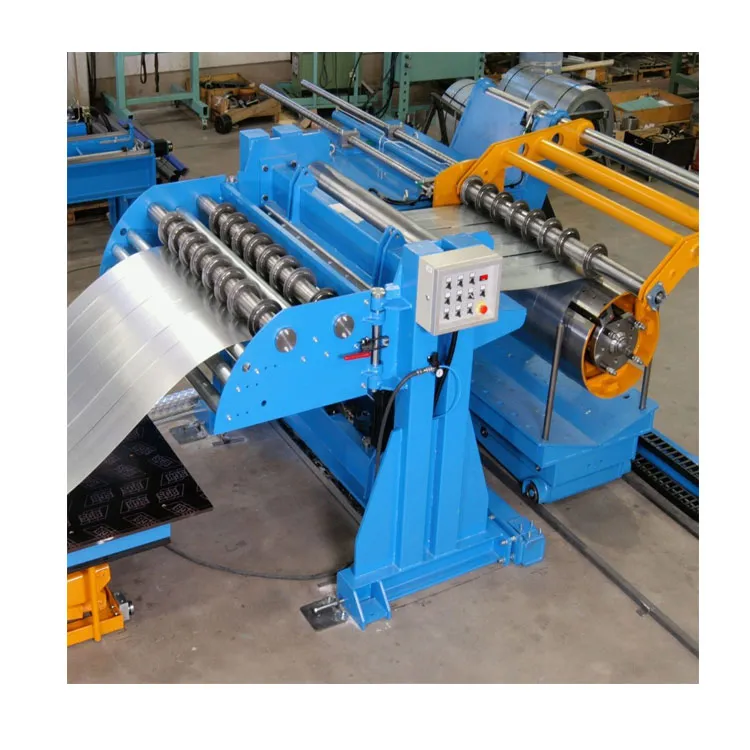
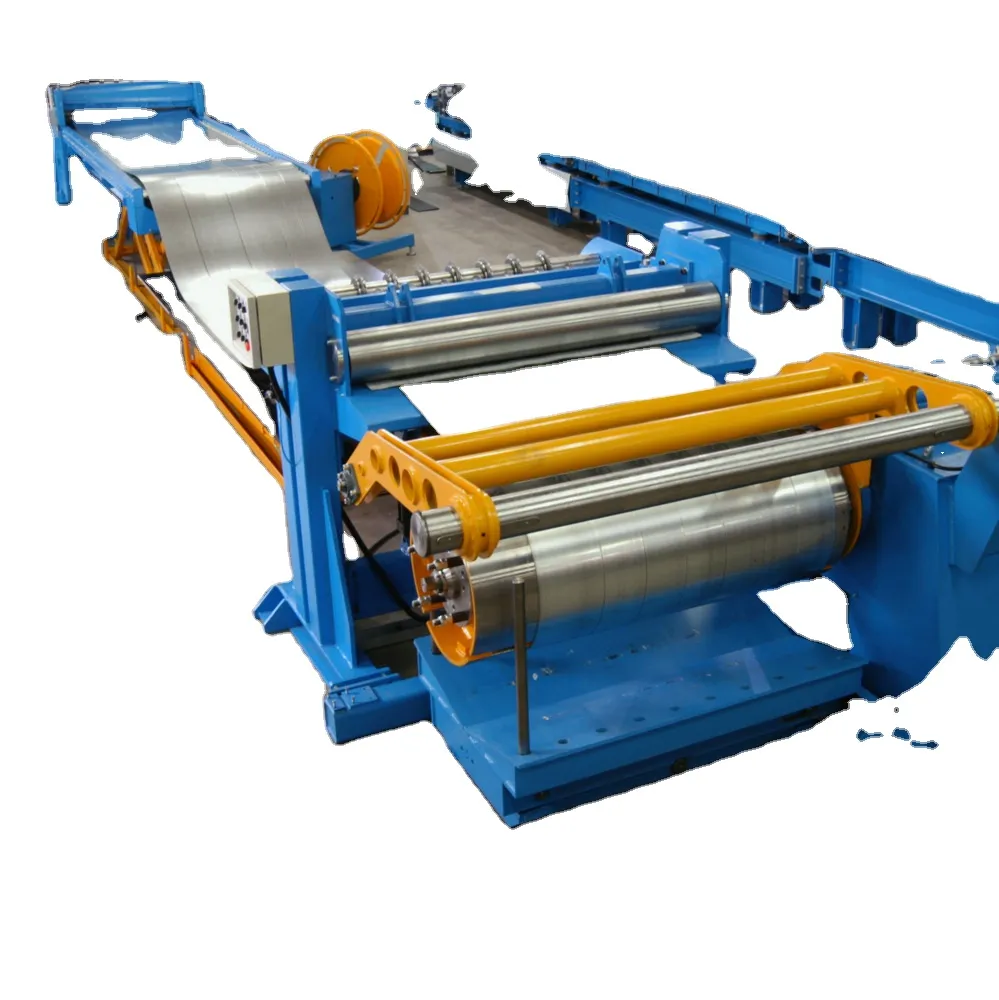
A heavy-duty automated slitting line begins with an automated hydraulic uncoiler and coil loading car. The strip passes through a flattener and crop shear to square the leading edge before advancing into the rotary slitter head. The slitter houses twin precision-ground alloy steel arbors (arbor runout ≤ 0.005 mm) supporting sets of circular rotary knives, rubber stripper rings, and precision ground thickness spacers arranged to shear multiple strips simultaneously (typically 10 to 30 continuous cuts).
Dual edge scrap winders or rotary scrap choppers shred edge trimmings continuously for recycling. Slit multi-strand strips then descend into a deep looping pit that accommodates natural length variations between strip strands caused by coil crown. Strips enter a pneumatic tensioning unit—utilizing felt pads, roller tensioners, or belt-bridle units—to apply uniform back-tension across every strand. A high-tonnage hydraulic recoiler equipped with separator discs and a hydraulic push-off plate rewinds the multiple strands into tight, uniformly wrapped finished coils.
Substrates handle cold-rolled steel (SPCC), hot-dip galvanized steel (GI / DX51D), high-strength low-alloy steel (AHSS / DP980), and non-ferrous metals like copper and aluminum foil. Equipped with CNC automated knife positioning and recipe management, these lines achieve slit width tolerances within ±0.05 mm and burr heights under 5% of material thickness, maximizing yield and slit coil quality.
Applications
High-Precision Multi-Strip Narrow Slitting Service Center
In high-precision multi-strip narrow slitting service center, commercial steel service center slitting 1500 mm wide galvanized master coil into 24 continuous narrow strips at 150 m/min for precision roll forming and stamping customers. These ductile, high-yield steel and aluminum coils provide the ideal raw material substrate for continuous high-speed roll forming, delivering smooth surface finishes.
Heavy ERW Pipe & Tube Mill Infeed Strip Slitting Line
In heavy erw pipe & tube mill infeed strip slitting line, heavy slitting line slitting 4.0 mm hot-rolled carbon steel coils into custom-width narrow strips feeding high-frequency ERW round and square structural tube mills. Manufactured with advanced protective paint systems and tight dimensional tolerances, these master coils withstand severe outdoor weathering while enabling continuous production.
Automotive High-Strength Steel (AHSS) Rotary Slitting Line
In automotive high-strength steel (ahss) rotary slitting line, precision slitter processing Advanced High-Strength Dual-Phase (DP980) automotive coils with shimless tooling arbors, producing burr-free strips for automotive stamping. Precision-machined from vacuum-hardened alloy tool steel and mirror-polished with hard-chrome plating, these heavy tooling components withstand extreme forming pressures without galling.
Precision Copper & Aluminum Foil Burr-Free Slitting Line
In precision copper & aluminum foil burr-free slitting line, ultra-precision slitting line using mirror-polished tungsten carbide knives to slit 0.3 mm pure copper and aluminum coils for electrical transformer and battery tabs. These ductile, high-yield steel and aluminum coils provide the ideal raw material substrate for continuous high-speed roll forming, delivering smooth surface finishes.
Heavy 6.0 mm Hot-Rolled Steel Slitting & Tight Recoiling Plant
In heavy 6.0 mm hot-rolled steel slitting & tight recoiling plant, heavy-gauge slitter line slitting 6.0 mm hot-rolled steel coils with rotary scrap choppers and hydraulic separator recoiler rewinding tight, uniform structural steel coils. These durable rainwater profiles integrate seamlessly with modern rooflines, providing long-term weather-tight drainage performance and protecting buildings from moisture intrusion.
Technical Overview
| Parameter | Information |
|---|---|
| Equipment / Product Family | High-speed industrial metal coil slitting lines & rotary slitters |
| Applicable Coil Materials | Hot-rolled, cold-rolled (SPCC), galvanized (GI), stainless (304), aluminum, copper |
| Material Thickness Capacity | 0.2 mm – 16.0 mm (engineered across light, medium & heavy gauge lines) |
| Coil Strip Width Range | 600 mm – 2000 mm (customizable up to 2200 mm) |
| Maximum Slitting Cut Count | Up to 15 – 30 cuts (depending on material thickness and arbor diameter) |
| Slitter Arbor Precision | Alloy tool steel arbors (arbor runout ≤ 0.005 mm; precision ground) |
| Rotary Knife Tooling Material | Cr12MoV / D2 / H13 / Tungsten carbide (vacuum heat-treated HRC 60-64) |
| Slit Strip Width Accuracy | ±0.05 mm (precision micrometer spacer tooling) |
| Line Production Speed | 80 – 250 m/min (variable speed synchronized DC/AC vector drive) |
| Drive & Control Architecture | Siemens S7-1500 PLC + Industrial Touchscreen HMI + Tension load cells & encoder |
Related Solutions
Heavy Coil Handling Solution
Coil infeed is a weight class plus a drive: manual expand, electric expand with…
Metal Sheet Processing Solution
Blanking and cut-off around a roll former is a shear class: flying (tracking) sh…
Custom Profile Roll Forming for OEM
Flexible roll forming line for custom cross-sections. Suitable for OEMs who need…
Pre-Engineered Building Component Line
Integrated solution for PEB secondary framing: C/Z purlins, girts, eave struts,…
Metal Roofing & Wall Panel Roll Forming Solution
Trapezoidal / IBR, standing-seam, corrugated or glazed-tile roof and wall panel…
Roof & Wall Purlin System Solution
Secondary steel for roofs and walls is a section family first: dedicated C, dedi…
Related Information

Steel Coil Slitting Line: How It Works and When You Need One
What does a coil slitting line do? Blade arrangement, speed, width tolerance, an…
Read More
Slitting Line vs Cut-to-Length Line: Which One Do You Actually Need?
slitting line vs cut to length line, coil slitting line, cut to length line, coi…
Read More
Cut to Length vs Slitting Line: Efficiency, Yield and Line Speed Compared
cut to length line vs slitting line
Read More
Roll Forming Machine Control Systems: PLC, HMI and Encoder Integration
How do PLC, HMI, VFD and encoders work together on a roll forming line? A practi…
Read More
Cold Formed Steel vs Hot Rolled Steel: What Roll Forming Buyers Need to Know
Yield strength, ductility, surface finish, tolerances — a practical comparison o…
Read More
Steel Coil for Roll Forming: Specifications, Grades & How to Choose
The complete guide to steel coil for roll forming — thickness ranges, width stan…
Read More
FAQ
What is the operating principle of a rotary metal coil slitter head?
The slitter head rotates two horizontal parallel arbors fitted with overlapping circular rotary shear knives. The knives shear the moving metal strip by controlled horizontal clearance and vertical overlap, producing narrow strands with clean, sheared edges.
What strip thickness ranges and slitting speeds are standard?
Lines are categorized into thin-gauge lines (0.2–2.0 mm at speeds up to 150–250 m/min), medium-gauge lines (1.5–6.0 mm at speeds up to 100–180 m/min), and heavy-gauge lines (4.0–16.0 mm at speeds of 40–80 m/min).
How does the looping pit manage strand tension variations?
Master coils naturally possess slight thickness crown in the center, causing center strands to elongate faster than outer edges. The looping pit allows strands to hang freely in catenary loops, allowing the downstream tension stand to apply uniform rewinding tension.
What slit width tolerances and edge burr heights are achievable?
High-precision arbors with micro-ground spacers achieve slit width tolerances within ±0.05 mm, maintaining edge burr heights below 5% of material thickness to prevent edge cracking in downstream forming.
How does automated tooling setup reduce slitter changeover time?
Modern slitter lines utilize interchangeable dual slitter heads on an automated shuttle table or automated robotic knife setup systems, allowing operators to assemble a new knife recipe off-line while the active head runs, cutting changeover downtime to 5 minutes.
What tensioning systems are used to prevent loose inner wraps on the recoiler?
Lines utilize belt-bridle tensioners, pneumatic felt pad tension boxes, or multi-roll drag units to generate precise, adjustable back-tension on each individual strand before it reaches the expanding recoiler drum.
What parameters should buyers provide when requesting a slitting line quotation?
Buyers should supply master coil data (thickness range, width, weight, OD/ID, material grades), target slit strip widths and maximum cut count, required operating line speed (m/min), and recoiler coil packaging preferences.