Global B2B Roll Forming Sourcing Platform | Free RFQ Response within 24h

- Tuo AI

- Live

- My Account
- Shopping Cart
- Inquiry Basket
- Contact Us
- Back to Top




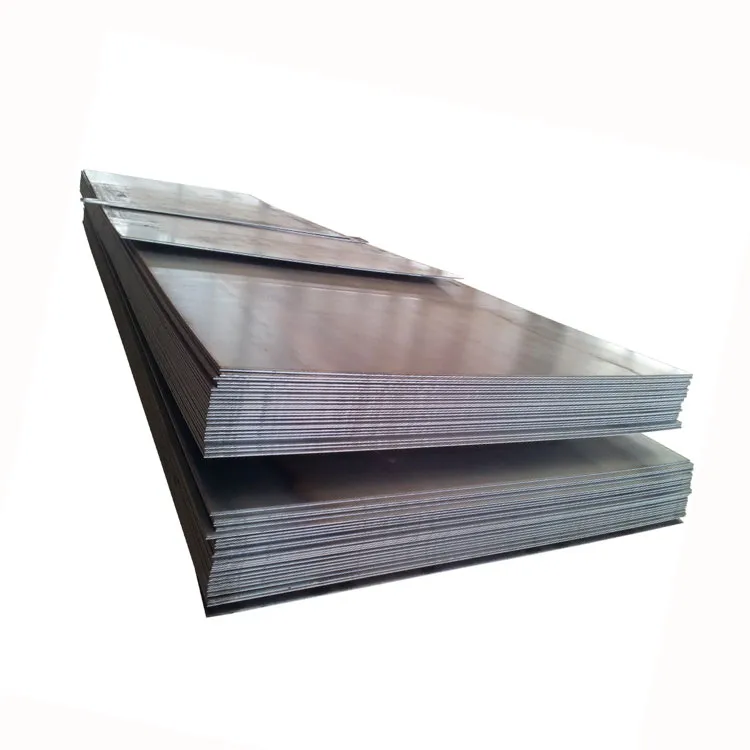
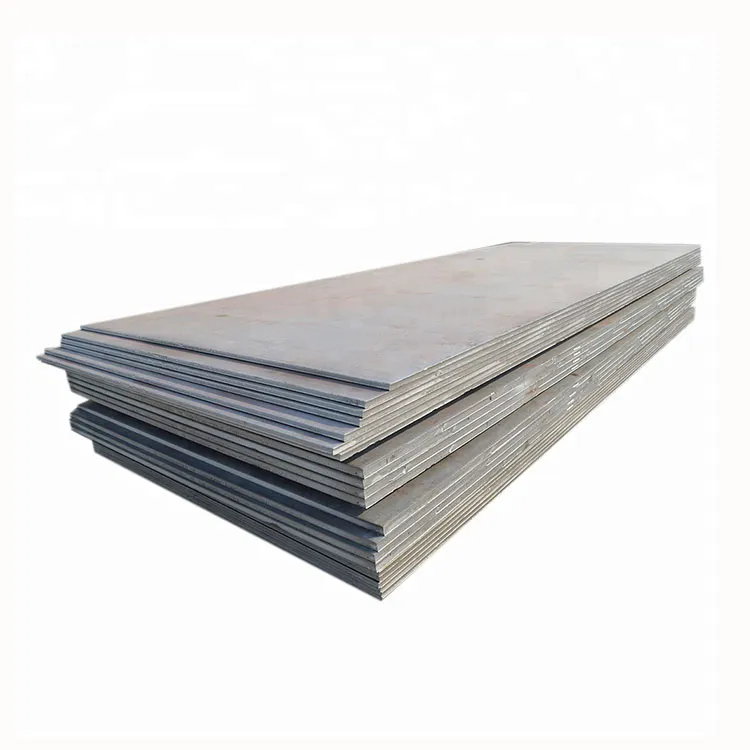
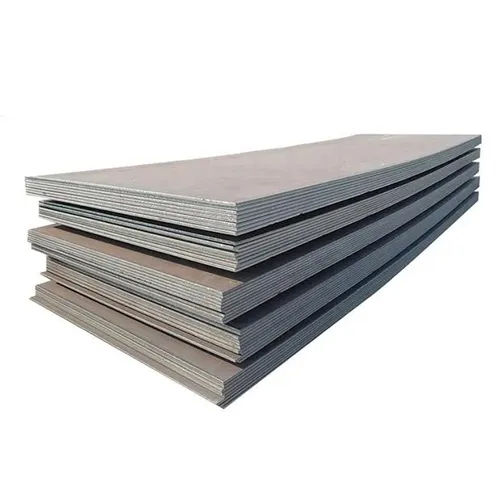
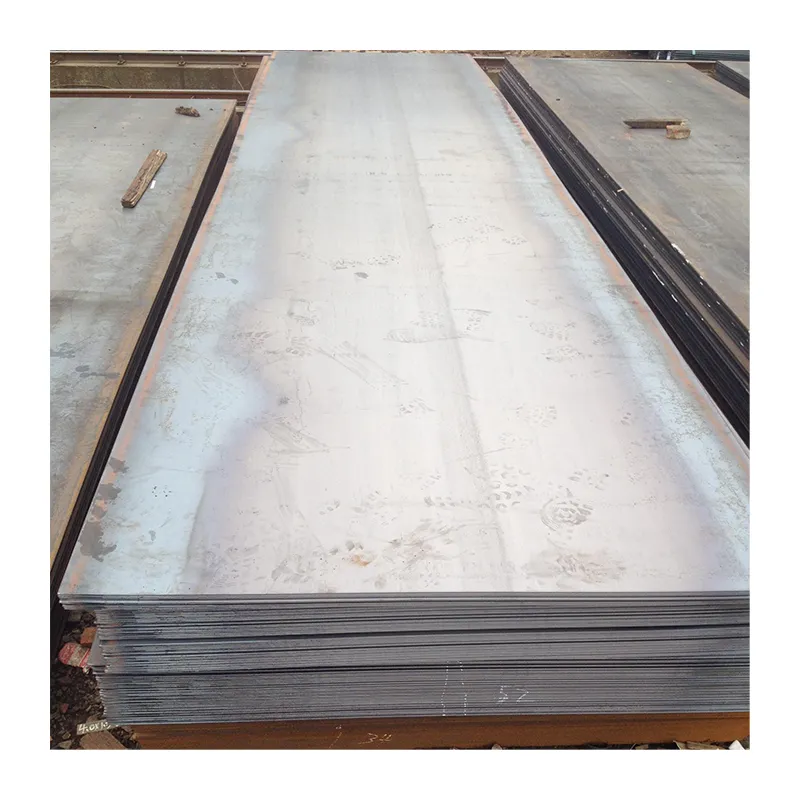
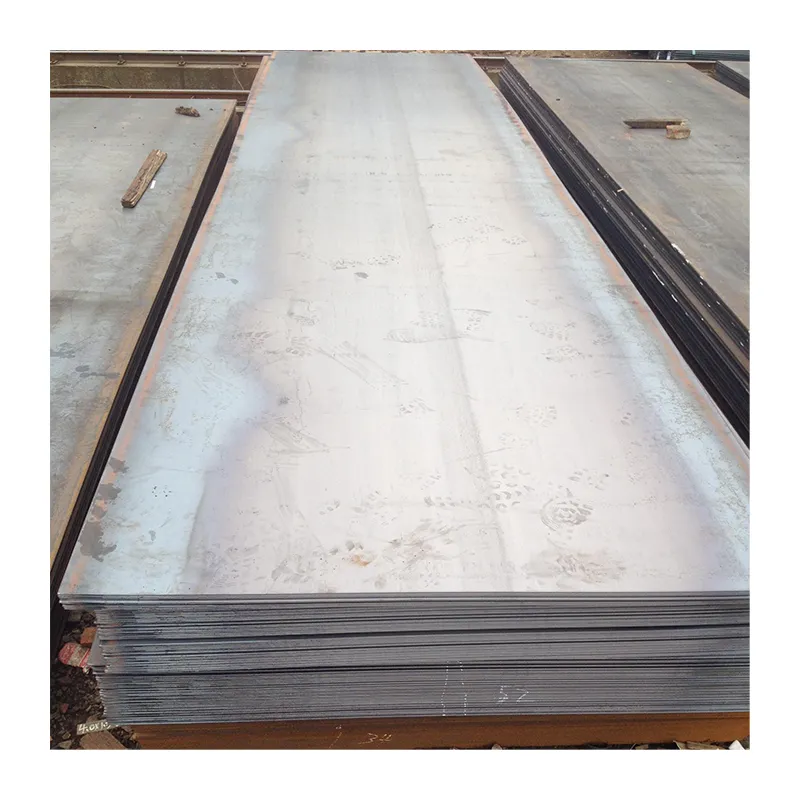
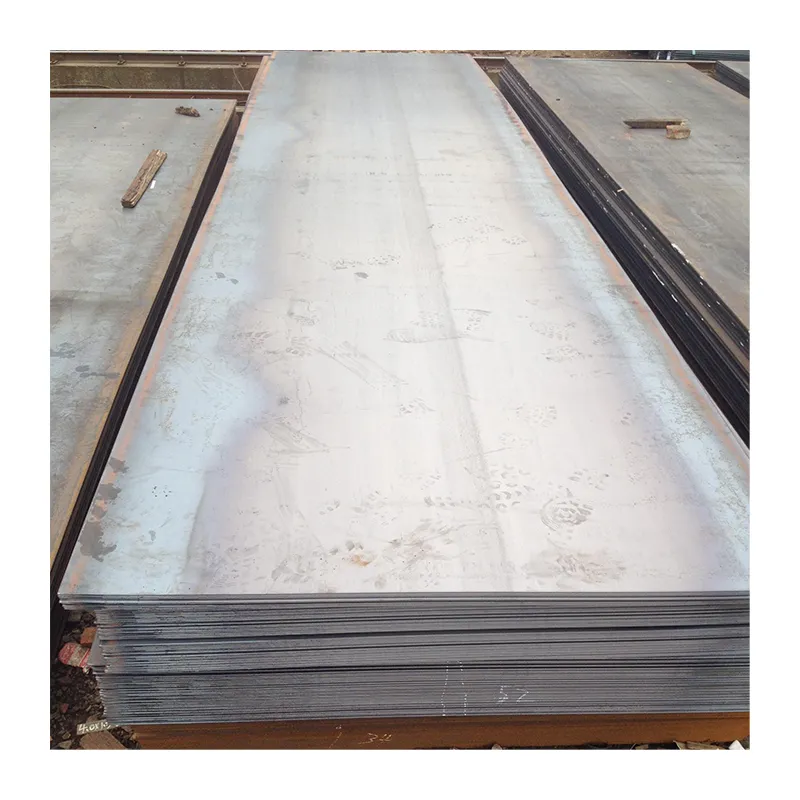
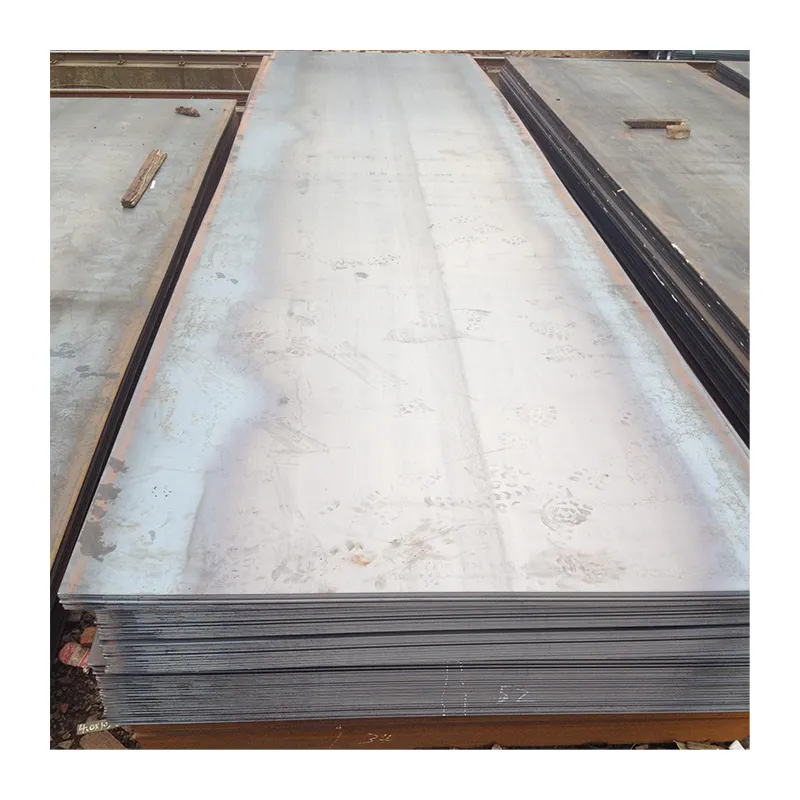
Heavy Hot Rolled Steel Plates for Roadway & Infrastructure
Heavy hot rolled steel plates provide superior yield strength, exceptional impact toughness, and reliable flat plate stability for highway guardrail baseplates, bridge transition posts, heavy machinery beds, and pre-engineered structural steel foundations. Produced through reversing hot plate mills conforming to ASTM A36, ASTM A572, and EN 10025 standards, our steel plates feature uniform metallurgical grain refinement, low internal residual stress, and strict thickness tolerances. Engineered to withstand heavy laser cutting, plasma beveling, precision punching, and multi-pass structural welding without lamellar tearing, these heavy plates guarantee certified structural load-bearing performance under dynamic highway traffic shock loads.
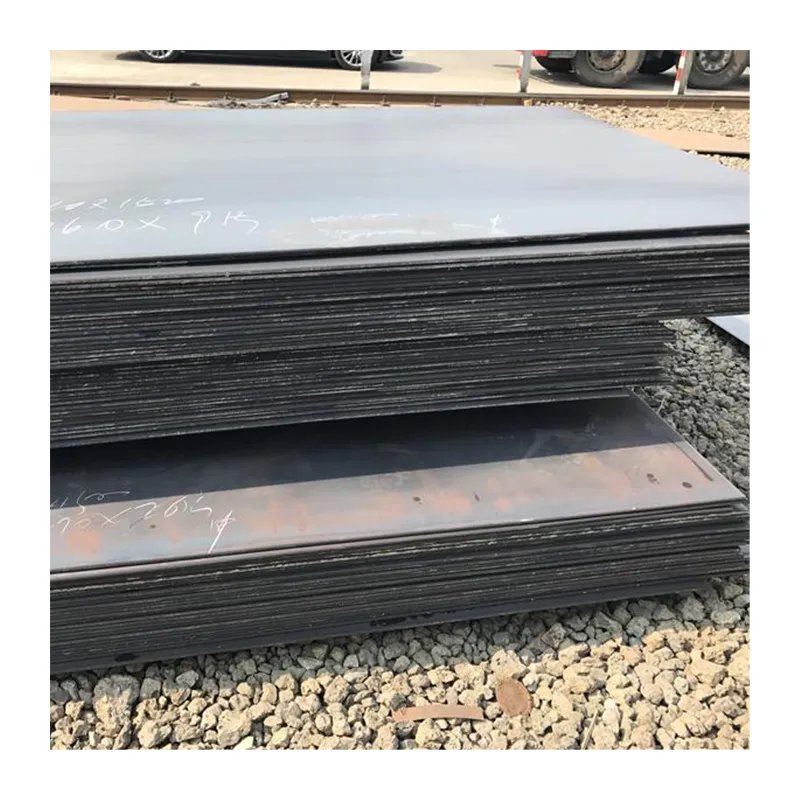 ASTM JIS KS Welding Density Wear-resistant Hot Rolled Carbon Steel Plate for Pressure Vessel Applications
- Shandong, China+Non-Alloy+15-21 days+Yes+WZ-HRP01
$590.00
MOQ: 10
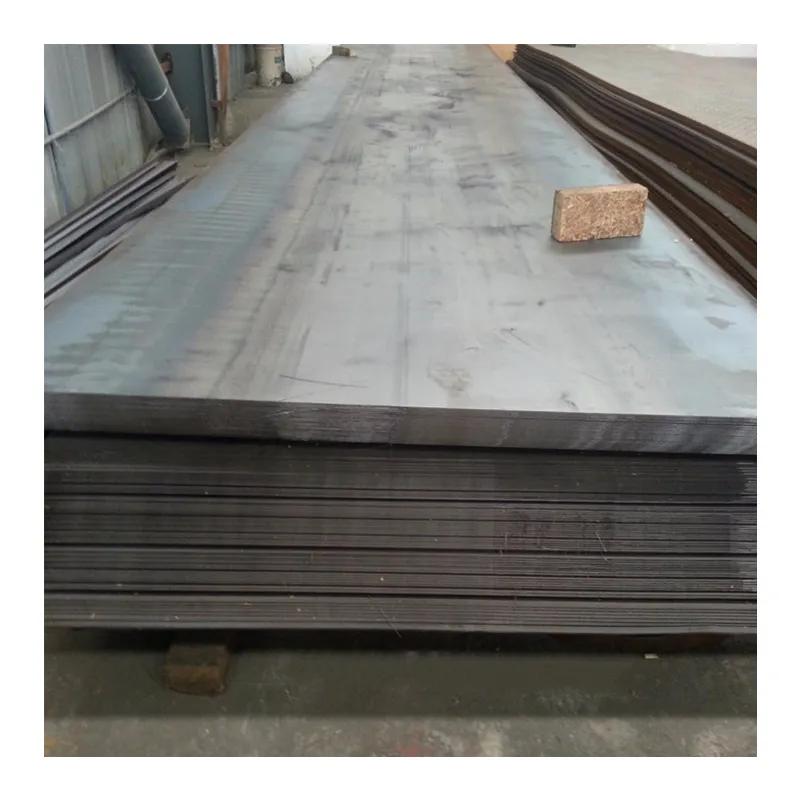 Hot Rolled Steel Coil Sheets for Marine Applications 2mm-22 Gauge HR Plates for Containers Ships Bending Welding Included
- Shandong, China+Non-Alloy+15-21 days+Yes+WANZHI
$520.00
MOQ: 10
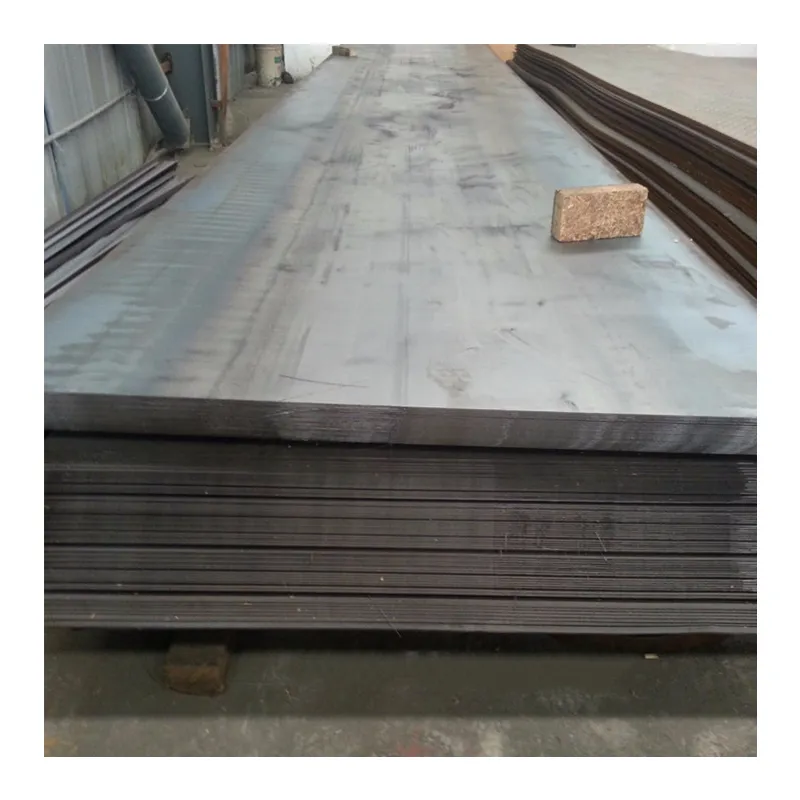 Hot Rolled Q235 Carbon Steel Plate 1 Inch Thick Wear-Resistant Nm400 for Bending Punching Welding Low Price
- Shandong, China+Non-Alloy+15-21 days+Yes+WANZHI
$600.00
MOQ: 10
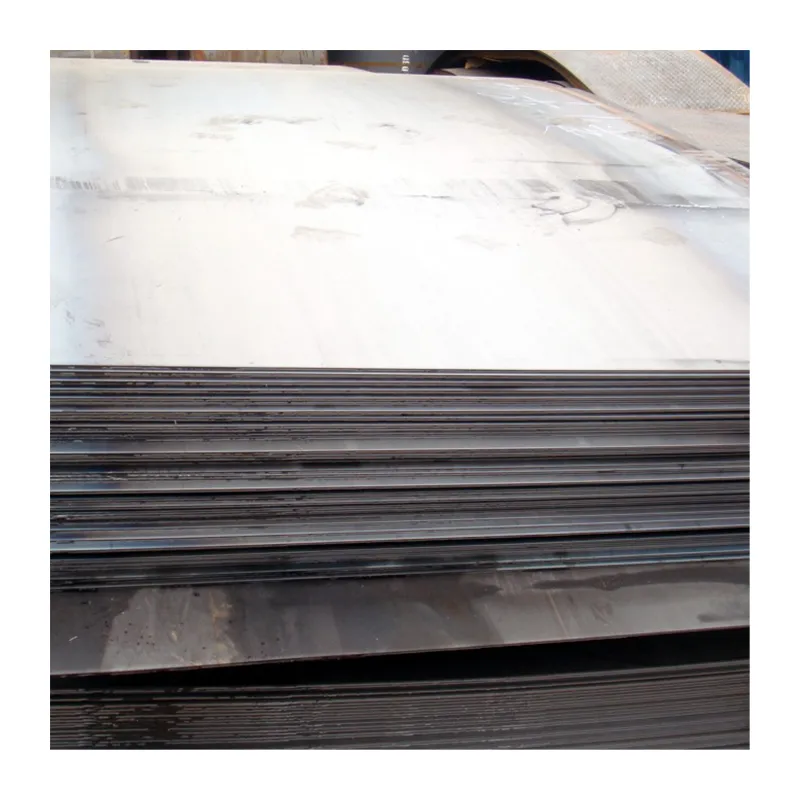 S235 Hot Rolled Mild Chequered Steel Plate Astm A36 10mm Thick Steel Sheet High Ss400 Q355 Carbon Steel Plate
- Shandong, China+Non-Alloy+15-21 days+Yes+WANZHI
$600.00
MOQ: 10
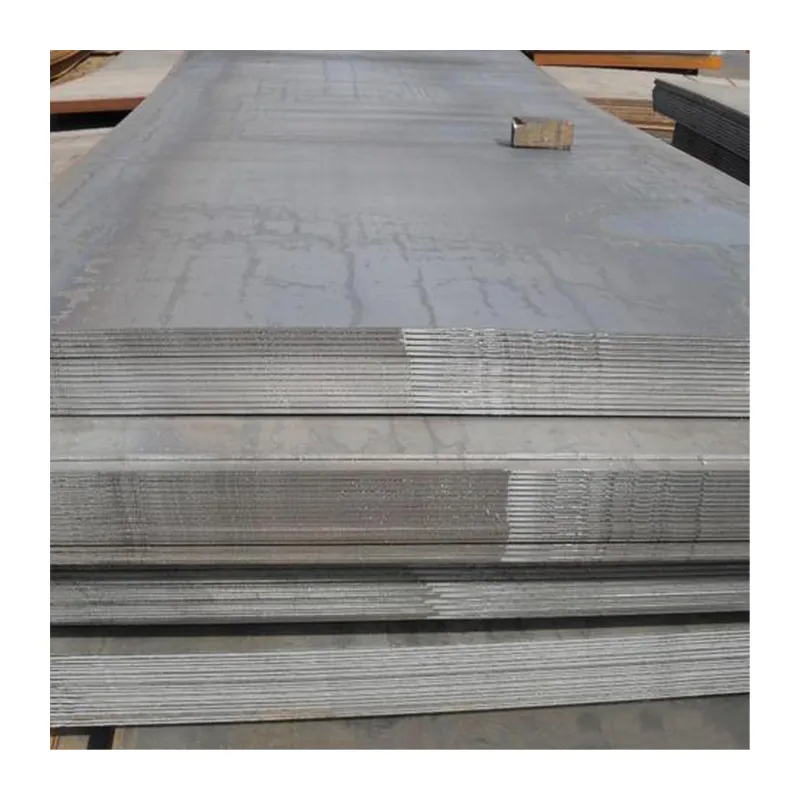 A572 Grade 4550 4x8 Carbon Steel Plate Ck45 Sheet Metal 16 Gauge 2mm 10mm Thick Pri Mild Steel Plate With Holes
- Shandong, China+Non-Alloy+15-21 days+Yes+WANZHI STEEL
$600.00
MOQ: 10
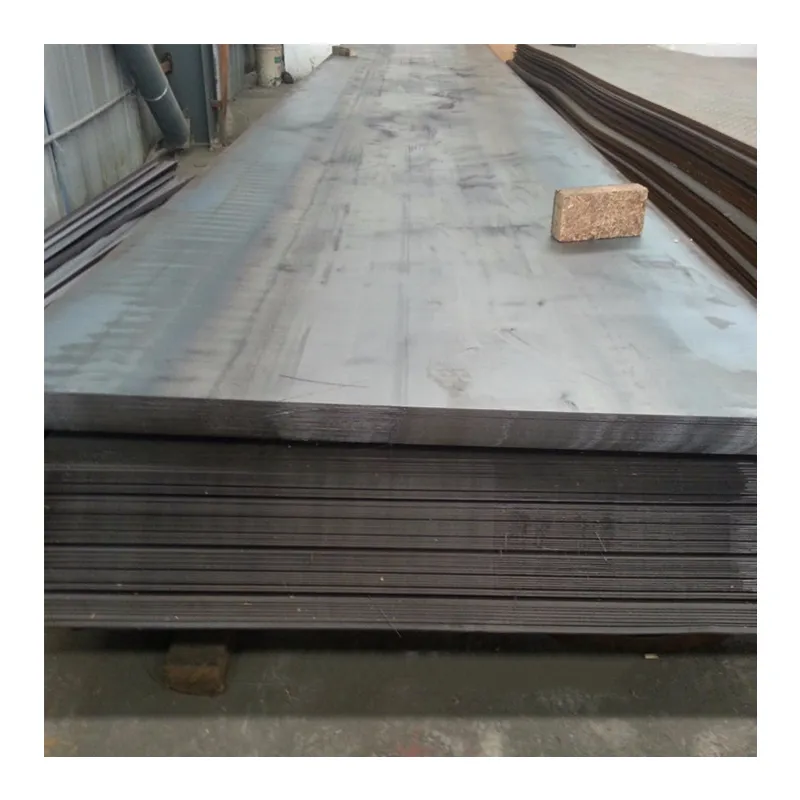 WANZHI Astm A36 0.3mm Thick Steel Sheet 20mm Plate Flange Spring Steel SS400 Grade Bending Welding Cutting Punching Available
- Shandong, China+Non-Alloy+15-21 days+Yes+WANZHI STEEL
$550.00
MOQ: 10
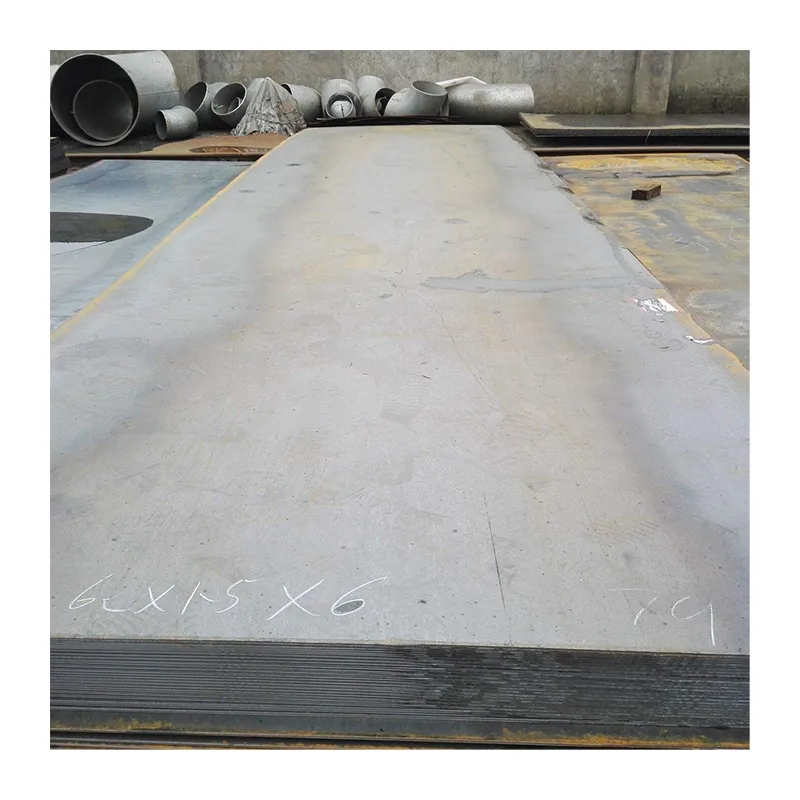 C45 Manufacture C70 C75 1cm Plate 1mm Thick 20 Gauge Metal Hot Rolled Black Steel Coil With St37
- Shandong, China+Non-Alloy+15-21 days+Yes+WANZHI STEEL
$600.00
MOQ: 10
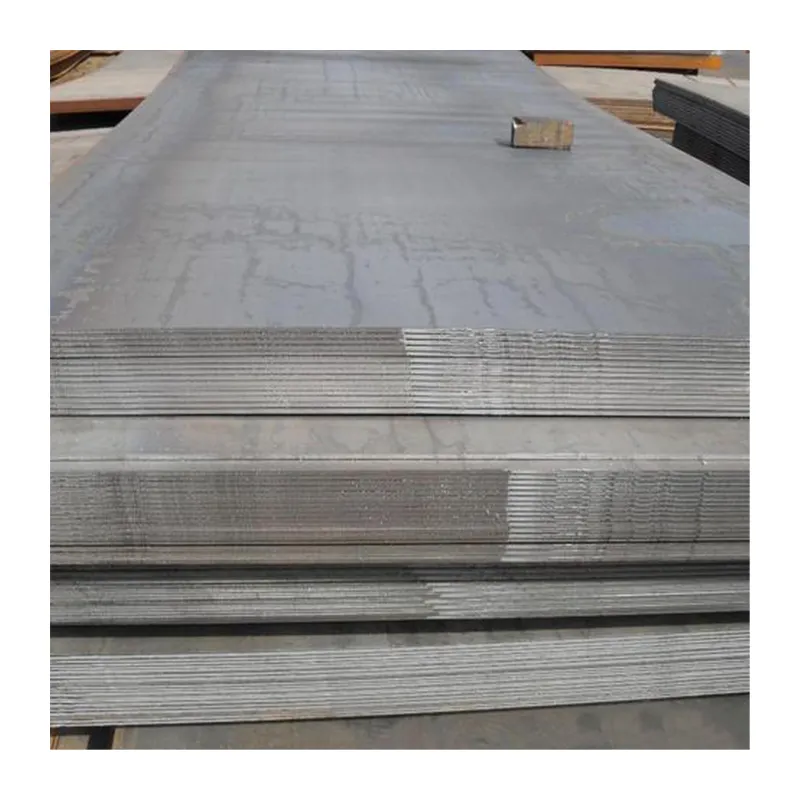 Best Quality Assurance Grade A36 Carbon Steel Checkered Plate 2mm-3mm Thick for Container Plate Building Material Steel Sheet
- Shandong, China+Non-Alloy+15-21 days+Yes+WANZHI STEEL
$520.00
MOQ: 10
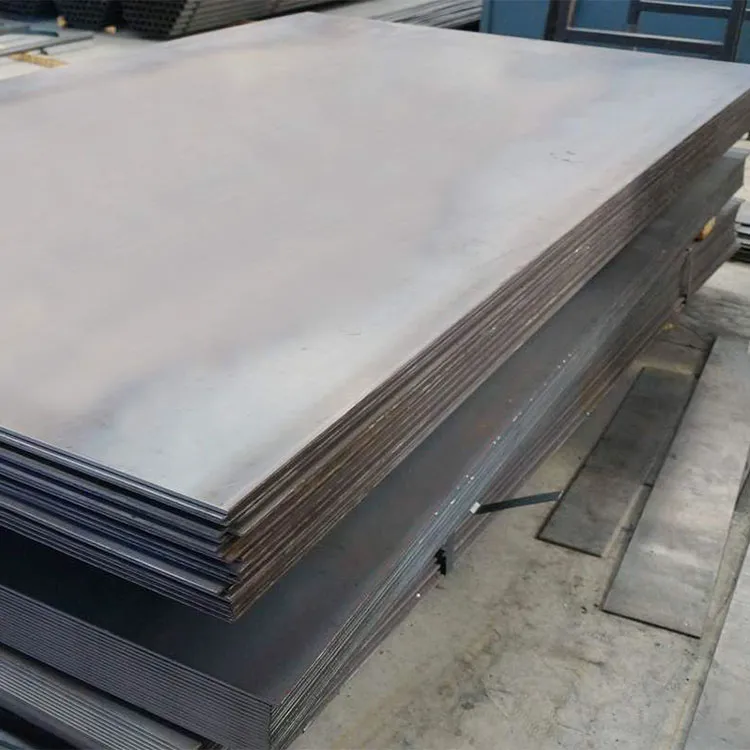 Cheap Price Astm a36 2mm 3mm 6mm 10mm Prime Quality Mild Steel Plate 17.75mm Ms Plate Hot Rolled Black Iron Sheet
- Shandong, China+Non-Alloy+15-21 days+Yes+WANZHI STEEL
$520.00
MOQ: 10
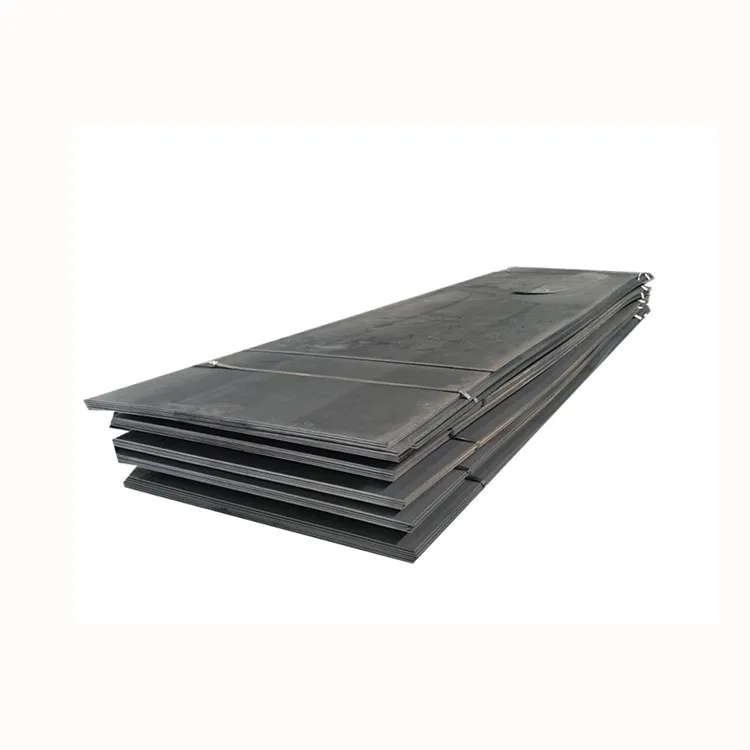 SAE1008 Special Steel Sheet Hot-rolled Galvanized Steel Coil/sheet/plate/strip
- 900 mm ~ 1000 mm
$590.00
MOQ: 10
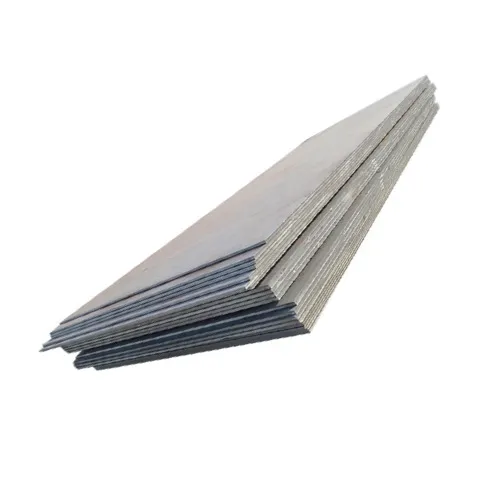
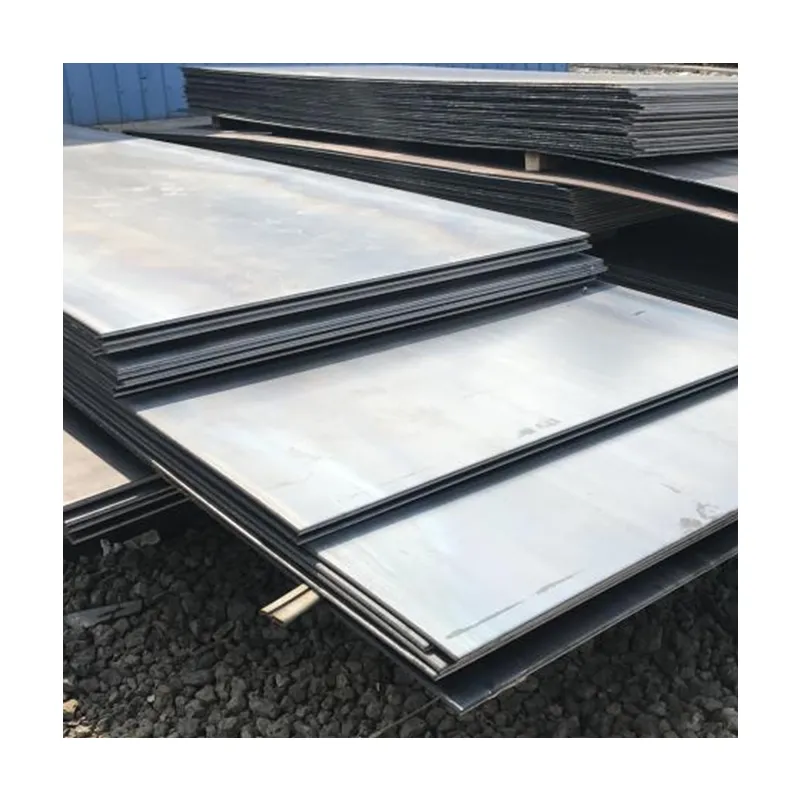
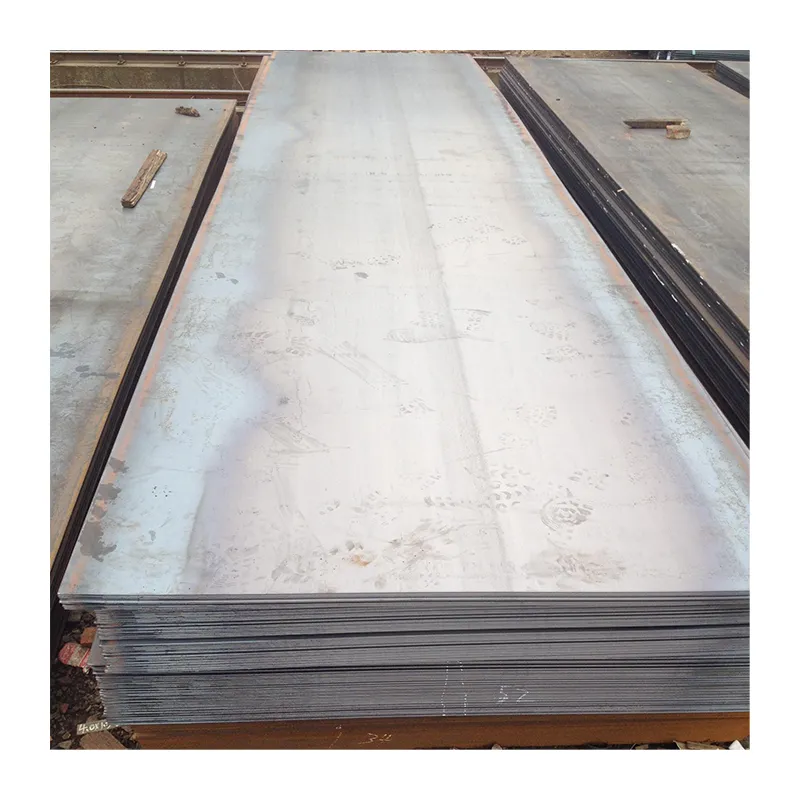
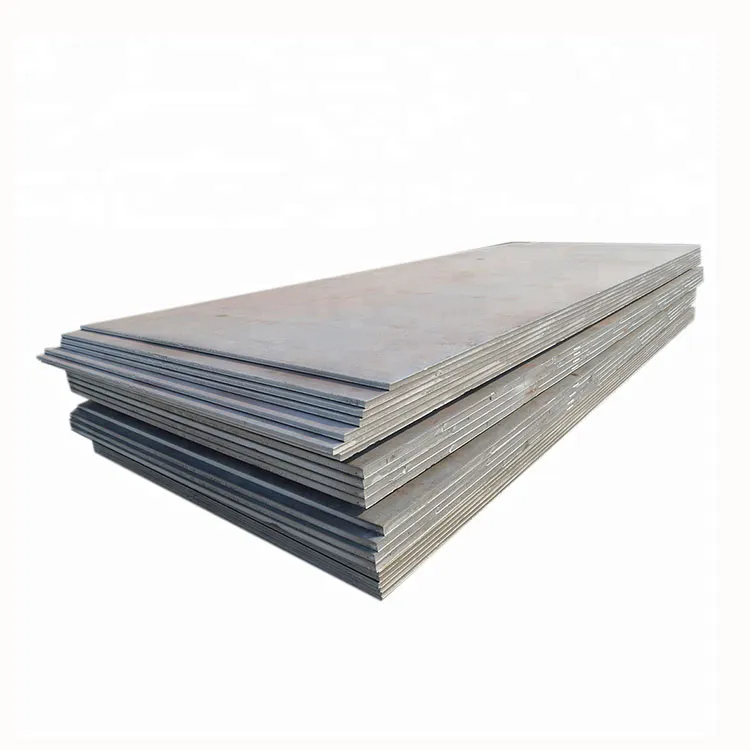
About Heavy Hot Rolled Steel Plates for Roadway & Infrastructure
Heavy hot rolled steel plates represent the cornerstone structural material for critical highway safety barrier anchorages, bridge expansion posts, and heavy roll forming machinery fabrication. While sheet and coil products are tailored for continuous cold profiling, heavy steel plates (typically 6 mm to 50 mm thick) provide the rigid anchoring foundation that transfers vehicular impact forces safely from corrugated guardrail beams directly into concrete bridge decks, retaining walls, and rock foundations.
Our hot rolled plate portfolio includes standard structural carbon grades (Q235B, ASTM A36, S235JR) and high-yield HSLA grades (Q355B/C/D, ASTM A572 Grade 50, S355J2+N) with certified Charpy V-notch impact toughness tested down to -20°C and -40°C. Each plate undergoes controlled rolling and accelerated cooling (TMCP) or normalizing heat treatment, guaranteeing isotropic mechanical properties, tight ultrasonic testing (UT) cleanliness, and excellent cold-bend cracking resistance along sheared or flame-cut edges.
Available with shot-blasted and primed surfaces or hot-dip galvanized finishes conforming to ASTM A123, our plates are supplied with precision CNC plasma or laser cut edges, pre-drilled anchor bolt holes, and beveled weld preps. Strict adherence to dimensional flatness standards (EN 10029 Class S) ensures flawless alignment during robotic baseplate welding, post-tension anchoring, and heavy infrastructure assembly globally.
Applications
Bridge Parapet Guardrail Post Baseplate Robotic Welding
In bridge parapet guardrail post baseplate robotic welding, heavy 20mm Q355B hot rolled steel plates CNC cut into square baseplates with pre-drilled anchor holes, robotically welded onto bridge barrier posts. Manufactured from high-strength steel and hot-dip galvanized for durability, these crashworthy barriers absorb collision energy conforming to AASHTO M180 standards.
Highway Sound Barrier Wall H-Beam Column Baseplate Fabrication
In highway sound barrier wall h-beam column baseplate fabrication, precision plasma-cut 16mm hot rolled structural plates welded onto structural H-beam posts for highway acoustic noise barrier walls. These heavy-duty highway safety barriers provide vital roadside impact containment, shielding motorists from roadside drop-offs and bridge structures.
Heavy Roll Forming Machine Frame Bed Baseplate Mounting
In heavy roll forming machine frame bed baseplate mounting, heavy 30mm normalized hot rolled steel plates machined flat and bolted as foundational mounting pads for multi-station guardrail roll formers. Engineered with deep corrugations and heavy steel posts, these certified highway safety assemblies deliver superior impact dissipation and prevent median crossovers.
Roadside Crash Attenuator Energy Absorbing Steel Plate Assembly
In roadside crash attenuator energy absorbing steel plate assembly, forming high-yield steel plate diaphragms and guide tracks for redirective highway crash cushions and impact attenuator systems. Engineered from high-yield structural steel, these heavy-duty components resist dynamic forklift impacts, prevent beam deflection, and comply with strict RMI standards.
Infrastructure Retaining Wall Heavy Anchor Tieback Bearing Plate
In infrastructure retaining wall heavy anchor tieback bearing plate, heavy 25mm beveled hot rolled steel plates installed over rock anchor tendons to secure highway cut slopes and reinforced concrete retaining walls. These induction-hardened mechanical wear parts and high-load transmission assemblies distribute drive torque evenly and ensure smooth, synchronized machine operation.
Technical Overview
| Parameter | Information |
|---|---|
| Structural Steel Grades | Carbon Structural Q235B (ASTM A36, S235JR); HSLA Q355B/C/D (A572 Gr 50, S355JR) |
| Plate Thickness Range | 6.0 mm – 50.0 mm (precision plate mill thickness tolerance per EN 10029) |
| Standard Plate Dimensions | Widths: 1500 mm to 2500 mm; Lengths: 6000 mm to 12000 mm (custom cut blanks) |
| Surface Cleanliness State | Shot-Blasted to Sa 2.5 Cleanliness with Weldable Pre-Construction Primer |
| Tensile Strength Range | 360 – 510 MPa (Q235B / A36); 470 – 630 MPa (Q355B / S355) |
| Yield Strength Specification | >= 235 MPa (Q235B); >= 355 MPa (Q355B up to 16 mm thickness) |
| Charpy V-Notch Toughness | >= 27 Joules at 0°C (JR), -20°C (J0), -40°C (J2) sub-zero certified impact |
| Carbon Equivalent (CEV) | <= 0.38% (Q235B); <= 0.42% (Q355B) ensuring crack-free structural welding |
| Plate Flatness Tolerance | Class S Precision Flatness (max 3 mm deviation per meter per EN 10029) |
| Manufacturing Standards | ASTM A36, ASTM A572, EN 10025-2, AASHTO M270, CE & ISO 9001 Certified |
FAQ
What plate thicknesses and steel grades are standard for highway guardrail baseplates?
Standard highway guardrail post baseplates utilize 10 mm to 20 mm thick Q235B or ASTM A36 structural plate, while heavy-containment bridge barrier baseplates require 20 mm to 32 mm high-strength Q355B or ASTM A572 Grade 50 plate.
Why is Charpy V-notch impact testing essential for bridge barrier steel plates?
Charpy V-notch testing verifies that the steel plate maintains ductile fracture toughness at sub-zero winter temperatures (e.g., 27 Joules at -20°C per EN 10025-2), preventing sudden brittle catastrophic failure when struck by a vehicle in freezing weather.
How does shot blasting and pre-priming improve hot rolled plate processing?
Automated centrifugal shot blasting removes dense iron oxide mill scale to Sa 2.5 cleanliness, providing a clean surface that accelerates thermal CNC cutting speeds, improves weld penetration, and ensures superior zinc adhesion during subsequent hot-dip galvanizing.
What cutting methods are recommended for fabricating guardrail baseplates from heavy plate?
High-definition CNC plasma cutting and fiber laser cutting are ideal for plate up to 25 mm, delivering dross-free edges and tight hole diameter tolerances; heavy oxy-fuel cutting is utilized for plates exceeding 30 mm thickness.
How do low carbon equivalents (CEV) prevent cracking during heavy baseplate welding?
Controlled low carbon equivalent values (CEV under 0.40% per IIW formula) ensure excellent weldability without mandatory high-temperature preheating, eliminating hydrogen-induced cold cracking in heat-affected zones (HAZ).
Which ultrasonic testing (UT) standards are applied to heavy structural steel plates?
Plates undergo ultrasonic scanning conforming to ASTM A578 Level B or EN 10160 S2/E2 standards, verifying internal soundness, absence of internal laminations, and non-metallic inclusions prior to critical infrastructure fabrication.
What international manufacturing standards govern our hot rolled steel plates?
Our plates comply with ASTM A36/A36M, ASTM A572/A572M, EN 10025-2, JIS G3101, and AASHTO M270 highway bridge steel specifications, accompanied by 3.1 mill test certificates.