Global B2B Roll Forming Sourcing Platform | Free RFQ Response within 24h

- Tuo AI

- Live

- My Account
- Shopping Cart
- Inquiry Basket
- Contact Us
- Back to Top




Bridge Guardrails
Bridge guardrails are high-containment structural vehicle barrier systems engineered specifically for elevated highway flyovers, viaducts, and river-crossing bridges, where preventing heavy vehicles from breaching the bridge deck edge is critical to preventing catastrophic plunge disasters. Designed in strict compliance with AASHTO LRFD Bridge Specifications, MASH TL-4 / TL-5, and EN 1317 H2 / H3 / H4b standards, bridge guardrails combine high-strength multi-wave Thrie-beam or double-tier W-beam profiles with heavy structural steel posts anchored directly into reinforced concrete parapet copings. Engineered expansion joints and stiffened transition zones accommodate thermal deck movements while ensuring seamless vehicle redirection without snagging. Review certified bridge barrier parameters, structural anchorage designs, and crash containment ratings below.
 Top Supplier Dachu Stainless Steel Composite Bridge Guardrail Bridge Barrier Pipes
- Hubei, China+DACHU+Stainless Steel+Powder Coating+Customized
$45.00
MOQ: 100
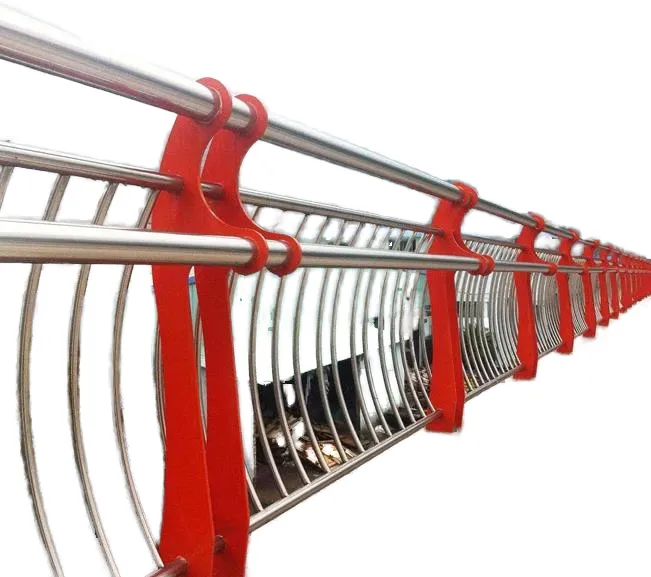 Top Supplier Dachu Bridge Fall Arrest Stainless Steel Composite Bridge Guardrail Pipes for Sale
- Hubei, China+DACHU+Stainless Steel+Powder Coating+Customized
$45.00
MOQ: 100
 Cheap Price Bridge Against High Speed Crash Fall Arrest Stainless Steel Composite Bridge Guardrail Pipes for Sale
- Hubei, China+DACHU+Stainless Steel+Powder Coating+Customized
$45.00
MOQ: 100
 OEM Dachu Anti-collision Bridge Guardrail Carbon Steel Can Be Customized Highway Guardrail Beam
- Hubei, China+DACHU+Stainless Steel+Powder Coating+Customized
$45.00
MOQ: 100
 OEM Dachu Customized High Quality Road Safety Used Steel Bridge Guardrail Barrier for Sale
- Hubei, China+DACHU+Stainless Steel+Powder Coating+Customized
$45.00
MOQ: 100
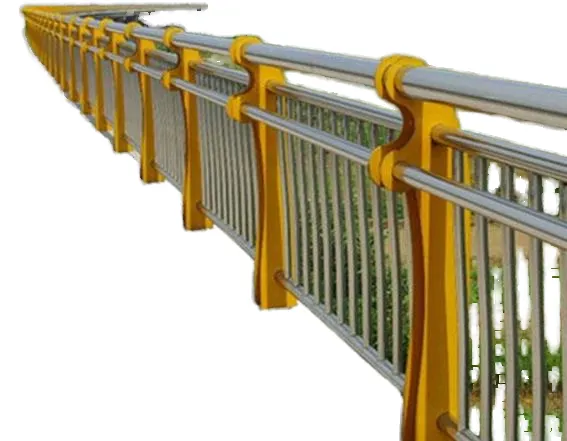 OEM Dachu Stainless Steel Composite Bridge Guardrail Bridge Barrier Pipes for the World
- Hubei, China+DACHU+Stainless Steel+Powder Coating+Customized
$45.00
MOQ: 100
 Top-ranking Guardrail Municipal Bridge Barrier Stainless Steel Railing with Customized Size for Wholesale
- Hubei, China+DACHU+Stainless Steel+Powder Coating+Customized
$45.00
MOQ: 100
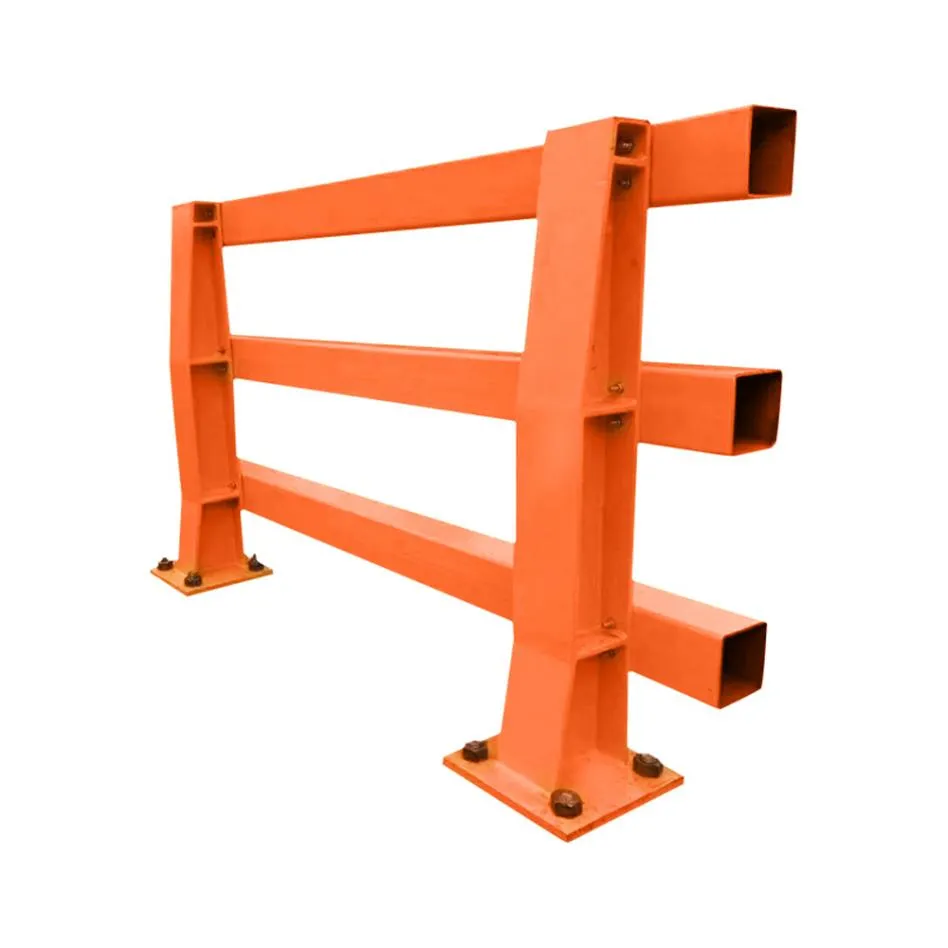 Top-ranking Guardrail Municipal Stainless Steel Bridge Barrier High Quality Railing with Customized Size for Wholesale
- Hubei, China+DACHU+Stainless Steel+Powder Coating+Customized
$45.00
MOQ: 100
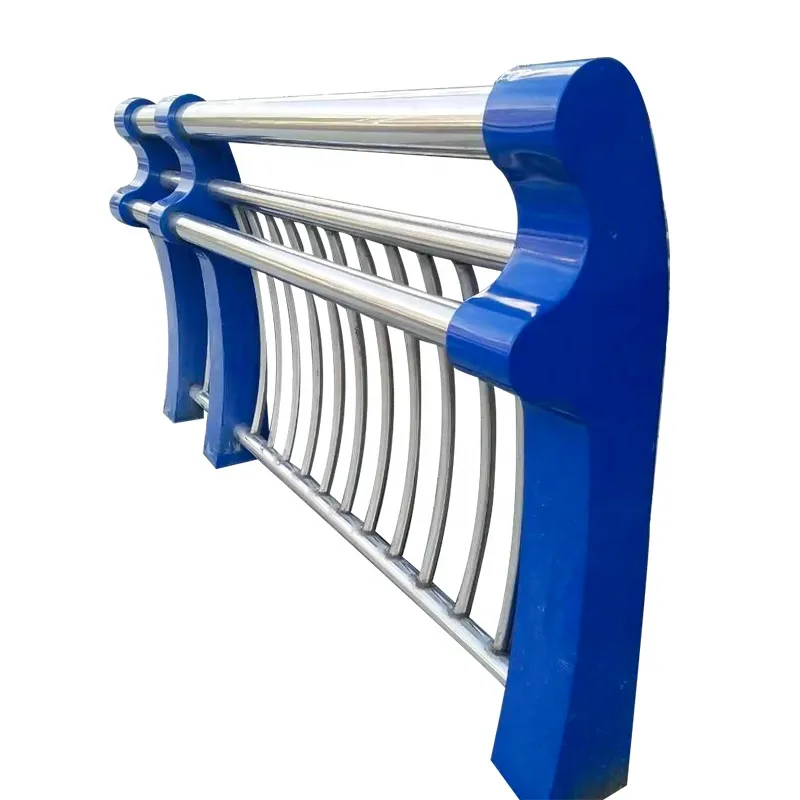 Top-ranking Guardrail AASHTO Q355B Bridge Barrier Anti-crash Road Railing with Customized Service for Wholesale
- Hubei, China+DACHU+Stainless Steel+Powder Coating+Customized
$45.00
MOQ: 100
 Top-ranking Guardrail GS4/GS2 Bridge Barrier Anti-crash Road Railing with Customized Service for Wholesale
- Hubei, China+DACHU+Stainless Steel+Powder Coating+Customized
$45.00
MOQ: 100
 Top Chinese Manufacturer Guardrail SS400 Bridge Barrier Anti-crash Road Railing with Low Cost for Wholesale
- Hubei, China+DACHU+Stainless Steel+Powder Coating+Customized
$45.00
MOQ: 100
 Top Chinese Manufacturer Eco-friendly Bridge Barrier Anti-crash Road Railing with Low Cost for Wholesale
- Hubei, China+DACHU+Stainless Steel+Powder Coating+Customized
$45.00
MOQ: 100
 High Quality Anti-corrossion Bridge Barrier with Embedded Installation Bridge Railing Road Barrier
- Hubei, China+DACHU+Stainless Steel+Powder Coating+Customized
$45.00
MOQ: 100
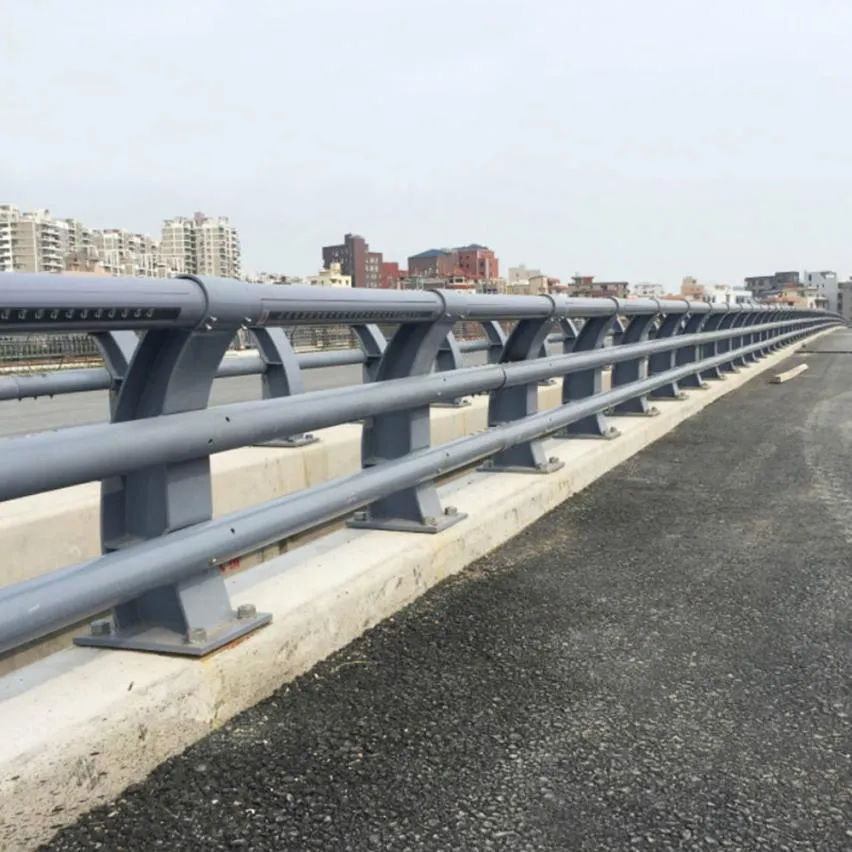 Factory Price Anti-corrossion Bridge Bollard Dipped Galvanized Bridge Railing Road Barrier
- Hubei, China+DACHU+Stainless Steel+Powder Coating+Customized
$45.00
MOQ: 100
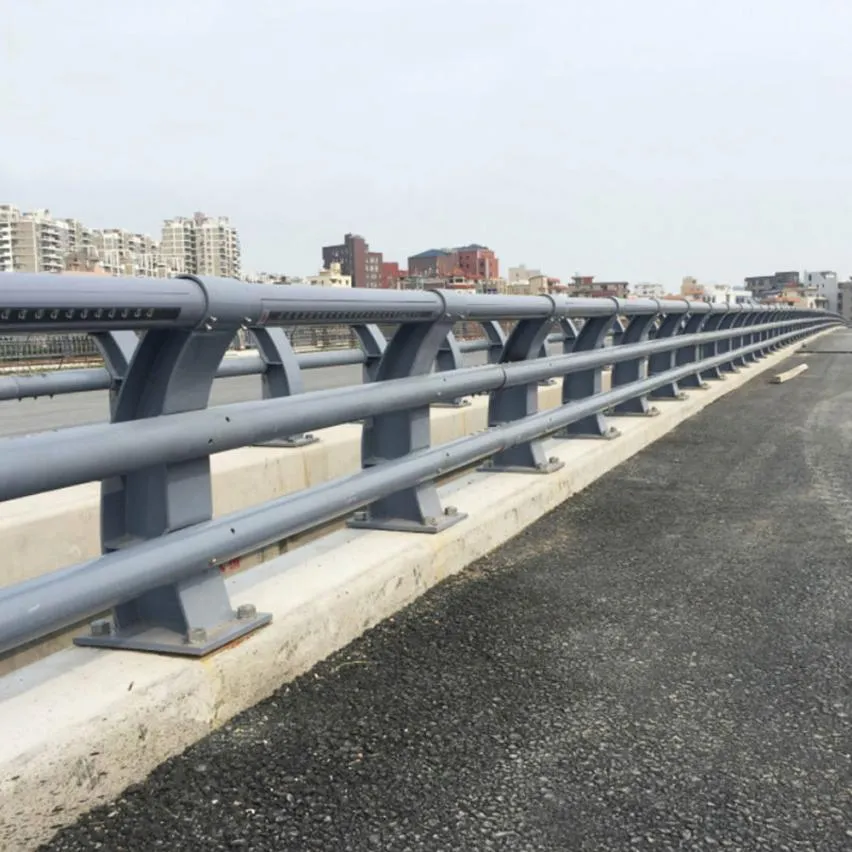 Factory Price EN1317 Bridge Guardrail with Various Sizes Available Dipped Galvanized Road Barrier Bridge Railing
- Hubei, China+DACHU+Stainless Steel+Powder Coating+Customized
$45.00
MOQ: 100
 High Tenacity SS400 Bridge Guardrail with Customized Product Road Barrier Dipped Galvanized Road Barrier Bridge Railing
- Hubei, China+DACHU+Stainless Steel+Powder Coating+Customized
$45.00
MOQ: 100
 Made in China SS400 Bridge Guardrail with Customized Service Road Barrier Dipped Galvanized Road Barrier for Bridge
- Hubei, China+DACHU+Stainless Steel+Powder Coating+Customized
$45.00
MOQ: 100
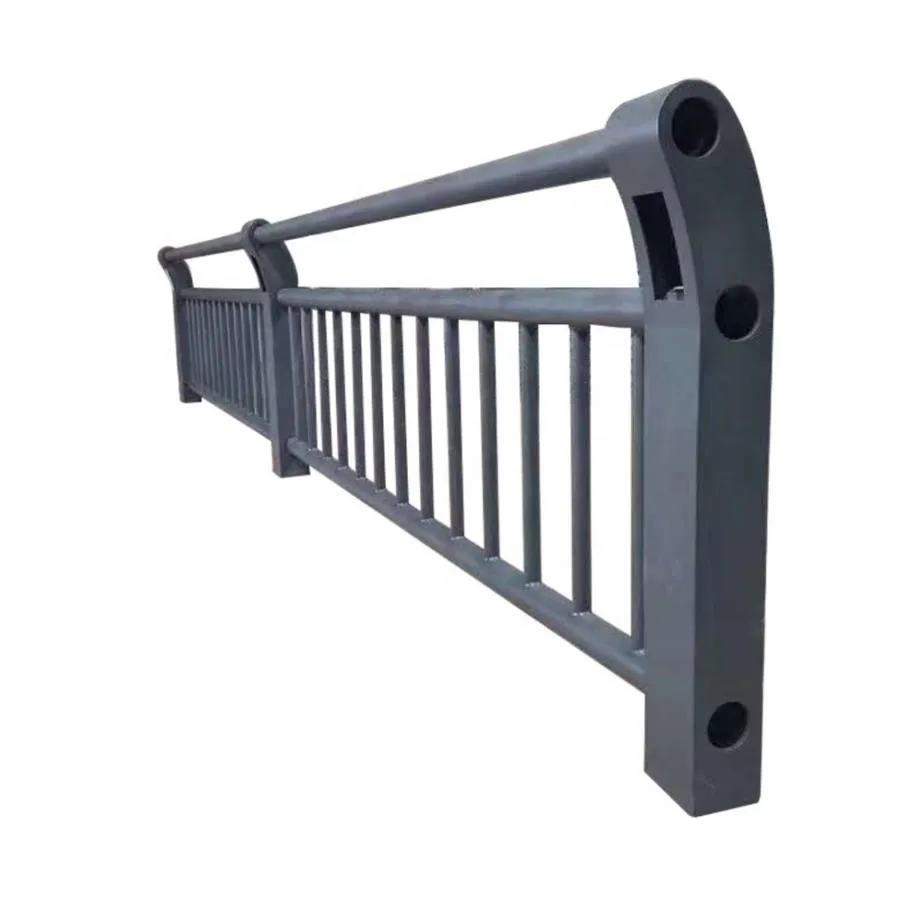 Bridge Guardrail Factory Direct Sales with Custom Service & Fast Delivery Anti-Collision Bridge Guardrail
- Hubei, China+Dachu+Bridge Guardrail+Bridge Safety+Steel
$29.99
MOQ: 5
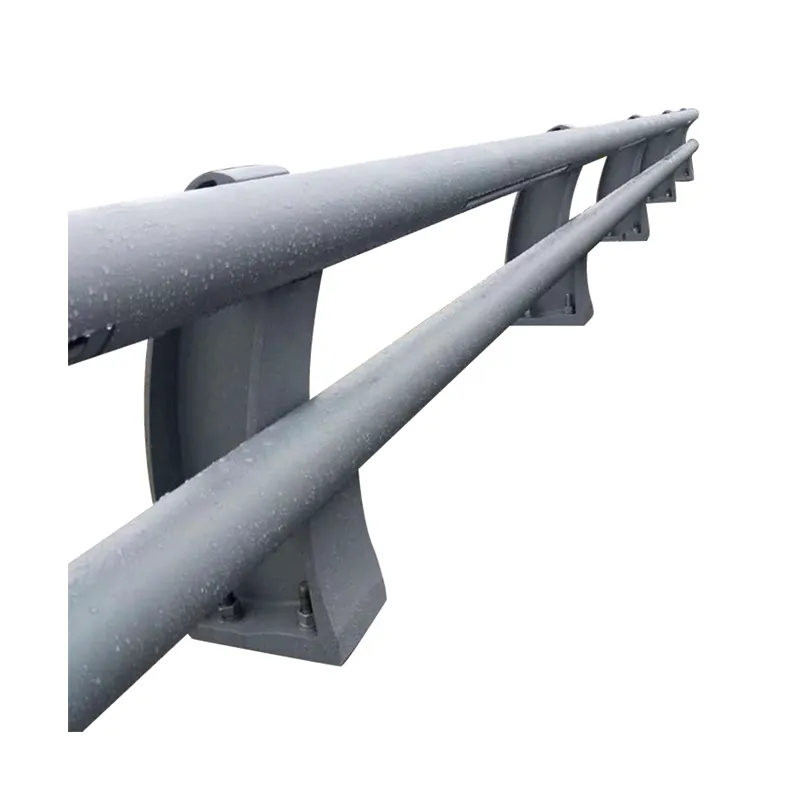 Guardrail for Bridge Safety with Custom Service Fast Delivery Factory Direct Sales Bridge Guardrails
- Hubei, China+Dachu+Bridge Guardrail+Bridge Safety+Steel
$29.99
MOQ: 5
 High Quality Steel Guardrails for Bridge Safety Guardrail Hot Dip Galvanized Guardrails
- Hubei, China+Dachu+Bridge Guardrail+Bridge Safety+Steel
$29.99
MOQ: 5
 Bridge Guardrails Hot Dip Galvanized/Powder Coated Surface & Customized Size High Quality Guardrails
- Hubei, China+Dachu+Bridge Guardrail+Bridge Safety+Steel
$29.99
MOQ: 5
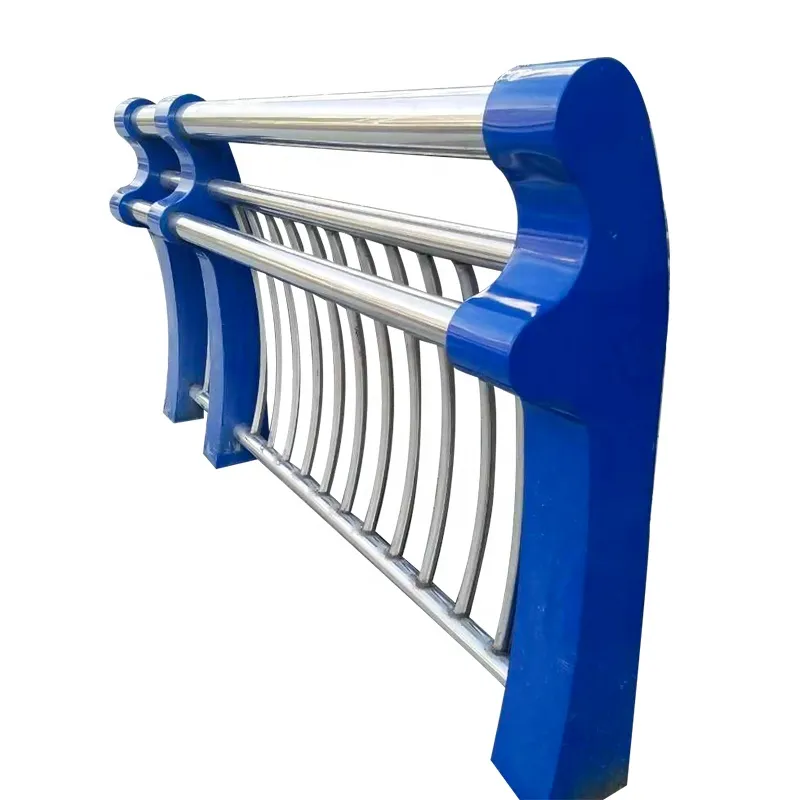 Customized Size Bridge Guardrails From Chinese Guardrail Manufacturer with 10 Years of Experience Guardrails
- Hubei, China+Dachu+Bridge Guardrail+Bridge Safety+Steel
$29.99
MOQ: 5
 Customization Service Bridge Guardrails for Bridge Safety Protection One-stop Solution Guardrails Bridge
- Hubei, China+Dachu+Bridge Guardrail+Bridge Safety+Steel
$26.99
MOQ: 5
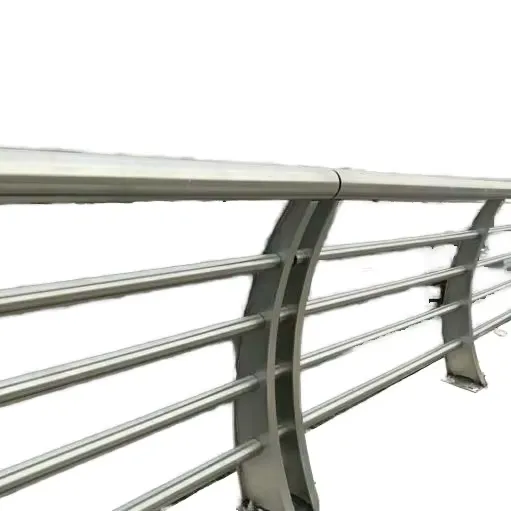 Safety Guardrail for Bridge Roadside Safety Anti-Collision with Custom Service Bridge Guardrails
- Hubei, China+Dachu+Bridge Guardrail+Bridge Safety+Steel
$26.99
MOQ: 5
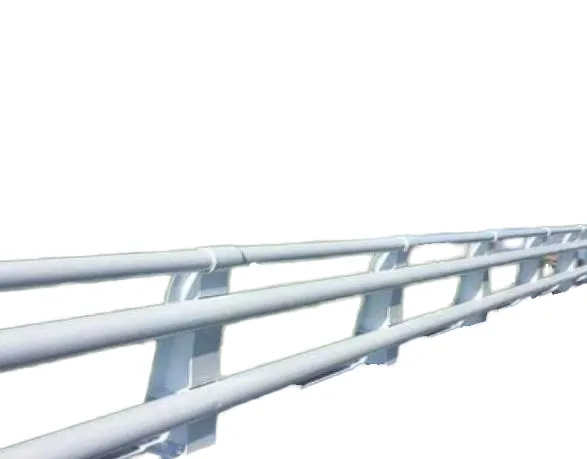 Steel Guardrails for Roadside Safety Color Size Customized Service 2-Year Warranty Bridge Guardrails
- Hubei, China+Dachu+Bridge Guardrail+Bridge Safety+Steel
$26.99
MOQ: 5
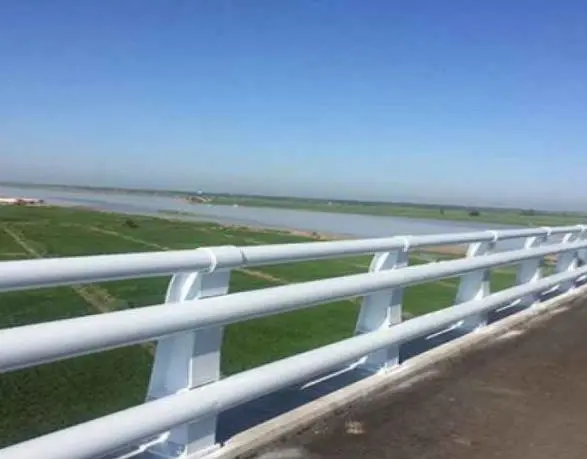
 Factory Direct Supply Anti-impact Intensity Highway Bridge Barrier Post for Wholesale
- Hubei, China+DACHU+Stainless Steel+Stainless Steel or Plastic Spraying+Customized
$32.00
MOQ: 2
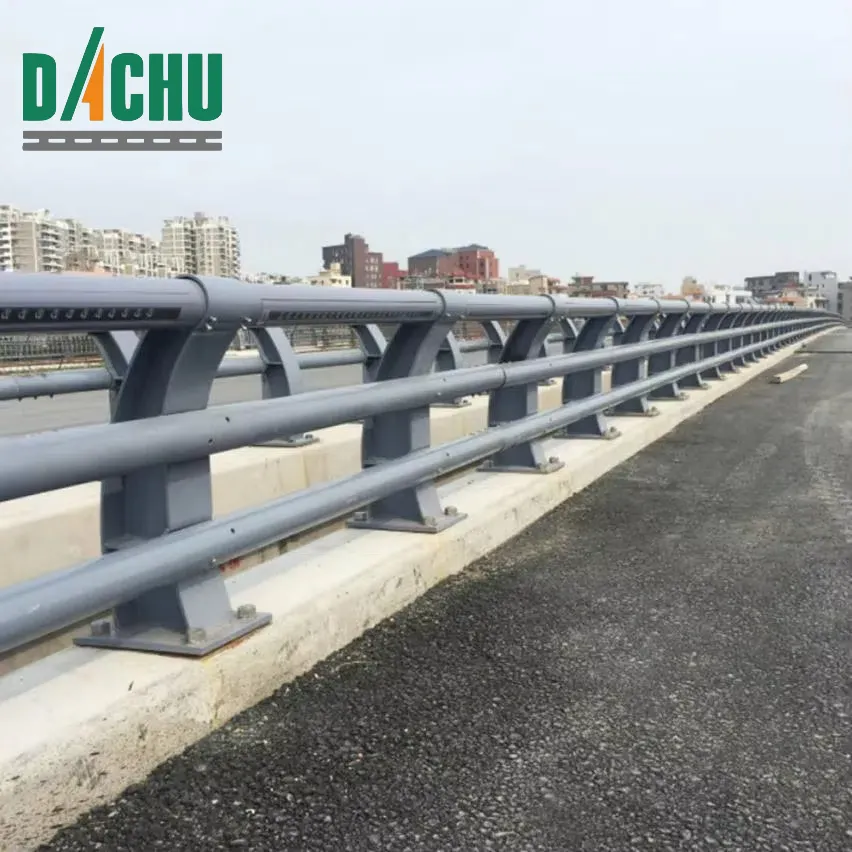
About Bridge Guardrails
Elevated highway bridge structures represent the most critical containment environment in transportation engineering. Unlike standard earthen roadside shoulders where system deflections of 1.0 to 1.5 meters can be safely accommodated, bridge guardrails must provide exceptionally rigid containment with minimal dynamic deflection (often under 0.6 meters) to prevent vehicles—particularly loaded semi-trailers, freight trucks, and intercity buses—from rolling over the bridge fascia.
Bridge guardrails achieve this severe-duty performance by pairing heavy-gauge corrugated steel beams with heavy structural steel uprights. The primary impact rail commonly employs AASHTO M180 Class B (3.43 mm base metal thickness, nominal 4.0 mm) Thrie-beam panels or dual stacked W-beams, providing a tall vertical containment profile (506 mm to 1100 mm total rail height). High-yield structural steel posts (ASTM A572 Grade 50 or Q355B) are continuously welded to 16–22 mm thick base plates, which are anchored through high-tensile stainless or hot-dip galvanized anchor studs cast into the bridge reinforced concrete deck slab.
Key engineering features include modular sliding expansion joint assemblies capable of absorbing ±50 mm to ±150 mm of bridge structural thermal expansion and contraction without compromising continuous rail tensile capacity. Furthermore, bridge approach transitions utilize nested, double-ply beam panels and progressively reduced post spacing (from 2000 mm down to 500 mm) to form a smooth stiffness gradient, connecting semi-rigid roadside W-beam barriers to rigid bridge parapets without vehicle pocketing.
All structural components receive heavy hot-dip galvanizing conforming to ASTM A123 (yielding zinc coatings of 610–1100 g/m²), often paired with marine-grade epoxy or fluoropolymer powder topcoats for extended service life in salt-spray marine environments.
Applications
High-Speed Highway Viaduct & Flyover Outer Coping Parapets
In high-speed highway viaduct & flyover outer coping parapets, high-containment MASH TL-4/TL-5 combination steel guardrails bolted onto concrete bridge copings prevent errant vehicles from plunging off elevated highway viaducts. Engineered with deep corrugations and heavy steel posts, these certified highway safety assemblies deliver superior impact dissipation and prevent median crossovers.
Long-Span River Crossing Deck Barriers & Expansion Joint Assemblies
In long-span river crossing deck barriers & expansion joint assemblies, galvanized bridge guardrails with integrated telescoping sliding expansion joints accommodate structural deck movements on major river-crossing bridges without compromising vehicle containment. Manufactured from high-strength steel and hot-dip galvanized for durability, these crashworthy barriers absorb collision energy conforming to AASHTO M180 standards.
Mountain Canyon Arch Bridges & Elevated Approaches
In mountain canyon arch bridges & elevated approaches, high-modulus Thrie-beam bridge guardrails installed across high-altitude mountain gorge arch bridges provide aerodynamic wind permeability and severe impact containment. These heavy-duty highway safety barriers provide vital roadside impact containment, shielding motorists from roadside drop-offs and bridge structures.
Urban Multi-Tier Overpass Traffic & Pedestrian Separation Barriers
In urban multi-tier overpass traffic & pedestrian separation barriers, combination bridge barrier systems featuring crash-rated lower steel rails and upper pedestrian anti-climb screening protect pedestrian sidewalks on multi-tier urban flyovers. Built for heavy industrial service, these precision-engineered components resist mechanical wear and environmental corrosion, maintaining structural alignment and building performance.
Tight-Radius Elevated Interchange Ramp Safety Enclosures
In tight-radius elevated interchange ramp safety enclosures, specially curved heavy-duty bridge guardrails installed along tight-radius elevated highway interchange ramps safely redirect vehicles under high lateral centrifugal forces. Manufactured from high-strength steel and hot-dip galvanized for durability, these crashworthy barriers absorb collision energy conforming to AASHTO M180 standards.
Technical Overview
| Parameter | Information |
|---|---|
| Design Standards | AASHTO LRFD Bridge Design Specs; MASH TL-4 & TL-5; EN 1317 H2/H3/H4b |
| Rail Profile Configuration | Class B Thrie-Beam (506 mm), nested double W-Beam, combination tube |
| Base Metal Thickness | 3.43 mm (nominal 4.0 mm galvanized) heavy-duty structural steel |
| Total Barrier Height | 810 mm to 1100 mm above finished bridge deck driving surface |
| Post Anchorage System | 20 mm welded structural base plate with 4–6× M24/M27 cast-in anchor bolts |
| Deck Expansion Capacity | Telescoping expansion joint sleeves accommodating ±50 mm to ±150 mm travel |
| Material Steel Grades | ASTM A572 Grade 50, Q355B, EN 10025 S355JR (yield strength ≥345 MPa) |
| Galvanizing Standard | ASTM A123 / ISO 1461 (610–1100 g/m²; 85–155 μm coating thickness) |
| Dynamic Deflection Limit | Working width W2–W4 (dynamic lateral deflection ≤0.8 m under impact) |
| Approach Transition | Nested beam panels with 1000 mm / 500 mm transition post spacing |
Related Solutions
Bridge Railing and Pedestrian Guardrail System
Roll forming and fabrication solution for bridge and pedestrian railing posts an…
Highway W-Beam Guardrail Roll Forming Line
Full line for W-beam guardrail (thrie-beam optional). In-line punching, galvaniz…
Guardrail and Fence Roll Forming Solution
Highway W-beam guardrail line with 2-wave / 3-wave swap modules. Example: 3.0 mm…
Perimeter Fencing Production Solution
A fence search is a picket and rail family, not one mill. Square + profile palis…
Custom Profile Roll Forming for OEM
Flexible roll forming line for custom cross-sections. Suitable for OEMs who need…
Heavy Coil Handling Solution
Coil infeed is a weight class plus a drive: manual expand, electric expand with…
Related Information

Guardrail Roll Forming Machine: W-Beam and Thrie-Beam Highway Barrier Production
W-beam vs thrie-beam guardrail profiles, AASHTO M180 specs, machine configuratio…
Read More
Highway Guardrail Standards: AASHTO M180 vs EN 1317 Roll Forming Specs
highway guardrail standards aashto m180 en 1317 roll forming specs
Read More
Guardrail W Beam Roll Forming Machine: Specs, Line Modules & Buying Guide
guardrail w beam roll forming machine, highway guardrail machine, W beam guardra…
Read More
Highway Guardrail Roll Forming Machine: Specifications & Price Explained
highway guardrail roll forming machine specifications", "guardrail machine price…
Read More
Pre-Punching vs Post-Punching in Roll Forming
Punch the holes before or after forming? The choice changes hole accuracy, tooli…
Read More
Roll Forming Tooling Design: Material, Coating & Lifespan
Roller material choices (Cr12MoV vs D2 vs SKD11), surface coatings, flower patte…
Read More
FAQ
What containment levels are mandated for highway bridge guardrails under MASH and EN 1317?
Bridge guardrails typically require high to very high containment ratings: MASH Test Level 4 (TL-4, containing 10,000 kg single-unit trucks at 90 km/h) or Test Level 5 (TL-5, containing 36,000 kg tractor-trailers at 80 km/h), corresponding to European EN 1317 H2, H3, or H4b containment classifications.
How do bridge guardrails accommodate structural thermal expansion and seismic movements?
Bridge barriers incorporate slotted rail expansion joints and sliding sleeve splice plates aligned with bridge deck expansion joints. These assemblies allow longitudinal thermal expansion of ±50 mm to ±150 mm while maintaining complete tensile continuity and shear load transfer during vehicular impact.
How are bridge guardrail posts anchored securely into concrete bridge copings?
Posts are fabricated with heavy welded base plates (typically 300×300×20 mm structural steel) secured to the bridge deck coping via 4 to 8 high-strength ASTM A193 B7 / Grade 8.8 anchor bolts embedded deep into the deck rebar cage, or through-bolted with heavy under-deck backing plates.
What is a bridge approach transition and why is it critical for safety?
An approach transition connects flexible roadside W-beam guardrails to rigid bridge parapets. By doubling beam panels (nesting) and gradually decreasing post spacing, the transition creates a smooth stiffness gradient that prevents high-speed errant vehicles from pocketing or snagging on the exposed bridge abutment corner.
Why is Thrie-beam commonly preferred over standard W-beam for bridge deck railings?
Thrie-beam has a 506 mm cross-sectional height (compared to 312 mm for W-beam), providing greater vertical coverage, higher section modulus, and reduced dynamic deflection. This extra height prevents high-center-of-gravity freight trucks and SUVs from vaulting over the edge of elevated bridges.
What corrosion protection standards are required for marine and river bridge guardrails?
Bridge guardrails utilize heavy hot-dip galvanizing conforming to ASTM A123 / ISO 1461, achieving 85–150 μm (610–1100 g/m²) zinc coatings. For marine salt-spray crossings, a duplex system combining hot-dip galvanizing with architectural epoxy/polyester powder coating guarantees over 50 years of maintenance-free service.
Can pedestrian and bicycle safety screening be integrated into bridge guardrails?
Yes, combination bridge barriers frequently incorporate top-mounted tubular handrails, anti-climb vertical balusters, or welded steel mesh screening reaching 1.1 m to 1.4 m in overall height, simultaneously fulfilling vehicle crash containment and pedestrian walkway safety requirements.