Global B2B Roll Forming Sourcing Platform | Free RFQ Response within 24h

- Tuo AI

- Live

- My Account
- Shopping Cart
- Inquiry Basket
- Contact Us
- Back to Top




Industrial CNC Punching Machines
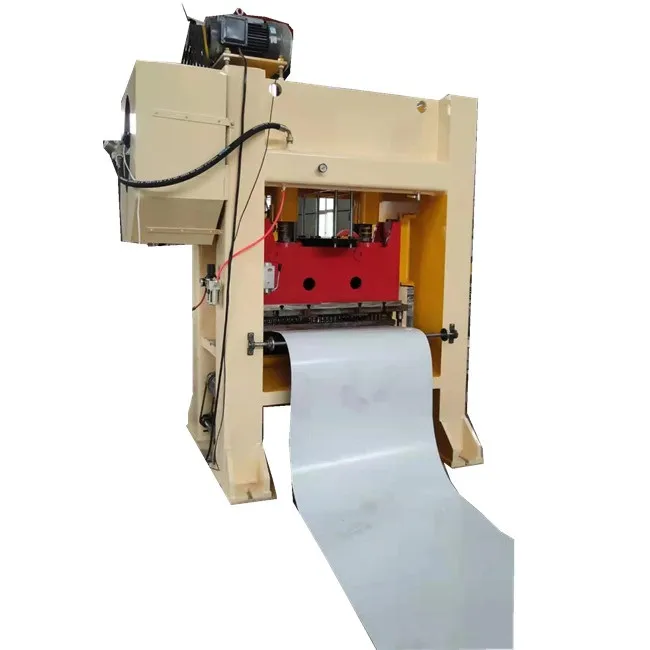
Industrial CNC punching machines and mechanical stamping presses provide high-precision, high-speed sheet metal piercing, louvering, and blanking for metal fabrication facilities. Engineered to process cold-rolled, galvanized, and stainless steel sheets up to 6.0 mm thickness, these automated machines integrate multi-station tool turrets, high-speed AC servo ball-screw drives, and closed-loop optical CNC controls. Operating at hit rates up to 300 to 800 strokes per minute, they deliver exceptional part repeatability and burr-free edge quality across electrical enclosures, HVAC components, and automotive brackets. Explore technical specifications, tooling capabilities, and turnkey manufacturing systems below to enhance your sheet metal fabrication efficiency.
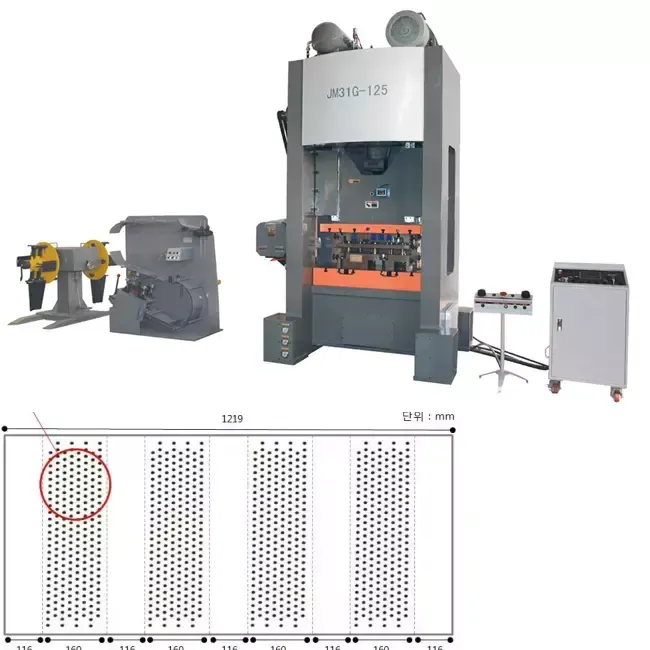
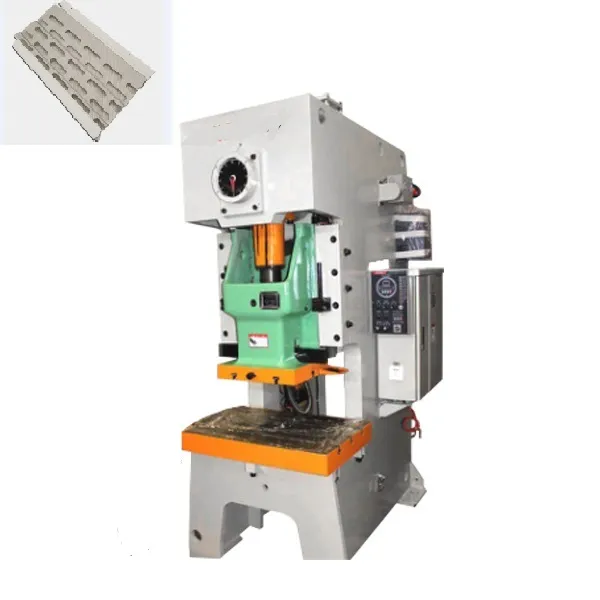 Steel Sheet Metal Hole Punching Machine Micro Perforation Machine
- ZHONGTUO-PUNCHING
$16,500.00
MOQ: 1
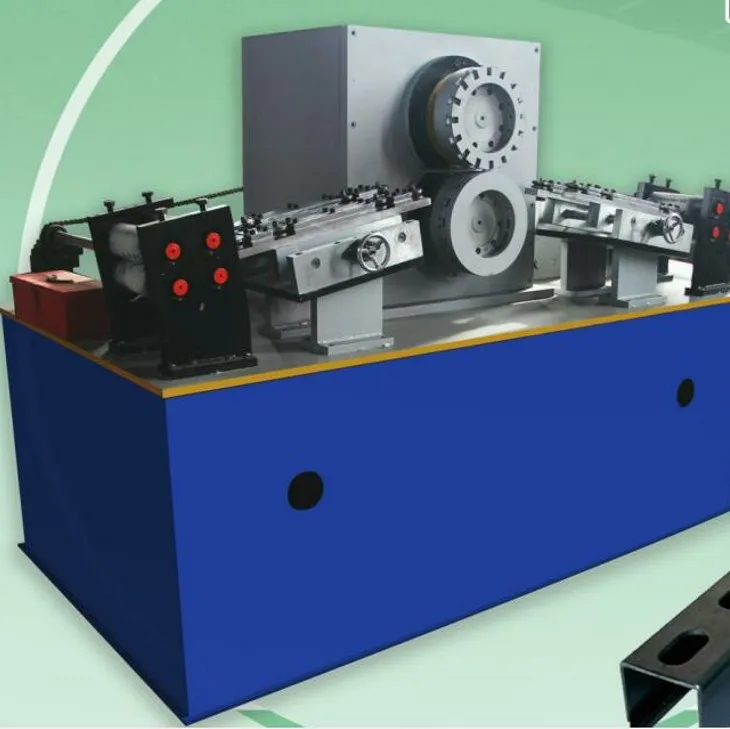
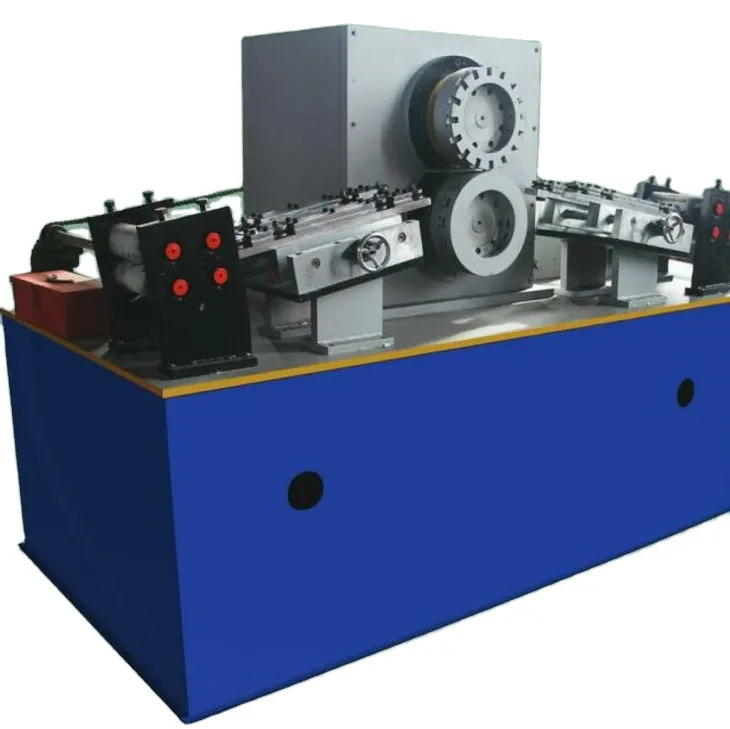
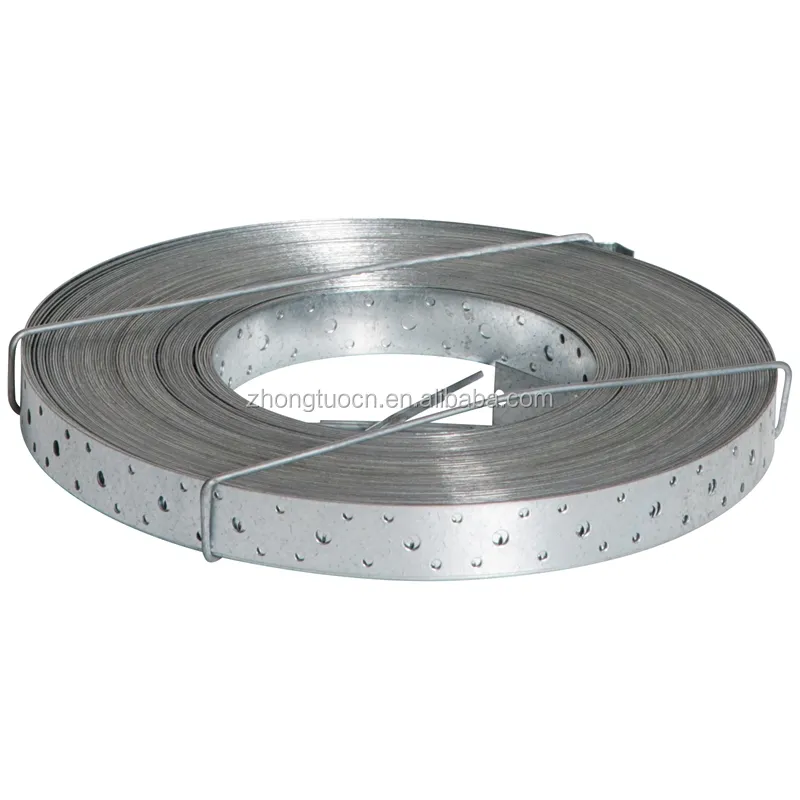 Roofing Hoop Iron Rotary Punching Machine Hoop Iron Punching
- ZT hoop iron punching machine+5.5KW
$10,000.00
MOQ: 1
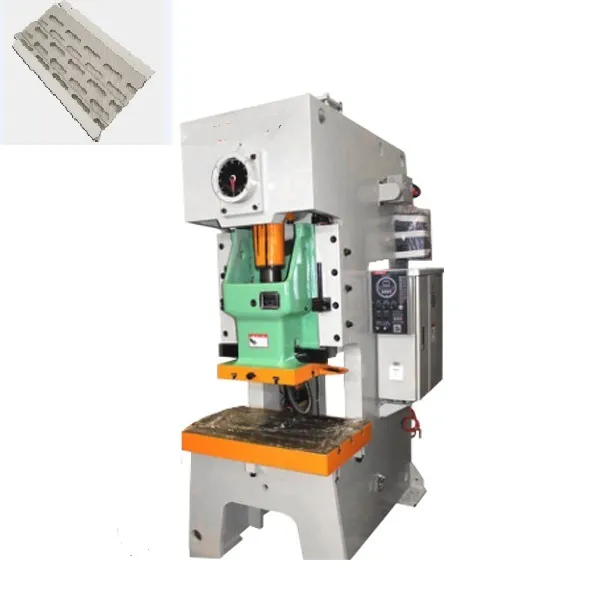
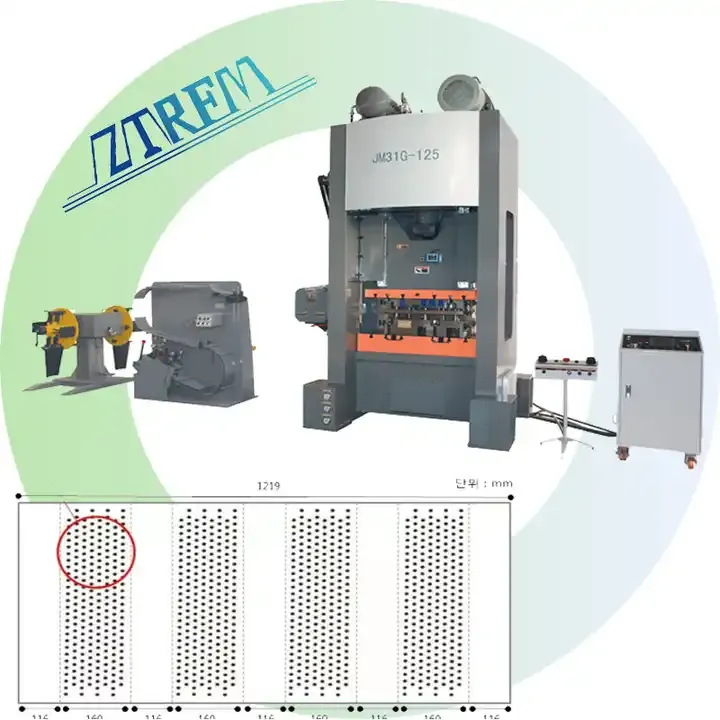


About CNC Sheet Metal Punching & Stamping Presses
CNC punching machines serve as cornerstone production equipment across industrial electrical cabinet manufacturing, HVAC duct fabrication, elevator car production, lighting fixture stamping, and precision metal enclosures. Unlike thermal cutting methods, mechanical and hydraulic punching presses perform high-speed hole piercing, continuous nibbling, forming operations (such as louvers, countersinks, extrusions, and embossing), and edge blanking in a single automated setup without thermal distortion or heat-affected zones.
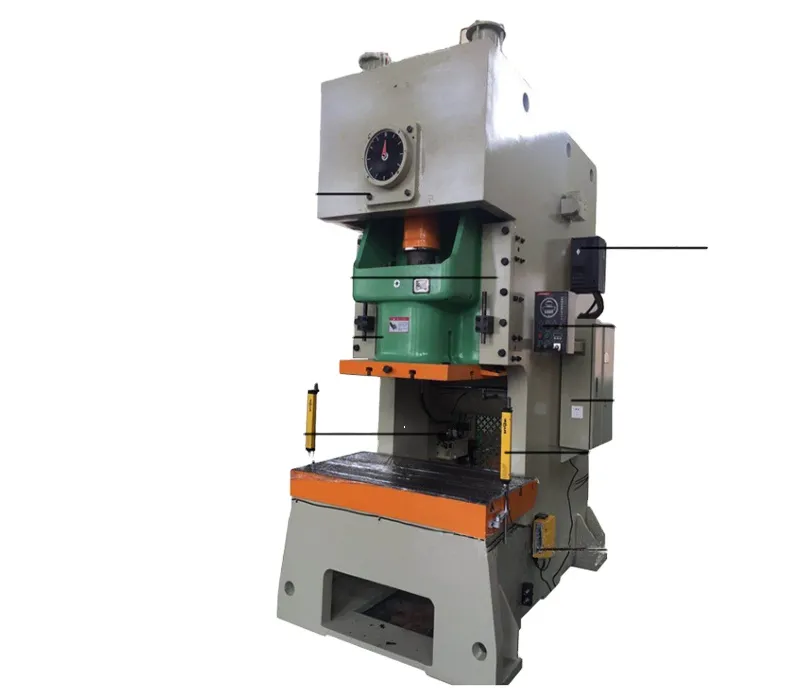
A modern CNC punch press features a heavy-duty, stress-relieved O-frame or bridge-type steel structure engineered to absorb severe stamping shock and eliminate frame yaw. High-precision AC servo motors drive dual linear ball screws and linear guideways, moving sheet clamps across a dense brush and ball-transfer worktable to protect delicate prepainted and polished metal surfaces from scratches.
The punching turret accommodates 24 to 58 tooling stations with auto-index stations that rotate irregularly shaped punches to any programmed angle. High-tonnage hydraulic or hybrid servo-electric punch heads deliver 20 to 50 tons of pressing force, dynamically regulating stroke length, penetration depth, and hover height. Advanced slug suction systems and automatic pneumatic die lubrication prevent slug pull-back and premature tool wear during continuous operation.
Compatible sheet materials encompass mild carbon steel (SPCC, DC01), hot-dip galvanized steel (GI), austenitic stainless steel (AISI 304/316), and architectural aluminum alloys (AA5052). Equipped with user-friendly touchscreen CNC controllers supporting direct DXF/DWG CAD file import and automatic tool nesting, these machines achieve positioning accuracy within ±0.05 mm, delivering high productivity and rapid turnaround for both custom prototypes and large-scale manufacturing runs.
Applications
Electrical Switchgear & Server Cabinet Sheet Metal Punching
In electrical switchgear & server cabinet sheet metal punching, high-precision CNC turret punching of modular power distribution cabinets, server rack chassis, and control box panels with integrated louver vents and mounting slots. Featuring tight dimensional pitch tolerances and secure locking mechanisms, these structural racking members support multi-tier storage loads safely and reliably.
HVAC Air Duct Louvers & Acoustic Ventilation Panel Stamping
In hvac air duct louvers & acoustic ventilation panel stamping, rapid punching and stamping of airflow louvers, damper blades, and acoustic ventilation panels from galvanized sheet steel for commercial HVAC installations. Featuring uniform zinc-alloy coating adhesion and tight metallurgical gauge consistency, these high-grade raw steel coils deliver superior corrosion protection and long service lives.
Architectural Facade Perforated Metal Screen Panels
In architectural facade perforated metal screen panels, stamping custom decorative geometric patterns, shading perforations, and corner relief notches into architectural aluminum and stainless facade panels. These durable architectural roof and wall cladding profiles provide exceptional corrosion resistance, protecting industrial facilities from severe weather while delivering modern aesthetics.
Elevator Lift Car & Landing Door Stainless Steel Stamping
In elevator lift car & landing door stainless steel stamping, scratch-free precision punching of brushed stainless steel elevator landing doors, car wall panels, and ceiling light frames with tight hole tolerances. Manufactured from heavy-gauge galvanized steel, these architectural door profiles deliver tight air-seal closure, high impact resistance, and compliant life-safety performance.
Automotive Chassis Structural Bracket Stamping & Blanking
In automotive chassis structural bracket stamping & blanking, high-tonnage punching and blanking of heavy-gauge structural steel brackets, suspension reinforcements, and chassis clips from high-strength steel coil strip. Engineered from high-yield structural steel, these heavy-duty components resist dynamic forklift impacts, prevent beam deflection, and comply with strict RMI standards.
Technical Overview
| Parameter | Information |
|---|---|
| Equipment / Product Family | CNC turret punch presses & mechanical sheet metal stamping presses |
| Applicable Sheet Materials | Cold-rolled steel (SPCC), galvanized steel (GI), stainless steel (304), aluminum |
| Material Thickness Capacity | 0.5 mm – 6.35 mm (mild steel); up to 3.5 mm (stainless steel) |
| Maximum Sheet Processing Size | 1250 mm × 2500 mm / 1500 mm × 5000 mm (with auto-repositioning) |
| Punching Press Tonnage | 20 tons – 50 tons (servo-electric or high-response hydraulic ram) |
| Turret Tooling Stations | 24 – 58 stations (thick-turret style with auto-index stations) |
| Punching Stroke Frequency | 300 – 500 hits/min (25 mm pitch); up to 800 hits/min (nibbling/marking) |
| Axis Positioning Accuracy | ±0.05 mm (repeatability ±0.02 mm) |
| Worktable Support Surface | Hardened ball-and-brush hybrid matrix table (scratch-free protection) |
| CNC Controller Architecture | Multi-axis CNC with touchscreen HMI, automatic nesting & CAD/CAM import |
Related Solutions
Metal Sheet Processing Solution
Blanking and cut-off around a roll former is a shear class: flying (tracking) sh…
Heavy Coil Handling Solution
Coil infeed is a weight class plus a drive: manual expand, electric expand with…
Custom Profile Roll Forming for OEM
Flexible roll forming line for custom cross-sections. Suitable for OEMs who need…
Pre-Engineered Building Component Line
Integrated solution for PEB secondary framing: C/Z purlins, girts, eave struts,…
Storage Rack Roll Forming Solution
Pallet-rack P-beam mill with bottom laser weld. Example: 26 stands, 1-1.5 mm, 6…
Light-Gauge Keel Roll Forming Solution
Light-gauge keel package: partition stud and track, ceiling T-grid, furring, or…
Related Information

Pre-Punching vs Post-Punching in Roll Forming
Punch the holes before or after forming? The choice changes hole accuracy, tooli…
Read More
Roll Forming Machine Control Systems: PLC, HMI and Encoder Integration
How do PLC, HMI, VFD and encoders work together on a roll forming line? A practi…
Read More
Roll Forming Roller Materials: D2 vs DC53 and Heat Treatment Guide
D2, DC53, Cr12MoV — which roller material is right for your roll forming line? H…
Read More
Cold Formed Steel vs Hot Rolled Steel: What Roll Forming Buyers Need to Know
Yield strength, ductility, surface finish, tolerances — a practical comparison o…
Read More
High-Strength Steel (HSLA) in Roll Forming
High-strength low-alloy steel lets you build lighter structures—but it fights ba…
Read More
Cut-to-Length Systems in Roll Forming: Flying Shear vs Static Shear Explained
Stop-cut or flying shear? A machine designer explains the difference, accuracy,…
Read More
FAQ
What is the difference between mechanical, hydraulic, and servo-electric punch presses?
Mechanical presses utilize a flywheel and clutch for fixed high-speed strokes. Hydraulic presses provide full rated tonnage throughout the entire stroke for deep forming. Servo-electric presses deliver programmable stroke velocity, variable ram profiles, lower power consumption, and quiet operation.
What sheet metal thicknesses and maximum sheet dimensions can be processed?
Standard CNC turret punch presses process sheet metal thicknesses from 0.5 mm to 6.35 mm, with standard sheet table sizes accommodating 1250 mm × 2500 mm or 1500 mm × 5000 mm with automatic repositioning clamps.
Can the machine perform forming operations like louvers, ribs, and countersinks?
Yes, utilizing dedicated wheel tooling and progressive forming dies, CNC punch presses form louvers, card guides, stiffener ribs, thread-tapping extrusions, and countersinks directly on the machine table.
How does the brush table prevent scratching on stainless and prepainted sheets?
The hybrid brush-and-ball support table elevates delicate sheet surfaces on high-density nylon bristles, preventing friction scratches on mirror-polished stainless steel or prepainted coils during rapid traverse.
What punching accuracy and stroke rates are achievable?
High-precision ball-screw drives maintain axis positioning accuracy within ±0.05 mm and repeatability of ±0.02 mm, achieving punching hit rates of 300 to 500 strokes/min on 25 mm pitch and up to 800 strokes/min in marking mode.
What tooling styles and turret configurations are standard?
Machines utilize thick-turret (Amada style) or thin-turret tooling systems with 24 to 58 tool stations, including multiple auto-index rotary stations and multi-tool holders to minimize setup downtime.
What critical data is needed when requesting a punching machine quote?
Buyers should specify maximum sheet dimensions, material types and thicknesses, part drawings showing hole types and forming features, required daily output capacity, and preferred automation features.