Global B2B Roll Forming Sourcing Platform | Free RFQ Response within 24h

- Tuo AI

- Live

- My Account
- Shopping Cart
- Inquiry Basket
- Contact Us
- Back to Top




Hot-Dip Galvanized Steel Coils for Door Frame Roll Forming
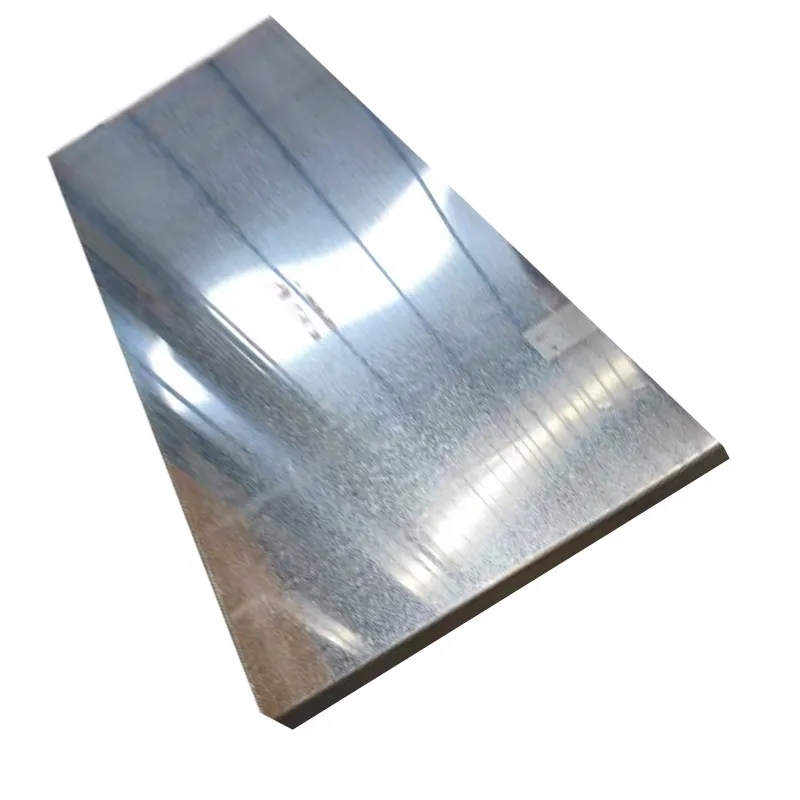
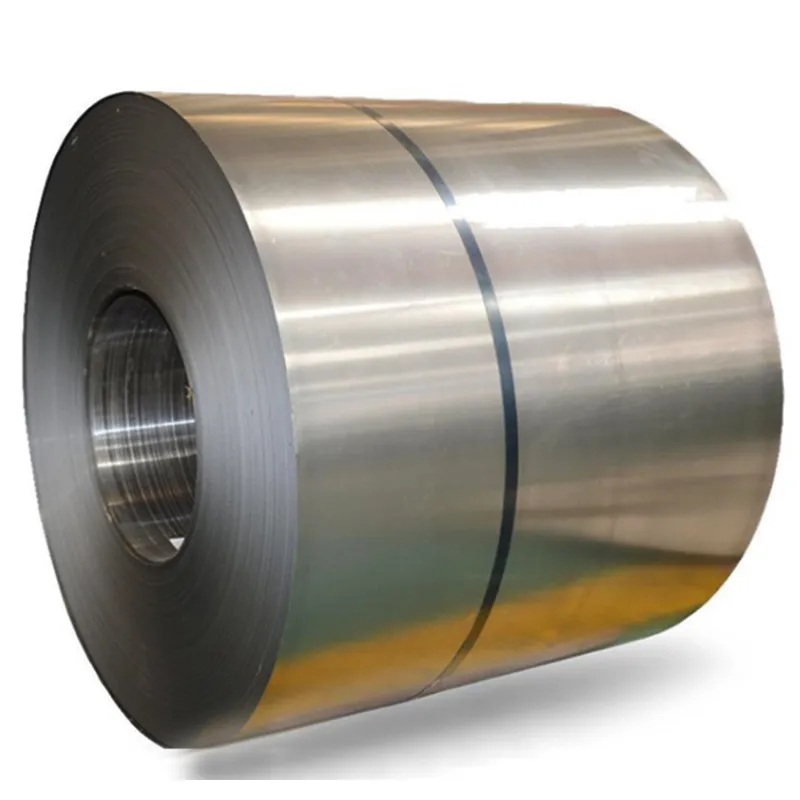
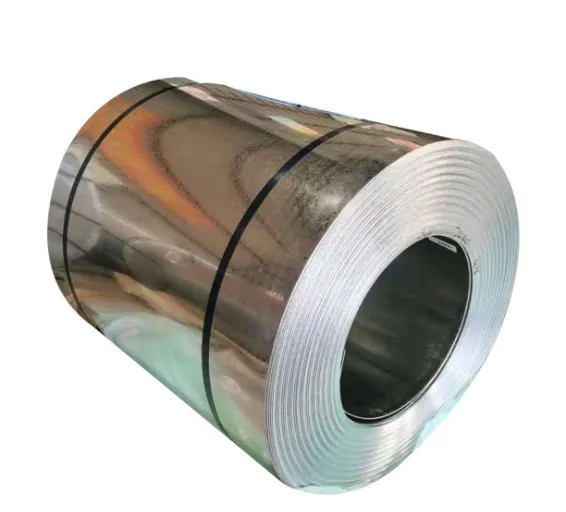
Hot-dip galvanized steel coils for commercial door frame roll forming provide the high-strength, micro-crack-free structural substrate engineered for continuous fabrication of security door jambs, fire-rated door casings, and drywall frame profiles. Produced to DX51D+Z, S280GD+Z, and ASTM A653 CS/FS specifications with tightly bonded zinc coatings ranging from Z140 to Z275 g/m², these coils deliver exceptional edge ductility, zero-T bend adhesion, and flawless surface flatness. Engineered to undergo complex multi-bend profile roll forming and high-speed pre-punching without zinc flaking, our slit coils guarantee certified dimensional stability and multi-decade anti-corrosion protection.
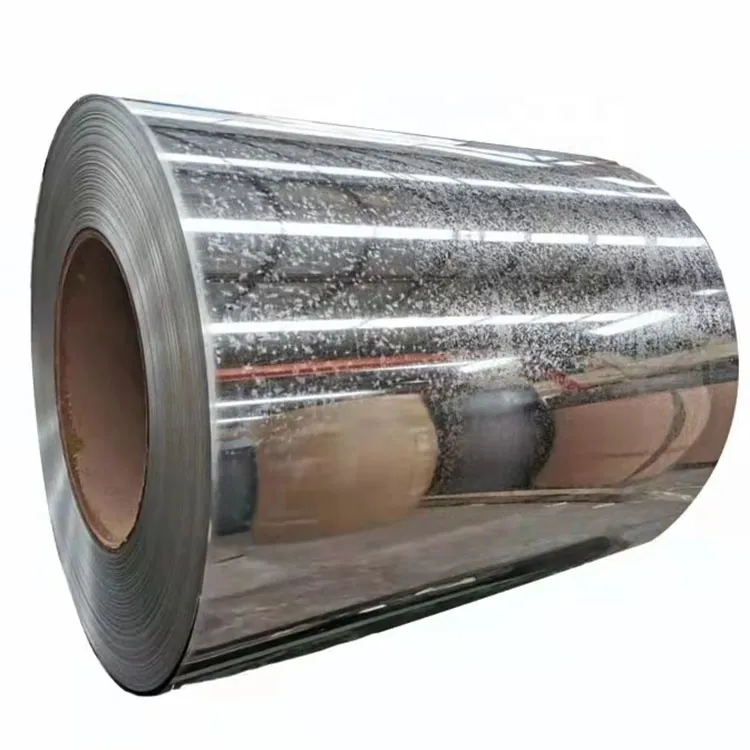 Prime Quality Zinc Coated DX51D Steel Coil with GS JIS & TISI Certifications Welding & Bending Services
- Customers can customize according to their needs+900 mm ~ 1000 mm
$620.00
MOQ: 1
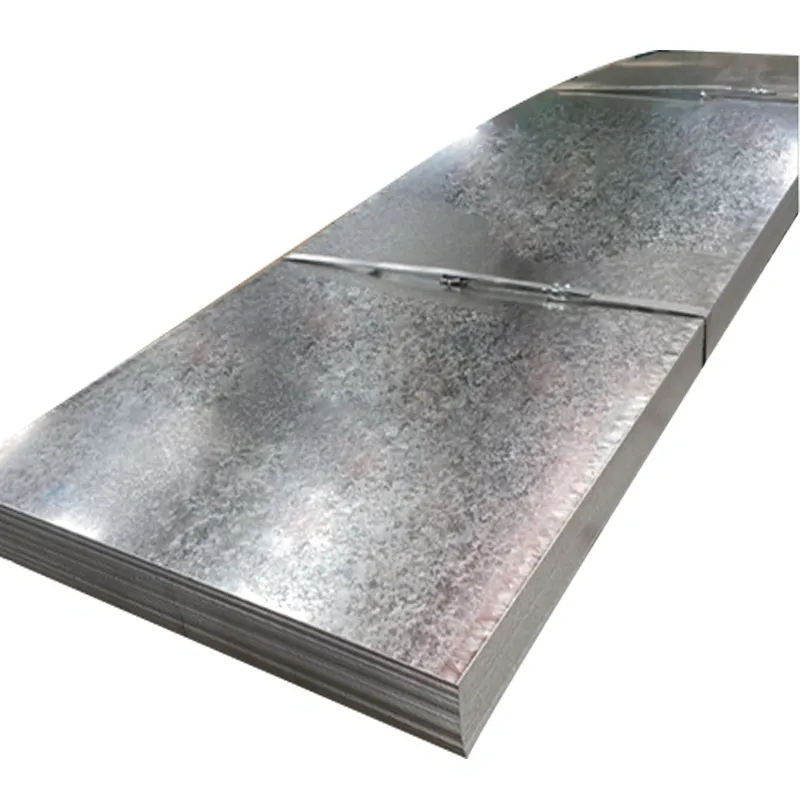 Dc01 Zinc Coated 4x8 26 Gauge 0.5mm Thick Galvanized Steel Sheet GS Certified Cutting Sheets Bending Processing
- Thickness : 0.12-4.0mm+900 mm ~ 1000 mm
$550.00
MOQ: 1
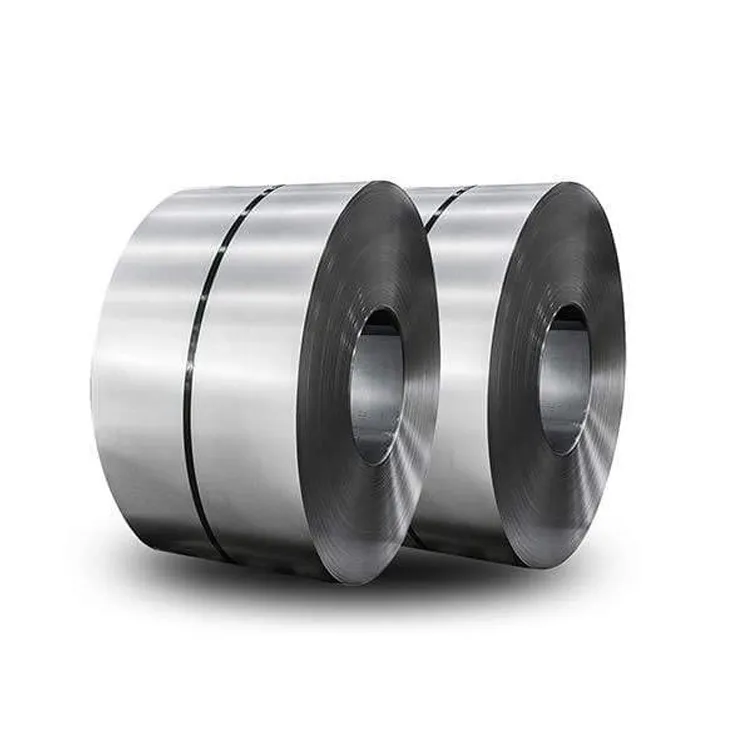 High Quality Hot Dipped Galvanized Steel Coil-High-Strength GS TISI Certified Cutting Sheets Bending Welding DX51D Grade
- Customers can customize according to their needs+900 mm ~ 1000 mm
$620.00
MOQ: 1
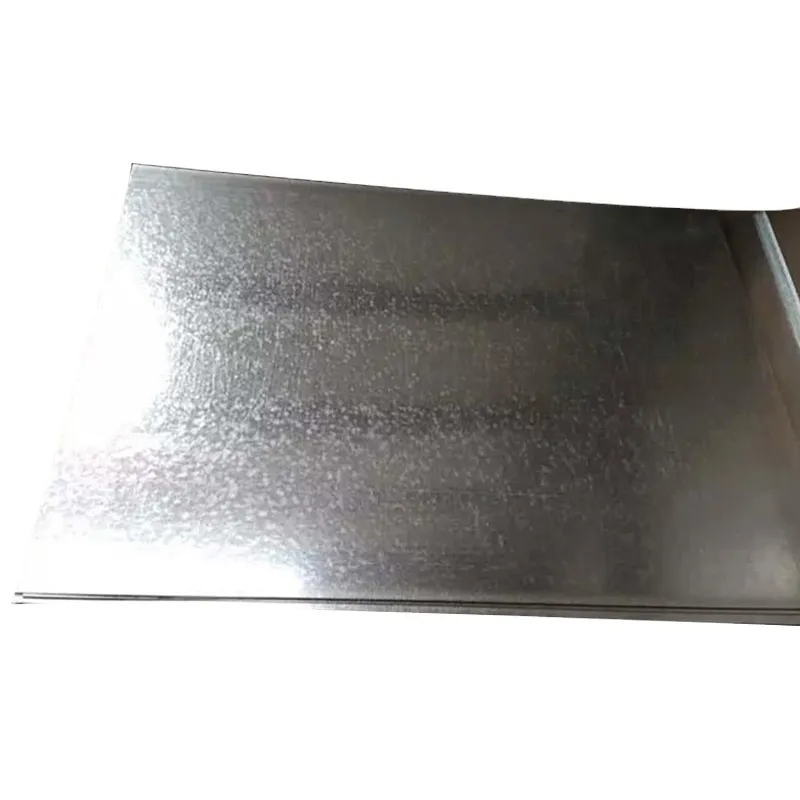 Low Price Factory Supplier 0.12-4mm High-Strength ASTM Standard Galvanized Patterned Perforated Carbon Steel Steel Sheet
- Customers can customize according to their needs+900 mm ~ 1000 mm
$500.00
MOQ: 1
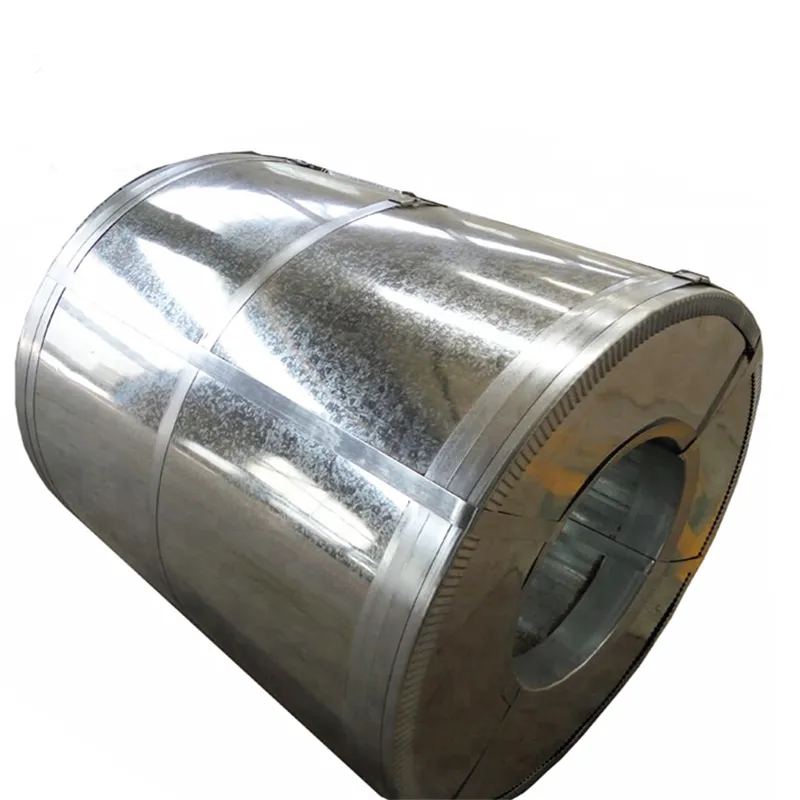 Galvanized Steel Coil ASTM A653 Z61-Z80 Coating DX51D Grade Welding Cutting Sheets High-Strength Cold Rolled
- 0.12-4.0MM+900 mm ~ 1000 mm
$579.00
MOQ: 1
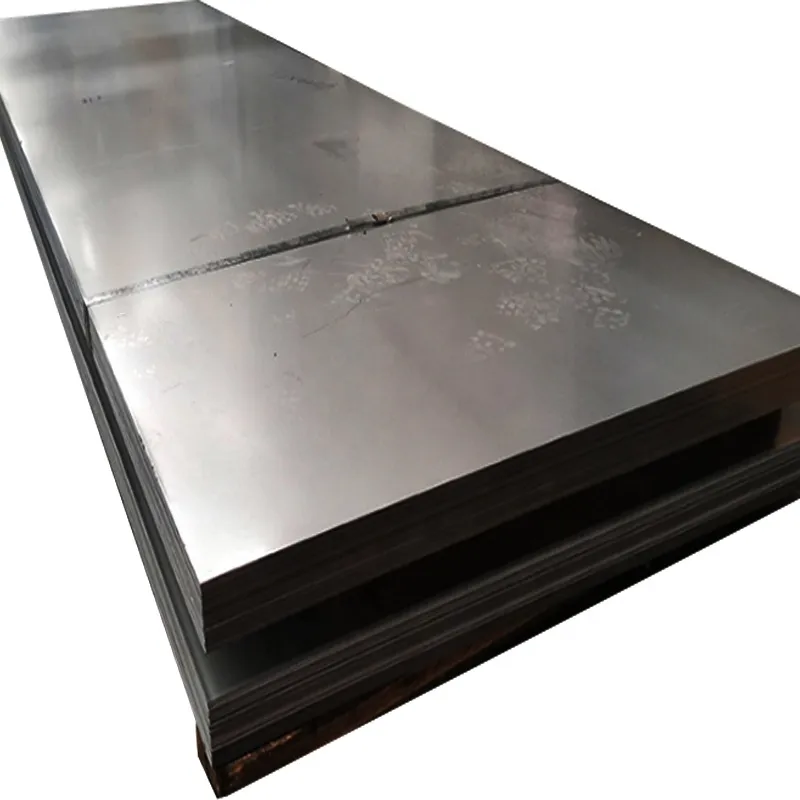 18 Gauge High-Strength SGCC Galvanized Steel Sheet Metal Z41-Z60 Coating Skin-Pass Processed Welding Cutting Bending Services
- Shandong, China+15-21 days+ SGCC+Slightly Oiled+Yes
$680.00
MOQ: 5
 Mild Steel Sheet 2.5mm Plain GI Sheet Gauge 16 High-Strength SGCC China Welding Cutting Bending
- Shandong, China+15-21 days+ SGCC+Slightly Oiled+Yes
$680.00
MOQ: 5
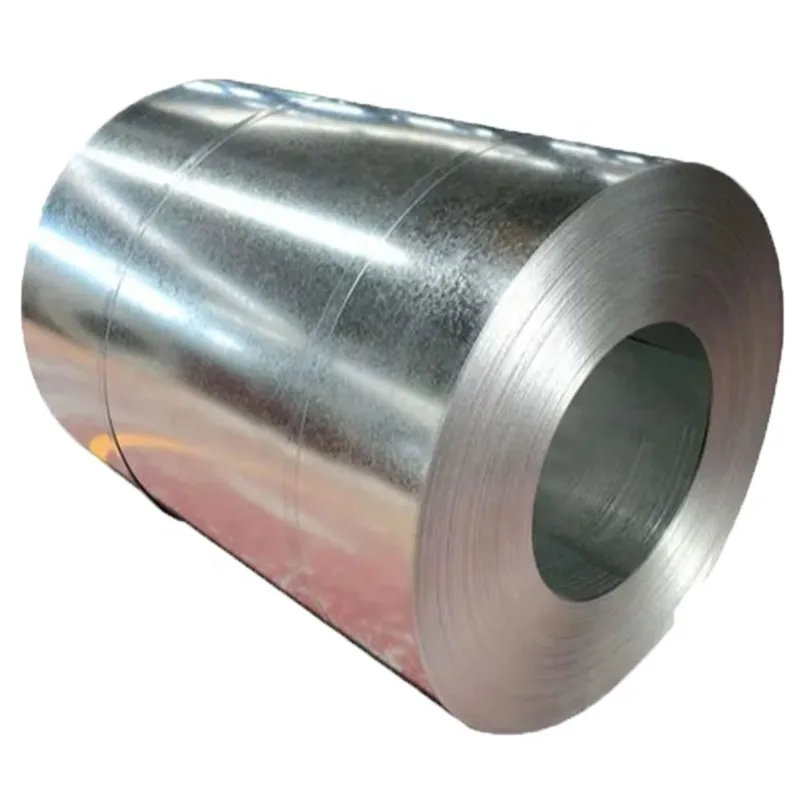 ASTM A653 DC01 Grade Full Hard Galvanized Steel Coil with Z10-Z29 Coating Welding & Cutting Services
- 0.2mm*1000mm*c+900-1250mm
$600.00
MOQ: 5
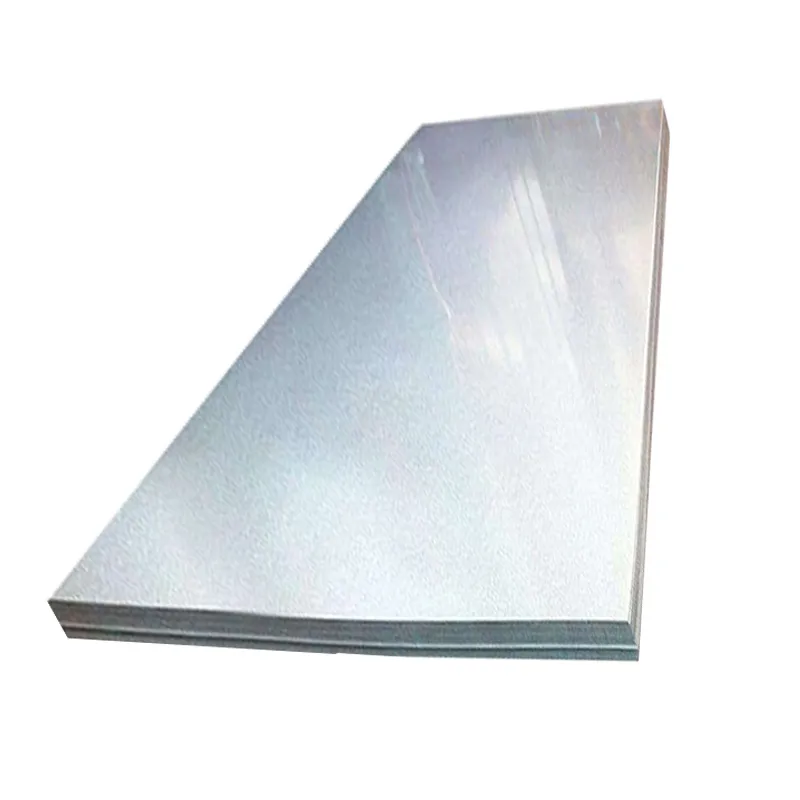 Cheap 0.12-1mm Thick Zinc Coated Galvanized Steel Plate 4x8 Sheet Metal with Cutting & Bending Services
- Customized+900 mm ~ 1000 mm
$600.00
MOQ: 1
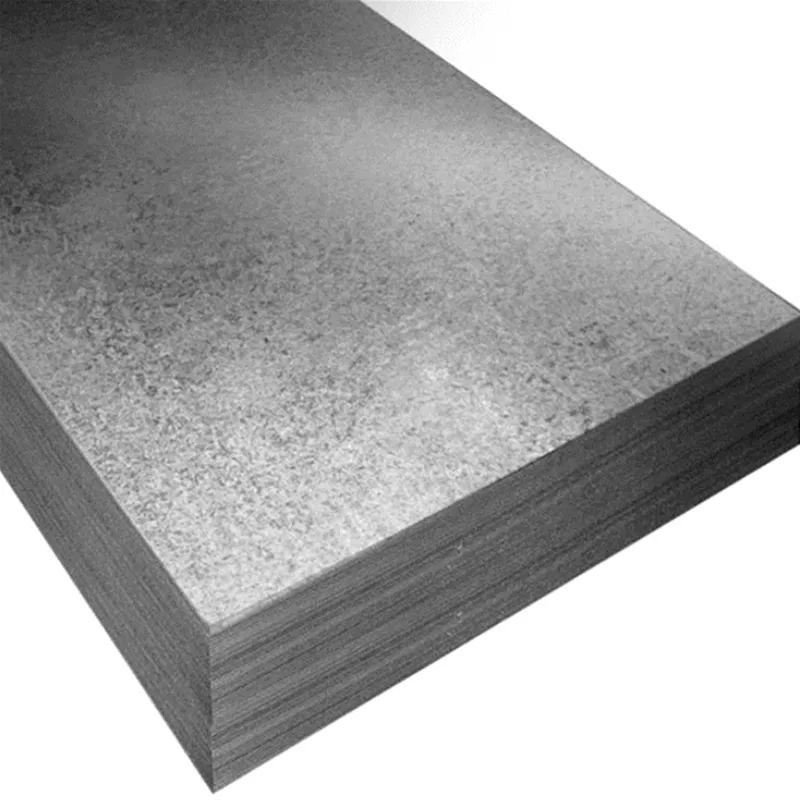 High-Strength SGCC 0.5mm Galvanized Steel Sheet (Z41-Z60 Coating) for Welding Cutting & Bending-juyiheng Brand AiSi Standard
- Shandong, China+15-21 days+ SGCC+Slightly Oiled+Yes
$680.00
MOQ: 5
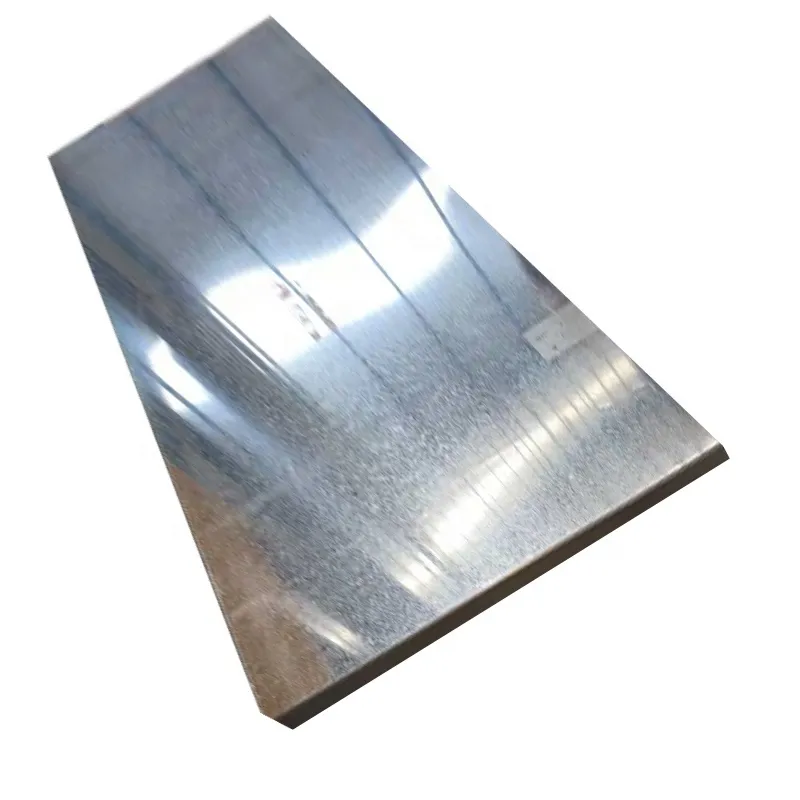 Galvanized Steel Sheet DX51D Grade Z275 Zinc Coating Soft Cold Rolled Welding Cutting Bending Processing Service
- 0.2-4mm+1 001 mm ~ 1 250 mm
$600.00
MOQ: 5
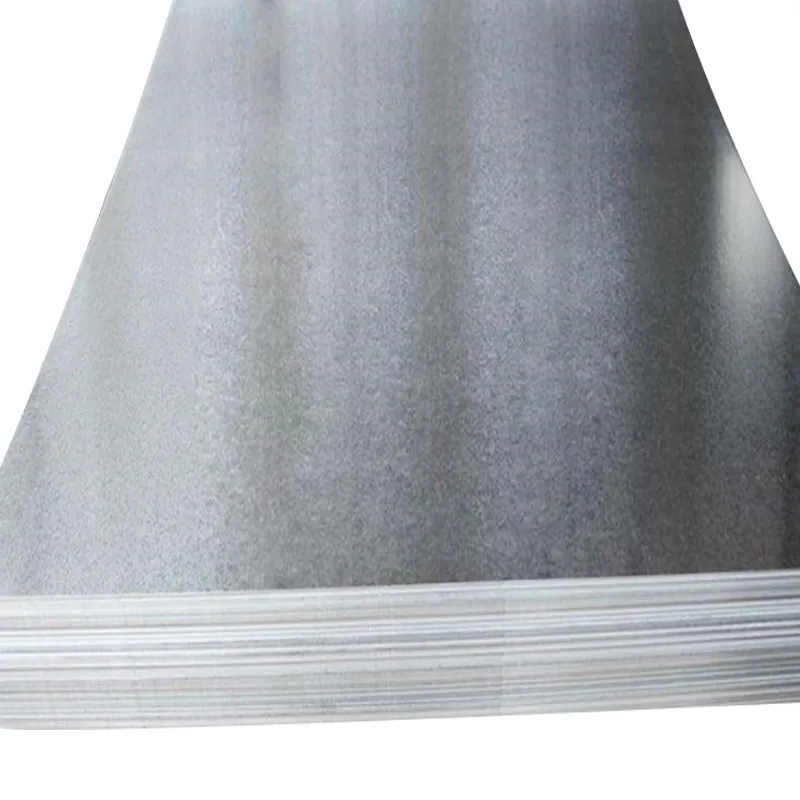 Z30-Z40 Zinc Coated Galvanized Steel Sheet for Construction Welding & Cutting Sheets Bending ASTM Standard
- 0.8mm*1250mm*c+600-1250mm
$1,500.00
MOQ: 5
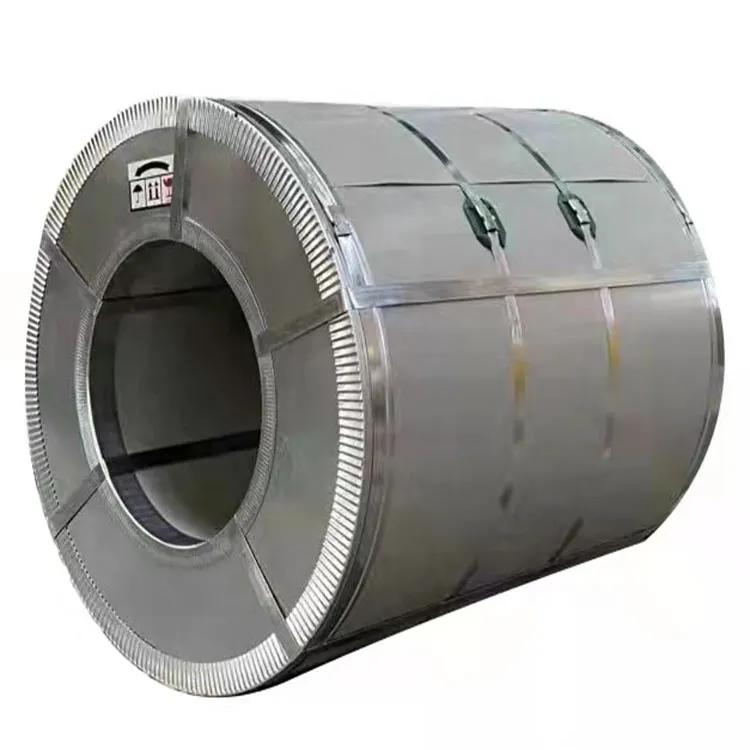 Heavy-Duty Galvanized Steel Coil 0.5mm*1200mm Z180 ASTM Standard BIS/TISI/GS/SASO Certified Welding Industrial Shelving
- 0.12-4.0MM+900 mm ~ 1000 mm
$580.00
MOQ: 1
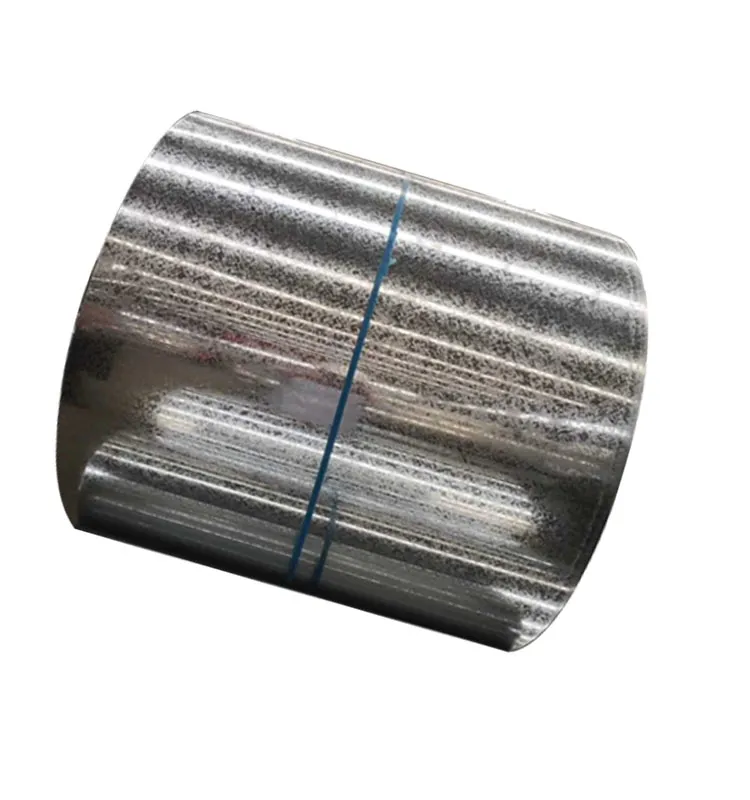 Galvanized Steel Coil Z30 Coating with Cutting & Bending Services ASTM Standard for Construction Use
- 0.2mm*1000mm*c+900-1250mm
$600.00
MOQ: 5
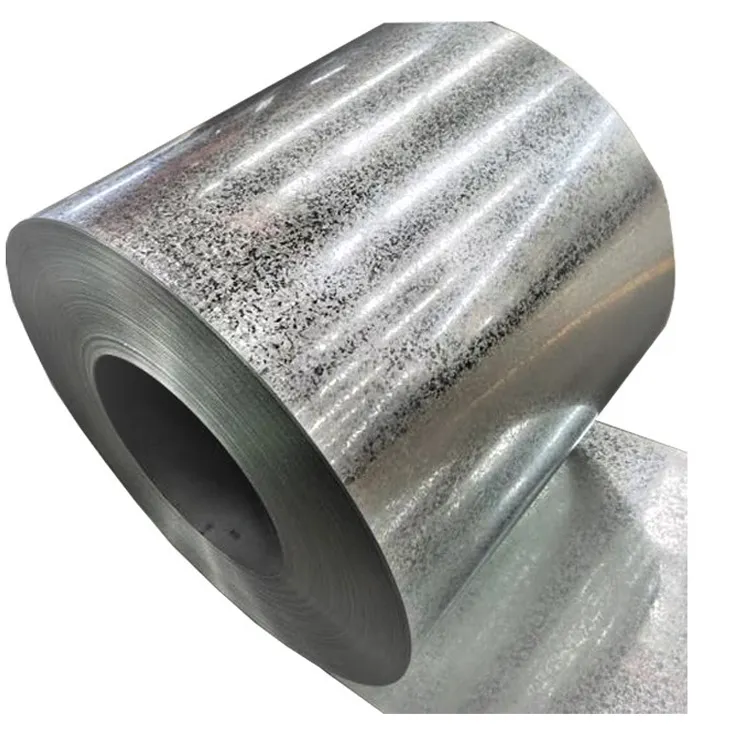 Shandong Cold Roll Coil Zinc Sghc540 Hot Dipped Buy Z275 Z30 Z220 Astm A526 Galvanized Coated Steel China Within 7 Days Mid Hard
- 600-1500mm+Thickness:0.12-4.0mm
$465.00
MOQ: 1
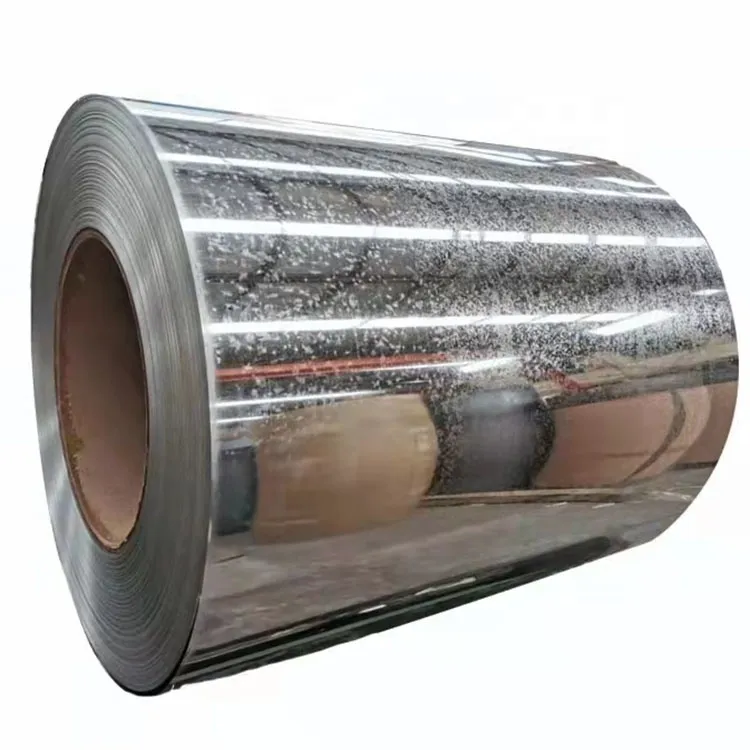 Z275g Standard Size Dx51d Cold Rolled Hot Dipped Sheet Coil Price Zinc Coated Galvanized Steel Wall Price Steel Price Per Ton
- 600-1500mm+Thickness:0.12-4.0mm
$450.00
MOQ: 1
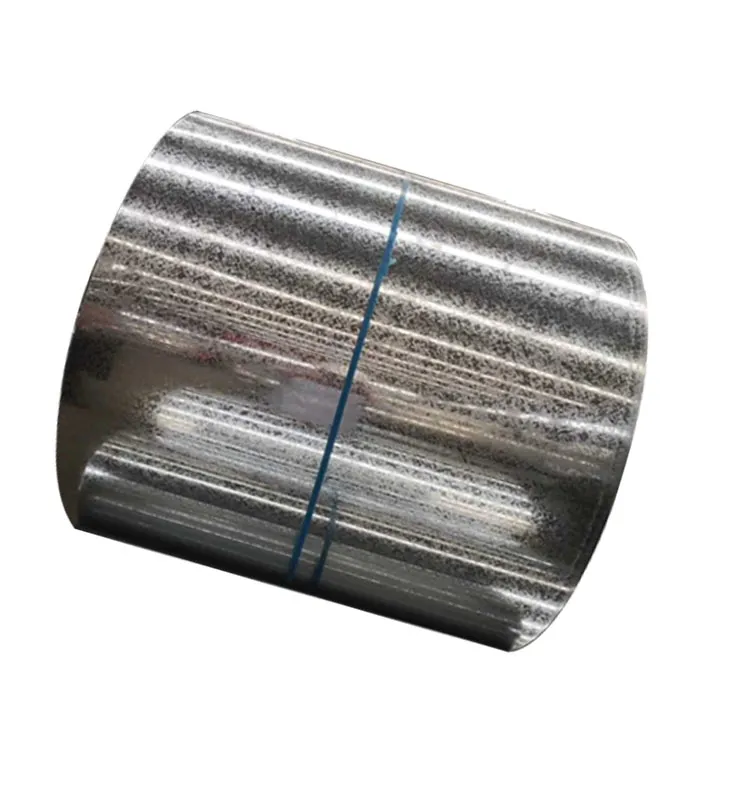 Factory Direct Supply DX51D Hot Dipped Galvanized Steel Coil Z275 Galvanized Steel Coil G90 Galvanized Steel Sheet Price Gi Coil
- 0.1-2mm customizable+0.6m-3m or as required 0.6m-3m or as required
$450.00
MOQ: 1
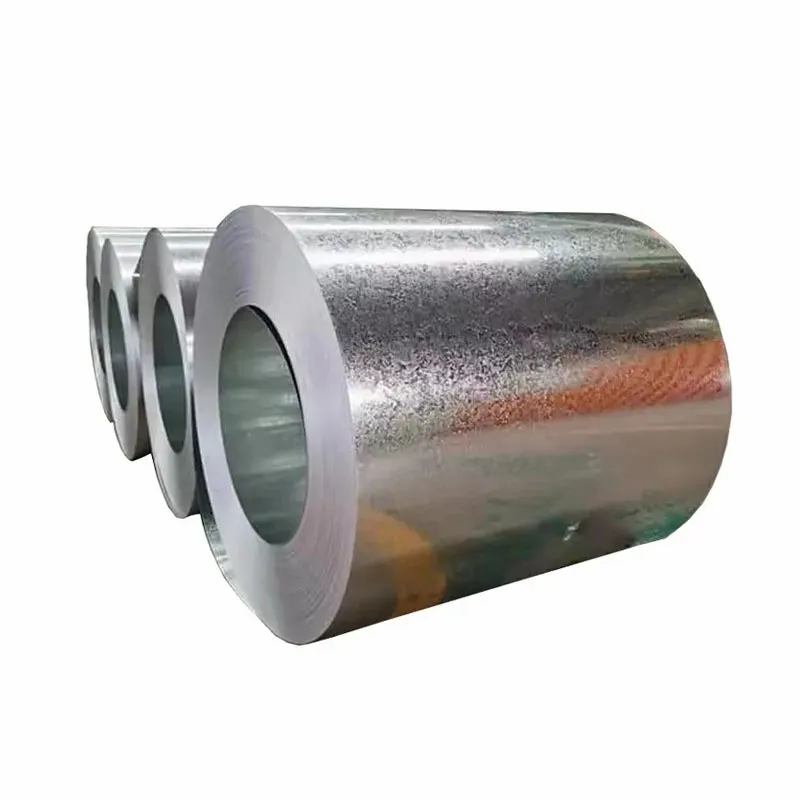 Source Factory DX51D+Z275 Hot Dip Galvanized Steel Coil 0.12 3.0mm GI Coil
- 0.1-2mm customizable+0.6m-3m or as required 0.6m-3m or as required
$450.00
MOQ: 1
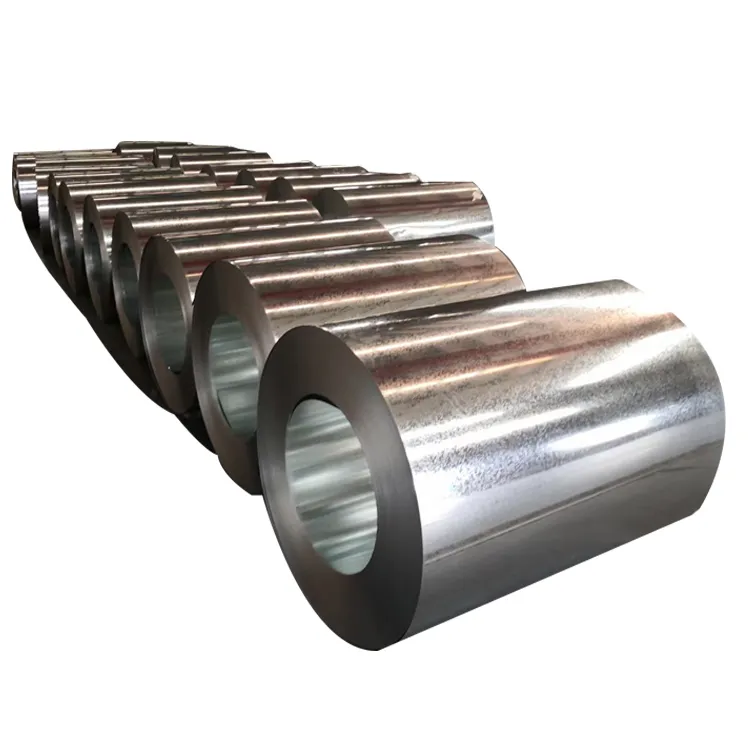 Factory Direct Supply DX51D Hot Dipped Galvanized Steel Coil Z275 Galvanized Steel Coil G90 Galvanized Steel Sheet Price Gi Coil
- 0.1-2mm customizable+0.6m-3m or as required 0.6m-3m or as required
$450.00
MOQ: 1
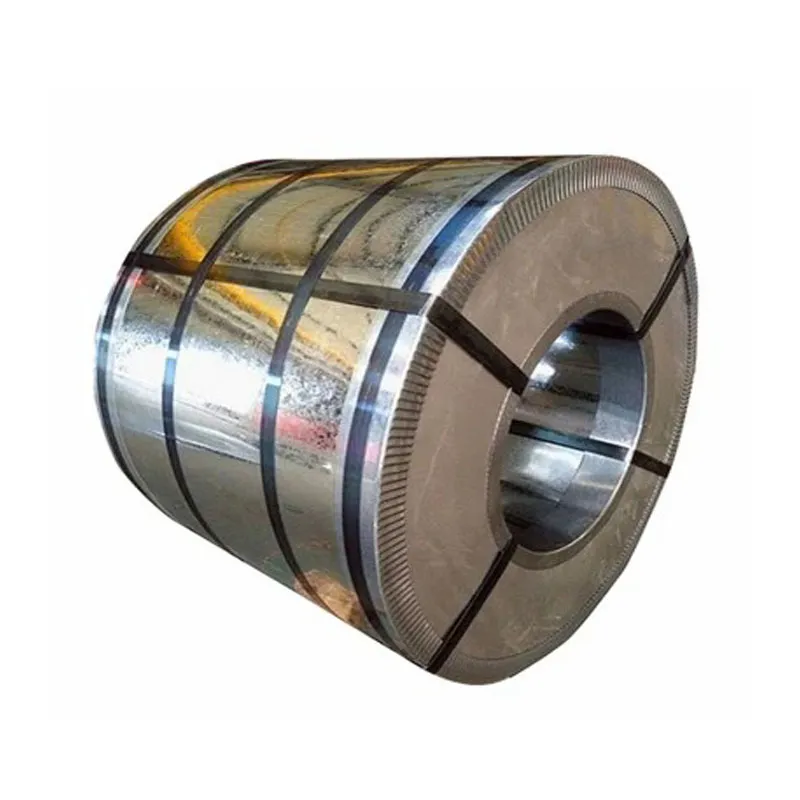 Quality Source Factory DX51D Z275 Galvanized Steel Coil Cold Rolled 0.12 0.6mm Gi
- 0.1-2mm customizable+0.6m-3m or as required 0.6m-3m or as required
$450.00
MOQ: 1
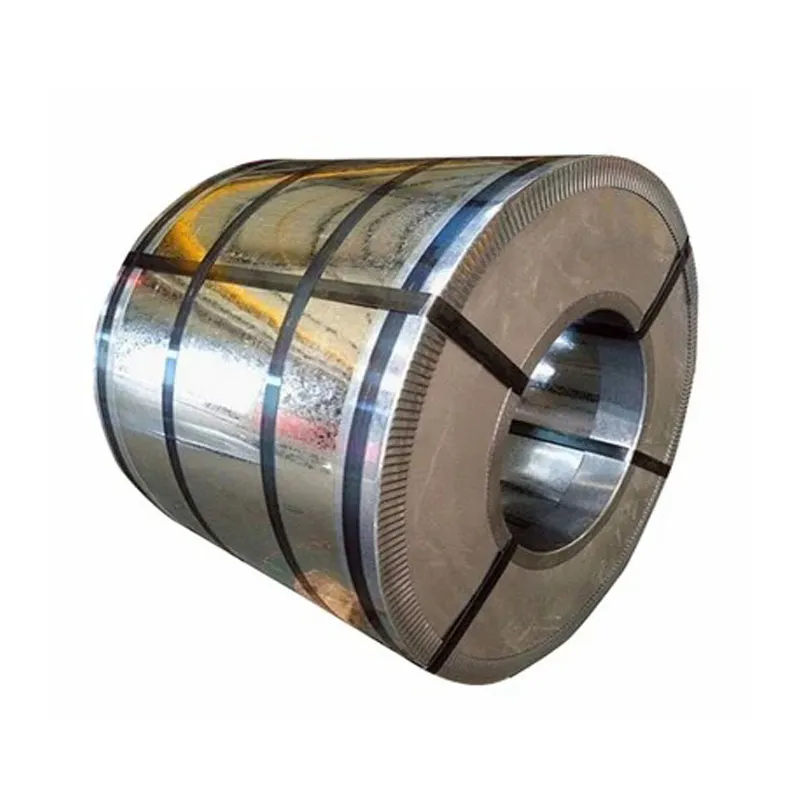 Factory Direct Supply DX51D Hot Dipped Galvanized Steel Coil Z275 Galvanized Steel Coil G90 Galvanized Steel Sheet Price Gi Coil
- 0.1-2mm customizable+0.6m-3m or as required 0.6m-3m or as required
$450.00
MOQ: 1
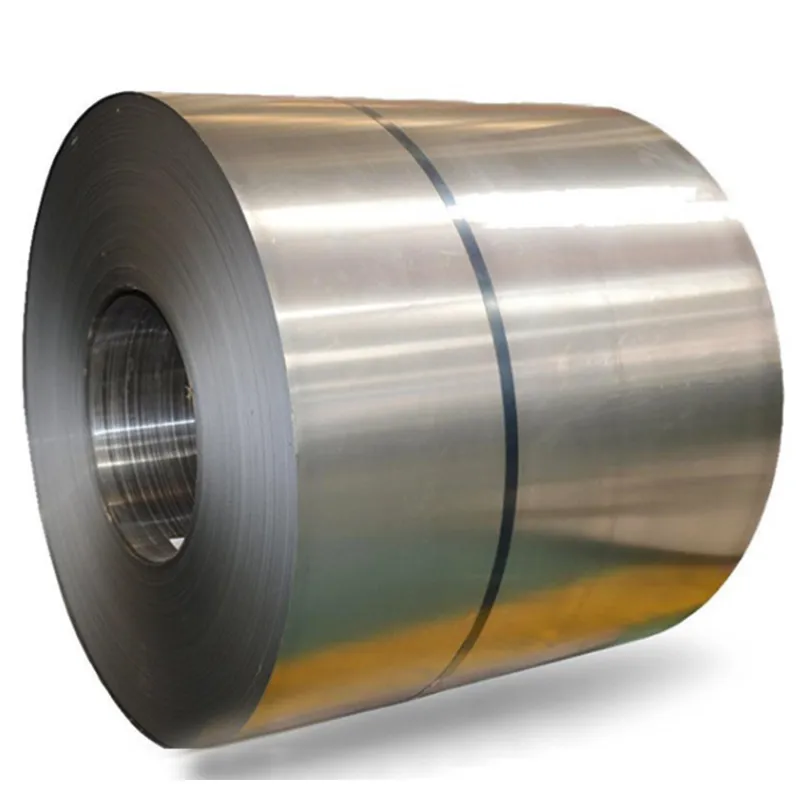
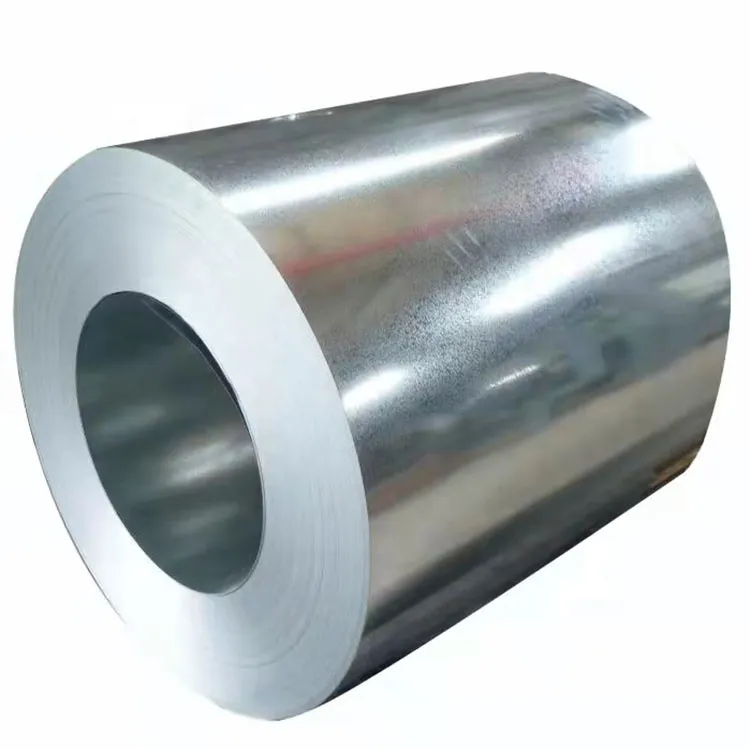
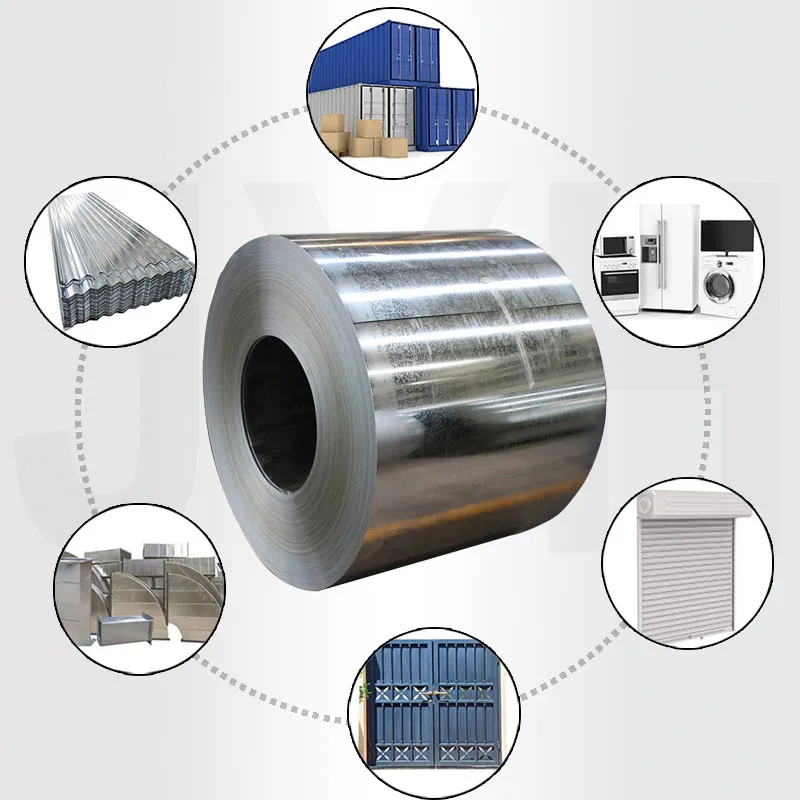
About Galvanized Steel Coils for Door Frame & Jamb Manufacturing
The manufacturing of commercial architectural door frames and security jamb profiles involves some of the most intricate cold roll forming sequences in the metal construction industry. A standard single-rabbit or double-rabbit hollow metal door jamb profile requires between 14 and 22 sequential forming stands to execute tight 90-degree internal bends, sharp stiffener returns, hinge reinforcement pockets, and mortar guard recesses. Utilizing standard commercial galvanized steel sheets frequently leads to zinc powdering along tight bend radii, edge burring during high-speed hydraulic hinge punching, and severe profile twisting caused by residual coil stresses.
Our specialized hot-dip galvanized steel coils for door roll forming lines are produced with optimized aluminum-zinc galvanizing bath chemistries that suppress brittle iron-zinc intermetallic alloy growth, creating an ultra-ductile pure zinc outer layer with zero-spangle crystal refinement. Subjected to tension leveling and skin-pass rolling, the steel strip achieves extraordinary shape flatness with zero camber, ensuring consistent tracking through complex roll forming tooling without jamb twist, camber, or diagonal flare.
Available in custom slit widths (from 150 mm to 600 mm) matching standard 4-3/4", 5-3/4", 6-3/4", and 8-3/4" throat wall thicknesses, our coils feature RoHS-compliant trivalent passivated or dry anti-fingerprint (AFP) surfaces. Completely compatible with automated robotic hinge welding, projection welding of strike brackets, and electrostatic powder coating, our coils conform strictly to EN 10346, ASTM A653, and SDI standards.
Applications
Commercial Hollow Metal Door Frame Roll Forming
In commercial hollow metal door frame roll forming, continuous roll forming line shaping 1.2mm zero-spangle galvanized steel coil into commercial single-rabbit door frame profiles. These heavy-duty roll-formed steel jambs and shutter curtains provide certified fire containment and perimeter security, ensuring dependable building compartmentalization.
Knock-Down Drywall Door Jamb Manufacturing
In knock-down drywall door jamb manufacturing, high-speed punching and forming of galvanized steel strip into interlocking 3-piece knock-down drywall door frame headers and jambs. Manufactured from heavy-gauge galvanized steel, these architectural door profiles deliver tight air-seal closure, high impact resistance, and compliant life-safety performance.
Fire-Rated Steel Door Casing Pre-Punching Line
In fire-rated steel door casing pre-punching line, automated hydraulic punch press stamping hinge and strike plate cutouts into heavy 1.5mm galvanized steel strip prior to roll forming. Engineered with precision miter joints, heavy reinforcement plates, and robust interlocking slats, these certified door assemblies resist forced entry and wind suction.
Security Steel Door Jamb Reinforcement Spot Welding
In security steel door jamb reinforcement spot welding, robotic spot welding station attaching heavy internal steel reinforcement plates to galvanized security door jamb channels. These heavy-duty roll-formed steel jambs and shutter curtains provide certified fire containment and perimeter security, ensuring dependable building compartmentalization.
Electrostatic Powder Coating Line for Door Frames
In electrostatic powder coating line for door frames, automated overhead conveyor transporting formed galvanized door jambs through automated electrostatic powder coating booths. Manufactured from heavy-gauge galvanized steel, these architectural door profiles deliver tight air-seal closure, high impact resistance, and compliant life-safety performance.
Technical Overview
| Parameter | Information |
|---|---|
| Base Steel Substrate Grades | DX51D+Z (Forming Quality), DX52D+Z, S280GD+Z (Structural High Strength), ASTM A653 CS/FS |
| Zinc Coating Weight Classes | Z120 (120 g/m²), Z140, Z180, Z275 (275 g/m² / G90 heavy commercial grade) |
| Thickness Gauge Range | 0.80 mm to 2.00 mm (20 Gauge to 14 Gauge heavy-duty commercial door specifications) |
| Slit Width Capabilities | 120 mm to 650 mm (tailored for single/double rabbit jamb profiles and knock-down frames) |
| Surface Finish Structure | Zero Spangle (Skin Passed Extra Smooth Matte Finish for electrostatic powder coating) |
| Surface Chemical Passivation | RoHS Hexavalent-Free Chemical Passivation (Cr3+), Organic Anti-Fingerprint (AFP), Oiled |
| Mechanical Yield Strength | 220 MPa to 340 MPa (optimized for minimum springback and sharp jamb corner bends) |
| Tensile Elongation A80 | ≥ 24% (guaranteeing zero micro-cracking across 180° hemmed drywall frame lips) |
| Strip Flatness & Camber | Tension leveled strip flatness ≤ 3 I-Units, edge camber < 1.0 mm per 2000 mm length |
| Manufacturing Standards | EN 10346, ASTM A653, SDI-100 (Steel Door Institute), ANSI/NAAMM HMMA 861, ISO 9001 |
FAQ
Why is zero-spangle galvanized steel preferred over regular spangle for commercial door frames?
Zero-spangle coils feature an ultra-smooth, uniform surface free of crystal zinc boundaries, providing an ideal substrate for electrostatic powder coating without paint cratering while eliminating zinc flaking during tight 90-degree door jamb bends.
What steel grades provide the best balance of forming ductility and structural hinge rigidity?
DX51D+Z (or ASTM A653 CS Type B) is standard for versatile multi-bend forming, while S280GD+Z / S320GD+Z structural grades are specified for high-security and fire-rated door jambs requiring superior screw-thread holding power.
How does skin-pass temper rolling prevent stretcher strain marks on visible door frame faces?
Skin-pass rolling introduces a 0.5%–1.5% cold reduction that eliminates the yield point elongation plateau, ensuring that exposed door jamb faces remain completely free of fluting lines and Lüders bands during roll forming.
What zinc coating weight is recommended for exterior and institutional fire-rated door frames?
Z180 (180 g/m²) is standard for commercial interior applications, while Z275 (G90 / 275 g/m²) is required for exterior entrance door frames and humid institutional buildings to provide certified multi-decade corrosion resistance.
Can galvanized door frame coils be welded and painted without peeling?
Yes, our passivated zero-spangle coils feature low carbon chemistry for smooth resistance spot welding and projection welding of hinge reinforcements, while accepting powder coat baking up to 200°C without paint blistering.
What slit width and thickness tolerances are maintained for door roll forming lines?
Rotary slitting lines maintain slit width tolerances within ±0.15 mm and thickness within ±0.03 mm, preventing tool binding and ensuring consistent throat dimensions across automated door frame lines.
How does anti-fingerprint (AFP) surface treatment benefit hollow metal door manufacturing?
AFP transparent acrylic coating prevents worker sweat and oil staining during handling, serves as a dry forming lubricant that reduces roller wear, and enhances primer paint adhesion.