Global B2B Roll Forming Sourcing Platform | Free RFQ Response within 24h

- Tuo AI

- Live

- My Account
- Shopping Cart
- Inquiry Basket
- Contact Us
- Back to Top




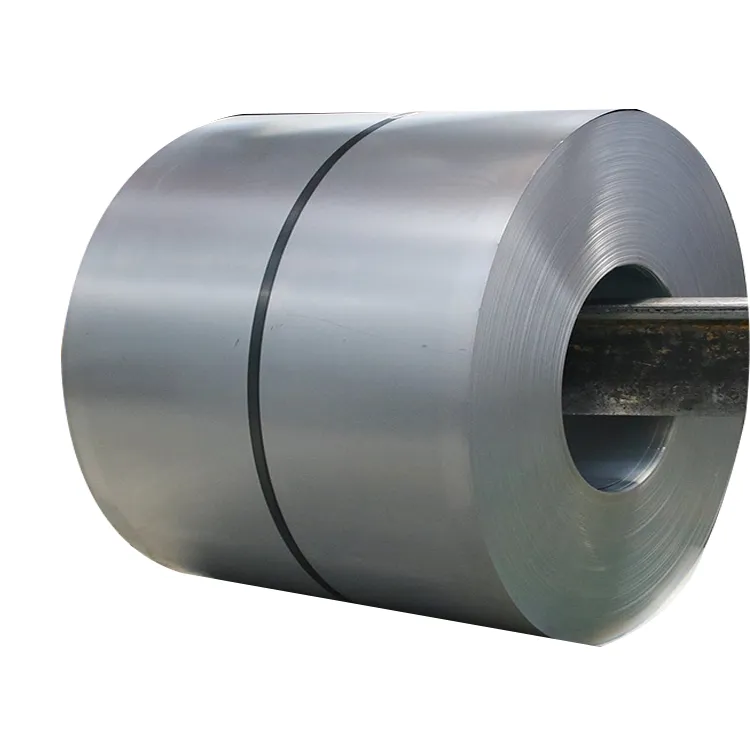
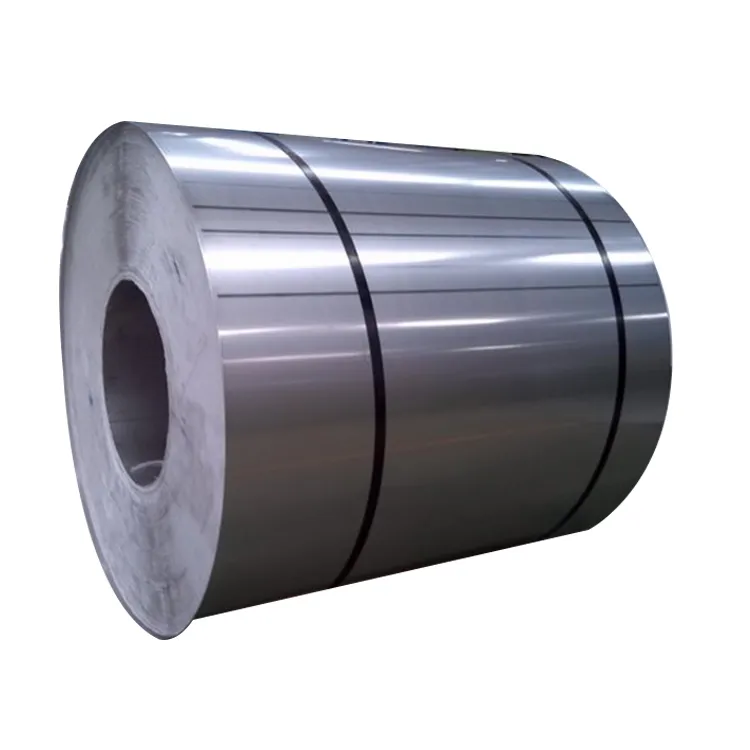
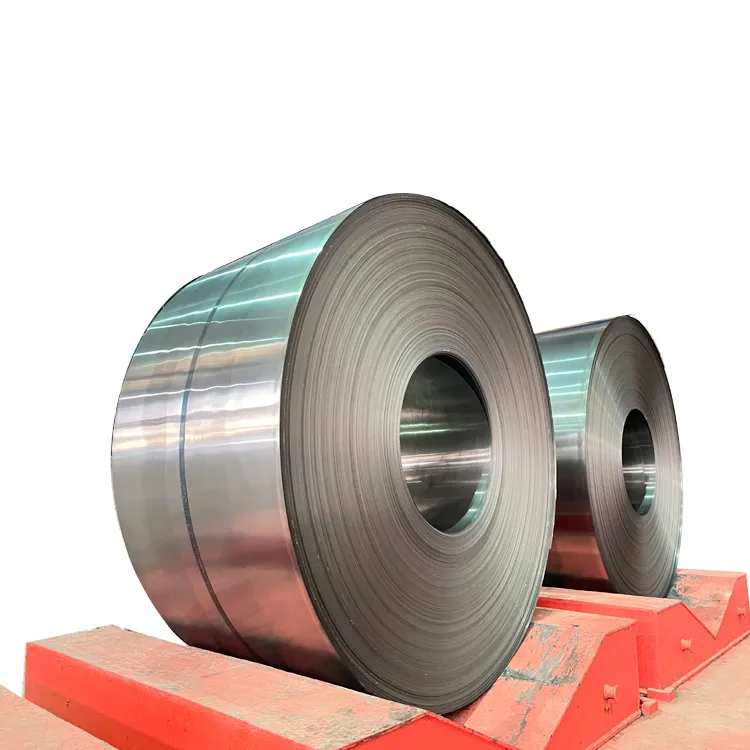
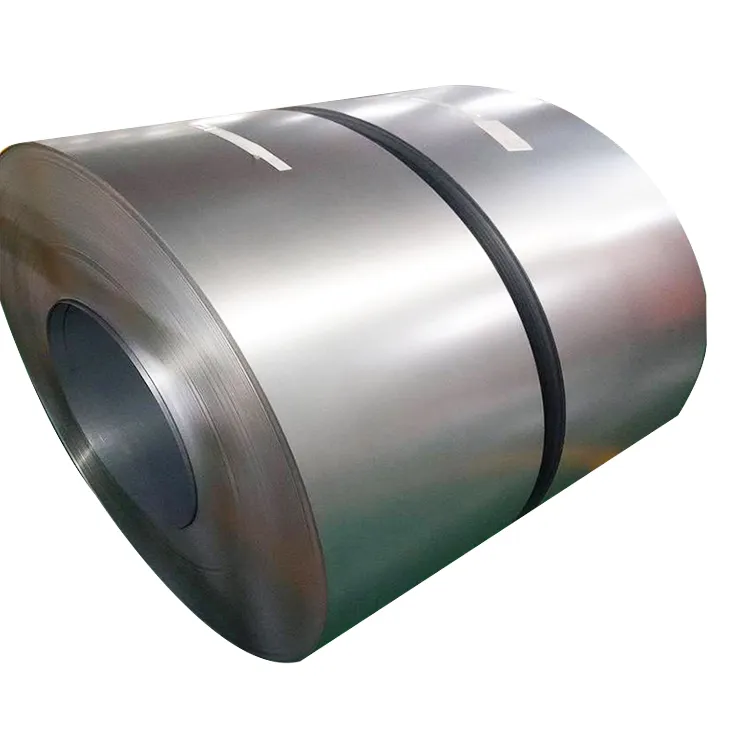
Cold Rolled Steel Coils for Precision Door Frame Forming
Cold rolled steel coils (CR coils) provide the superior surface finish, micro-level thickness uniformity, and high-ductility forming performance engineered for architectural interior door frames, acoustic door casings, and precision knock-down drywall jambs. Produced to commercial quality SPCC, DC01, and ASTM A1008 standards through continuous cold reduction and bell annealing, our cold rolled coils feature tight gauge tolerances within ±0.02 mm and an ultra-smooth matte surface finish (Ra 0.6–1.2 µm). Designed for high-speed continuous roll forming and flawless electrostatic powder coating, these coils guarantee sharp architectural corners without bend fracture.
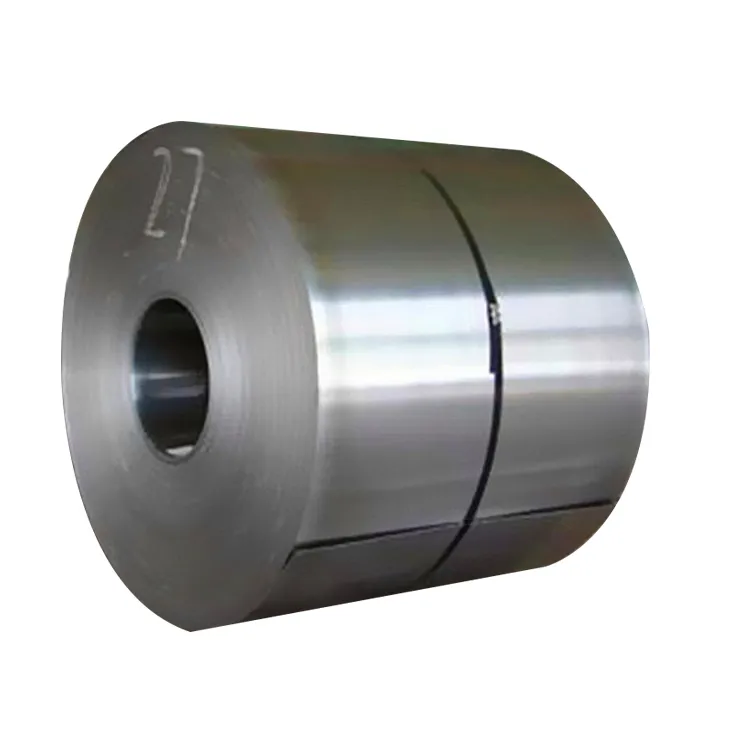 Rizhao Steel Cold Rolled Coil SPCC 0.5mm 1250mm Factory Price Discount ISO9001
- 700 mm ~ 900 mm
$450.00
MOQ: 1
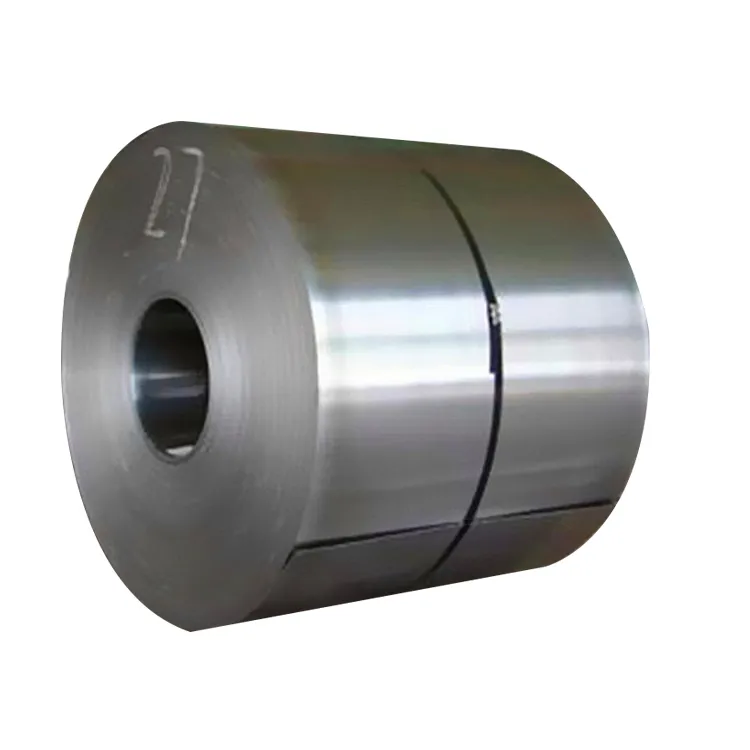 Q235 Cold Rolled Steel Coil 1.0mm 1000mm Competitive Price Large Stock
- 700 mm ~ 900 mm
$450.00
MOQ: 1
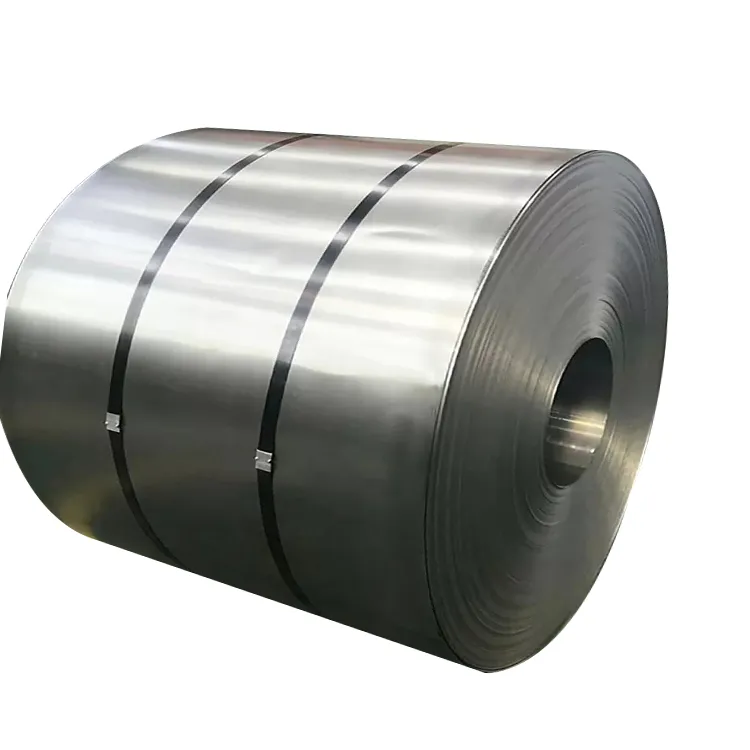 Q235 Cold Rolled Coil 0.6mm 1500mm Low Price First-Class Agent
- 700 mm ~ 900 mm
$450.00
MOQ: 1
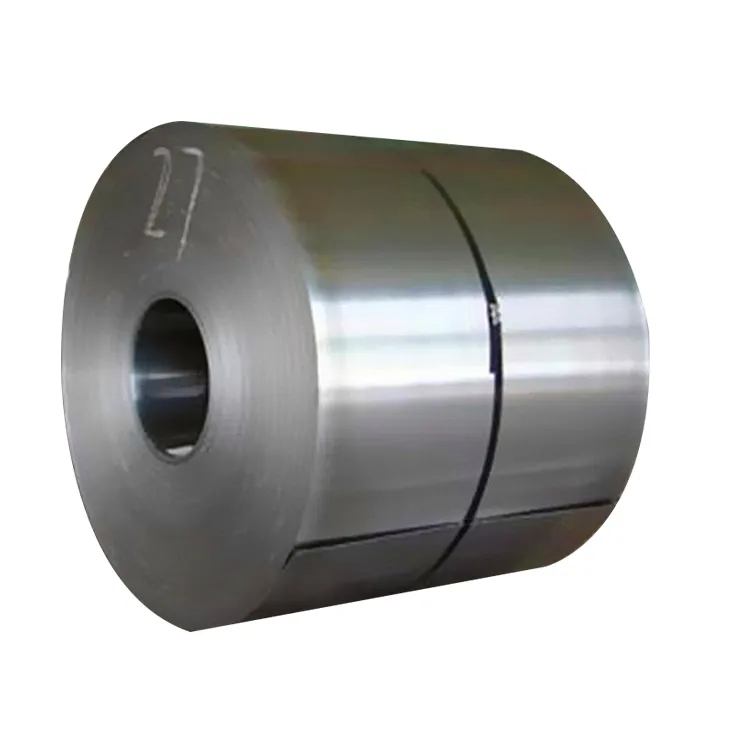 2.5mm 1000mm Factory Price State-Owned Mill Steel DC02 Cold Rolled Coil
- 700 mm ~ 900 mm
$450.00
MOQ: 1
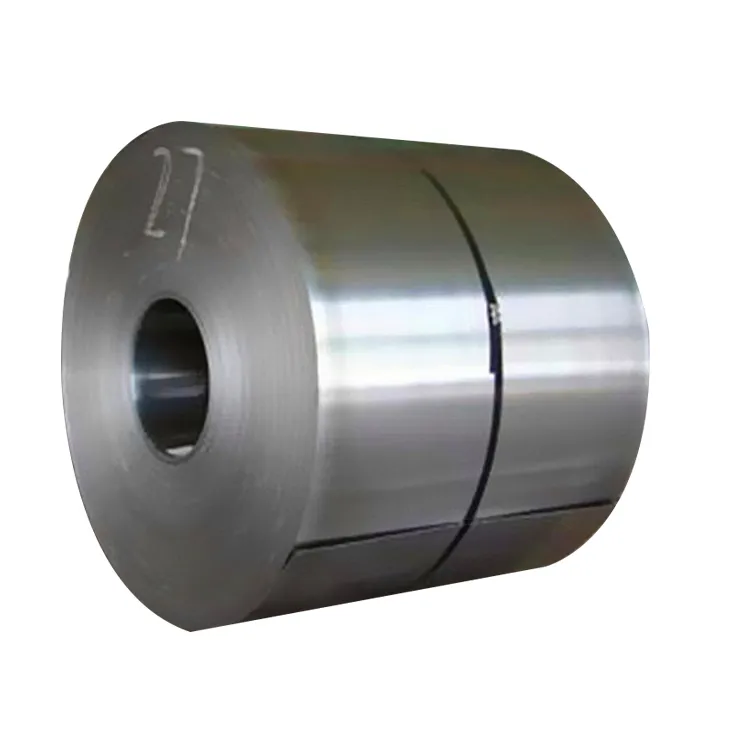 DC04 Cold Rolled Steel Coil 3.0mm 1500mm Competitive Price Large Stock
- 700 mm ~ 900 mm
$450.00
MOQ: 1
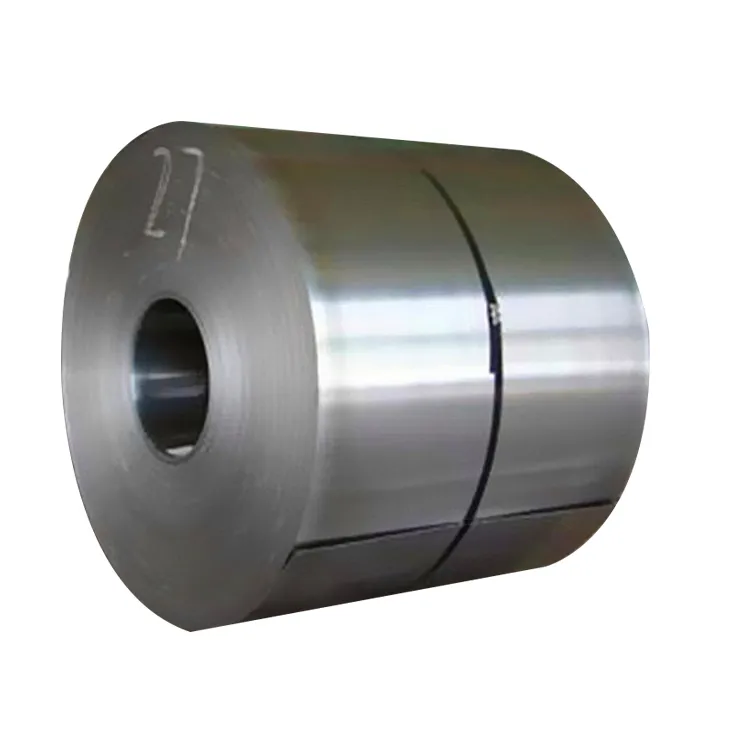 0.7mm 1250mm Discount Price ISO9001 Iron and Steel SPCC Cold Rolled Coil
- 700 mm ~ 900 mm
$450.00
MOQ: 1
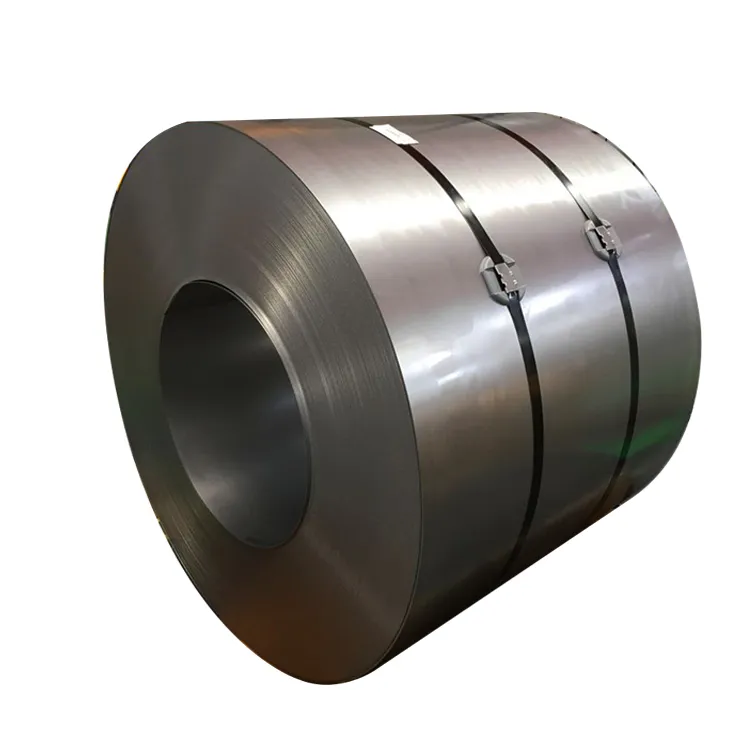 0.9mm 1000mm Factory Direct Price Fast Shipping Q235 Cold Rolled Steel Coil
- 700 mm ~ 900 mm
$450.00
MOQ: 1
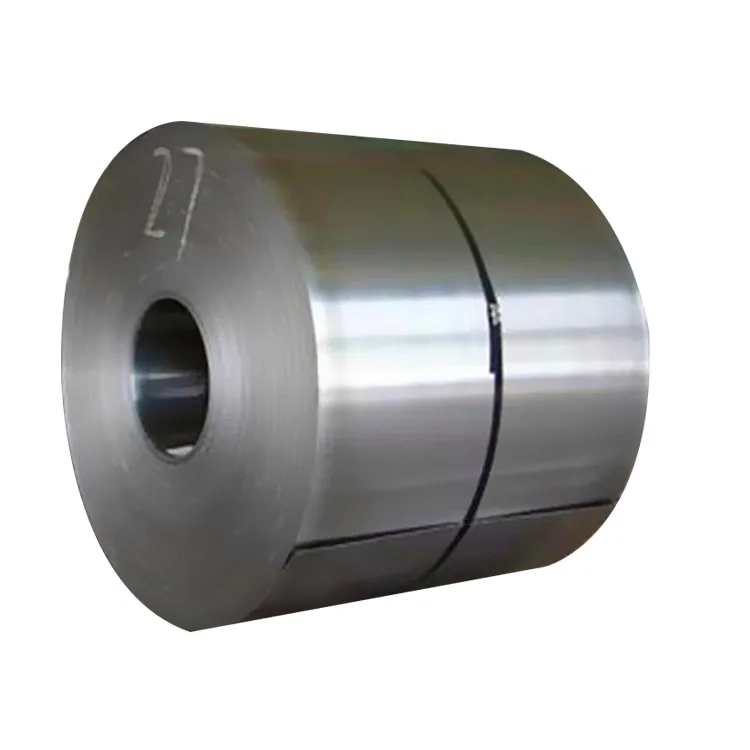 DC04 Cold Rolled Steel Coil 3.0mm 1500mm Competitive Price Large Stock
- 700 mm ~ 900 mm
$450.00
MOQ: 1
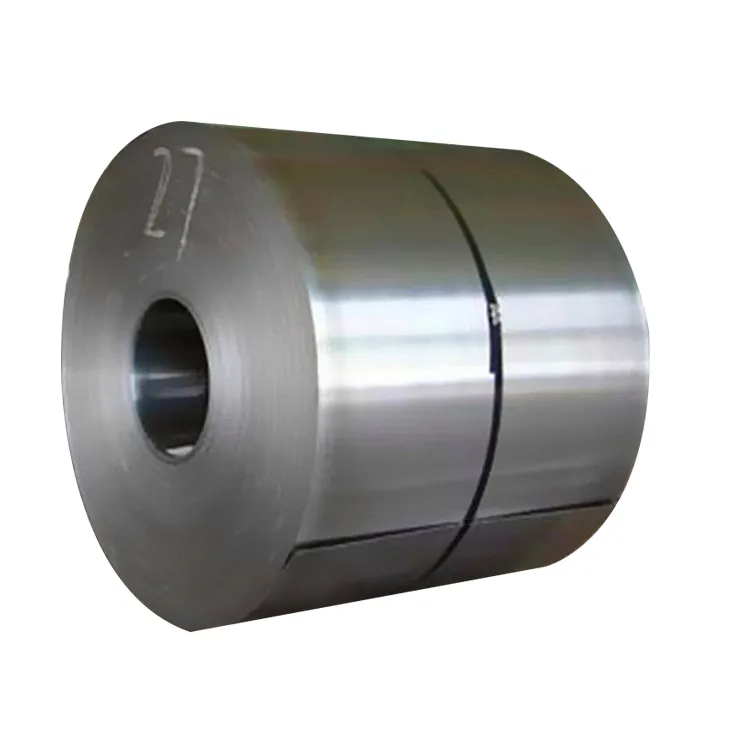 Q235 Cold Rolled Steel Coil 0.9mm 1000mm Factory Direct Price Fast Shipping
- 700 mm ~ 900 mm
$450.00
MOQ: 1
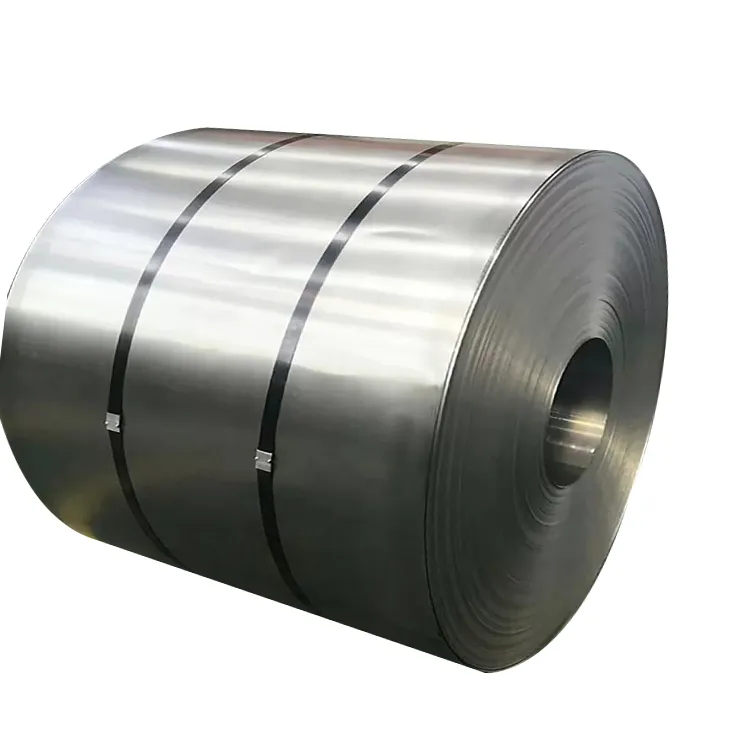 0.3mm 300mm Discount Price Annealed Surface DC02 Cold Rolled Steel Coil
- 700 mm ~ 900 mm
$450.00
MOQ: 1
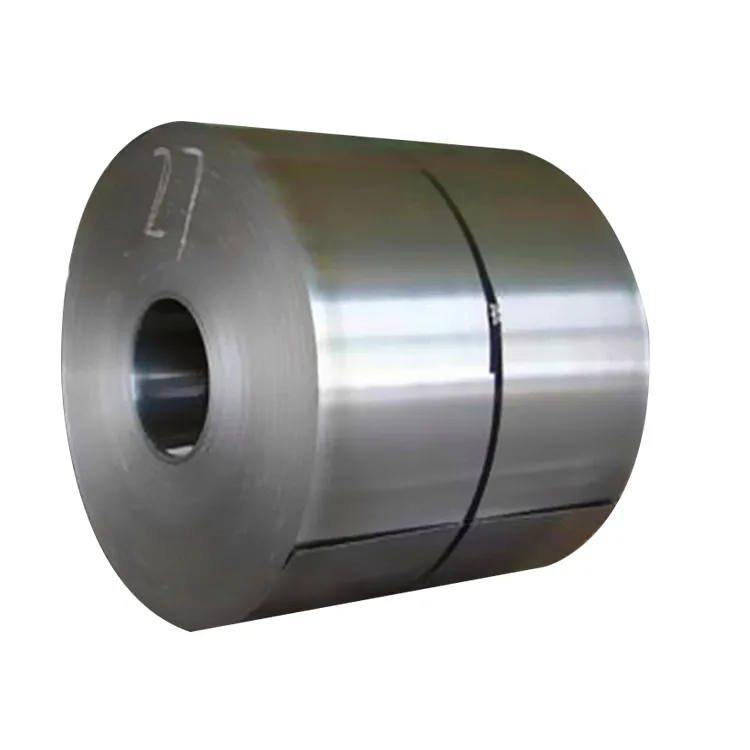 2.5mm 1000mm Factory Price State-Owned Mill DC02 Cold Rolled Coil
- 700 mm ~ 900 mm
$450.00
MOQ: 1
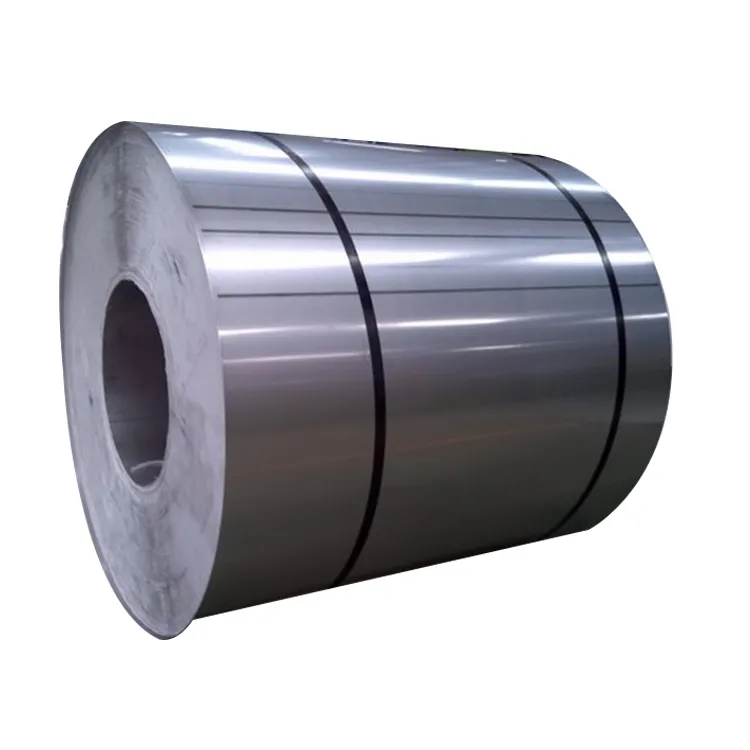 High Quality Low Carbon Cold Rolled Steel Coil Sheet Compliant ASTM/DIN Standards CE Certified Cutting Available 0.2-3mm
- customization+700 mm ~ 900 mm
$450.00
MOQ: 1
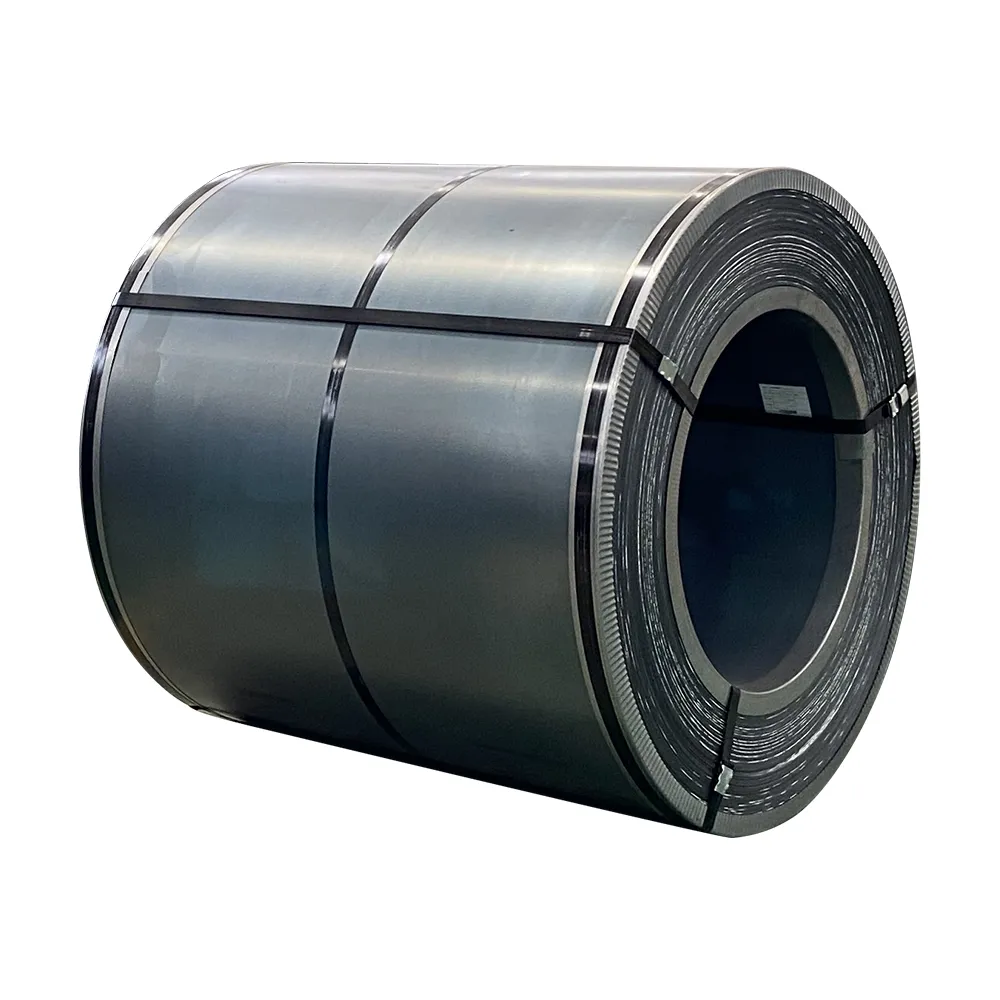 Deep Drawing Grade SPCD Cold Rolled Sheet 0.2mm 0.3mm 0.5mm
- customization+700 mm ~ 900 mm
$450.00
MOQ: 1
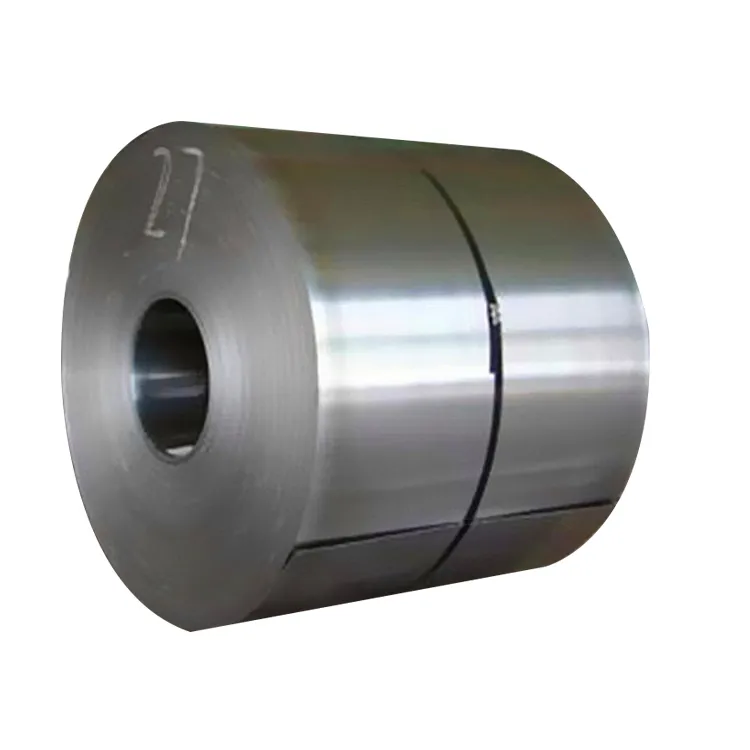 High Toughness 0.2MM 0.3MM 0.5MM DC01 Cold Rolled Coil Sheet for Processing of Automotive Component Tubes and Brackets
- customization+700 mm ~ 900 mm
$450.00
MOQ: 1
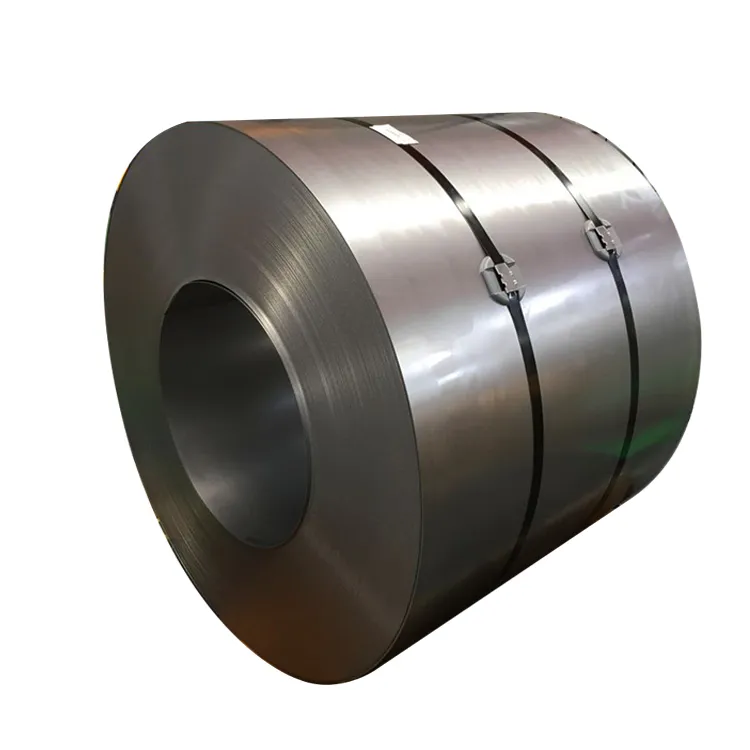 High Quality SPCC DC01 DC02 DC03 DC04 Cold Rolled Sheet Specialized Hardware for Home Appliance Shell Stamping
- customization+700 mm ~ 900 mm
$450.00
MOQ: 1
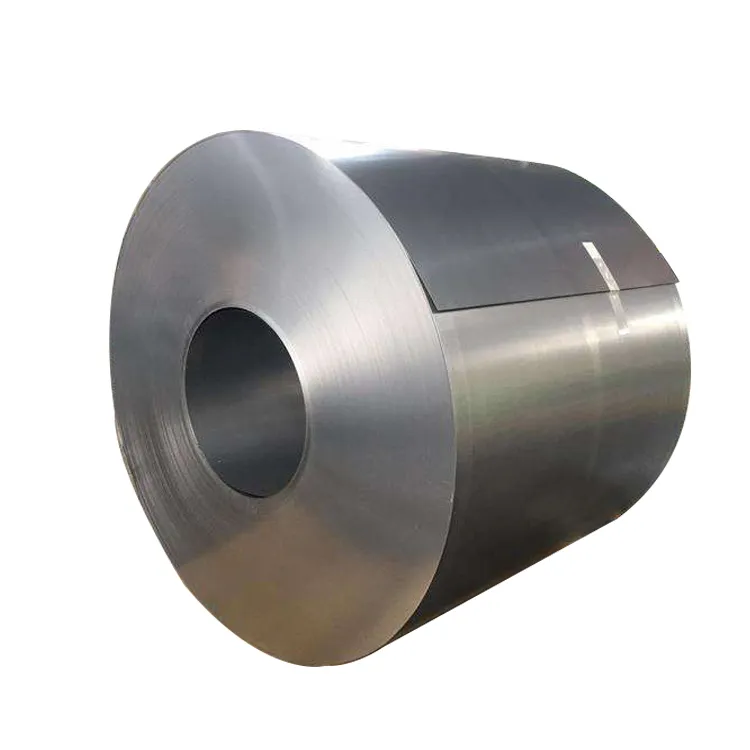 Deep Drawing Grade SPCD Prepainted Galvanized Steel Coil 0.8MM 1.0MM 1.5MM Cold Rolled Cutting for Complex Stamping Parts
- customization+700 mm ~ 900 mm
$450.00
MOQ: 1
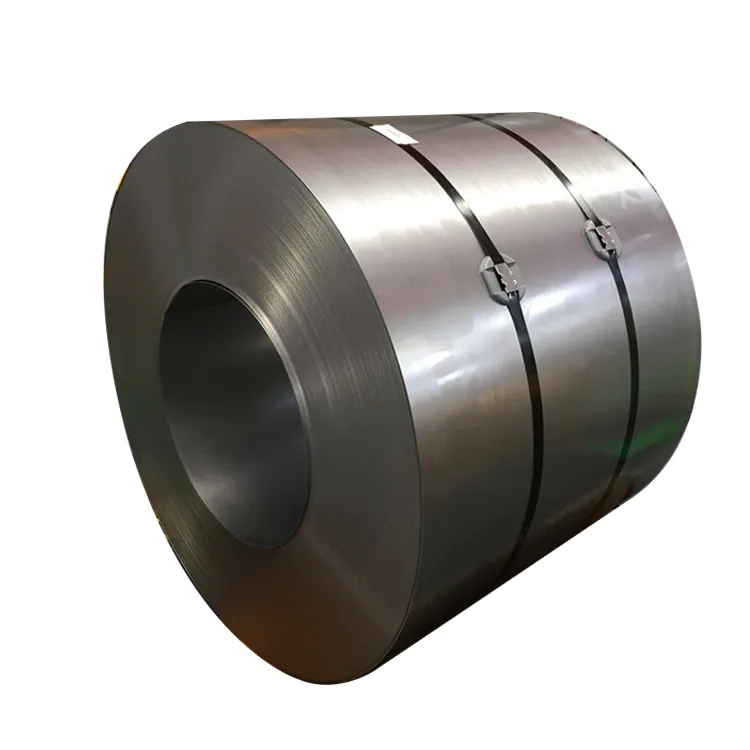 High Strength Prepainted Galvanized HC220YD 1.0MM 1.5MM 3.0MM Cold Rolled Coil Cutting for Automotive Structural Components
- customization+700 mm ~ 900 mm
$450.00
MOQ: 1
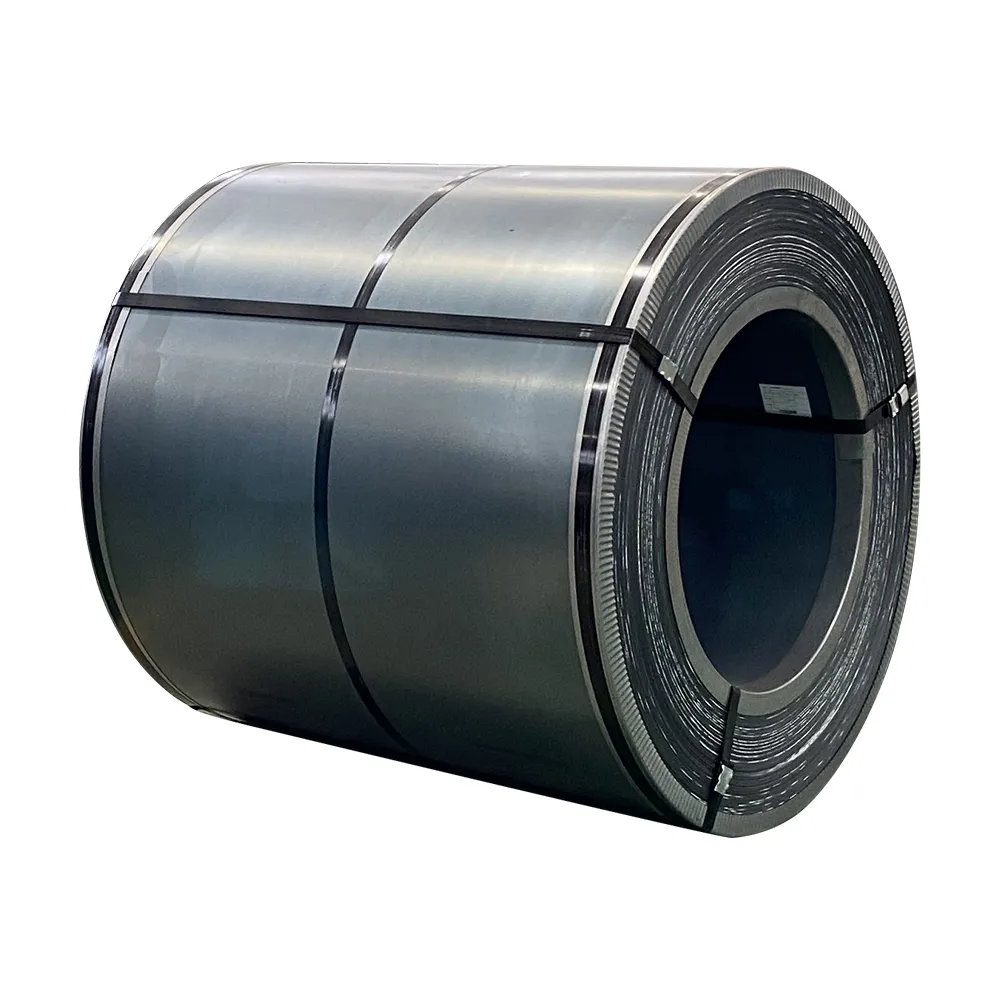 SPCC SPCD JIS SPCE DC01 DC03 DC04 0.8mm 1.2mm 1250mm Cold Rolled Coil for Automotive and Construction
- 1 001 mm ~ 1 250 mm
$450.00
MOQ: 20
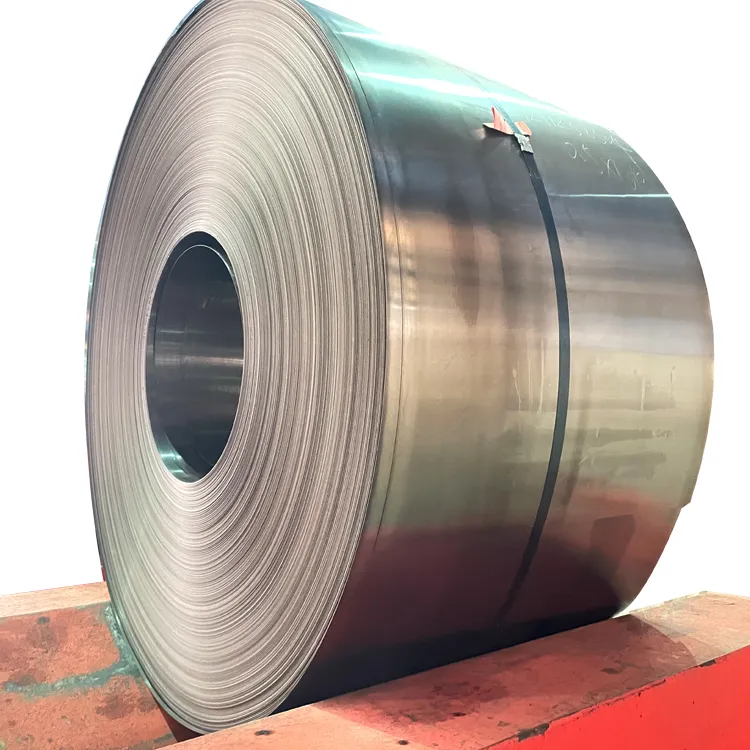 Q195 Q235 Dx51d Dx52D Dx53D G350 G450 G550 SPCC SGCC Black Annealed CRC Coil for Forming and Bending
- 1 001 mm ~ 1 250 mm
$450.00
MOQ: 20
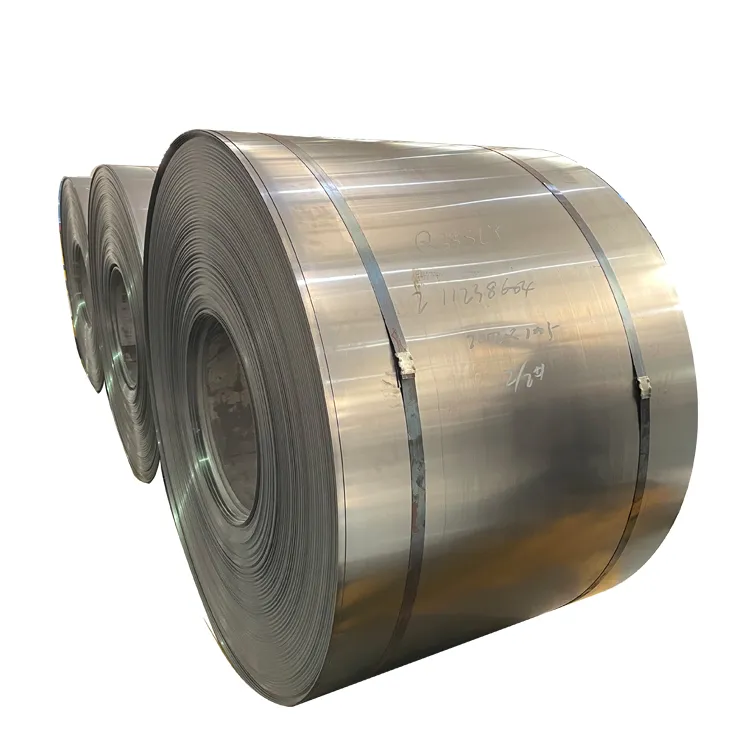 Full Hard Prime Quality SPCC DC01 SPCE DC04 0.6mm 0.8mm Flat Coil for Precision Parts and Welding
- 1 001 mm ~ 1 250 mm
$450.00
MOQ: 20
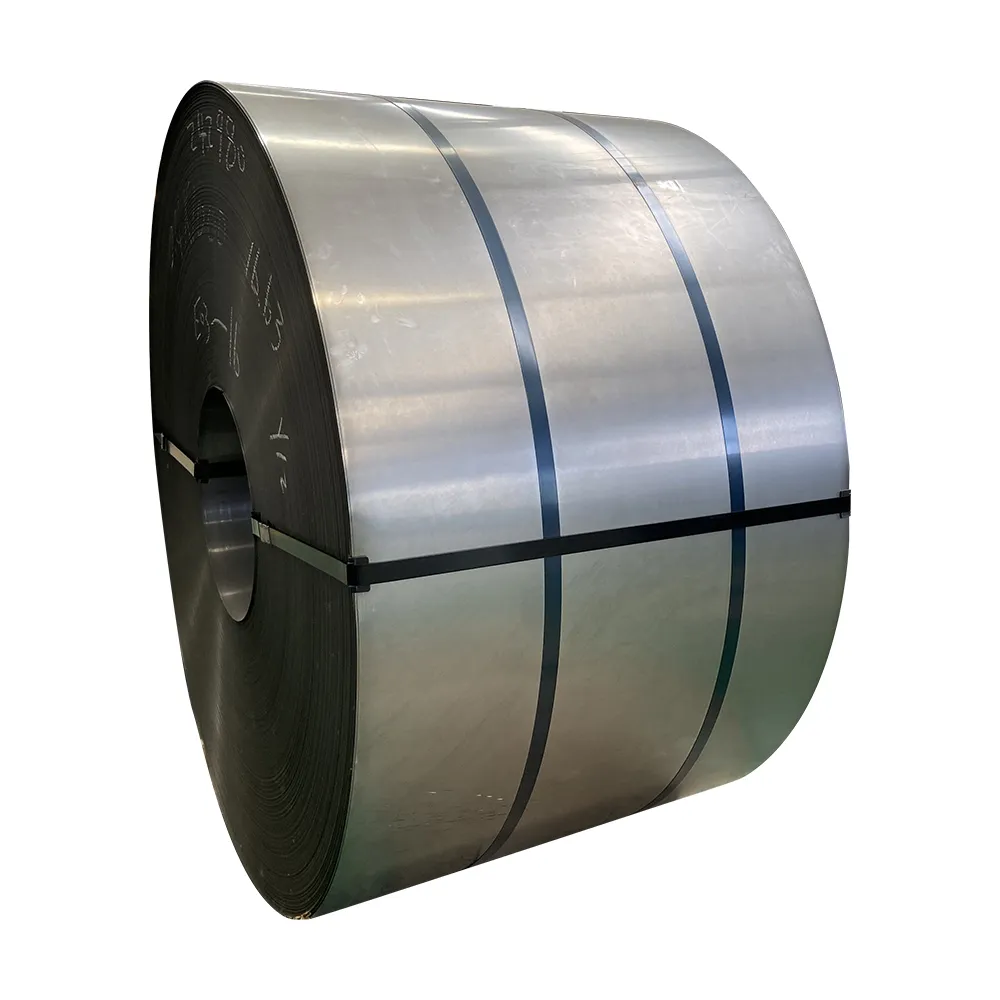 Manufacturer Supplied DC01 DC03 with Certificate Cold Rolled Steel in Coils for Industry and Stamping
- 1 001 mm ~ 1 250 mm
$450.00
MOQ: 20
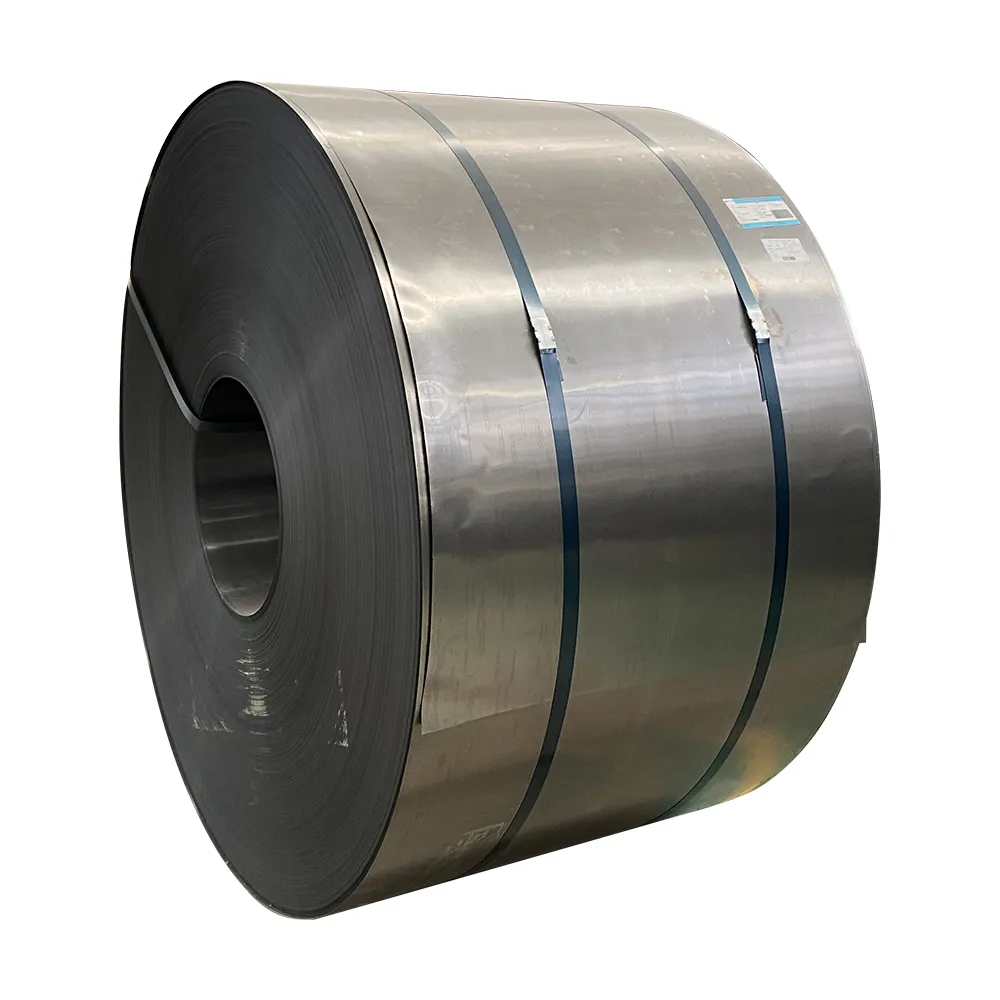 High Quality SUS630 A1008 SPCC SPCD Cold Rolled Steel Sheets in Coils for Deep Draw and Sheet Metal
- 1 001 mm ~ 1 250 mm
$450.00
MOQ: 20
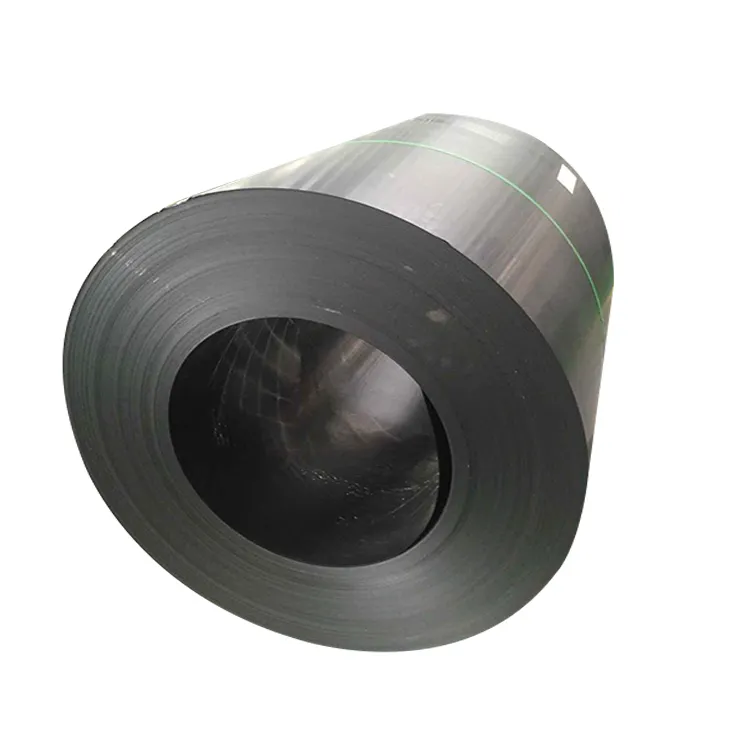 Low Carbon DC01 DC06 S65c G550 SPCC DC01cold Coil Base Rolled Steel 0.5mm 0.7mm for Decoration
- 1 001 mm ~ 1 250 mm
$450.00
MOQ: 20
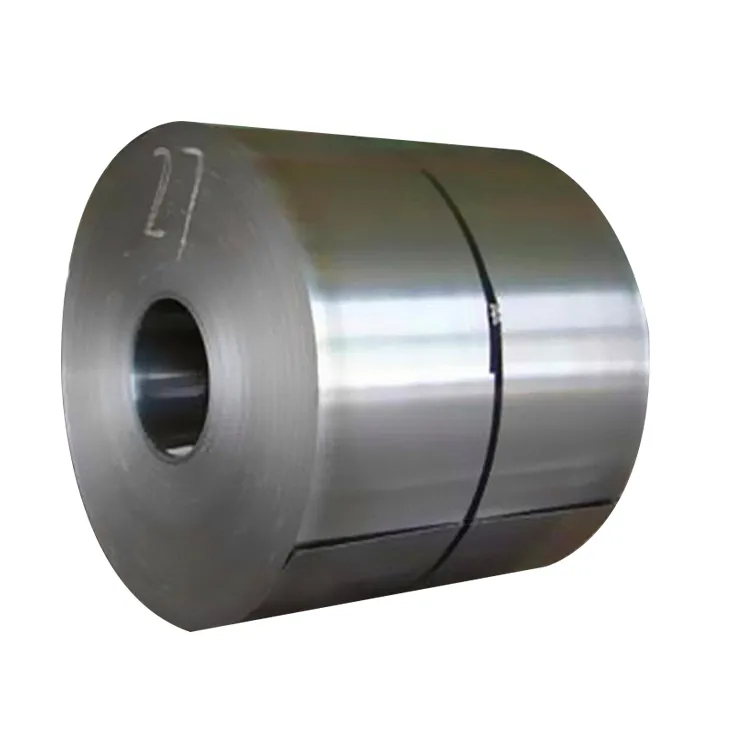
About Cold Rolled Steel Coils for Architectural Door Profiles
In high-end interior commercial architecture, hospital cleanrooms, educational facilities, and luxury hospitality developments, door frame aesthetic requirements demand silky-smooth surfaces completely devoid of spangle crystal textures or zinc coating irregularities. Cold rolled steel coils provide the gold-standard raw material substrate for hollow metal door jamb manufacturing where high-gloss painting, micro-millimeter dimensional tolerances, and ultra-crisp profile corner radii are specified by architectural designers.
Manufactured from low-carbon vacuum-degassed steel, our cold rolled coils undergo multi-stand cold reduction followed by batch bell annealing and precision temper skin-passing. This metallurgical processing guarantees complete elimination of yield point elongation, ensuring that the metal strip deforms smoothly through multi-station roll forming tooling without developing unsightly surface fluting or orange-peel textures. The uniform equiaxed ferrite grain structure delivers an elongation exceeding 32%, enabling tight 180-degree hemmed returns and intricate mitered corner joints without edge splitting.
Available in custom slit coil widths (100 mm to 650 mm) with light oiling or dry anti-rust protection, our cold rolled strip is certified to ASTM A1008, EN 10130, and JIS G3141 standards. The pristine cold rolled surface provides exceptional electrical conductivity for high-speed resistance spot welding of internal hinge and lock reinforcement plates, and ensures superior phosphating and paint adhesion.
Applications
Architectural Interior Hollow Metal Door Frame Fabrication
In architectural interior hollow metal door frame fabrication, precision 1.5mm cold rolled steel coil roll formed into single-rabbit interior architectural door casings for a luxury hotel. Engineered with precision miter joints, heavy reinforcement plates, and robust interlocking slats, these certified door assemblies resist forced entry and wind suction.
Hospital Cleanroom Flush Door Jamb Stamping & Forming
In hospital cleanroom flush door jamb stamping & forming, high-finish cold rolled steel strip formed into seamless flush door frames engineered for hygienic pharmaceutical cleanrooms. These heavy-duty roll-formed steel jambs and shutter curtains provide certified fire containment and perimeter security, ensuring dependable building compartmentalization.
Automated Resistance Spot Welding of Hinge Reinforcements
In automated resistance spot welding of hinge reinforcements, industrial multi-gun spot welding machine welding 3.0mm carbon steel hinge reinforcement plates to cold rolled door jamb channels. Manufactured from heavy-gauge galvanized steel, these architectural door profiles deliver tight air-seal closure, high impact resistance, and compliant life-safety performance.
High-Speed CNC Mitering & Corner Tab Stamping
In high-speed cnc mitering & corner tab stamping, hydraulic die press notching precision 45-degree miter joints and interlocking tabs into cold rolled door frame headers. Engineered with precision miter joints, heavy reinforcement plates, and robust interlocking slats, these certified door assemblies resist forced entry and wind suction.
Automated Electrostatic Powder Coating & Curing
In automated electrostatic powder coating & curing, high-gloss architectural powder coating applied to smooth cold rolled steel door frames in an automated conveyor spray booth. These heavy-duty roll-formed steel jambs and shutter curtains provide certified fire containment and perimeter security, ensuring dependable building compartmentalization.
Technical Overview
| Parameter | Information |
|---|---|
| Steel Substrate Grades Available | SPCC / SPCD (Commercial & Drawing Quality), DC01 / DC03 (EN 10130), ASTM A1008 CS Type B |
| Thickness Gauge Range | 0.80 mm to 2.00 mm (20 Gauge to 14 Gauge precision cold rolled sheet stock) |
| Slit Width Range | 100 mm to 1250 mm (custom slit coils with tightly deburred smooth slit edges) |
| Surface Finish Texture | Matte Finish (Ra 0.8–1.2 µm), Bright Smooth Finish (Ra ≤ 0.4 µm) |
| Mechanical Yield Strength | 180 MPa to 260 MPa (low springback for exact profile throat dimensions) |
| Tensile Strength Rm | 270 MPa to 390 MPa (optimum structural strength for commercial door frames) |
| Tensile Elongation A80 | ≥ 32% (superb ductility for sharp corner radii and deep hinge pocket stamping) |
| Surface Oiling Protection | Light Oiled (1.0–2.0 g/m²), Medium Oiled, Dry with VCI Paper Packaging |
| Gauge Thickness Tolerance | ± 0.02 mm (high-precision cold rolling ensuring zero profile tool jamming) |
| Applicable Standards | JIS G3141, EN 10130, ASTM A1008, ISO 3574, Mill Test Certificate EN 10204 3.1 |
FAQ
What are the advantages of cold rolled steel coils over galvanized steel for interior door frames?
Cold rolled steel features a significantly smoother surface (Ra 0.6–1.2 µm) with zero zinc crystal spangle, allowing flawless high-gloss electrostatic powder coating while offering tighter gauge tolerances and easier resistance welding.
What steel grades are most commonly used for hollow metal door frame roll forming?
SPCC (JIS G3141), DC01 (EN 10130), and ASTM A1008 CS Type B are standard commercial grades providing excellent ductility (elongation ≥32%) and uniform forming properties for complex multi-bend door jambs.
How is cold rolled steel protected from rust during transport and factory storage?
Coils are lightly electrostatic oiled (1.0–2.0 g/m²) with high-grade anti-rust oil, wrapped in VCI vapor-corrosion-inhibitor paper, and sealed with steel strapping on heavy wooden pallets to prevent moisture staining during transit.
Can cold rolled steel door frames be welded without surface preparation?
Yes, cold rolled steel has zero zinc coating vapor fumes, allowing faster, cleaner spot welding, projection welding, and laser welding of hinge reinforcing plates and corner gussets without porosity or weld spatter.
What thickness gauges are standard for commercial architectural door frames?
Common gauges are 1.2 mm (18 Gauge) for standard interior drywall frames, 1.5 mm (16 Gauge) for heavy commercial doors, and 2.0 mm (14 Gauge) for security and institutional entrance frames.
What surface roughness (Ra) is optimal for electrostatic powder coating adhesion?
A controlled matte finish with surface roughness Ra between 0.8 and 1.2 µm provides optimal mechanical interlock for powder coating primers while preventing surface orange-peel texture after oven curing.
How does batch annealing control yield strength and prevent springback in door roll forming?
Computer-controlled bell annealing recrystallizes the cold-worked grain structure, achieving an optimal yield strength of 180–240 MPa that minimizes elastic springback and ensures consistent 90-degree jamb corners.