Global B2B Roll Forming Sourcing Platform | Free RFQ Response within 24h

- Tuo AI

- Live

- My Account
- Shopping Cart
- Inquiry Basket
- Contact Us
- Back to Top




Aluminum Alloy Coils for Cable Tray & Marine Raceways
Aluminum alloy coils provide exceptional strength-to-weight ratios, natural atmospheric corrosion immunity, and outstanding electrical conductivity for specialized cable tray roll forming, marine raceway fabrication, and architectural electrical conduits. Precision cold rolled from premium magnesium and manganese wrought alloys—including commercial Grade 3003-H14, marine-grade 5052-H32, and structural 6061-T6—our aluminum coils feature tight gauge tolerances, superior bendability, and uniform surface finishes. Designed to resist harsh coastal salt atmospheres and corrosive industrial vapors while reducing structural deadweight by over sixty percent compared to steel, these coils ensure lasting performance across critical infrastructure projects.
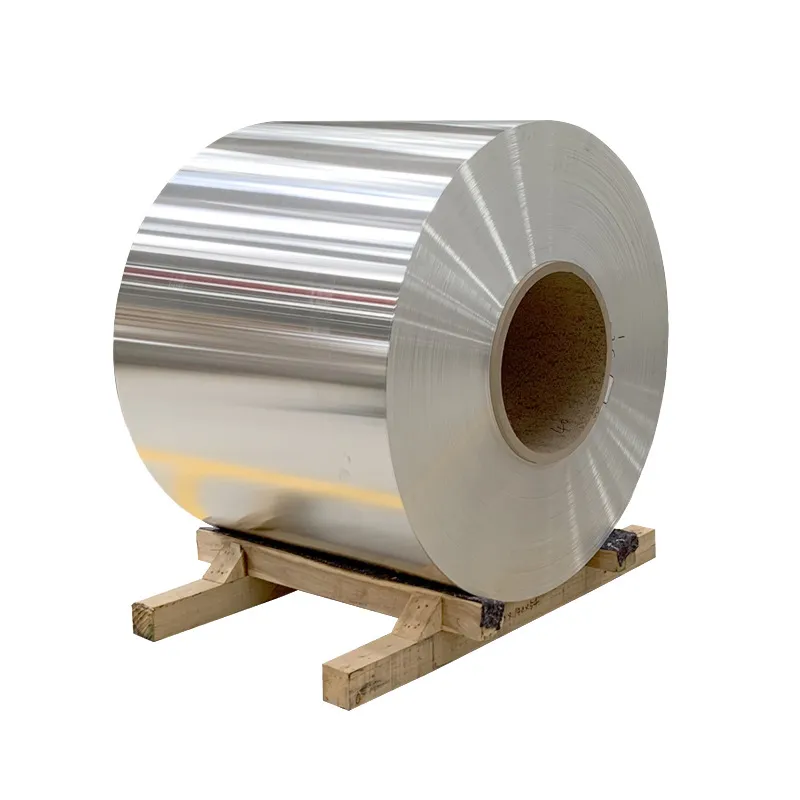 Construction 1070 A1100 3003 3004 5052 Aluminum Coil Sheet T3 T6 H24 H14 H26 H16 Mirror Aluminum Alloy Coil Roll
- Shanghai, China+15-21 days+As Your Request+Is Alloy+ACP,wall calding,facades,roofs .etc
$1,300.00
MOQ: 1
 1050 1060 1070 1100 7075 7005 Mirror Finish Aluminum Roll Coil 0.6mm 0.8mm 1.5mm Hot Rolled Aluminum Alloy Sheet Coil
- Shanghai, China+15-21 days+As Your Request+Is Alloy+ACP,wall calding,facades,roofs .etc
$1,300.00
MOQ: 1
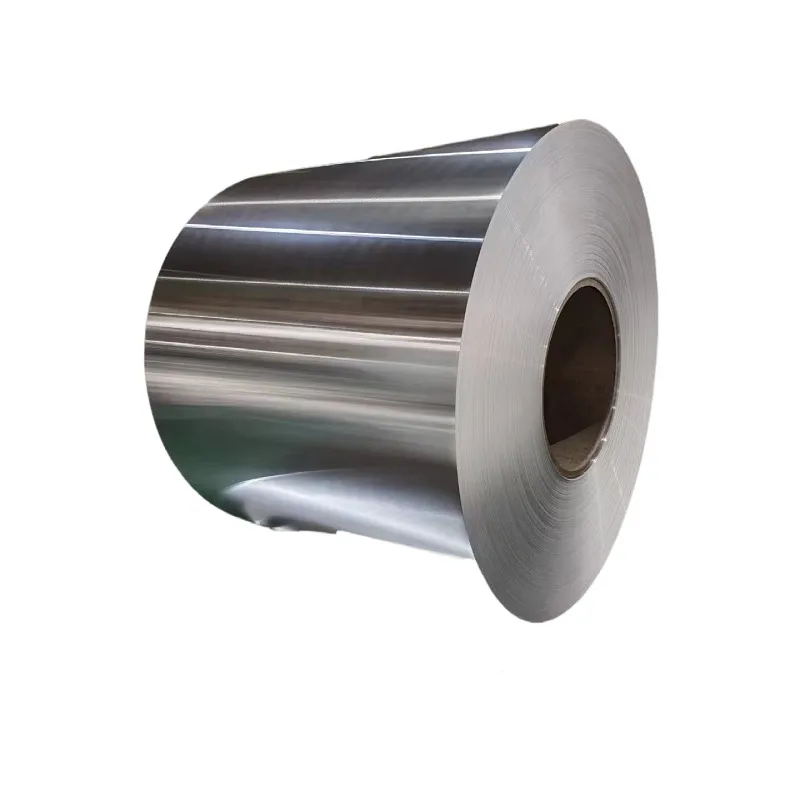 Construction 3 5 6series 0.1-8mm Thick Aluminum Coil Roll 3003 5005 5052 5083 6061 6063 Coated Aluminum Sheet Coil
- Shanghai, China+15-21 days+As Your Request+Is Alloy+ACP,wall calding,facades,roofs .etc
$1,300.00
MOQ: 1
 0.2mm 0.3mm 0.4mm Thick Coated Aluminum Sheet Coil 3003 5052 5083 6061 6063 T6 Cold Rolled Aluminum Alloy Coil Roll
- Shanghai, China+15-21 days+As Your Request+Is Alloy+ACP,wall calding,facades,roofs .etc
$1,300.00
MOQ: 1
 1060 1050 1100 3003 3004 5052 6061 Cold Rolled Anodized Aluminum Sheet Coil 0.4mm 0.5mm 0.6mm Aluminum Alloy Roll Coil
- Shanghai, China+15-21 days+As Your Request+Is Alloy+ACP,wall calding,facades,roofs .etc
$1,300.00
MOQ: 1
 On Sale 1050 3003 5052 5083 6061 6063 Cold Rolled Aluminum Coil Roll 0.2mm 0.45mm 0.5mm 0.7mm Mill Finish Aluminum Coil
- Shanghai, China+15-21 days+As Your Request+Is Alloy+ACP,wall calding,facades,roofs .etc
$1,300.00
MOQ: 1
 Perforated 0.4mm 0.55mm 1mm Coated Aluminum Coil Roll 1050 3003 5052 6061 6063 T6 Aluminum Alloy Coil for Roofing Sheet
- Shanghai, China+15-21 days+As Your Request+Is Alloy+ACP,wall calding,facades,roofs .etc
$1,300.00
MOQ: 1
 Product 0.4mm 0.6mm 0.8mm 1mm Cold Rolled Painted Aluminum Sheet Coils 1005 1060 1100 3003 5052 8011 Aluminum Foil Coil
- Shanghai, China+15-21 days+As Your Request+Is Alloy+ACP,wall calding,facades,roofs .etc
$1,300.00
MOQ: 1
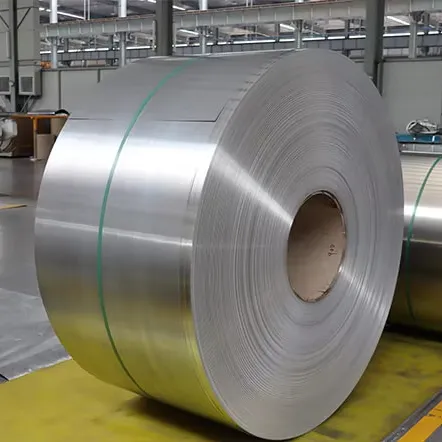 Supplier Manufacturer 0.2-8.0mm F O T4 T6 T651 Aluminum Alloy Coil Alloy 61S 6061 Aluminum Coil
- China+15-21 days+XIONGJI+Is Alloy+3C products, automotive wheels, troll case
$2,699.00
MOQ: 1
 Corrosion Resistant O Temper H32 Temper 5052 5005 5083 5182 5454 5754 Structural Aluminum Coil for Marine Rail Automotive
- China+15-21 days+XIONGJI+Is Alloy+Transport, construction, industrial vessels
$1,239.00
MOQ: 1
 High Quality Industrial 12mm H14 H16 O H24 Aluminum Coil 3003 3004 3104 3105 Premium Aluminum Coil for Can Material 6061
- China+15-21 days+XIONGJI+Is Alloy+Color coated substrate,lamp cap,blind,can material
$2.30
MOQ: 1000
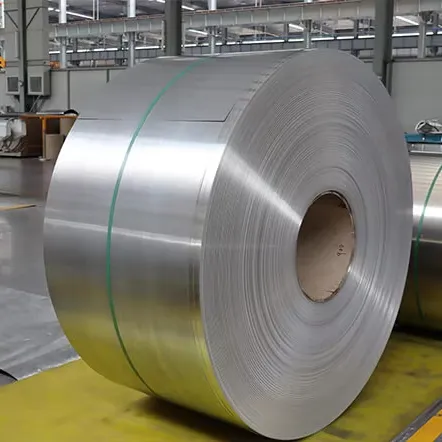 Supplier 0.2mm H12 Temper Corrosion Resistant 1000 Series 1100 1060 1050 Pure Aluminum Coil for Transport
- China+15-21 days+XIONGJI+Is Alloy+Transport, marine, auto, construction, vessels
$1,699.00
MOQ: 1
 Structural Aluminum Coil Marine Automotive | O/H32 Temper 5052 5005 5083 5182 5454 5754 Corrosion-Resistant Alloy Bending Custom
- China+15-21 days+XIONGJI+Is Alloy+Transport, construction, industrial vessels
$1,239.00
MOQ: 1
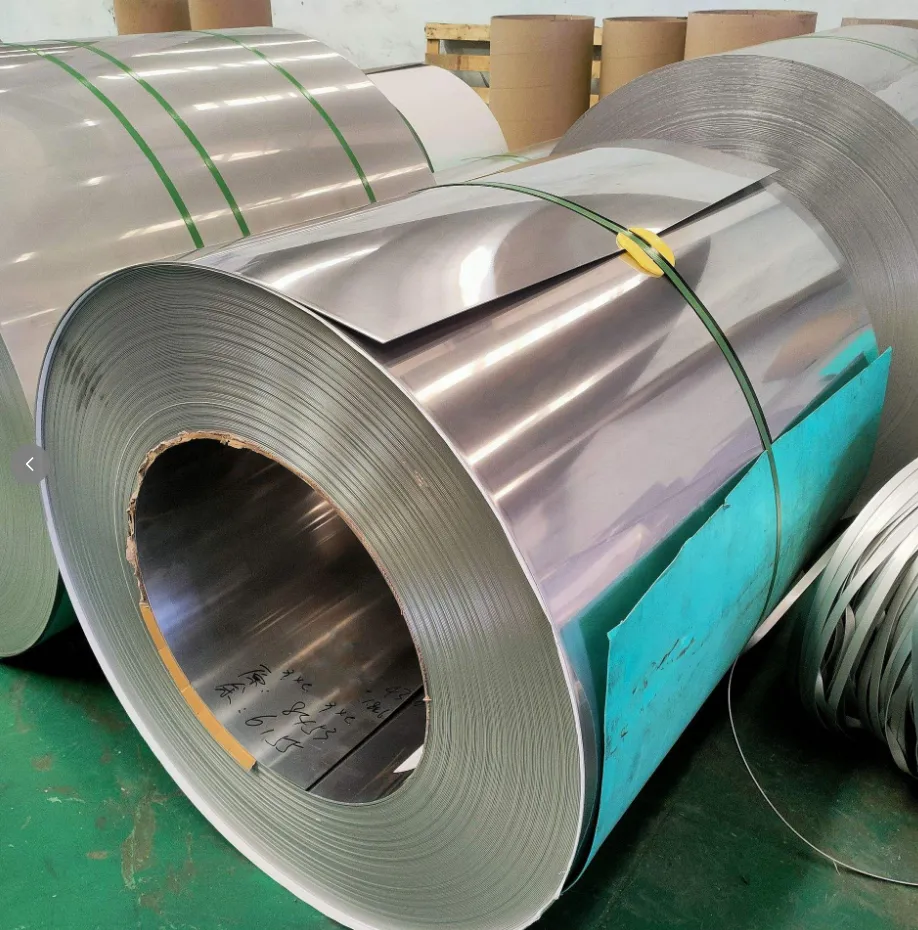 Multi-Application Aluminum Coil | Corrosion-Resistant 5083, 5182, 5052, 5754, 5005, 5454 for Heavy Industry
- China+8 ~ 14 days+XIONGJI+Is Alloy+Transport, construction, industrial vessels
$1,200.00
MOQ: 1
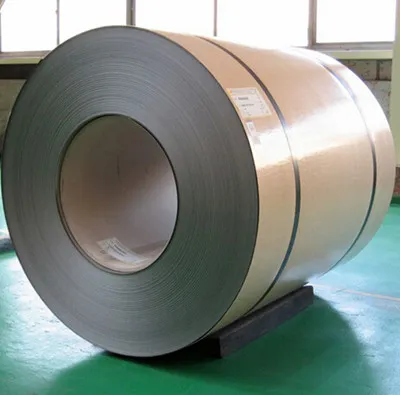 Marine & Automotive Structural Aluminum Coil - Alloy 5083 5182 5454 5754 5052 5005 O/H32 Temper
- Shanghai, China+8 ~ 14 days+XIONGJI+Is Alloy+Transport, construction, industrial vessels
$1,599.00
MOQ: 1


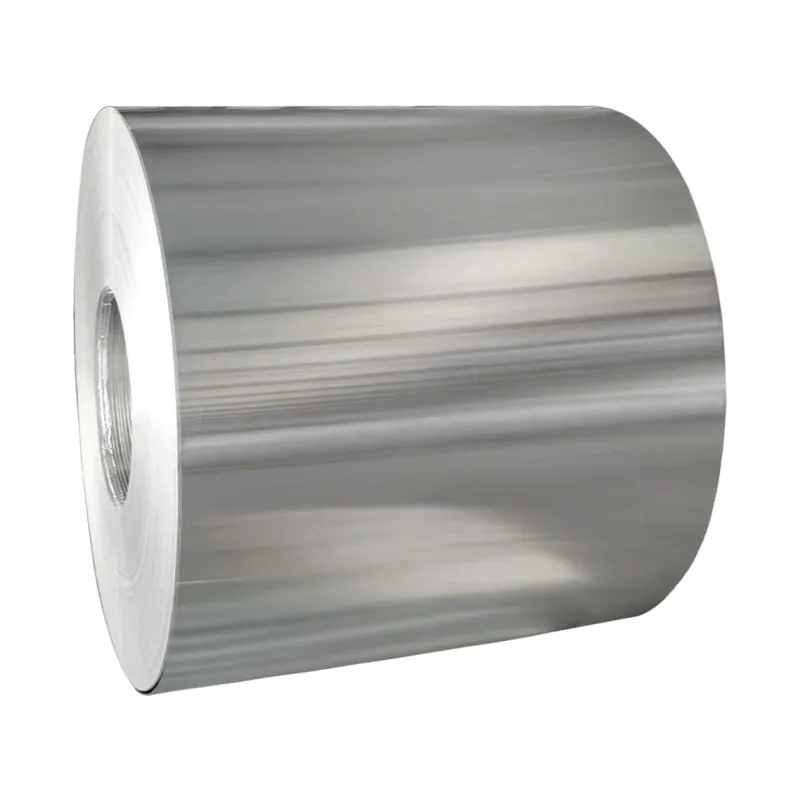


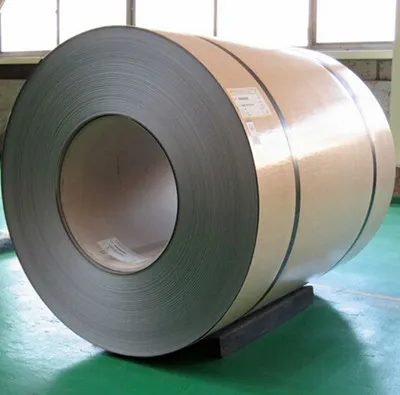
About Aluminum Alloy Coils for Cable Tray & Marine Raceways
Aluminum alloy coils represent the modern lightweight engineering standard across high-capacity cable management systems, offshore electrical raceways, and advanced industrial facilities. In installations requiring extensive overhead cable tray networks—such as data centers, offshore oil platforms, and long-span commercial buildings—steel cable trays impose immense deadweight on supporting building roof structures. Aluminum cable trays provide comparable mechanical load-bearing capacity at approximately one-third the weight of carbon steel, dramatically simplifying ceiling suspension and accelerating job-site assembly.
Our aluminum coil inventory features manganese-alloyed Grade 3003-H14 for cost-effective forming and moderate strength, alongside high-magnesium Grade 5052-H32 specifically engineered for aggressive marine environments, saltwater spray, and offshore chemical processing. The natural aluminum oxide surface film instantly self-heals when scratched, eliminating the risk of progressive corrosion creep or coating flaking during precision punching and continuous cold roll forming.
Available in mill finish, passivated, or pre-anodized surface tempers, each coil is precision slitted with tight edge-camber control and burr-free edges, protected by transparent or blue laser PE film. Strict metallurgical homogenization guarantees consistent tensile yield parameters, preventing orange-peel micro-fracturing or springback distortion across automated multi-station roll forming lines and stamping presses worldwide.
Applications
Lightweight Marine Offshore Cable Ladder Siderail Forming
In lightweight marine offshore cable ladder siderail forming, continuous cold roll forming of Grade 5052 aluminum alloy C-channel side rails and rungs for marine vessels and offshore drilling platform raceways. Engineered with smooth edges and ventilation patterns, these modular cable raceways prevent insulation damage and ensure continuous electrical earth bonding.
Industrial Chemical Plant Anodized Aluminum Cable Tray Profiling
In industrial chemical plant anodized aluminum cable tray profiling, forming high-durability anodized aluminum perforated cable trays designed to resist acidic chemical vapors and coastal refinery salt air. These rigid galvanized and stainless steel cable pathways provide superior structural span capacity, facilitate heat dissipation, and support high-voltage power networks.
Commercial Data Center Overhead Aluminum Cable Raceway Bending
In commercial data center overhead aluminum cable raceway bending, precision bending of lightweight aluminum alloy electrical raceways and wireways for ceiling suspension across hyperscale cloud server data halls. Featuring high load-carrying capacity and modular hardware, these certified cable routing systems protect critical cabling while enabling organized overhead deployment.
High-Speed Rail Transit Tunnel Corrosive Environment Cable Trunking
In high-speed rail transit tunnel corrosive environment cable trunking, roll forming heavy-gauge aluminum alloy cable trough covers and channels engineered for railway transit tunnels with high humidity. Engineered with smooth edges and ventilation patterns, these modular cable raceways prevent insulation damage and ensure continuous electrical earth bonding.
Rooftop Solar Photovoltaic Weather-Resistant Conduit Channel Fabrication
In rooftop solar photovoltaic weather-resistant conduit channel fabrication, manufacturing lightweight, rust-proof aluminum cable management channels and mounting brackets for utility commercial rooftop solar arrays. Engineered from high-strength alloys, these mounting assemblies provide exceptional structural rigidity, rapid bolt-together alignment, and durable cathodic corrosion protection.
Technical Overview
| Parameter | Information |
|---|---|
| Aluminum Alloy Grades | Wrought Alloy 3003-H14, 5052-H32, 5005-H34, 6061-T4/T6 (ASTM B209) |
| Chemical Composition (3003) | 1.0-1.5% Mn, 0.05-0.20% Cu, max 0.6% Si, max 0.7% Fe, balance Al |
| Chemical Composition (5052) | 2.2-2.8% Mg, 0.15-0.35% Cr, max 0.25% Si, max 0.40% Fe, balance Al |
| Thickness Range Available | 1.00 mm – 4.00 mm (precision cold rolled gauge tolerance +/- 0.02 mm) |
| Coil Slit Width Range | 50 mm – 1250 mm (precision slitted with low-clearance carbide knives) |
| Surface Temper & Finish | Mill Finish Smooth, Passivated, Anodized (10-15 µm), Protective PE Film |
| Tensile Strength Range | 140 – 200 MPa (Grade 3003-H14); 210 – 280 MPa (Grade 5052-H32) |
| Yield Strength Range | 115 – 160 MPa (Grade 3003-H14); 160 – 220 MPa (Grade 5052-H32) |
| Electrical Conductivity | 40% to 50% IACS (inherent equipment grounding conductor capability) |
| Manufacturing Standards | ASTM B209, EN 485, EN 573, JIS H4000, ISO 9001 Certified Material |
FAQ
Why is Grade 5052 aluminum preferred over Grade 3003 for marine cable trays?
Grade 5052 contains approximately 2.5% magnesium and 0.25% chromium, providing substantially higher mechanical yield strength and superior resistance to saltwater pitting and alkaline chemical attack compared to commercial 3003 alloy.
How does aluminum's weight reduction benefit commercial cable tray installation?
Aluminum weighs approximately 2.7 g/cm³ compared to 7.85 g/cm³ for carbon steel—a 65% weight reduction—which significantly reduces structural dead load on ceiling trusses, allows longer support spans, and enables single-worker handling.
Can aluminum alloy coils undergo severe 90-degree roll forming bends without cracking?
Yes, our 3003-H14 and 5052-H32 coils maintain optimal elongation ratings (10% to 15%), permitting tight internal bending radii (1T to 2T) without micro-fissuring or outer flange tearing on continuous roll forming machinery.
Does aluminum cable tray require surface coating or painting for corrosion defense?
Under normal industrial, commercial, and coastal atmospheres, aluminum requires no painting because its spontaneous aluminum oxide surface film provides permanent barrier defense; anodizing or powder coating is specified primarily for architectural aesthetics.
How does aluminum's electrical conductivity impact cable tray electrical grounding?
Aluminum provides high electrical conductivity (approx. 50% to 60% IACS), making aluminum cable trays inherently efficient equipment grounding conductors (EGC) conforming strictly to NEC Article 392 standards.
What surface protective films are applied to aluminum coils during slitting?
Coils are laminated with 50 to 80 micron UV-resistant polyethylene (PE) protective films that protect pristine surfaces from tooling scuff marks, metal particulate contamination, and scratch damage during automated roll forming and transit.
Can aluminum cable trays be bolted directly onto galvanized steel strut channels?
Direct contact between aluminum and galvanized steel in outdoor or humid settings can induce galvanic couples; utilize nylon isolating washers, EPDM pads, or stainless steel fasteners to permanently isolate dissimilar metals.