Global B2B Roll Forming Sourcing Platform | Free RFQ Response within 24h

- Tuo AI

- Live

- My Account
- Shopping Cart
- Inquiry Basket
- Contact Us
- Back to Top




Cable Tray Roll Forming Raw Material Metal Coils
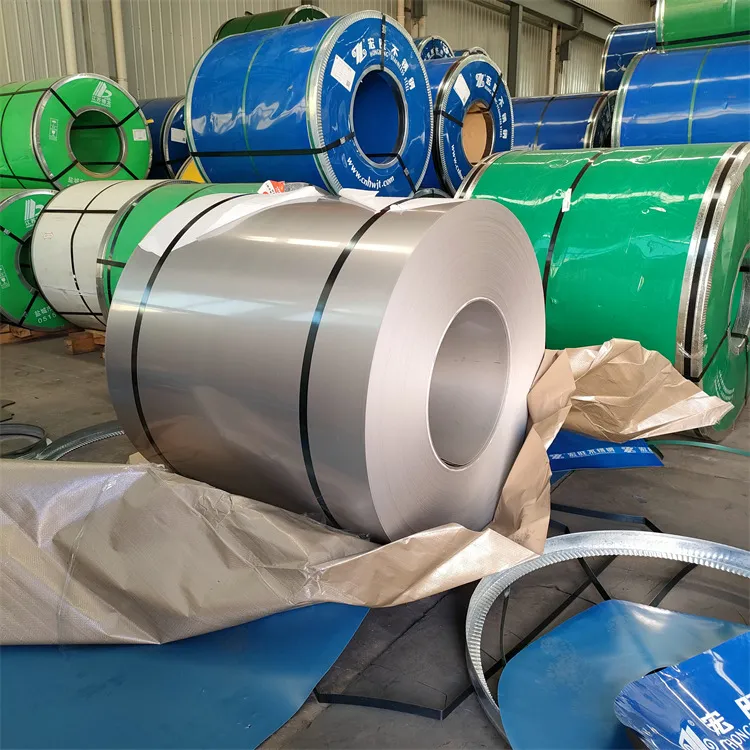
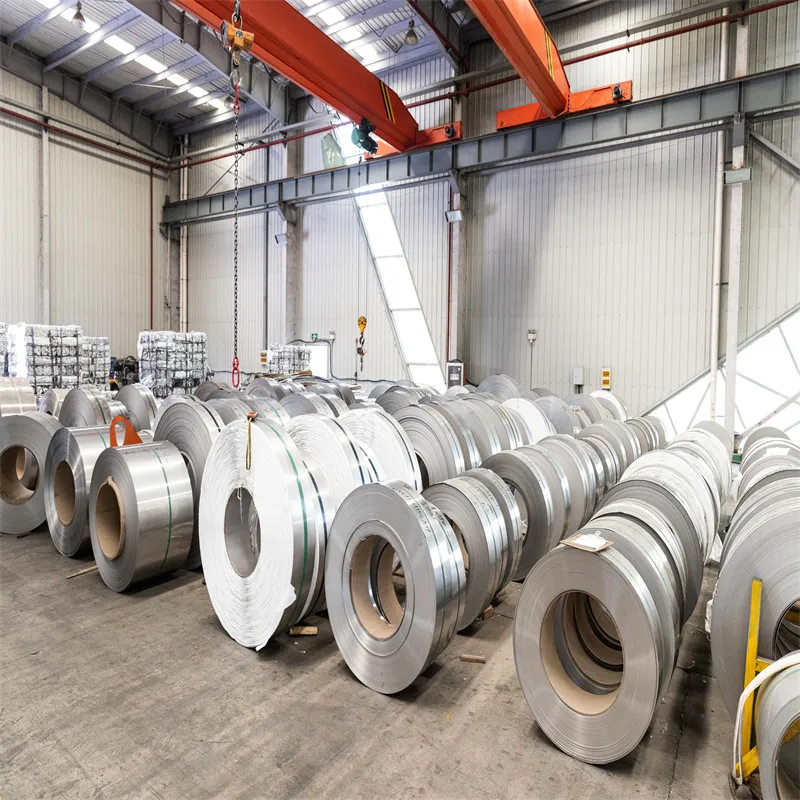
Cable tray roll forming raw material metal coils provide the structural load-bearing capacity, superior electrical grounding continuity, excellent perforating ductility, and multi-decade atmospheric corrosion resistance essential for automated production of perforated cable trays, cable ladder side rails, and wire mesh trunking. Sourced from certified primary steel mills, our coil portfolio encompasses heavy hot-dip galvanized steel coils (zinc coatings from Z275 to ultra-heavy Z600), marine-grade 304/316 stainless steel coils, and structural architectural aluminum alloy 5052-H32 / 6063 coils. Precision-slit with burr-free edges and tight thickness consistency, these coils guarantee high-speed continuous roll forming without micro-cracking.
 Hot Dipped Galvanized Steel Coils for Cutting Welding Bending High Strength Galvanized Steel Coil
- custom+900 mm ~ 1000 mm
$570.00
MOQ: 1
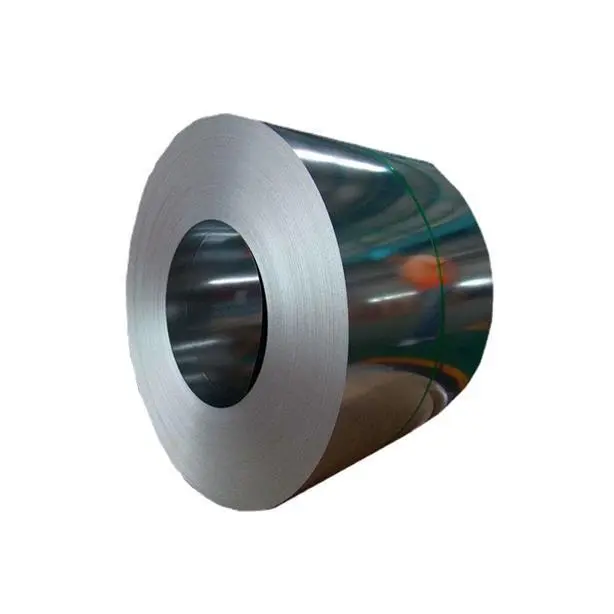 ASTM Dx51D Dx52D Sgcc Spcc Hot Cold Rolled Galvanized Iron Steel Coils Fence Panels Pre Painted Galvanized Steel Coil
- Shanghai, China+8-14 Days+DX51D+Z DX52D+Z DX53D+Z DC51D+Z+Non-oiled+Yes
$490.00
MOQ: 1
 Building Prepainted Galvanized Steel Coil Ppgi ASTM Dx51D Dx52D Dx53D Hot Dipped Galvanized Steel Coil
- custom+900 mm ~ 1000 mm
$500.00
MOQ: 1
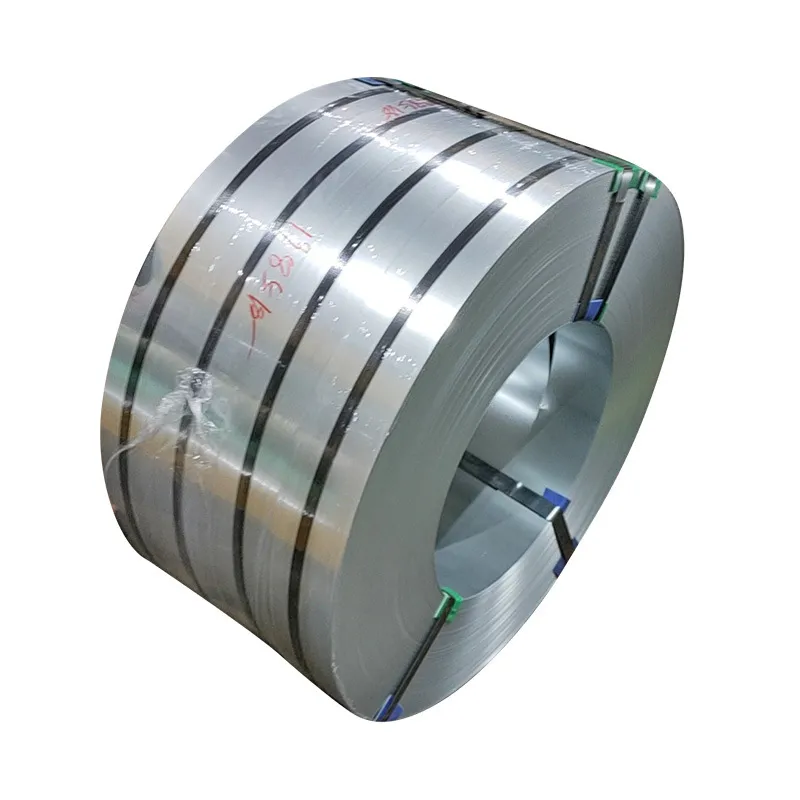 Dx52d Z20-Z275 Zinc Galvanized Steel Roofing Sheet Coil ASTM A792 A36 Q195 Q235 Prime Hot Dip Galvanized Steel in Coils
- Shanghai, China+8 ~ 14 days+SGCC/CGCC/DX51D+Non-oiled+Yes
$500.00
MOQ: 1
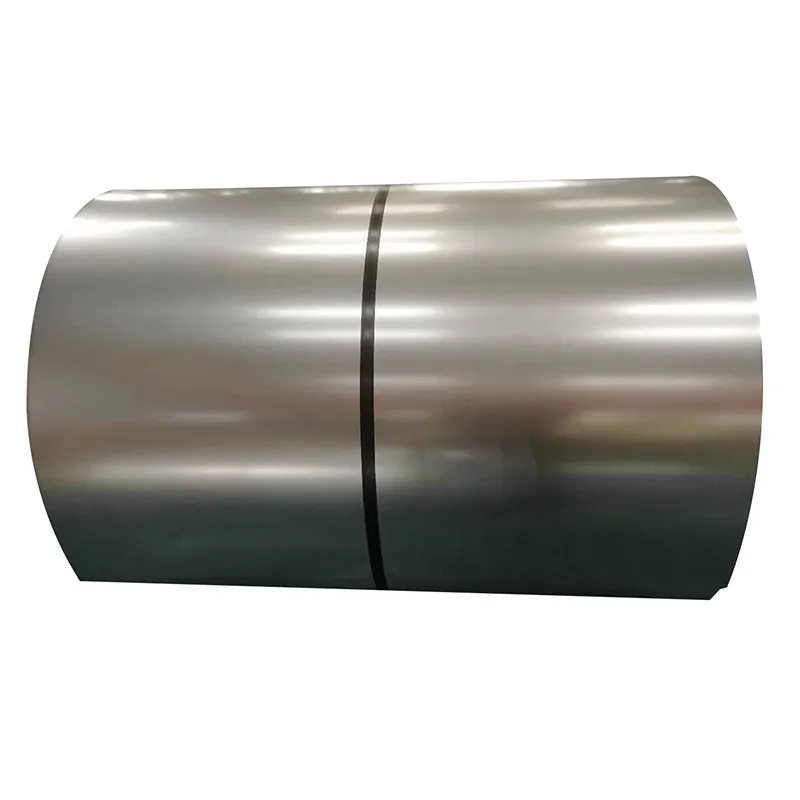 Z80-Z275 Zinc Coated Galvanized Steel Roofing Sheet Coil 22 26 Gauge Hot Dipped Pre Painted Galvanized Steel Sheet Coil
- Shanghai, China+8 ~ 14 days+SGCC/CGCC/DX51D+Non-oiled+Yes
$500.00
MOQ: 2
 High Strength Pre Painted Galvanized Products Dx51d Dx52d Galvanized Coil Zinc Coated Hot Dipped Galvanized Steel Coil
- Shanghai, China+8 ~ 14 days+SGCC/CGCC/DX51D+Non-oiled+Yes
$500.00
MOQ: 1
 Galvanized Steel Coil Hot Dipped Galvanized Steel Coil Low Priced Cold Rolled Galvanized Steel Strip Coils Galvanized Mesh Roll
- Shanghai, China+8 ~ 14 days+SGCC/CGCC/DX51D+Non-oiled+Yes
$520.00
MOQ: 1
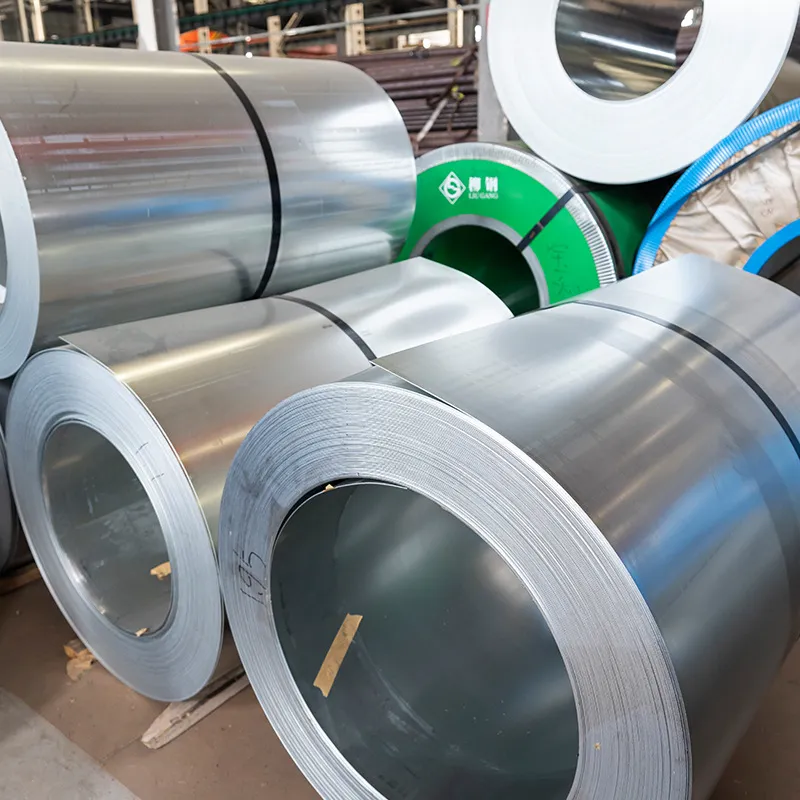 Q235 Q195 Q345d SGCC Galvanized Steel Coil Z40 GI Strip ASTM EN 0.35mm Roof Carbon Steel Galvanized Steel Coil Sheet
- Shanghai, China+Within 7 Days+SGCC/CGCC/DX51D+Z Q195-q345+Slightly Oiled+Yes
$500.00
MOQ: 2
 Dx51D Z275 Z60 Gi Pre Hot Dipped Galvanized Steel Coil Q195-Q235B Cold Rolled Galvanized Steel Strip Coil
- Customized+900 mm ~ 1000 mm
$0.39
MOQ: 2
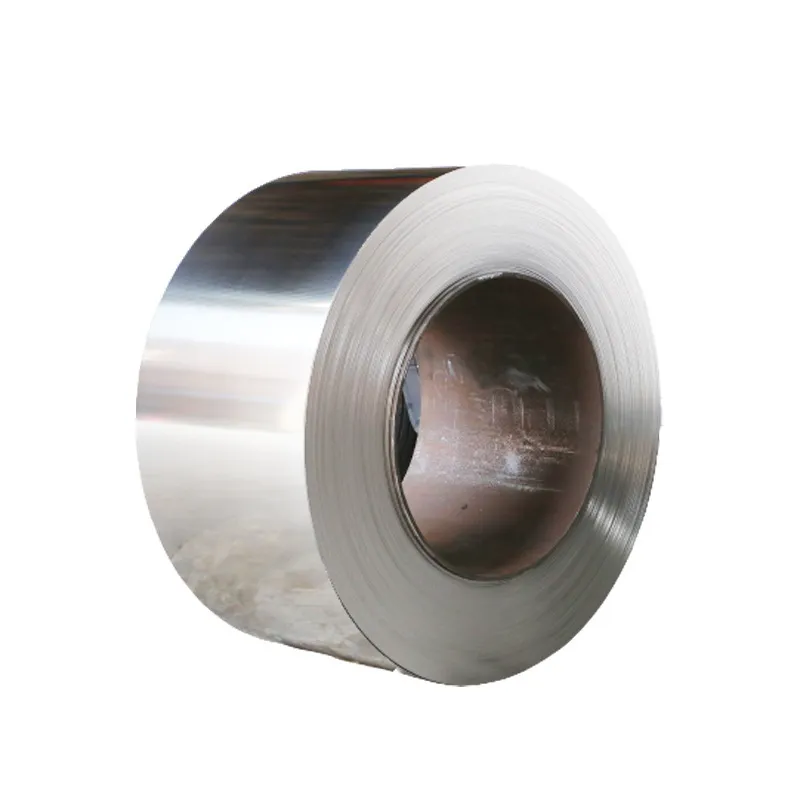 Direct Sales Stainless Steel Sheet IOn Coil Strip BA Surface 304 316 309S 430 Cold Hot Rolled Stainless Steel Coil Prices
- Shanghai, China+15-21 days+300 Series+ASTM+300 Series
$1,550.00
MOQ: 1
 Hot Sale 304 904L Stainless Steel Strips BA Surface 0.4 mm 0.8mm 2mm Cold Rolled Stainless Steel Coils Sheet
- Shanghai, China+15-21 days+300 Series+ASTM+300 Series
$1,550.00
MOQ: 1
 Customized AISI ASTM JIS SUS SS 201 304 316 Cold Rolled Stainless Steel Strip in Coil Manufacturer Hot Rolled
- Shanghai, China+15-21 days+300 Series / 400 Series / 200 Series+ASTM+300 Series, 301L, 301, 304N, 310S, 410, 204C3, 410S, 410L, 304, 304L, 304J1, 300 Series
$369.00
MOQ: 1
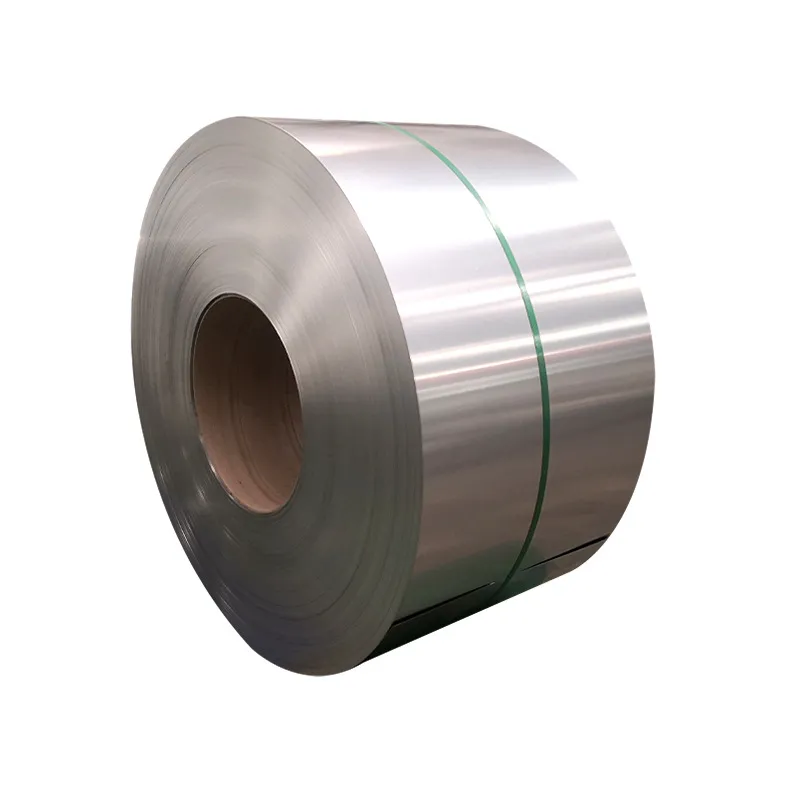 OEM 200 300 400 500 600 Series Seamless Stainless Steel Coil Cold Rolled 202 201 304 409 Hot-rolled Sus304 2b SS Coil Suppliers
- China+8 ~ 14 days+300 Series+AiSi+301L, 301, 304N, 310S, S32305, S30815, 410, 204C3, 316Ti, 316L, 441, 316, 420J1, L4, 321, 410S, 436L, 410L, 443, LH, L1, S32304, 314, 430, 347, 309S, 304, 439, 425M, 409L, 420J2, 204C2, 436, 445, 304L, 405, 370, S32101, 904L, 444, 301LN, 305, 429, 304J1, 317L
$829.00
MOQ: 1
 Direct Sales Stainless Steel Sheet IOn Coil Strip BA Surface 304 316 309S 430 Cold Hot Rolled Stainless Steel Coil Prices
- Shanghai, China+15-21 days+300 Series+ASTM+300 Series
$1,550.00
MOQ: 1
 Mirror Surface Stainless Steel Coil 430 201 304 316 409 316l 1.2mm Stainless Steel Hot Rolled Coil Strip
- Shanghai, China+15-21 days+300 Series+ASTM+300 Series
$1,550.00
MOQ: 1







About Cable Tray Roll Forming Raw Material Metal Coils
Precision-slit structural steel and alloy coil stocks represent the indispensable foundation for modern industrial cable management systems, automated cable ladder manufacturing, and high-capacity electrical raceway infrastructure across power plants, data centers, oil & gas refineries, and commercial complexes. Because cable trays must support heavy electrical cable loads over long spans while enduring outdoor UV, marine salt spray, and corrosive chemical vapors without sagging or rusting, raw coil metallurgy and coating integrity dictate total installation longevity.
Our cable tray raw materials portfolio encompasses three certified metal classifications: hot-dip galvanized steel coils (heavy pre-galvanized coatings from Z275 to Z600 conforming to EN 10346, delivering robust sacrificial galvanic protection and high tensile strength up to 450 MPa for standard commercial and industrial indoor/outdoor cable trays); austenitic stainless steel coils (grades 304 and 316L featuring high molybdenum content that provides absolute immunity to pitting and crevice corrosion in offshore platforms and chemical processing plants); and structural aluminum alloy coils (high-yield alloys 5052-H32 and 3003-H14 offering light weight, non-magnetic properties, and superior atmospheric corrosion resistance for data centers and marine vessels).
Slit on high-precision rotary shear lines to exact width tolerances (+/- 0.05 mm) with minimal edge burr (< 0.02 mm) and dead-flat surface flatness free of edge wave or camber, all coils undergo comprehensive testing for mechanical yield strength, total elongation (>= 28%), and coating adhesion (zero zinc flaking during aggressive multiple-hole servo punching). Supplying master and slit coils to cable tray manufacturers globally, our materials deliver certified electrical and structural performance.
Applications
Master Hot-Dip Galvanized Z275 Coil Slitting for Perforated Cable Trays
In master hot-dip galvanized z275 coil slitting for perforated cable trays, high-speed coil slitter arbor with rotary carbide blades slicing a master Z275 galvanized coil into 400mm slit coils for cable tray lines. Engineered with smooth edges and ventilation patterns, these modular cable raceways prevent insulation damage and ensure continuous electrical earth bonding.
Marine-Grade 316 Stainless Steel Coil Uncoiling on Cable Ladder Line
In marine-grade 316 stainless steel coil uncoiling on cable ladder line, uncoiling a heavy mill-finish 316L stainless steel coil on an expanding decoiler mandrel feeding a cable ladder side rail roll forming line. These rigid galvanized and stainless steel cable pathways provide superior structural span capacity, facilitate heat dissipation, and support high-voltage power networks.
Architectural 5052 Aluminum Alloy Coil Feeding through Punching Unit
In architectural 5052 aluminum alloy coil feeding through punching unit, smooth aluminum alloy 5052-H32 strip advancing through a high-speed servo hydraulic press punching continuous ventilation slots for cable trays. Manufactured with advanced protective paint systems and tight dimensional tolerances, these master coils withstand severe outdoor weathering while enabling continuous production.
Heavy 2.0mm Galvanized Steel Slit Band Leveling in Cable Tray Mill
In heavy 2.0mm galvanized steel slit band leveling in cable tray mill, multi-roll precision plate leveler flattening 2.0mm thick high-strength galvanized steel strip to eliminate coil set before tray forming. Engineered with smooth edges and ventilation patterns, these modular cable raceways prevent insulation damage and ensure continuous electrical earth bonding.
Slit Cable Tray Steel Coil Strapping and Pallet Staging in Service Center
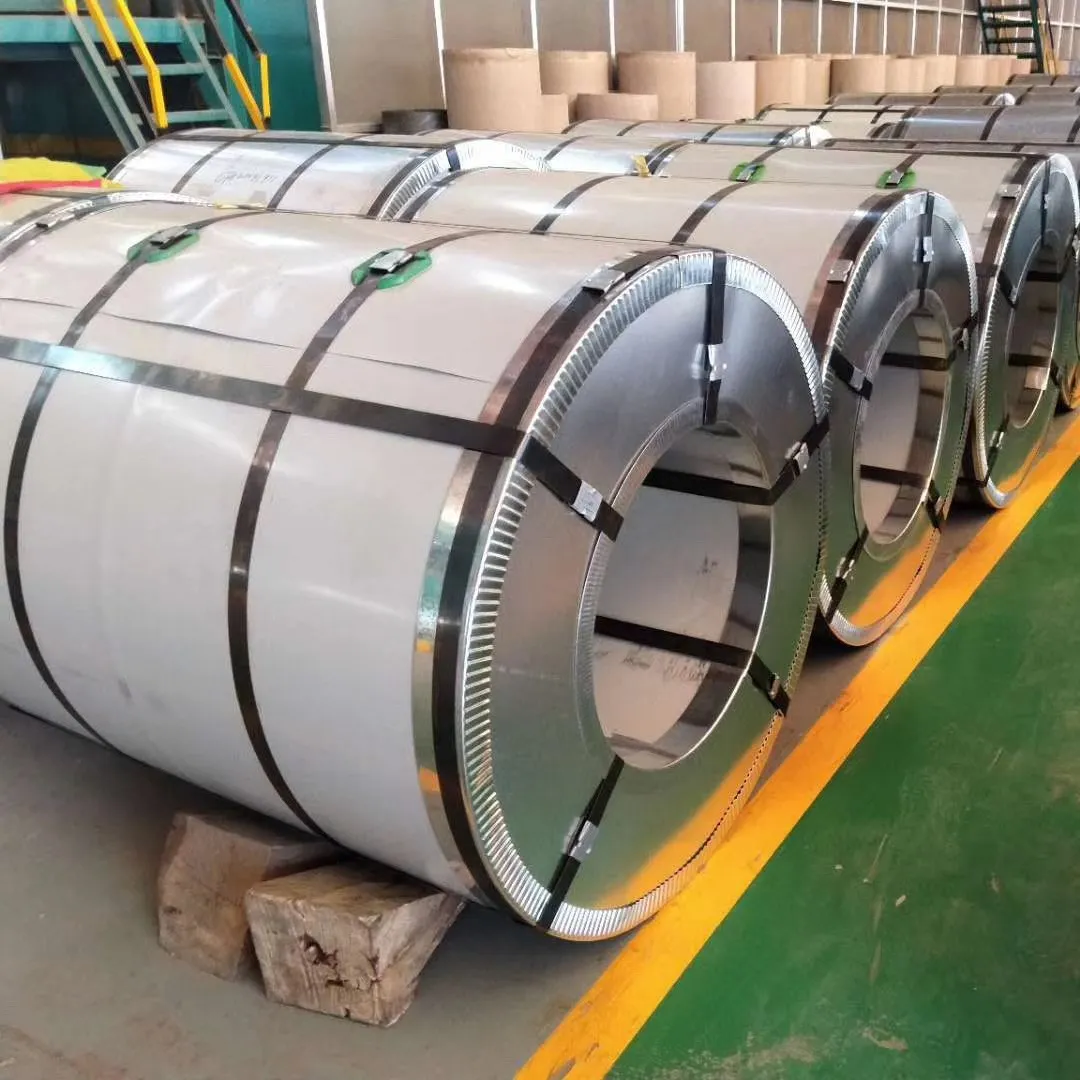
In slit cable tray steel coil strapping and pallet staging in service center, packaging technician using a pneumatic steel strapping tool to secure heavy metal bands around stacked slit cable tray coils on wooden skids. These rigid galvanized and stainless steel cable pathways provide superior structural span capacity, facilitate heat dissipation, and support high-voltage power networks.
Technical Overview
| Parameter | Information |
|---|---|
| Raw Material Alloy Types | Hot-Dip Galvanized Z275–Z600, Stainless Steel 304/316L, Aluminum Alloy 5052/6063 |
| Processing Thickness Range | 1.00 mm to 2.50 mm (commercial trays: 1.0–1.5 mm; heavy-duty ladders: 1.8–2.5 mm) |
| Slit Strip Width Capabilities | Custom Slit Widths: 150 mm to 1200 mm (precision width tolerance: +/- 0.05 mm) |
| Zinc Coating Mass Range | Pre-Galvanized Z180, Z275, Z350, Z450, Z600 (conforming to EN 10346 / ASTM A653) |
| Mechanical Yield Strength | Yield Strength: 220 to 380 MPa; Tensile Strength: 320 to 520 MPa (high structural load) |
| Total Elongation Rating | Total Elongation A80 >= 28% (ensuring zero cracking during high-density servo punching) |
| Stainless Steel Finishes | 2B Mill Finish, No. 4 Architectural Satin, Hairline Surface Finish (ASTM A240) |
| Edge Quality & Tolerances | Rotary Carbide Slit, Burr Height <= 0.02 mm, Zero Camber / Sweep per 2000 mm Length |
| Protective Packaging Standards | Eye-to-Sky / Eye-to-Wall Palletized with Anti-Rust VCI Paper & Heavy Steel Straps |
| Manufacturing Standards | NEMA VE 1, IEC 61537, EN 10346, ASTM A653, ASTM B209, ISO 9001:2015 Certified |
FAQ
Why is heavy pre-galvanized Z275/Z600 steel preferred for cable tray roll forming lines?
Heavy zinc coatings (275 to 600 g/m²) provide continuous cathodic self-healing protection over sheared hole edges created during high-speed inline perforation punching, eliminating the costly secondary dip-galvanizing process required for bare hot-rolled steel.
What steel strip thickness range is standard for commercial perforated cable trays vs heavy industrial cable ladders?
Standard commercial perforated cable trays utilize 1.0 mm to 1.5 mm (18 to 16 gauge) steel; heavy-duty industrial cable ladders and marine-span trays require 1.8 mm to 2.5 mm (14 to 12 gauge) high-yield steel to carry high cable weight over 3 to 6-meter support spans.
Why is aluminum alloy 5052-H32 preferred over 3003 for structural cable ladder side channels?
Alloy 5052 contains 2.5% magnesium, delivering significantly higher yield strength (190 MPa vs 140 MPa) and superior fatigue endurance, allowing cable ladders to achieve high structural load ratings with 60% weight reduction compared to steel.
How does stainless steel grade 316L protect cable trays in offshore and chemical plant environments?
Grade 316L contains 2.0% to 3.0% molybdenum and low carbon (< 0.03%), which prevents intergranular corrosion and provides exceptional resistance to chloride pitting and acidic sulfur fumes common in offshore oil rigs and chemical refineries.
Why is tight slit width tolerance (+/- 0.05 mm) mandatory for cable tray roll forming mills?
Cable tray profiles feature progressive 90-degree side flanges with inward returned safety lips; width variations cause fluctuating flange heights and prevent snap-on tray covers and splice connector plates from fitting properly during jobsite installation.
What elongation percentage is required to prevent tearing during high-density cable tray hole punching?
Raw coils must guarantee minimum total elongation of 28% to 32% (A80 gauge length); high ductility allows hundreds of closely spaced ventilation and cable tie slots to be punched simultaneously without micro-cracking or strip edge distortion.
What quality documentation and testing accompanies our cable tray raw material coils?
All coil shipments include certified EN 10204 Type 3.1 mill test reports detailing ladle chemical composition, yield and tensile strength, elongation, coating thickness, and compliance with NEMA VE 1 and IEC 61537 cable tray standards.