Global B2B Roll Forming Sourcing Platform | Free RFQ Response within 24h

- Tuo AI

- Live

- My Account
- Shopping Cart
- Inquiry Basket
- Contact Us
- Back to Top




Hot-Dip Galvanized Steel Coils for Cable Tray & Framing
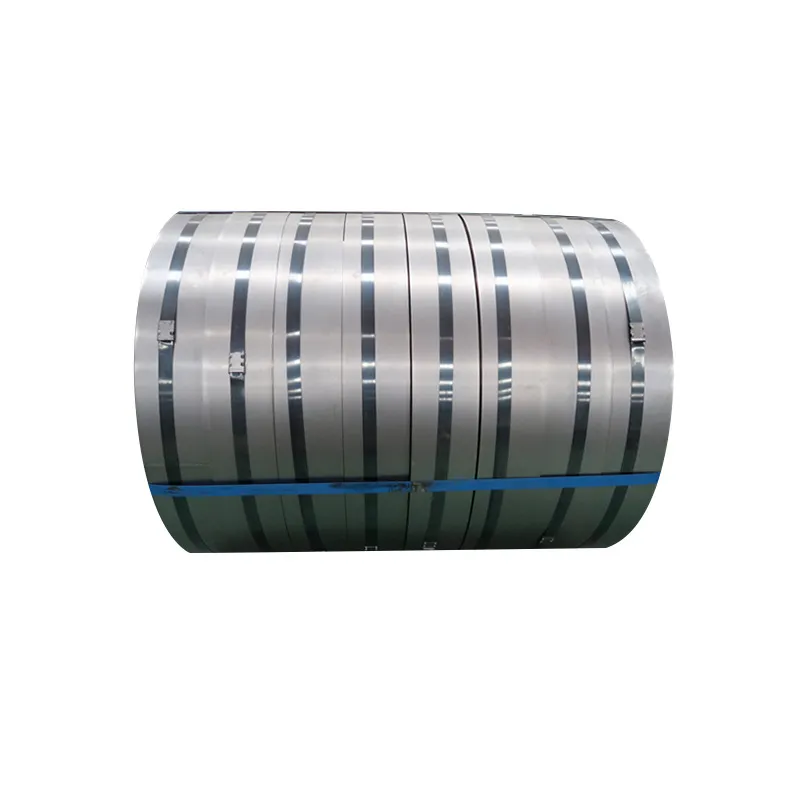
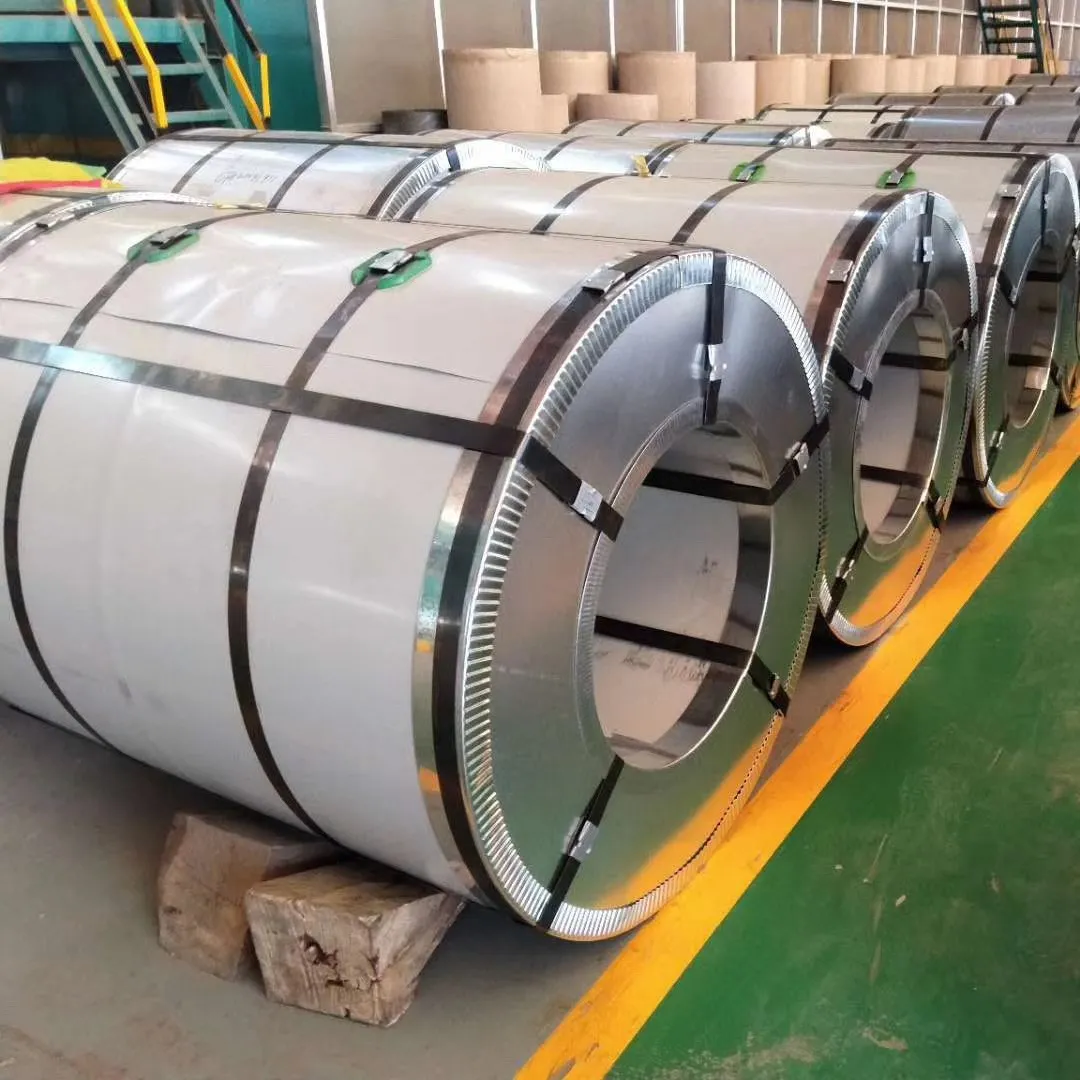
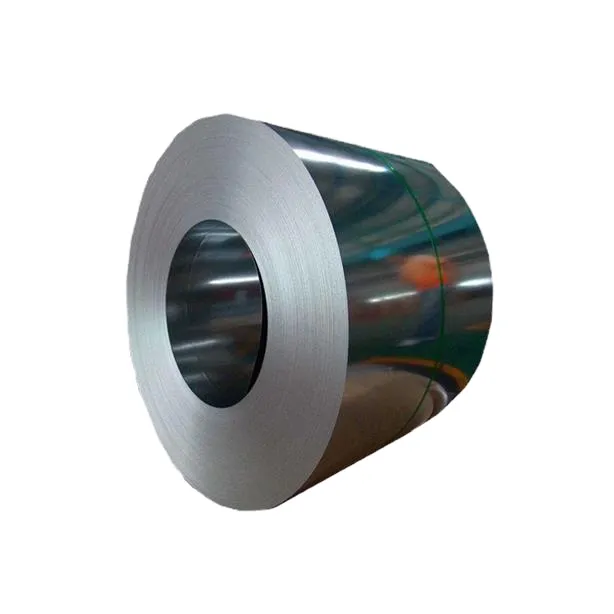
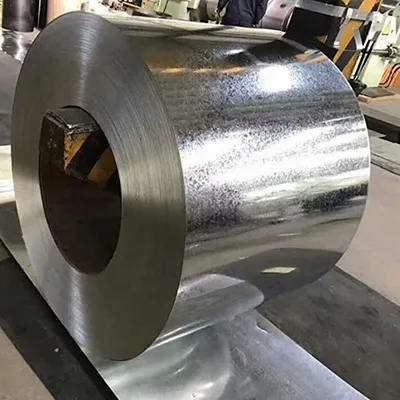
Hot-dip galvanized steel coils deliver exceptional atmospheric corrosion protection, tight gauge tolerances, and high-tensile structural strength for continuous cable tray roll forming, perforated electrical trunking, and structural strut channel manufacturing. Processed through continuous hot-dip zinc baths conforming to ASTM A653 and EN 10346 standards, our GI steel coils feature uniform spangle morphology, high zinc adhesion, and passivated surface protection. Engineered to withstand heavy stamping, precision punching, and severe cold roll forming bends without flaking or micro-cracking, these coils ensure dependable barrier and sacrificial edge defense across commercial, industrial, and infrastructure electrical projects.
 Hot Dipped Galvanized Steel Coils for Cutting Welding Bending High Strength Galvanized Steel Coil
- custom+900 mm ~ 1000 mm
$570.00
MOQ: 1
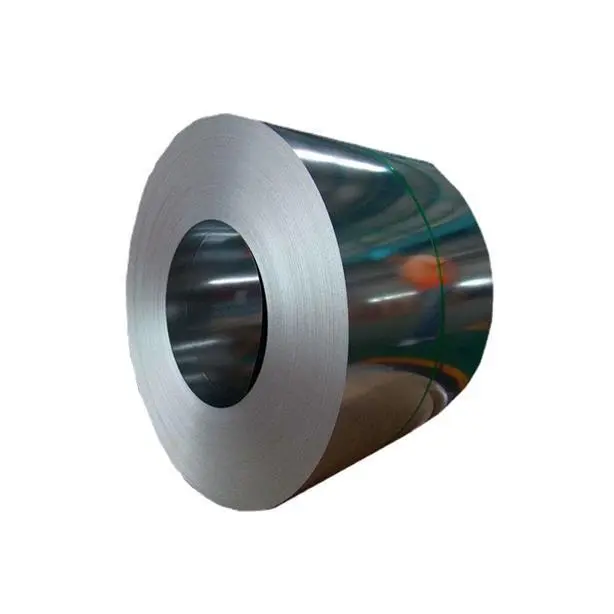 ASTM Dx51D Dx52D Sgcc Spcc Hot Cold Rolled Galvanized Iron Steel Coils Fence Panels Pre Painted Galvanized Steel Coil
- Shanghai, China+8-14 Days+DX51D+Z DX52D+Z DX53D+Z DC51D+Z+Non-oiled+Yes
$490.00
MOQ: 1
 Building Prepainted Galvanized Steel Coil Ppgi ASTM Dx51D Dx52D Dx53D Hot Dipped Galvanized Steel Coil
- custom+900 mm ~ 1000 mm
$500.00
MOQ: 1
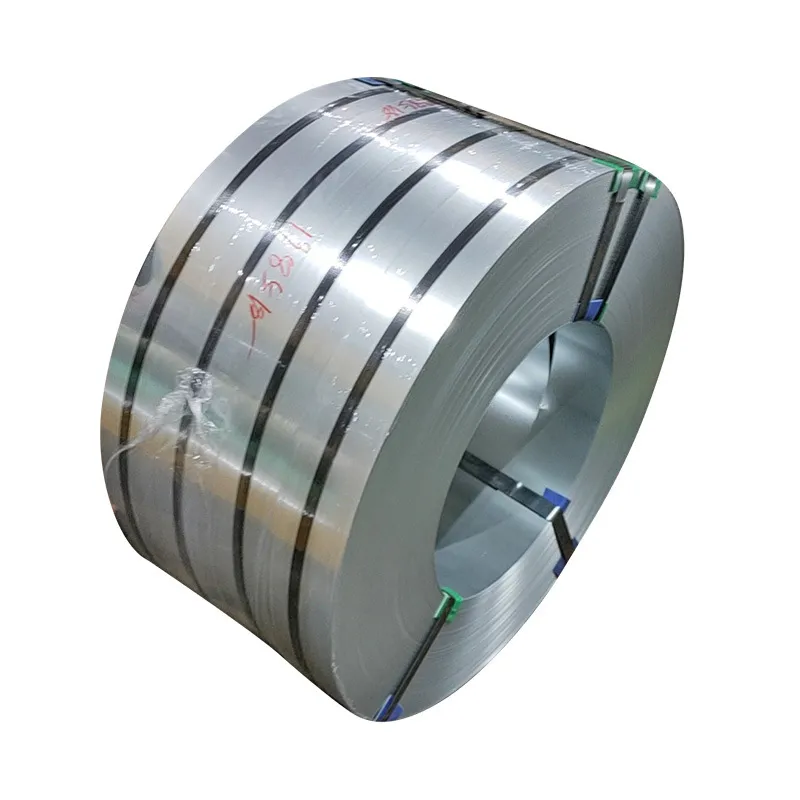 Dx52d Z20-Z275 Zinc Galvanized Steel Roofing Sheet Coil ASTM A792 A36 Q195 Q235 Prime Hot Dip Galvanized Steel in Coils
- Shanghai, China+8 ~ 14 days+SGCC/CGCC/DX51D+Non-oiled+Yes
$500.00
MOQ: 1
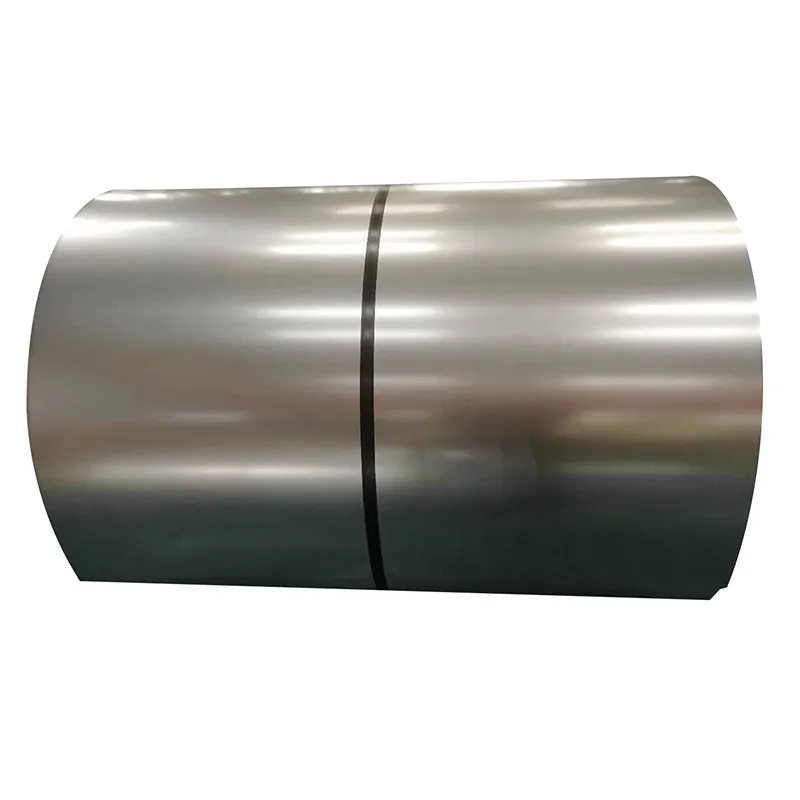 Z80-Z275 Zinc Coated Galvanized Steel Roofing Sheet Coil 22 26 Gauge Hot Dipped Pre Painted Galvanized Steel Sheet Coil
- Shanghai, China+8 ~ 14 days+SGCC/CGCC/DX51D+Non-oiled+Yes
$500.00
MOQ: 2
 High Strength Pre Painted Galvanized Products Dx51d Dx52d Galvanized Coil Zinc Coated Hot Dipped Galvanized Steel Coil
- Shanghai, China+8 ~ 14 days+SGCC/CGCC/DX51D+Non-oiled+Yes
$500.00
MOQ: 1
 Galvanized Steel Coil Hot Dipped Galvanized Steel Coil Low Priced Cold Rolled Galvanized Steel Strip Coils Galvanized Mesh Roll
- Shanghai, China+8 ~ 14 days+SGCC/CGCC/DX51D+Non-oiled+Yes
$520.00
MOQ: 1
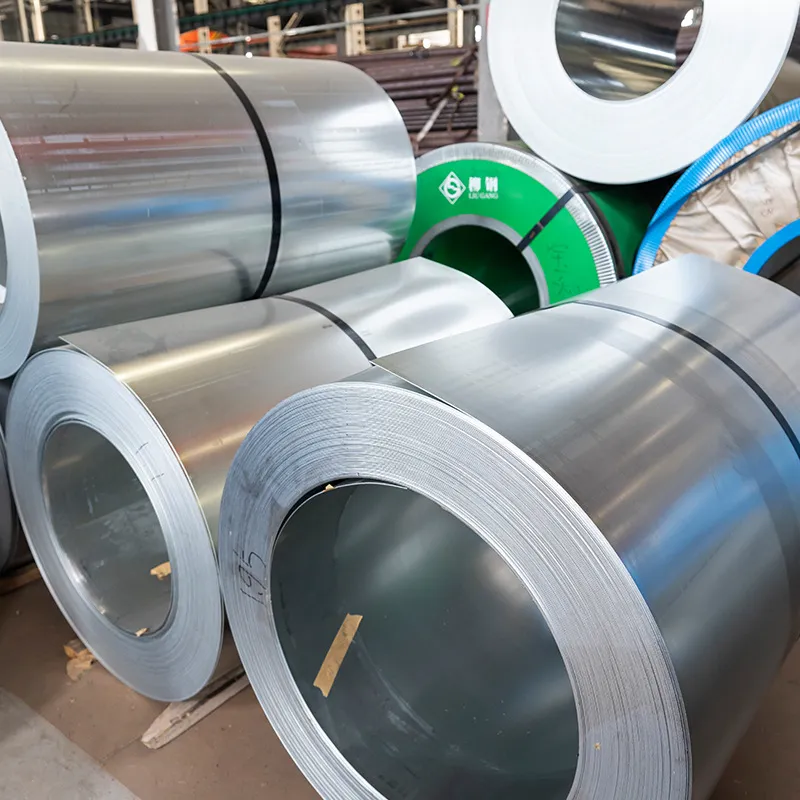 Q235 Q195 Q345d SGCC Galvanized Steel Coil Z40 GI Strip ASTM EN 0.35mm Roof Carbon Steel Galvanized Steel Coil Sheet
- Shanghai, China+Within 7 Days+SGCC/CGCC/DX51D+Z Q195-q345+Slightly Oiled+Yes
$500.00
MOQ: 2
 Dx51D Z275 Z60 Gi Pre Hot Dipped Galvanized Steel Coil Q195-Q235B Cold Rolled Galvanized Steel Strip Coil
- Customized+900 mm ~ 1000 mm
$0.39
MOQ: 2





About Hot-Dip Galvanized Steel Coils for Cable Tray & Framing
Hot-dip galvanized steel coils (commonly abbreviated as GI coils) are the foundational raw material across modern cable management system manufacturing, electrical raceway fabrication, and industrial roll formed structural components. In electrical cable tray production—including ladder cable trays, perforated trays, and solid-bottom trunking—steel substrates must endure intensive multi-hole punching and high-speed cold roll forming while maintaining an unbroken, ductile zinc barrier that shields electrical wiring from corrosive atmospheric exposure.
Our hot-dip galvanized coil inventory encompasses commercial forming grades (DX51D, CS Type B) as well as high-yield structural grades (S280GD, S350GD, Grade 50) with total double-sided zinc coating masses ranging from Z60 (60 g/m²) up to heavy industrial Z275 (275 g/m² / G90). Zinc atoms bond metallurgically with the underlying carbon steel, creating a series of protective iron-zinc intermetallic alloy layers capped by a ductile layer of pure zinc. This sacrificial zinc coating actively defends cut edges and punched cable ventilation holes from lateral corrosion creep.
Surface treatments include chemical passivation (chromated or environmentally compliant trivalent Cr-free), anti-fingerprint acrylic sealing (AFP) that eliminates oil residue, and dry tempers tailored for subsequent powder coating. Supplied with precision slitted edge tolerances and uniform coil tension, our GI coils guarantee smooth uncoiling, consistent strip tracking, and minimized die wear on automated cable tray roll forming lines worldwide.
Applications
Perforated Sheet Metal Cable Tray Continuous Roll Forming
In perforated sheet metal cable tray continuous roll forming, high-speed automated roll forming of perforated galvanized steel cable trays and trunking profiles from Z275 GI slit master coils. Featuring high load-carrying capacity and modular hardware, these certified cable routing systems protect critical cabling while enabling organized overhead deployment.
Heavy-Duty Industrial Cable Ladder Rung & Siderail Forming
In heavy-duty industrial cable ladder rung & siderail forming, forming high-yield 2.0mm galvanized steel C-channel side rails and slotted rungs for utility-scale electrical cable ladders. Engineered with smooth edges and ventilation patterns, these modular cable raceways prevent insulation damage and ensure continuous electrical earth bonding.
Modular Electrical Strut Channel Cold Profiling Line
In modular electrical strut channel cold profiling line, continuous roll forming and punching of 41x41mm and 41x21mm galvanized steel strut channels from heavy Z275 galvanized master coils. These ductile, high-yield steel and aluminum coils provide the ideal raw material substrate for continuous high-speed roll forming, delivering smooth surface finishes.
Commercial High-Rise Electrical Wireway & Trunking Fabrication
In commercial high-rise electrical wireway & trunking fabrication, precision bending and lock-forming of galvanized sheet metal electrical wireways and duct enclosures for commercial skyscraper distribution. Featuring high load-carrying capacity and modular hardware, these certified cable routing systems protect critical cabling while enabling organized overhead deployment.
Solar Photovoltaic Ground Mount Cable Management Channel Forming
In solar photovoltaic ground mount cable management channel forming, weather-resistant Z275 galvanized steel coils processed into UV-resistant outdoor cable trays and conduit brackets for solar farms. These corrosion-resistant structural components withstand extreme wind uplift forces and harsh atmospheric weathering, ensuring 25-plus year operational longevity.
Technical Overview
| Parameter | Information |
|---|---|
| Base Steel Substrates | Cold Rolled Low-Carbon Steel (DX51D, CS Type B, S280GD, S350GD, Gr 50) |
| Zinc Coating Mass Range | Z60, Z100, Z140, Z180, Z220, Z275 g/m² (Double-Sided Total Coating) |
| Coil Thickness Capacity | 0.60 mm – 3.00 mm (precision cold rolled gauge tolerance +/- 0.02 mm) |
| Coil Slit Width Range | 50 mm – 1250 mm (custom slitted to exact cable tray development width) |
| Spangle Surface Options | Zero Spangle (Smooth), Minimized Spangle, Regular Spangle Morphology |
| Surface Passivation Types | Cr-Free Chemical Passivation, Anti-Fingerprint (AFP) Clear, Lightly Oiled |
| Yield Strength Range | 140 – 300 MPa (forming grades); 280 – 550 MPa (structural load grades) |
| Tensile Strength Range | 270 – 500 MPa (forming grades); 360 – 620 MPa (structural load grades) |
| Coil Inner Diameter Spec | 508 mm (20 inch) / 610 mm (24 inch) with steel or fiber sleeve insert |
| Manufacturing Standards | ASTM A653/A653M, EN 10346, JIS G3302, AS 1397, CE & ISO 9001 Certified |
FAQ
What zinc coating masses (Z-ratings) are standard for cable tray roll forming coils?
Standard indoor electrical cable trays utilize Z120 to Z180 (120–180 g/m²), while outdoor industrial plant raceways and marine environments require heavy Z275 (275 g/m² / G90) for long-term corrosion prevention.
How does cut-edge sacrificial protection work when perforating galvanized cable trays?
During punching and shearing, the adjacent zinc coating sacrifices itself galvanically: zinc ions migrate across exposed steel cut edges, forming a protective barrier of zinc carbonate and zinc hydroxide that arrests rust formation.
What is the difference between regular spangle, minimized spangle, and zero spangle in GI coils?
Regular spangle features visible star-like zinc crystallization crystals; minimized and zero spangle are produced by rapid lead-free zinc solidification, delivering ultra-smooth surfaces ideal for powder coating and precision roll forming.
Can hot-dip galvanized steel coils withstand severe 90-degree roll forming bends without flaking?
Yes, our coils utilize tightly controlled interstitial-free (IF) or low-carbon steel substrates with minimized iron-zinc intermetallic layer thickness, allowing severe 0T to 2T tight-radius bends without coating flaking or micro-peeling.
What surface passivations are used to prevent wet storage stain (white rust) during sea transport?
Coils are treated with trivalent chromium-free passivation, light electrostatic oiling, or acrylic anti-fingerprint (AFP) resin films that seal surface pores against moisture condensation during ocean transit and humid storage.
Which international manufacturing standards govern our hot-dip galvanized steel coils?
Our GI steel coils strictly comply with ASTM A653/A653M (USA), EN 10346 (European Union), JIS G3302 (Japan), and AS 1397 (Australia), with certified mill test reports (MTR) provided for full metallurgical traceability.
How does coil thickness and width tolerance affect high-speed automated roll forming tooling?
Tight micrometric thickness tolerances (+/- 0.02 mm) ensure uniform clearance inside punch dies and forming roll stations, preventing sheet jamming, excessive tooling wear, and dimensional profile distortion.