Global B2B Roll Forming Sourcing Platform | Free RFQ Response within 24h

- Tuo AI

- Live

- My Account
- Shopping Cart
- Inquiry Basket
- Contact Us
- Back to Top




Industrial Metal Conduits & Galvanized Steel Tubing
Industrial metal conduits provide impenetrable mechanical defense, electromagnetic interference (EMI) shielding, and certified fire resistance for power, control, and instrumentation conductors across hazardous chemical refineries, heavy industrial plants, and commercial infrastructure projects. Manufactured from high-strength low-carbon steel or corrosion-resistant aluminum alloy, our electrical conduits encompass Rigid Metal Conduit (RMC), Intermediate Metal Conduit (IMC), and Electrical Metallic Tubing (EMT). Processed through continuous hot-dip galvanizing with smooth interior organic lubricant coatings, these conduits ensure effortless cable pulling, zero wire insulation damage, and permanent physical protection conforming to UL and ANSI standards.
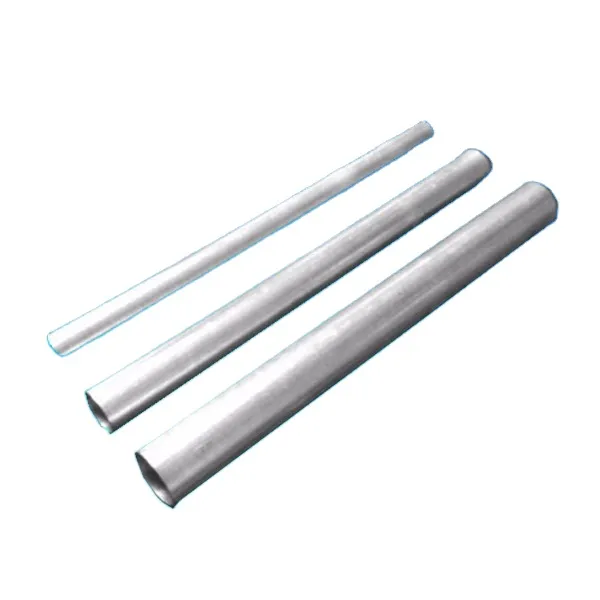 For UL Certified CE Standard Electrical Conduit Steel Material
- Jiangsu, China+BSC-BC+Besca+Rigid, Flexible, Fire Retardant, Halogen Free+Besca
$2.00
MOQ: 100
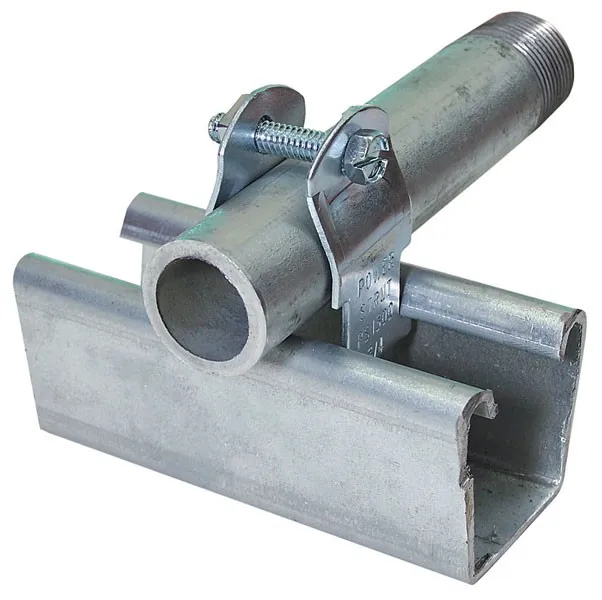 Electrical Conduit EMT Channel Conduit and CE Standard
- Jiangsu, China+BSC-BC+Besca+Besca+Besca Industrial and more than 5000 square meters
$2.00
MOQ: 100
About Industrial Metal Conduits & Galvanized Steel Tubing
Electrical metal conduits are the premier wiring encasement standard across heavy industrial manufacturing, commercial high-rise buildings, and classified hazardous locations. When electrical cables route through environments subjected to mechanical impact, flying debris, corrosive vapors, or severe explosive gas concentrations, non-metallic plastic conduits cannot provide the necessary physical defense or grounding reliability. Heavy galvanized steel conduits provide unyielding crush resistance, complete non-combustible fire protection, and comprehensive magnetic and RF shielding.
Our metal conduit portfolio encompasses heavy-wall Rigid Metal Conduit (RMC / GRC) with precision NPT tapered threads, Intermediate Metal Conduit (IMC) offering high strength at 30% reduced weight, and thin-wall Electrical Metallic Tubing (EMT) for cost-effective indoor commercial distribution. Each conduit length undergoes inline hot-dip galvanizing or zinc thermal spraying on the exterior, paired with a specialized interior low-friction polymer coating that dramatically reduces wire-pulling friction and prevents cable jacket abrasions during complex multi-bend runs.
Coupled with our comprehensive line of zinc-plated set-screw, compression, and threaded couplings, elbows, and conduit outlet bodies (LB, LL, LR, C, T), our metal conduits strictly comply with UL 6, UL 797, UL 1242, and ANSI C80.1 standards, providing electrical contractors with dependable, code-compliant raceways certified as equipment grounding conductors (EGC) for lifetime electrical safety.
Applications
Industrial Manufacturing Facility Exposed Galvanized Rigid Conduit Run
In industrial manufacturing facility exposed galvanized rigid conduit run, heavy-wall galvanized rigid metal conduits (RMC) running along concrete factory walls, protecting 480V motor feeder cables from forklift impacts. Engineered for high-duty workshop logistics, these electric cranes, forklifts, and coil cars provide smooth, precision load positioning during high-volume production operations.
Commercial High-Rise Building Electrical Metallic Tubing Conduit Bending
In commercial high-rise building electrical metallic tubing conduit bending, electricians using precision conduit hand benders on thin-wall EMT pipes, routing lighting and power circuits through open ceiling metal deck framing. Precision-punched for rapid field erection, these high-strength structural members distribute wind loads, resist lateral torsional buckling, and maintain building frame rigidity.
Hazardous Chemical Storage Area Explosion-Proof Rigid Metal Conduit Fitting
In hazardous chemical storage area explosion-proof rigid metal conduit fitting, heavy threaded galvanized conduit with explosion-proof cast iron conduit seal fittings installed in a petrochemical chemical storage tank bay. These durable architectural roof and wall cladding profiles provide exceptional corrosion resistance, protecting industrial facilities from severe weather while delivering modern aesthetics.
Outdoor Infrastructure Roadway Bridge Weatherproof Conduit Support
In outdoor infrastructure roadway bridge weatherproof conduit support, corrosion-resistant hot-dip galvanized conduits clamped beneath a concrete highway bridge deck, housing traffic monitoring and LED highway lighting cables. Manufactured from heavy-gauge galvanized steel, these architectural door profiles deliver tight air-seal closure, high impact resistance, and compliant life-safety performance.
Underground Concrete Slab Poured Conduit Raceway Electrical Stub-Up
In underground concrete slab poured conduit raceway electrical stub-up, galvanized rigid steel conduits embedded within rebar mesh grids and stubbing up through cured concrete slabs into main switchgear panels. Manufactured to rigorous industrial tolerances from high-grade structural alloys, these dependable components withstand demanding environmental stresses and deliver certified reliability.
Technical Overview
| Parameter | Information |
|---|---|
| Conduit Classifications | Rigid Metal Conduit (RMC), Intermediate Metal Conduit (IMC), Electrical Metallic Tubing (EMT) |
| Trade Size Availability | 1/2" to 6" (nominal metric trade sizes 16 mm to 150 mm internal diameters) |
| Conduit Base Materials | High-Strength Low-Carbon Steel (Q195/Q235), High-Strength Aluminum Alloy |
| Exterior Surface Protection | Inline Hot-Dip Galvanized Zinc Coating (min 20 µm / Z275) with Clear Topcoat |
| Interior Bore Coating Spec | Low-Friction Organic Polymer / Polyurethane Lubricating Lining |
| Threading Specification | ANSI/ASME B1.20.1 NPT Tapered Pipe Threads with Protective Color-Coded Caps |
| Standard Nominal Length | 10 Feet (3.05 meters) per stick, custom lengths up to 6.0 meters available |
| Impact & Crush Resistance | Withstands heavy vehicular traffic and structural mechanical impacts per UL 6 |
| Fire & Explosion Rating | Non-Combustible, Certified for Class I Division 1 & 2 Hazardous Locations |
| Manufacturing Standards | UL 6, UL 797, UL 1242, ANSI C80.1, ANSI C80.3, NEC Compliant, CE Certified |
FAQ
What are the key differences between RMC, IMC, and EMT metal conduits?
RMC (Rigid Metal Conduit) features the thickest wall with threaded ends for maximum physical protection and hazardous locations; IMC has a slightly thinner wall with identical structural strength; EMT (Electrical Metallic Tubing) is unthreaded and thin-walled for indoor commercial use.
How does metal conduit provide electromagnetic interference (EMI) shielding?
The continuous ferrous steel wall creates a high-permeability magnetic enclosure that attenuates both low-frequency magnetic fields and high-frequency radio frequency interference (RFI), protecting sensitive instrumentation and signal cables from factory noise.
Can galvanized rigid metal conduit (RMC) be installed in classified Class I, Division 1 hazardous areas?
Yes, heavy-wall RMC and IMC equipped with explosion-proof threaded conduit seals and cast iron fittings are explicitly certified under NEC Article 500 for Class I, Division 1 and 2 hazardous chemical and explosive vapor environments.
How does the interior polymer coating facilitate long-distance cable pulling?
The specialized interior acrylic or polyurethane coating provides an ultra-slick, low-friction surface that reduces cable pulling tension by up to 50%, preventing wire jamming and jacket stripping on long runs with multiple 90-degree bends.
What bending tools and techniques are used to bend electrical metallic tubing (EMT)?
EMT is bent on-site using manual ratcheting or mechanical shoe hand benders, while larger diameters (over 1-1/4 inch) utilize portable hydraulic benders to achieve clean, wrinkle-free stub-ups, offsets, and saddles without flattening the conduit bore.
Is metal conduit recognized as an equipment grounding conductor (EGC)?
Yes, when installed with approved tight fittings, steel RMC, IMC, and EMT are recognized by the National Electrical Code (NEC Article 250.118) as certified equipment grounding conductors, eliminating the mandatory requirement for a separate green grounding wire.
Which international standards govern our galvanized steel metal conduits?
Our metal conduits strictly comply with UL 6 (RMC), UL 1242 (IMC), UL 797 (EMT), ANSI C80.1, ANSI C80.3, and federal specification WW-C-581, verified with third-party safety testing and mill traceability.