Global B2B Roll Forming Sourcing Platform | Free RFQ Response within 24h

- Tuo AI

- Live

- My Account
- Shopping Cart
- Inquiry Basket
- Contact Us
- Back to Top




Architectural Standing Seam Sliding Expansion Clips
Architectural standing seam sliding clips and two-piece thermal expansion roof fasteners provide the concealed mechanical anchoring engineered for long-span commercial standing seam metal roofing systems. Precision stamped and formed from high-strength galvanized steel (Z275 / G90) and 304 stainless steel alloys, our sliding clips feature a stationary base anchor plate and an interlocking sliding upper tab providing up to 3 inches (75 mm) of frictionless bidirectional thermal expansion travel. Engineered to eliminate thermal oil-canning, seam tearing, and fastener fatigue, these clips guarantee certified UL 580 Class 90 wind uplift resistance across extreme building spans.
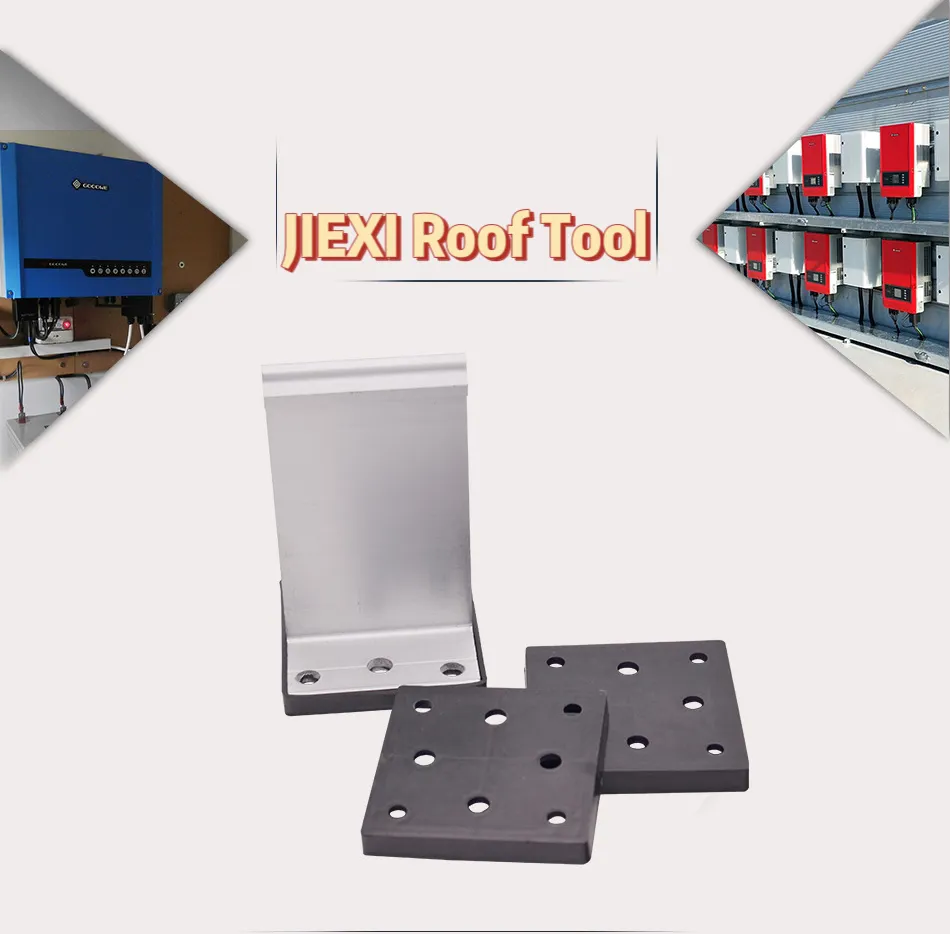 High Rib Standing Seam Roofing T-Shape Aluminum Alloy Fixed Base Anti-Corrosion Brackets for Roofing Applications
- 3063-T5 Aluminum Alloy+Metal Roof Panel
$0.48
MOQ: 50
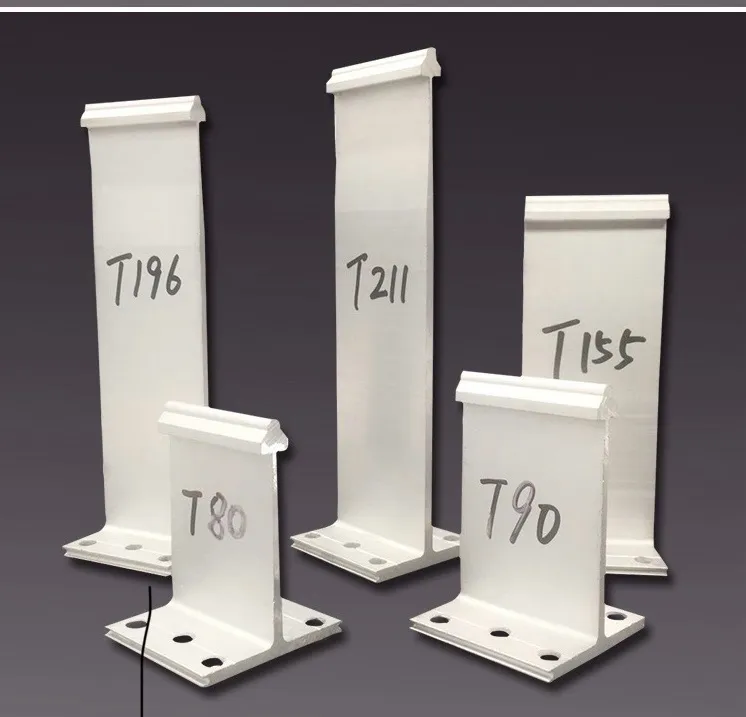 Aluminum Alloy Roof Support Bracket T-Type Clamp Anodized for Construction Standing Seam Metal Roof Panel System Shelf Bracket
- 3063-T5 Aluminum Alloy+Metal Roof Panel
$0.48
MOQ: 50
 Heavy Duty Galvanized Steel Roofing Clip 470/475 Construction Project Metal Panel Fixing Clamp Hidden Roofing Bracket
- Galvanized Steel+Color Steel Tile Roofs
$0.09
MOQ: 50
 Galvanized Anti-Rust Sliding Lock Mount 470/475 Industrial Steel Roofing Corrugated Metal Bracket Corrosion Resistant Roof
- Galvanized Steel+Color Steel Tile Roofs
$0.09
MOQ: 50
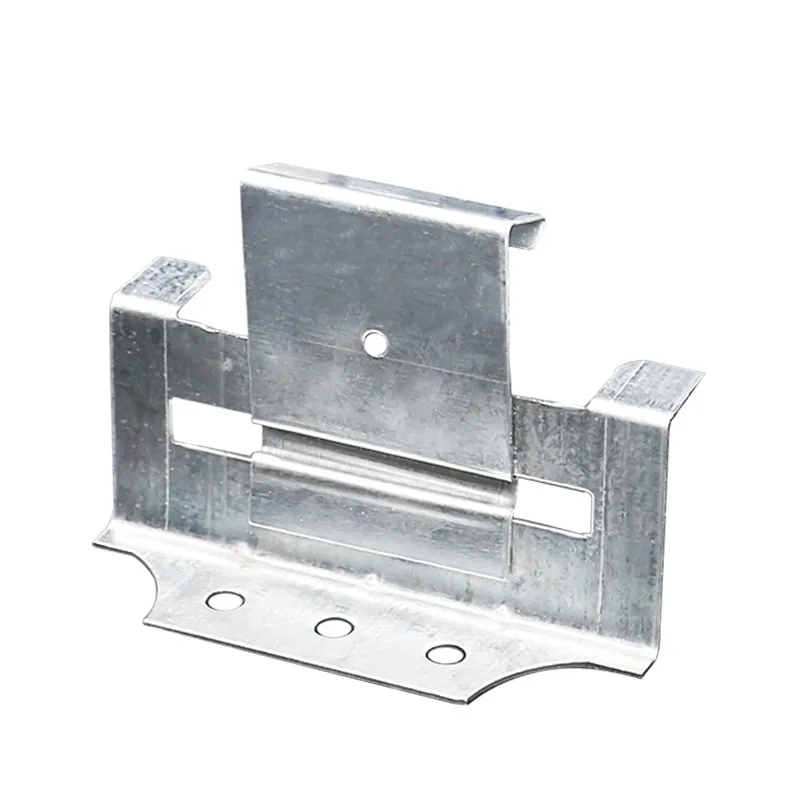 Galvanized Concealed Fixing Bracket Metal Roof Support Clamp for 470/475 Panels Concealed Fastening Color Steel Tile Brackets
- Galvanized Steel+Color Steel Tile Roofs
$0.09
MOQ: 50
 Galvanized Sliding Lock Clip Hidden Fastener Bracket for 470/475 Color Steel Roof Panel Metal Roofing Fixing Brackets
- Galvanized Steel+Color Steel Tile Roofs
$0.09
MOQ: 50
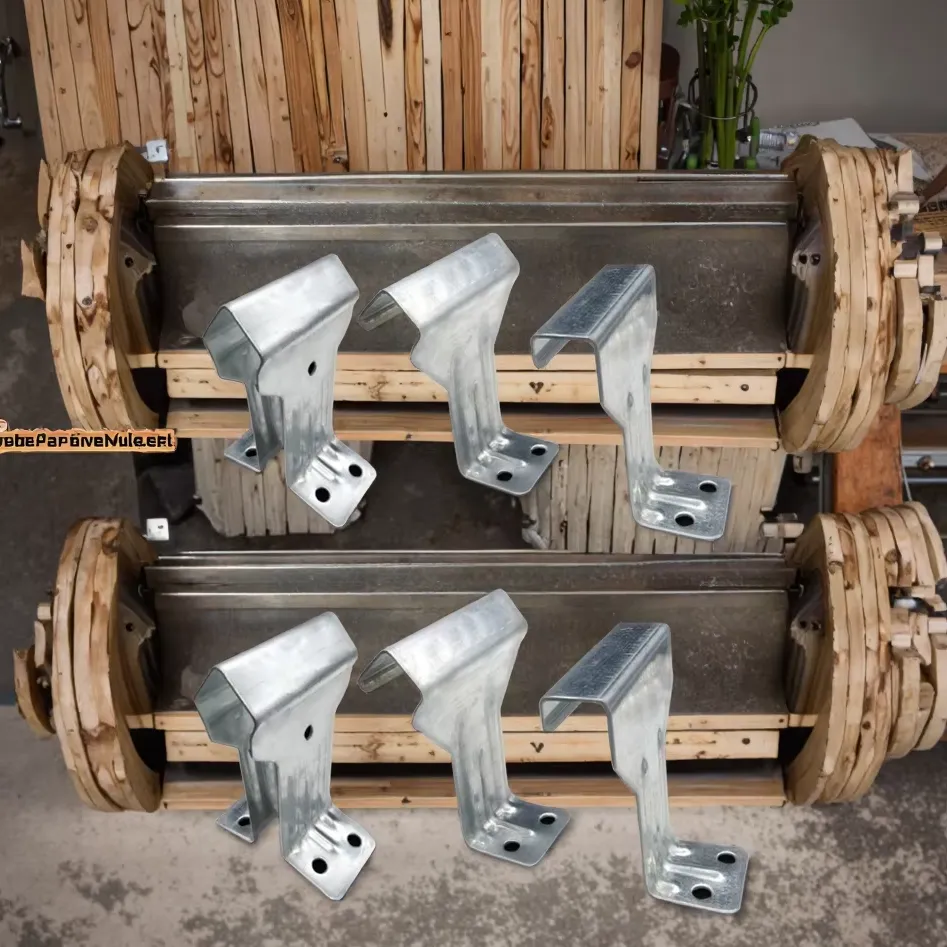 Heavy-Duty Galvanized Roofing Bracket for 760 Color Steel Panel Roof Fixing Clip Fastener Brackets
- Galvanized Steel+Color Steel Tile Roofs
$0.05
MOQ: 50
 760 Zinc Coated Roof Support Clamp for Roll Door or Metal Sheet Roofing Bracket Accessory
- Galvanized Steel+Color Steel Tile Roofs
$0.05
MOQ: 50
 760 Anti-Rust Color Steel Tile Fixing Hook Industrial Metal Roof Standing Seam Roof Clamp Brackets for Metal Roof
- Galvanized Steel+Color Steel Tile Roofs
$0.05
MOQ: 50
 OEM Custom Galvanized Metal Roof Hook Metal Mounting Clip for Color Steel Tile Brackets for Standing Seam Panel
- Galvanized Steel+Color Steel Tile Roofs
$0.05
MOQ: 50
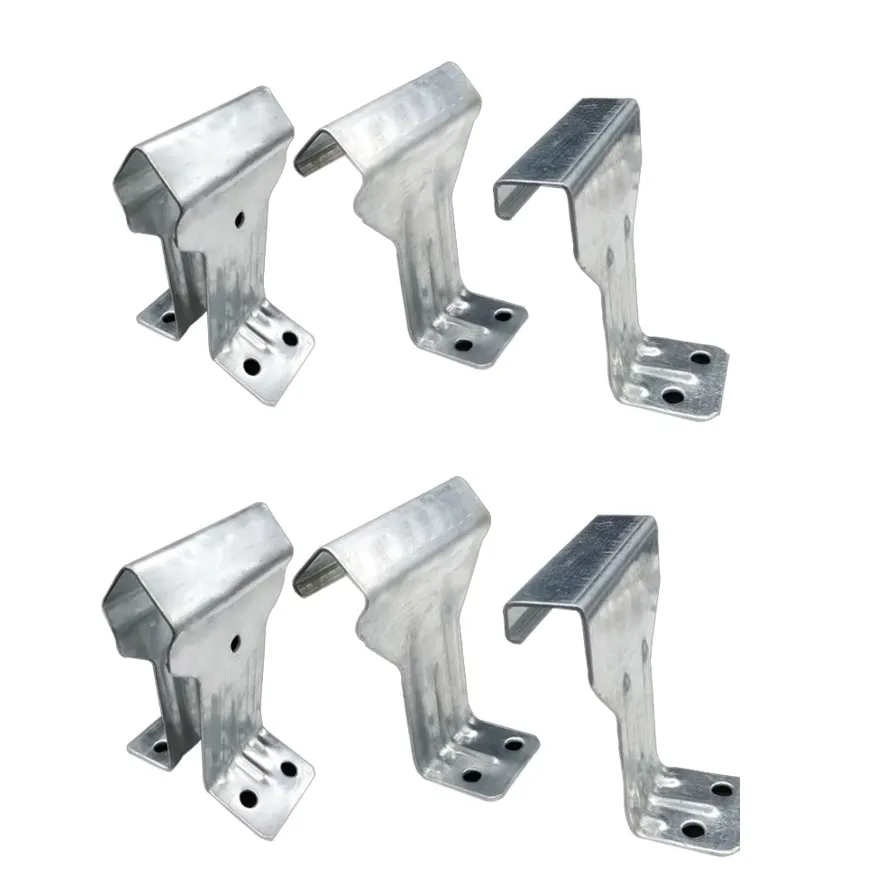 Galvanized Steel Roof Bracket Clamp Universal 820/760/475 Corrugated Metal Sheet Roof Mounting Support
- Galvanized Steel+Color Steel Tile Roofs
$0.05
MOQ: 50
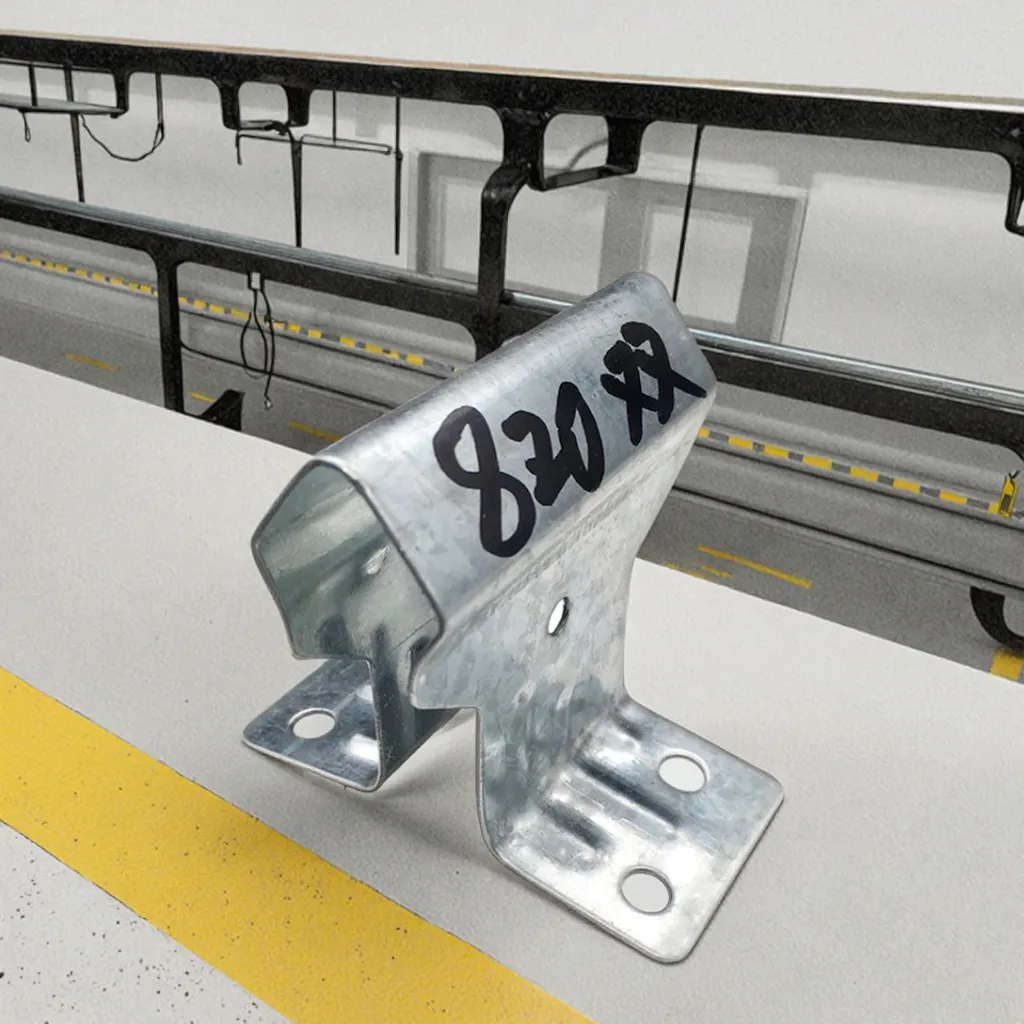 Pre-Galvanized 820 Roof Sheet Mounting Clip Fastening Bracket for Secure Metal Roof Installation Essential Brackets
- Galvanized Steel+Color Steel Tile Roofs
$0.05
MOQ: 50
 820 Steel Roof Panel Support Bracket Metal Shelf Angle for Corrugated Color Steel Roofing System Metal Fixing Clamp
- Galvanized Steel+Color Steel Tile Roofs
$0.05
MOQ: 50
 Hidden Roof Panel Clamp for 820 Type Roofing Sheet Galvanized Roof Bracket Fixing Hardware Product Category Brackets
- Galvanized Steel+Color Steel Tile Roofs
$0.05
MOQ: 50
 Steel Structure Fastener Galvanized Roof Support Bracket Mounting Clip for Metal Roof Panel
- Galvanized Steel+Color Steel Tile Roofs
$0.05
MOQ: 50
 Galvanized 820 Roof Bracket Clamp Hidden Fixing Clip for Corrugated Steel Roof Panels
- Galvanized Steel+Color Steel Tile Roofs
$0.05
MOQ: 50
About Standing Seam Sliding Clips & Thermal Expansion Anchors
In modern commercial, institutional, and industrial architectural metal roofing, long continuous panel runs (frequently exceeding 30 to 60 meters) undergo significant daily and seasonal thermal expansion and contraction movements. A 50-meter steel roof panel expands and contracts over 35 mm under standard seasonal temperature swings. Fixed through-fastener screws or rigid one-piece clips restrain this natural thermal movement, generating massive compressive stresses that cause severe panel oil-canning waves, elongated screw holes, and catastrophic seam tear-out under dynamic wind uplift cycles. Two-piece sliding expansion clips provide the definitive engineering solution.
Our standing seam sliding clips consist of a heavy-gauge stamped base anchor (1.5 mm to 2.0 mm structural steel) bolted firmly to roof purlins or solid decking, paired with a precision-interlocked sliding tab (1.0 mm to 1.2 mm steel) that hooks directly inside the vertical standing seam profile. Precision-stamped low-friction guide channels allow the sliding tab to glide smoothly back and forth with panel thermal movement while transmitting high vertical tensile wind uplift forces directly into the building structural framing.
Engineered to fit standard 1-1/2", 2", and 3" vertical mechanical lock and snap-lock standing seam profiles, our clips incorporate embossed alignment centering marks that allow installers to pre-set thermal travel based on ambient jobsite installation temperatures. Certified to UL 580, UL 1897, and ASTM E1592 wind uplift standards, our sliding clips ensure lifetime structural integrity.
Applications
Commercial Airport Terminal Long-Span Standing Seam Roof
In commercial airport terminal long-span standing seam roof, high-expansion two-piece sliding clips installed along 60-meter continuous aluminum standing seam roof panels on an airport terminal. These durable architectural roof and wall cladding profiles provide exceptional corrosion resistance, protecting industrial facilities from severe weather while delivering modern aesthetics.
High-Wind Coastal Logistics Facility Roof Clip Installation
In high-wind coastal logistics facility roof clip installation, uL 580 Class 90 certified galvanized steel sliding clips securing 2-inch mechanical lock standing seam roof panels against hurricane uplift. Featuring high-strength interlocking seams and concealed fastener clips, these continuous metal panels prevent water infiltration and ensure long-term building envelope integrity.
High-Standoff Sliding Clips with Continuous Thermal Insulation
In high-standoff sliding clips with continuous thermal insulation, elevated standoff sliding clips bridging 2-inch polyisocyanurate roof insulation blocks while anchoring standing seam panels to purlins. Precision-punched for rapid field erection, these high-strength structural members distribute wind loads, resist lateral torsional buckling, and maintain building frame rigidity.
Automated Stamping & Assembly Line for Two-Piece Roof Clips
In automated stamping & assembly line for two-piece roof clips, high-speed progressive stamping press manufacturing interlocking galvanized steel base plates and sliding tabs in a modern plant. These durable architectural roof and wall cladding profiles provide exceptional corrosion resistance, protecting industrial facilities from severe weather while delivering modern aesthetics.
Jobsite Thermal Travel Calibration & Seam Mechanical Seaming
In jobsite thermal travel calibration & seam mechanical seaming, electric roof seamer machine locking standing seam panel rib around sliding clip tabs on a commercial institutional building roof. Featuring high-strength interlocking seams and concealed fastener clips, these continuous metal panels prevent water infiltration and ensure long-term building envelope integrity.
Technical Overview
| Parameter | Information |
|---|---|
| Clip Fastener Classifications | Two-Piece Sliding Expansion Clip, High-Standoff Thermal Clip, Snap-Lock Sliding Clip, Fixed Anchor Clip |
| Material Grades Available | Hot-Dip Galvanized Carbon Steel S280GD+Z (Z275 / G90 coating), Stainless Steel 304 / 316 |
| Base Anchor Material Thickness | 1.5 mm to 2.0 mm (16 Gauge to 14 Gauge heavy structural base plate) |
| Sliding Top Tab Thickness | 1.0 mm to 1.2 mm (20 Gauge to 18 Gauge precision formed sliding tab) |
| Thermal Expansion Travel Range | 2.0" (50 mm) to 3.5" (90 mm) Bidirectional Thermal Expansion Travel Stroke |
| Seam Height Compatibilities | 1-1/2" (38 mm), 2" (50 mm), 2-1/2" (65 mm), 3" (75 mm) Mechanical Lock Seams |
| Wind Uplift Test Ratings | UL 580 Class 90 Wind Uplift Certified, ASTM E1592 Tested > 120 psf (5.75 kPa) |
| Fastener Hole Configurations | Dual-Hole Slotted Base for #12 or #14 Low-Profile Pancake Head Self-Drilling Screws |
| Low-Friction Guide Design | Embossed Stiffener Ribs with Self-Lubricating Dry Film or Friction-Free Polished Channels |
| Industry Standards Compliance | UL 580, UL 1897, ASTM E1592, ASTM A653, Sheet Metal Industry Standard Tested |
FAQ
How do two-piece sliding clips accommodate thermal expansion on standing seam metal roofs?
The stationary base anchors rigidly to roof purlins, while the upper tab slides smoothly within an embossed guide track, allowing panels to expand and contract up to 3 inches (75 mm) without stressing seams or fasteners.
When should sliding clips be used instead of one-piece fixed clips?
Fixed clips are suitable only for short panel runs (under 10 meters / 30 ft); panel runs exceeding 10 meters must utilize sliding expansion clips to prevent thermal buckling and seam fatigue failure.
What is the temperature alignment mark on the sliding clip tab?
The sliding tab features stamped center and seasonal index marks; installers position the tab centered for moderate weather, or offset toward the eave or ridge when installing in extreme summer heat or winter cold.
What wind uplift testing certifications do these sliding clips satisfy?
Our sliding clips are rigorously tested and certified to UL 580 (Class 90), UL 1897 (extended wind uplift exceeding 120 psf), and ASTM E1592 structural performance standards for standing seam metal roof assemblies.
Are sliding clips available in stainless steel for coastal and marine roofs?
Yes, clips are manufactured from Grade 304 or 316 stainless steel for coastal, chemical, and aluminum standing seam roof installations, completely eliminating galvanic interaction and rust.
What screw fasteners should be used to anchor sliding clips into steel purlins?
Clips are secured using two #12 or #14 hex washer or pancake-head self-drilling screws with low-profile heads that do not interfere with the smooth movement of the sliding tab or underside of the metal roof panel.
Can sliding clips accommodate thermal movement across rigid roof insulation boards?
Yes, high-standoff clips with engineered base leg elevations (from 1/2" to 2-1/2" standoff heights) are available to accommodate continuous thermal barrier spacer blocks beneath roof panels.