Global B2B Roll Forming Sourcing Platform | Free RFQ Response within 24h

- Tuo AI

- Live

- My Account
- Shopping Cart
- Inquiry Basket
- Contact Us
- Back to Top




Hex Washer Head Self-Drilling & Self-Tapping Screws
Industrial hex washer head screws represent the gold standard mechanical fastening solution for pre-engineered metal buildings, corrugated steel roofing, and cold formed structural framing. Featuring high-torque hexagonal drive heads, integrated load-spreading flanges, and precision self-drilling drill points (from #1 to #5), these fasteners drill, tap, and clamp in a single high-speed operation. Equipped with bonded vulcanized EPDM sealing washers and Ruspert or zinc-flake anti-corrosion coatings, our hex washer screws provide watertight joint integrity and certified pull-out strength across extreme outdoor weathering conditions.
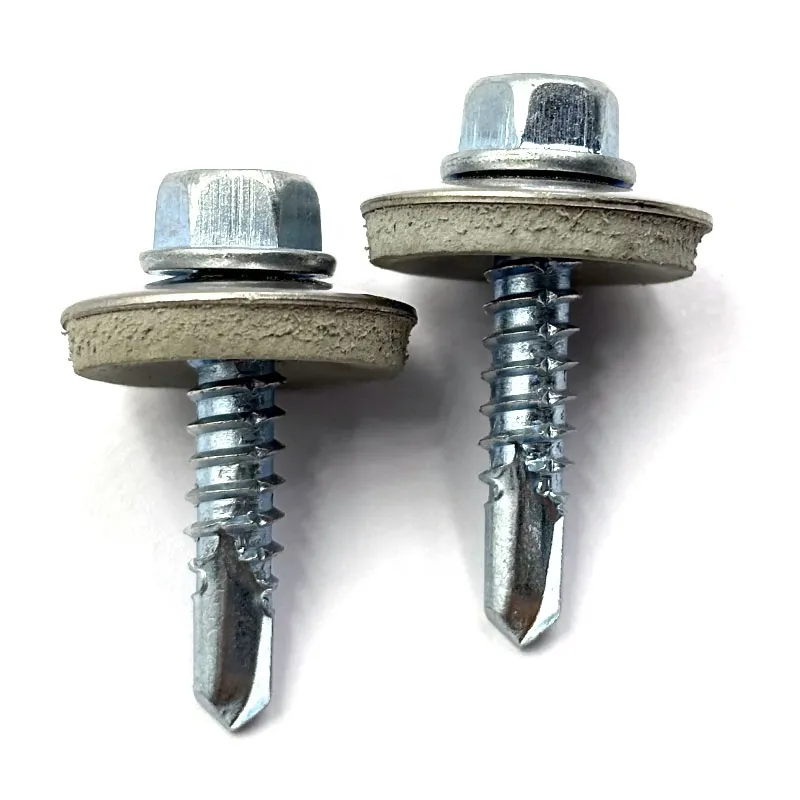 Factory Price Taiwan Quality Bi-Metal Hex Screws Self Drilling With Washers Roofing Solar
- Bimetal hex washer head self drilling screw+90 mm+M3.5
$0.10
MOQ: 5000
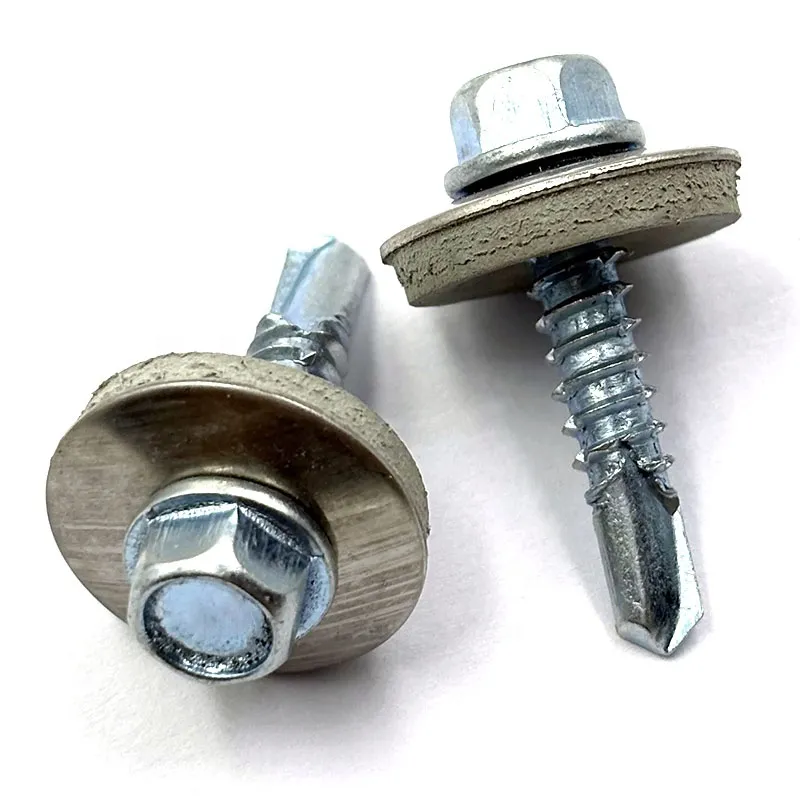 Bi-metal Hex Head Screws Hexagon Flange Drill Bimetal Screw with EPDM Washer UAE Market
- Bimetal hex washer head self drilling screw+90 mm+M3.5
$0.10
MOQ: 5000
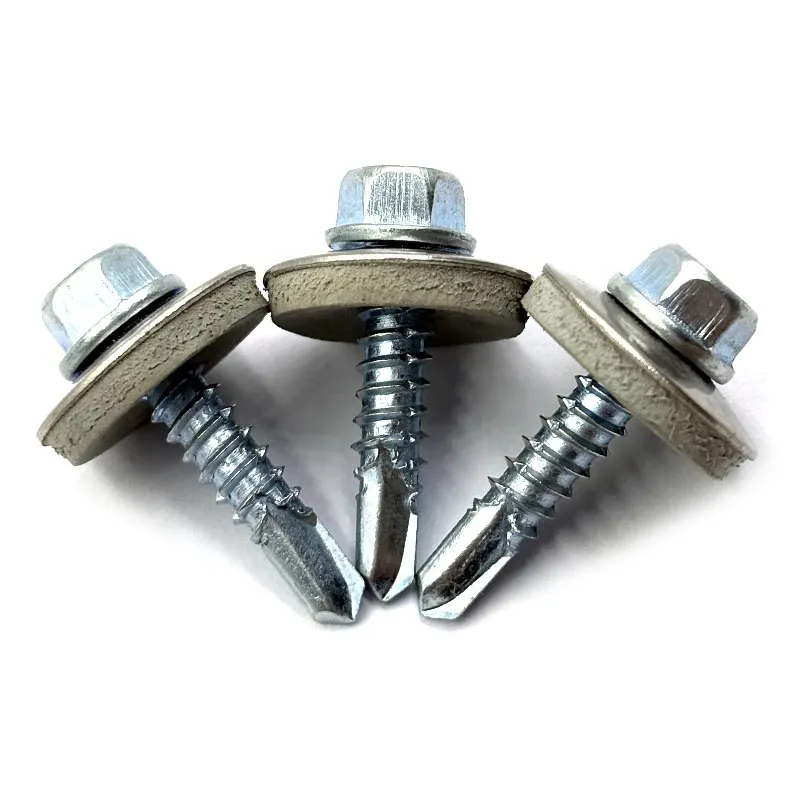 High Quality Bi-metal Hex Washer Self Drilling Screws With Black Grey Bonded Washers
- Bimetal hex washer head self drilling screw+90 mm+M3.5
$0.10
MOQ: 5000
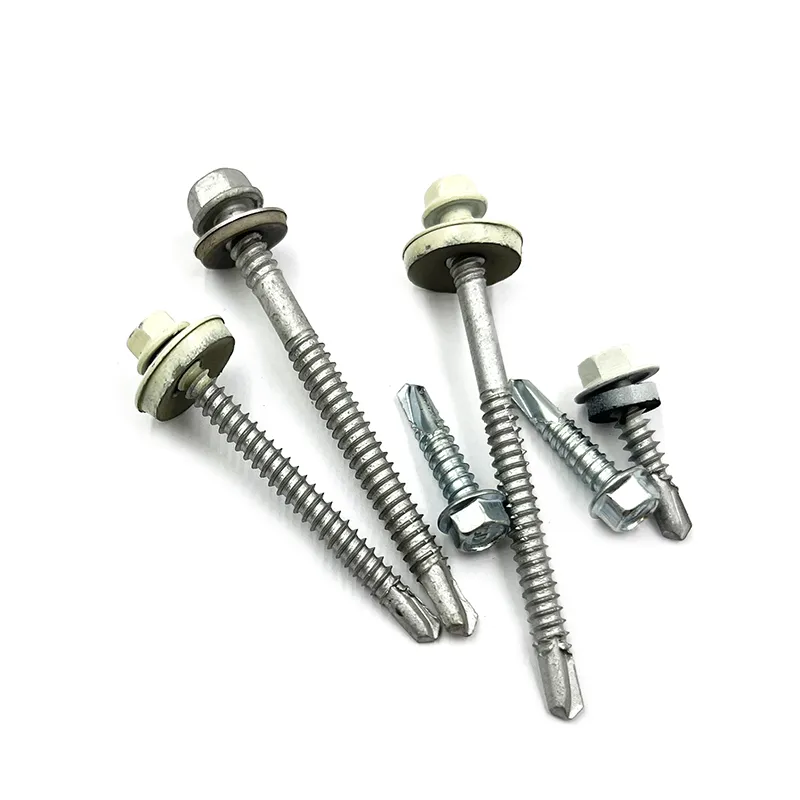 Factory Price Exceptional Hex Bi-metal Screw
- Self-Drilling Screws+90 mm+M4.8
$10.00
MOQ: 1000
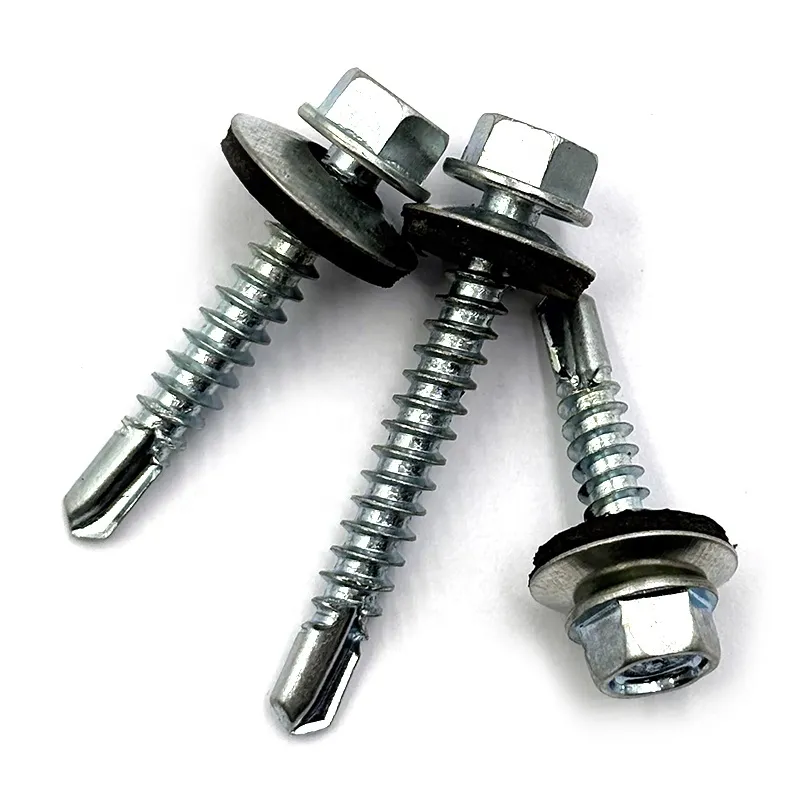 Hex Wafer Head Self-Drilling Phillips Truss Roofing Screws Dovetail Wood Screw Inch 16mm
- Self-Drilling Screws+25mm+M3.5
$1,340.00
MOQ: 1
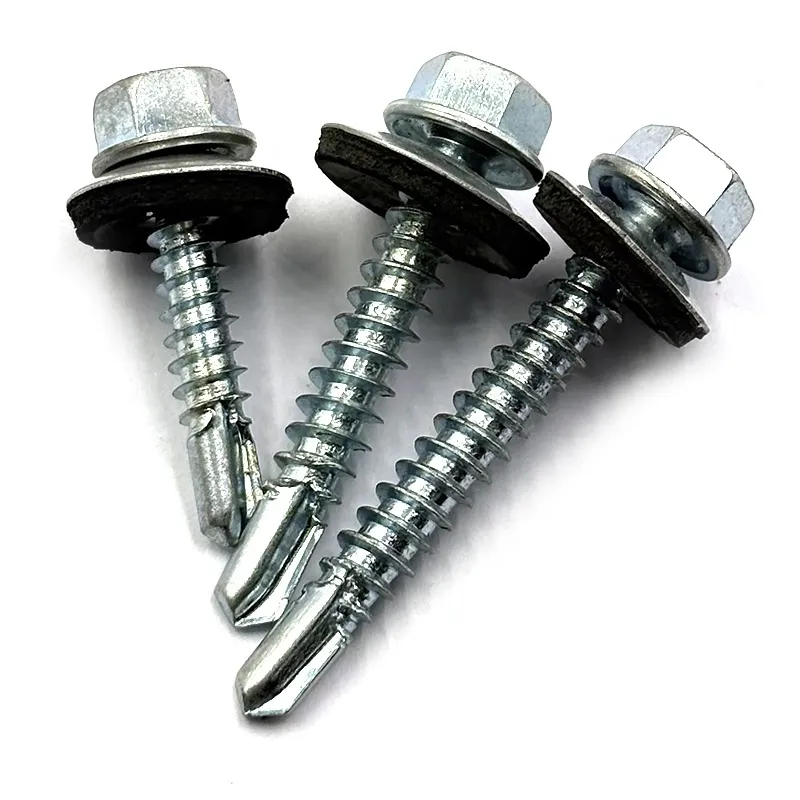 Hex Head Machine Screws Self-drilling Tapping Carbon Steel China Manufacturer Inch #12 7mm
- Hex Cap Screws+12mm+M3.5
$1,339.00
MOQ: 10
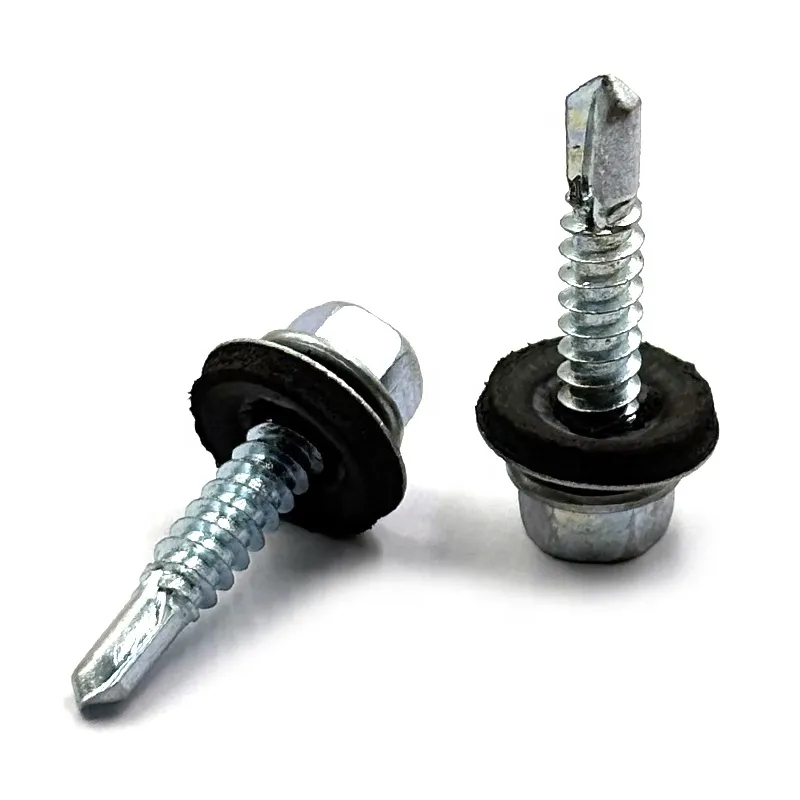 Sandwich Screw Hex Flange Head Self Drilling Screws Roofing Screw with Black EPDM Sealing Washer
- Self-Drilling Screws+9.5mm - 127mm+#6
$1,070.00
MOQ: 1
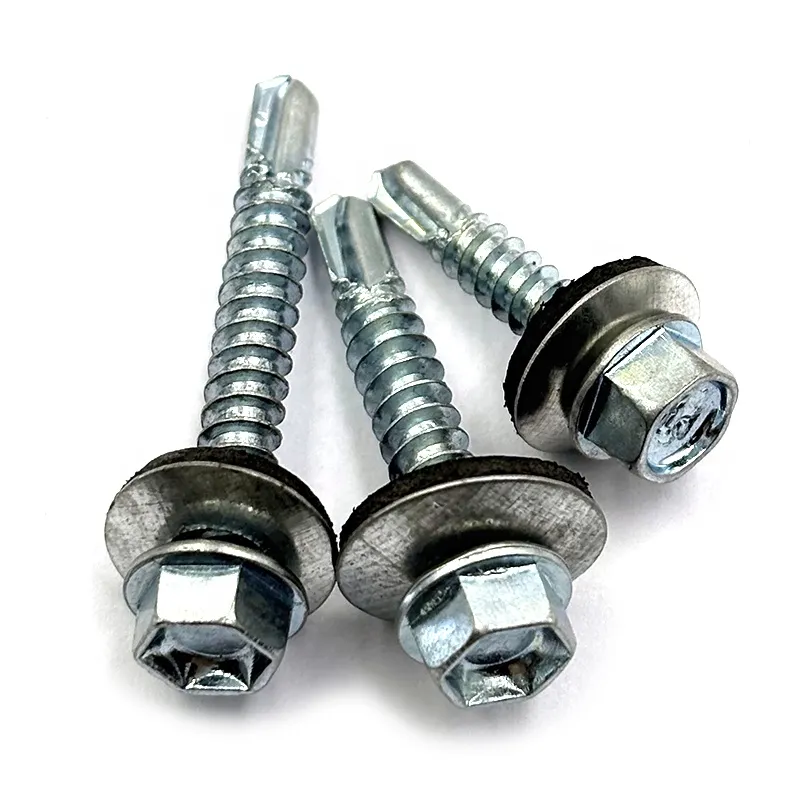 Hex Head Screw Sandwich Screw Manufacturer Self Drilling Screws with Bonded Washer for Sealing
- Self-Drilling Screws+9.4mm - 128mm+#6
$1,071.00
MOQ: 1
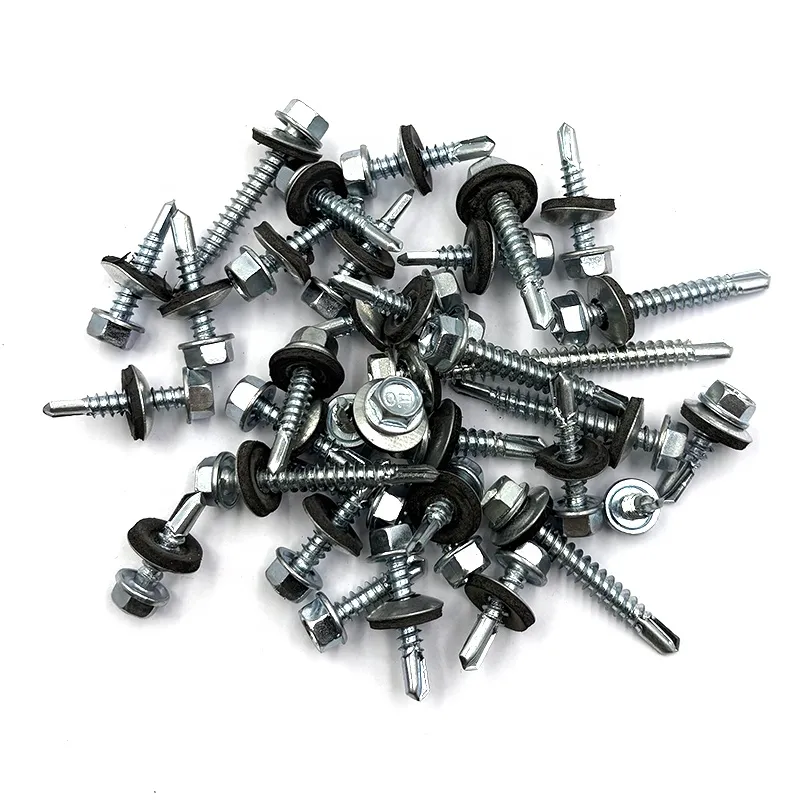 Roofing Screw Low Price Hex Head Self Drilling Screw with EPDM Sealing Waterproof Washer
- Self-Drilling Screws+9.4mm - 127mm+#6
$170.00
MOQ: 1
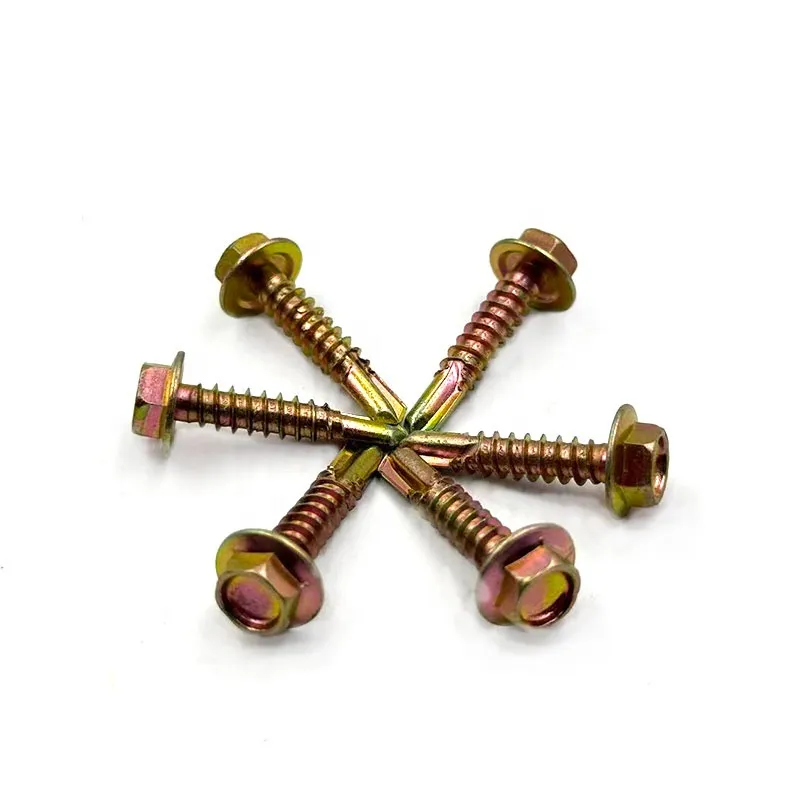 Factory Price and High Quality Yellow Zinc Plated C1022A Hex Head Self Drilling Screws for Roofing
- Hex Head Self Drilling Screws+25mm
$1.01
MOQ: 20000
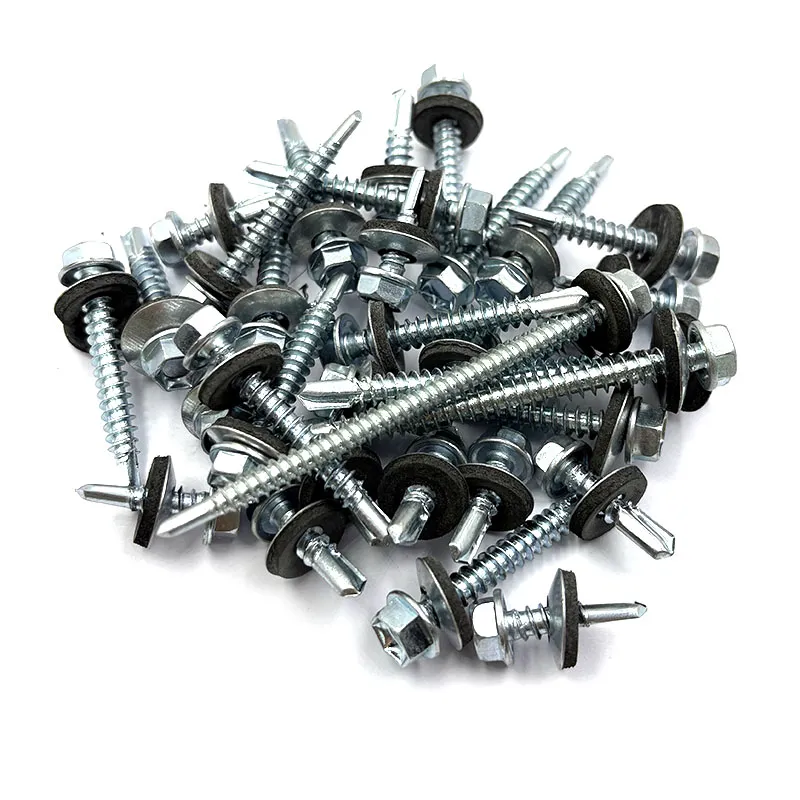 Hex Head Self Drilling Screws High Quality Full Size Chinese Factory
- Self-Drilling Screws+25mm+M3.5
$1.50
MOQ: 1000
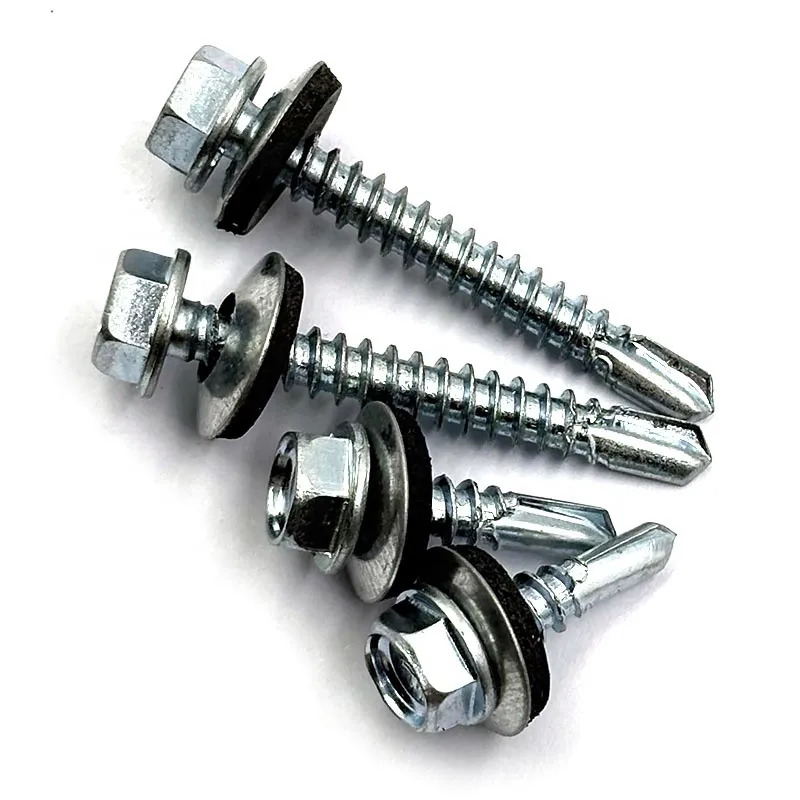 Hot China Factory Direct Sale Galvanized Hex Head Self Drilling Screws With Black EPDM M5.5 M6.3
- Hex Head Self Drilling Screws+30 mm+M3.5
$1.10
MOQ: 1000
 Wholesale Factory Price Zinc Plated Galvanized Self Drilling Hex Head Wood Screw Metal to Metal with EPDM Bonded Rubber Washer
- Self-Drilling Screws+16mm
$0.40
MOQ: 50000
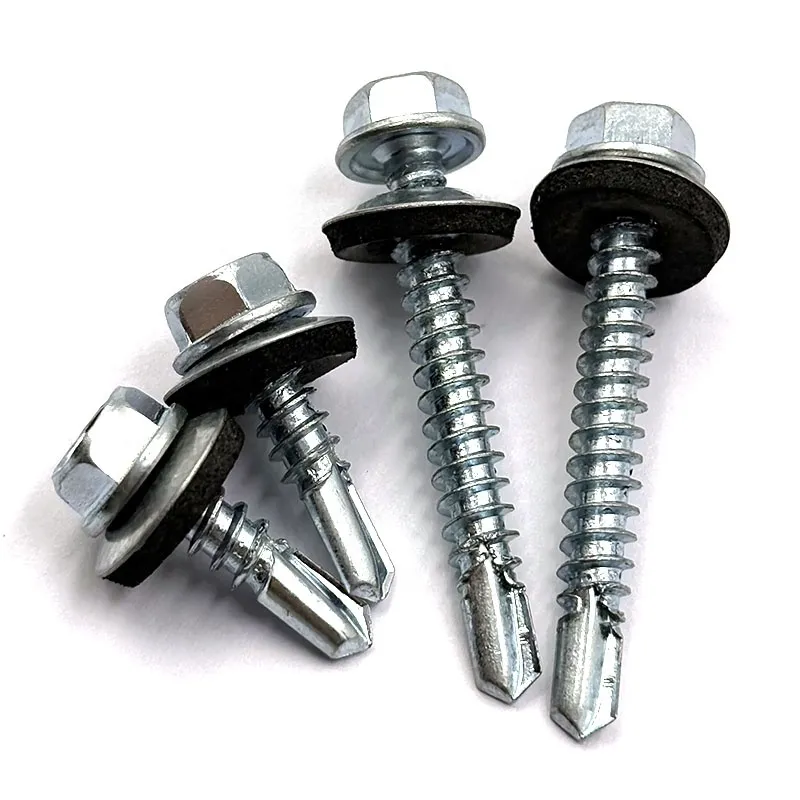 Top Quality Factory Supply Zinc Plated Galvanized Self Drilling Hex Head Screw Metal to Metal with EPDM Bonded Rubber Washer
- Self-Drilling Screws+16mm
$0.40
MOQ: 50000
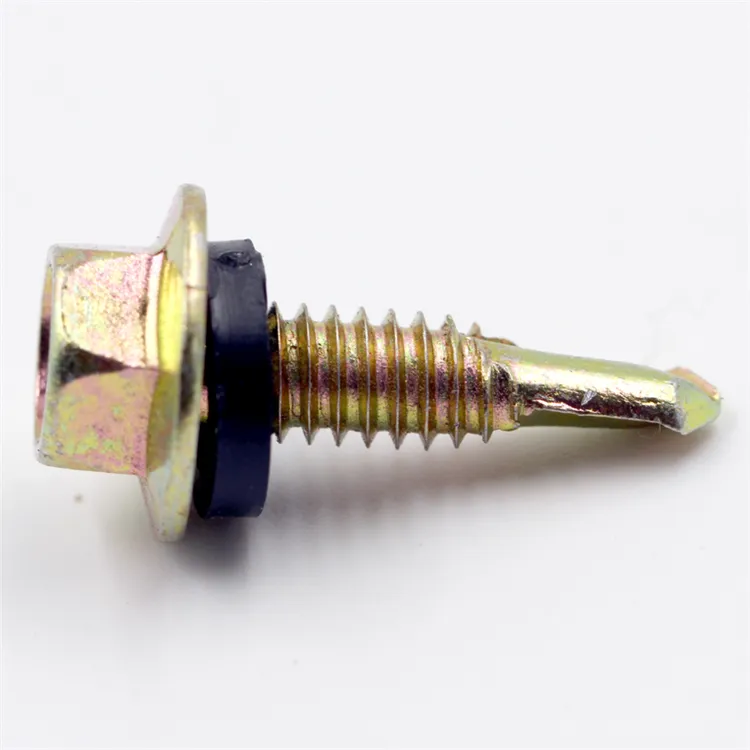 Indented Hex Cupped Washer Head Deep Undercut BSD Thread No.3 Point Self Drilling Screw
- Hex Cap Screws+12mm+#6
$1,200.00
MOQ: 2
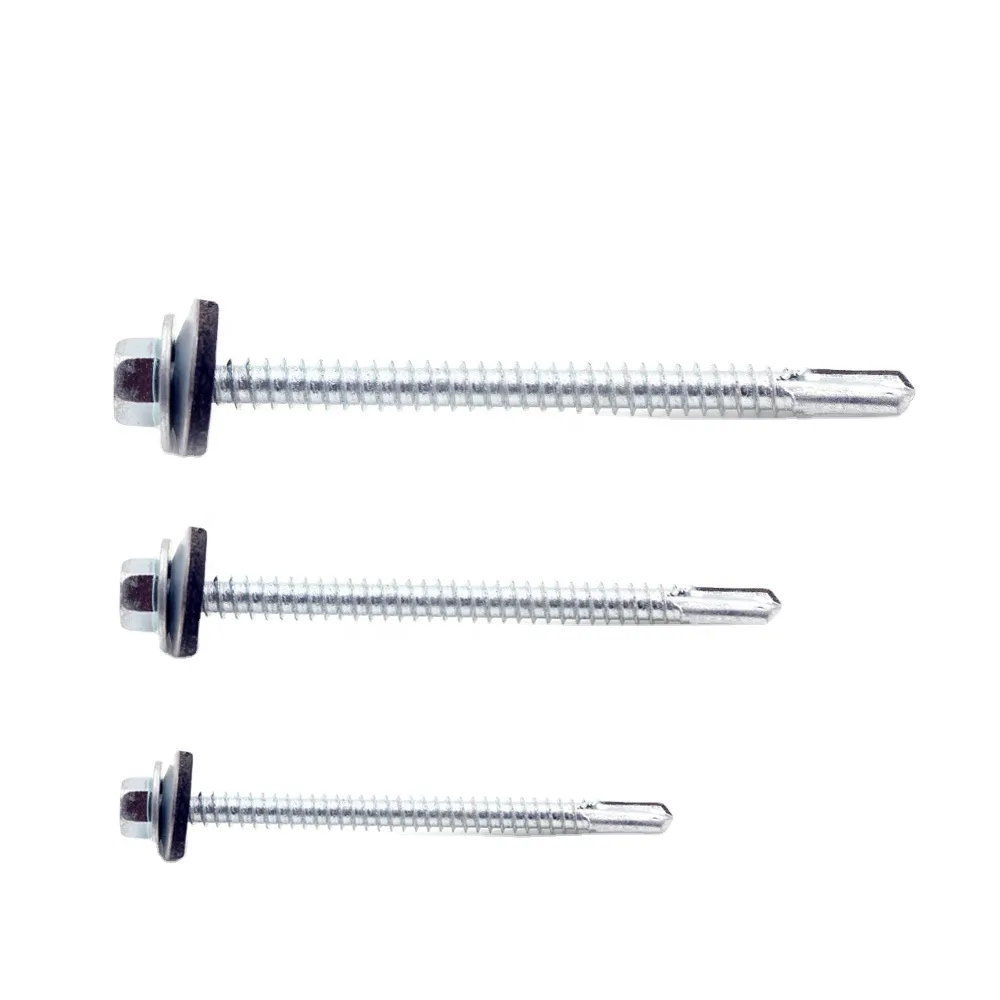 Din 7504 Self Drilling Screws Roofing Screw with EPDM Washer
- Hex Cap Screws+12mm+M3
$1,200.00
MOQ: 2
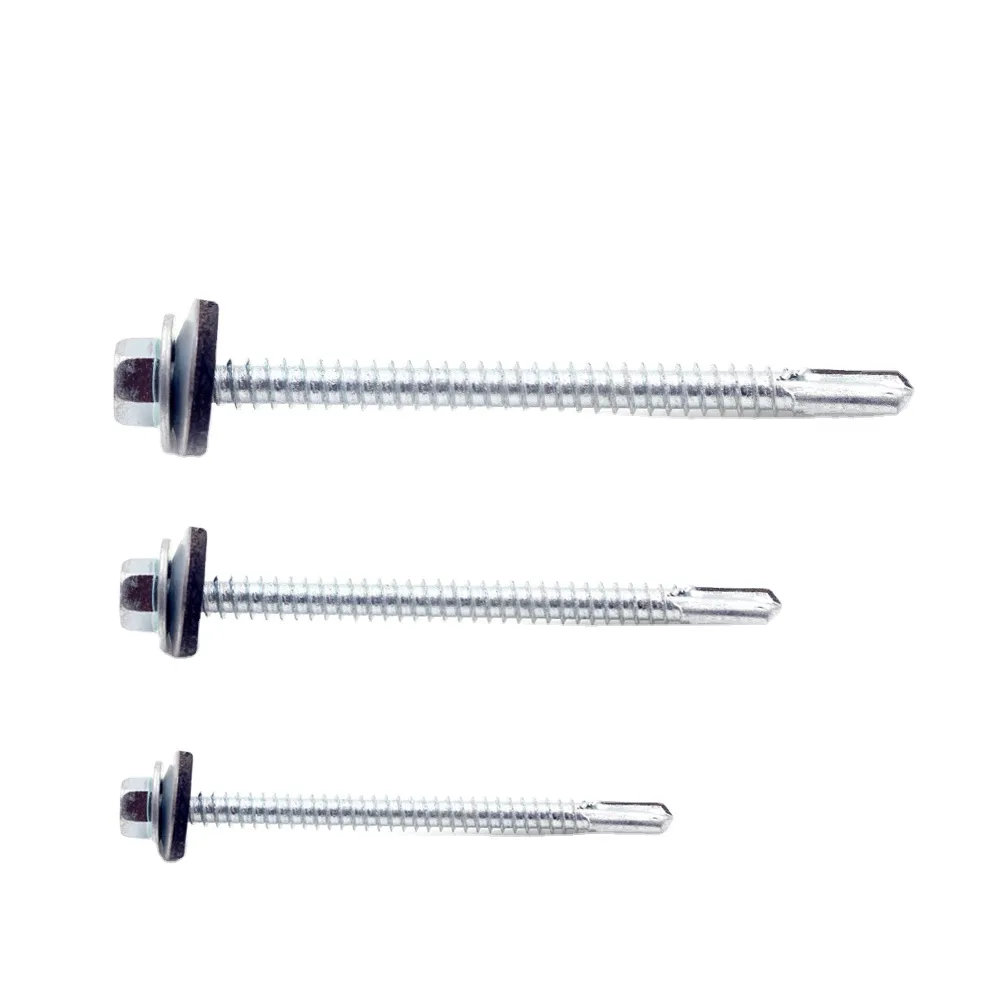 China Supplier of Fastener Hot Dip Galvanized Self Drilling Screw
- drilling screws+90 mm+M4.2
$1,285.71
MOQ: 1
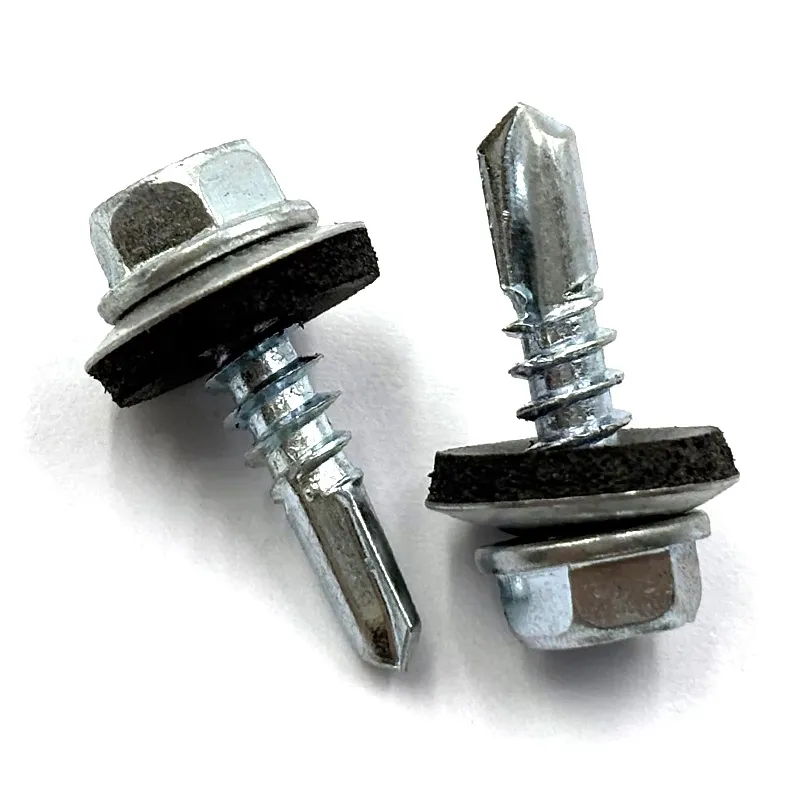 Hex Cheese Cap Head Self Tapping Screws M2-M8 Size Steel Fasteners 25mm/50mm/200mm Length Zinc Plated Industrial Fasteners DIN
- zinc plated hex head screw+25mm+M1.6
$0.02
MOQ: 100000
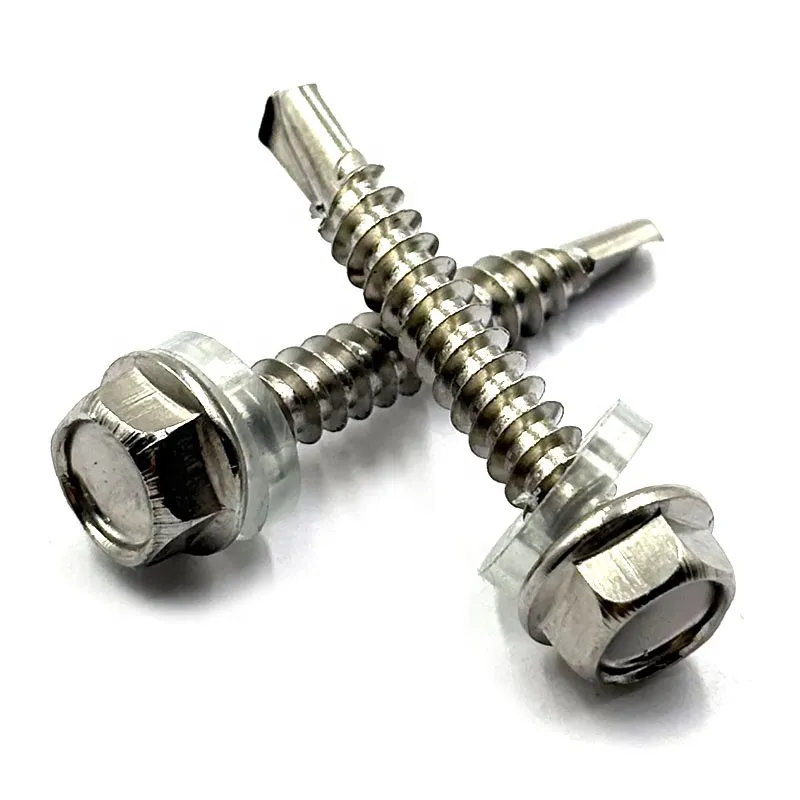 Stainless Steel Hex Head Self Drilling Screw - Sharp Drilling Point, Perfect for Metal and Wood Applications
- wafer head self tapping screw+16mm+M3.5
$0.02
MOQ: 10000
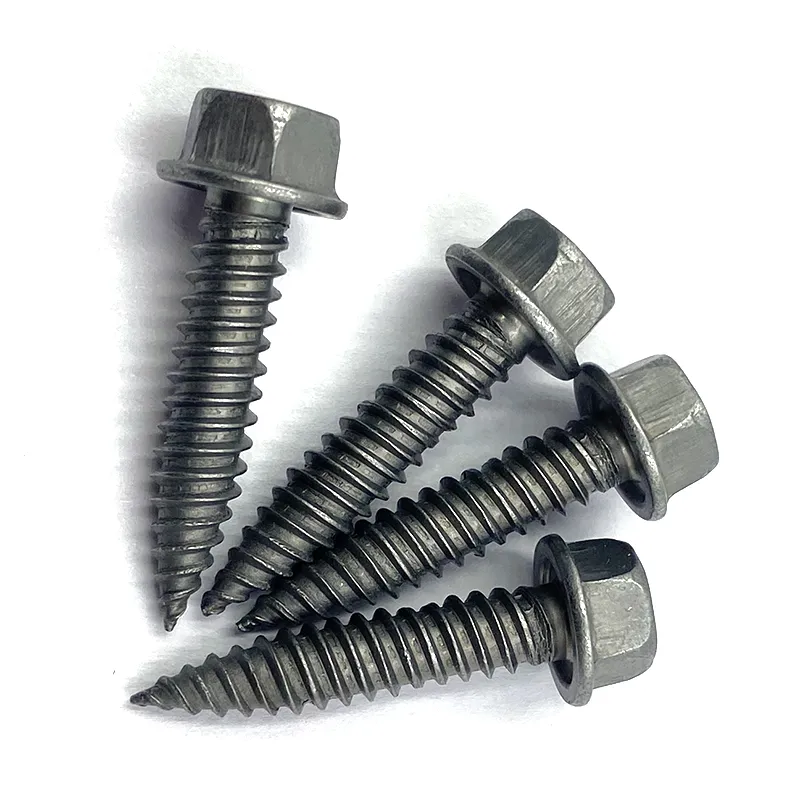 Stainless Steel Bi Metal Screw
- Tapping Screws+M5.5+25mm
$120.00
MOQ: 1000
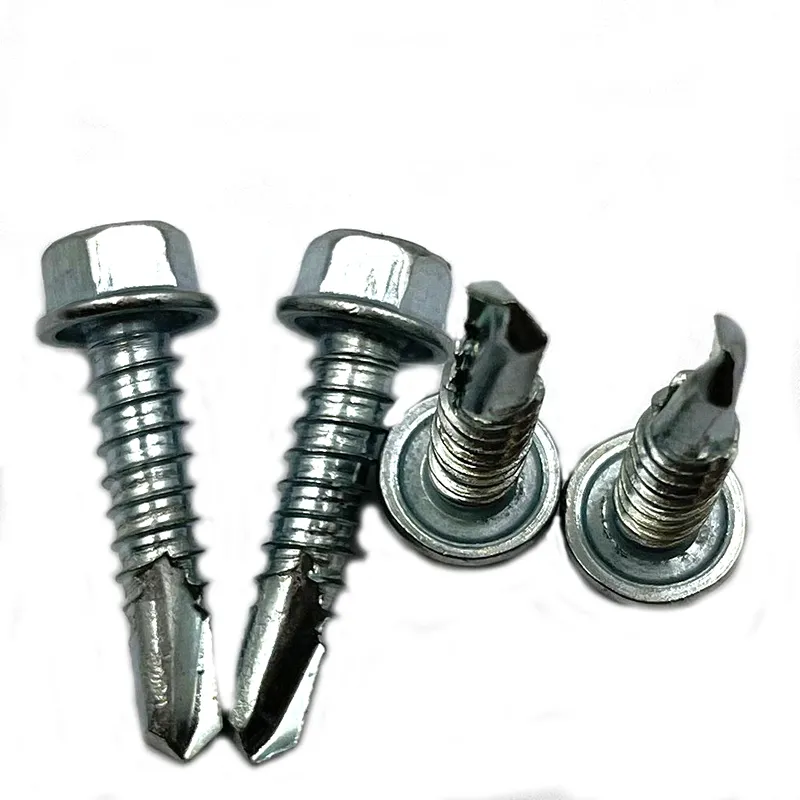 Bimetal Hexagonal Flange Head Self Drilling Screw
- Hex head self drilling screw+90 mm+M4.8
$10.00
MOQ: 1000
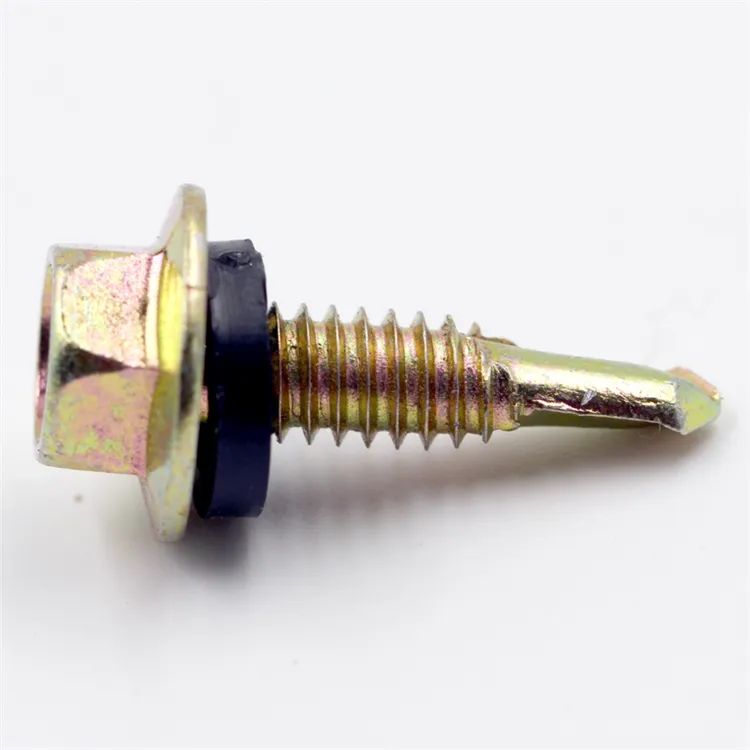 Indented Hex Cupped Washer Head Deep Undercut BSD Thread No.3 Point Self Drilling Screw
- Hex Cap Screws+12mm+#6
$1,200.00
MOQ: 2
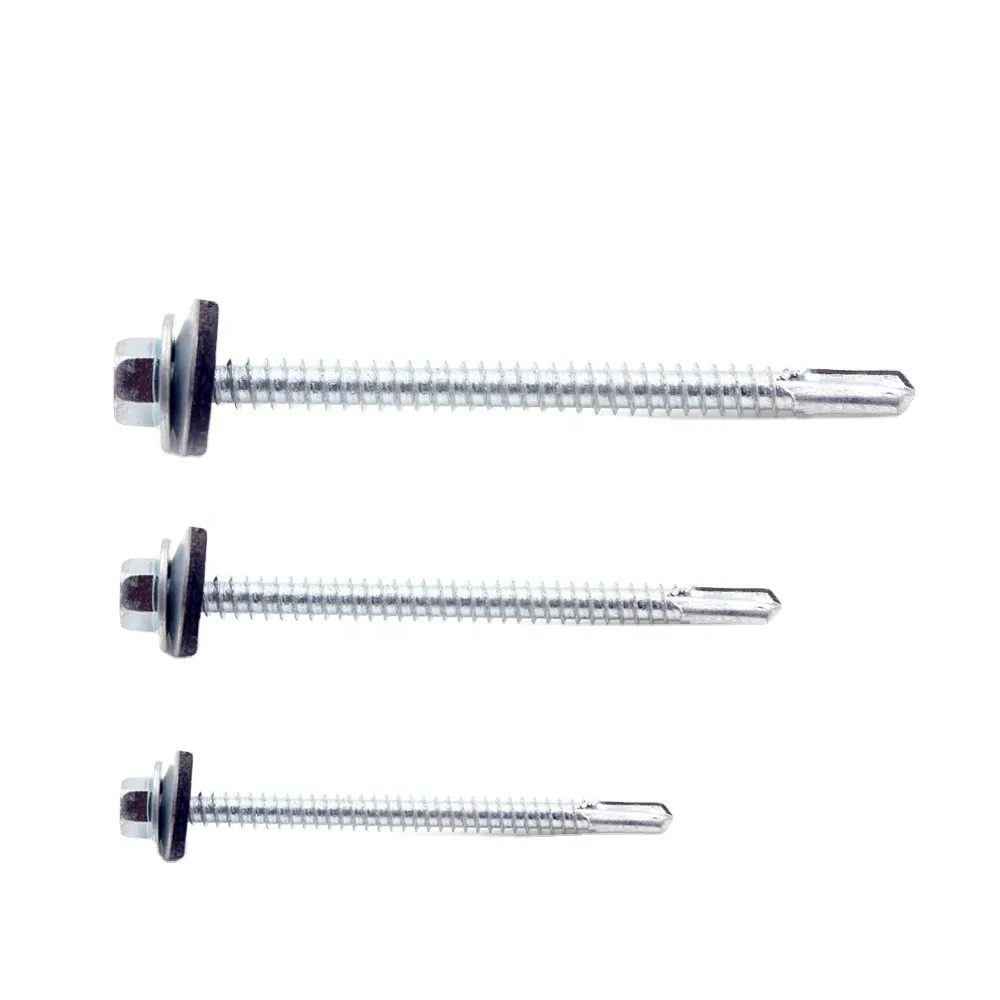 Din 7504 Self Drilling Screws Roofing Screw with EPDM Washer
- Hex Cap Screws+12mm+M3
$1,200.00
MOQ: 2
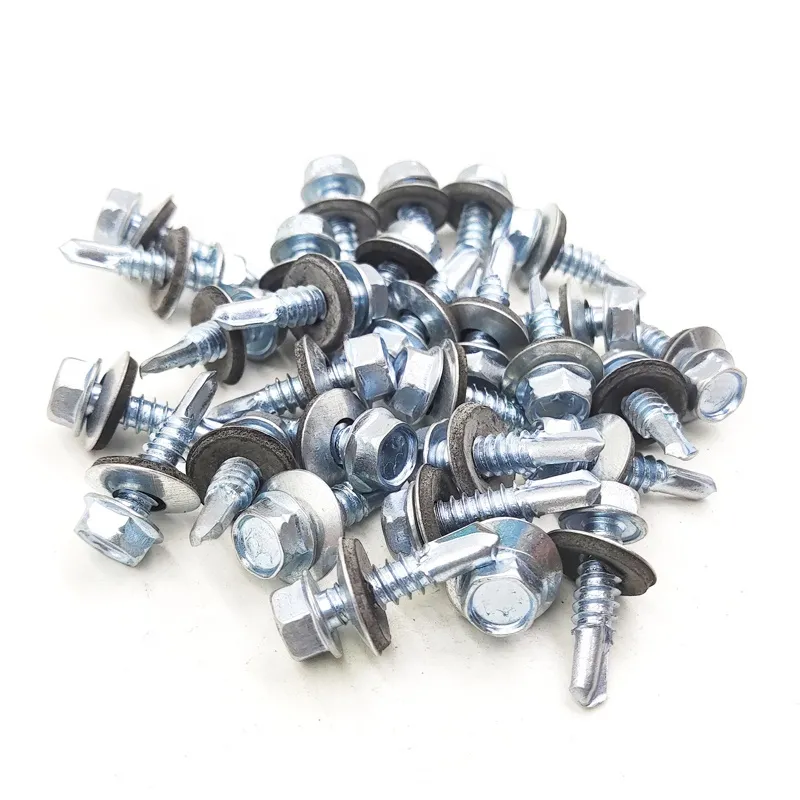 Tek Screw (SDS) Hex Washer Head Self Drill Drill Point #3 Zinc Plated
- Tapping Screws+12mm+M7
$1,200.00
MOQ: 2
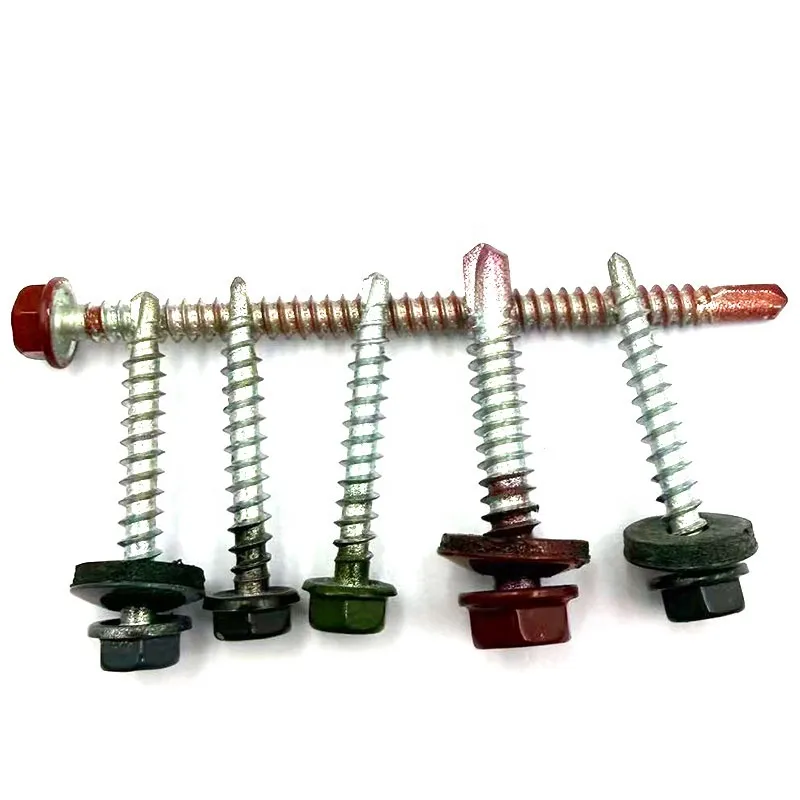
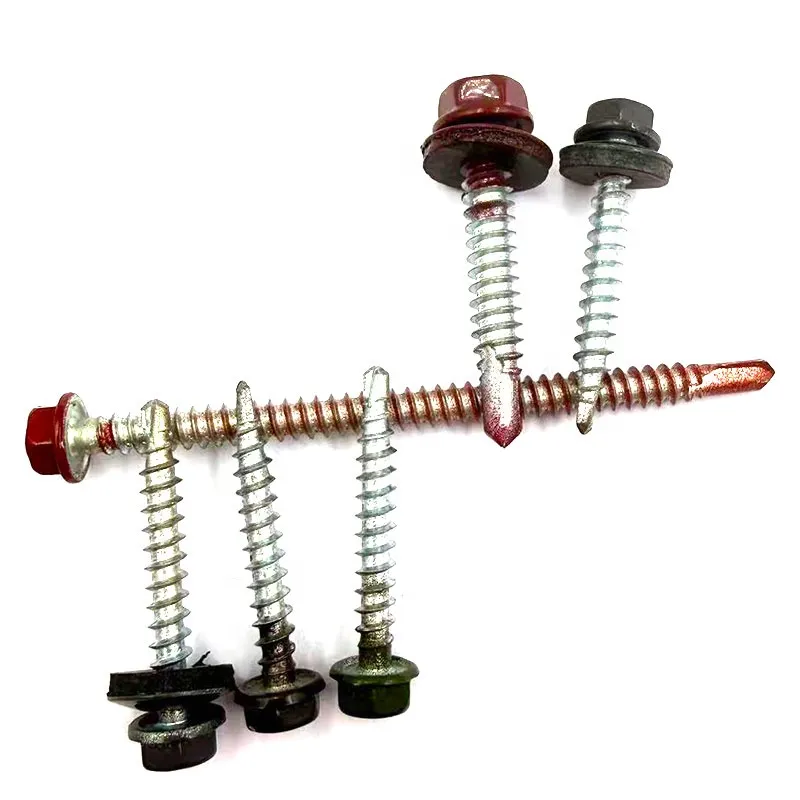 Wholesale High Strength Colorful Painted Hex Flange Head Self Drilling Screw With EPDM Washer
- color painted hex washer screw+90 mm
$0.03
MOQ: 1000000
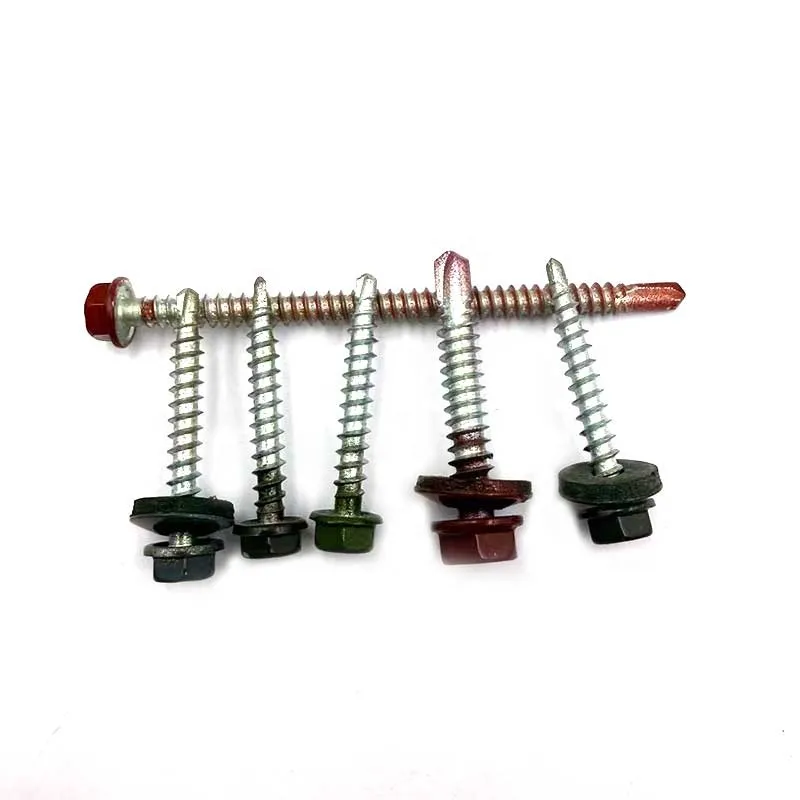
 Leading China Factory Color Painted Hex Washer Head Self Drilling Screw Wholesale Price
- color painted hex washer screw+90 mm
$0.03
MOQ: 1000000
 Huazhen Brand Self Drilling Screws M3.5 M6 Carbon Steel Fine Thread Class 4.8 6.8 Color Painted Hex Head for Roofing Metal
- Self Drilling Screw+25mm+M5.5
$1.50
MOQ: 100
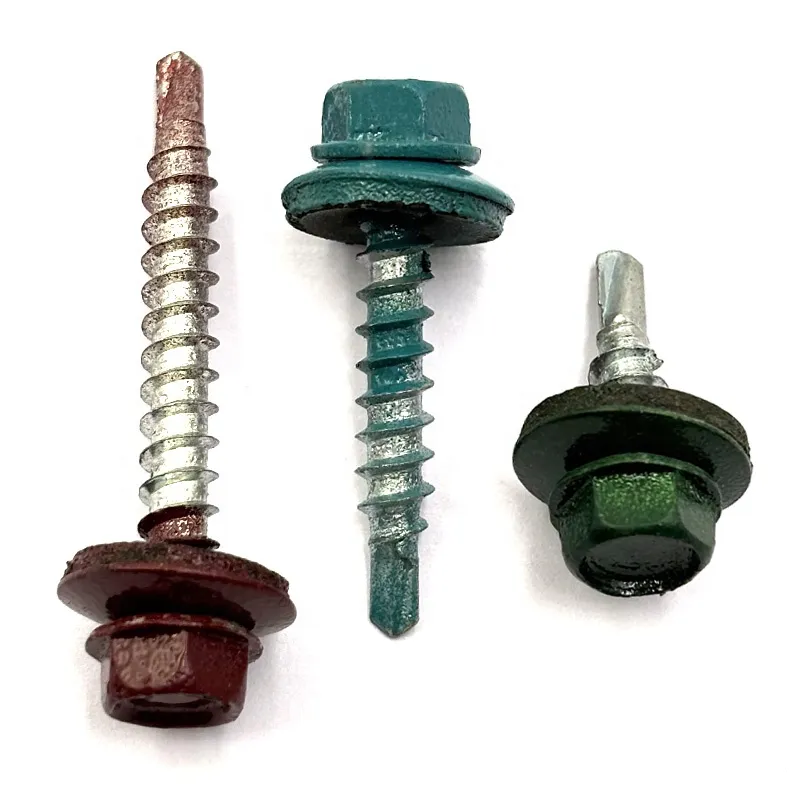 High Quality Factory Wholesale Carbon Steel Hex Head Color Painted Self Drilling Screws Made in China
- Color Painted Hex Head Screws+25mm+M4.8
$1.45
MOQ: 1000
About Industrial Hex Washer Screws & Metal Roofing Fasteners
In modern industrial roofing, architectural wall cladding, and cold roll formed structural steel construction, fastening speed and joint weather-tightness are critical to project performance. Hex washer head self-drilling screws (TEK screws) eliminate the time-consuming need for pilot hole pre-drilling and punch alignment. Engineered with hardened self-drilling flutes, these fasteners penetrate multiple layers of high-tensile steel roofing panels and thick structural purlins (up to 12.5 mm steel thickness) in seconds, establishing rigid high-clamping connections that resist severe cyclic wind uplift loads.
The integrated hexagonal washer head provides superior non-slip drive engagement for high-speed electric screw guns, preventing head cam-out and damaged paintwork during rapid installation. Beneath the flange, a permanently vulcanized EPDM elastomeric sealing washer compresses against the metal sheet profile during final torquing. This weather-tight rubber cushion seals out driving rain and moisture capillary action while isolating the steel fastener from dissimilar metal sheet substrates, eliminating galvanic corrosion across PPGI, Galvalume, and aluminum exterior roofing profiles.
Cold-headed from premium C1022A carbon steel and case-hardened to 550–650 HV, our screws are available in Class 3 and Class 4 Ruspert, Dacromet, and ceramic multi-layer coatings delivering 1,000 to 2,000 hours of neutral salt spray corrosion resistance. For severe marine and chemical atmospheres, bi-metal 304/316 stainless steel screws with welded hardened carbon steel drilling tips are available, combining permanent austenitic corrosion resistance with self-drilling capabilities conforming strictly to DIN 7504K, AS 3566.2, and ASTM C1513.
Applications
Corrugated Metal Roofing Purlin Fastening
In corrugated metal roofing purlin fastening, industrial application of corrugated metal roofing purlin fastening in modern automated cold roll forming and metal building manufacturing. These high-tensile C and Z purlins provide lightweight secondary structural framing across wide bays, supporting heavy corrugated metal roof and wall cladding.
Structural C Purlin Flange Stitching
In structural c purlin flange stitching, industrial application of structural c purlin flange stitching in modern automated cold roll forming and metal building manufacturing. Engineered with tight flange angles and continuous web stiffeners, these cold-formed purlins deliver exceptional strength-to-weight ratios conforming to modern design codes.
Insulated Sandwich Panel Through Fixing
In insulated sandwich panel through fixing, industrial application of insulated sandwich panel through fixing in modern automated cold roll forming and metal building manufacturing. Featuring tight tongue-and-groove joint profiles and non-combustible core insulation, these structural composite panels deliver superior thermal efficiency and fire resistance.
Architectural Standing Seam Clip Anchoring
In architectural standing seam clip anchoring, industrial application of architectural standing seam clip anchoring in modern automated cold roll forming and metal building manufacturing. Engineered with anti-capillary side-laps and continuous structural ribs, these precision roll-formed metal panels deliver leak-proof weather-tightness and withstand hurricane-force wind uplift.
Solar Panel Mounting Bracket Attachment
In solar panel mounting bracket attachment, industrial application of solar panel mounting bracket attachment in modern automated cold roll forming and metal building manufacturing. Engineered from high-strength alloys, these mounting assemblies provide exceptional structural rigidity, rapid bolt-together alignment, and durable cathodic corrosion protection.
Technical Overview
| Parameter | Information |
|---|---|
| Fastener Classifications | Hex Washer Head Self-Drilling Screw (TEK), Self-Tapping Roofing Screw, Bi-Metal Screw |
| Material Grades | Case-Hardened Carbon Steel C1022A, Bi-Metal 304+Carbon Steel, Stainless Steel 410/316 |
| Nominal Thread Diameters | #10 (4.8 mm), #12 (5.5 mm), #14 (6.3 mm), M4.8, M5.5, M6.3 |
| Screw Length Range | 19 mm (3/4") to 150 mm (6") with full or partial threaded shanks |
| Drill Point Capacities | Drill Point #2 (up to 2.5 mm), #3 (up to 4.5 mm), #4 (up to 8.0 mm), #5 (up to 12.5 mm) |
| Sealing Washer Types | Bonded EPDM/Galvanized Steel Washer (14 mm, 16 mm, 19 mm), DEKS Neoprene Washer |
| Surface Corrosion Coatings | Class 3 Ruspert (1000 hrs NSS), Class 4 (1500 hrs NSS), Dacromet, Mechanical Zinc 50 µm |
| Mechanical Pull-Out Load | 3.2 kN – 11.5 kN (dependent on steel purlin thickness and screw diameter) |
| Applicable Standards | DIN 7504K, ISO 15480, AS 3566.2 (Class 3/4), ASTM C1513, CE Certified |
| Drive Size & Head Style | 5/16" (8 mm) or 3/8" (10 mm) Hex Head with integrated serrated or plain washer face |
FAQ
What is the difference between #1, #2, #3, and #5 drill points on hex washer screws?
#1 and #2 points are optimized for light-gauge framing (0.8–2.0 mm), #3 points are standard for C/Z purlins up to 4.5 mm thickness, and #5 heavy-duty drill points penetrate structural hot-rolled beams up to 12.5 mm thick without pre-drilling.
How does the vulcanized EPDM washer ensure waterproof performance on corrugated roofs?
The high-grade EPDM rubber is thermally bonded to a concave galvanized or stainless backing washer; when torqued, it flows uniformly around the screw shank and hole rim, creating a hermetic seal that withstands UV, ozone, and thermal cycling.
What coating should be specified to match the lifespan of Galvalume and prepainted roofing?
Class 3 or Class 4 multi-layer ceramic/Ruspert coatings (yielding 1,000–1,500 hours salt spray resistance) or bi-metal stainless steel screws should be specified to match the 25–50 year design life of modern metal roof coatings.
What tightening torque should be used to avoid crushing the EPDM sealing washer?
Fasteners should be driven until the EPDM washer rim expands just flush with the metal backing washer edge (approx. 4.5–7.0 Nm depending on screw diameter); over-tightening crushes the rubber and causes premature seal failure.
What are bi-metal hex washer screws and where are they required?
Bi-metal screws feature a 304 or 316 stainless steel shank and head welded to a hardened carbon steel drill point, providing self-drilling convenience alongside permanent corrosion immunity in coastal, marine, and chemical plant environments.
What thread pitch should be selected for cold formed C and Z steel purlins?
Fine thread fasteners (typically 14–24 threads per inch) provide superior mechanical thread engagement and higher pull-out resistance when driving into structural cold roll formed steel purlins between 1.5 mm and 3.2 mm thickness.
Can hex washer screws be used to fasten fiber cement and polycarbonate rooflights?
Yes, specialized hex washer roofing screws with enlarged load-spreading washers (up to 19 mm or 25 mm diameter) and self-expanding clearance wings are used to accommodate thermal expansion on fiberglass, polycarbonate, and cement sheeting.