Global B2B Roll Forming Sourcing Platform | Free RFQ Response within 24h

- Tuo AI

- Live

- My Account
- Shopping Cart
- Inquiry Basket
- Contact Us
- Back to Top




Industrial Bolts and Nuts & Structural Fasteners
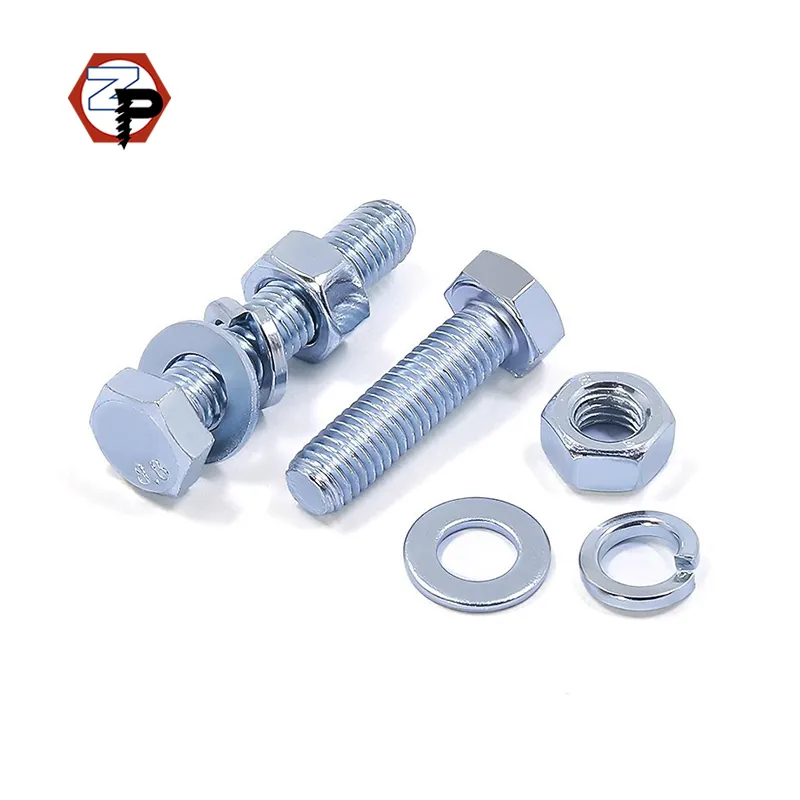
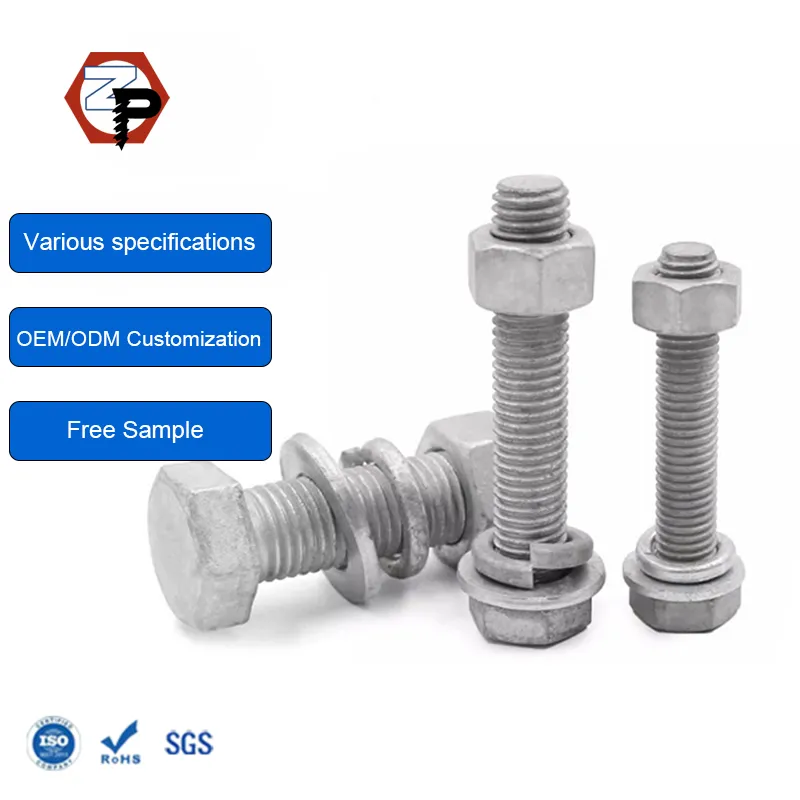
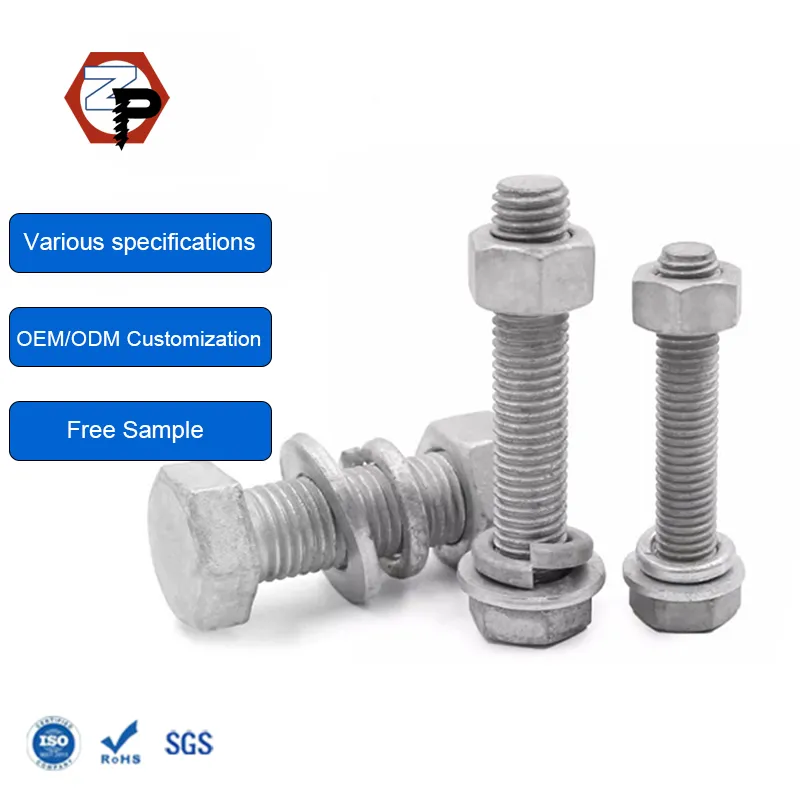
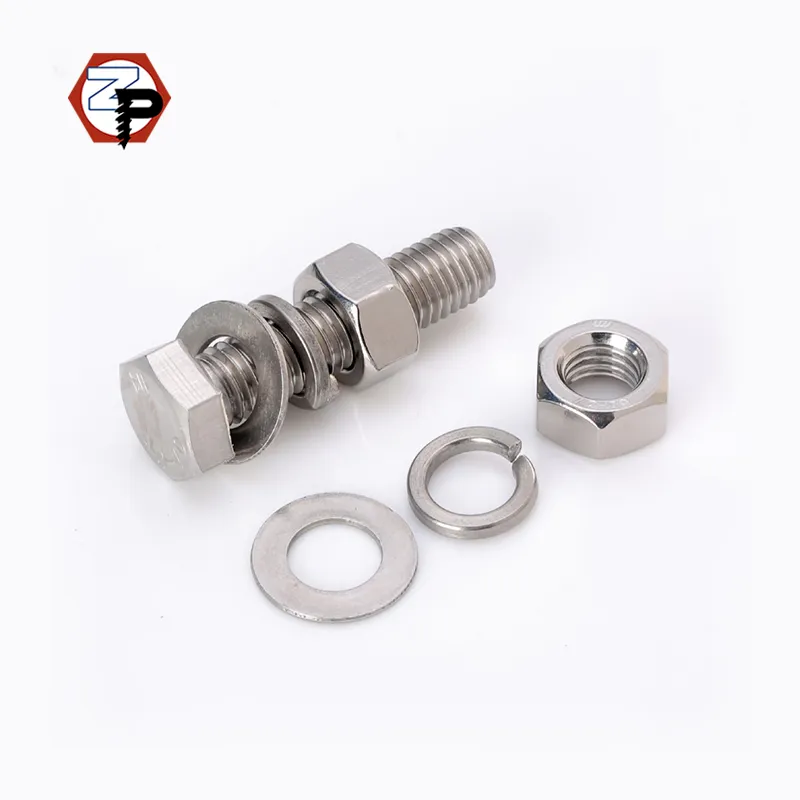
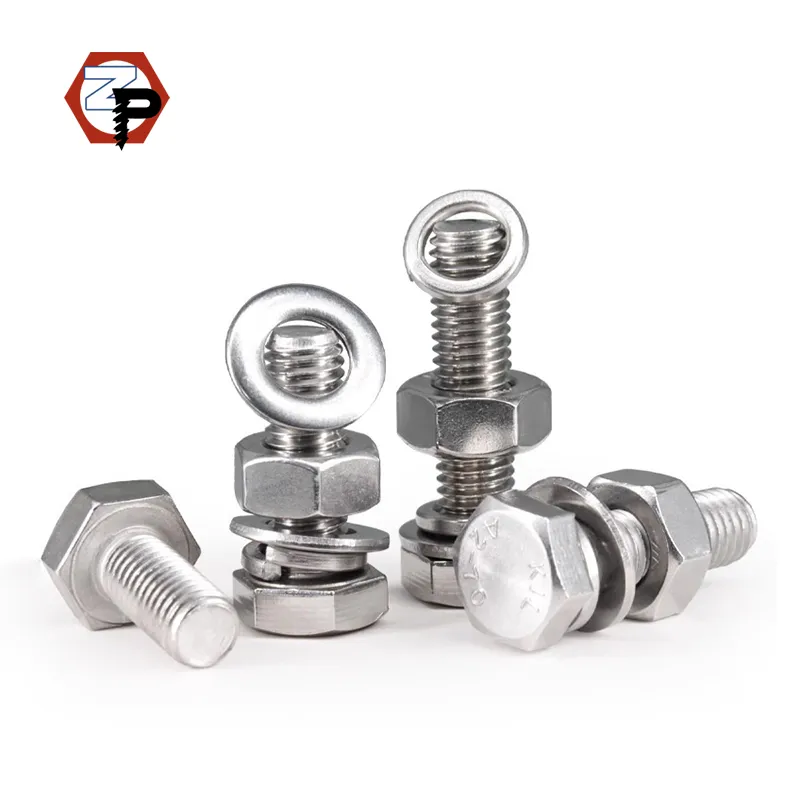
Engineered for heavy-duty structural integrity and high-torque mechanical connections, our industrial bolts and nuts deliver dependable clamping force across structural steel framing, warehouse pallet racks, and heavy machinery assemblies. Manufactured from heat-treated alloy and carbon steels conforming to international standards (ISO 4014/4017, DIN 931/933, ASTM A325/A490), our fasteners span strength classes from 4.8 to high-tensile 10.9 and 12.9. Available with hot-dip galvanized, Dacromet, and zinc-plated coatings, these precision-matched bolt and nut assemblies resist severe vibration, dynamic shear stresses, and harsh atmospheric corrosion.
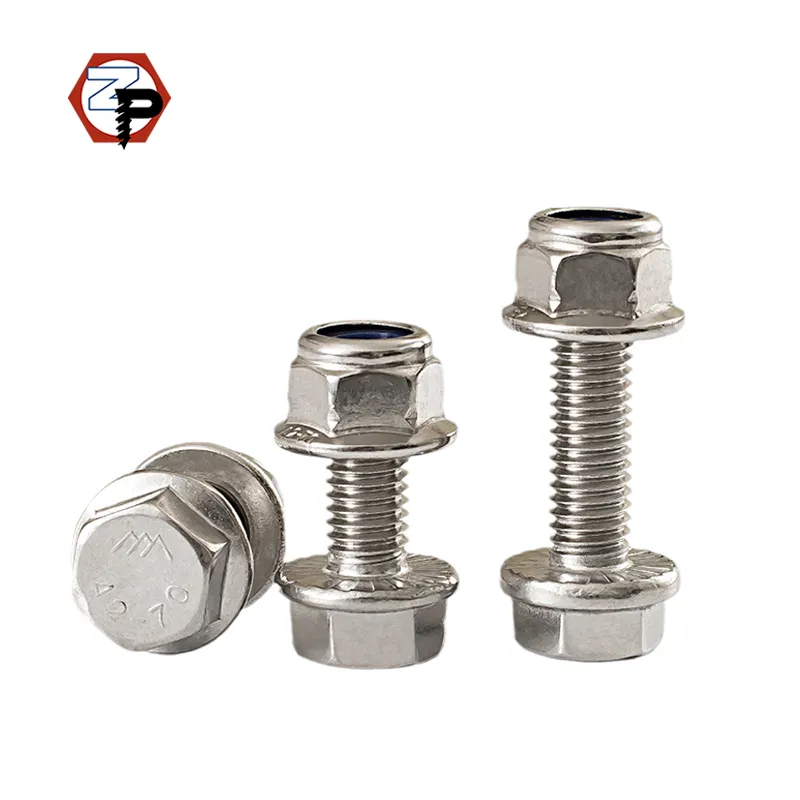 DIN6921 SS 304 A2-70 A4-80 Stainless Steel M5 M6 M8 M10 M12 M16 Hexagon Flange Bolts with Nylon Lock Nuts
- Hex Flange Bolts+16mm+M5
$0.06
MOQ: 100
 DIN6921 M6 M8 M10 M12 M16 Carbon Steel Zinc Plated Flange Bolts Hex Hexagon Head with Flange Nuts
- Hex Flange Bolts+16mm+M5
$0.05
MOQ: 100
 Wholesale Price Carbon Steel Black Oxide Grade 8.8/10.9 Hexagon Socket Cap Head Bolt DIN912 ISO4762 Allen Bolt with Nut Washers
- Hex Socket Cap Head Bolt+8mm+M3
$0.12
MOQ: 100
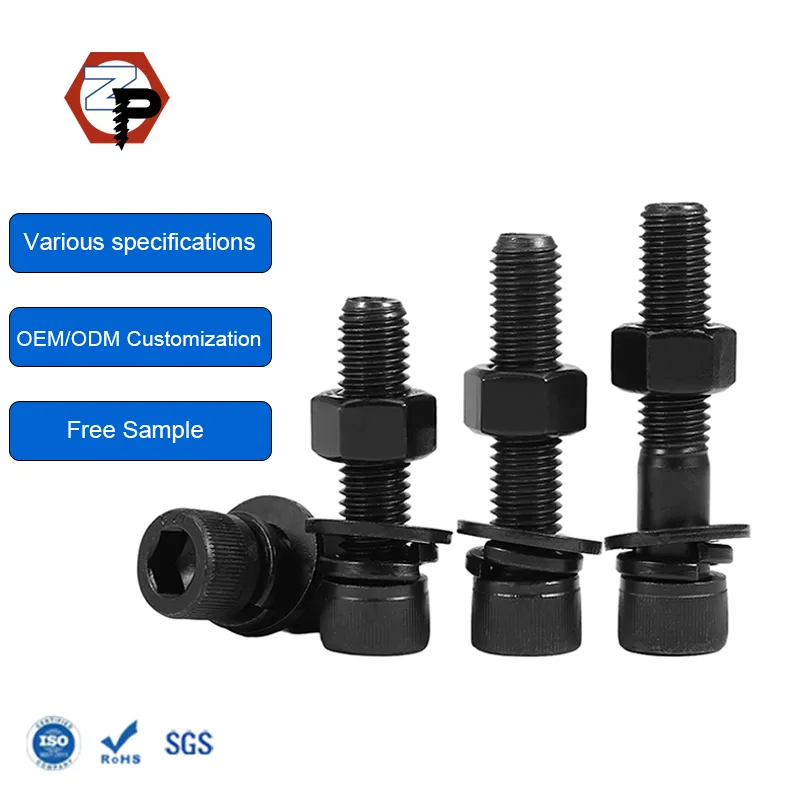 DIN912 Steel M8 M12 M16 Black Oxide Grade 8 Cylinder Head Bolt Hex Hexagon Socket Cap Head and Nut Set
- Hex Socket Cap Head Bolt+8mm+M3
$0.12
MOQ: 100
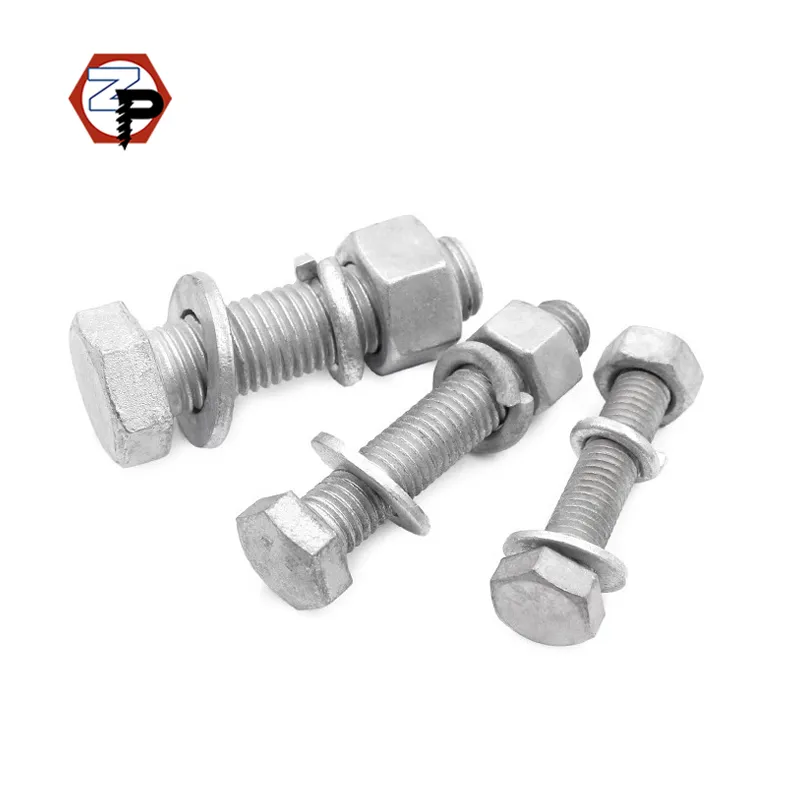
 GB5783 DIN933 HDG Hot Dipped Galvanized DIN Standard Grade 8 Hex Head Bolts and Nuts Set Suppliers
- Hex Head Bolts+8mm+M3
$0.08
MOQ: 100
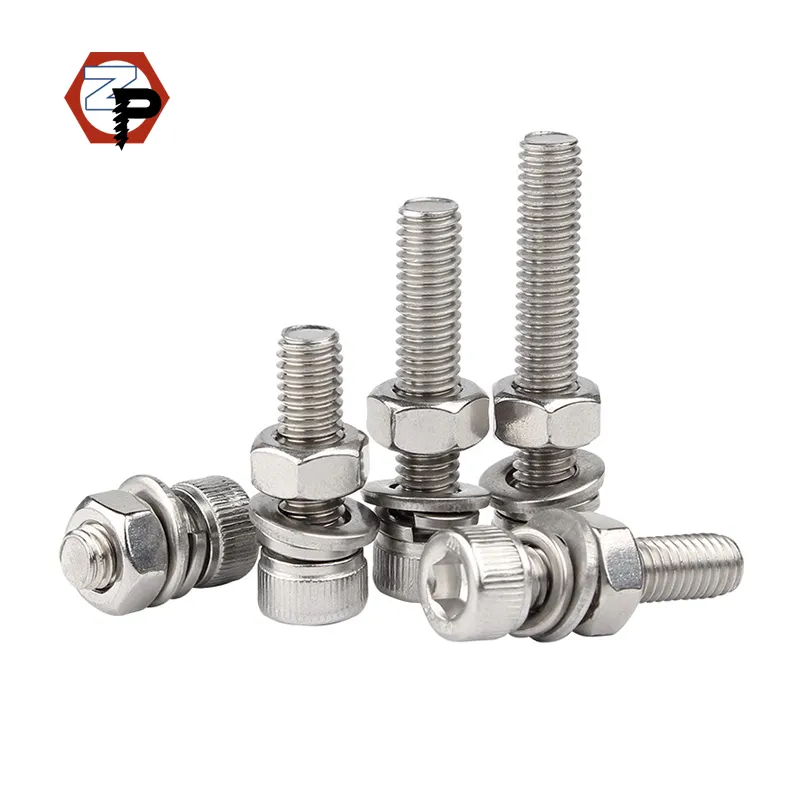 DIN912 ISO4762 Stainless Steel SS 304 316 Bolts Plain Customized M3-M30 Hexagon Socket Screw Cylinder Head Bolt and Nut Washer
- Hex Socket Cap Head Bolt+8mm+M3
$0.14
MOQ: 100
 Stainless Steel A2-70 A4-80 Hex Bolt M5 M6 M8 M10 M12 M16 Hexagon Flange Bolts With Nylon Lock Nuts
- Hex Flange Bolts+16mm+M5
$0.06
MOQ: 100
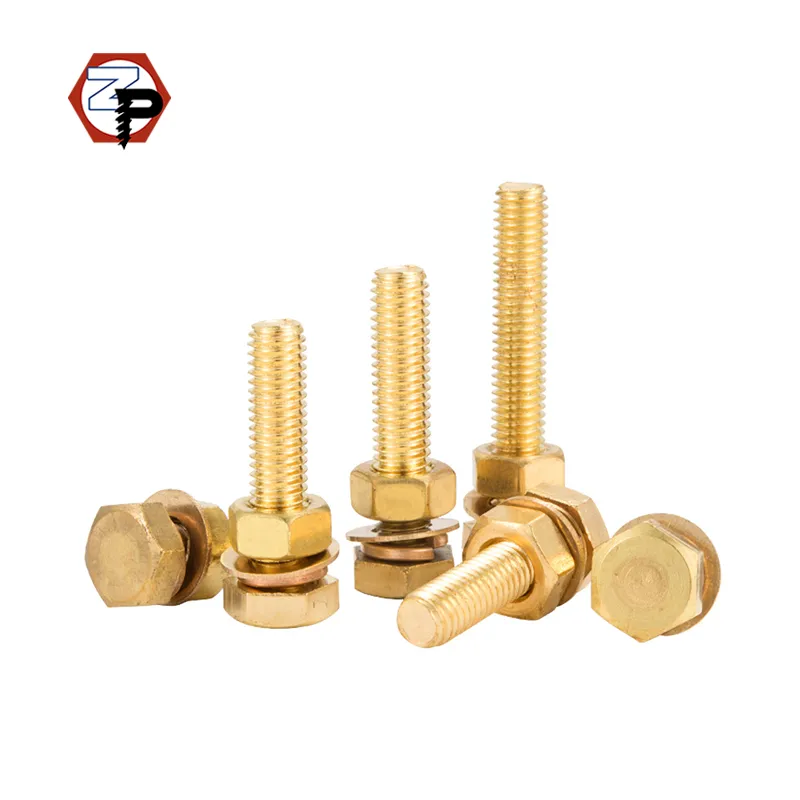
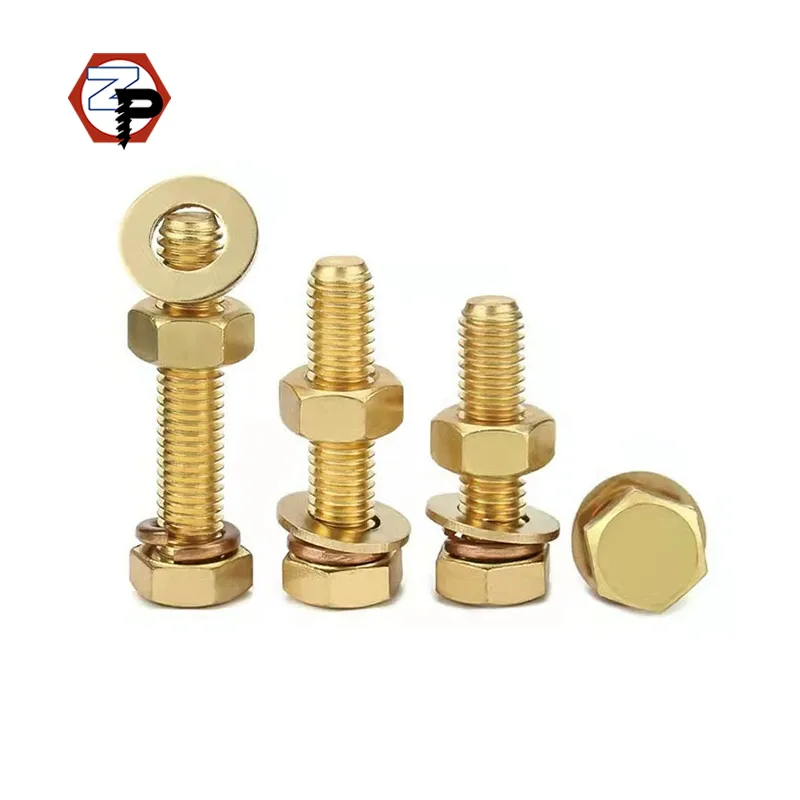
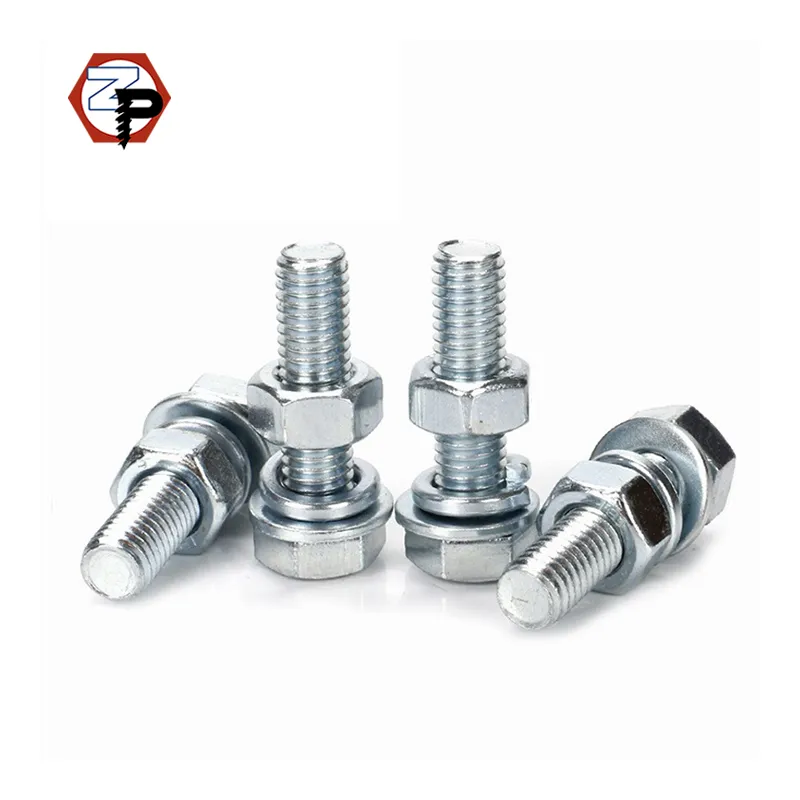 Fastener Manufacturer GB5783 DIN933 Zinc Plated Carbon Steel M8 M10 M12 M24 External Hex Bolts Hexagon Head Bolt and Nut Washer
- Hex Head Bolts+8mm+M3
$0.10
MOQ: 100
 Black Oxide DIN912 Hexagon Socket Cap Head Bolt M8 M12 M16 M20 Carbon Steel Allen Bolt with Nut Washers ISO4762
- Hex Socket Cap Head Bolt+8mm+M3
$0.12
MOQ: 100

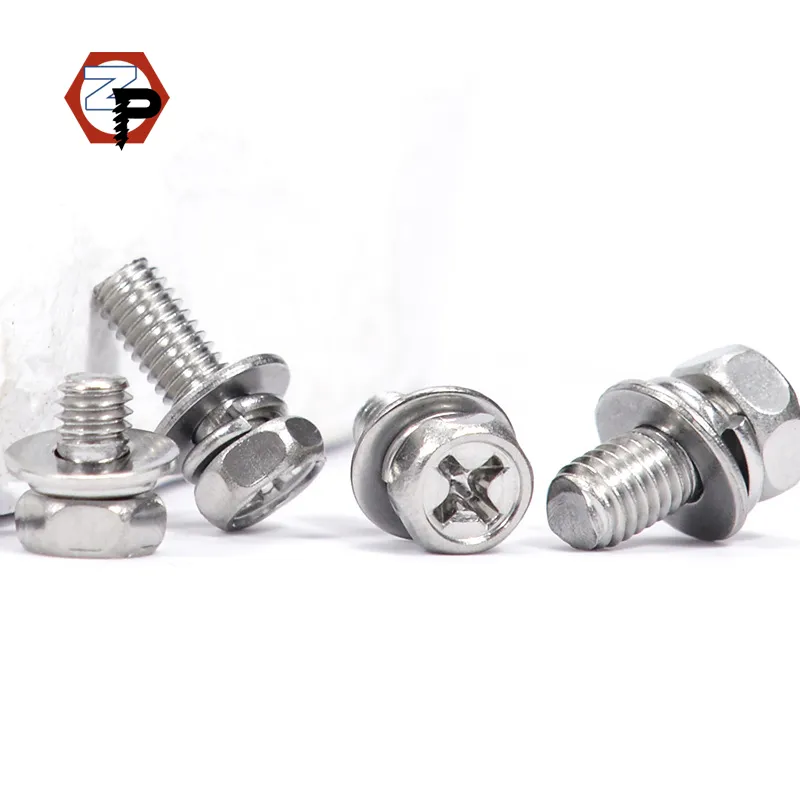
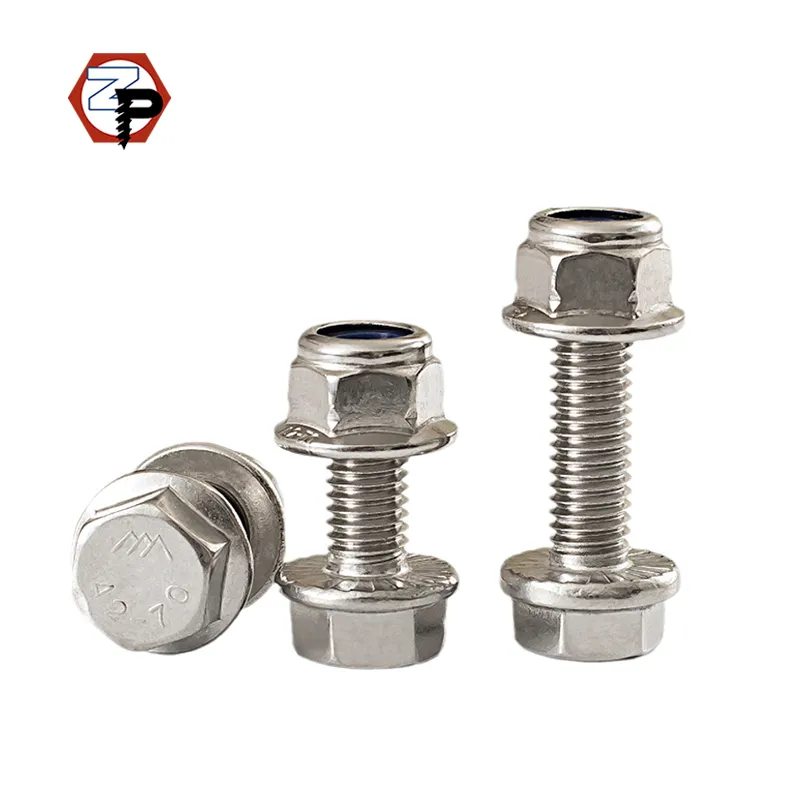
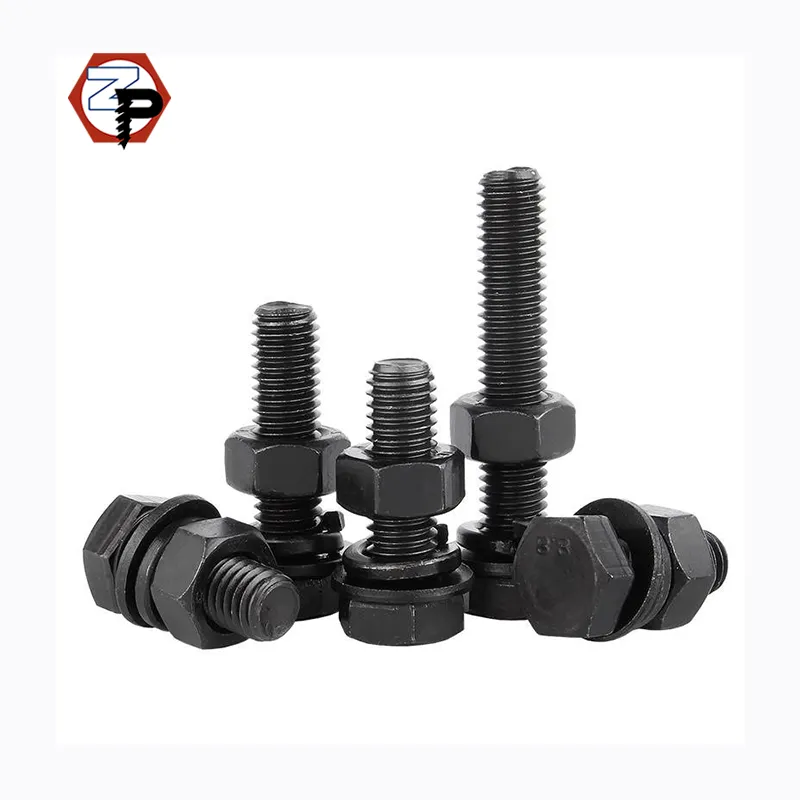
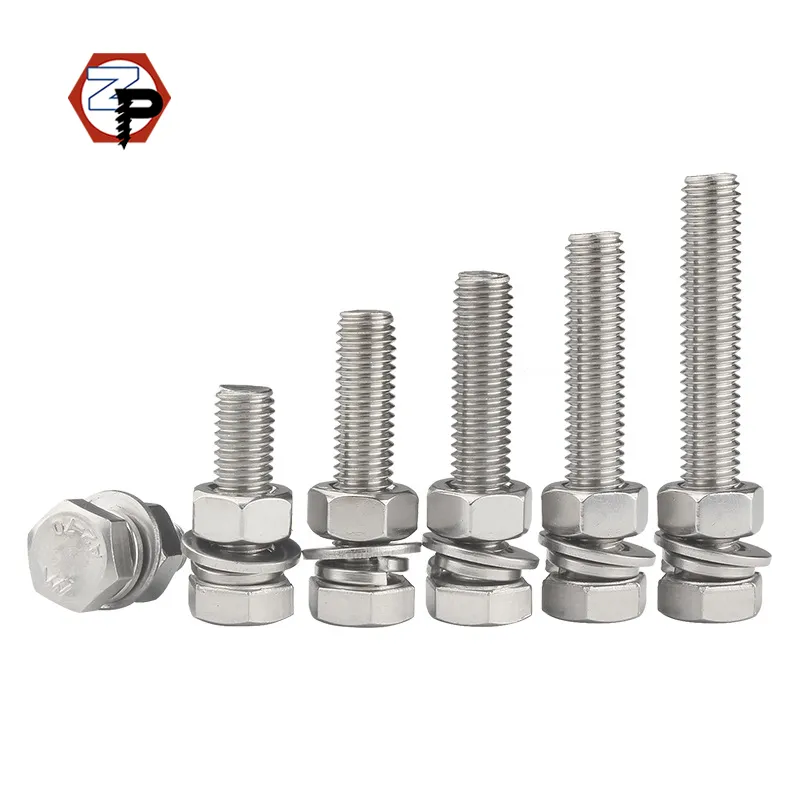



Certified High-Tensile Structural Fastener Assemblies
Bolts and nuts form the foundational mechanical joint in modern industrial construction, automated warehouse racking, transportation infrastructure, and equipment manufacturing. Unlike commercial retail fasteners, our structural fasteners are manufactured via cold forging or precision hot heading with rolled threads that maintain continuous metal grain boundaries. This advanced forging process enhances fatigue endurance limits, eliminates stress risers beneath the bolt head, and guarantees consistent pre-load tensioning under calibrated torque wrench assembly.
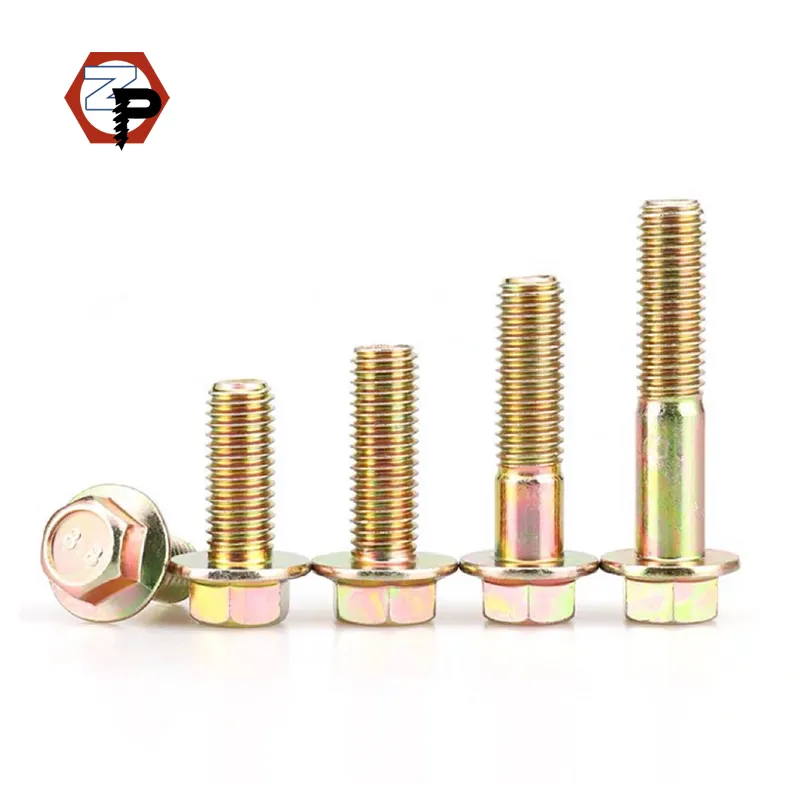
Conforming to ISO 898-1 and ISO 898-2 mechanical property standards, our product portfolio encompasses Grade 8.8 and 10.9 heavy hex structural bolts paired with matching Grade 8 and 10 heavy hex nuts (DIN 934, ISO 4032, ASTM A563). For automated warehouse storage racks and solar frames, specialized serrated hex flange bolts (DIN 6921) and serrated flange lock nuts eliminate separate washers while providing superior back-out resistance under dynamic forklift loading and cyclic temperature fluctuations. Protective finishes include automated hot-dip spin galvanizing (ASTM A153), zinc-nickel plating, and multi-layer Dacromet coatings offering over 1,000 hours of neutral salt spray protection without hydrogen embrittlement risks in high-tensile applications. Every structural bolt and nut lot undergoes optical sorting, wedge tensile testing, and magnetic particle crack inspection to ensure total joint integrity in heavy seismic zones and automated high-bay warehouse facilities.
Applications
Heavy-Duty Pallet Rack Beam-to-Upright Safety Bolting
In heavy-duty pallet rack beam-to-upright safety bolting, high-torque installation of Grade 8.8 serrated flange bolts securing horizontal load beams to vertical upright pallet rack columns. Engineered from high-yield structural steel, these heavy-duty components resist dynamic forklift impacts, prevent beam deflection, and comply with strict RMI standards.
Structural Steel Portal Frame Splice Joint Assembly
In structural steel portal frame splice joint assembly, heavy hex bolt installation on pre-engineered steel building apex and column splice moment connections. These high-strength self-drilling screws, blind rivets, and heavy anchor bolts provide rigid, vibration-resistant connections between metal framing and building foundations.
Automated Warehouse Stacker Crane Rail Joint Fastening
In automated warehouse stacker crane rail joint fastening, precision high-tensile Grade 10.9 countersunk and hex bolt fastening of floor-mounted AS/RS stacker crane guide rails. Engineered for high-duty workshop logistics, these electric cranes, forklifts, and coil cars provide smooth, precision load positioning during high-volume production operations.
Industrial Conveyor Support Framework Flange Bolting
In industrial conveyor support framework flange bolting, assembly of modular sorting conveyor structural steel legs and trusses using Dacromet coated bolt hardware. Engineered with specialized corrosion-resistant surface coatings and precision-machined threads, these high-tensile fasteners resist dynamic shear stresses and cyclic vibrations.
Cantilever Rack Column Base Heavy Hex Bolt Torquing
In cantilever rack column base heavy hex bolt torquing, high-torque fastening of heavy cantilever rack column bases to structural horizontal foot beams using Grade 10.9 bolts. These precision roll-formed upright and beam profiles deliver maximum vertical space utilization, rigid seismic resistance, and dependable high-density pallet storage.
Technical Overview
| Parameter | Information |
|---|---|
| Standards & Specifications | DIN 931/933, ISO 4014/4017, DIN 6921 (Flange), ASTM A325 / A490 / A307 |
| Strength Classes / Grades | Class 4.8, 8.8, 10.9, 12.9; ASTM Grade 5, Grade 8; Stainless A2-70 / A4-80 |
| Thread Sizes Available | Metric: M6 to M36 (M42 on request); Imperial: 1/4 in to 1-1/2 in UNC/UNF |
| Nut Types Available | Hex Nuts (DIN 934 / ISO 4032), Flange Nuts (DIN 6923), Nylon Lock Nuts (DIN 985) |
| Thread Forming Method | Precision Cold Forged & Roll-Threaded (ISO 965-1 Class 6g/6H Fit) |
| Surface Treatments | Hot-Dip Galvanized, Dacromet / Geomet, Zinc Plated (Cr3+), Black Oxide Oiled |
| Tensile Strength Range | Class 8.8: >= 800 MPa; Class 10.9: >= 1040 MPa; Class 12.9: >= 1220 MPa |
| Proof Load Capacity | Class 8.8: 580 MPa; Class 10.9: 830 MPa (Guaranteed Non-Yielding Proof Stress) |
| Corrosion Resistance | Neutral Salt Spray >= 1000h (Dacromet / HDG to ISO 1461), ASTM B117 Tested |
| Packaging Standards | 25 kg Heavy Reinforced Carton Boxes on Fumigated Pallets, Steel Banded & Stretch Wrapped |
FAQ
What is the difference between Grade 8.8 and Grade 10.9 bolts?
The numbers indicate tensile and yield strength: in Grade 8.8, '8' denotes 800 MPa minimum tensile strength, and '.8' denotes that yield strength is 80% of tensile (640 MPa). Grade 10.9 features 1,040 MPa tensile strength and 940 MPa yield strength (90%), providing 30% higher load capacity for heavy structural joints, crane runways, and seismic frame connections.
Why are serrated flange bolts preferred for warehouse pallet racking connections?
Serrated flange bolts combine the bolt head with a wide integrated washer face featuring radial gripping teeth. When tightened against slotted rack columns and beam connectors, the teeth bite into the steel surface, preventing rotational loosening caused by recurring forklift impact vibrations while distributing bearing stress without separate washers.
How do you prevent hydrogen embrittlement in high-strength 10.9 and 12.9 bolts?
Acid pickling and electroplating introduce atomic hydrogen into high-tensile steel, which can cause delayed catastrophic fractures under tension. We prevent embrittlement by utilizing mechanical descaling or baking plated fasteners at 200°C for at least 4 hours immediately after plating, or by specifying non-electrolytic Dacromet coatings.
What nut grade should be paired with Grade 8.8 and Grade 10.9 bolts?
Always match or exceed the bolt strength: a Grade 8.8 bolt must be paired with a Class 8 nut, and a Grade 10.9 bolt requires a Class 10 nut. Using an under-matched nut (e.g., Class 6 on a 10.9 bolt) leads to premature thread stripping before the bolt reaches its designed clamping tension.
What is the significance of ASTM A325 vs ISO 4014 structural bolts?
ASTM A325 is the North American structural steel building standard for heavy hex bolts with short thread lengths designed to keep threads out of shear planes. ISO 4014 / DIN 931 is the metric international equivalent for standard hex head bolts with standard shank and thread lengths.
How is tightening torque calculated for lubricated vs dry bolts?
Torque depends on the nut factor (k-factor): dry zinc-plated bolts have a k-factor of approx. 0.20, whereas lightly oiled or Dacromet-coated fasteners have a lower k-factor of 0.14-0.16. A lower k-factor achieves higher pre-load tension with less wrench torque, preventing over-torquing and bolt necking.
What quality documentation is provided with structural bolt shipments?
Each batch is supplied with an EN 10204 3.1 inspection certificate containing full ladle chemical analysis, hardness (HRC/HRB) tests, tensile proof load results, wedge tensile test reports, coating thickness measurements, and batch traceability codes.