Global B2B Roll Forming Sourcing Platform | Free RFQ Response within 24h

- Tuo AI

- Live

- My Account
- Shopping Cart
- Inquiry Basket
- Contact Us
- Back to Top




Roadway Safety Facilities & Traffic Barrier Systems
Road safety facilities deliver advanced vehicle impact attenuation, lane guidance delineation, and driver visual protection across high-speed expressways, highway interchange bifurcations, and urban municipal roadways. Engineered from heavy-duty galvanized structural steel, impact-absorbing composite polymers, and high-intensity retroreflective microprisms, our road safety portfolio encompasses certified crash cushions (impact attenuators), flexible reboundable delineator posts, anti-glare screen panels, and modular speed ramps. Conforming to EN 1317, NCHRP 350, and MASH criteria, these safety systems minimize collision severity, guide nighttime motorists safely, and protect highway maintenance personnel.
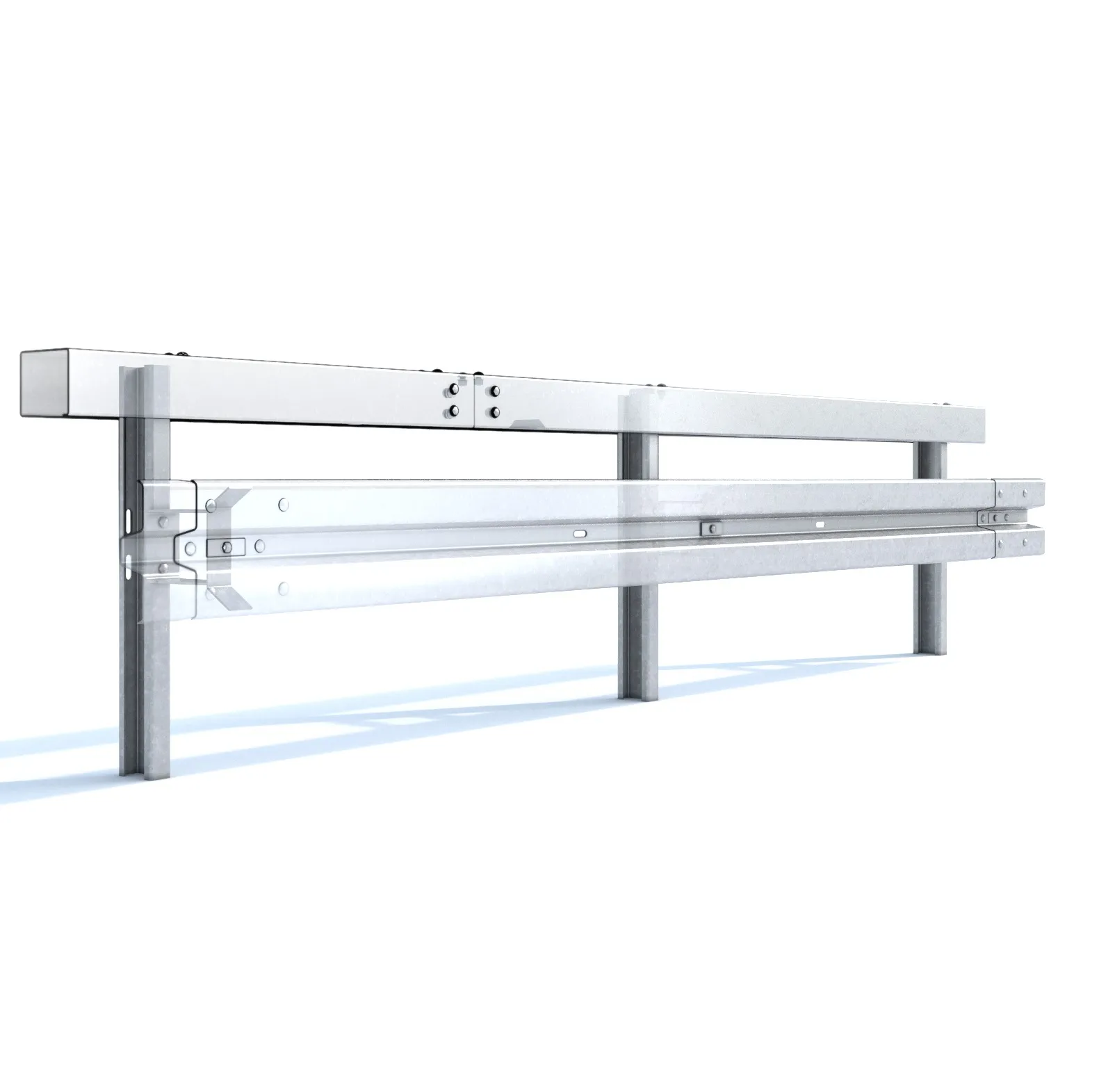
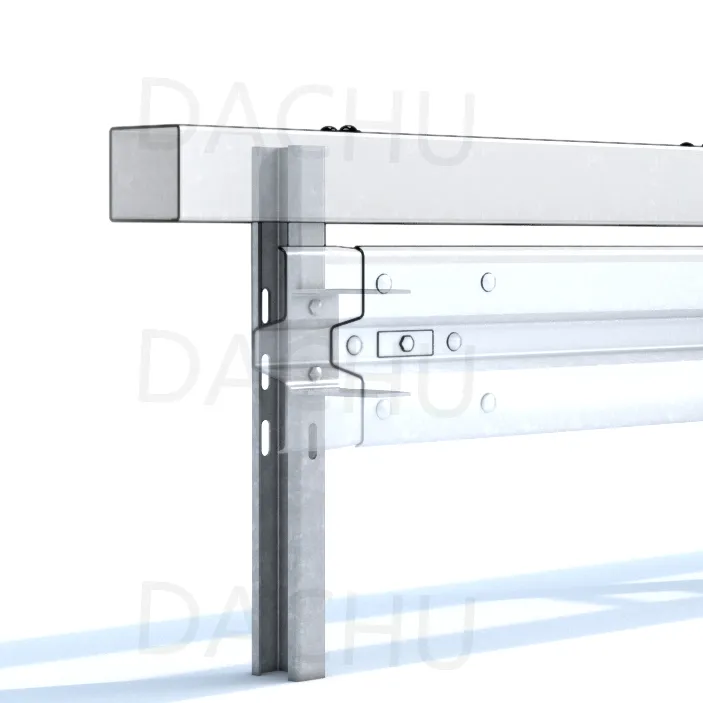
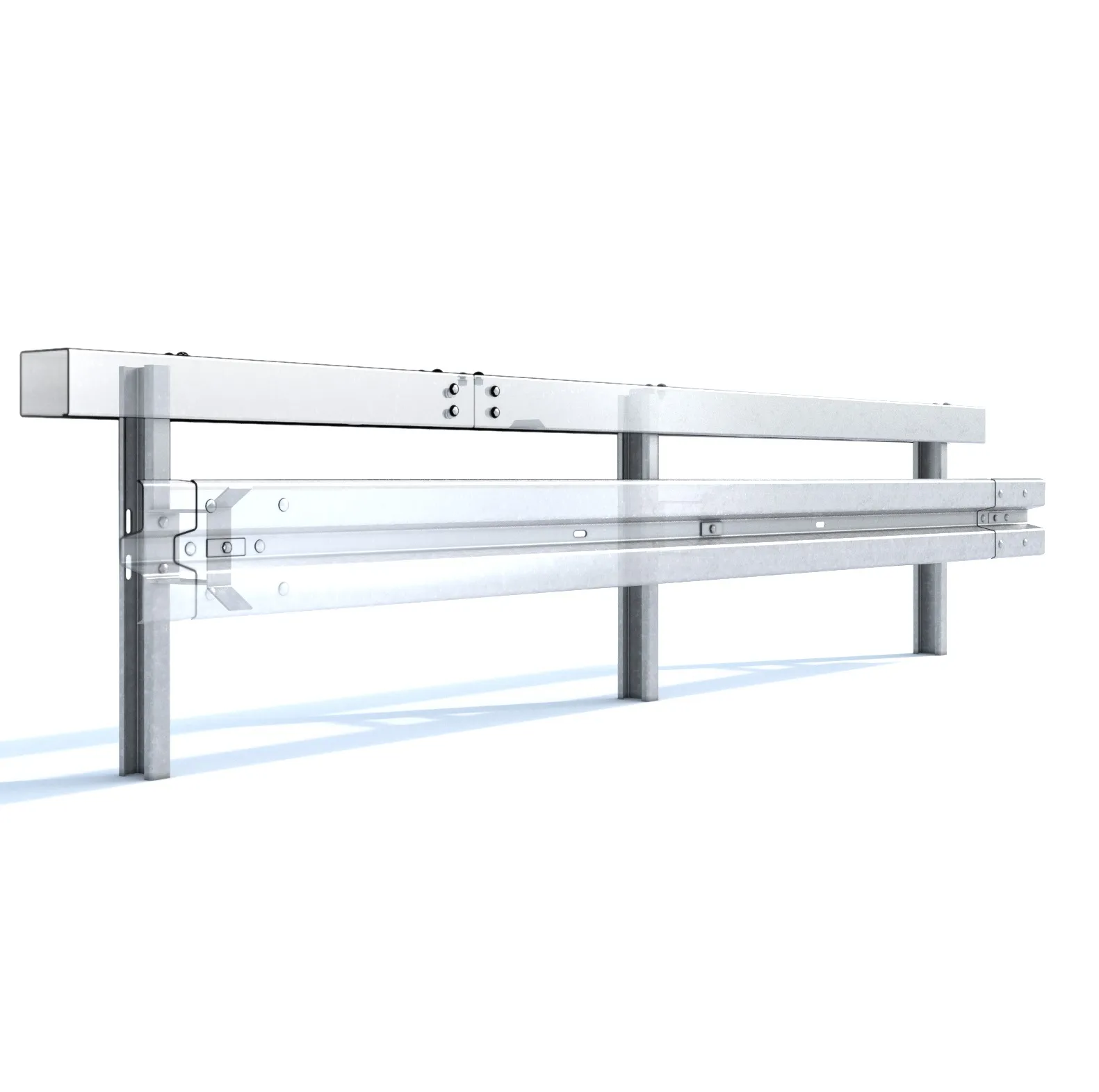
 Super Rail Eco B Profile with Box Beam
- super-rail
$75.00
MOQ: 2
 Cast Steel Gas Station Ramp Pad Thickened Rubber Speed Humps Pressure-Resistant Traffic Signs Buffer for Speed Limit Reduction
- Matching rubber round head - rubber and plastic
$1.22
MOQ: 2
 Dachu Steel Robot Workshop Warehouse Isolation Net Factory Equipment Protection Fence Thickened Indoor Push-Pull Door Plastic
- Tianjin, China+Punching workshop isolation net - plastic spray, Robot workshop isolation - plastic dip, Warehouse workshop isolation net+Workshop isolation net+Dachu
$5.65
MOQ: 50








About Roadway Safety Facilities & Traffic Barrier Systems
Road safety facilities encompass the complete array of specialized roadside and median traffic control equipment engineered to safeguard motorists, pedestrians, and roadway infrastructure. At high-risk highway divergence zones—such as exit gore areas, toll plaza dividing islands, and bridge piers—rigid concrete barriers or unprotected steel posts present deadly vehicle impact hazards. Redirective crash cushions and impact attenuators compress progressively under vehicle collision, absorbing kinetic energy smoothly to bring errant vehicles to a controlled stop while preventing cockpit intrusion.
Our road safety infrastructure portfolio includes redirective and non-redirective crash attenuators (tested to MASH TL-2 and TL-3 performance levels), modular median anti-glare blades (anti-dazzle screens) that block opposing high-beam headlights while preserving cross-vision, and high-impact polyurethane reboundable guide posts. Delineator posts feature high-elasticity hinge bases that rebound upright automatically after being run over by vehicles, eliminating road maintenance hazards.
Fabricated from weather-proof hot-dip galvanized steel framing and UV-stabilized virgin HDPE or polyurethane, all road safety components maintain colorfastness and mechanical resilience under extreme thermal cycles (-40°C to +70°C). Integrated with certified ASTM D4956 microprismatic optical sheeting, our safety facilities provide 24-hour visual clarity across modern global roadway networks.
Applications
Highway Exit Gore Bifurcation Crash Cushion Attenuator Installation
In highway exit gore bifurcation crash cushion attenuator installation, installing a MASH TL-3 certified redirective steel crash cushion attenuator at a high-speed highway exit ramp divergence gore point. These engineered industrial systems and accessories provide vital structural and operational support, ensuring seamless equipment integration and robust weather protection.
Expressway Median Barrier Anti-Glare Louver Screen Assembly
In expressway median barrier anti-glare louver screen assembly, mounting green UV-stabilized anti-glare louver screen blades onto concrete Jersey barriers along a multi-lane expressway median divider. Built for heavy industrial service, these precision-engineered components resist mechanical wear and environmental corrosion, maintaining structural alignment and building performance.
Flexible Reboundable Delineator Post Roadway Channelization
In flexible reboundable delineator post roadway channelization, anchoring flexible orange polyurethane delineator posts with reflective white bands to guide traffic through a highway toll plaza approach. Engineered with specialized corrosion-resistant surface coatings and precision-machined threads, these high-tensile fasteners resist dynamic shear stresses and cyclic vibrations.
Bridge Pier Concrete Impact Shield Attenuator System
In bridge pier concrete impact shield attenuator system, installing steel telescoping impact attenuators and transition rails in front of massive reinforced concrete highway overpass bridge piers. These engineered industrial systems and accessories provide vital structural and operational support, ensuring seamless equipment integration and robust weather protection.
Commercial Logistics Park Heavy-Duty Rubber Wheel Stop Anchoring
In commercial logistics park heavy-duty rubber wheel stop anchoring, securing heavy recycled rubber wheel stops and speed control ramps with galvanized steel spikes across warehouse truck parking bays. Featuring hardened drilling tips and EPDM weather-sealing washers, these structural fasteners pierce heavy steel members rapidly, creating leak-proof, high-shear joints.
Technical Overview
| Parameter | Information |
|---|---|
| Facility Classifications | Crash Cushions (Attenuators), Anti-Glare Screens, Reboundable Delineators, Wheel Stops |
| Crash Cushion Test Levels | AASHTO MASH TL-2 (70 km/h / 45 mph); MASH TL-3 (100 km/h / 62 mph) Certified |
| Attenuator Structural Steel | Heavy Galvanized Structural Steel (Q235B/Q355B) with Aluminum Crush Elements |
| Anti-Glare Panel Material | High-Density Polyethylene (HDPE) or Hot-Dip Galvanized Steel Louver Blades |
| Anti-Glare Screen Height | 800 mm to 1000 mm blade height installed on median concrete or steel barriers |
| Flexible Post Materials | High-Impact Flexible Polyurethane (TPU) / EVA with 360-degree rebound spring |
| Post Dimensions Available | Heights: 450 mm, 750 mm, 1000 mm; Tube Diameter: 80 mm with weighted base |
| Retroreflective Sheeting | ASTM D4956 Type IV / Type XI High-Intensity Microprismatic Reflective Bands |
| Operating Temperature Range | -40°C to +70°C (extreme thermal resistance without embrittlement or sagging) |
| Manufacturing Standards | AASHTO MASH, EN 1317, ASTM D4956, ISO 9001, CE Certified Safety Hardware |
FAQ
How do highway crash cushions (impact attenuators) absorb collision energy during vehicle impacts?
Crash cushions utilize telescoping galvanized steel frames and crushable internal aluminum or polymer cartridges that compress progressively during head-on impact, absorbing kinetic energy at controlled deceleration rates tolerable to human occupants.
What is the difference between redirective and non-redirective crash cushions?
Redirective cushions redirect vehicles that strike the barrier from the side back into their traffic lane safely; non-redirective cushions are intended solely to absorb head-on collisions in low-speed terminal areas.
Why are highway anti-glare screens installed along expressway median barriers?
Anti-glare screens (vertical curved plastic or steel louvers) are installed at calculated angles along median dividers to block the blinding glare of opposing vehicle high-beam headlights at night while allowing maintenance crews lateral cross-viewing.
How do flexible reboundable delineator posts withstand vehicular tire impacts?
Flexible delineators feature high-resilience polyurethane or rubber internal elastomeric joints that allow the post to flatten 90 degrees when struck by vehicle tires and automatically snap back upright without damage to the vehicle or post.
What testing criteria define crash-tested road safety facilities?
Highway safety equipment must undergo full-scale vehicle crash testing conforming to AASHTO MASH (Manual for Assessing Safety Hardware) or European EN 1317 criteria, evaluating occupant risk factors, vehicle trajectory, and structural debris containment.
How are road safety delineator posts anchored into asphalt or concrete roadways?
Delineators are anchored using heavy-duty baseplates secured with chemical epoxy bolts or mechanical expansion studs, or inserted into pre-drilled pavement sockets allowing fast toolless replacement.
Which international standards govern our road safety facilities and hardware?
Our systems strictly comply with AASHTO MASH TL-3, EN 1317 (Crash Cushions & Restraint Systems), ASTM D4956 (Retroreflective Sheeting), and CE certified road safety manufacturing standards.