Global B2B Roll Forming Sourcing Platform | Free RFQ Response within 24h

- Tuo AI

- Live

- My Account
- Shopping Cart
- Inquiry Basket
- Contact Us
- Back to Top




Glazed Tile Roll Forming Machines
Glazed tile roll forming machines are specialized cold roll forming and hydraulic pressing systems engineered to manufacture architectural stepped metal roof tiles that emulate the classical appearance of traditional ceramic and terracotta roofing. Capable of processing 0.3 mm to 0.8 mm prepainted galvanized steel (PPGI), galvalume, and aluminum coils, these precision production lines integrate automatic decoiling, 16 to 22 chrome-plated roll forming stands for sinusoidal wave shaping, a synchronized hydraulic stepping press that stamps distinct architectural cascade steps (150 mm to 400 mm pitch), and profile-matched hydraulic cut-off dies. Browse certified equipment specifications, profile cross-sections, and turnkey production line proposals below.
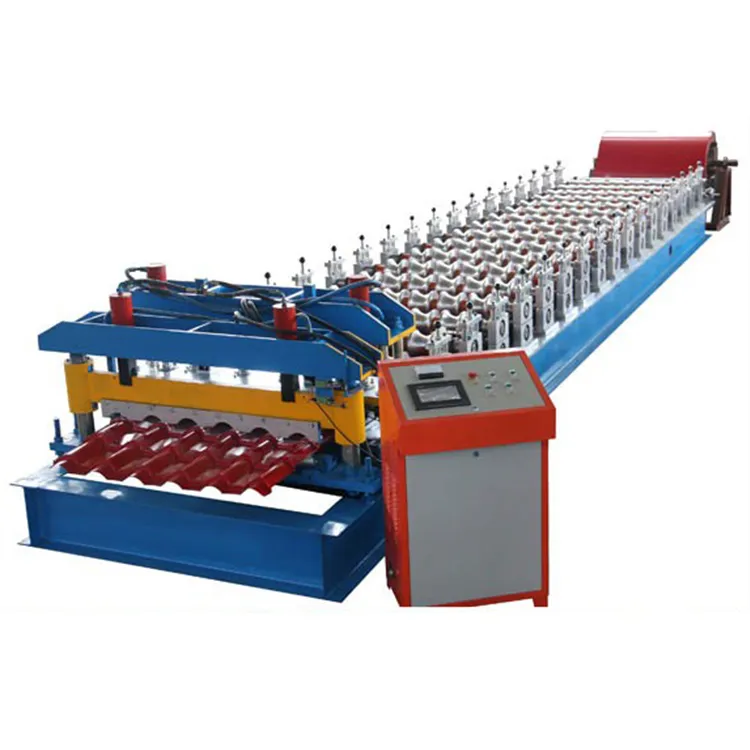 Glazed Color Coated Steel Roof Tile Making Machine Steel , Auto
- corrugated sheet metal roof making machine+5.5 kw
$12,000.00
MOQ: 1
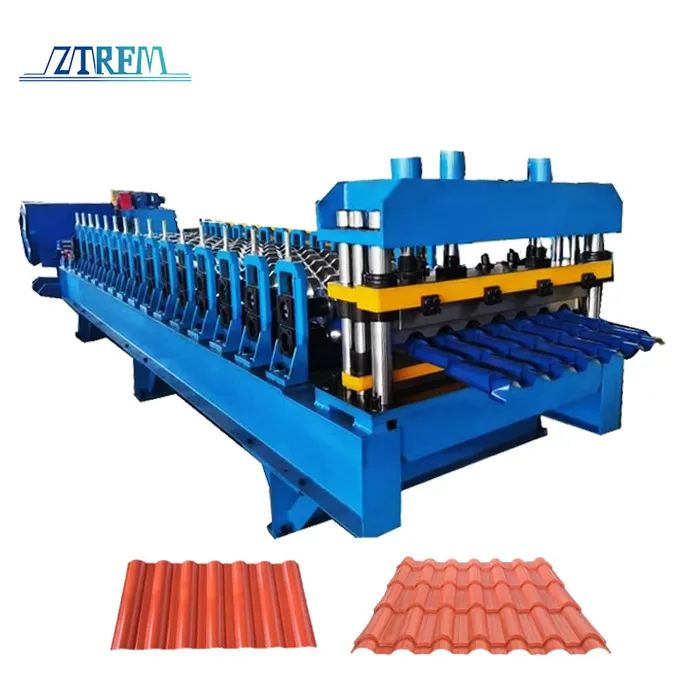 Corrugated Press Glazed Tile Glazed Tile Roll Forming Machine
- 15 m/min+Glazed+7.5kw
$15,000.00
MOQ: 1
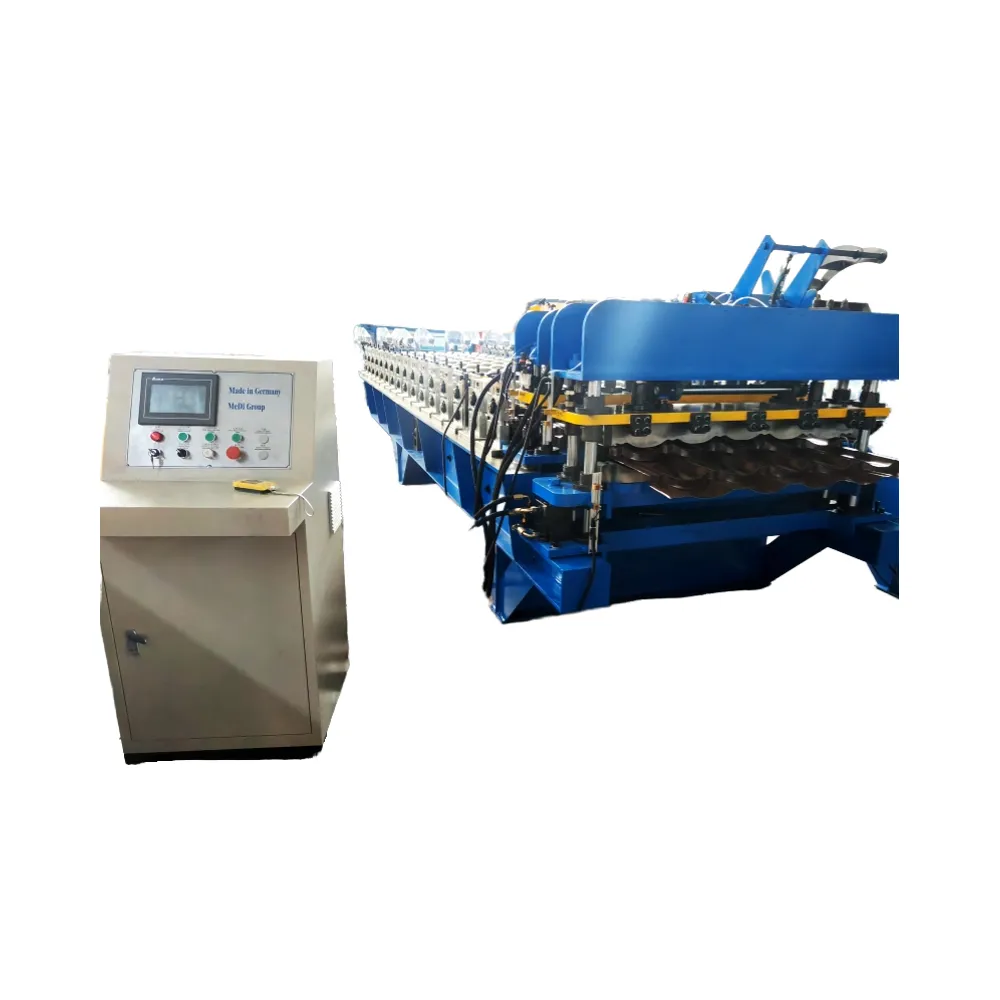 Color Steel Glazed Tile Roofing Sheet Machine
- 20 M/Min+Glazed Tile+15KW
$29,800.00
MOQ: 1
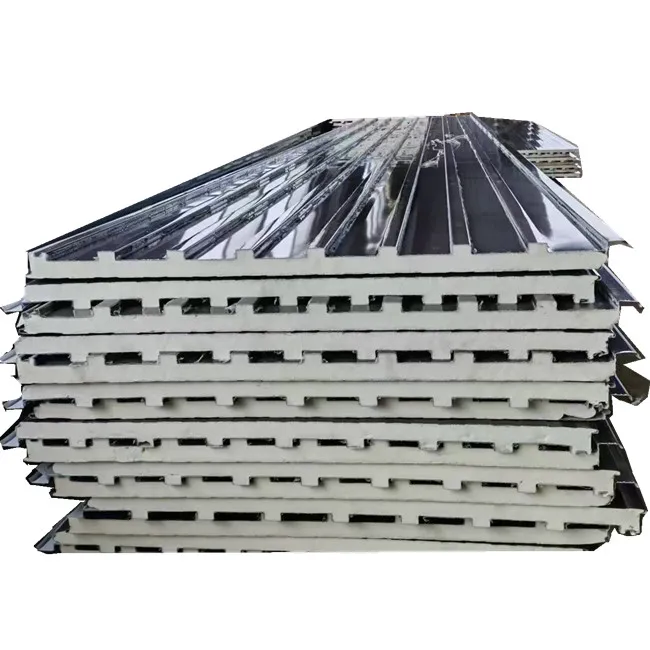 Tile Making Roofing Sheet Roll Former Glazed Tile Forming Machine
- 25 M/min+ztrfm+11kw
$220,000.00
MOQ: 1
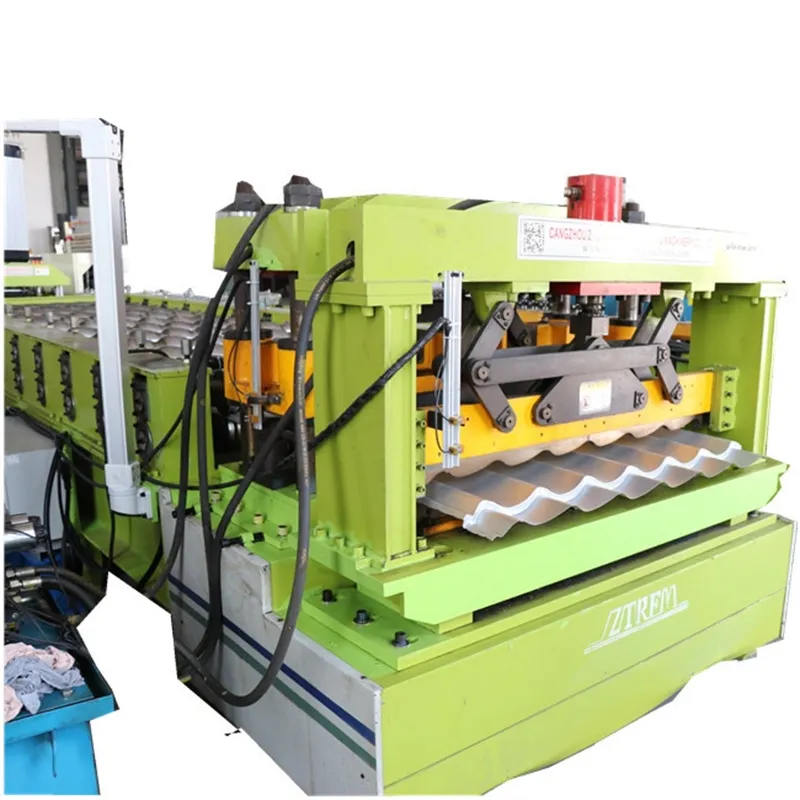 Monterrey Tile Roofing Sheet Roll Forming Machine Making Tiles
- ztrfm+11kw+14 m/min
$19,000.00
MOQ: 1
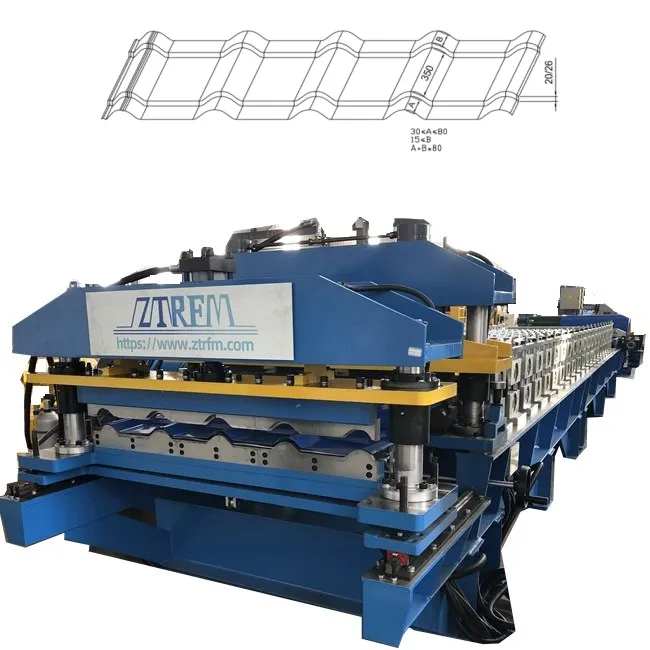 Q Tile Cold Roof Tile Making Machine Metal Step Tile Making Machine
- 15 m/min+ZTRFM-R+7.5kw
$16,500.00
MOQ: 1
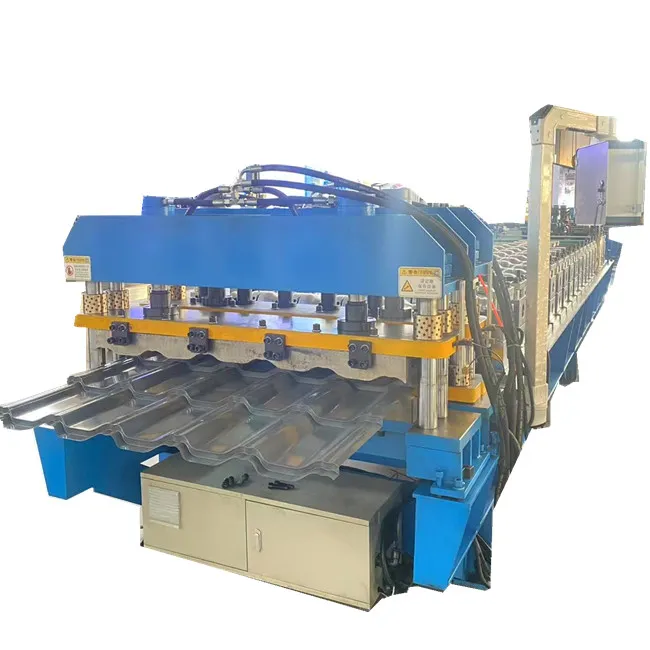 Qtile Step Tile Roll Forming Roof Tile Making Machine Roof Tile
- 15 m/min+ZTRFM-R+7.5kw
$16,500.00
MOQ: 1
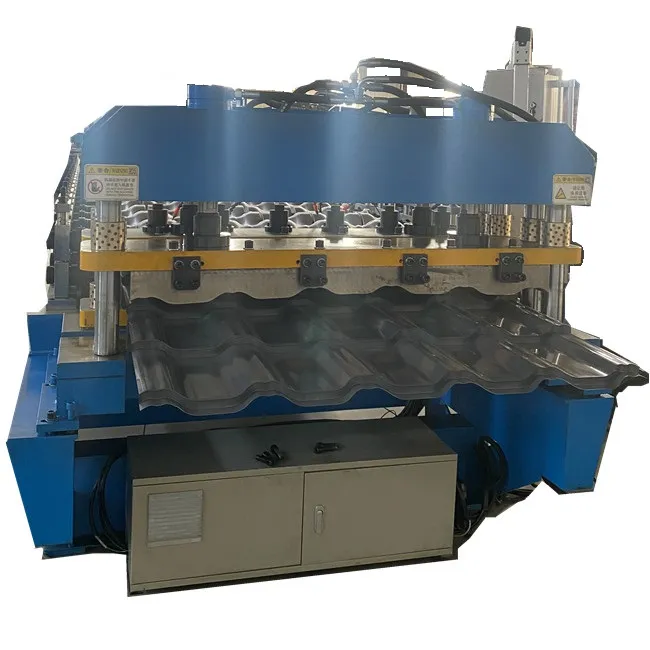 Metal Glazed Roof Tile Making Machine Steel Qtiles Sheet Roof
- 15 m/min+ZTRFM-R+7.5kw
$16,500.00
MOQ: 1
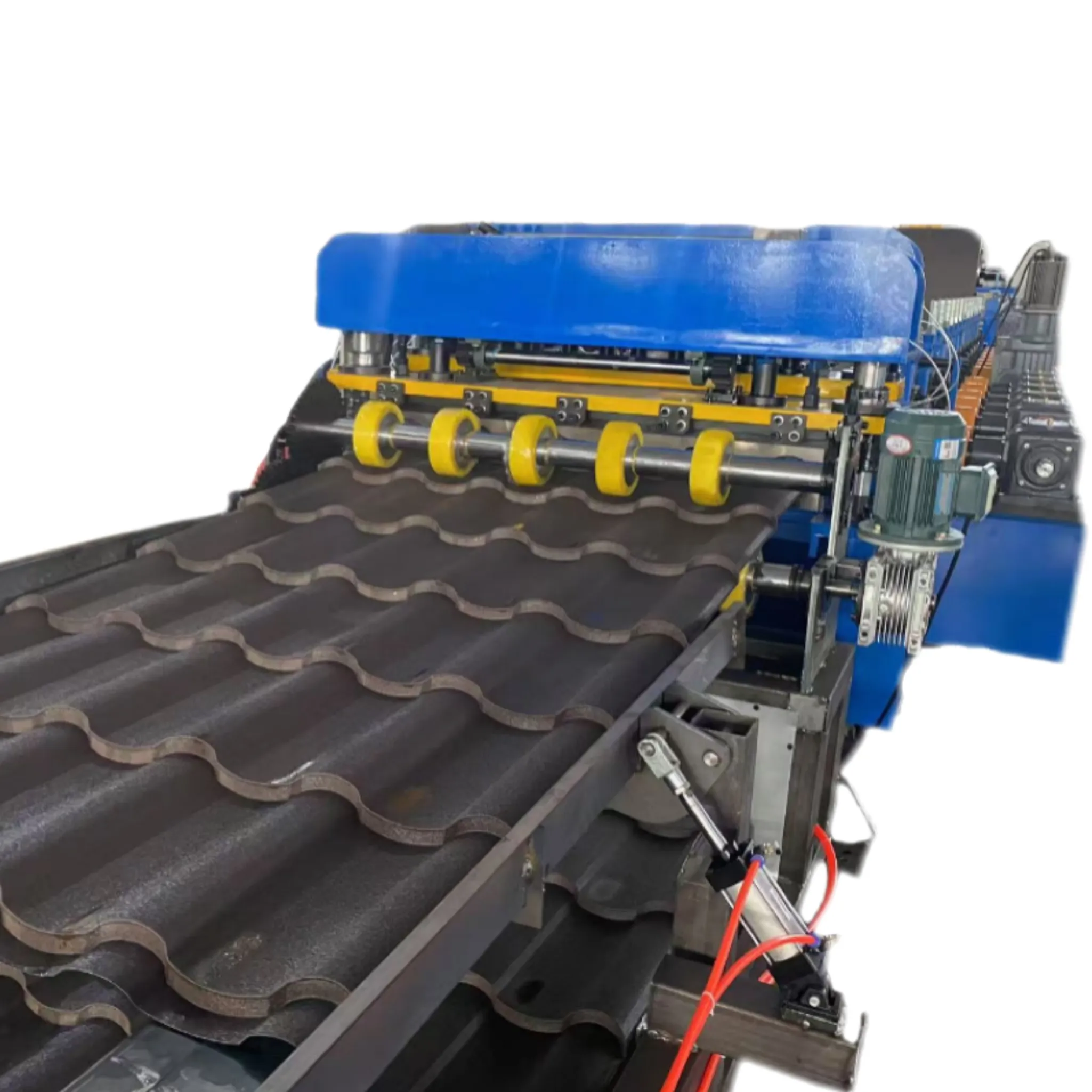 Adamante Profile Glazed Tile Roll Forming Machine
- 0-20m/min+Adamante Profile Glazed Tile Roll Forming Machine+5.5kw
$34,000.00
MOQ: 1
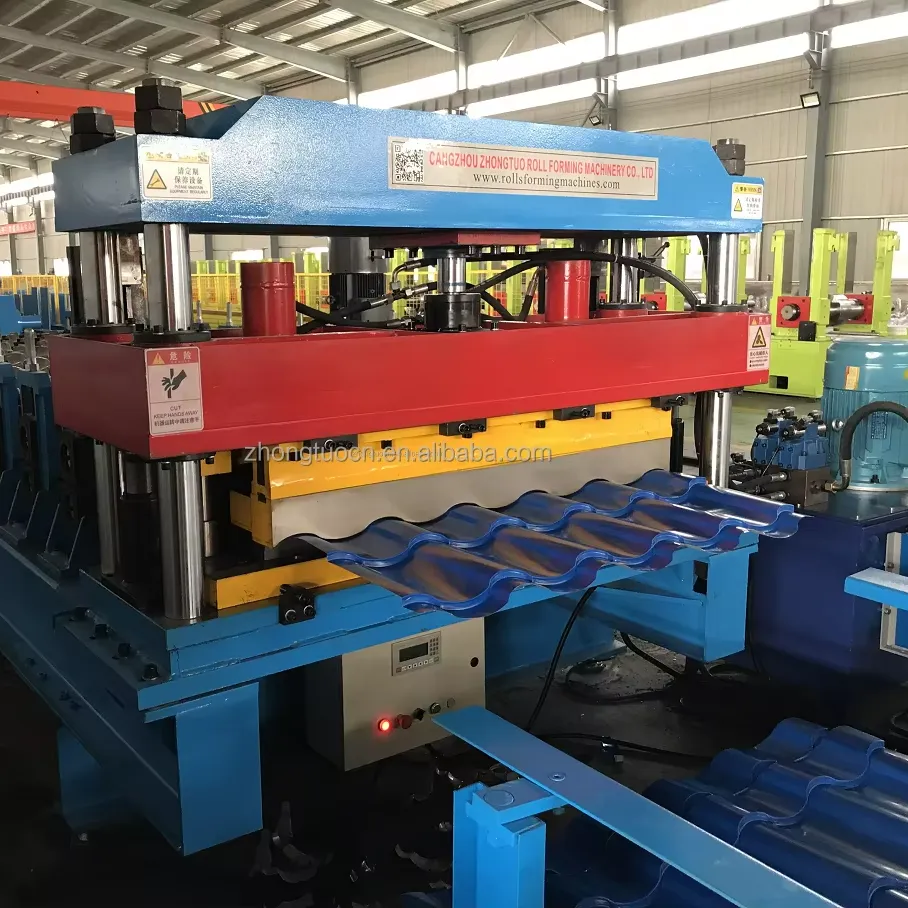 Metal Tile Roll Forming Machine Roof Tile Machine Step Tile
- 25 M/min+Glazed tile roofing sheet making machine+21.55KW
$20,000.00
MOQ: 1
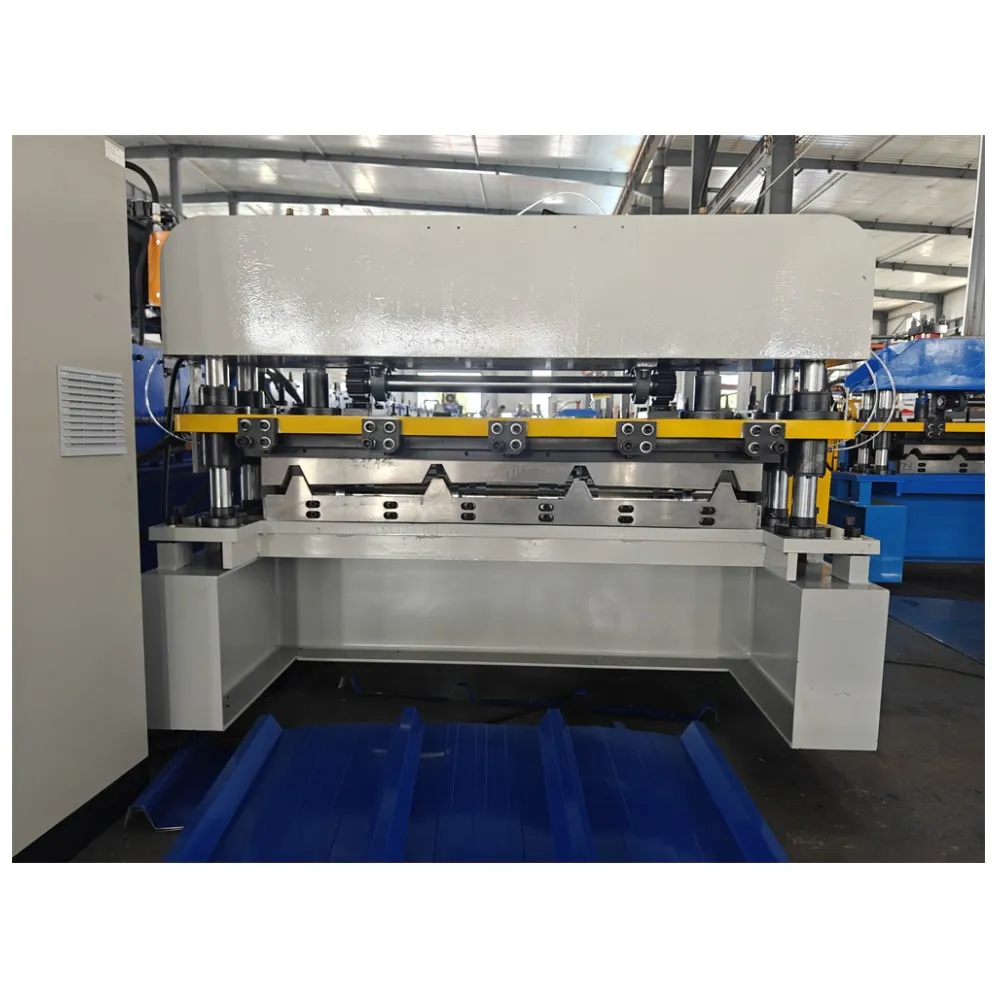 TR4/TR5/TR6 RIb Type Roofing Sheet Roll Forming Machine TR4 Peru
- 25 M/min+Glazed tile roofing sheet making machine+21.55KW
$20,000.00
MOQ: 1
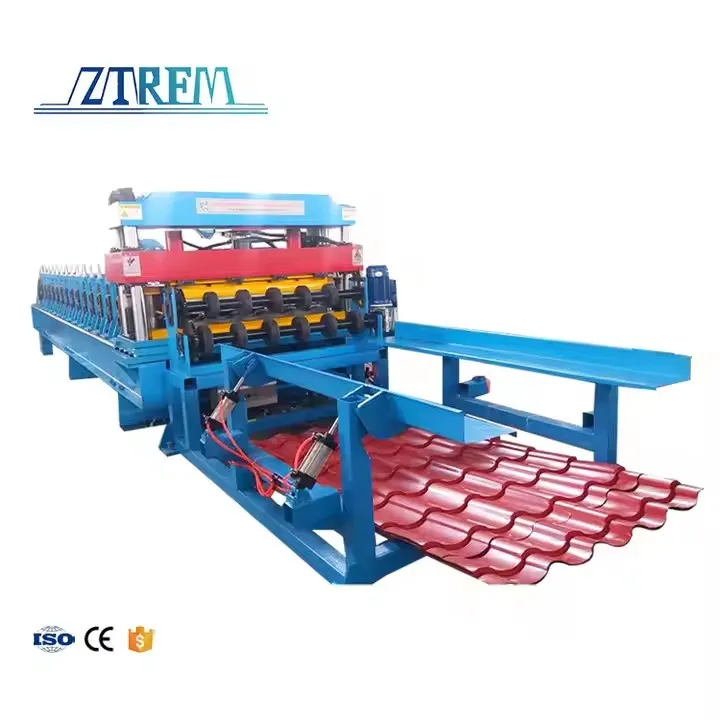 Colored Steel Metal Roof Sheet Making Machine Glazed Tile Roll
- 8-12m/min+ZTRFM-Glazed+11kw
$21,500.00
MOQ: 1
 Galvanized Tile Cold Glazed Metal Roofing Panel Glazed Sheet Tile
- 20 M/Min+Glazed Roof Tile Making Machine+12KW
$12,500.00
MOQ: 1
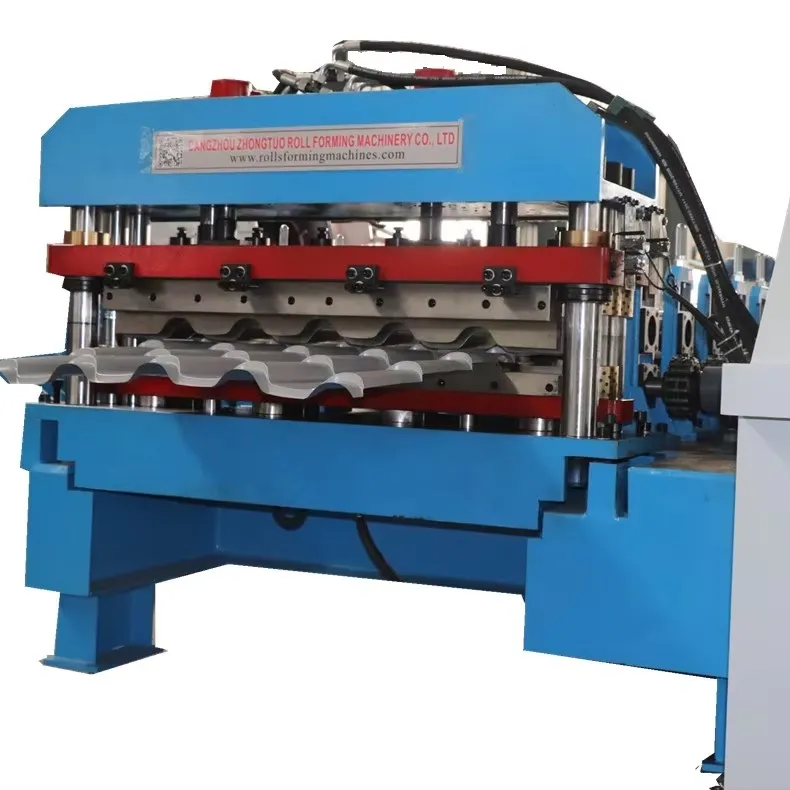 Steel Roofing Tile Glazed Tile Roll Forming Machine
- 25 M/min+Glazed tile roofing sheet making machine+21.55KW
$20,000.00
MOQ: 1
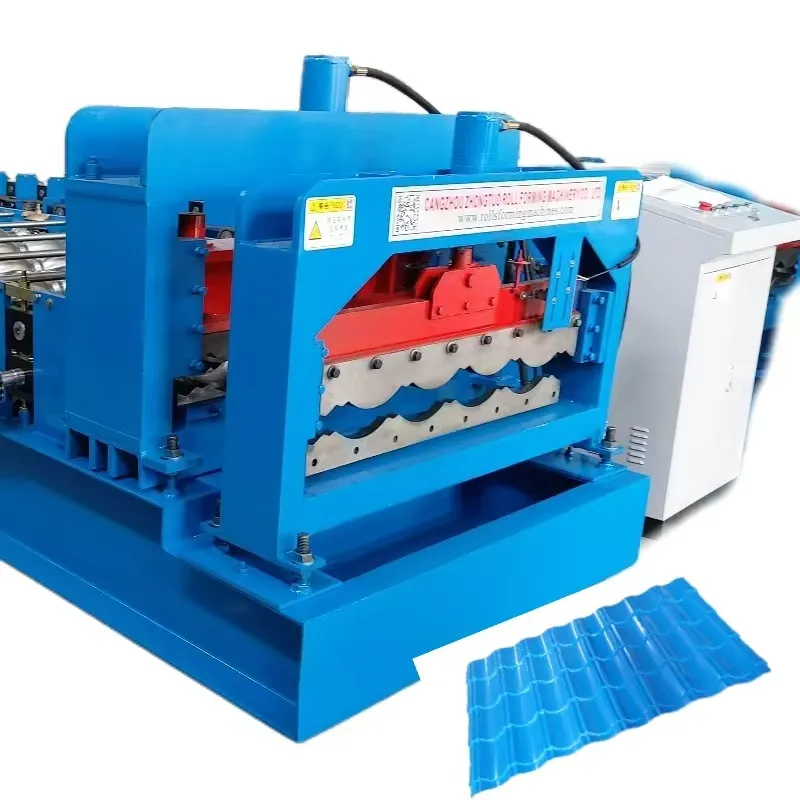 Glazed Tile Roll Forming Machine Roof Tile Making Machine
- 20 M/Min+Glazed Tile Roll Forming Machine+13KW
$13,000.00
MOQ: 1
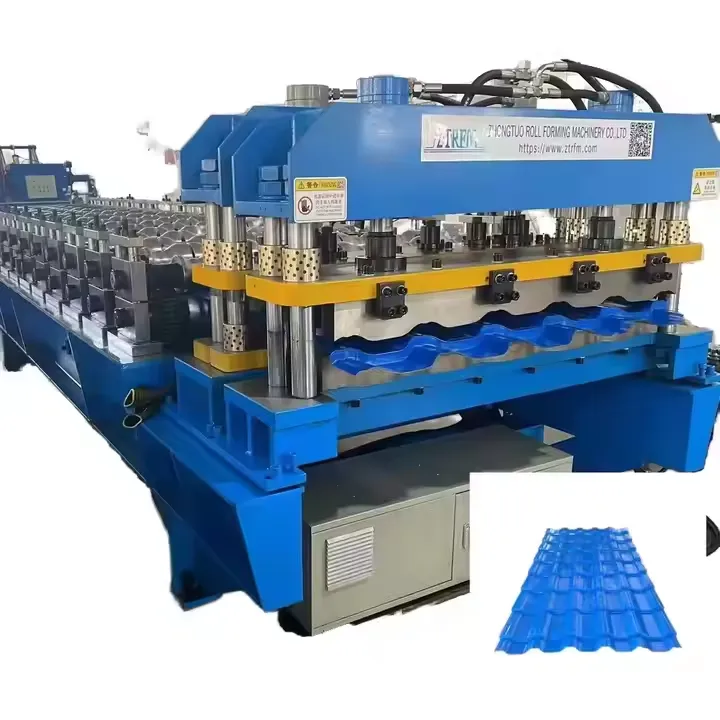 Glazed Tile Roofing Sheet Roll Forming Machine
- 25 M/min+Glazed Tile Roofing Sheet Roll Forming Machine+15KW
$40,000.00
MOQ: 1
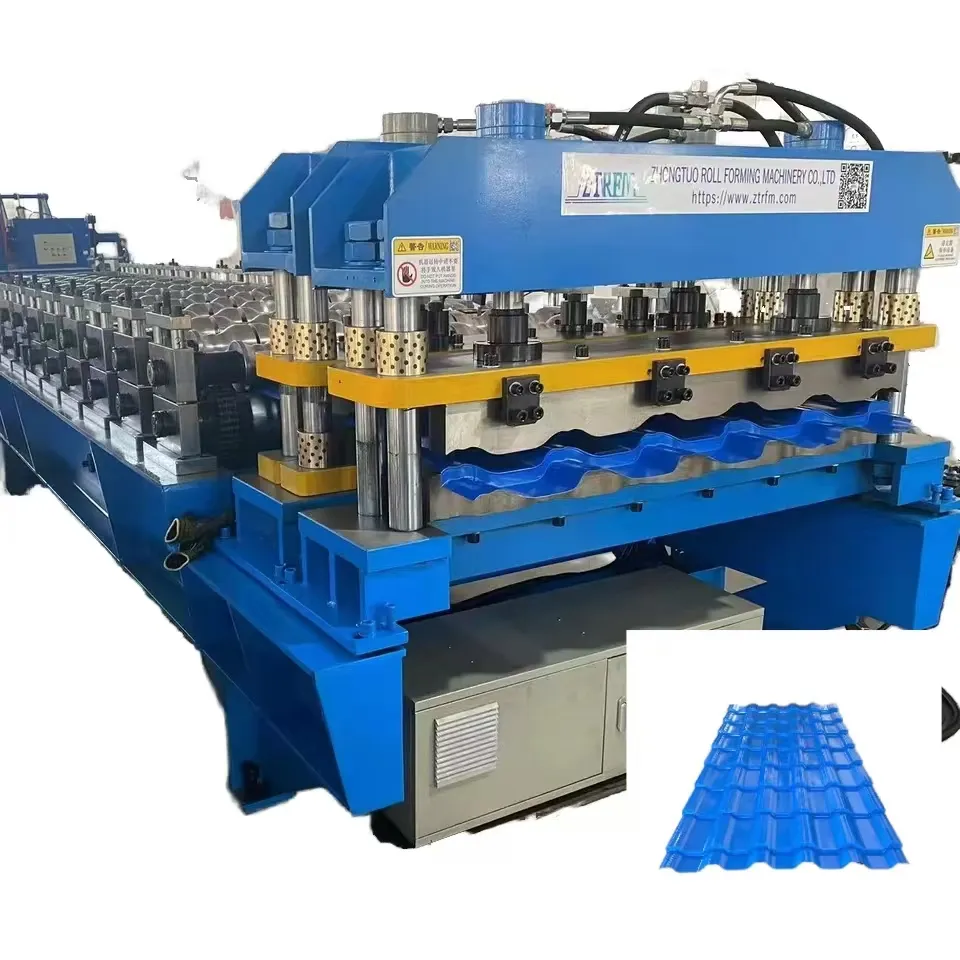 Glazed Tile Roofing Sheet Making Machine Metal Tile Making Machine
- 25 M/min+Glazed tile roofing sheet making machine+21.55KW
$50,000.00
MOQ: 1
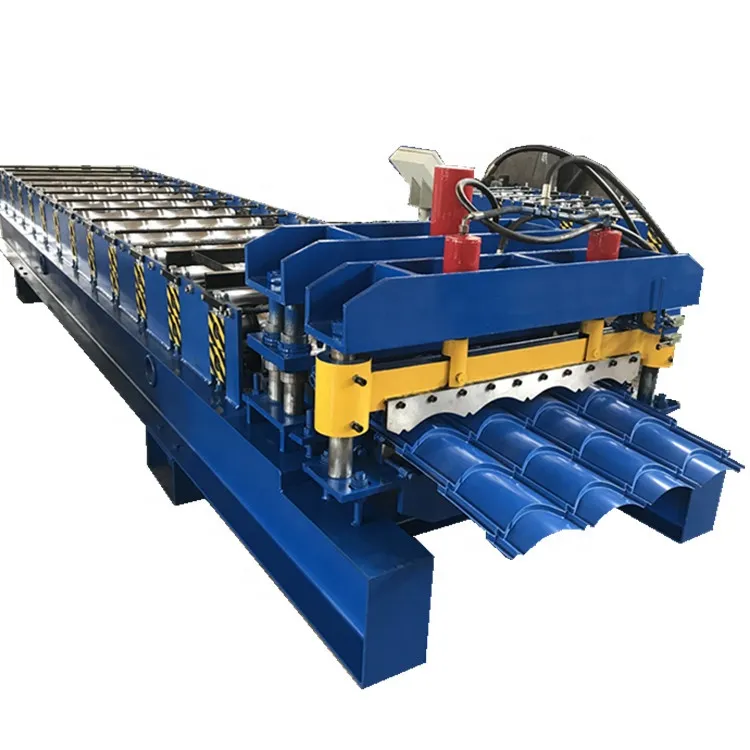 Roofing Sheet Wall Panel Glazed Tile Making Roll Forming Machine
- 10 m/min+Glazed Tile Making Roll Forming Machine+7.5KW
$11,000.00
MOQ: 1
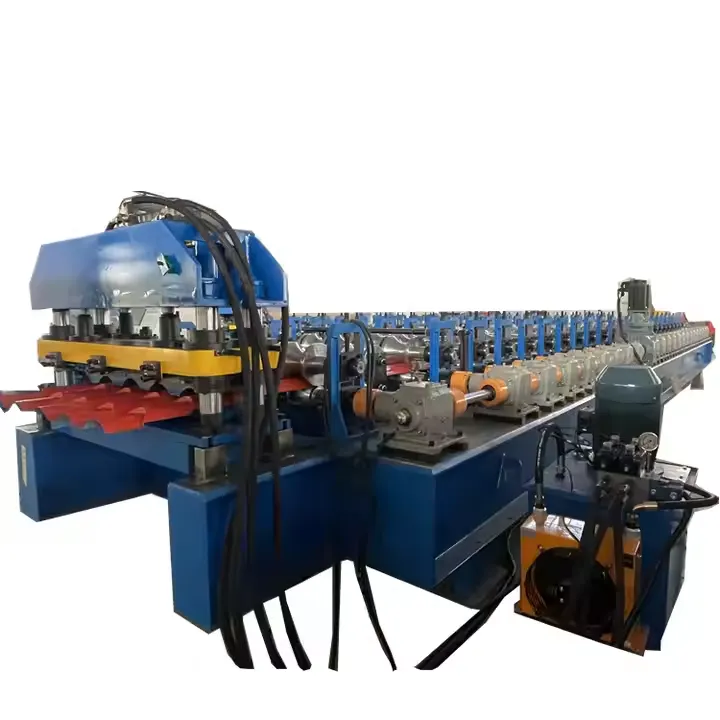 Galvanized Steel Glazed Tile Making Machine
- 60m/min+High-Speed Galvanized Steel Glazed Tile Making Machine+7.5KW
$14,000.00
MOQ: 1
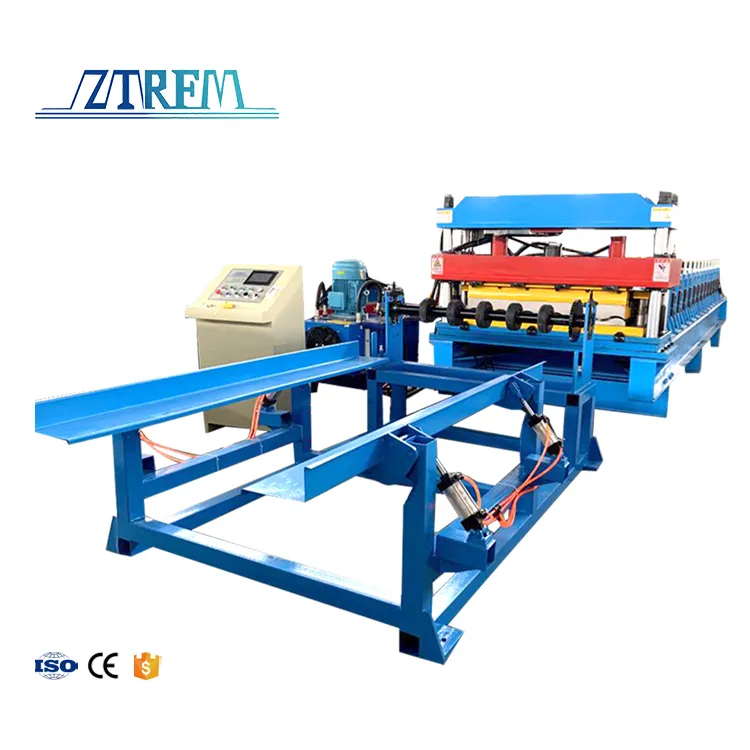 Lace Shearing Molding Cutting Glazed Tile Rolling Forming Machine
- glazed tile+11kw
$15,500.00
MOQ: 1
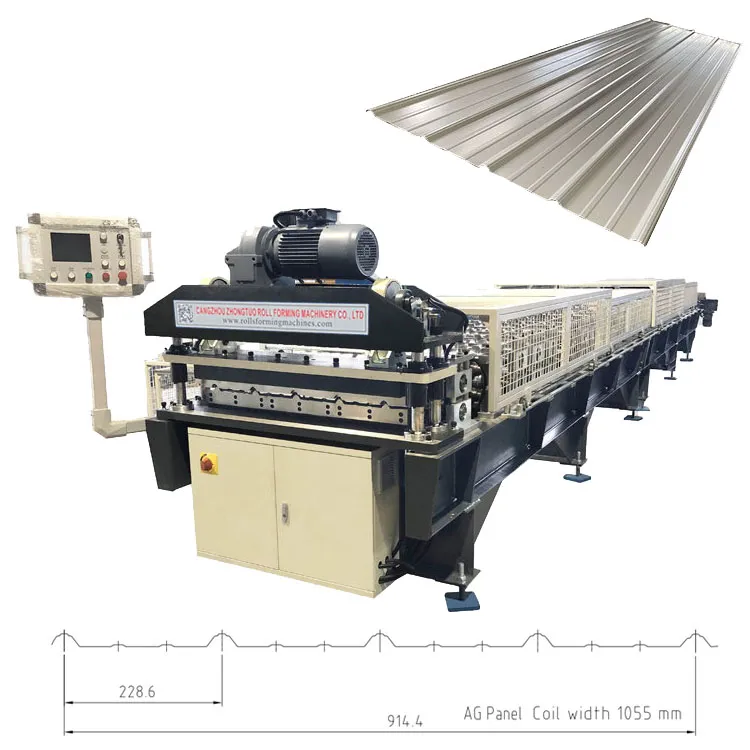 AG Panel Roll Forming Machine US PBR R Panel Roll Former Type
- 0-15M/MIN+ZT-950+11kw
$12,000.00
MOQ: 1
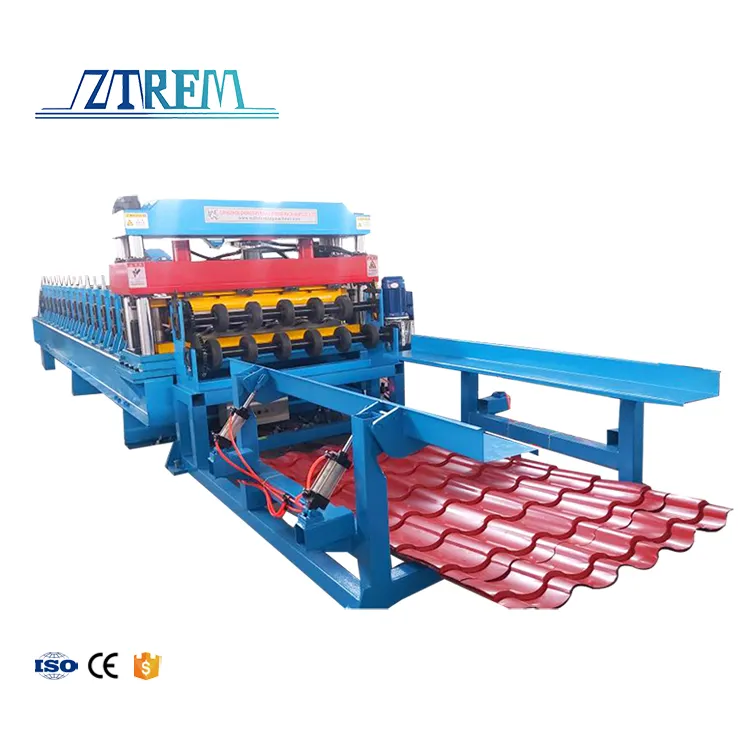 Color Steel Aluminum Sheet Making Glazed Tile Roll Forming Machine
- 15 m/min+glazed tile+11kw
$16,500.00
MOQ: 1
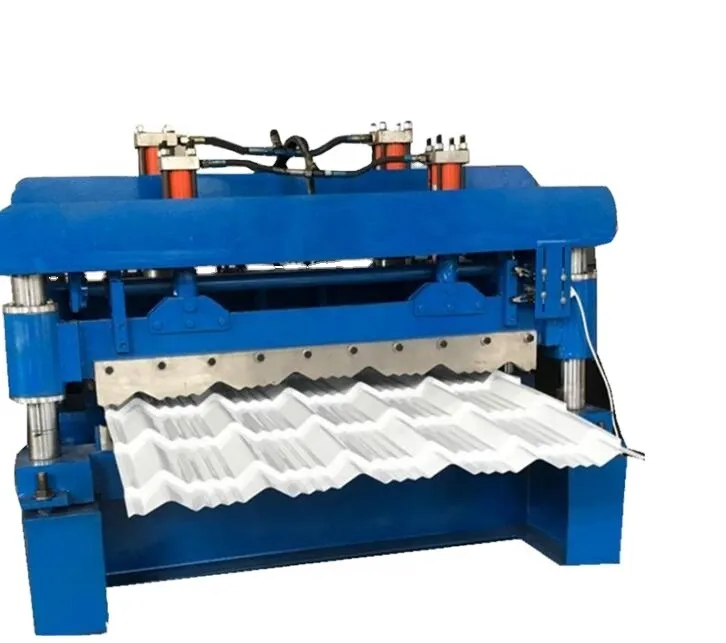 0.4-0.6mm Buena Calidad Maquina Para Techo Maquina Para Teja
- ZT-1000+7kw
$13,500.00
MOQ: 1
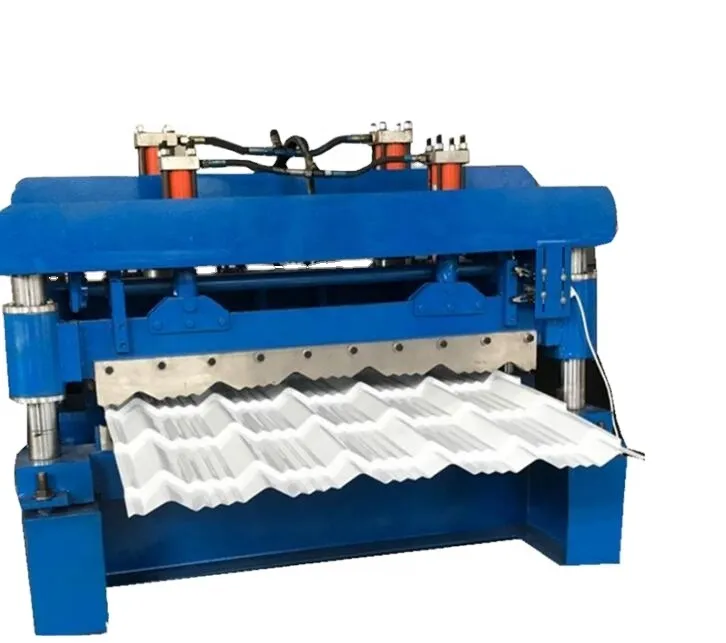 Positive Feedback Q Tile Metal Roofing Roll Forming Machine
- ZT-1000+7kw
$13,500.00
MOQ: 1
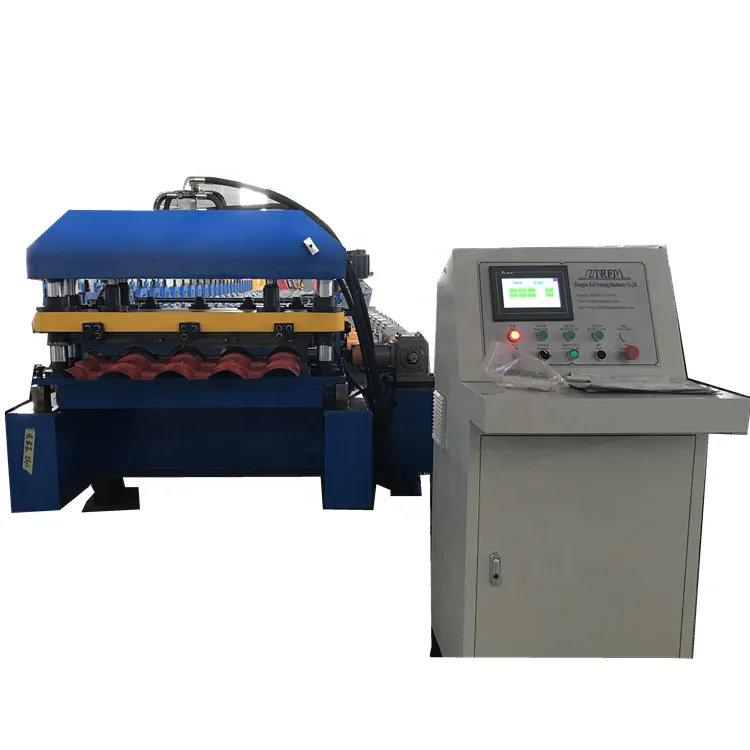 Buena Calidad Maquina Para Techo Maquina Para Teja
- ZT-1000+7kw
$13,500.00
MOQ: 1
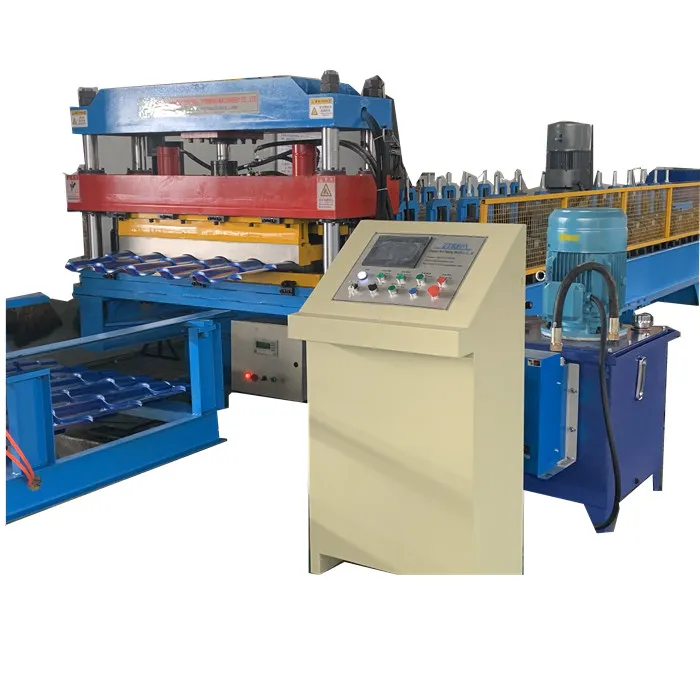 Glazed Roofing Sheet Machine Glazed Tile Forming Machine
- glazed roofing sheet machine+11KW
$21,000.00
MOQ: 1
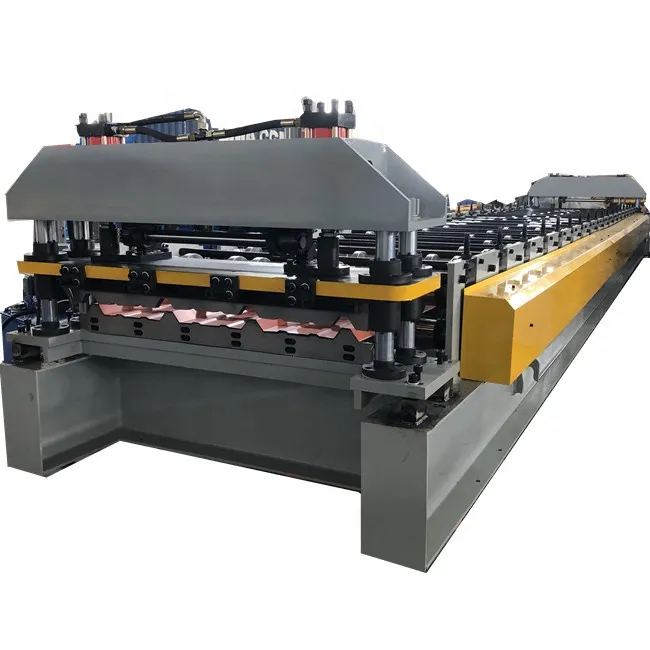
About Glazed Tile Roll Forming Machines
Glazed tile roll forming machines bridge time-honored architectural heritage with modern high-speed metal roll forming technology. By transforming lightweight prepainted steel and aluminum coils into rigid, corrugated panels featuring crisp transverse steps, these machines deliver finished roof shingles that possess the visual elegance of heavy clay or glazed terracotta tiles while eliminating their inherent liabilities: weight, fragility, and susceptibility to freeze-thaw cracking.
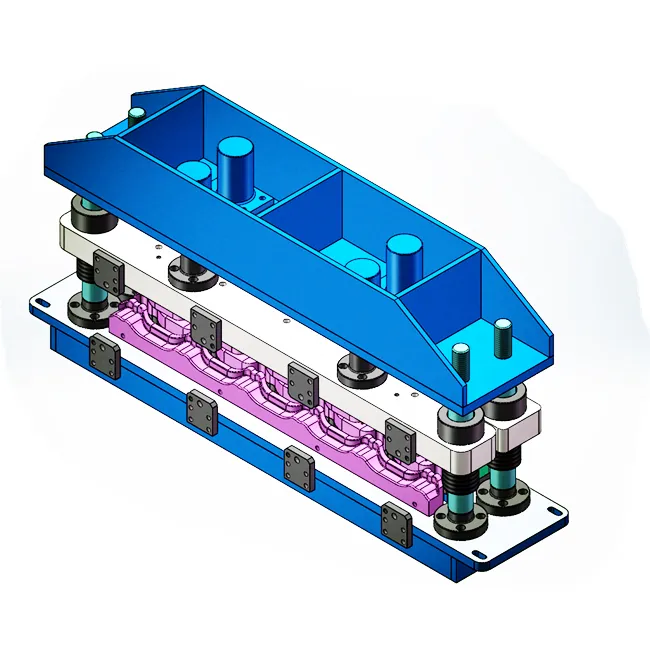
The manufacturing process combines continuous roll forming with intermittent hydraulic stamping. Flat strip is guided through 16 to 22 hardened roller stations (solid 45# or 40Cr steel rollers, precision polished and hard chrome-plated to 0.05 mm thickness to safeguard pre-painted finishes from abrasion). Once the base wave geometry is formed, an optical encoder measures the precise feed length before halting momentarily. A dedicated hydraulic pressing mold descends, stamping a clean 10 mm to 25 mm deep transverse step into the ribbed sheet. This cycle repeats automatically according to the programmed pitch distance until a matching Cr12MoV hydraulic shear blade trims the finished tile section without edge burrs or profile deformation.
Substrates encompass hot-dip galvanized PPGI (Z100 to Z275), galvalume PPGL (AZ100 to AZ150), and grade 3004 aluminum coils coated with weather-durable polyester (PE) or fluorocarbon (PVDF) topcoats. Standard output profiles include the classic 828 mm round-ridge tile, the 950 mm Chinese palace step tile, and the 970 mm bamboo-wave profile.
Equipment configurations span compact standalone single-layer mills, dual-level combination machines (combining a trapezoidal roof profile on one deck and a glazed tile profile on the other), and automated high-throughput lines equipped with automatic hydraulic decoilers, motorized coil cars, and vacuum auto-stackers.
Glazed Tile Roll Forming Machines Profiles

Glazed Tile 970
Glazed Tile 970 glazed tile profile for roll forming lines. Key specs: Pitch 194…
View Profile
C100x50x15
C100x50x15 C purlin profile for roll forming lines. Key specs: Web height 100mm,…
View Profile
Applications
Classical Oriental Pavilions & Traditional Courtyards
In classical oriental pavilions & traditional courtyards, high-precision step-pressed glazed metal tiles recreate classical oriental upturned flying eave roofs, reducing structural dead load by over 80% while eliminating ceramic tile breakage and rainwater leakage. Featuring high-strength interlocking seams and concealed fastener clips, these continuous metal panels prevent water infiltration and ensure long-term building envelope integrity.
Mediterranean & Spanish Style Luxury Villa Residences
In mediterranean & spanish style luxury villa residences, glazed tile roll forming lines produce continuous terracotta barrel and bamboo-wave metal profiles with interlocking anti-siphon side laps, providing storm-tight weatherproofing for upscale Mediterranean residential estates. Engineered with anti-capillary side-laps and continuous structural ribs.
Cultural Tourism Scenic Areas & Heritage Commercial Streets
In cultural tourism scenic areas & heritage commercial streets, roll formed step-pressed glazed metal tiles enable rapid modular installation across expansive commercial tourism complexes, offering vibrant long-term PVDF color retention, fire resistance, and freeze-thaw durability. These engineered industrial systems and accessories provide vital structural and operational support, ensuring seamless equipment integration and robust weather protection.
Eco-Resort Hotels & Country Golf Clubhouses
In eco-resort hotels & country golf clubhouses, architectural metal glazed shingles deliver elegant sloped roof silhouettes across hillside resort villas, resisting high wind uplift forces while providing acoustic damping and superior rainwater shedding. Featuring high-strength interlocking seams and concealed fastener clips, these continuous metal panels prevent water infiltration and ensure long-term building envelope integrity.
Temple, Shrine & Historic Building Roof Restorations
In temple, shrine & historic building roof restorations, custom roll formed stepped glazed steel and aluminum tiles install directly onto historic timber trusses without structural reinforcement, preserving authentic ancient aesthetics while preventing decay. Engineered with anti-capillary side-laps and continuous structural ribs, these precision roll-formed metal panels deliver leak-proof weather-tightness and withstand hurricane-force wind uplift.
Technical Overview
| Parameter | Information |
|---|---|
| Machine Type & Product | Automated glazed tile cold roll forming & step pressing machine |
| Compatible Raw Materials | Prepainted galvanized steel (PPGI), PPGL & pre-coated aluminum (AA3004) |
| Coil Thickness Range | 0.30 mm – 0.80 mm (standard 0.40 – 0.60 mm) |
| Finished Tile Profiles | 828 mm, 950 mm, 970 mm, 1000 mm (according to profile drawing) |
| Step Pitch & Depth | Step distance: 150 – 400 mm (PLC adjustable); Step depth: 10 – 25 mm |
| Forming Roller Stations | 16 – 22 stands (solid 40Cr steel rollers, hard chrome plated 0.05 mm) |
| Shaft Diameter | Φ70 mm – Φ80 mm (solid 45# / 40Cr steel, quenched & tempered) |
| Step Pressing Unit | High-speed hydraulic press mold (Cr12MoV tool steel, 20–30 Ton force) |
| Cutting System | Hydraulic profiling shear with 3D contoured Cr12MoV blades (stop-to-cut) |
| Line Speed & Control | 3.0 – 6.0 m/min; Siemens/Delta PLC + Touchscreen HMI + High-precision encoder |
Related Solutions
Multi-Layer Roofing Solution
One mill that sells two (or three) roof profiles, and a barrel corrugator that s…
Metal Roofing & Wall Panel Roll Forming Solution
Trapezoidal / IBR, standing-seam, corrugated or glazed-tile roof and wall panel…
Standing Seam Roofing Project Solution
A standing-seam project is a shop mill that forms lock legs, plus an on-roof sea…
Wide-Format Roofing Production Solution
Buyers type “3 m roofing” for four different jobs: a 3 m cut length on a roof mi…
Roof Panel and Wall Panel Combined Line
Combined line for standing seam roof and wall panels. Quick tooling change betwe…
Arch Roof & Warehouse Building Solution
An “arch roof” search usually means one of four hosts: a jobsite K-span that for…
Related Information

Glazed Tile Roll Forming Machine Manufacturers: How to Pick a Real Supplier
How to choose a glazed tile (color steel) roll forming machine manufacturer: fac…
Read More
Stone Coated Roof Tile Production Line vs. Glazed Tile Roll Forming Machine: Process, Capex, and Market Demand Comparison
stone coated roof tile production line
Read More
How to Choose a Roof Panel Roll Forming Machine: 10 Factors That Matter
How to choose a roof panel roll forming machine for your market: profile type (c…
Read More
Roll Forming Tooling Design: Material, Coating & Lifespan
Roller material choices (Cr12MoV vs D2 vs SKD11), surface coatings, flower patte…
Read More
Roll Forming Machine Control Systems: PLC, HMI and Encoder Integration
How do PLC, HMI, VFD and encoders work together on a roll forming line? A practi…
Read More
Surface Scratching on Prepainted (PPGI) & Galvanized Coils: Prevention in Roll Forming
surface scratching prepainted ppgi galvanized coils prevention roll forming
Read More
FAQ
How does a glazed tile machine create transverse steps compared to standard corrugated machines?
Standard roof panel machines only perform continuous longitudinal roll forming. A glazed tile machine incorporates a dedicated hydraulic step-pressing unit downstream of the forming stands. An encoder tracks material feeding, stops the line momentarily, and actuates a hydraulic mold to stamp a crisp transverse step before resuming feed.
Can the step height, step distance, and cutting length be adjusted via the PLC?
Yes, the touch-screen PLC interface allows operators to set the step pitch distance (typically 150 mm to 400 mm), total sheet length, and batch piece quantities. The step depression depth (typically 12 mm to 25 mm) is mechanically fine-tuned via the hydraulic press cylinder stroke stops.
What measures prevent surface scratching on prepainted (PPGI) and aluminum coils?
Our roller stands undergo vacuum heat-treatment and surface grinding, followed by 0.05 mm hard-chrome plating polished to a mirror finish. In-line polyurethane protective film applicators and specialized side-guide nylon rollers further ensure zero scuffing on delicate PVDF paint finishes.
What is the typical production speed of a glazed tile roll forming line?
Because each step requires a brief stop-and-press cycle, line speed averages 3 to 6 meters per minute depending on the programmed step length (e.g., 250 mm vs. 350 mm). In a standard 8-hour shift, an automated line typically yields 1,200 to 2,200 linear meters of finished stepped tiles.
What are the advantages of a double-layer (dual-tier) glazed tile roll forming machine?
A double-layer machine houses two complete forming levels within a single machine frame—commonly a glazed tile on top and a trapezoidal IBR roof panel on the bottom. It saves 50% factory floor space and reduces initial capital expenditure compared to purchasing two separate machines.
How does the custom-profiled hydraulic shear cut the stepped tiles cleanly?
Glazed tile profiles require an exact profile-matched 3D cut-off blade machined from high-carbon, high-chromium Cr12MoV tool steel. The blade cuts precisely along the stepped contour without crushing the hollow wave crests or causing burred edges.
What drawing and specification details must be confirmed before machine manufacturing?
Buyers must provide the signed cross-sectional drawing (effective width, wave pitch, rib height, and step depth), coil thickness range (e.g., 0.4–0.6 mm), coil material grade (PPGI, PPGL, or aluminum), target electrical voltage/frequency, and preferred hydraulic decoiler tonnage.