Global B2B Roll Forming Sourcing Platform | Free RFQ Response within 24h

- Tuo AI

- Live

- My Account
- Shopping Cart
- Inquiry Basket
- Contact Us
- Back to Top




Drywall Screws & Light Gauge Framing Fasteners
Industrial drywall screws are precision-engineered bugle-head threaded mechanical fasteners designed for rapid, secure fastening of gypsum board, acoustic panels, and fiber-cement sheathing to cold formed light-gauge steel studs and timber structural framing. Featuring high-carbon hardened steel construction, sharp piercing needle points or self-drilling #2 points, and deep Phillips or Torx recesses, these screws provide rapid driving speeds without paper tearing or head snapping. Finished in black phosphate or zinc plating, our screws guarantee certified pull-out resistance and long-term corrosion protection across commercial building projects.
 Factory Price High Quality Black Phosphated Bugle Head Drywall Screws for Gypsum Board
- Drywall Screws+13-254mm+M3.5
$0.89
MOQ: 1000
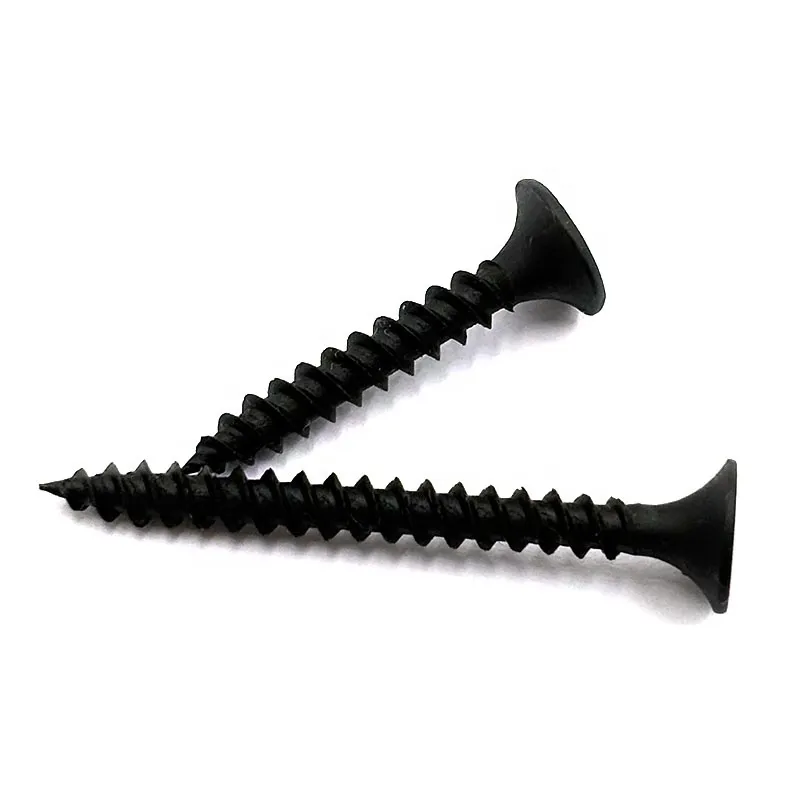 Best Quality Full Size Black Phosphated Drywall Screws Durable Fast Attack Speed Factory Wholesale
- Drywall Screws+13mm-254mm+M3.5
$0.89
MOQ: 500
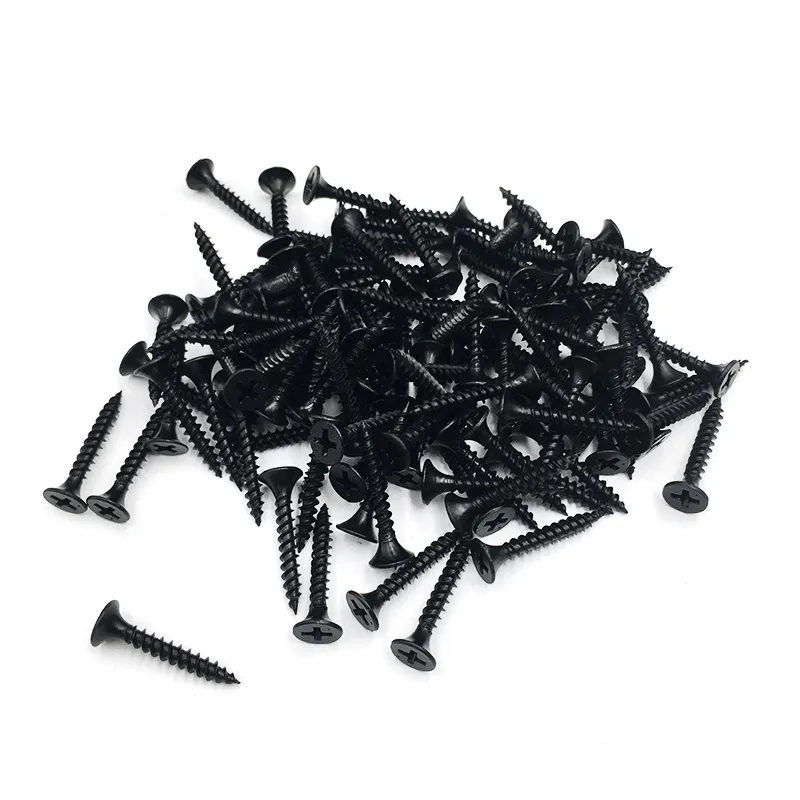 1/2" to 10" Galvanized Drywall Screw Tornillos Rosca Tornillos Rosca Tornillo De Yeso
- Drywall Screws+25mm+M3.5
$25.60
MOQ: 10
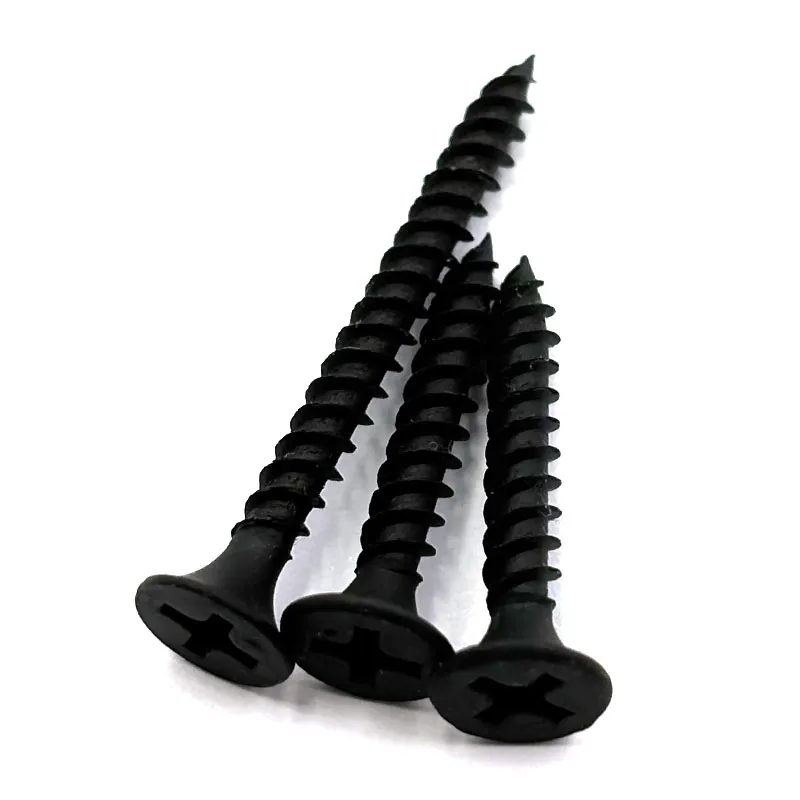 Special Black Phosphating Drywall Screws 3.5x13mm Fine Teeth and Pointed Tips Inch Measurement System
- Drywall Screws+200 mm+M3.5
$1.10
MOQ: 1000
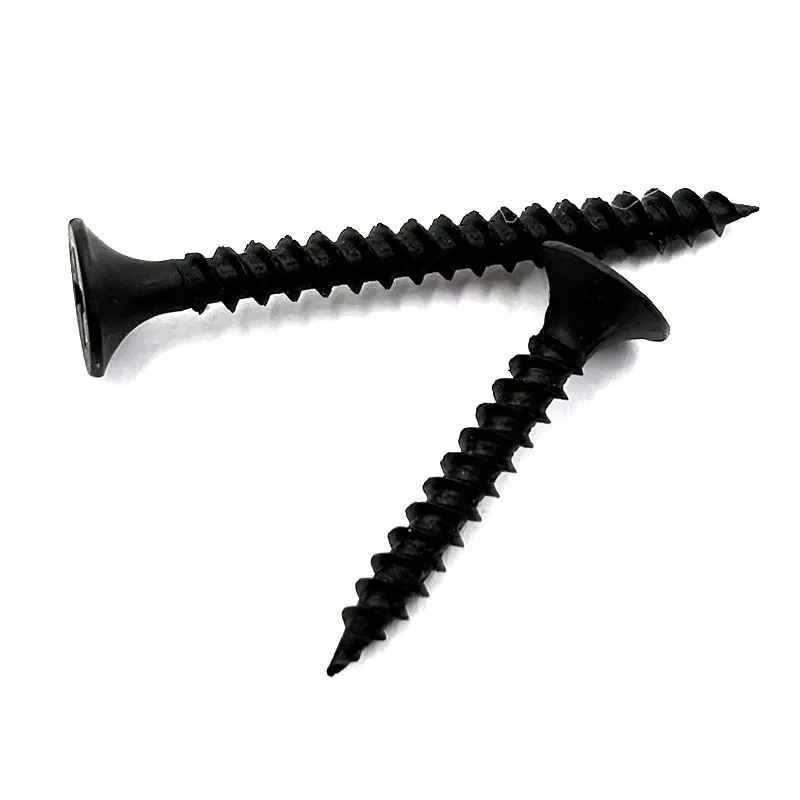 High-Quality Wholesales Black Phosphated Gypsum Drywall Screws of C1022 for Woodworking Board
- Tapping Screws+90mm+M3.5
$1.10
MOQ: 100
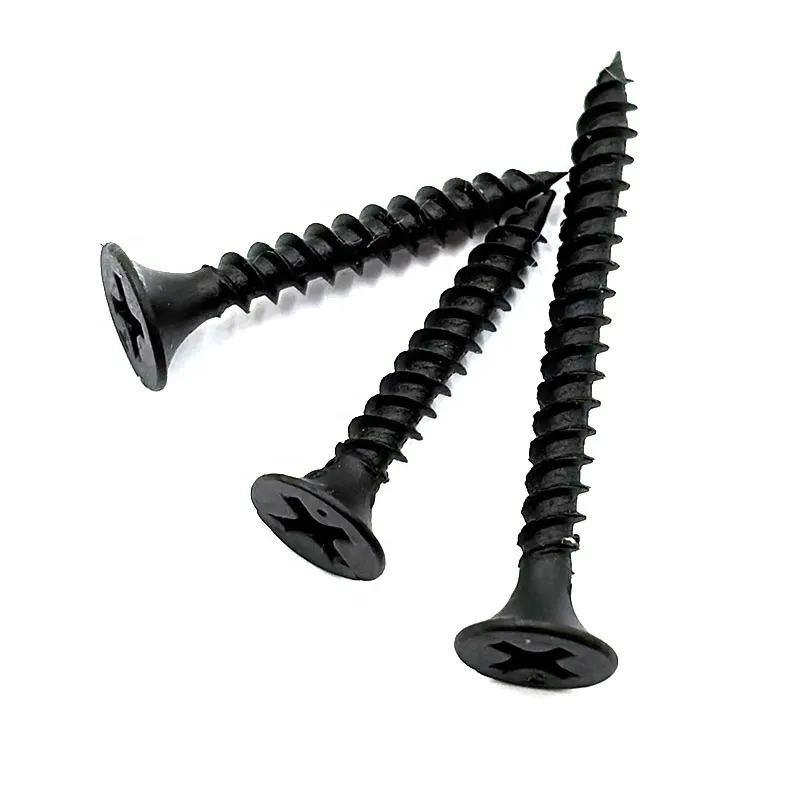 High Quality Black Phosphated Bugle Head Self Tapping Screw Factory Hot Sale Available with Coarse Thread
- Drywall Screws+200 mm+M3.5
$0.36
MOQ: 1000
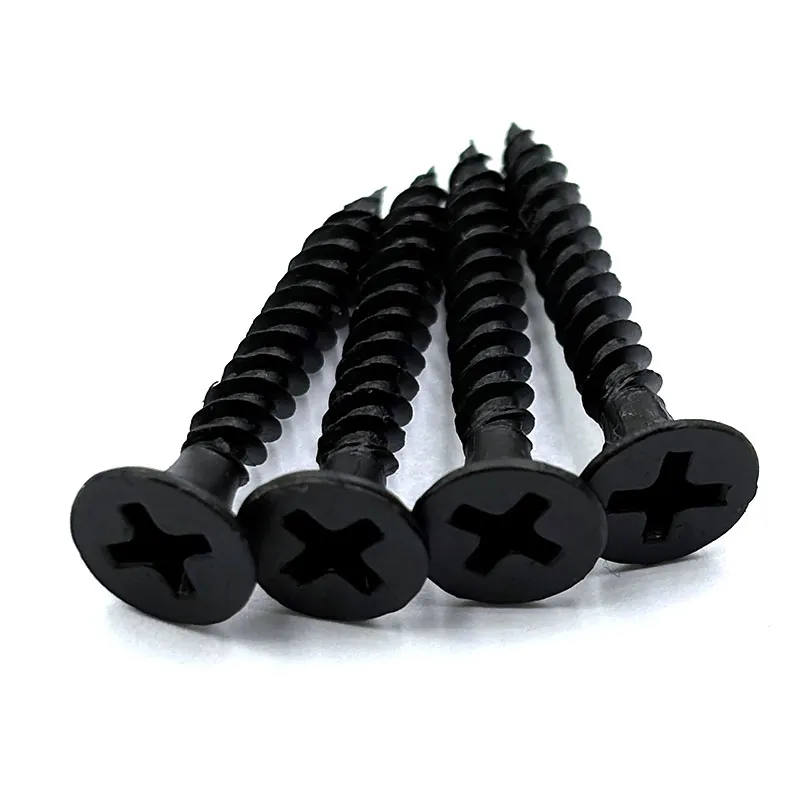 High Quality C1022 Material Drywall Screws Black Bugle Head Drywall Nails Carpentry Plasterboard Measured in Inches
- Drywall Screws+13-254MM+M3.5
$1.15
MOQ: 1000
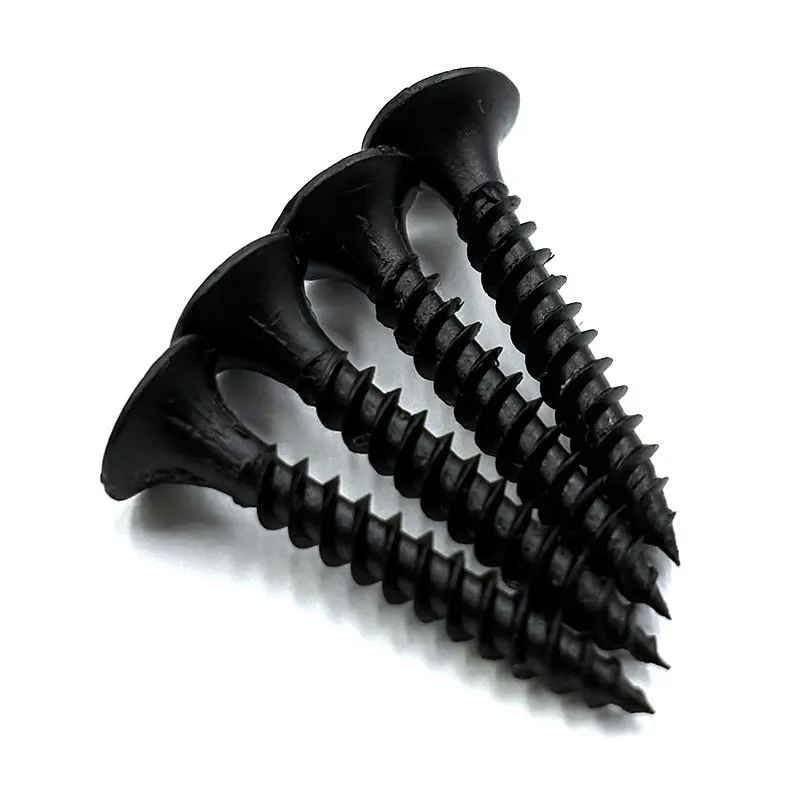 High Quality Drywall Screw in Black Phosphated Fine Thread Carbon Steel Bugle Head-Inch Measurement System Factory Direct
- Drywall Screws+13-254MM+M3.5
$1.15
MOQ: 1000
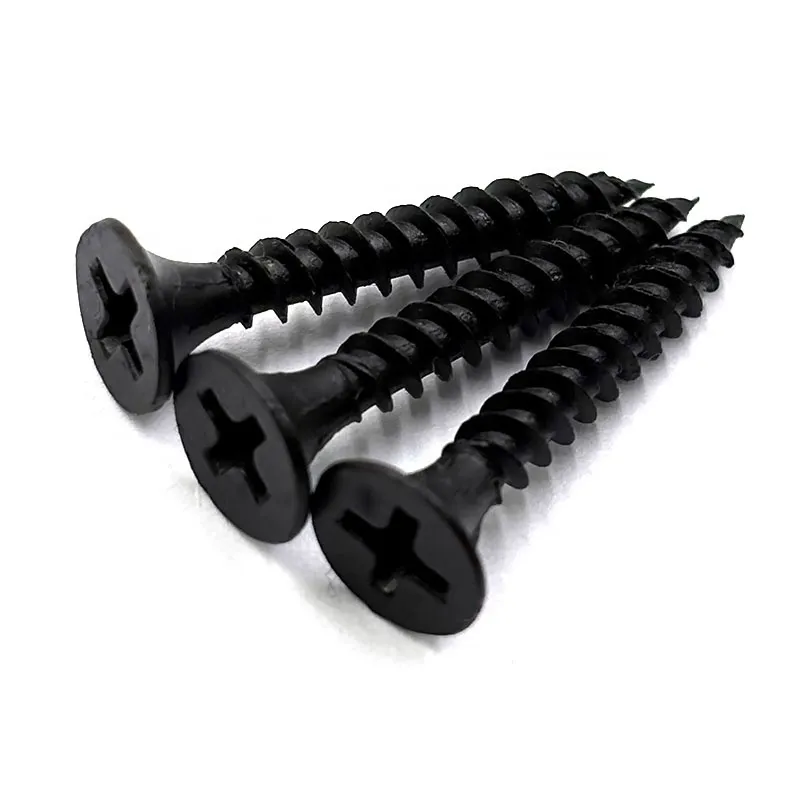 C1022 Drywall Screws Black Phosphated Bugle Head Fine Thread Factory Wholesale
- Drywall Screws+13-254MM+M3.5
$1.15
MOQ: 1000
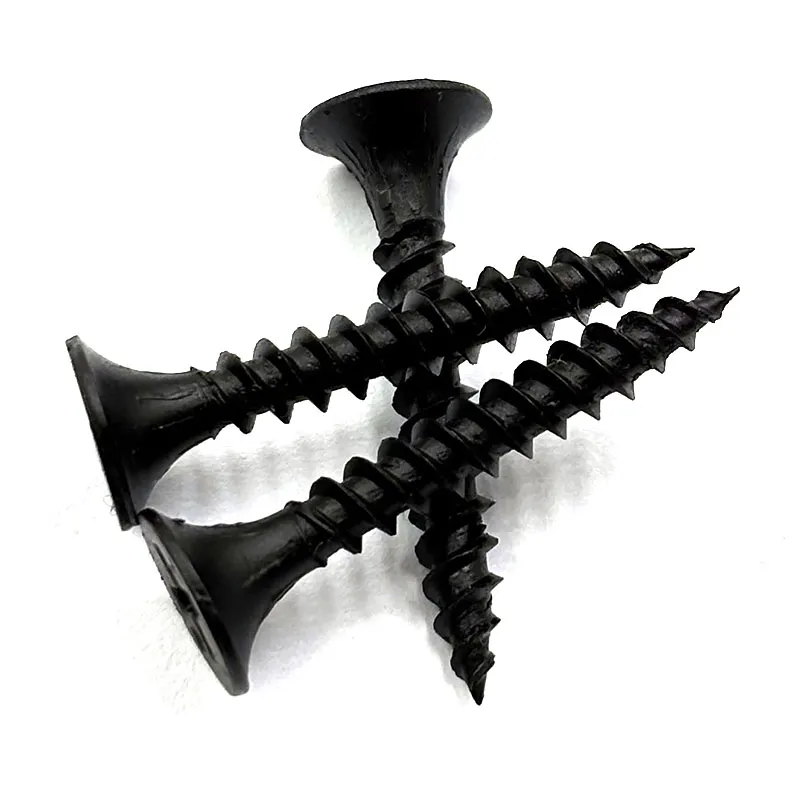 2025 Hot Sale High Quality Drywall Screws Black Phosphated Carbon Steel Screws Factory Wholesale
- Drywall Screws+13-254MM+M3.5
$1.15
MOQ: 1000
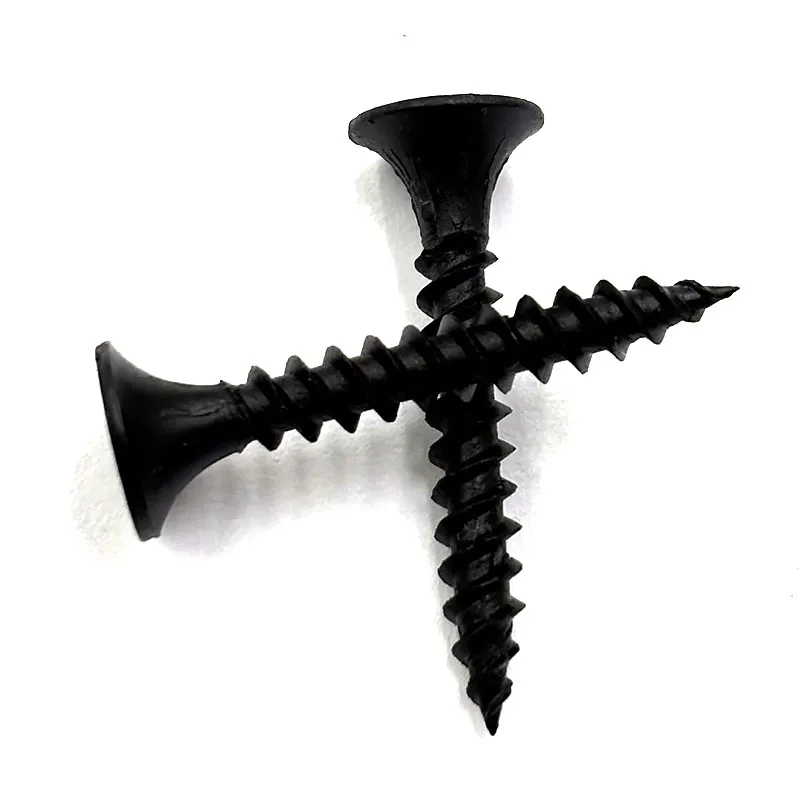 Wholesale Premium C1022 Fine Thread Bugle Head Drywall Screws Black Phosphated Finish Inch Measurement System
- Drywall Screws+13-254MM+M3.5
$1.15
MOQ: 1000
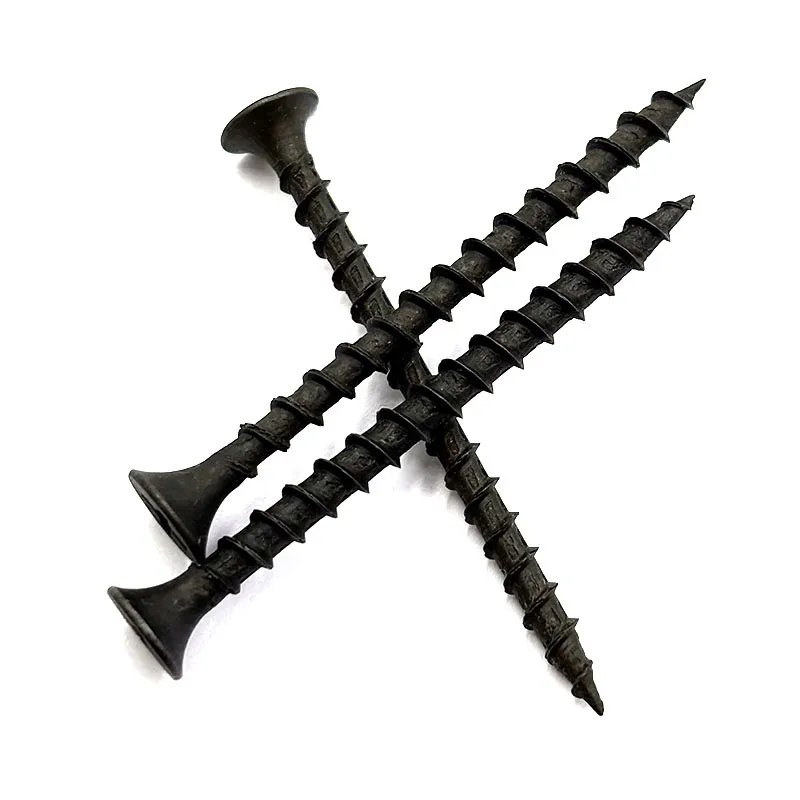 Factory Wholesale Drywall Screws with Black Phosphated Coarse Thread Bugle Head
- Drywall Screws+12mm+M3.5
$12.50
MOQ: 100
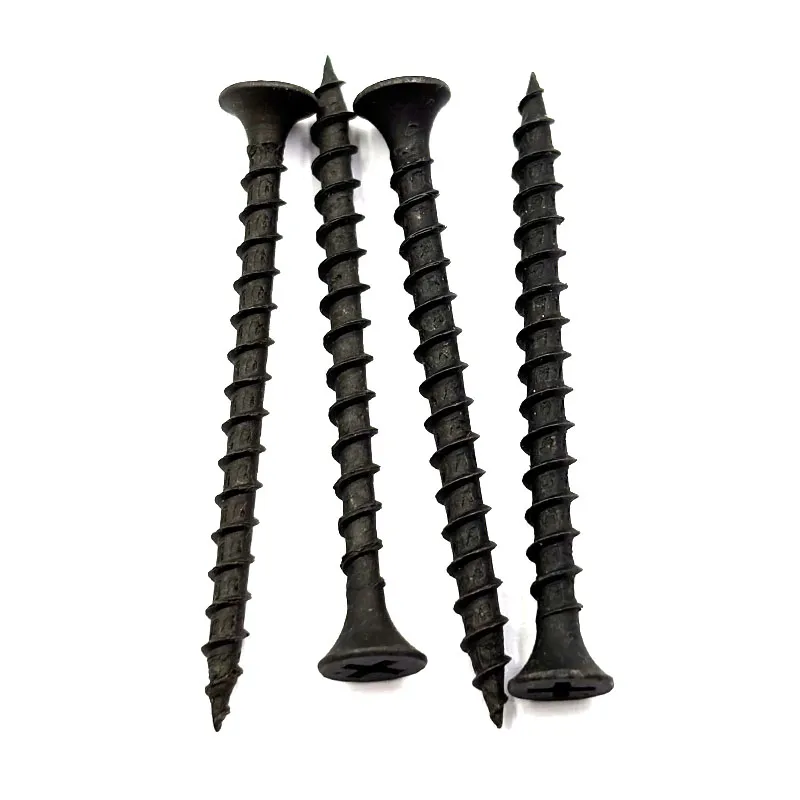 Wholesale Premium Drywall Screws Black Phosphated Finish Bugle Head Coarse Thread Available Both Metric Inch Made Steel
- Drywall Screws+12mm+M3.5
$12.50
MOQ: 100
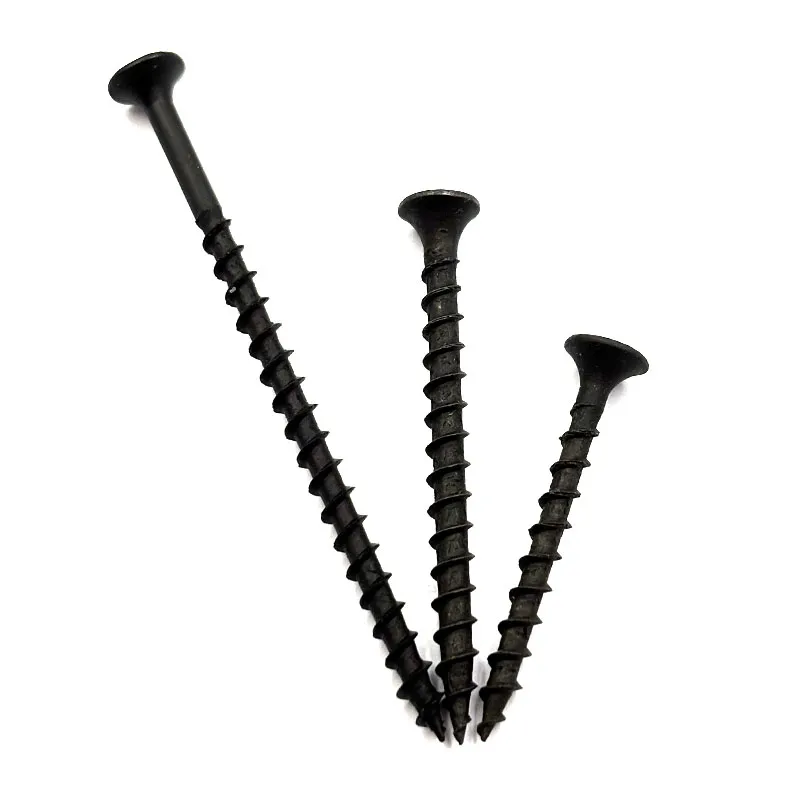 Premium Black Phosphated Drywall Screw Coarse Thread Carbon Steel Inch & Metric Measurement System Factory Hot Sale
- Drywall Screws+12mm+M3.5
$12.50
MOQ: 100
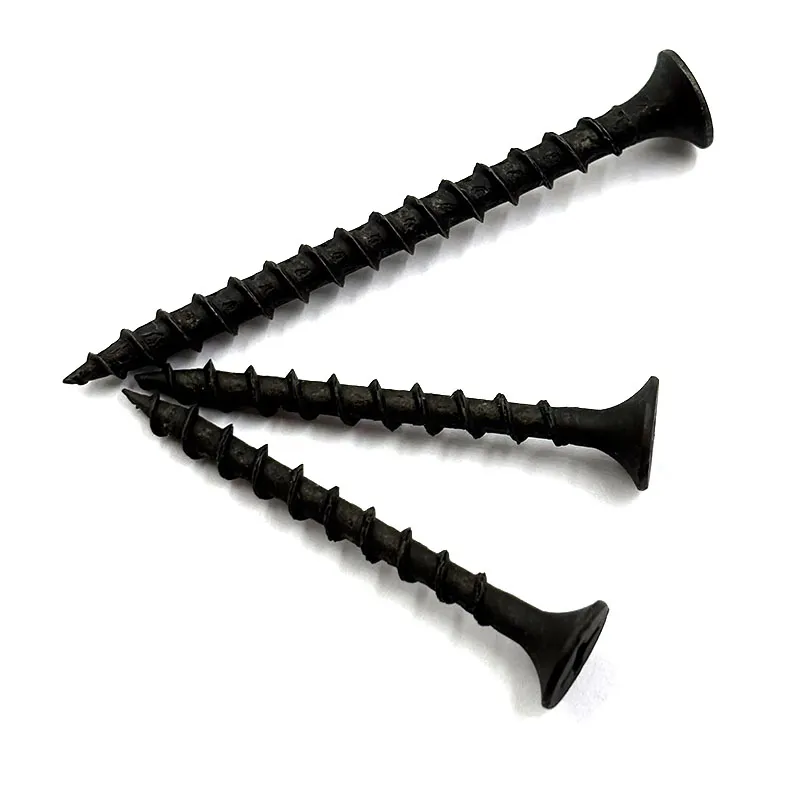 Factory Direct Sale Black Phosphated Drywall Screw with Coarse Thread Inch & Metric Measurement System
- Drywall Screws+12mm+M3.5
$12.50
MOQ: 100
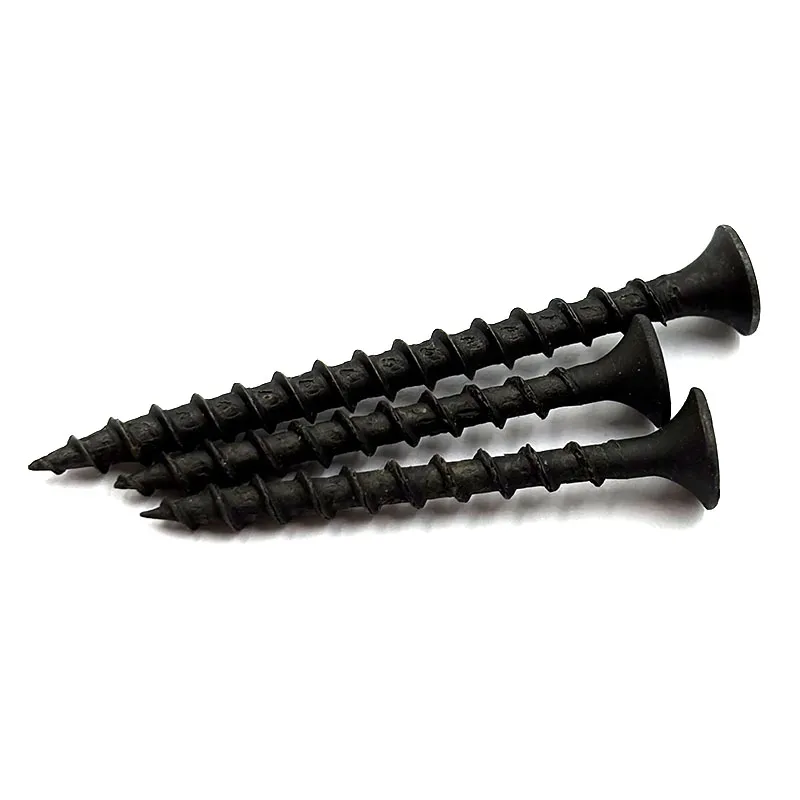 Drywall Screw Black Phosphated Coarse Thread Factory Direct Sales C1022 Carbon Steel
- Drywall Screws+12mm+M3.5
$1.30
MOQ: 1000
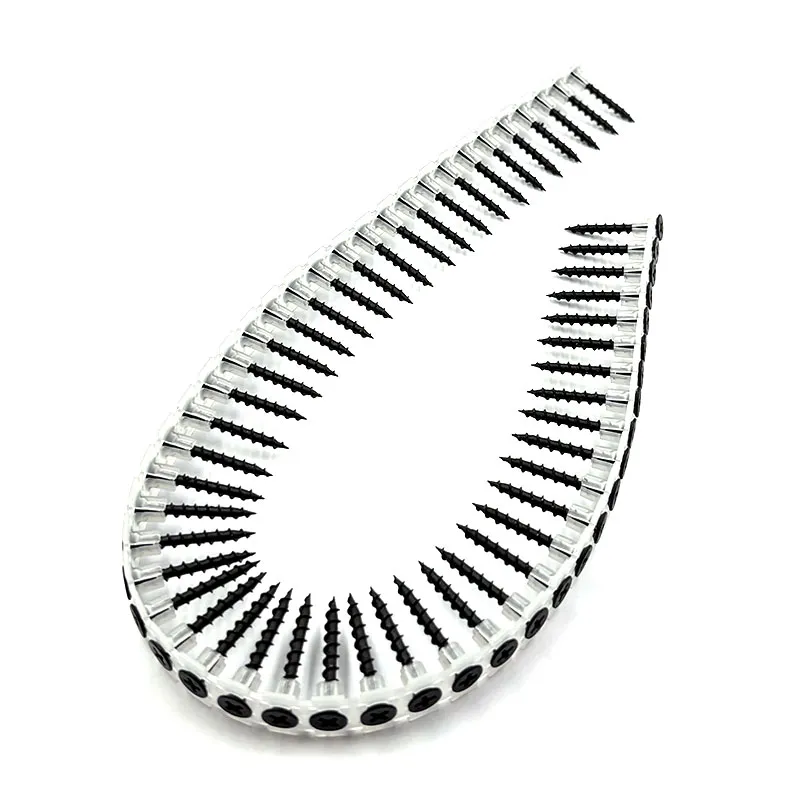 35mm Flat Cap Head Iron Drywall Screws With Spiral Shank Plastic Collated Drywall Screw Nail for Concrete
- Drywall Screws+M3.5+25mm
$0.03
MOQ: 10000
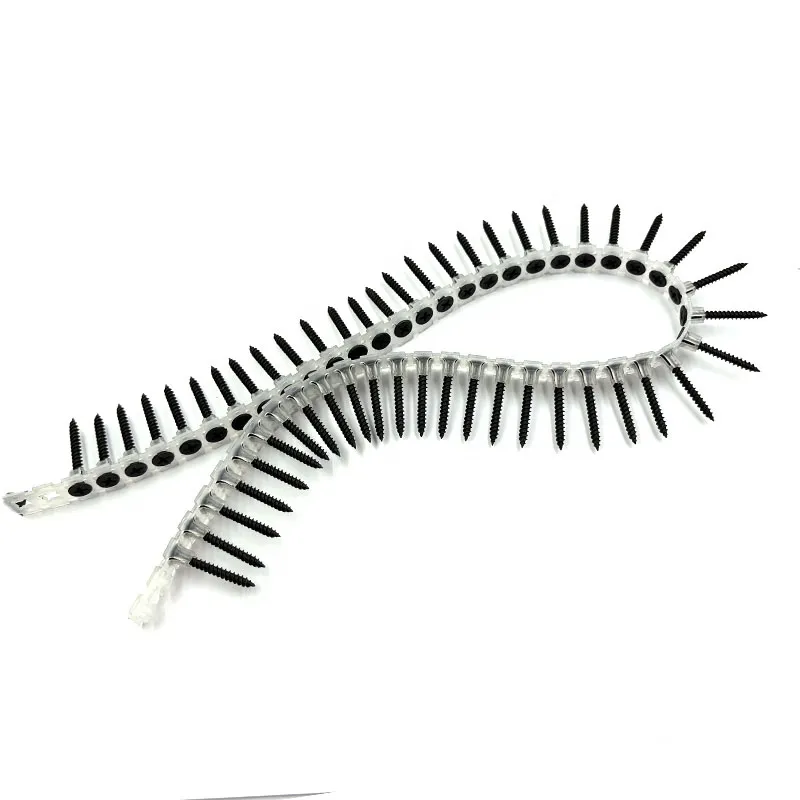 35mm Flat Cap Head Iron Drywall Screws With Spiral Shank Plastic Collated Drywall Screw Nail for Concrete
- Drywall Screws+M3.5+25mm
$7.00
MOQ: 1
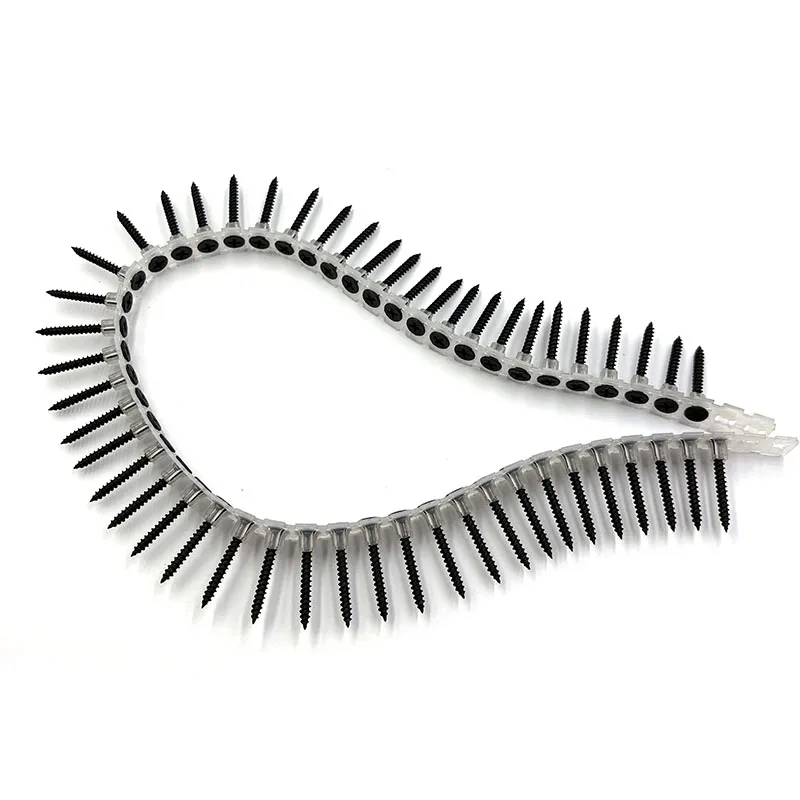 Black Galvanized Collated China Factory Drywall Screw Chain Screw Drywall Screw Collated Anti-corrosion
- Drywall Screws+M3.5+25mm
$51.80
MOQ: 1
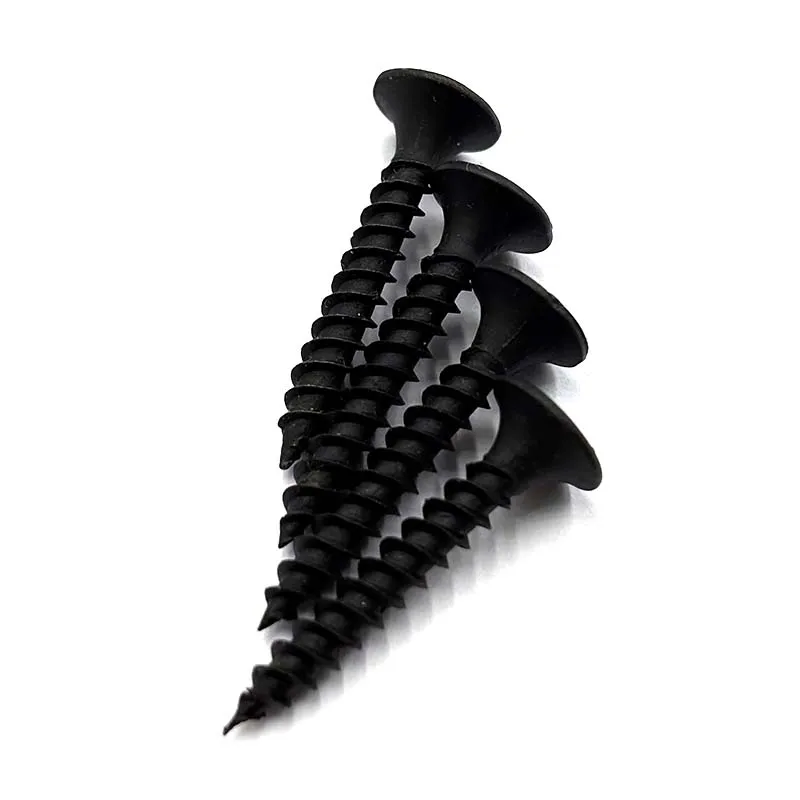 High Quality Drywall Screw with Black Phosphating Thin Thread Bugle Head Available in Inch and Metric Measurements
- Drywall Screws+12mm+M3.5
$12.00
MOQ: 100
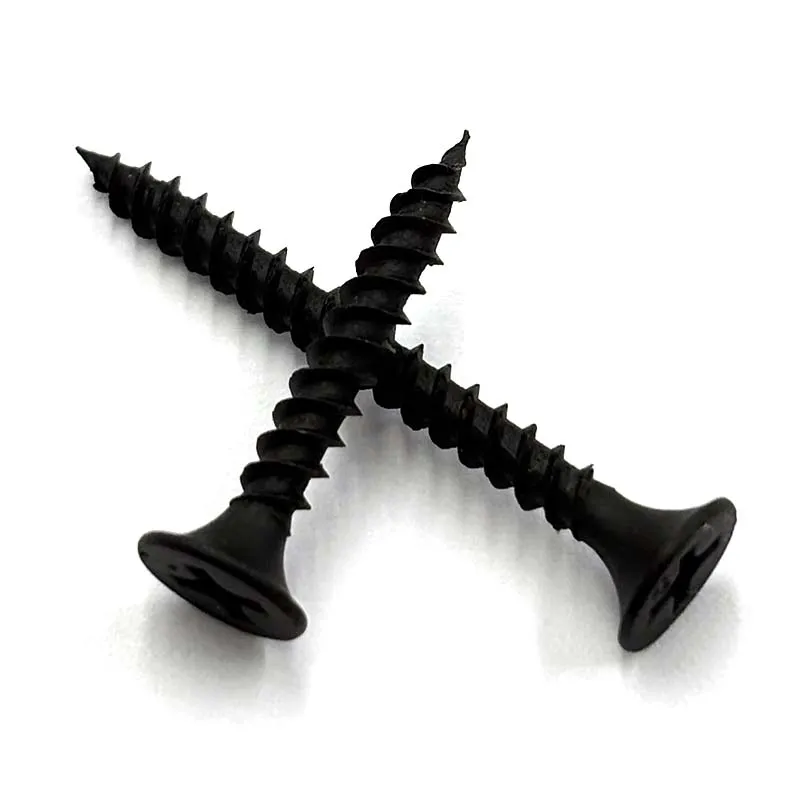 Bugle Head Drywall Screws Self-Tapping Screws Black Phosphated Thin Thread Gypsum Board Tornillos Drywall Screw
- Drywall Screws+12mm+M3.5
$12.00
MOQ: 100
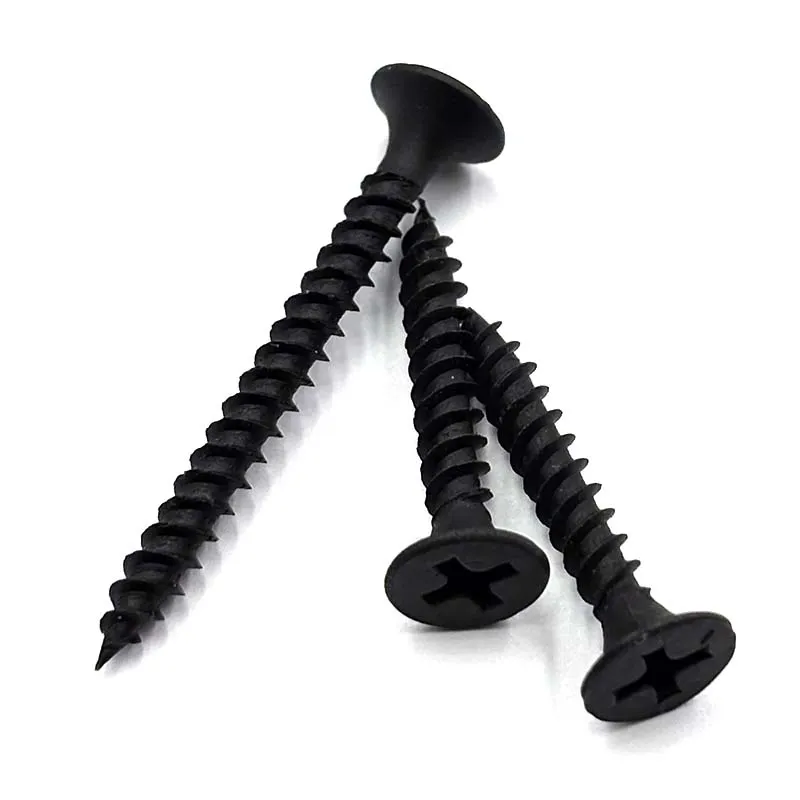 Drywall Screws High-quality Black Phosphating Thin Thread Bugle Head
- Drywall Screws+12mm+M3.5
$12.00
MOQ: 100
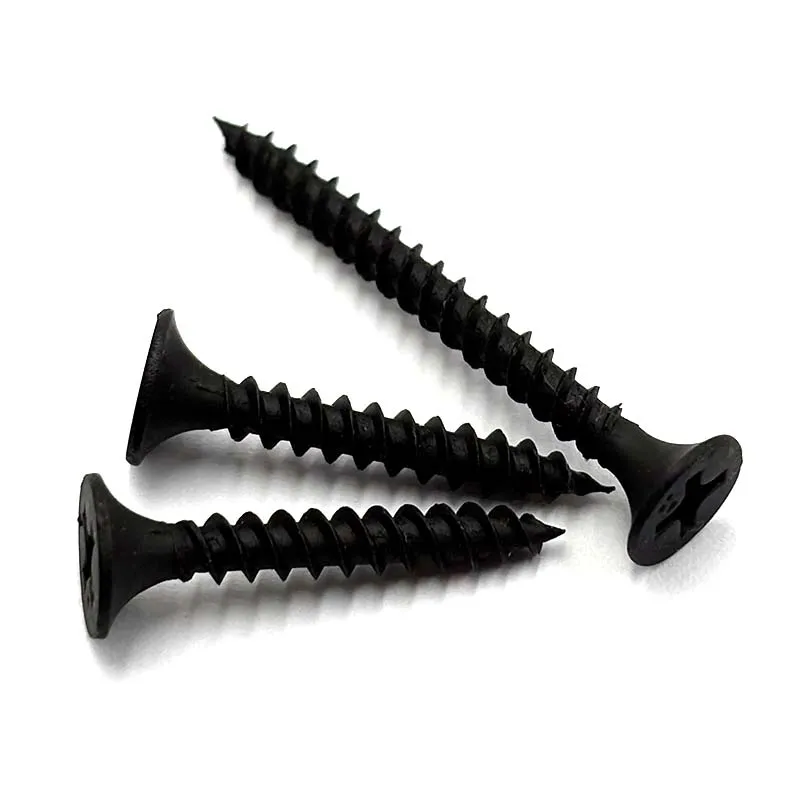 Black Phosphated Thin Thread Bugle Head Drywall Screw High-quality and Durable
- Drywall Screws+12mm+M3.5
$12.00
MOQ: 100
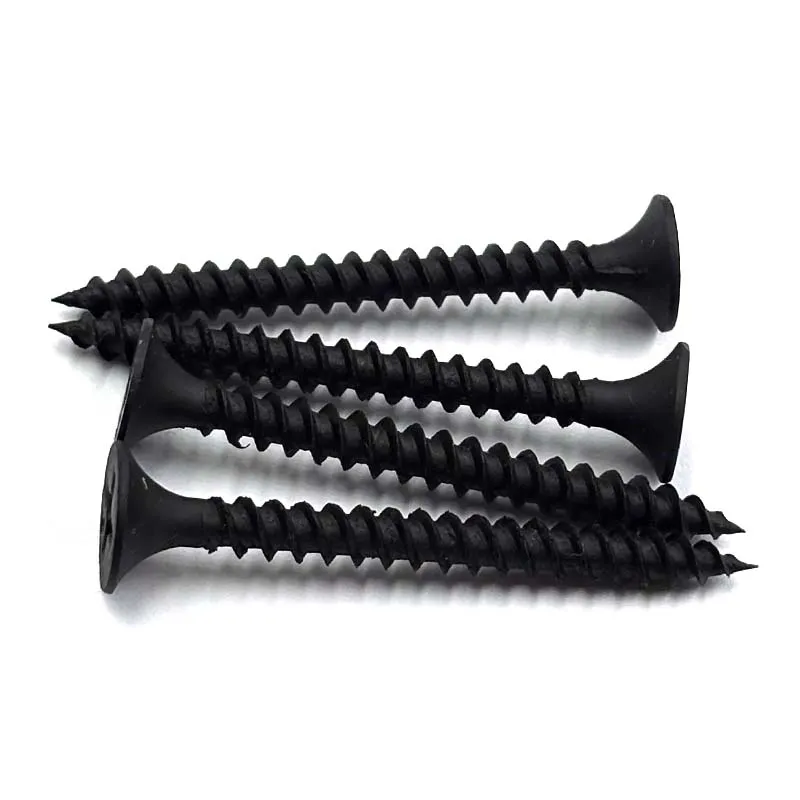 Drywall Screws Phosphated Drywall Screws for Use on Gypsum Board
- Drywall Screws+12mm+M3.5
$12.00
MOQ: 100
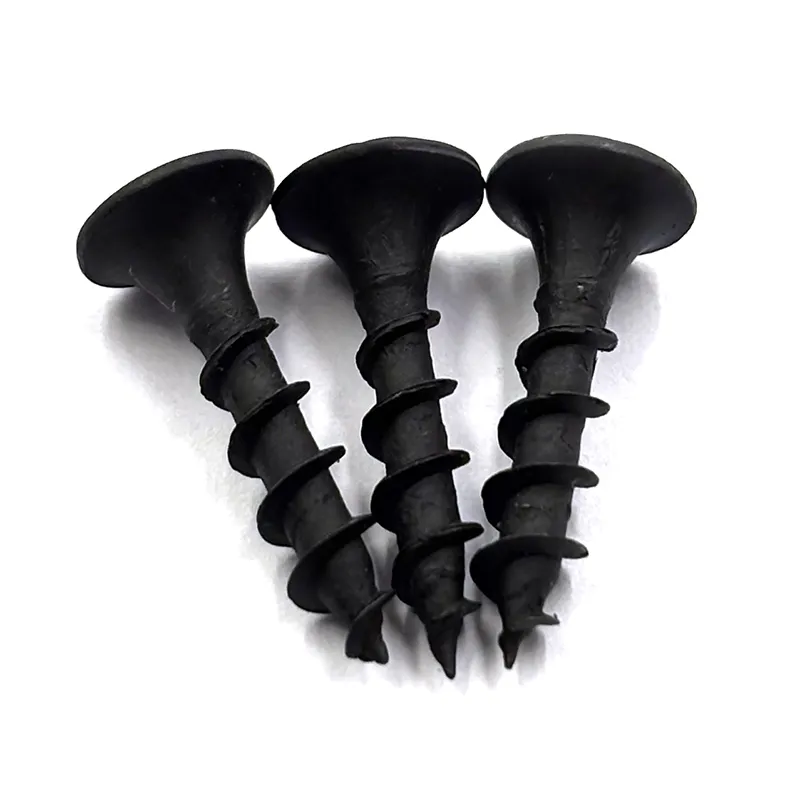 Bugle Head Drywall Screws Thread Coarse Self-Tapping Screws Black Phosphated Gypsum Board Tornillos Drywall Screw
- Drywall Screws+12mm+M3.5
$12.00
MOQ: 100
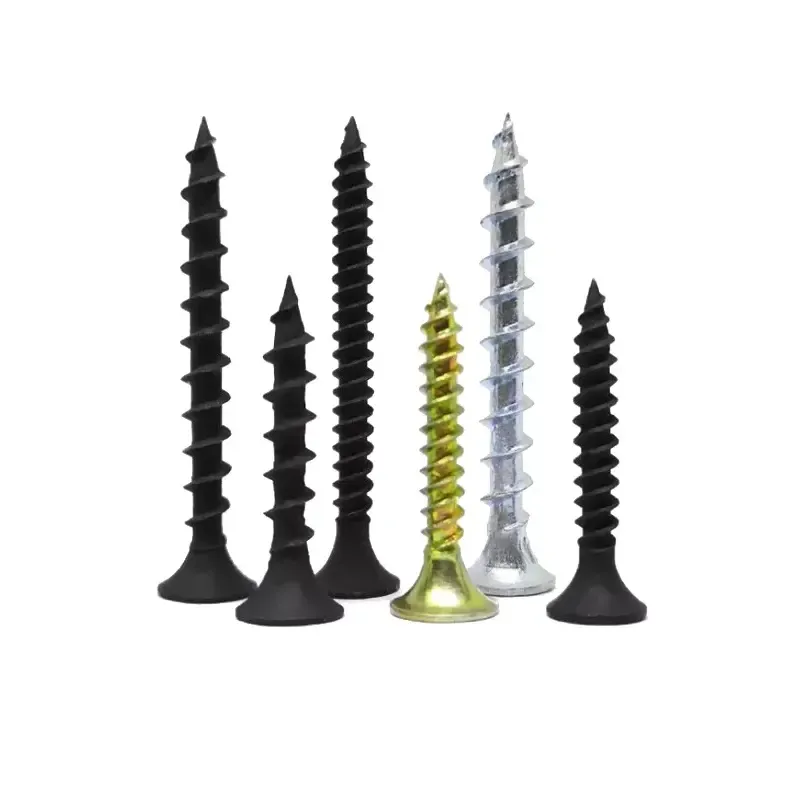 Black Phosphate Coated Stainless Steel Self-Tapping Fasteners Drywall Rosca Fina and Rosca Gruesa for Volcanita
- Drywall Screws+25mm+M3.5
$1.00
MOQ: 45
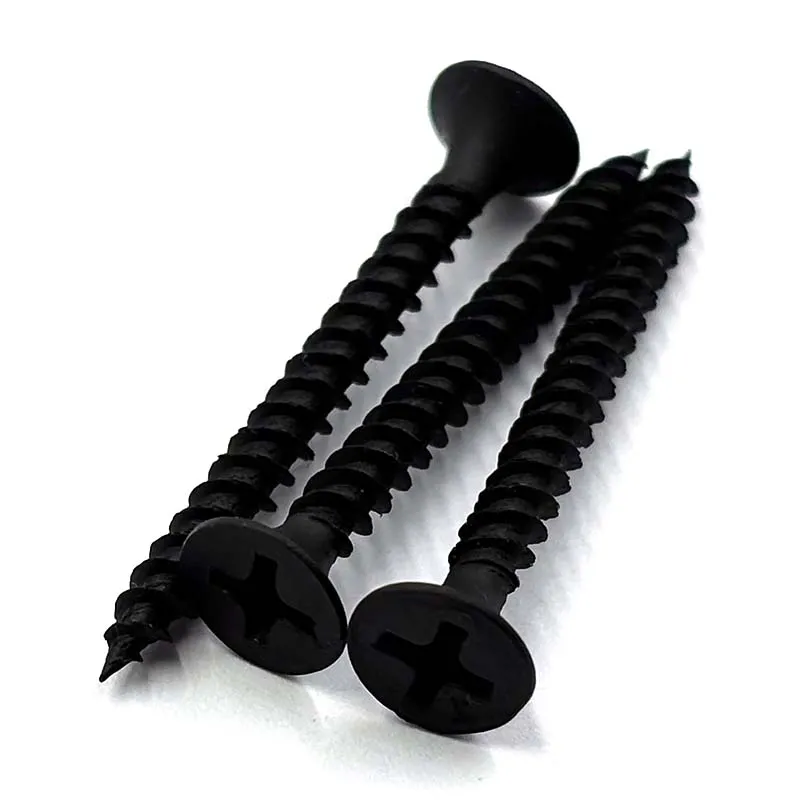 Black Fine Phosphate Drywall Screw Boxes Tianjin 1 1/4 Manufacture
- Tapping Screws+70 mm+M3.5
$1.10
MOQ: 2000
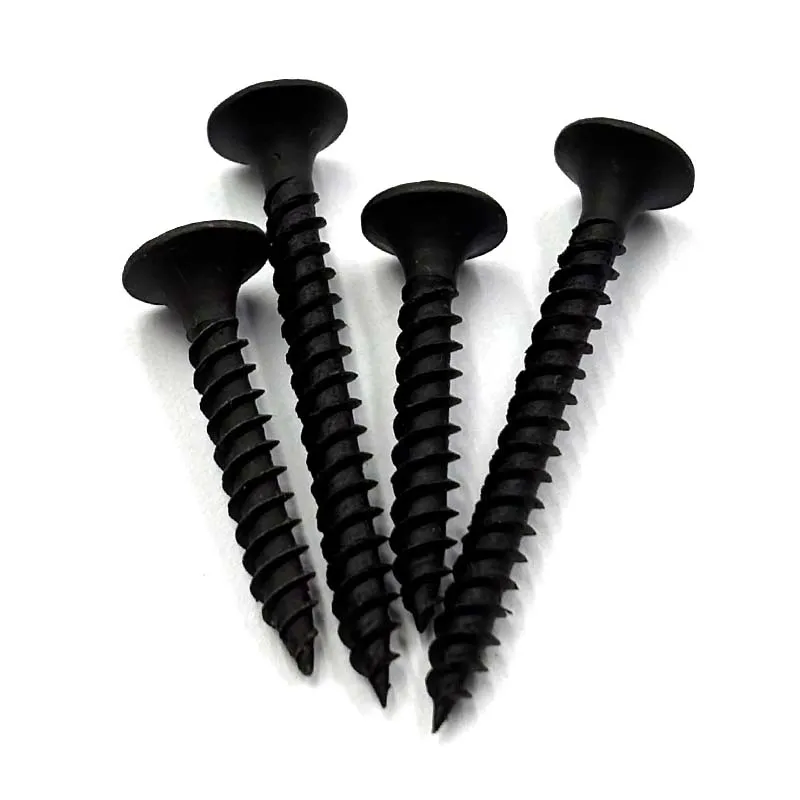 C1022 19x6 Drywall Screw and Nail Tianjin Manufacture High Quality
- Tapping Screws+70 mm+M3.5
$1.38
MOQ: 1000
About Drywall Screws & Light Gauge Framing Fasteners
In modern light-gauge steel framing (LGS) and commercial drywall construction, the speed and reliability of partition wall assembly depend directly on screw fastener quality. Gypsum boards and exterior sheathing panels must be rigidly secured to cold roll formed C-studs, U-tracks, and resilient ceiling channels without tearing the surface facing paper, stripping out thin-gauge steel threads, or snapping fastener heads under high-torque electric screw guns.
Our industrial drywall screws are cold-headed from high-purity C1022A carbon steel and case-hardened through computer-controlled continuous carburizing furnaces. This metallurgical heat treatment achieves a surface hardness of 550–650 HV with a ductile core of 300–400 HV, providing blistering driving penetration while absorbing dynamic framing flexure without brittle shear failure. The classic curved bugle head profile sinks smoothly below the gypsum paper surface, creating a neat dimple that accepts joint compound without crushing the gypsum core.
Available in fine twin-lead threads for light-gauge steel framing (0.5 mm to 0.9 mm stud thickness) and coarse deep threads for wood framing, our screws feature anti-corrosive black/grey phosphate or electro-zinc coatings. Every production batch is certified to ASTM C1002 and EN 14566, undergoing 100% automated optical sorting to eliminate blanks, bent shanks, and clogged recesses.
Applications
Light Gauge Steel Stud Partition Wall Framing
In light gauge steel stud partition wall framing, industrial application of light gauge steel stud partition wall framing in modern automated cold roll forming and metal building manufacturing. Engineered with tight flange angles and continuous web stiffeners, these cold-formed purlins deliver exceptional strength-to-weight ratios conforming to modern design codes.
Suspended Acoustic Ceiling Channel Installation
In suspended acoustic ceiling channel installation, industrial application of suspended acoustic ceiling channel installation in modern automated cold roll forming and metal building manufacturing. Manufactured to rigorous industrial tolerances from high-grade structural alloys, these dependable components withstand demanding environmental stresses and deliver certified reliability.
Exterior Sheathing Board Attachment To Structural Studs
In exterior sheathing board attachment to structural studs, industrial application of exterior sheathing board attachment to structural studs in modern automated cold roll forming and metal building manufacturing. These high-tensile C and Z purlins provide lightweight secondary structural framing across wide bays, supporting heavy corrugated metal roof and wall cladding.
Fire Rated Multi Layer Drywall Assembly
In fire rated multi layer drywall assembly, industrial application of fire rated multi layer drywall assembly in modern automated cold roll forming and metal building manufacturing. Built for heavy industrial service, these precision-engineered components resist mechanical wear and environmental corrosion, maintaining structural alignment and building performance.
High Speed Collated Drywall Screw Magazine Feeding
In high speed collated drywall screw magazine feeding, industrial application of high speed collated drywall screw magazine feeding in modern automated cold roll forming and metal building manufacturing. Engineered with specialized corrosion-resistant surface coatings and precision-machined threads, these high-tensile fasteners resist dynamic shear stresses and cyclic vibrations.
Technical Overview
| Parameter | Information |
|---|---|
| Fastener Classifications | Fine Thread Bugle Drywall Screw, Coarse Thread Gypsum Screw, Self-Drilling TEK Drywall Screw |
| Material Wire Grade | C1022A Case-Hardened Carbon Steel, Stainless Steel 304/316 (corrosion-resistant) |
| Surface & Core Hardness | Surface Hardness HV 550 – 750 (HRC 52 – 62); Core Hardness HV 290 – 370 (HRC 28 – 38) |
| Standard Gauge Diameters | #6 (3.5 mm), #7 (3.9 mm), #8 (4.2 mm), #10 (4.8 mm) |
| Standard Length Range | 19 mm – 150 mm (3/4" to 6" length options) |
| Drive Recess Configuration | Phillips #2 (Cross Recess), Square (Robertson), Torx / Star T20/T25 |
| Head Geometries | Countersunk Bugle Head, Modified Truss Head, Low-Profile Wafer Head |
| Surface Finishing / Coating | Black Phosphate, Grey Phosphate, Yellow Zinc Plated, Ruspert 500/1000 Hr |
| Steel Penetration Performance | Drills and seats through 0.9 mm steel stud in < 1.0 second (ASTM C1002 test) |
| Manufacturing Standards | ASTM C1002, ASTM C954, EN 14566 (CE Marked), ISO 7049, RoHS Compliant |
FAQ
What is the difference between fine thread and coarse thread drywall screws?
Fine thread drywall screws feature twin-lead threads designed to tap into thin steel studs (up to 0.9 mm) without stripping, while coarse thread screws feature deep, wide-spaced threads optimized for gripping into wooden studs.
Why is the bugle head profile critical when installing gypsum plasterboard?
The curved bugle head profile depresses the outer paper facing of the drywall into a smooth shallow concave dimple without rupturing the paper, maintaining holding power while allowing flush joint taping.
When should self-drilling TEK drywall screws be used over sharp-point screws?
Self-drilling TEK screws with drill-flute tips are required when fastening drywall into heavy-gauge structural steel studs (1.0 mm to 2.5 mm thick), whereas sharp piercing points are faster in standard 0.5–0.9 mm studs.
How does black phosphate surface treatment compare to zinc plating for corrosion resistance?
Black phosphate provides an oil-retaining porous microscopic surface that enhances joint compound adhesion during plastering, while yellow zinc or Ruspert coatings are preferred in high-humidity bathrooms and exterior sheathing.
What screw length is recommended for single-layer vs double-layer 1/2" drywall installation?
A 1-1/4" (32 mm) screw is standard for single-layer 1/2" (12.7 mm) drywall into steel studs, while 1-5/8" (42 mm) or 2" (50 mm) screws are required for double-layer fire-rated drywall assemblies.
How does case hardening prevent screw head snapping during high-torque driving?
Precise case hardening creates a hard exterior skin (HV 550+) to drill and form threads while preserving a ductile core (HV 300) that flexes under torsional stress rather than snapping off under auto-feed screw guns.
Are collated drywall screw strips compatible with commercial auto-feed screw guns?
Yes, our collated drywall screws are assembled on universal 50-screw flexible plastic strips compatible with major auto-feed screw guns (Hilti, Makita, Senco, Grabber), increasing installation productivity by up to 300%.