Global B2B Roll Forming Sourcing Platform | Free RFQ Response within 24h

- Tuo AI

- Live

- My Account
- Shopping Cart
- Inquiry Basket
- Contact Us
- Back to Top




Metal Coil Film Lamination Production Lines
Metal coil film lamination production lines provide continuous, high-speed thermal bonding of decorative and protective polymer films onto galvanized steel, cold-rolled steel, and aluminum coils. Processing metal coil thicknesses from 0.3 mm to 1.5 mm at line speeds of 15 to 40 m/min, these automated lines integrate precision uncoiling, multi-stage induction or infrared preheating, dual-film unwinding with automatic tension control, hot-roll pressure lamination, and edge trimming. Producing premium VCM, PCM, and PVDF architectural filmed coils with woodgrain, stone, metallic, and anti-graffiti surfaces, they set the standard for high-end building and appliance materials. Explore technical specifications, heating technologies, and turnkey lines below to expand your coil coating capabilities.
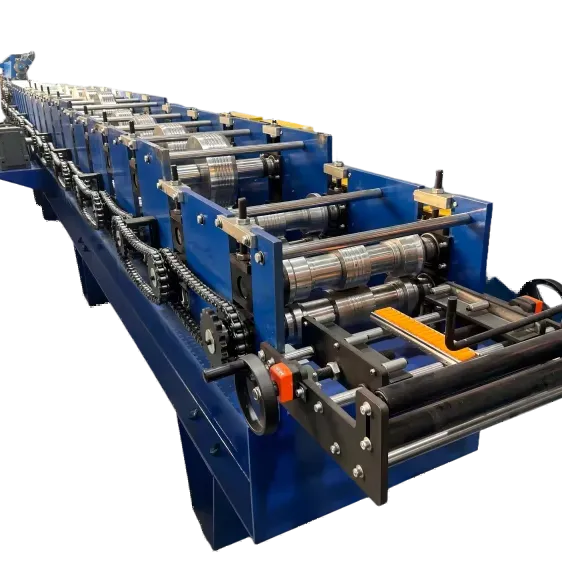 Metal Seamless K Style Glazed Tile Rain Gutter Downpipe Downspout
- 0-20m/min+5.5kw
$20,000.00
MOQ: 1
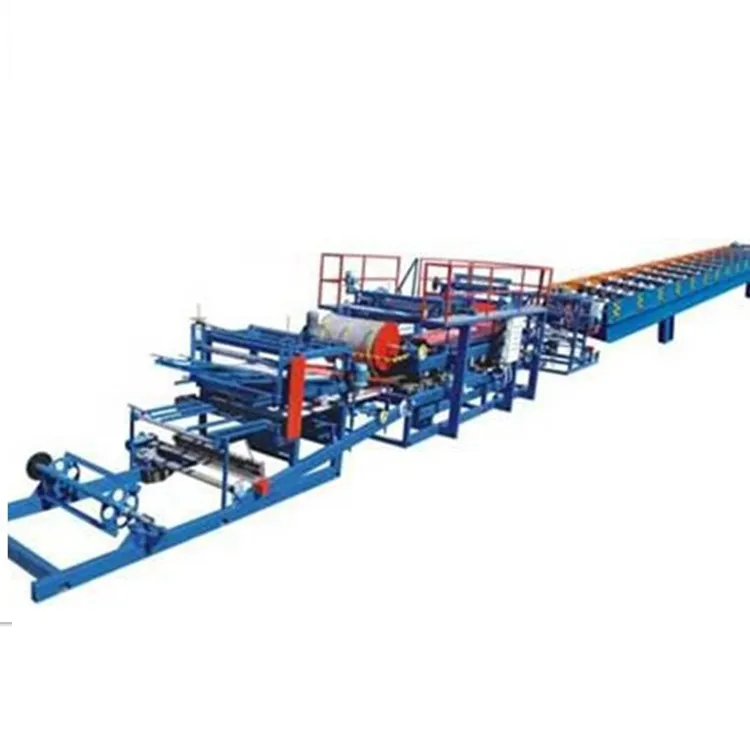 Metal Steel Polyurethane Eps Sandwich Roof Wall Panel Production Line
- 4-5m/min+customized+30KW
$50,000.00
MOQ: 1
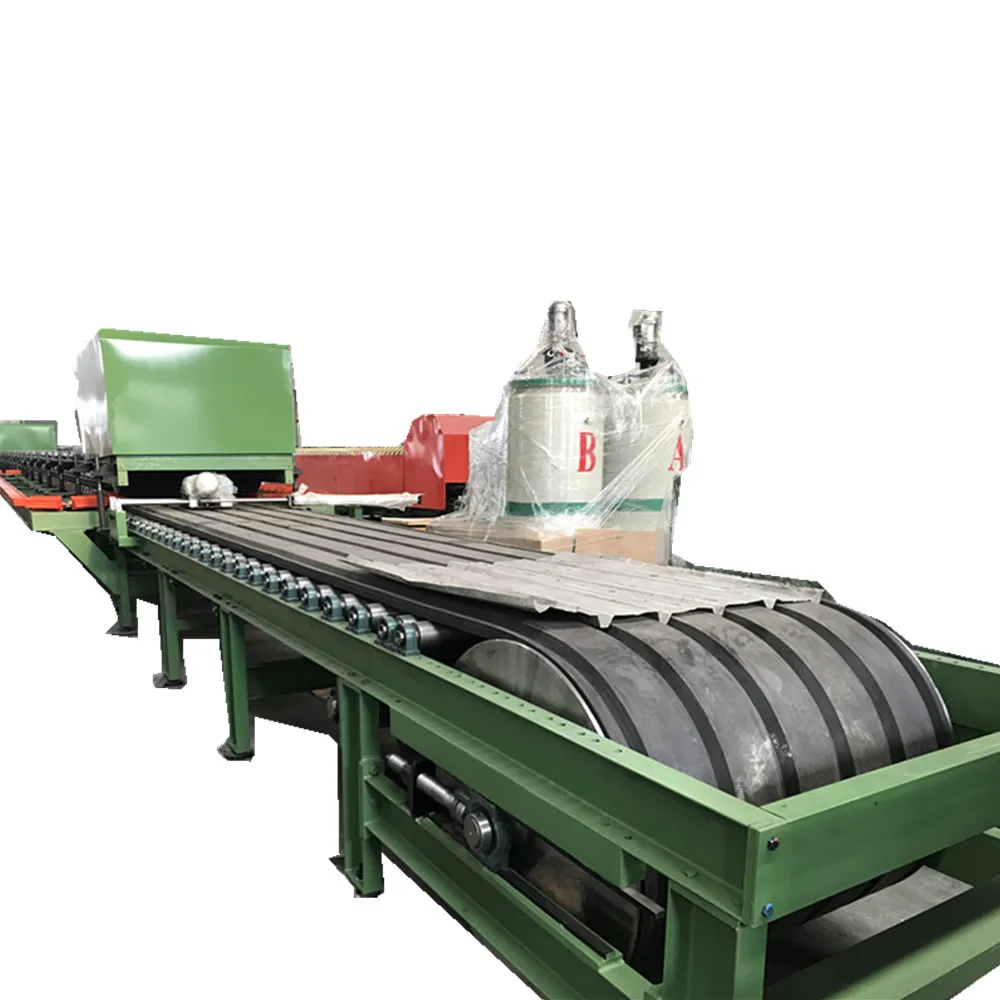
About Coil-to-Coil Thermal Film Lamination Technology
Film-laminated metal coils (commonly designated as Vinyl Coated Metal - VCM, or Polymer Coated Metal - PCM) deliver superior scratch resistance, deep embossed textures, and complex aesthetic patterns far exceeding standard liquid coil coating capabilities. Widely utilized across home appliance doors (refrigerators, washing machines), commercial interior wall panels, cleanroom partitions, and corrosive marine building envelopes, laminated coils combine the structural strength of steel with the surface beauty of polymer films.
A state-of-the-art continuous coil lamination line operates as a complete automated process. Coiled substrate advances through a hydraulic decoiler, precision 17-roll flattener, and chemical pre-treatment cleaning bath. The strip enters an infrared or high-frequency electromagnetic induction heating oven, raising metal surface temperatures precisely to 180°C–230°C to activate polymer adhesive layers without blistering the film.
Simultaneously, decorative PVC, PET, PP, or PVDF film unrolls from dual turret unwinding stands with closed-loop ultrasonic tension control. The heated metal strip and film pass simultaneously through precision oil-heated chrome and silicone nip laminating rollers exerting uniform linear pressure up to 20–50 N/mm. Water-cooled chill rolls and air blowers instantly quench the composite strip to freeze the adhesive bond, followed by automated rotary edge slitting and protective PE film application prior to recoiling.
Substrates encompass hot-dip galvanized steel (GI / DX51D+Z), galvalume (GL), cold-rolled sheet (SPCC), and aluminum coils (AA3003). Finished laminated coils achieve exceptional 180-degree bend adhesion (0T bend with zero delamination), high UV resistance, and excellent chemical barrier properties for demanding architectural and consumer electronics manufacturing.
Applications
Architectural Interior Woodgrain & Marble Metal Panels
In architectural interior woodgrain & marble metal panels, continuous film-laminated galvanized steel coils featuring realistic woodgrain and stone textures, roll-formed into luxury architectural interior wall cladding panels. Featuring uniform zinc-alloy coating adhesion and tight metallurgical gauge consistency, these high-grade raw steel coils deliver superior corrosion protection and long service lives.
Home Appliance VCM/PCM Refrigerator Side Panels
In home appliance vcm/pcm refrigerator side panels, flawless brushed metallic and high-gloss VCM laminated steel sheets fabricated into premium refrigerator door skins, side panels, and washing machine cabinets. These heavy-duty roll-formed steel jambs and shutter curtains provide certified fire containment and perimeter security, ensuring dependable building compartmentalization.
Coastal Marine Building PVDF Anti-Corrosion Filmed Coils
In coastal marine building pvdf anti-corrosion filmed coils, multi-layer PVDF and Tedlar filmed galvanized steel coils delivering 30-year resistance against severe marine salt-spray and ultraviolet degradation. Featuring high-strength interlocking seams and concealed fastener clips, these continuous metal panels prevent water infiltration and ensure long-term building envelope integrity.
Medical Cleanroom Anti-Bacterial Nano-Filmed Steel Sheets
In medical cleanroom anti-bacterial nano-filmed steel sheets, scratch-resistant anti-microbial PET/PVC-filmed metal sheets installed in hospital surgical suites, cleanrooms, and pharmaceutical laboratories. Engineered with anti-capillary side-laps and continuous structural ribs, these precision roll-formed metal panels deliver leak-proof weather-tightness and withstand hurricane-force wind uplift.
High-Speed Train & Metro Car Interior Laminated Linings
In high-speed train & metro car interior laminated linings, lightweight fire-rated film-laminated aluminum and steel ceiling and wall panels providing durable, easy-to-clean interior linings for railway passenger coaches. These engineered industrial systems and accessories provide vital structural and operational support, ensuring seamless equipment integration and robust weather protection.
Technical Overview
| Parameter | Information |
|---|---|
| System / Product Family | Continuous coil-to-coil thermal film lamination lines (VCM / PCM) |
| Applicable Metal Substrates | Galvanized steel (GI), galvalume (GL), cold-rolled steel (SPCC), aluminum coil |
| Substrate Thickness Range | 0.3 mm – 1.5 mm |
| Applicable Coil Width Range | 600 mm – 1350 mm (standard) / up to 1500 mm (wide format) |
| Laminating Film Materials | PVC, PET, PVDF, PP, Tedlar (film thickness 20 μm – 250 μm) |
| Heating System Technology | Infrared radiant heating or high-frequency electromagnetic induction oven (ambient to 250°C) |
| Lamination Nip Rollers | Precision heated hard-chrome steel roller + high-temperature silicone pressure roll |
| Quenching & Cooling Unit | Dual water-cooled chilling drums + high-volume centrifugal air blowers |
| Line Production Speed | 15 – 40 m/min (continuous frequency inverter synchronized drive) |
| Drive & Control Architecture | Siemens S7-1500 PLC + Touchscreen HMI + Closed-loop tension control & pyrometers |
Related Solutions
Sandwich Panel Production Solution
Continuous EPS and rock-wool sandwich line. Example below: 1220 mm feed, 19 stan…
Insulated Panel Building Solution
Metal sandwich for roofs and walls starts from the core. The example below is a…
Decorative Embossed Metal Panel Solution
Embossing is a pattern roll pair on a dedicated host or as a station on a panel…
Metal Roofing & Wall Panel Roll Forming Solution
Trapezoidal / IBR, standing-seam, corrugated or glazed-tile roof and wall panel…
Heavy Coil Handling Solution
Coil infeed is a weight class plus a drive: manual expand, electric expand with…
Metal Sheet Processing Solution
Blanking and cut-off around a roll former is a shear class: flying (tracking) sh…
Related Information

Continuous PU & Rock Wool Sandwich Panel Production Line: Machine Composition, Heating & Output Calculation
PU sandwich panel machine, rock wool panel production line, PIR sandwich panel c…
Read More
Prepainted Steel Coil: PPGI vs PPGL vs AZ150 Coating Systems
PPGI vs PPGL vs AZ150 — coating composition, corrosion resistance, color durabil…
Read More
Galvanized Steel Roofing Sheets: SGC400, Z275, and Coating Standards Explained (2026)
Understand SGC400, Z275 and related coating standards for galvanized steel roofi…
Read More
Roll Forming Roller Materials: D2 vs DC53 and Heat Treatment Guide
D2, DC53, Cr12MoV — which roller material is right for your roll forming line? H…
Read More
Roll Forming Machine Control Systems: PLC, HMI and Encoder Integration
How do PLC, HMI, VFD and encoders work together on a roll forming line? A practi…
Read More
Roll Forming Line Speed: Output Factors & Production Capacity
How fast does a roll forming line run? Understand line speed factors, calculate…
Read More
FAQ
What film types can be laminated onto metal coils on this production line?
The line laminates PVC, PET, PVDF, polypropylene (PP), Tedlar (PVF), and polyolefin films, including architectural woodgrain, marble textures, brushed titanium, high-gloss solid colors, and anti-bacterial films.
What is the difference between single-sided and double-sided coil lamination?
Single-sided lines laminate decorative film onto the top face while applying protective primer or backer lacquer beneath. Double-sided lines feature dual lamination stations to apply film simultaneously onto both strip surfaces.
How is high-temperature heating controlled to prevent burning delicate films?
Lines utilize precision infrared or electromagnetic induction heating with non-contact optical pyrometers and closed-loop PID control, maintaining metal strip temperatures within ±2°C of adhesive activation setpoints.
Can pre-painted coils be post-formed and bent without film delamination?
Yes, high-pressure hot nip lamination creates a continuous molecular adhesive bond, allowing finished coils to undergo deep drawing, roll forming, and 0T-180° bending without cracking or peeling.
What strip thickness and coil width ranges are supported?
Standard lines process metal strip thicknesses from 0.3 mm to 1.5 mm, with coil widths ranging from 600 mm to 1350 mm (expandable up to 1500 mm for wide architectural panels).
What is the typical production line speed and capacity?
Continuous lamination line speeds operate typically from 15 to 40 m/min, producing approximately 20 to 50 metric tons of laminated metal coil per 8-hour production shift.
What parameters should buyers provide when requesting a line quotation?
Buyers should specify metal substrate types and thickness ranges, maximum coil width and weight, polymer film materials and thicknesses, desired line operating speed (m/min), and plant heating utilities (gas, electric, or thermal oil).