Global B2B Roll Forming Sourcing Platform | Free RFQ Response within 24h

- Tuo AI

- Live

- My Account
- Shopping Cart
- Inquiry Basket
- Contact Us
- Back to Top




Filmed Roof Sheet Machines
Filmed roof sheet machines integrate high-precision coil surface film lamination with heavy-duty cold roll forming to produce anti-corrosive, heat-insulating, and weather-resistant composite roofing panels. Engineered to laminate protective PET, PVDF, nano-insulation aluminum foil, or PE films onto galvanized (GI) and galvalume (GL) steel coils (0.25 mm to 0.8 mm thick), these automated lines prevent surface scratching, reflect solar radiation, and resist acid-alkali chemical corrosion. Combining hot-melt or pressure-sensitive adhesive laminating units, 18 to 24 hard chrome forming stands, and hydraulic cut-off shears, these systems deliver high-durability roofing for chemical plants, coastal warehouses, and agricultural buildings. Explore technical parameters, laminating options, and factory-direct solutions below.
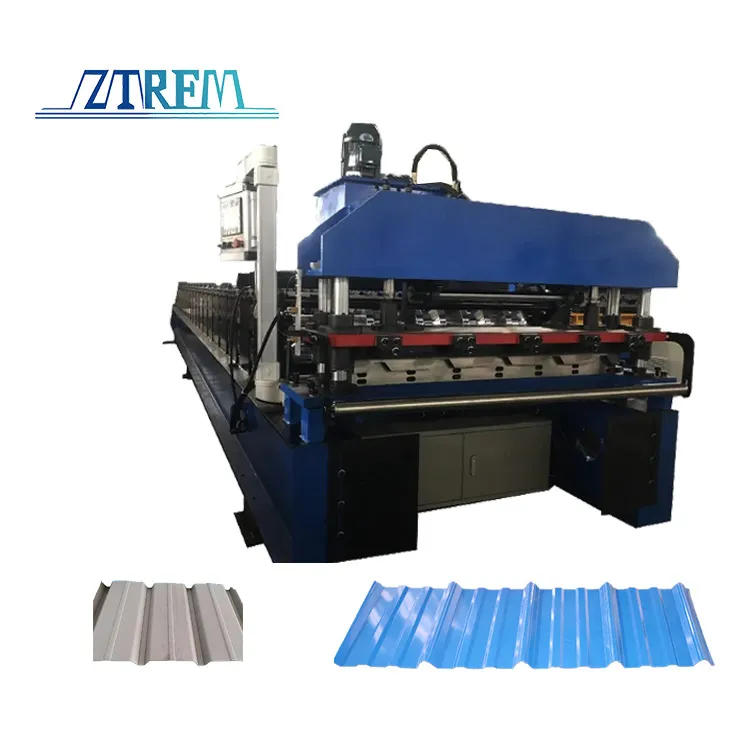 Laminate Roof Machine Filmed Roof Bending Machine Forming Machine
- ZTRFM-N01+7.5kw
$13,500.00
MOQ: 1
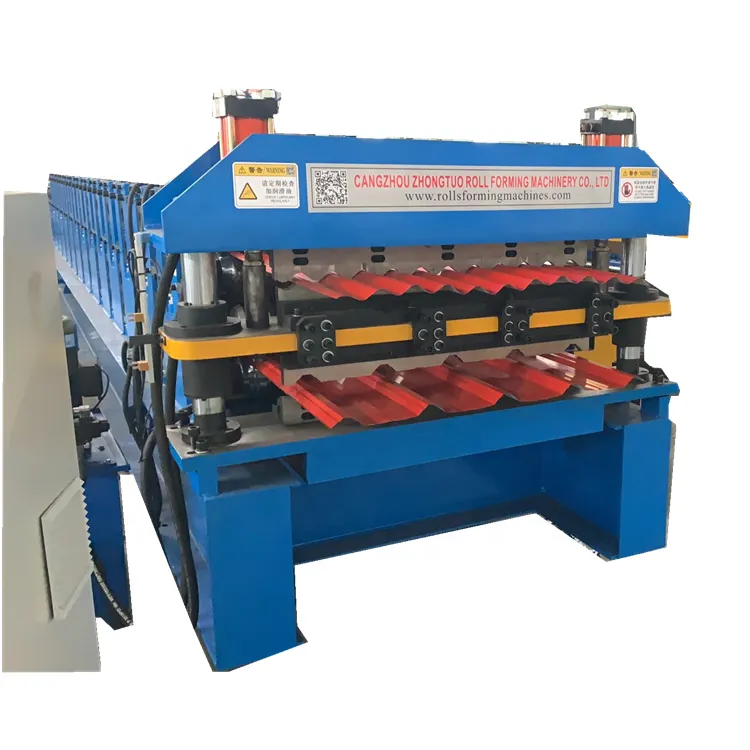 Anti Condensation Double Layer Corrugated Sheet PBR Panel Machine
- ZT-frame machine+As request
$16,000.00
MOQ: 1
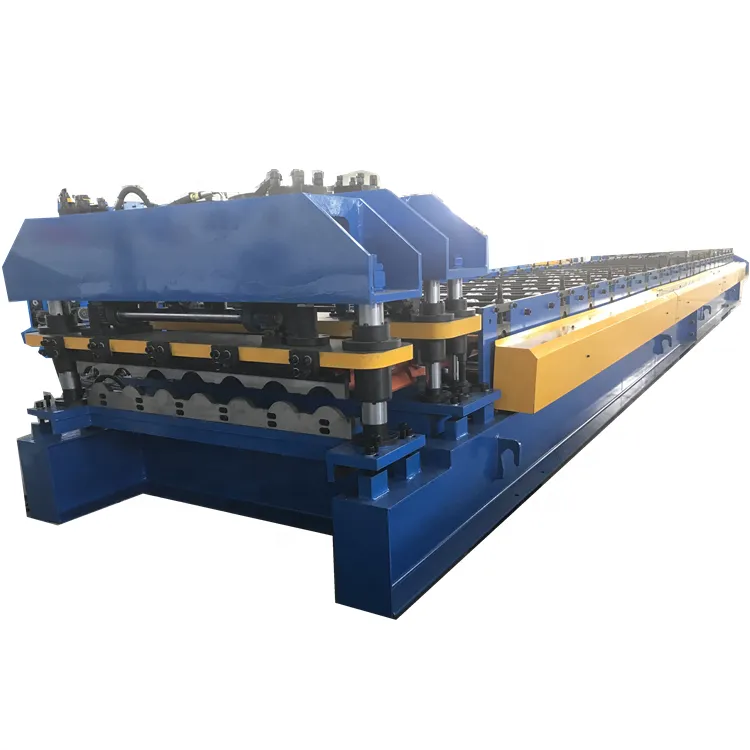 Full Auto Roll Former Automated Solutions Tile Production:
- ZT840+7 kw
$12,000.00
MOQ: 1
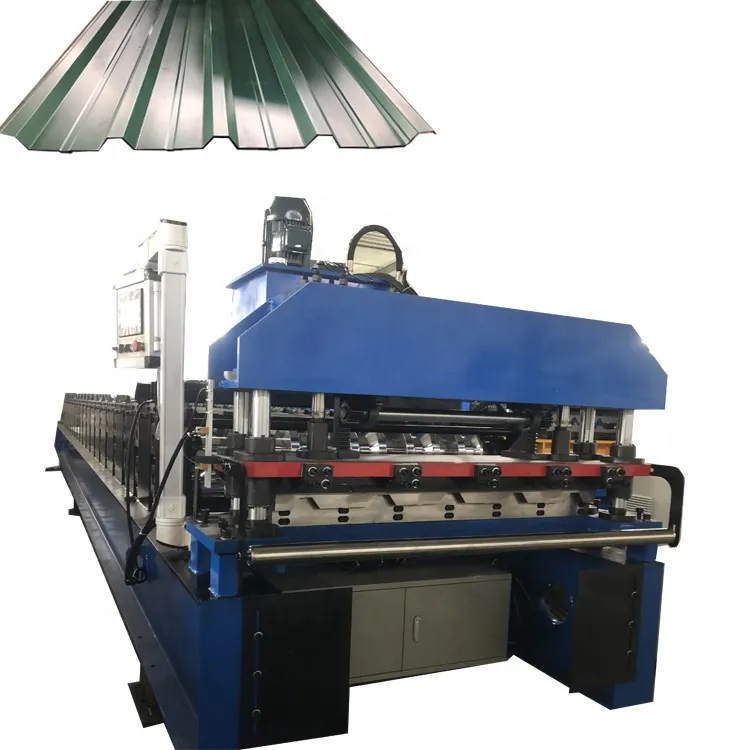 Laminated R Panel Terrazzo PE Foam Metal Steel Roofing Sheet
- ZTRFM-N01+7.5kw
$15,500.00
MOQ: 1
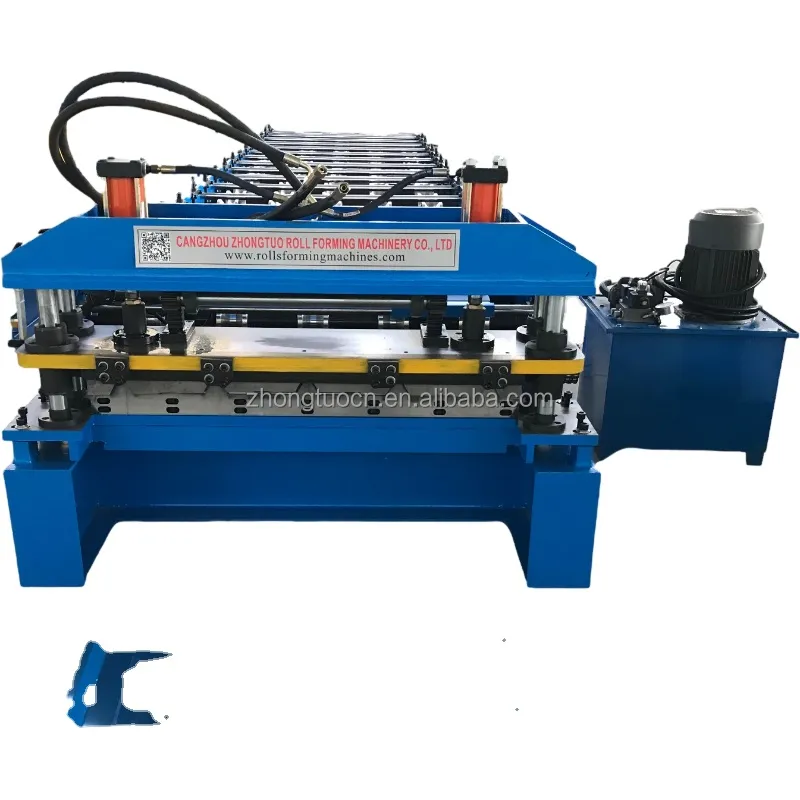 Maquina Para Hacer Lamina Metalica Coberturas Metalicas
- ZT840+11kw
$12,000.00
MOQ: 1
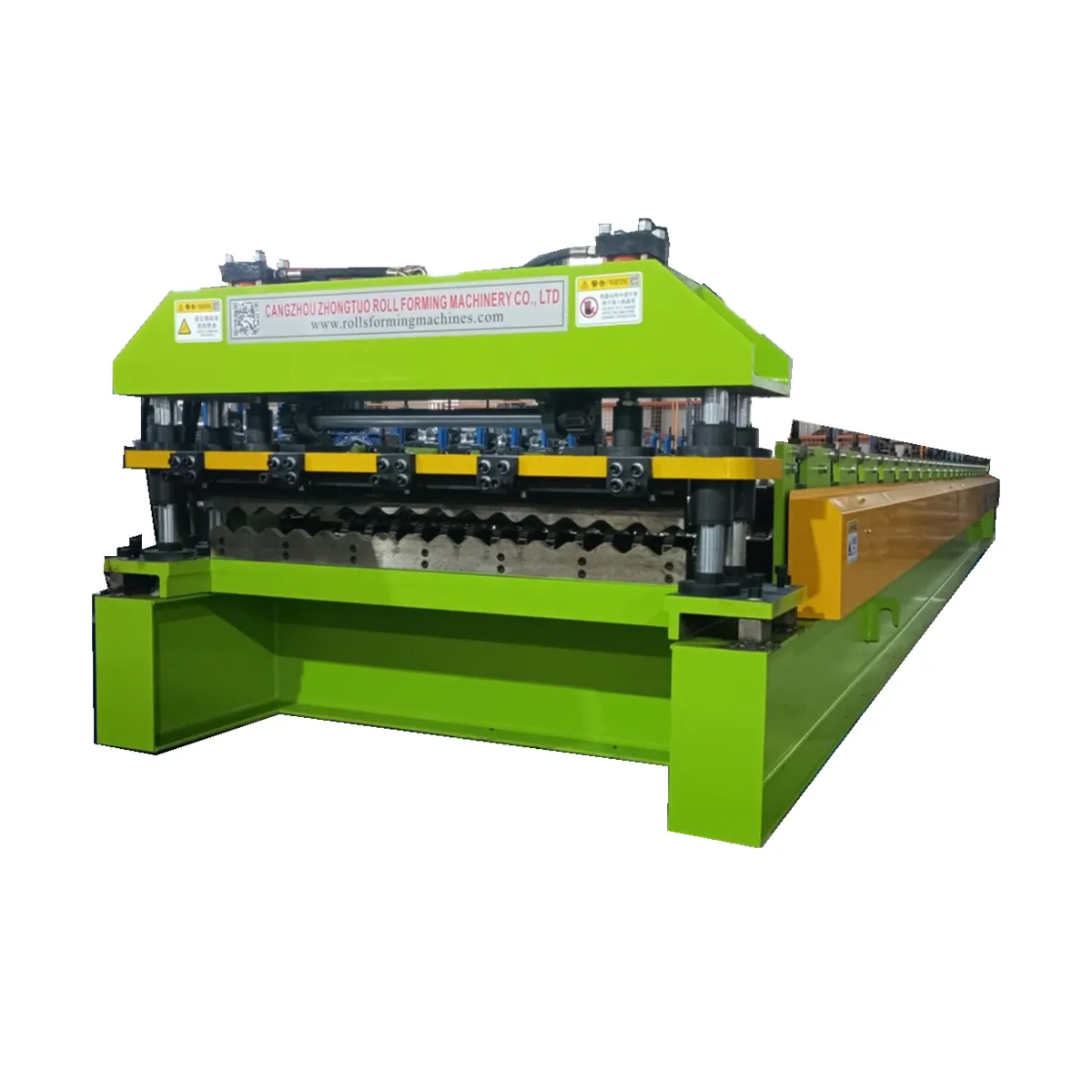 Film Coated Corrugated Roofing Sheet Roll Forming Machine
- 15 m/min+12-76-1067+5.5-11kw
$18,500.00
MOQ: 1
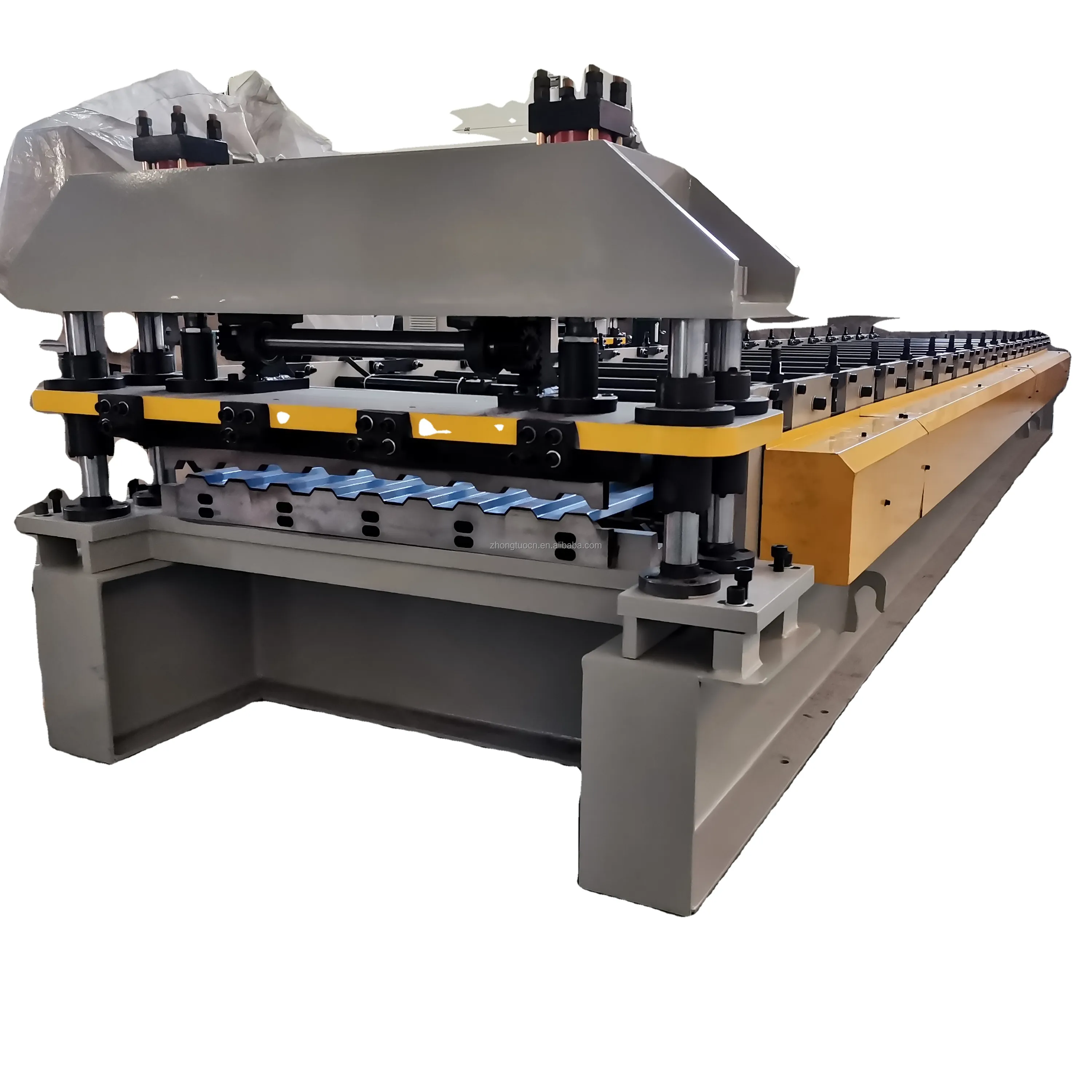
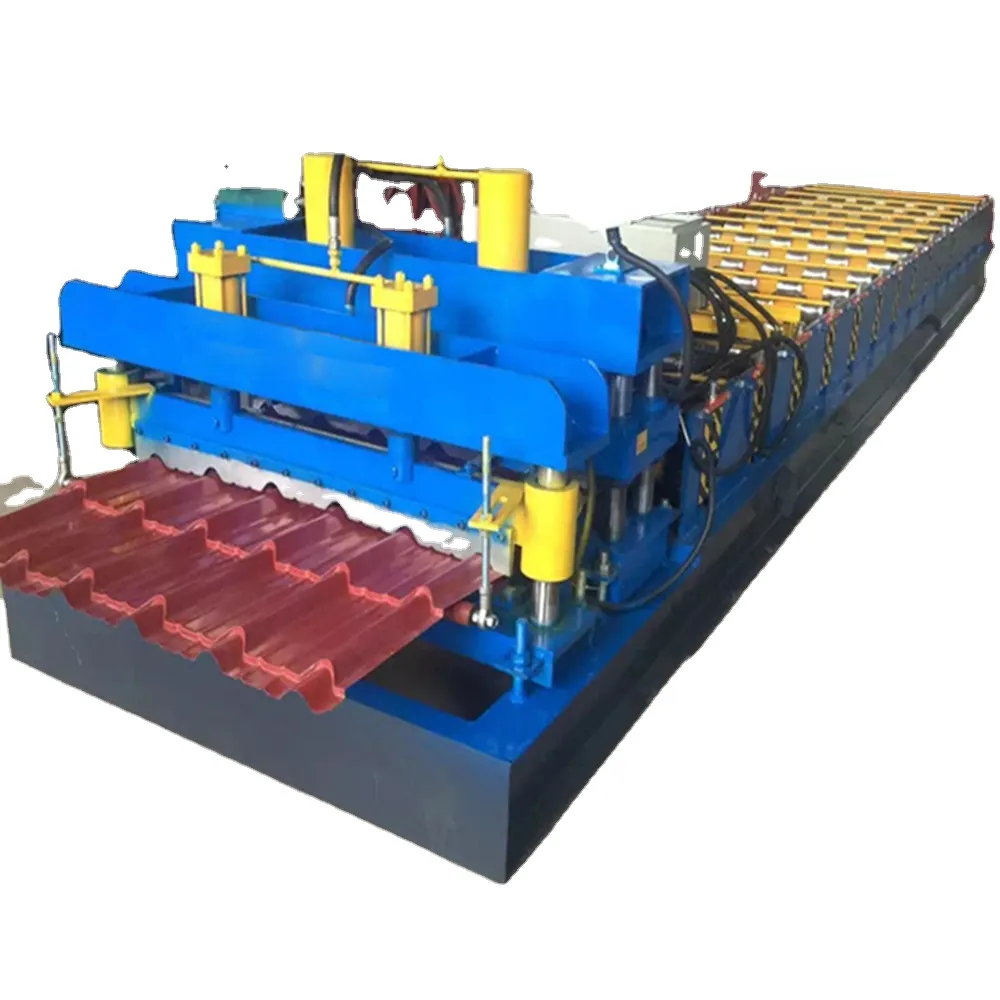
 Filmed Metal Coil and PPGI Both Supported Step Tile Glazed Roof Sheet Rolling Machine
- ZTRFM-Filmed Roof sheet Machine
$16,650.00
MOQ: 1
About Filmed Roof Sheet Machines
Filmed roof sheet machines (also designated laminated metal roofing roll formers or film-covered corrugated sheet lines) represent advanced hybrid manufacturing equipment combining surface film lamination with high-speed cold roll forming. In severe operating environments—such as coastal marine regions, chemical processing plants, fertilizer warehouses, and animal husbandry farms—standard painted steel sheets can suffer premature corrosion, fading, and chemical degradation. Filmed roofing panels bond high-barrier polymer films or aluminum foil coatings directly to the steel substrate, delivering up to 3 to 5 times the service life of ordinary color steel.
The production line integrates an unwinding station for the base steel coil alongside motorized unwinding reels for the protective film or thermal insulation foil. Depending on the film chemistry, bonding is achieved via precision pressure-laminating rubber rollers or an in-line infrared pre-heating oven that activates hot-melt adhesive films before roll forming. The laminated sandwich strip then enters 18 to 24 heavy-duty forming stands fitted with mirror-polished, hard-chrome-plated rollers engineered with progressive bending angles to ensure the film adheres tightly without blistering, wrinkling, or peeling at the profile ribs.
Operating at line speeds of 12 to 25 m/min, the production system integrates a hydraulic uncoiler, automatic edge trimming for excess film, forming mill, hydraulic profile shear, and automated runout stacking racks, producing trapezoidal (e.g., 840, 900) and sinusoidal corrugated composite panels with exceptional thermal reflectivity and chemical durability.
Applications
Chemical Fertilizer Plant Anti-Corrosive Roofing
In chemical fertilizer plant anti-corrosive roofing, pVDF and PET-filmed trapezoidal steel roofing panels installed on chemical fertilizer plants to resist severe acid-alkali and corrosive atmospheric vapors. Engineered with anti-capillary side-laps and continuous structural ribs, these precision roll-formed metal panels deliver leak-proof weather-tightness and withstand hurricane-force wind uplift.
Coastal Marine Warehouse Salt-Spray Resistant Cladding
In coastal marine warehouse salt-spray resistant cladding, multi-layer polymer filmed metal roofing sheets protecting coastal port warehouses and shipyards from salt-spray ocean corrosion and tropical UV degradation. These durable architectural roof and wall cladding profiles provide exceptional corrosion resistance, protecting industrial facilities from severe weather while delivering modern aesthetics.
Agricultural Poultry & Livestock Barn Thermal Roofing
In agricultural poultry & livestock barn thermal roofing, aluminum-foil laminated corrugated roof panels reflecting summer heat and resisting animal manure ammonia gas corrosion in poultry and swine sheds. Featuring high-strength interlocking seams and concealed fastener clips, these continuous metal panels prevent water infiltration and ensure long-term building envelope integrity.
Modern Cold-Chain Logistics Hub Solar Reflective Roofs
In modern cold-chain logistics hub solar reflective roofs, nano-insulated filmed metal roof sheets reflecting solar radiation to lower refrigeration cooling loads across large automated cold-storage distribution hubs. These corrosion-resistant structural components withstand extreme wind uplift forces and harsh atmospheric weathering, ensuring 25-plus year operational longevity.
Electroplating & Metallurgy Workshop Ceiling Linings
In electroplating & metallurgy workshop ceiling linings, chemically inert filmed corrugated steel liner panels protecting structural purlins and ceilings from acidic moisture condensation in metallurgical plants. These high-tensile C and Z purlins provide lightweight secondary structural framing across wide bays, supporting heavy corrugated metal roof and wall cladding.
Technical Overview
| Parameter | Information |
|---|---|
| Machine / Product Family | Film-laminating & metal roofing sheet cold roll forming line |
| Applicable Coil Materials | Hot-dip galvanized (GI), galvalume (GL), cold-rolled steel & aluminum |
| Material Thickness Range | 0.25 mm – 0.80 mm (standard roofing and siding gauges) |
| Applicable Film Types | PET, PVDF, PE protective film, nano-thermal insulation aluminum foil |
| Lamination Mechanism | Pneumatic pressure rubber nip rollers with optional infrared pre-heating unit |
| Forming Stations & Tooling | 18 – 24 stations (solid 45# / 40Cr steel rollers, mirror chrome Ra ≤ 0.2 µm) |
| Coil Infeed & Effective Width | Infeed 1000 / 1200 / 1250 mm; finished cover width 750 mm – 1025 mm |
| Cutting System & Shear Blade | Hydraulic profile shear (Cr12MoV, heat treated HRC 58–62) |
| Forming Production Speed | 12 – 25 m/min (continuous lamination and roll forming) |
| Automation & Controls | PLC control system (Siemens / Mitsubishi / Delta) with touch HMI |
Related Solutions
Roof Panel and Wall Panel Combined Line
Combined line for standing seam roof and wall panels. Quick tooling change betwe…
Metal Roofing & Wall Panel Roll Forming Solution
Trapezoidal / IBR, standing-seam, corrugated or glazed-tile roof and wall panel…
Insulated Panel Building Solution
Metal sandwich for roofs and walls starts from the core. The example below is a…
Multi-Layer Roofing Solution
One mill that sells two (or three) roof profiles, and a barrel corrugator that s…
Wide-Format Roofing Production Solution
Buyers type “3 m roofing” for four different jobs: a 3 m cut length on a roof mi…
Decorative Embossed Metal Panel Solution
Embossing is a pattern roll pair on a dedicated host or as a station on a panel…
Related Information

Roofing Sheet Roll Forming Machine: Corrugated, Trapezoidal & IBR Profiles Explained
Corrugated vs trapezoidal vs IBR roofing profiles — what each looks like, where…
Read More
Prepainted Steel Coil: PPGI vs PPGL vs AZ150 Coating Systems
PPGI vs PPGL vs AZ150 — coating composition, corrosion resistance, color durabil…
Read More
How to Choose a Roof Panel Roll Forming Machine: 10 Factors That Matter
How to choose a roof panel roll forming machine for your market: profile type (c…
Read More
Cold Roll Forming Process for Metal Roofing: From Coil to Roof Sheet
cold roll forming process metal roofing, roof sheet roll forming process, how ro…
Read More
Corrugated Roof Sheet Machine: Profiles, Specs and How to Choose One
sinusoidal profiles, real specs, standard vs drum-type lines, speed units explai…
Read More
Double Layer Roof Sheet Roll Forming Machine: Advantages, Specs & Trade-offs
double layer roof sheet roll forming
Read More
FAQ
What protective and decorative films can be applied on a filmed roof sheet machine?
Machines laminate protective PE films (for scratch prevention), heavy-duty anti-corrosive PET/PVDF films, nano-ceramic thermal barrier films, and multi-layer aluminum foil insulation composites engineered for harsh chemical and coastal environments.
How is strong adhesive bonding achieved between the metal coil and surface film?
Bonding utilizes either self-adhesive films laminated through adjustable pneumatic rubber nip rollers, or dry-film heat activation where in-line infrared heaters heat the metal strip to 60–100°C, activating hot-melt polymer resin for permanent bubble-free lamination.
Does roll forming with laminated film risk wrinkling or peeling at the sharp rib bends?
No. The forming stands utilize larger bend radii and 2 to 4 additional progressive forming stations to reduce localized bending stress. Highly polished chrome rollers (Ra ≤ 0.2 µm) and precision clearance settings allow the polymer film to flex smoothly with the steel.
What coil substrates and thickness ranges are compatible with filmed roofing lines?
Compatible substrates include galvanized steel (GI), galvalume steel (GL), cold-rolled steel, and aluminum coils in thicknesses from 0.25 mm to 0.80 mm, across standard infeed widths of 1000 mm, 1200 mm, and 1250 mm.
What are the key benefits of nano-aluminum foil filmed roof sheets over painted sheets?
Nano-aluminum foil filmed sheets reflect up to 85% of solar infrared heat, reducing warehouse indoor temperatures by 5 to 8°C in summer. The impermeable metallic film also provides superior resistance against acid rain, salt spray, and ammonia vapors.
Can the machine operate as a standard roof sheet roll former without film lamination?
Yes. The lamination module can be bypassed or disengaged when producing standard prepainted or galvanized corrugated sheets, providing maximum production flexibility for diverse market orders.
What parameters should buyers verify when sourcing a filmed roof sheet roll forming line?
Buyers should verify laminating method (cold pressure or heated nip roll), maximum film roll diameter and unwinder tension control, profile drawing dimensions, roller station count, hydraulic shear blade contour, and line speed.