Global B2B Roll Forming Sourcing Platform | Free RFQ Response within 24h

- Tuo AI

- Live

- My Account
- Shopping Cart
- Inquiry Basket
- Contact Us
- Back to Top




Stainless Steel Coils
Stainless steel coils provide superior corrosion resistance, high tensile strength, and hygienic surface properties across food processing, pharmaceutical cleanrooms, marine architecture, chemical equipment, and automotive manufacturing. Sourced in prime austenitic grades (AISI 304, 304L, 316, 316L) and ferritic grades (AISI 430) manufactured under ASTM A240, ASTM A480, and EN 10088 standards. Available in cold-rolled strip thicknesses from 0.30 mm to 3.00 mm and widths up to 1500 mm with precision 2B, BA, No. 4 brushed, and hairline finishes protected by laser-compatible PVC films. Browse chemical compositions, mechanical specifications, and coil processing lines below.
 300 Series ASTM Stainless Steel Sheets/Coils 4x8ft Cold Rolled 3mm BA Surface Cutting/Welding
- 1-12m+20-1500mm
$1,990.00
MOQ: 25
 Hot Sale 201 304 316L 430 301L Cold-Rolled Stainless Steel Plate 300 Series 3mm Thickness JIS 2B Surface Finish Cutting Welding
- Tianjin, China+15-21 days+decoration and fabrication+Bending, Welding, Decoiling, Punching, Cutting+Plate
$1,257.00
MOQ: 10
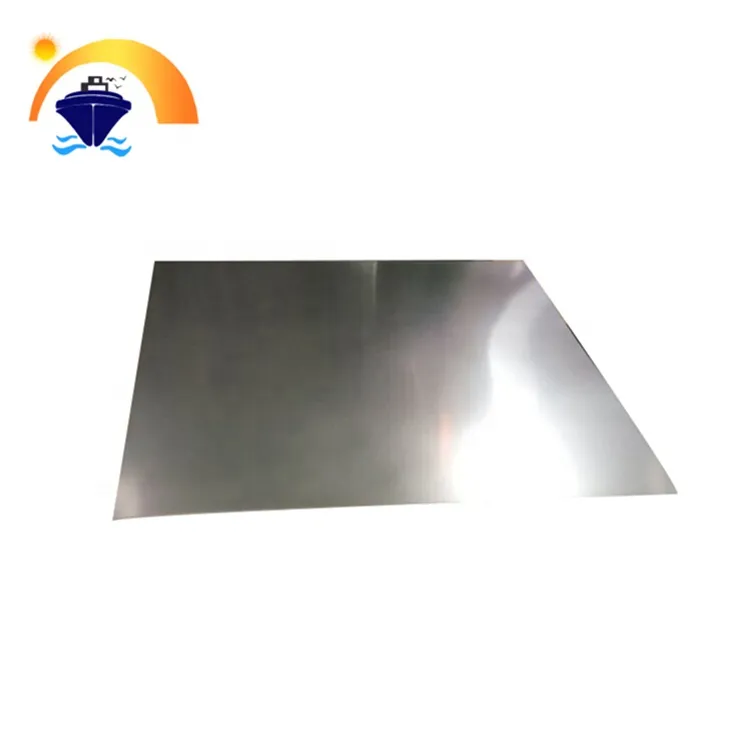 ASTM SUS Standard ISO Certified Cold Rolled 304/316L Stainless Steel Sheets 1.5mm-6mm Plate 304L 420J2 for Bending Cutting
- Tianjin, China+8 ~ 14 days+1-6m+600-3000mm+300 series
$1,956.00
MOQ: 5
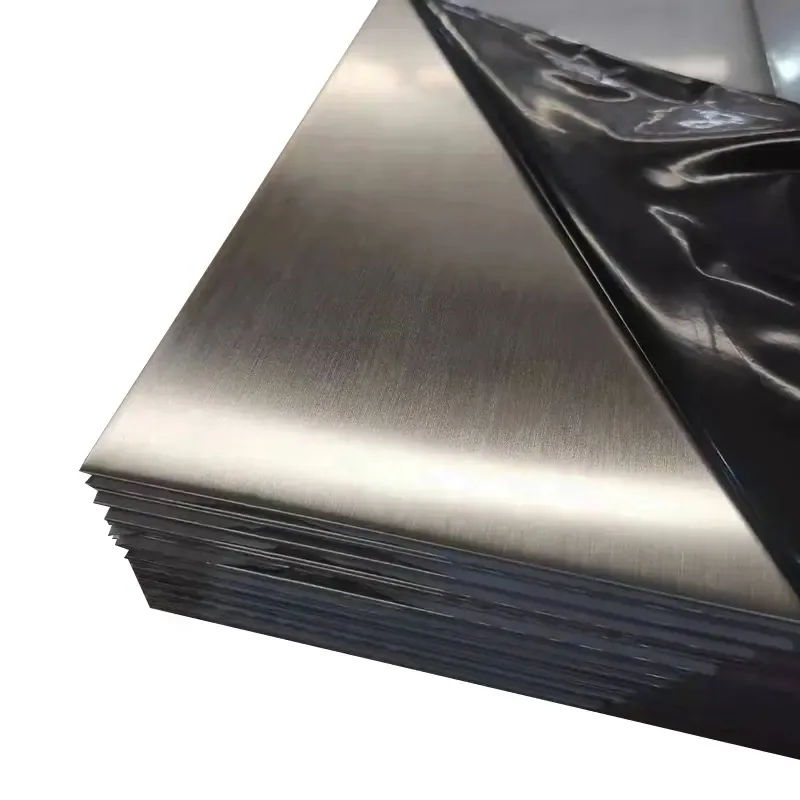 Manufacturer Supply ASTM SS SUS 201/304/304L/316/316L/410/430 Stainless Steel Plate Low Price BA Surface Finish DIN Standard
- 1000-6000mm+600-1500 mm
$1,099.00
MOQ: 10
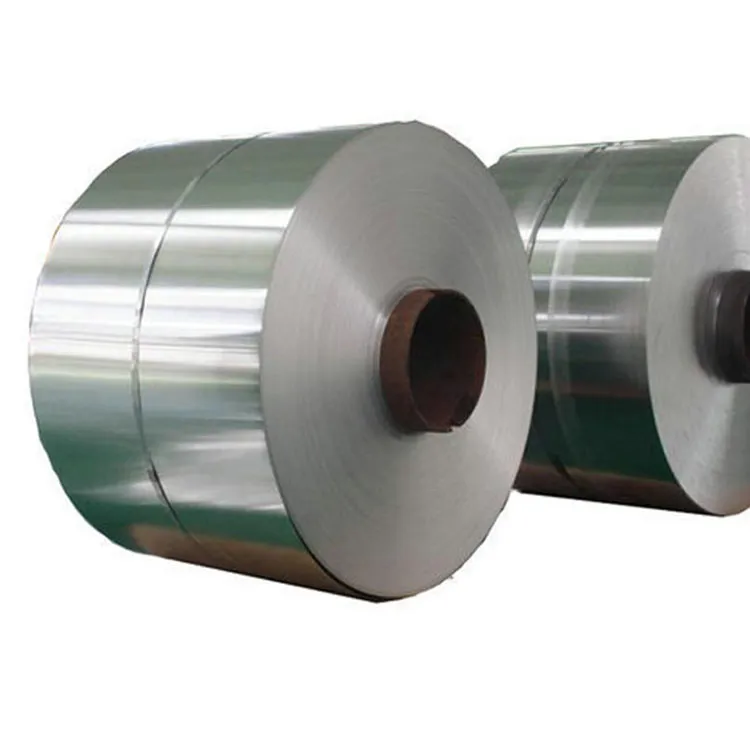 300 Series Stainless Steel Coil 316L/304L/904L/409L Various Finishes-2B BA HL JIS/GS Certified for Cutting Bending Welding 316ti
- Tianjin, China+15-21 days+Other+JIS+301L, 301, 316L, 316
$680.00
MOQ: 25
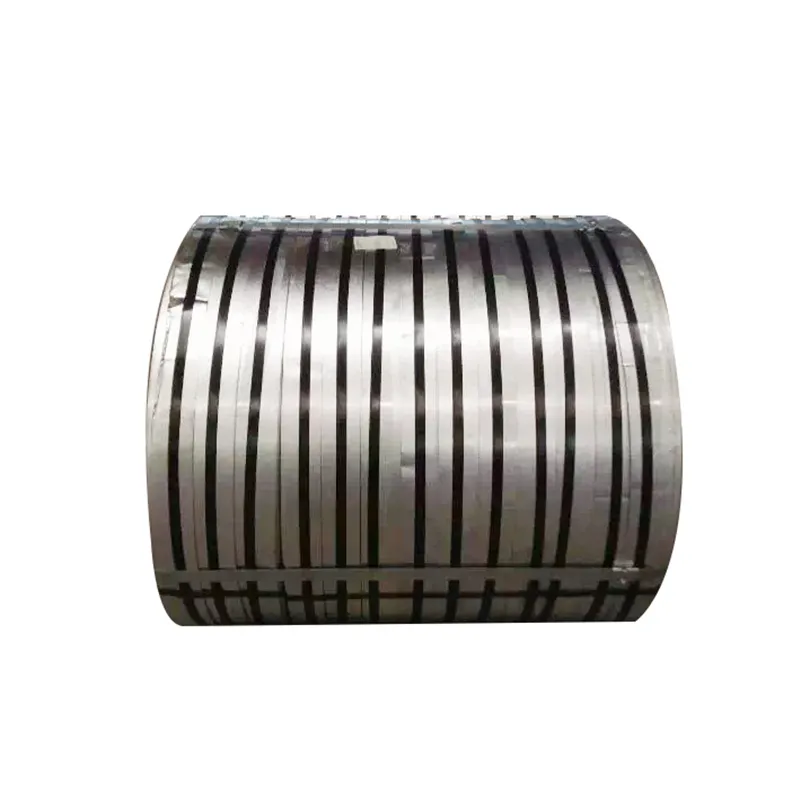 Stainless Steel Coil 300 Series 316L 304L 904L 409L Grades Various Surface Finishes-2B BA HL Available Cutting Bending Welding
- Tianjin, China+15-21 days+Other+JIS+301L, 301, 316L, 316
$680.00
MOQ: 25
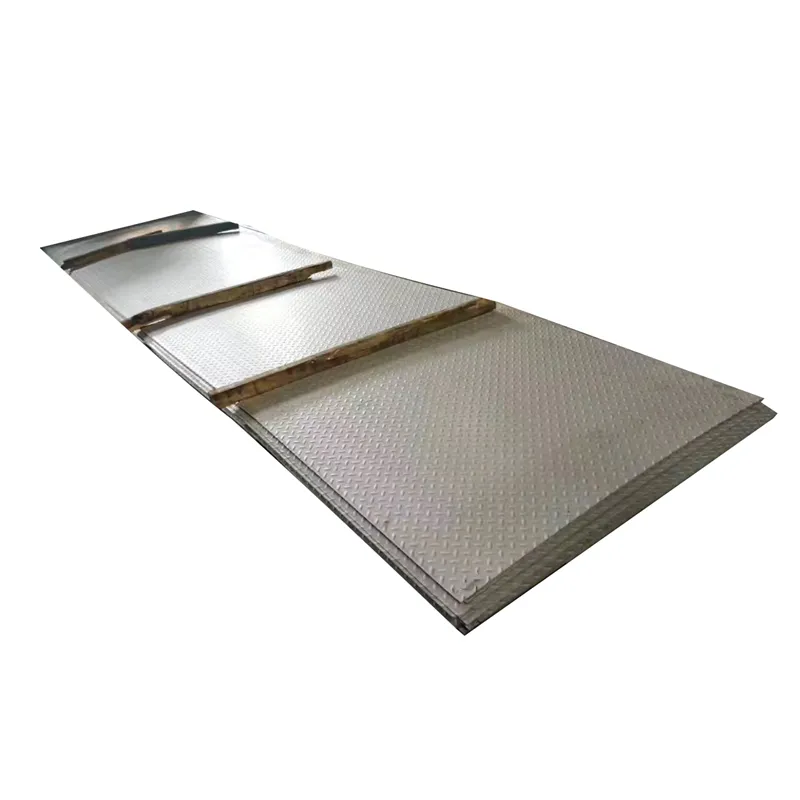 Stainless Steel Sheet 316 Mirror Surface ASTM Standard 5mm Cold Rolled Bending/Cutting/Welding Services Available SS Plate
- China+15-21 days+600-2500 mm+decoration and fabrication+Plate
$1,400.00
MOQ: 10
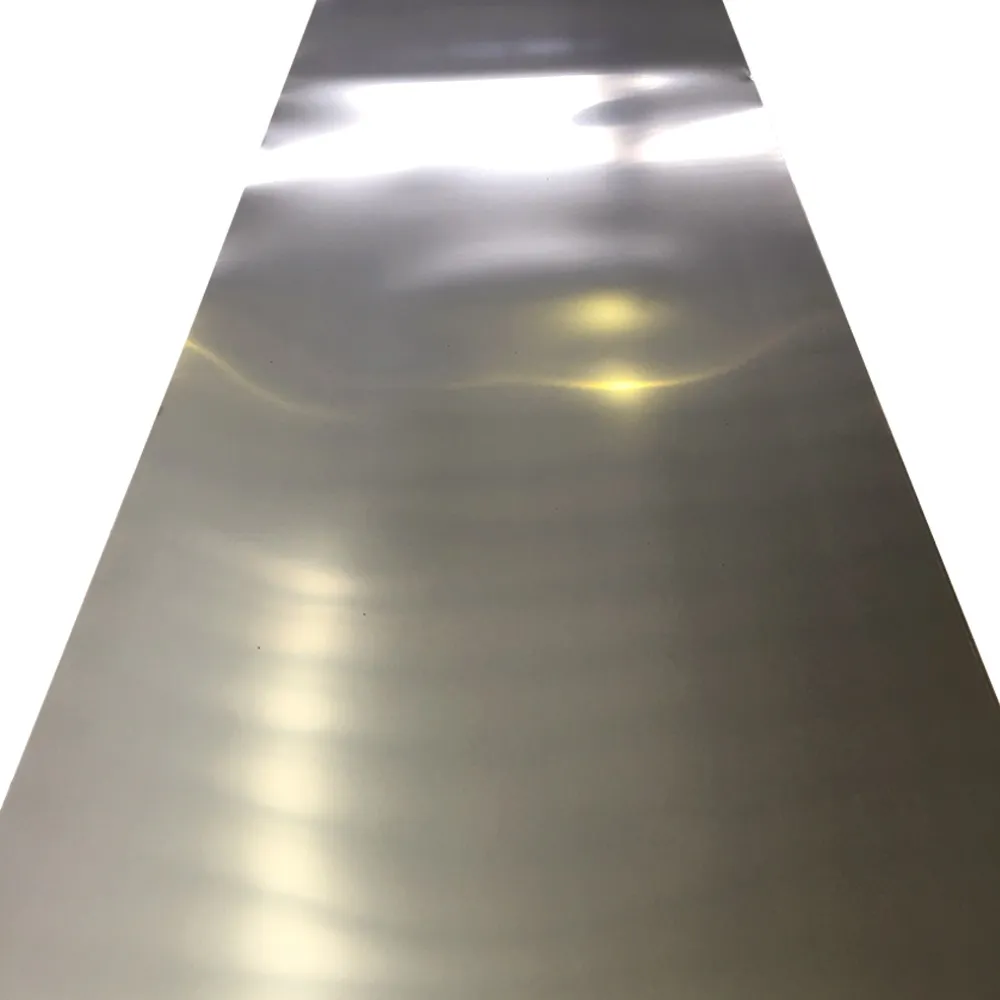 Best Price 2mm Stainless Steel Sheets 201/304/316 Plate Various Surface Finish for Welding Cutting Bending 304L/316L Steel Grade
- Tianjin, China+10-20 days+300 Series+ASTM+Bao Steel
$1,500.00
MOQ: 25
 Hot Sale 4 X 8 ft Stainless Steel Sheet Cold Rolled 201 304 316 410 430 3mm Plate Sheet BA Surface 316L for Cutting Welding
- Tianjin, China+15-21 days+1-12m+20-1500mm+ss304
$1,990.00
MOQ: 25
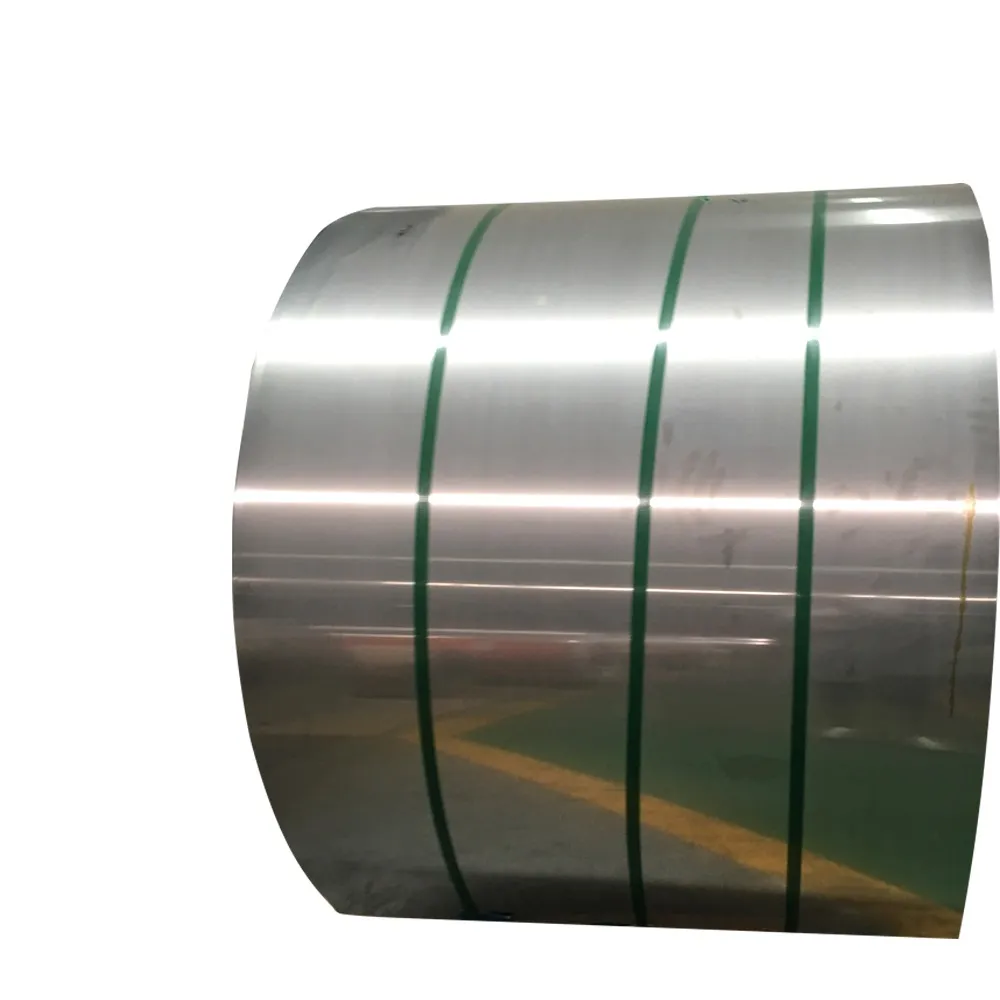 Chinese Factory Best Price Stainless Coil 304L/316L/904L Cold-Rolled 430/201/304/316/904 Strip/Coil 1250mm 2B/BA/HL/HR Bending
- Tianjin, China+within 7 days+300 Series+GB+301L, 301, 310S, 410, 316L, 316, 321, 410S, 410L, 430, 309S, 304, 439, 304L, 904L
$1,500.00
MOQ: 25
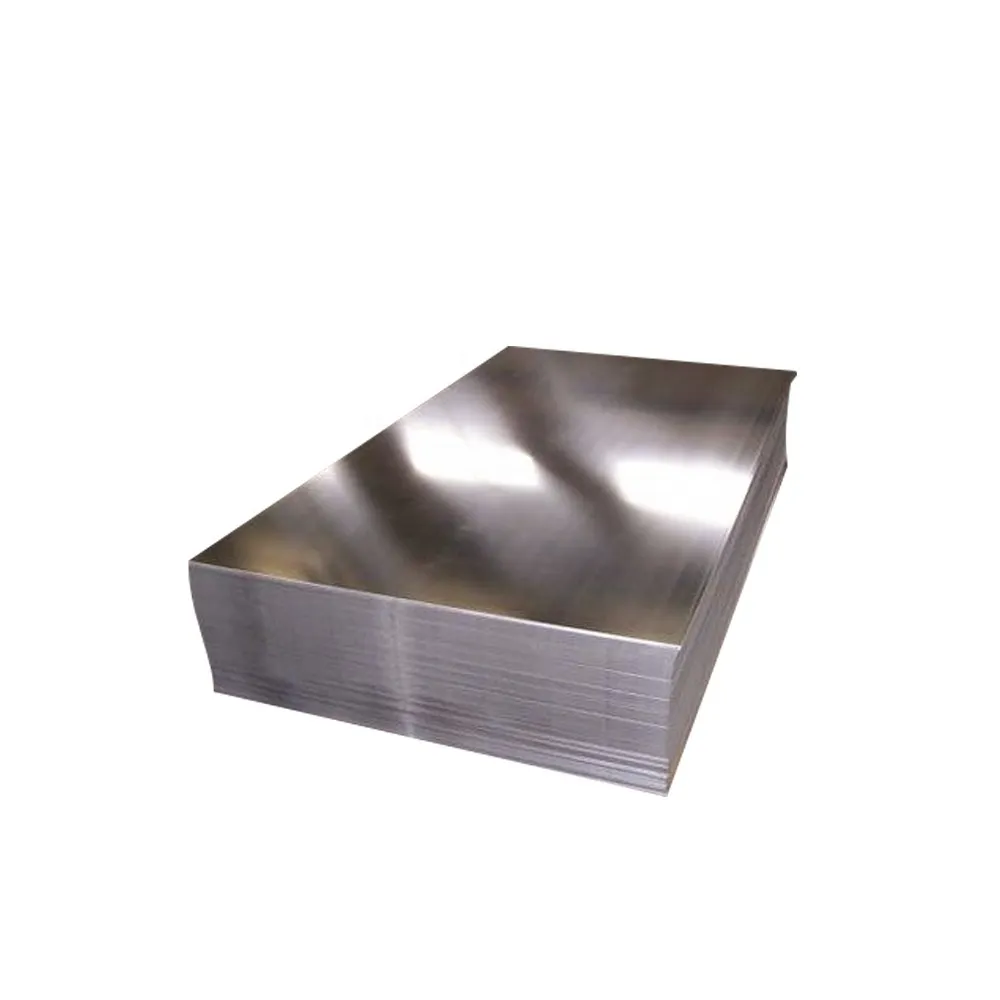 Hot Sale 4' X 8' 3mm Thick Stainless Steel Sheet 201 304 316 410 430 904L Plate Sheet Cold Rolled 2B for Cutting DIN AISI Coil
- Tianjin, China+15-21 days+1-12m+20-1500mm+ss304
$1,990.00
MOQ: 25
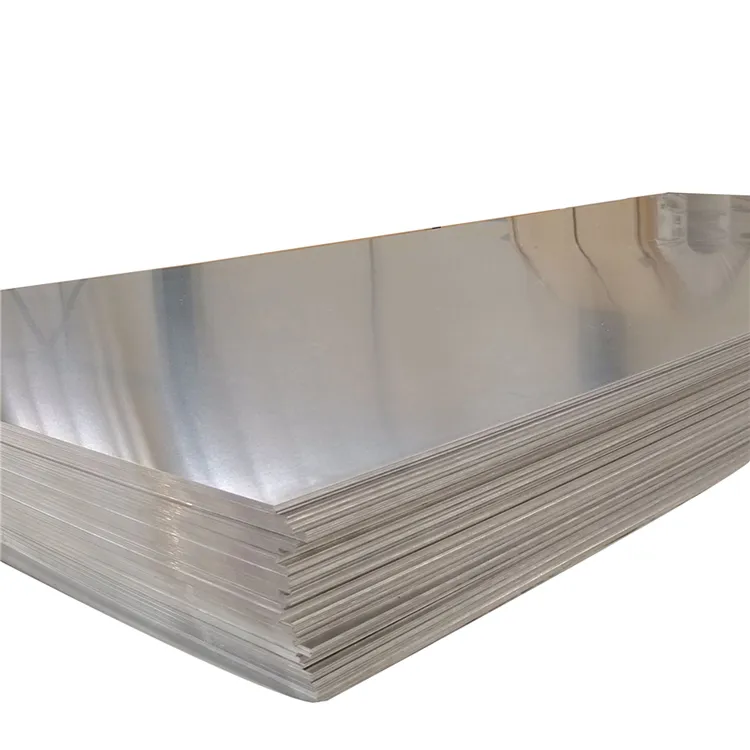 Stainless Steel Sheet 304L Mirror Surface ASTM Standard 5mm Cold Rolled Bending/Cutting/Welding Services Available SS Plate
- China+15-21 days+600-2500 mm+decoration and fabrication+Plate
$1,400.00
MOQ: 10
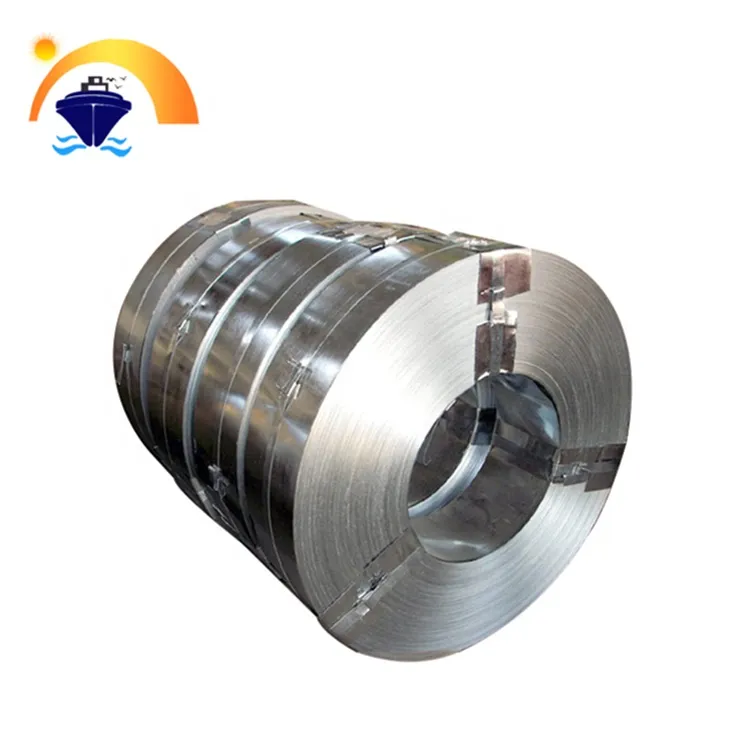 300 Series Stainless Steel Coil JIS/GS Certified 316L/304L/409L Grades BA/2B Surface Finish Cutting Bending Welding Processing
- Tianjin, China+15-21 days+Other+JIS+301L, 301, 316L, 316
$680.00
MOQ: 25
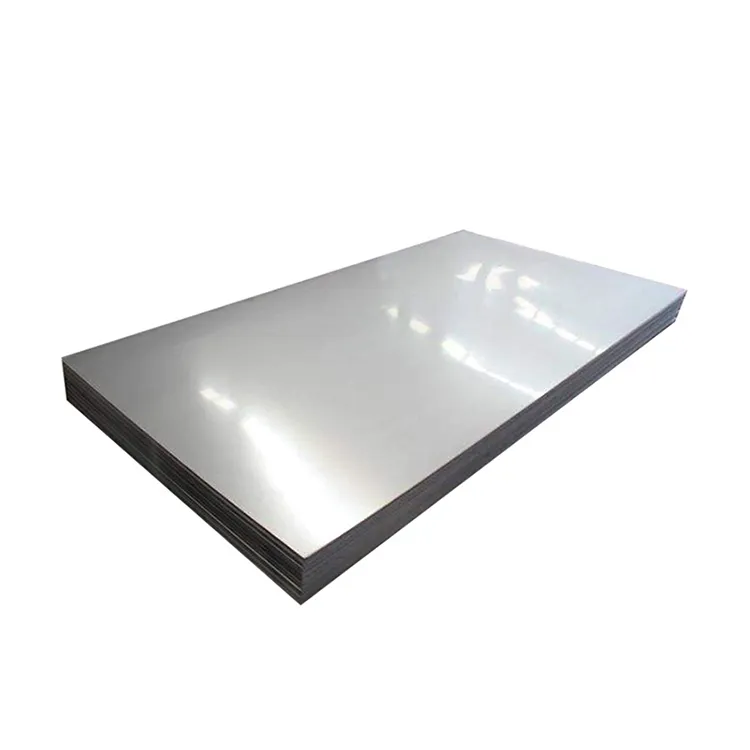 Specialized 300 Series Stainless Steel Sheet Coil 340 304 321 904 630 310s 20mm 50mm Plate for Automotive Manufacturing DIN
- Tianjin, China+8 ~ 14 days+1-6m+600-3000mm+300 series
$1,986.00
MOQ: 5
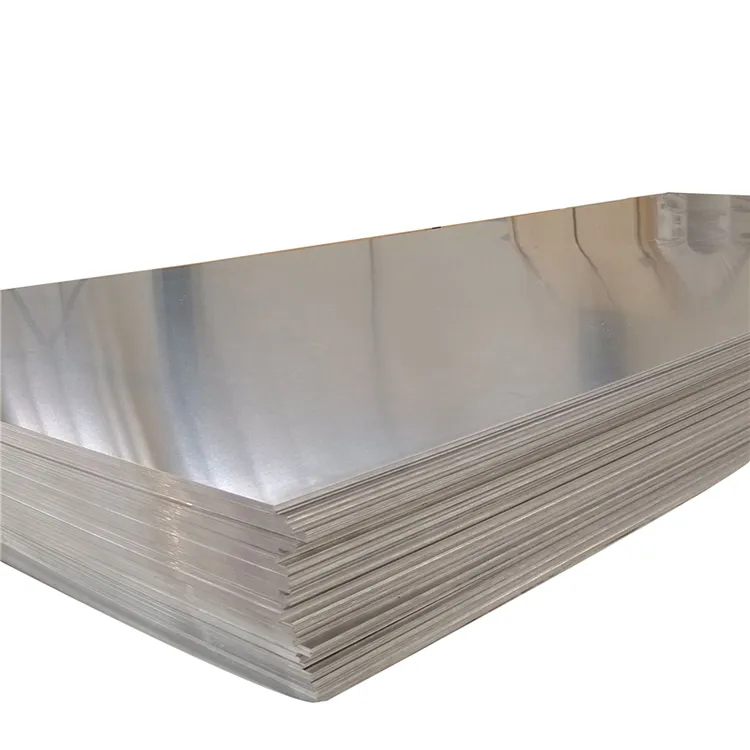 AISI 2B BA 430 321 201 316 316L 304L Stainless Steel Plate Coil 0.3mm 1mm 3mm Cold Rolled with ISO Certificate for Decoration
- Tianjin, China+8 ~ 14 days+1-6m+600-3000mm+300 series
$1,986.00
MOQ: 5
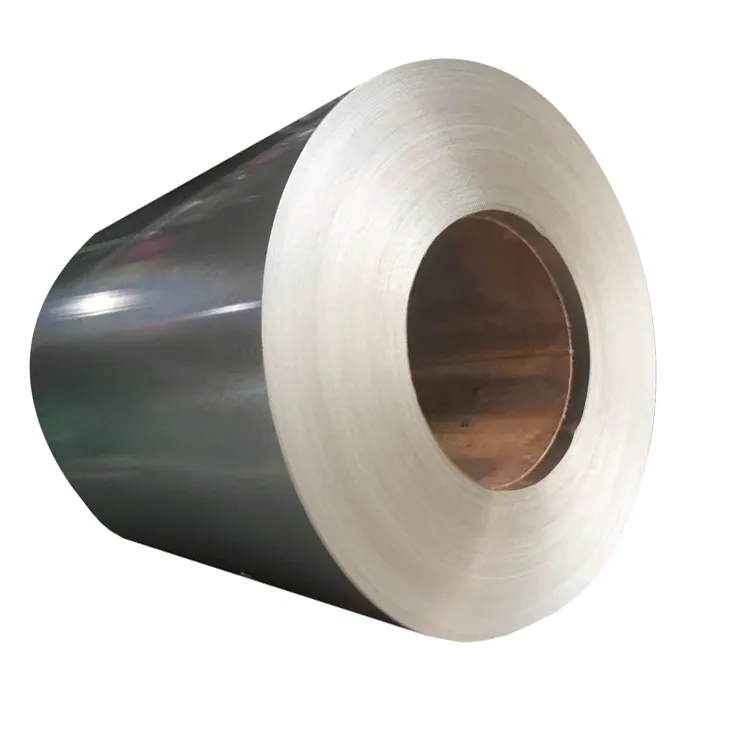 Cold Roll Stainless Steel Coil/Scrap Grade 430 301304 316L 201 202 410 304 420 300 Series 2B BA HL Surface Bending Cutting
- Tianjin+15-21 days+430 301304 316L 201 202 410 304 420+ASTM+410, 316L, 316, 430, 304, 304L
$2,220.00
MOQ: 5
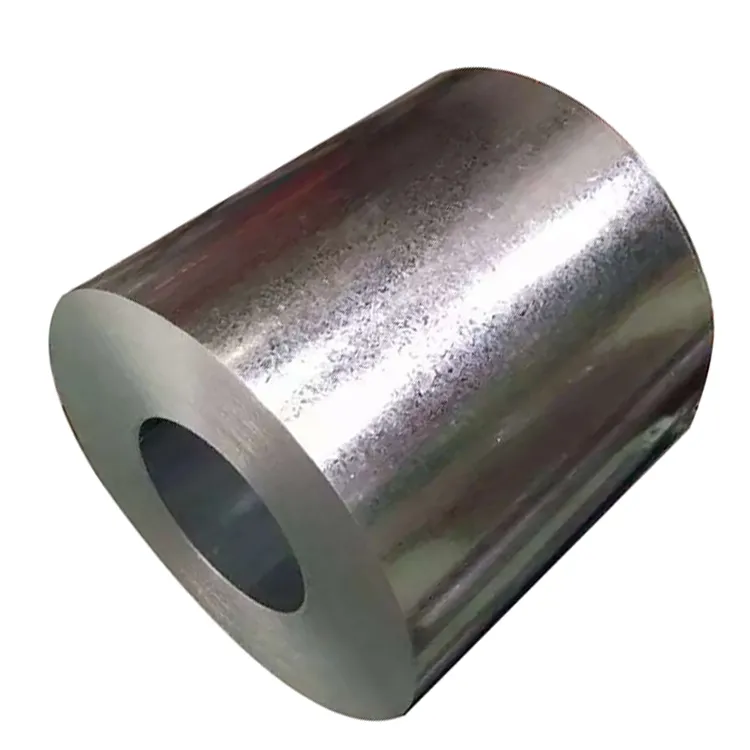 Cold Rolled Stainless Steel Strip Coil Aisi 304L Custom Cutting 0.1mm-4mm Thickness 300 Series 201/301/316/316l/410/421/430
- Tianjin+15-21 days+430 301304 316L 201 202 410 304 420+ASTM+410, 316L, 316, 430, 304, 304L
$2,220.00
MOQ: 5
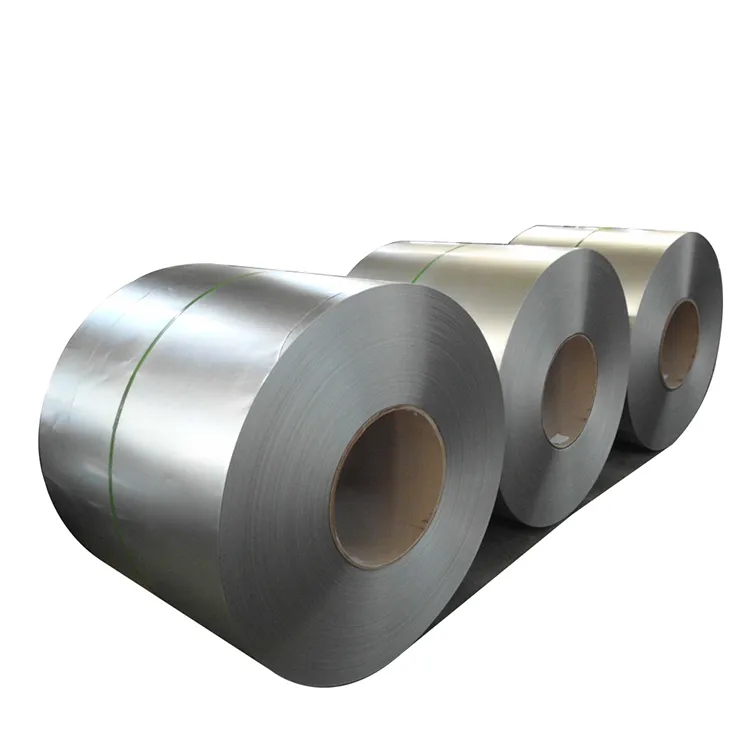 Hot Rolled 304L Stainless Steel Coil Pre-Painted Galvanized Steel Coil BA Surface Finish 300 Series Grade 409L 316L Cut-to-Order
- Tianjin+15-21 days+430 301304 316L 201 202 410 304 420+ASTM+410, 316L, 316, 430, 304, 304L
$2,220.00
MOQ: 5
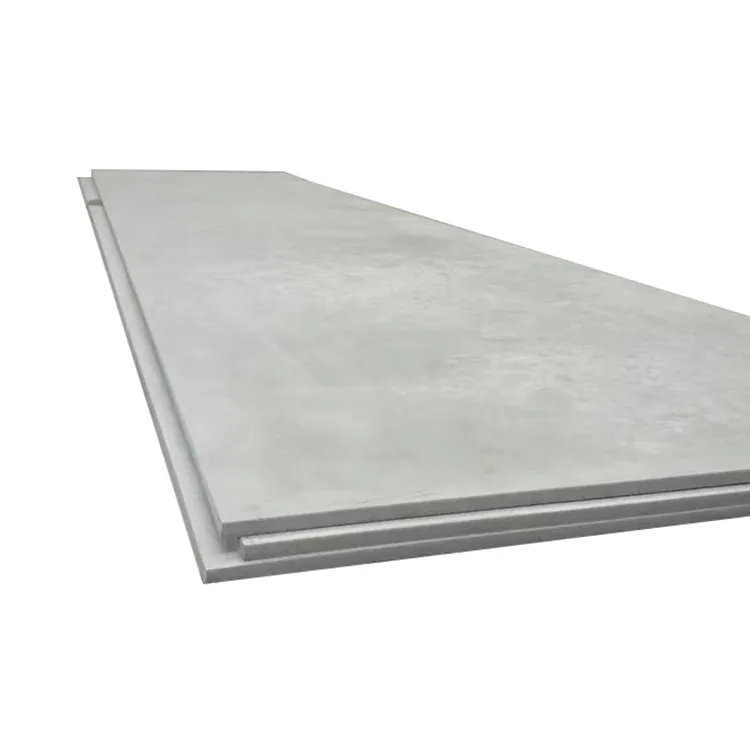 0.6MM 0.8MM SUS 430 409 4CR13 431 Stainless Steel Sheets Inox BA Surface Finish ASTM Standard Welding Processing Service
- Tianjin, China+31 ~ 45 days+1000-6000mm+600-1500 mm+Welding
$1,200.00
MOQ: 10
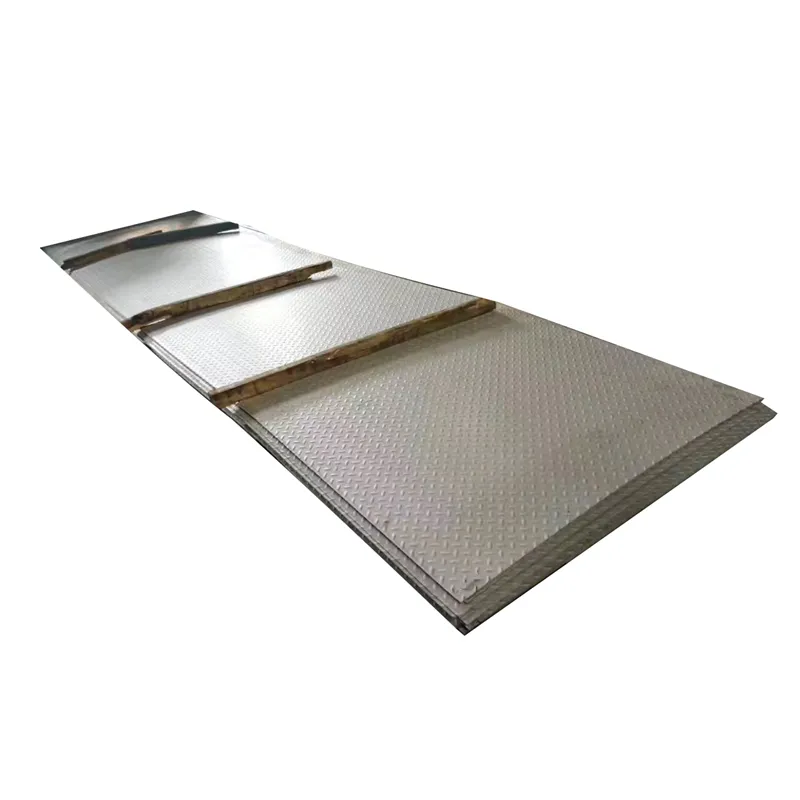 304L/316L/304L Grade Stainless Steel Plate with Mirror Surface Cut Weld Bend Processing Services Available-BA/HL/2B Options
- Tianjin, China+10-20 days+300 Series+ASTM+Bao Steel
$1,375.00
MOQ: 25
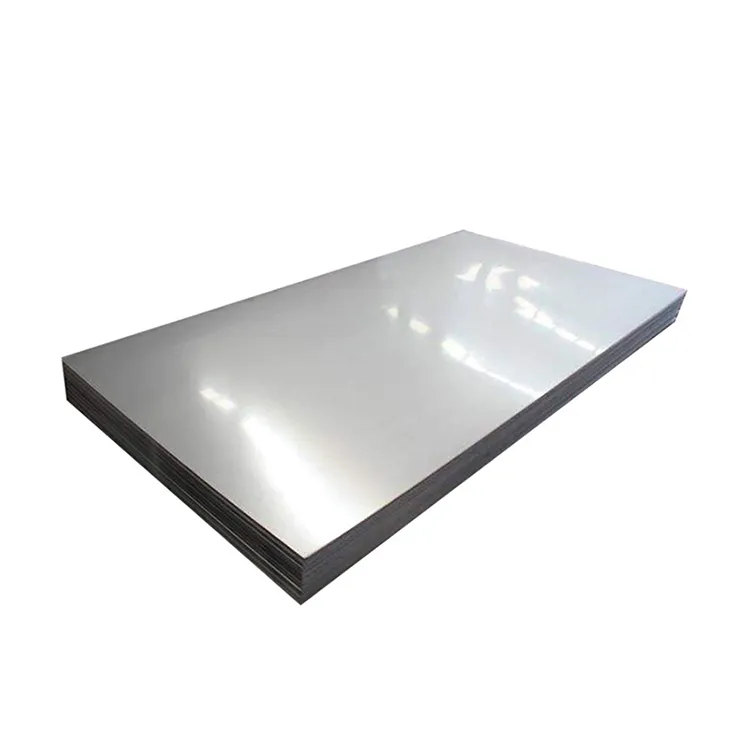 Cold-Rolled Stainless Steel Plate 300 Series 3mm Thickness 201 304 316l 430 904L DIN EN Hot-Rolled Bending No.4 No.8 Decoration
- Tianjin, China+15-21 days+600-2500 mm+decoration and fabrication+Bending, Welding, Decoiling, Punching, Cutting
$1,257.00
MOQ: 10
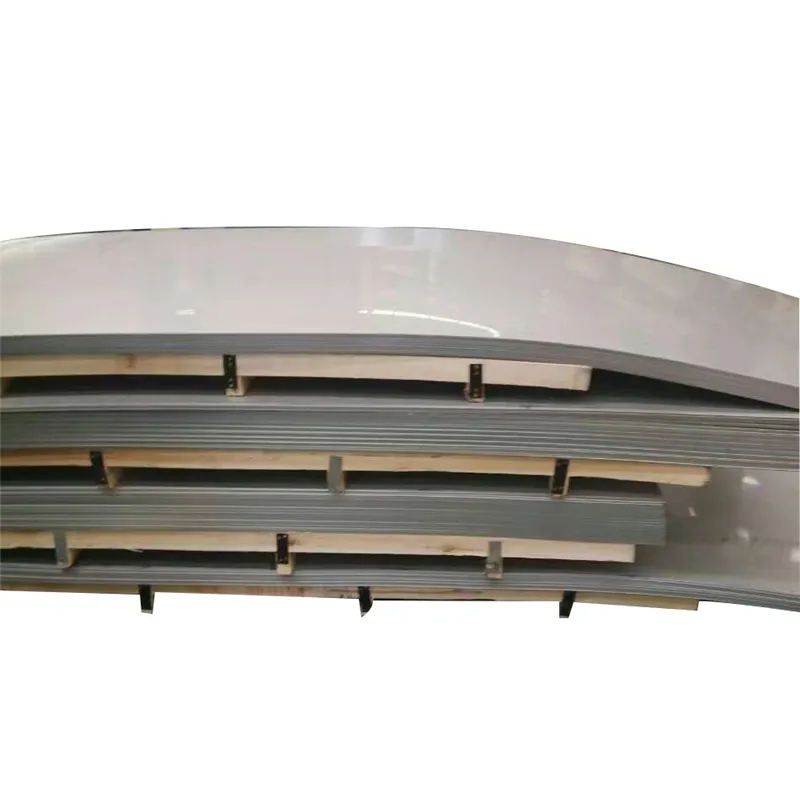 Custom-Tailored 1.5mm-4mm Thick 100% BA Surface Stainless Steel Decorative Plates 201 304 304L 316 316L 309s 310s Models 1.6mm
- Tianjin, China+15-21 days+300 Series+ASTM+Construction, Decoration
$1,112.00
MOQ: 10
 Wholesale 3mm Thick 300 Series ASTM Stainless Steel Plate 304L 321 316L BA Surface Cold Rolled Cuttable Weldable for
- Tianjin, China+8 ~ 14 days+1-6m+600-3000mm+300 series
$1,995.00
MOQ: 5
 300 Series Stainless Steel Sheets 2B 200 300 400 Series HL Finish AISI & EN Standards Compliant for Construction
- Tianjin, China+8 ~ 14 days+1-6m+600-3000mm+300 series
$1,986.00
MOQ: 5
 Stainless Steel Coil 300 Series 316L 304L 904L 409L Grades Various Surface Finishes-2B BA HL Available Cutting Bending Welding
- Tianjin, China+15-21 days+Other+JIS+301L, 301, 316L, 316
$680.00
MOQ: 25
 Hot Rolled Mirror Surface Stainless Steel Plate/Sheet 304 904L 316Ti Decoration Construction Cutting Welding Bending ASTM
- Tianjin, China+15-21 days+600-2500 mm+decoration and fabrication+Bending, Welding, Decoiling, Punching, Cutting
$1,400.00
MOQ: 10
 Direct Factory 304 Stainless Steel Plate ASTM Standard High Quality BA Surface Finish Welding Processing Service
- Tianjin, China+31 ~ 45 days+furniture, railings, medical equipment, tableware+Welding, Bending, Decoiling, Punching, Cutting+Plate
$1,200.00
MOQ: 10
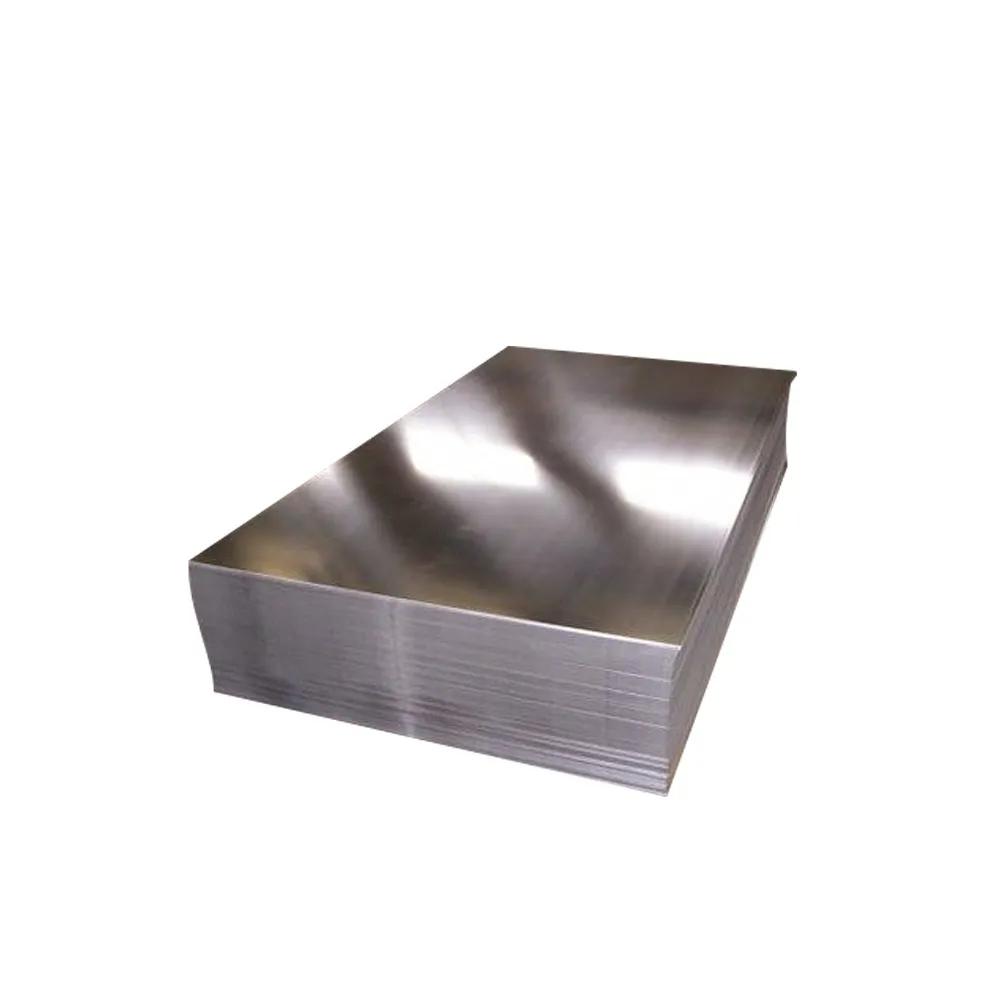 on Sale Stainless Steel Plate/Sheet in 304/304L/316/409/410/904L/2205/2507 ASTM Standard with BA Surface Finish for Welding
- Tianjin, China+31 ~ 45 days+1000-6000mm+600-1500 mm+Welding
$1,200.00
MOQ: 10
About Stainless Steel Coils
Stainless steel coils represent the premier high-alloy raw material engineered for extreme operating environments requiring outstanding chemical corrosion immunity, high-temperature oxidation resistance, and strict biological hygiene. The defining characteristic of stainless steel is a minimum 10.5% chromium content, which spontaneously reacts with ambient atmospheric oxygen to form an ultra-thin, invisible, self-healing chromium oxide (Cr2O3) passive surface film. This protective barrier prevents subsurface ferrous oxidation and corrosion even under continuous moisture exposure.
Grade selection balances corrosive environment demands with mechanical workability. Austenitic AISI 304 (18% Cr, 8% Ni) is the global benchmark for dairy equipment, architectural trims, commercial kitchen sinks, and roll-formed building sections. For extreme chloride exposure, coastal maritime atmosphere, and aggressive acid contact, molybdenum-alloyed AISI 316/316L (2.0–3.0% Mo) delivers a significantly higher Pitting Resistance Equivalent Number (PREN ≥ 23–25), preventing pitting and crevice corrosion. Ferritic AISI 430 provides an economical, nickel-free magnetic solution with excellent thermal conductivity and stress-corrosion cracking resistance, extensively utilized in appliance trims and automotive exhaust heat shields.
In cold roll forming and metal fabrication lines, stainless steel exhibits a high work-hardening rate and springback compared to standard mild carbon steel. Processing lines require rigid machine frames, high-torque drive transmissions, hardened alloy steel tooling rollers (such as Cr12MoV or D2 heat-treated to HRC 60–62), and precision deburred slit edges. Coils are supplied with heavy-duty 50 to 100 μm fiber-laser-guaranteed PE or PVC protective masking films to prevent surface scuffing during forming.
These precision-slit coils feed high-speed roll forming lines, tube welding mills, and stamping presses producing sanitary piping, heat exchanger tubes, elevator sills, cleanroom wall studs, and automotive exhaust systems worldwide.
Applications
Food & Beverage Sanitary Processing Equipment
In food & beverage sanitary processing equipment, aISI 304 and 316L stainless steel coils with 2B and sanitary polished finishes are formed and welded into brewing vessels, dairy tanks, and food processing lines, preventing bacterial harborage and corrosion. These heavy-duty components ensure certified structural stability and long-term durability.
Marine & Coastal Architectural Curtain Wall Systems
In marine & coastal architectural curtain wall systems, molybdenum-bearing AISI 316 stainless steel coils are precision roll formed into exterior architectural mullions, louvers, and curtain wall profiles that withstand harsh coastal salt fog without pitting. Engineered for high-wear industrial service, these precision-ground shafts, bearings, and forming dies provide exceptional wear resistance and extend machinery service intervals.
Automotive Exhaust Systems & Thermal Heat Shields
In automotive exhaust systems & thermal heat shields, ferritic AISI 430 and 409 stainless steel coils provide high thermal fatigue resistance and thermal conductivity for automotive catalytic converter casings, exhaust pipes, and underbody heat shields. Featuring uniform zinc-alloy coating adhesion and tight metallurgical gauge consistency, these high-grade raw steel coils deliver superior corrosion protection and long service lives.
Pharmaceutical Cleanroom Enclosures & Partitions
In pharmaceutical cleanroom enclosures & partitions, cold-rolled 304 stainless coils with satin No. These ductile, high-yield steel and aluminum coils provide the ideal raw material substrate for continuous high-speed roll forming, delivering smooth surface finishes, delivering certified structural load capacity, weather-tight protection, and long-term durability.
Chemical Storage & Industrial Pipeline Jacketing
In chemical storage & industrial pipeline jacketing, precision-slit stainless coils in 0.4 mm to 0.8 mm gauges serve as durable mechanical protection and weather jacketing over thermal insulation on petrochemical processing pipelines and distillation columns. Manufactured with advanced protective paint systems and tight dimensional tolerances, these master coils withstand severe outdoor weathering while enabling continuous production.
Technical Overview
| Parameter | Information |
|---|---|
| Product / Material Family | Austenitic & Ferritic Stainless Steel Coil |
| Manufacturing Standards | ASTM A240/A240M, ASTM A480, EN 10088-2, JIS G4305 |
| Common Steel Grades | AISI 304, 304L (1.4301/1.4307), 316, 316L (1.4401/1.4404), 430 (1.4016) |
| Coil Thickness Range | 0.30 mm – 3.00 mm (precision cold-rolled tolerance ±0.015 to ±0.03 mm) |
| Coil Width Range | 50 mm – 1500 mm (master widths: 1000 / 1219 / 1250 / 1500 mm; custom slit) |
| Surface Finish Options | 2B (cold rolled/pickled), BA (bright annealed), No. 4 (brushed satin), Hairline |
| Edge Condition | Precision slit edge (burr height <5% of thickness) or Mill edge |
| Yield & Tensile Strength | 304: Yield ≥205 MPa, Tensile ≥515 MPa, Elongation ≥40% (high ductility) |
| Pitting Resistance (PREN) | AISI 304: PREN 18–19; AISI 316: PREN 23–25 (superior chloride pitting resistance) |
| Protective Masking Film | 50–100 μm laser-guaranteed PE / black-white PVC film with easy-peel adhesive |
Related Solutions
Metal Sheet Processing Solution
Blanking and cut-off around a roll former is a shear class: flying (tracking) sh…
Metal Roofing & Wall Panel Roll Forming Solution
Trapezoidal / IBR, standing-seam, corrugated or glazed-tile roof and wall panel…
Wall Cladding Roll Forming Solution
Horizontal hanging cladding line, 300 mm feed. Narrow side-punch wall panel is a…
Sandwich Panel Production Solution
Continuous EPS and rock-wool sandwich line. Example below: 1220 mm feed, 19 stan…
Insulated Panel Building Solution
Metal sandwich for roofs and walls starts from the core. The example below is a…
Heavy Coil Handling Solution
Coil infeed is a weight class plus a drive: manual expand, electric expand with…
Related Information

Stainless Steel Roll Forming: 304, 430 and Surface Protection
Forming 304 or 430 stainless into a profile looks like mild steel—until work har…
Read More
Steel Coil Slitting Line: How It Works and When You Need One
What does a coil slitting line do? Blade arrangement, speed, width tolerance, an…
Read More
Steel Coil for Roll Forming: Specifications, Grades & How to Choose
The complete guide to steel coil for roll forming — thickness ranges, width stan…
Read More
Steel Coil Decoiler Price: Manual vs Hydraulic — What You Actually Pay For
steel coil decoiler price, manual vs hydraulic decoiler, decoiler cost, hydrauli…
Read More
Roll Forming Decoiler Types: Manual, Hydraulic and Double-Head Guide
Manual vs hydraulic vs double-head decoilers — capacity, safety, price, and how…
Read More
Cold Roll Forming Process for Metal Roofing: From Coil to Roof Sheet
cold roll forming process metal roofing, roof sheet roll forming process, how ro…
Read More
FAQ
What is the primary difference between AISI 304 and AISI 316 stainless steel coils?
AISI 304 contains approximately 18% chromium and 8% nickel, ideal for general sanitary, architectural, and industrial environments. AISI 316 adds 2.0% to 3.0% molybdenum, vastly boosting resistance to chloride pitting, coastal sea salt spray, sulfuric acids, and de-icing chemicals (PREN ≥ 23 vs 18).
Why does stainless steel work-harden faster than carbon steel during roll forming?
Austenitic stainless steels (300 series) have a face-centered cubic (FCC) crystal lattice that generates high dislocation density and strain-induced martensite during cold plastic deformation. This creates high yield strength, requiring 50% to 100% greater roll forming motor torque and over-bending compensation to counteract elastic springback.
What are the common surface finishes available for stainless steel coils?
Common finishes include 2B (smooth, slightly reflective cold-rolled, annealed, and pickled finish), BA (Bright Annealed highly reflective mirror-like finish), No. 4 (unidirectional sanitary brushed satin finish), and Hairline (continuous long-grain architectural polish).
What protective films are used to protect stainless coil surfaces during fabrication?
Coils are laminated with specialized surface films: standard clear PE for stamping and roll forming, heavy-duty black-and-white PVC for deep drawing, and fiber-laser or CO2 laser-guaranteed PE films that allow automated laser blanking without film bubbling or edge burning.
Is AISI 430 stainless steel magnetic, and where is it typically utilized?
Yes, AISI 430 is a ferritic stainless steel with 16–18% chromium and no nickel, giving it ferromagnetic properties. It offers excellent thermal conductivity and resistance to stress corrosion cracking, making it standard for kitchen appliance casings, oven interiors, and automotive exhaust shields.
How is edge burr controlled when slitting narrow stainless steel coils?
Slitting stainless steel requires high-precision carbide or tungsten rotary slitter knives with tight horizontal and vertical clearance settings (typically 8% to 10% of metal thickness). Precision edge-conditioning and deburring rolls eliminate sharp burrs to avoid scratching forming rollers or injuring workers.
What technical details must be included in a stainless steel coil quotation inquiry?
Inquiries must state steel grade (e.g., AISI 304, 316L, 430), manufacturing standard (ASTM A240/EN 10088), surface finish (2B, BA, No. 4), thickness and width with tolerances, edge condition (slit or mill), surface protection film type, coil ID (508 mm), and maximum coil weight.