Global B2B Roll Forming Sourcing Platform | Free RFQ Response within 24h

- Tuo AI

- Live

- My Account
- Shopping Cart
- Inquiry Basket
- Contact Us
- Back to Top




Aluminum Coils
Aluminum coils deliver exceptional lightweight properties, natural atmospheric corrosion resistance, and high ductility across architectural roofing, aluminum composite panels (ACP), marine construction, HVAC thermal exchangers, and transportation sectors. Sourced in high-performance alloy series—including 1050/1100 (high ductility/ductwork), 3003/3004 (Al-Mn roofing & can stock), 5052/5083 (marine-grade Al-Mg alloys), and 6061 structural coil—manufactured under ASTM B209 and EN 485 standards. Available in thicknesses from 0.20 mm to 4.00 mm and widths up to 1600 mm in mill finish, stucco embossed, and prepainted PVDF/PE coatings. Browse alloy temper charts, mechanical specifications, and coil processing lines below.
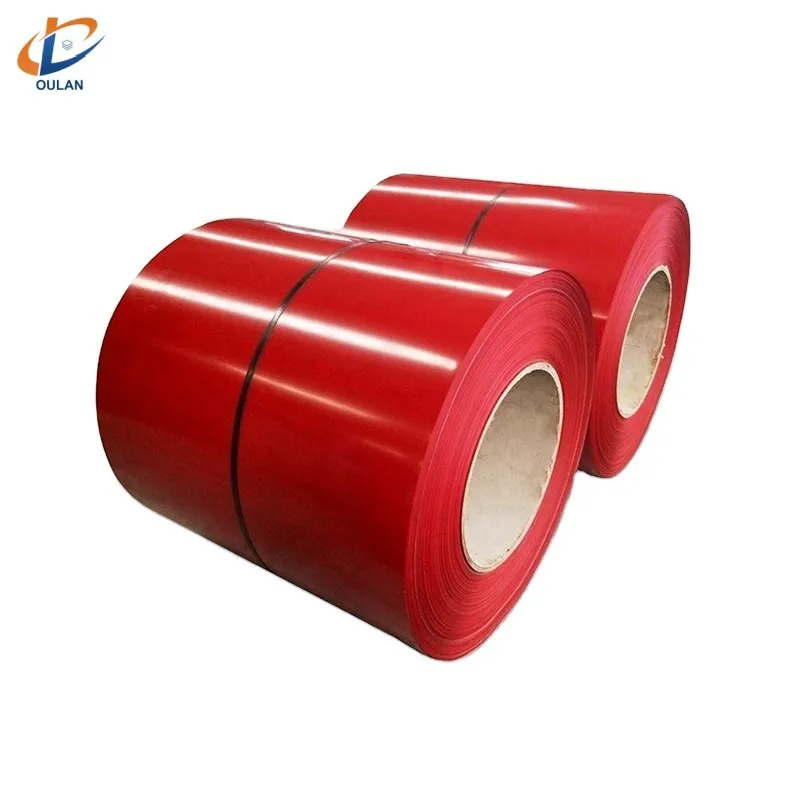 Transparent Solar Coated Aluminum Coil for Building Integrated Photovoltaics 1100 3003 5052 6061 7072 0.3mm 0.6mm
- customize+1 251 mm ~ 1 500 mm
$449.65
MOQ: 20
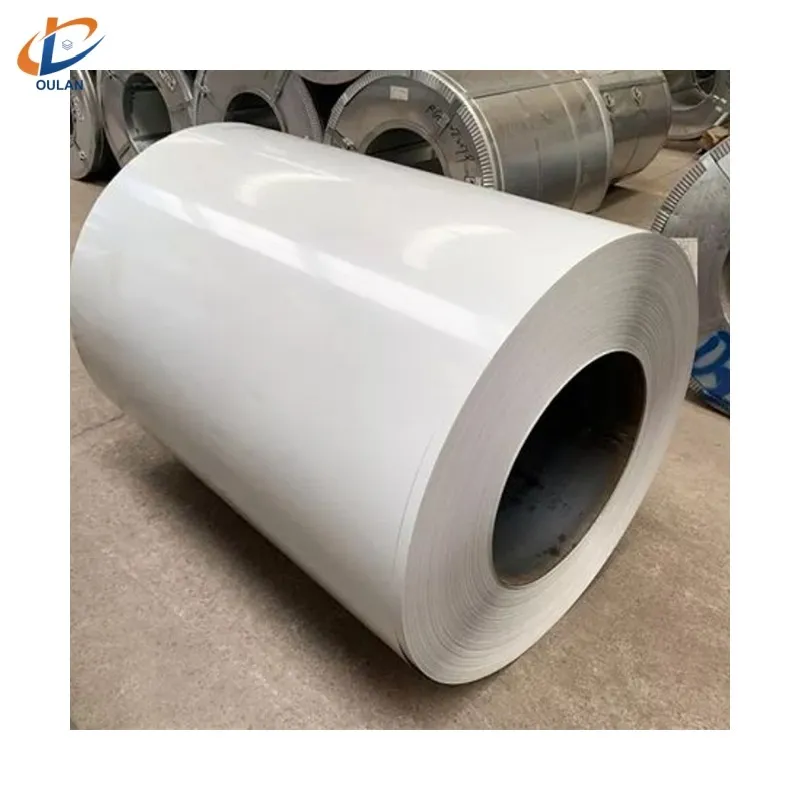 Fire Resistant Intumescent Coated Aluminum Coil for High Rise Building Safety 1050 3003 5052 6061 7075 0.8mm 1.1mm
- customize+1 251 mm ~ 1 500 mm
$466.50
MOQ: 20
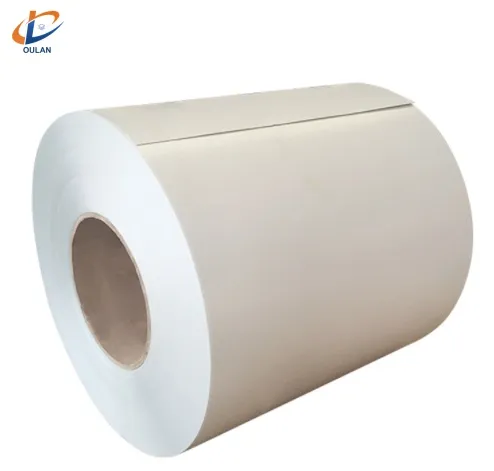 Electroluminescent Night Visibility Coated Aluminum Coil for Smart Highway Systems 1050 3003 5052 6061 7075 0.6mm 0.9mm
- customize+1 251 mm ~ 1 500 mm
$466.50
MOQ: 20
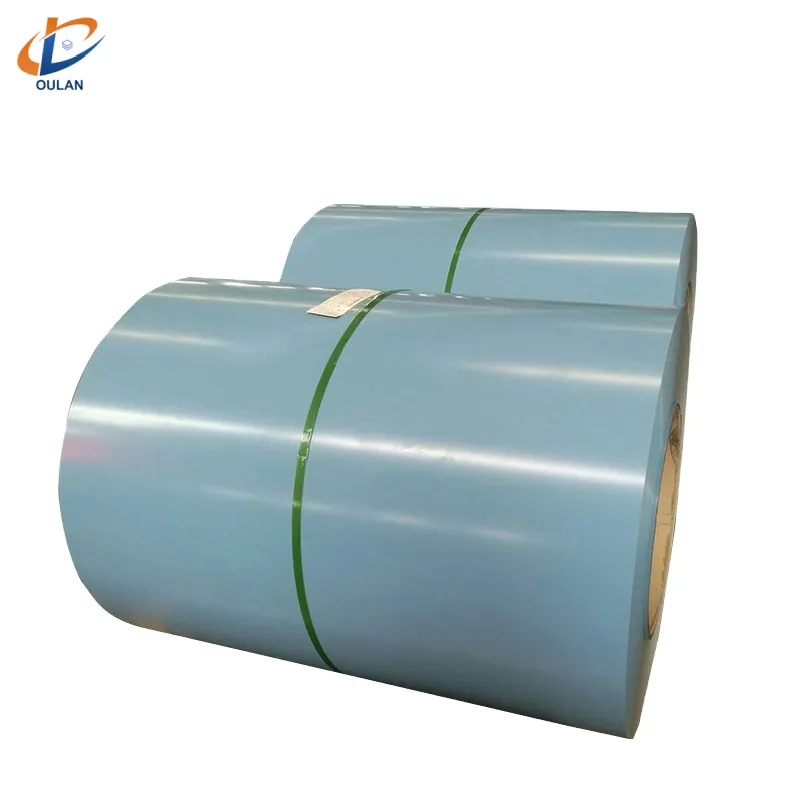 Photovoltaic Thermal Hybrid Coated Aluminum Coil for Renewable Energy Buildings 1050 3003 5052 6061 7075 0.5mm 0.8mm
- customize+1 251 mm ~ 1 500 mm
$466.50
MOQ: 20
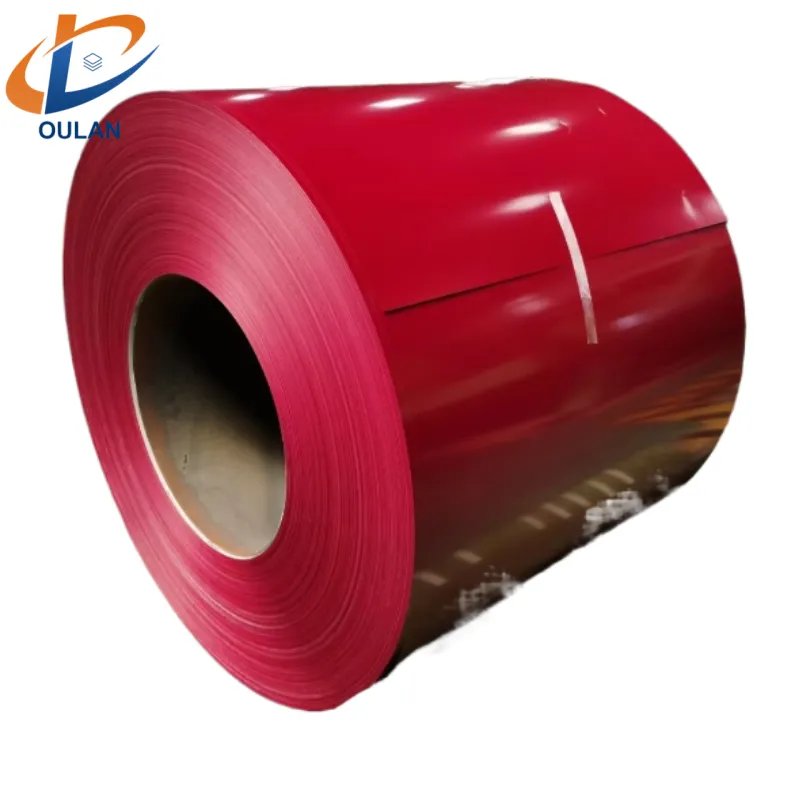 Programmable Morphing Coated Aluminum Coil for Adaptive Aerospace Structures 1050 3003 5052 6061 7075 0.4mm 0.7mm
- customize+1 251 mm ~ 1 500 mm
$466.50
MOQ: 20
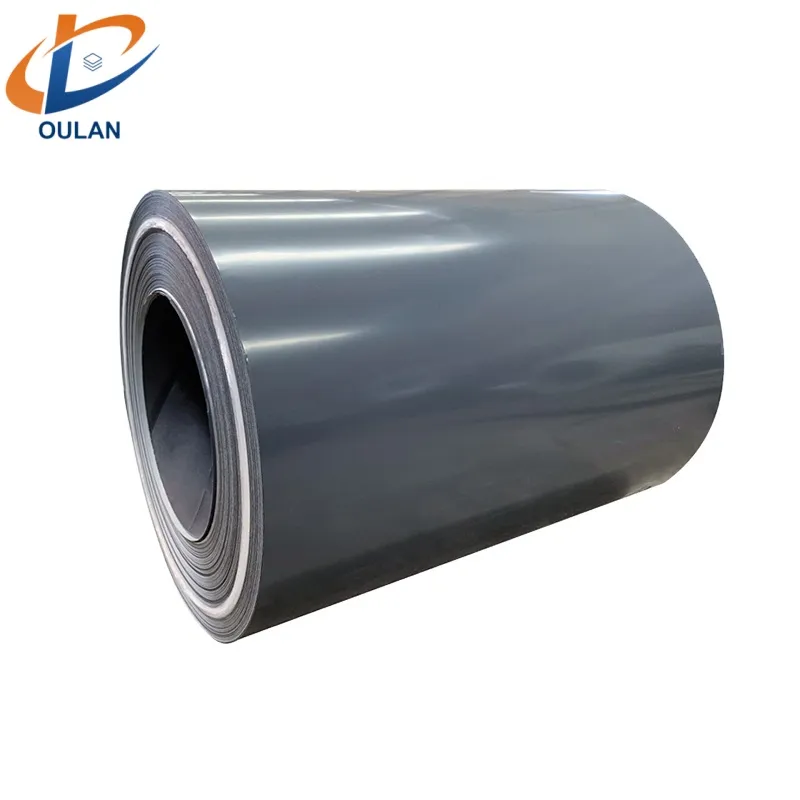 Transparent Conductive Mesh Coated Aluminum Coil for Touch Screen Manufacturing 1100 3003 5052 6061 7072 0.2mm 0.5mm
- customize+1 251 mm ~ 1 500 mm
$466.50
MOQ: 20
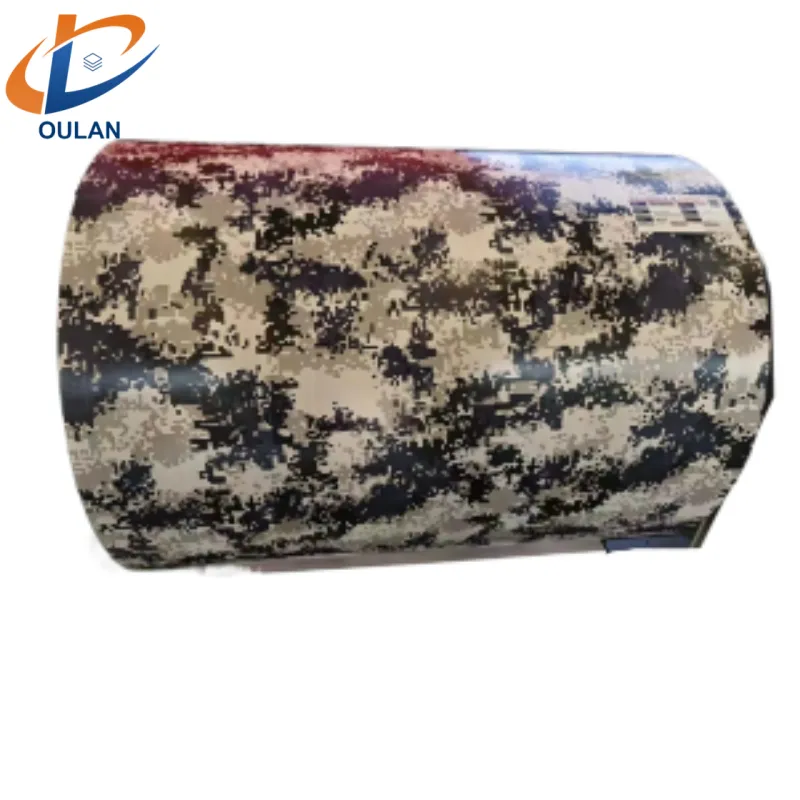 Electromagnetic Interference Shielding Coated Aluminum Coil for Laboratory Equipment 1100 3003 5052 6061 7072 1.2mm 1.5mm
- customize+1 251 mm ~ 1 500 mm
$466.50
MOQ: 20
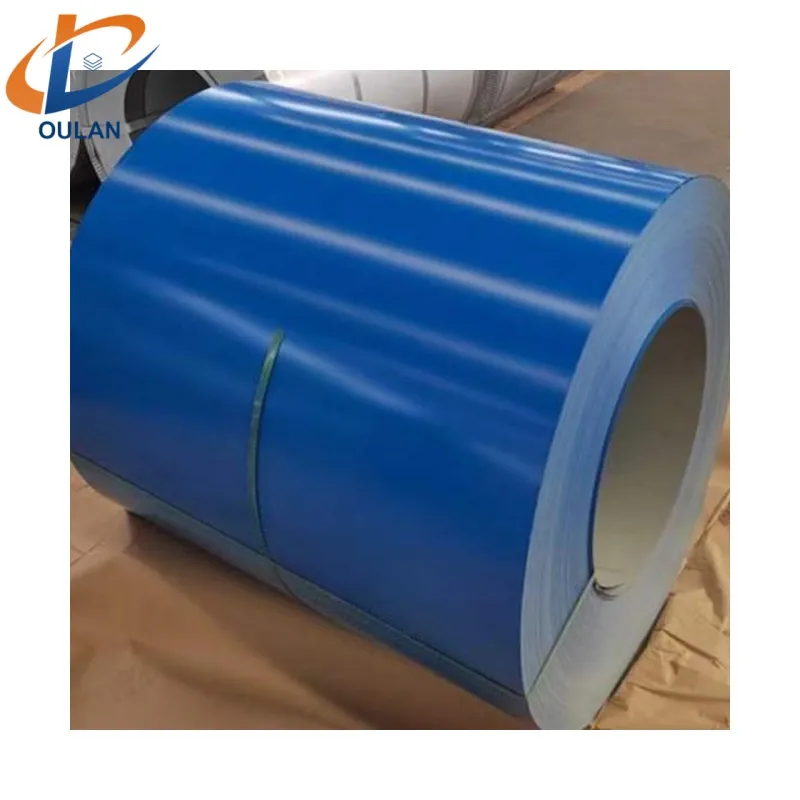 Heavy Duty PE Coated Aluminum Coil for Container Houses 3003 3105 5005 5052 5083 0.8mm 1.0mm
- customize+1 251 mm ~ 1 500 mm
$466.50
MOQ: 20
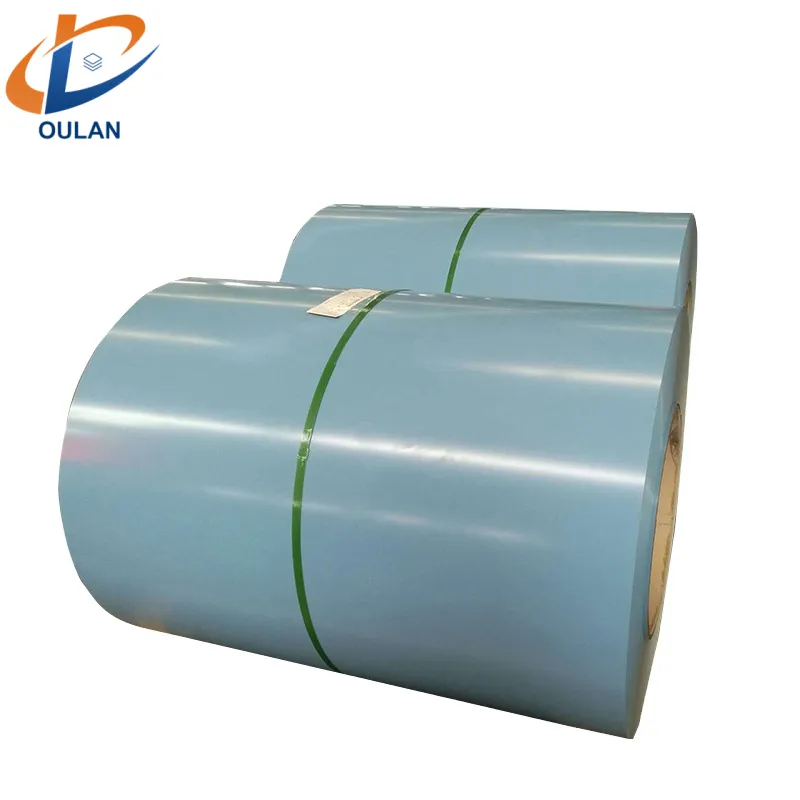 Sound Absorbing PE Coated Aluminum Coil for Cinema Walls 1050 1060 3003 5052 5754 0.6mm 0.8mm
- customize+1 251 mm ~ 1 500 mm
$466.50
MOQ: 20
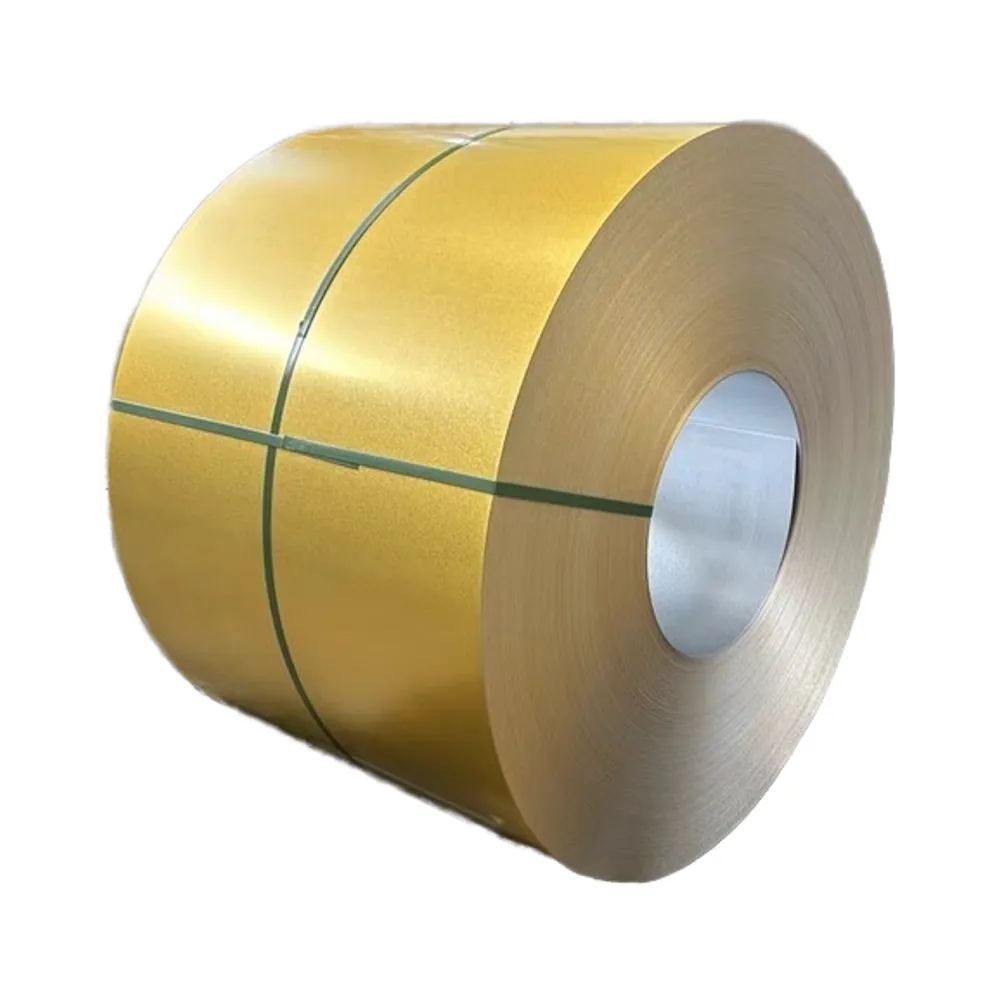 PVDF Coated Aluminum Coil for Architectural Curtain Wall 3003 0.8mm
- customize+1 251 mm ~ 1 500 mm
$466.50
MOQ: 20
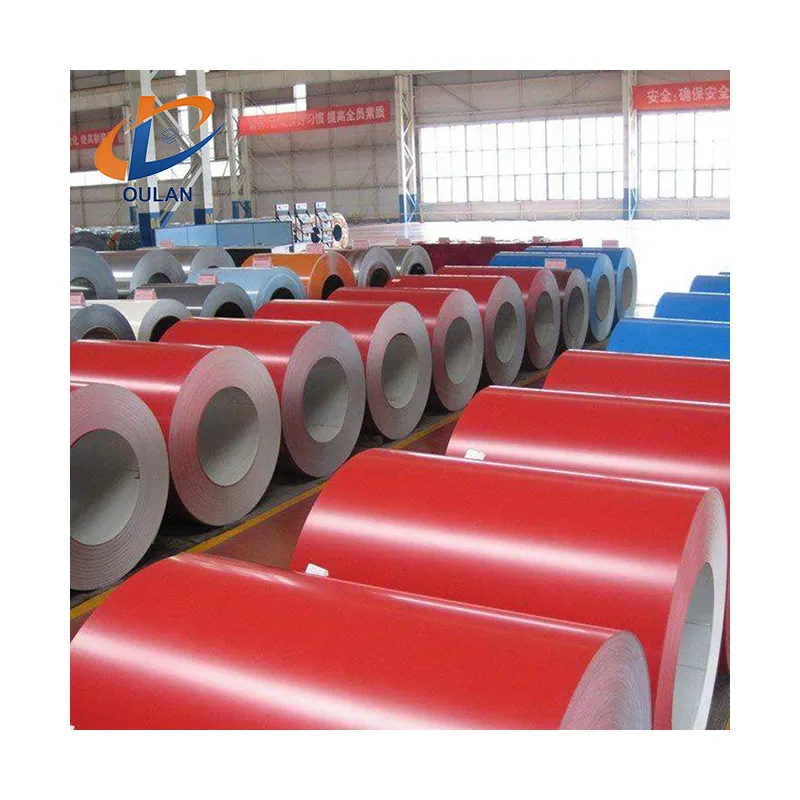 Medical Facility Wall Coil for Hospitals 6061 0.7mm
- customize+1 251 mm ~ 1 500 mm
$466.50
MOQ: 20
 PVDF Aluminum Coil for Corporate Building Facade Design 3004 0.8mm
- customize+1 251 mm ~ 1 500 mm
$466.50
MOQ: 20
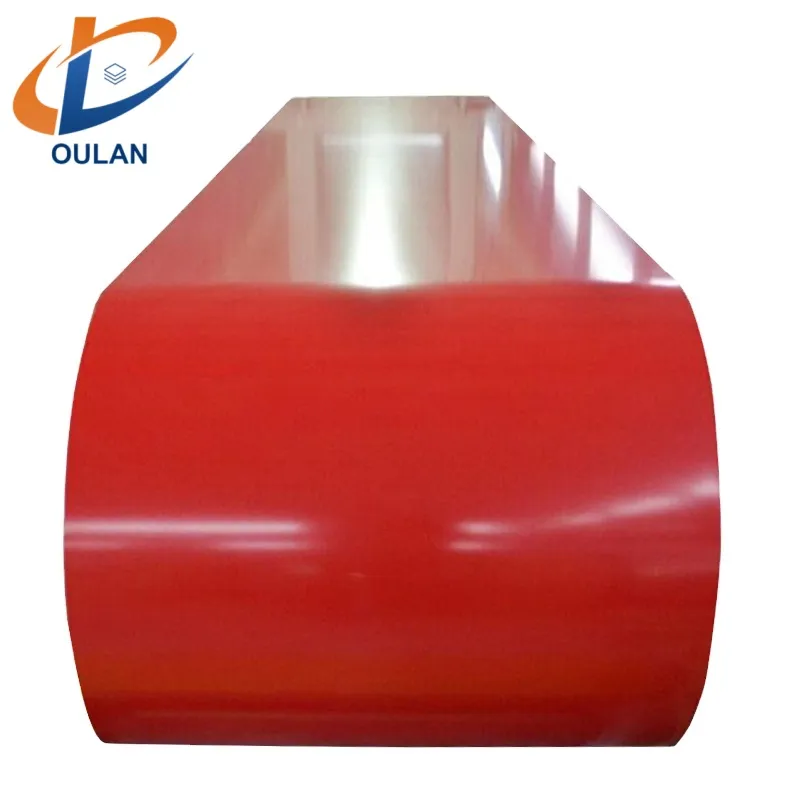 Color Coated Aluminum Coil for Exhibition Booth Construction 5005 0.5mm
- customize+1 251 mm ~ 1 500 mm
$466.50
MOQ: 20
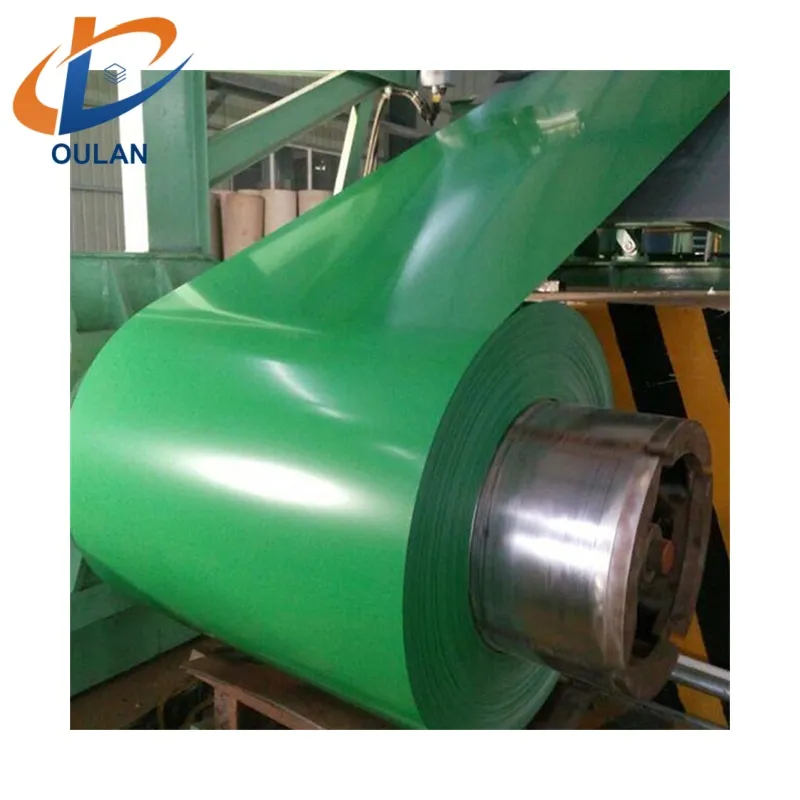 Embossed Aluminum Coil for Decorative Door Surface Application 5251 0.6mm
- customize+1 251 mm ~ 1 500 mm
$466.50
MOQ: 20
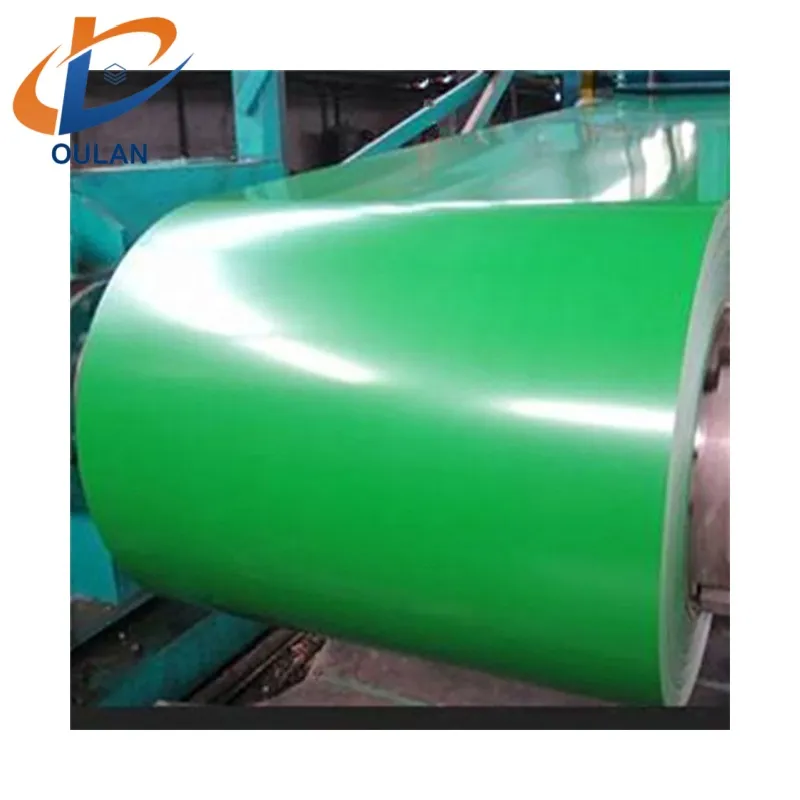 SMP Aluminum Coil for Highway Guide Sign Backplate 5052 0.8mm
- customize+1 251 mm ~ 1 500 mm
$466.50
MOQ: 20
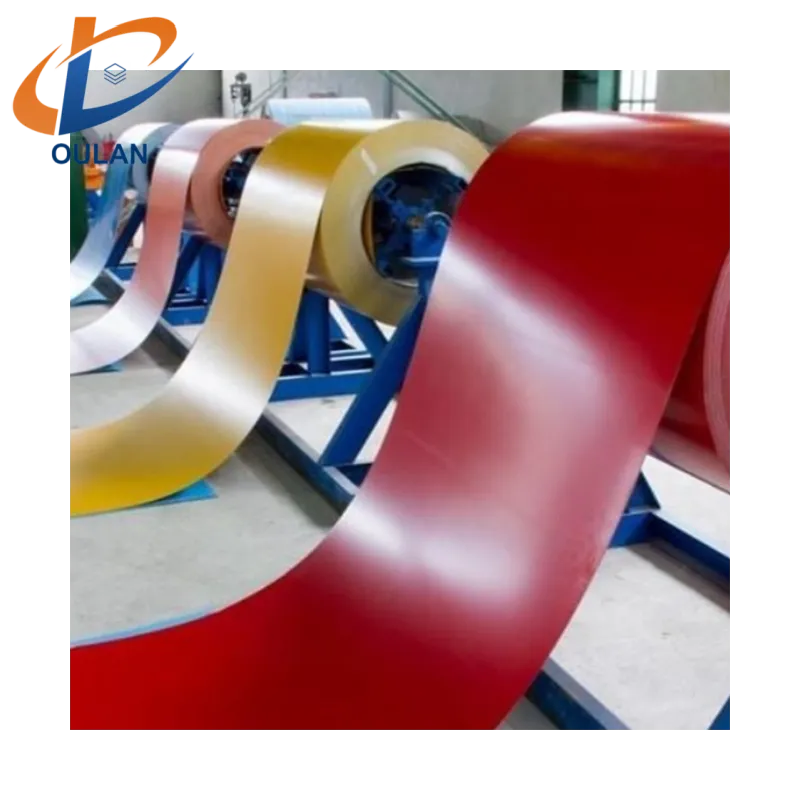 PVDF Coated Aluminum Coil for Laboratory Equipment Housing 3005 0.7mm
- customize+1 251 mm ~ 1 500 mm
$466.50
MOQ: 20
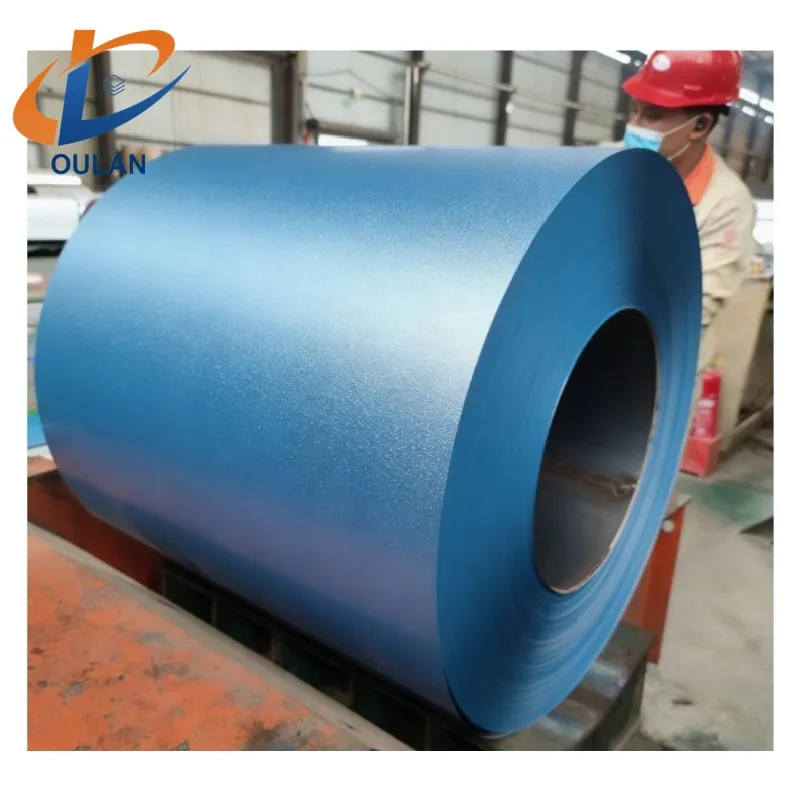 Acoustic Coated Aluminum Coil for Home Theater Wall System 5060 0.7mm
- customize+1 251 mm ~ 1 500 mm
$466.50
MOQ: 20
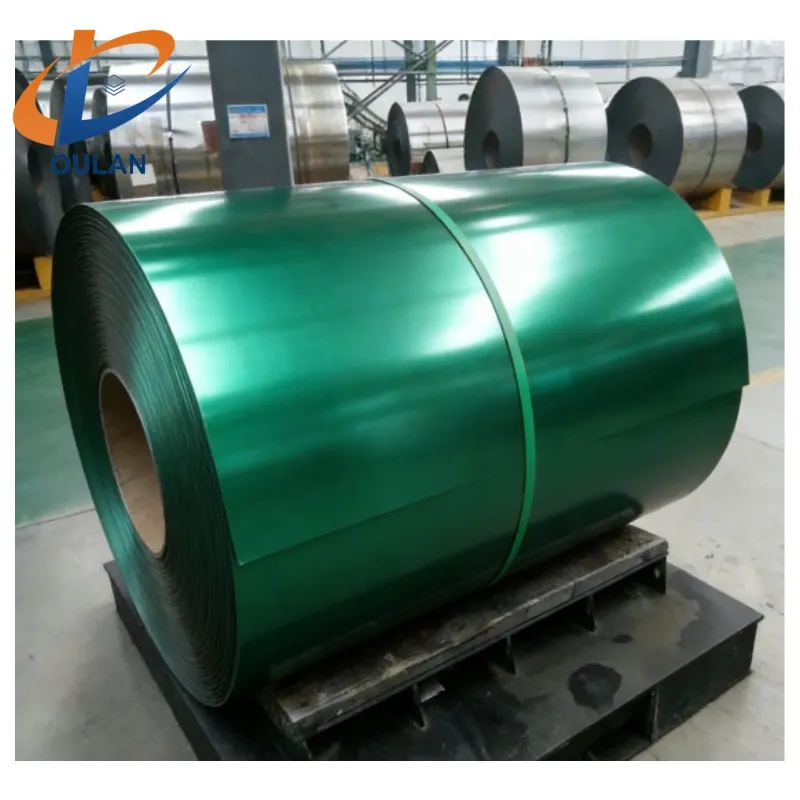 PVDF Coated Aluminum Coil for Laboratory Clean Bench 3104 0.6mm
- customize+1 251 mm ~ 1 500 mm
$466.50
MOQ: 20
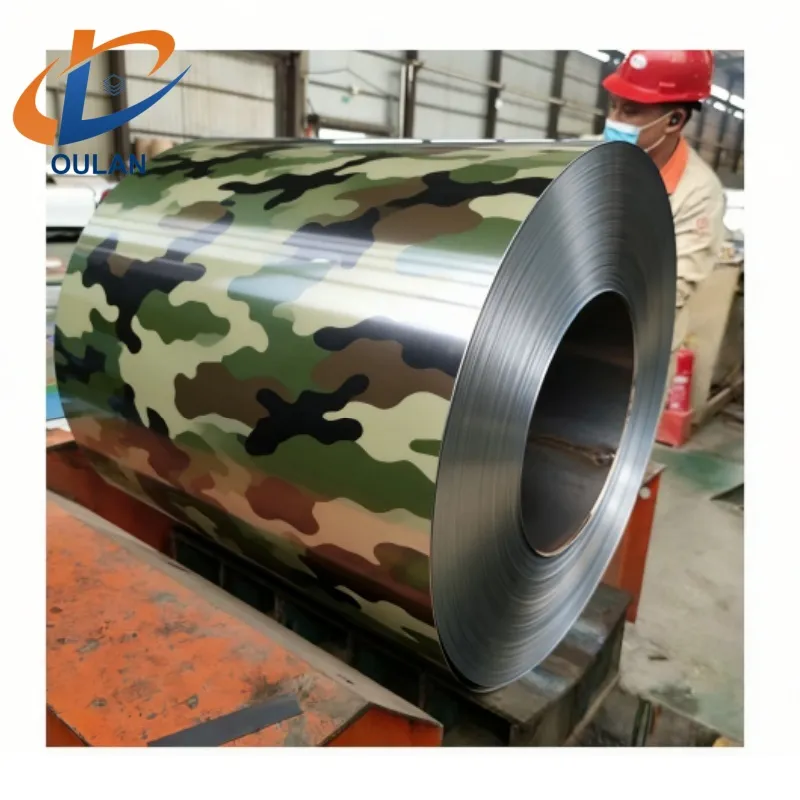 Anti Fingerprint Coated Aluminum Coil for Smart Appliance Panel 3006 0.5mm
- customize+1 251 mm ~ 1 500 mm
$466.50
MOQ: 20
 Hot Sale Insulation Color Aluminum Coil Color Coated Aluminium Coil Prepainted Aluminium Coil
- Shandong, China+10-35days+TDC51D+Z+ASTM+Guanzhou
$421.60
MOQ: 1
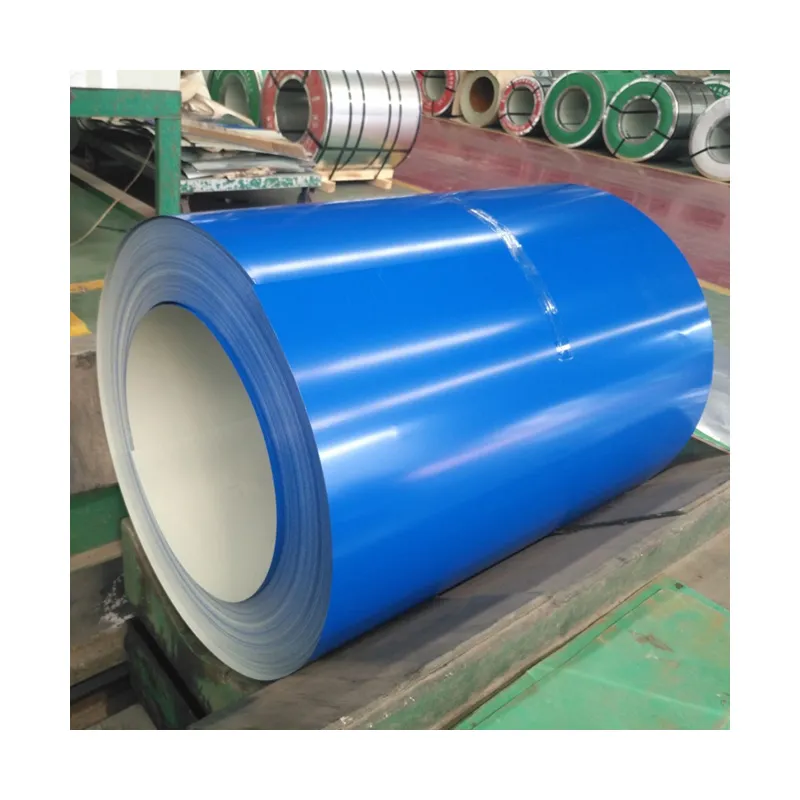 Self-Cleaning Color Coated Aluminum Coil JIS Certified for High Rise Building Facades-Bending Cutting Welding Services Included
- Shandong, China+10-35days+TDC51D+Z+ASTM+Oulan
$560.00
MOQ: 20
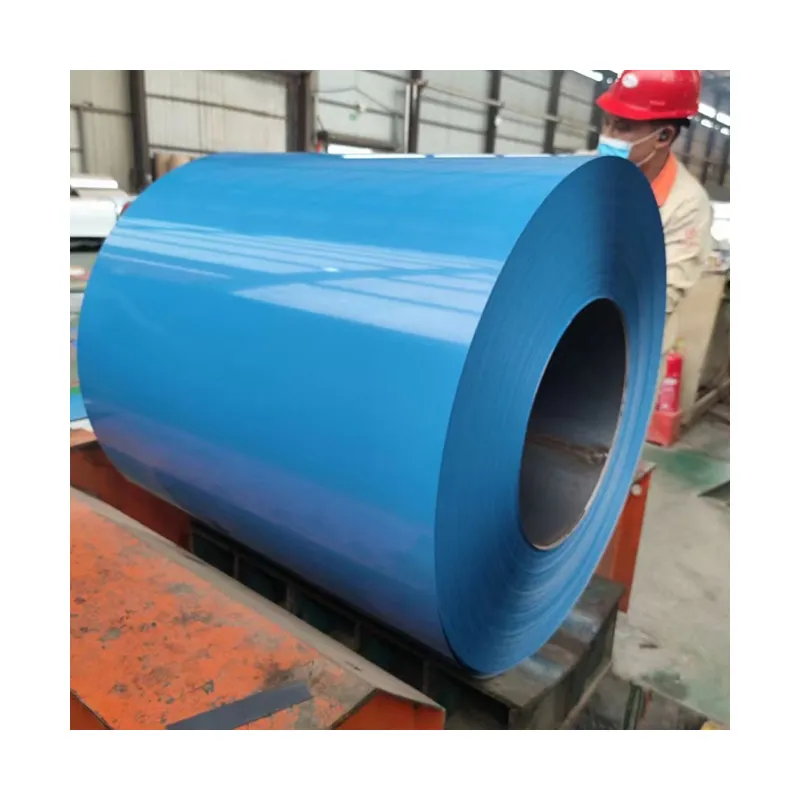 Thermal Insulation Polyurethane Coated Aluminum Coil for Cold Storage Facilities 1100 3003 3105 5052 5083 0.5mm 0.7mm
- Shandong, China+10-35days+TDC51D+Z+ASTM+Guanzhou
$466.50
MOQ: 20
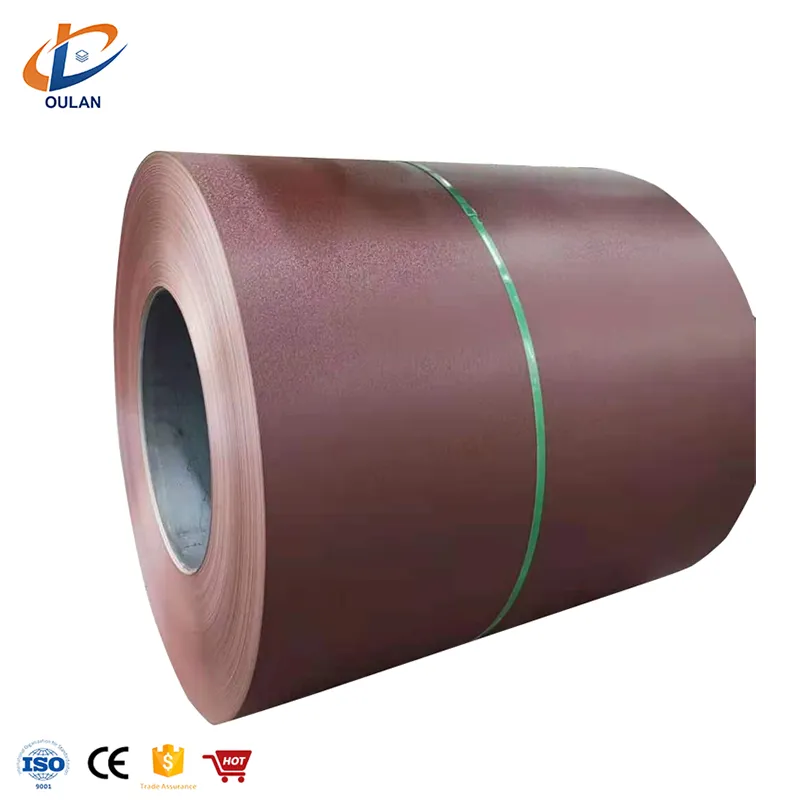 Graphene Enhanced Nano Coated Aluminum Coil for New Energy Vehicle Battery Housings 1050 3003 5052 6061 7075 0.8mm 1.2mm
- Shandong, China+10-35days+TDC51D+Z+ASTM+Guanzhou
$466.50
MOQ: 20
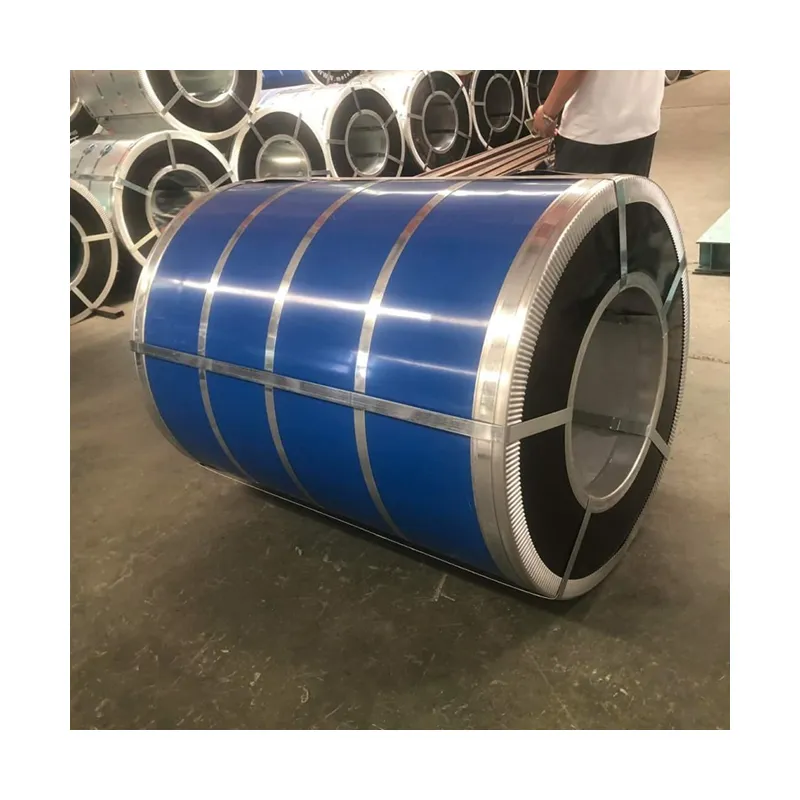 Virtual Reality Compatible Projection Surface Coated Aluminum Coil for Immersive Theaters 1050 1060 3003 5052 6061 0.4mm 0.6mm
- Shandong, China+10-35days+TDC51D+Z+ASTM+Guanzhou
$466.50
MOQ: 20


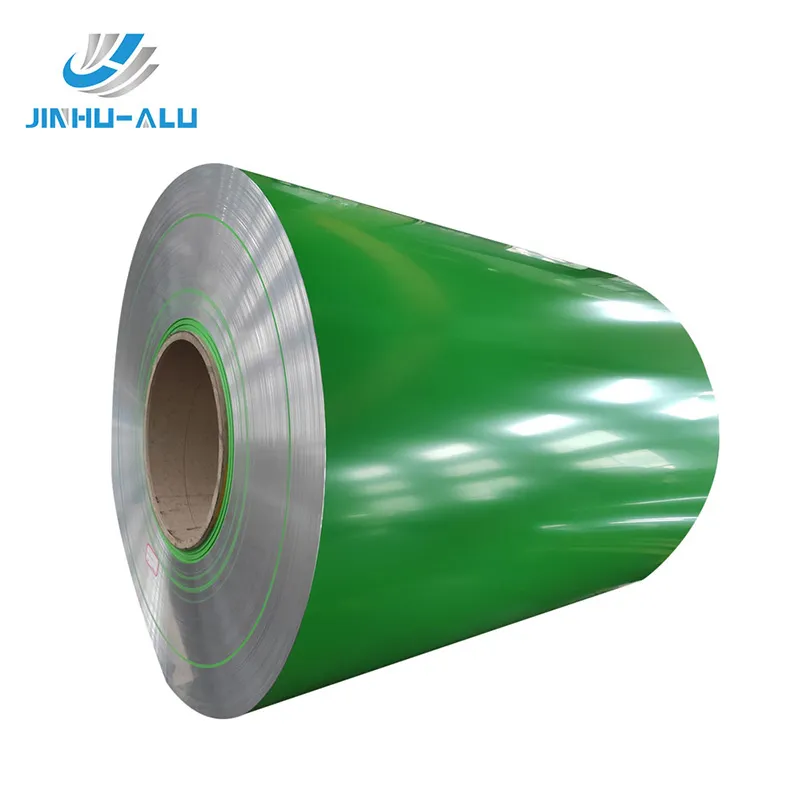

About Aluminum Coils
Aluminum coils represent the premier non-ferrous raw material powering lightweight, high-performance manufacturing across building envelopes, transportation, refrigeration, and electronics. Weighing approximately one-third as much as carbon steel (~2.71 g/cm³ versus ~7.85 g/cm³), aluminum significantly reduces dead load on large-span roof trusses and improves fuel efficiency in automotive and marine vehicles without compromising structural integrity.
Alloy chemistry and temper designations define mechanical performance and fabrication suitability. Commercial purity 1000-series coils (e.g., 1050, 1060, 1100-O/H14) provide maximum electrical (~60% IACS) and thermal conductivity (~220 W/m·K) alongside supreme ductility for intricate deep drawing, spinning, and HVAC fin stock. The work-hardened 3000-series (3003, 3004-H14/H24) alloyed with 1.0–1.5% manganese boosts tensile strength by 20% while retaining high formability, making it the worldwide standard for standing seam roofing, gutter systems, and aluminum composite panel (ACP) skins. For aggressive marine seawater and heavy structural applications, magnesium-alloyed 5000-series (5052-H32, 5083-H111) delivers unmatched salt-fog corrosion immunity, superior weldability, and fatigue endurance.
From a cold roll forming and stamping perspective, aluminum strips exhibit uniform elongation and smooth cold-working properties. Rolling lines utilize polished hardened rollers with specialized synthetic forming lubricants to prevent aluminum galling and pick-up on tool surfaces. Protective PE masking films safeguard prepainted PVDF or anodized finishes during uncoiling, profiling, and job-site installation.
These precision-slit coils feed high-speed roll forming lines, continuous sandwich panel lines, ACP laminators, and high-speed fin presses producing architectural standing seam roofs, curtain wall panels, heat exchanger fins, marine superstructures, and automotive heat shields.
Applications
Long-Span Curved Standing Seam Airport Roofing
In long-span curved standing seam airport roofing, high-ductility 3004 and 5052 aluminum coils are roll formed on-site into continuous curved standing seam roof sheets over 80 meters long, eliminating transverse laps on iconic airport terminals. Featuring high-strength interlocking seams and concealed fastener clips.
Aluminum Composite Panel (ACP) Exterior Facade Skins
In aluminum composite panel (acp) exterior facade skins, precision 0.2 mm to 0.5 mm PVDF prepainted aluminum coils form high-adhesion exterior skins continuously laminated to mineral-filled fire-retardant cores for commercial building curtain walls. Engineered with anti-capillary side-laps and continuous structural ribs.
Marine Commercial Vessel Hull & Superstructure Plating
In marine commercial vessel hull & superstructure plating, high-strength 5083-H116 and 5052-H32 aluminum coils provide lightweight, fully weldable, and seawater-immune structural plating for commercial catamaran hulls, ferries, and naval patrol boats. These ductile, high-yield steel and aluminum coils provide the ideal raw material substrate for continuous high-speed roll forming, delivering smooth surface finishes.
HVAC Air Ducting & Heat Exchanger Condenser Fin Stock
In hvac air ducting & heat exchanger condenser fin stock, ultra-thin 0.08 mm to 0.20 mm 1100 and 8011 hydrophilic aluminum coils are stamped at high speeds on progressive fin presses, providing high thermal transfer efficiency for HVAC evaporator coils.
Automotive Underbody Thermal & Acoustic Heat Shields
In automotive underbody thermal & acoustic heat shields, embossed 1050-O and 3003 aluminum coils undergo multi-layer stamping to create formable, lightweight heat shields protecting vehicle fuel tanks, cabins, and electronic wiring from exhaust heat. Featuring uniform zinc-alloy coating adhesion and tight metallurgical gauge consistency, these high-grade raw steel coils deliver superior corrosion protection and long service lives.
Technical Overview
| Parameter | Information |
|---|---|
| Product / Material Family | Wrought Non-Ferrous Aluminum Alloy Coil |
| Manufacturing Standards | ASTM B209/B209M, EN 485, EN 573, JIS H4000, GB/T 3880 |
| Common Alloy Series | 1000 Series (1050/1060/1100), 3000 Series (3003/3004/3105), 5000 Series (5052/5083) |
| Standard Tempers | O (soft annealed), H14, H24, H32, H34 (strain hardened), T6 (solution heat treated) |
| Coil Thickness Range | 0.20 mm – 4.00 mm (tight precision tolerance ±0.015 mm to ±0.03 mm) |
| Coil Width Range | 500 mm – 1600 mm (standard 1000 / 1200 / 1219 / 1250 / 1500 mm; custom slit) |
| Surface Finish Spectrum | Mill finish (MF), stucco embossed, bright anodized, prepainted PVDF / PE |
| Density & Weight Benefit | ~2.71 g/cm³ (approximately 35% the weight of structural carbon steel) |
| Corrosion Resistance | Self-healing Al2O3 oxide film; 5000-series immune to marine chloride attack |
| Coil Inner Diameter (ID) | Φ405 mm (16-inch) / Φ505 mm (20-inch) with cardboard core / fiber sleeve |
Related Solutions
Metal Roofing & Wall Panel Roll Forming Solution
Trapezoidal / IBR, standing-seam, corrugated or glazed-tile roof and wall panel…
Wall Cladding Roll Forming Solution
Horizontal hanging cladding line, 300 mm feed. Narrow side-punch wall panel is a…
Sandwich Panel Production Solution
Continuous EPS and rock-wool sandwich line. Example below: 1220 mm feed, 19 stan…
Standing Seam Roofing Project Solution
A standing-seam project is a shop mill that forms lock legs, plus an on-roof sea…
Perimeter Fencing Production Solution
A fence search is a picket and rail family, not one mill. Square + profile palis…
Heavy Coil Handling Solution
Coil infeed is a weight class plus a drive: manual expand, electric expand with…
Related Information

Material Selection for Cold Roll Forming: Steel, Aluminum, and Specialty Alloys
Selecting the right material is crucial for successful cold roll forming operati…
Read More
Aluminum Roll Forming: 3000, 5000 and 6000 Series
Aluminum's low weight makes it ideal for solar, transport and facade profiles, b…
Read More
Cold Roll Forming Process for Metal Roofing: From Coil to Roof Sheet
cold roll forming process metal roofing, roof sheet roll forming process, how ro…
Read More
Prepainted Steel Coil: PPGI vs PPGL vs AZ150 Coating Systems
PPGI vs PPGL vs AZ150 — coating composition, corrosion resistance, color durabil…
Read More
Steel Coil for Roll Forming: Specifications, Grades & How to Choose
The complete guide to steel coil for roll forming — thickness ranges, width stan…
Read More
Steel Coil Slitting Line: How It Works and When You Need One
What does a coil slitting line do? Blade arrangement, speed, width tolerance, an…
Read More
FAQ
What are the weight and structural advantages of aluminum coils compared to steel?
Aluminum has a density of approximately 2.71 g/cm³, roughly one-third that of steel (7.85 g/cm³). Replacing steel with aluminum reduces structural dead-load on large-span buildings, eliminates heavy lifting crane requirements, and significantly cuts freight shipping costs per square meter of roof coverage.
Which aluminum alloy series is optimal for architectural standing seam roofing?
Alloy 3004 and 3003 in H14 or H24 tempers are the global standards for standing seam metal roofs. The manganese additive provides 20% higher yield strength than pure aluminum while maintaining exceptional ductility for smooth 180° double-lock mechanical seaming without cracking.
Why is 5052 and 5083 aluminum classified as 'marine grade'?
The 5000 series is alloyed with magnesium (2.2%–4.9% Mg), creating a robust protective oxide surface layer that resists continuous seawater exposure, salt mist, and alkaline marine spray without pitting, making it standard for vessel hulls, docks, and coastal building facades.
What is stucco embossed aluminum coil, and why is it preferred for ducting and insulation?
Stucco embossing is a mechanical rolling process that imprints a textured pebble-grain pattern onto the smooth aluminum strip. This increases structural rigidity, diffuses light to hide handling dents and scratches, and enhances radiative thermal emissivity for HVAC ducting and pipe insulation.
How do you prevent galling and roll pick-up during aluminum roll forming?
Aluminum has a natural affinity to adhere to steel tooling under pressure. Prevention requires mirror-polished roll forming dies (Cr12MoV/D2 with hard chrome plating or TD coating), appropriate roll clearances, and the application of vanishing forming oils or protective PE masking films.
Can aluminum coils be supplied with prepainted PVDF architectural finishes?
Yes. Continuous coil coating lines apply 70% Kynar 500 PVDF fluoropolymer paint systems (25–30 μm total thickness) over chromate or titanium-zirconium pre-treated aluminum coils, providing 30-year warranties against color fading, chalking, and acid rain corrosion.
What technical parameters must be specified when requesting an aluminum coil quote?
Buyers must specify alloy designation (e.g., 1050, 3003, 5052), temper condition (e.g., O, H14, H24, H32), thickness and width with tolerances (mm), surface finish (mill, stucco, prepainted RAL color), coil ID (Φ405 or Φ505 mm), and maximum individual coil weight.