Global B2B Roll Forming Sourcing Platform | Free RFQ Response within 24h

- Tuo AI

- Live

- My Account
- Shopping Cart
- Inquiry Basket
- Contact Us
- Back to Top




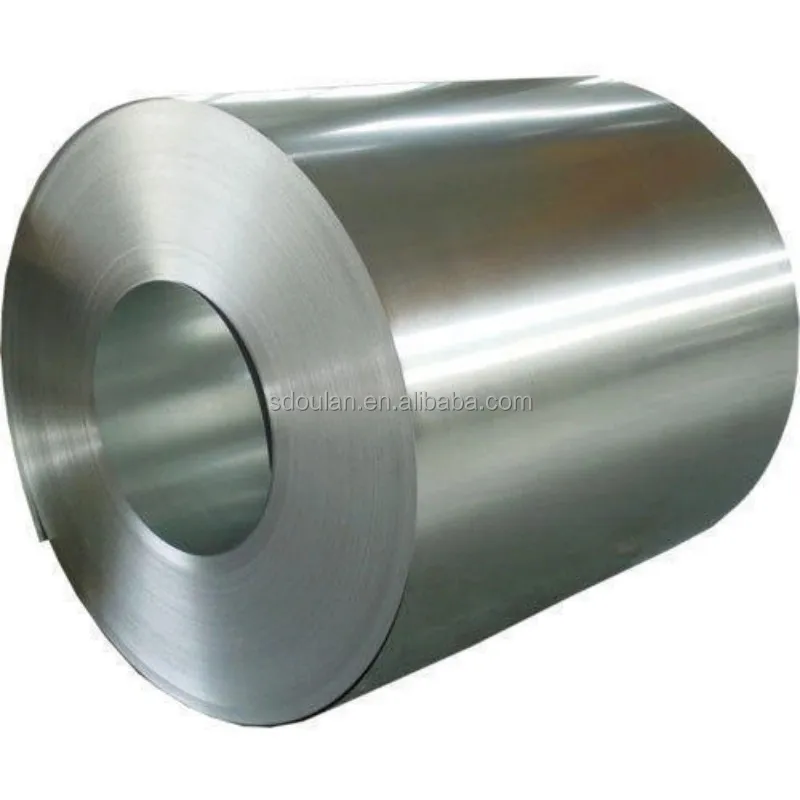
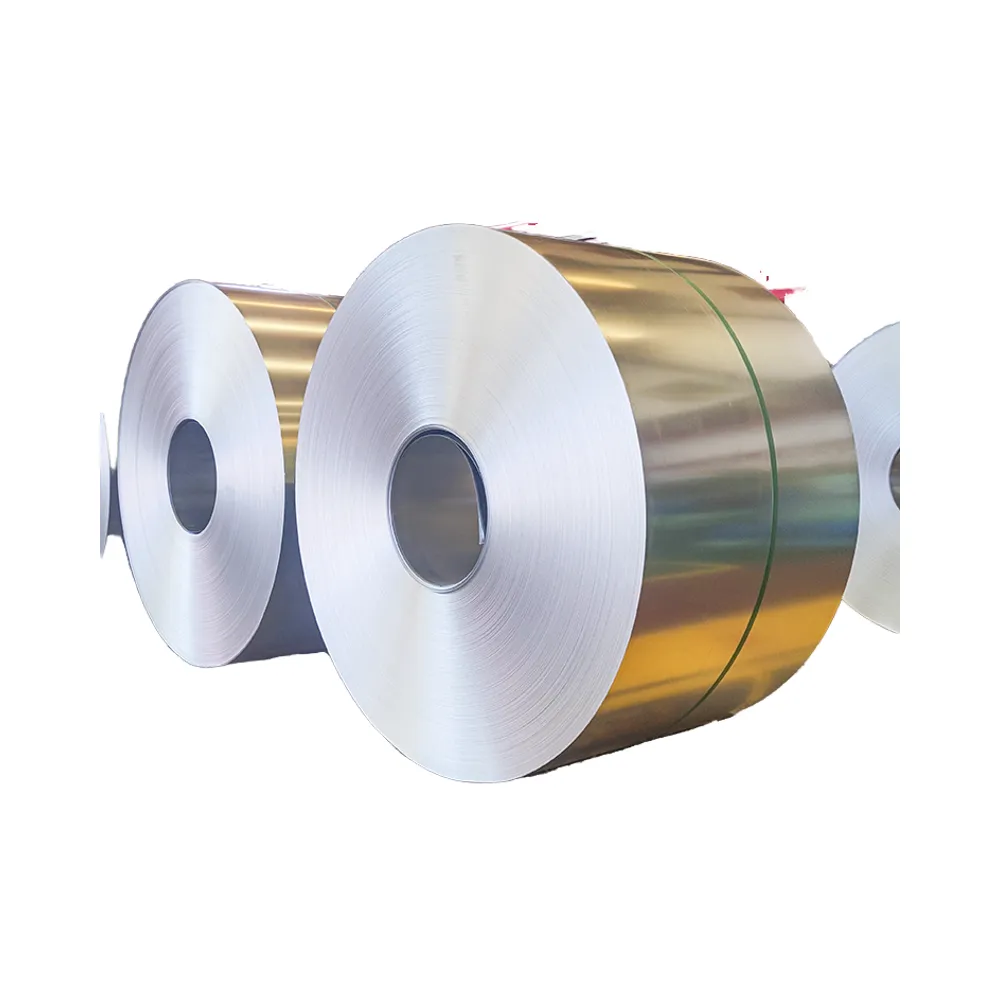
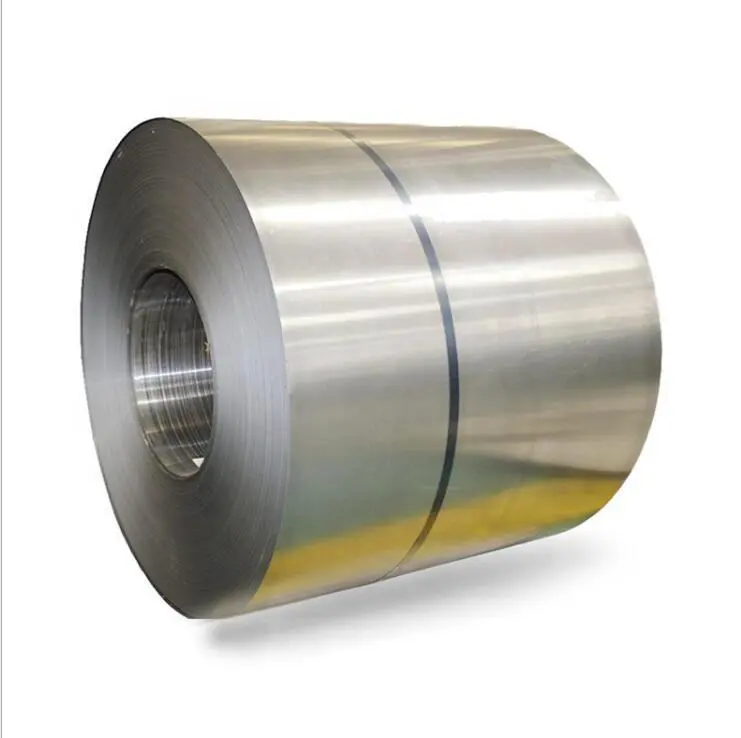
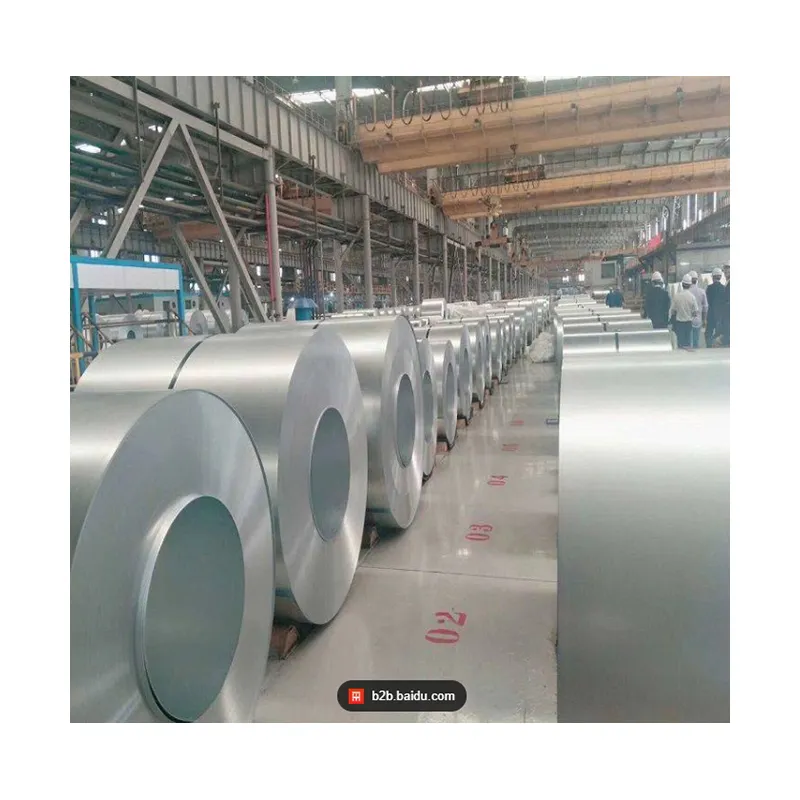
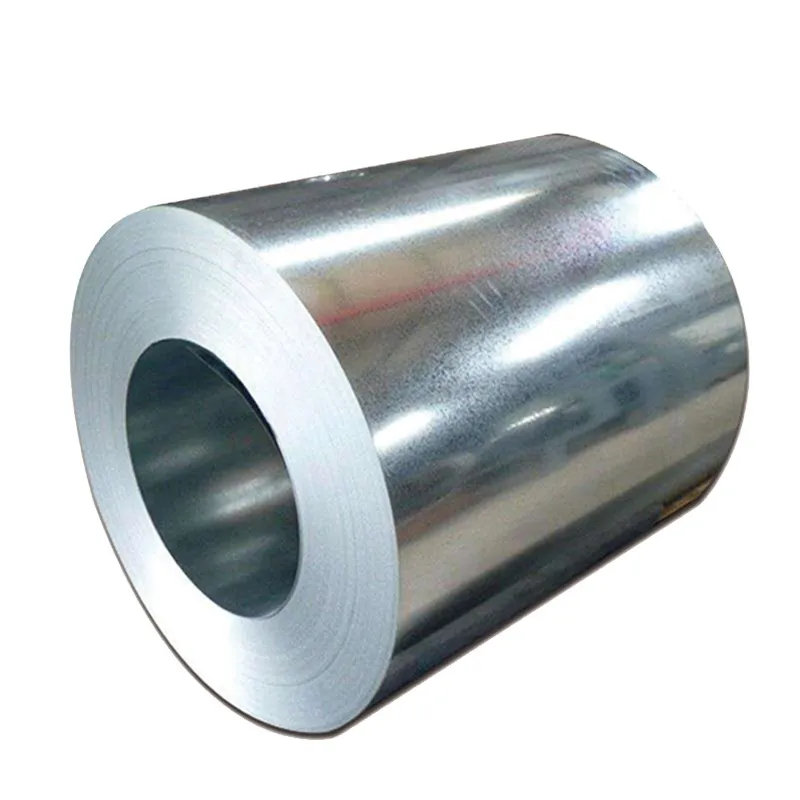
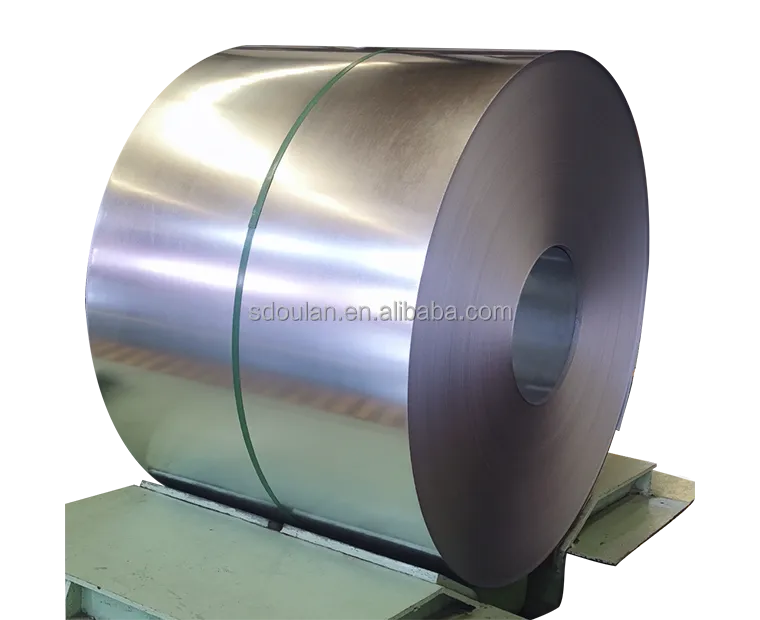
Zinc-Aluminum-Magnesium (ZAM) Coated Steel Sheets & Coils
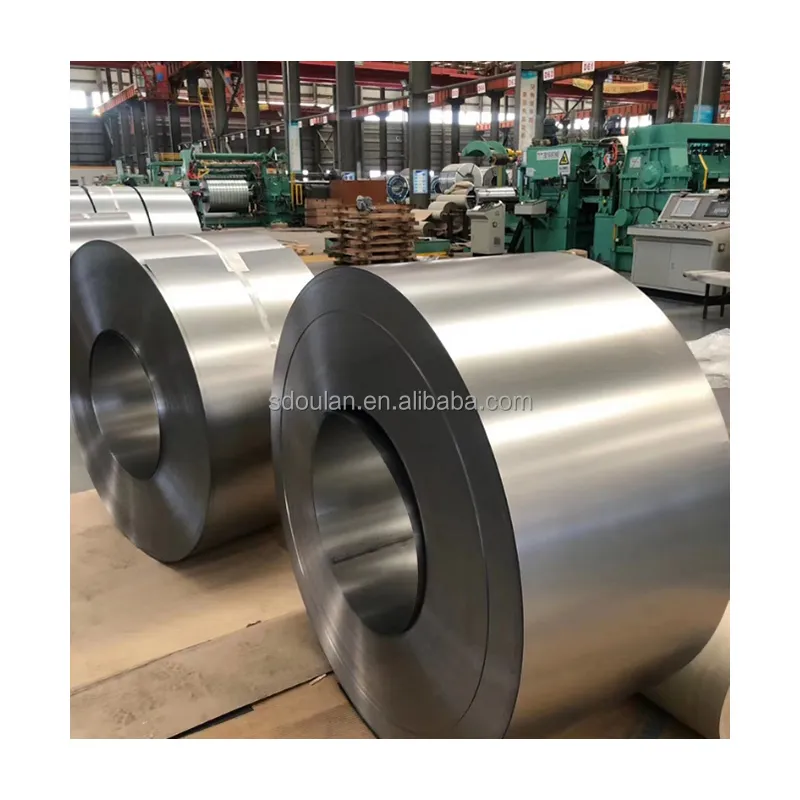
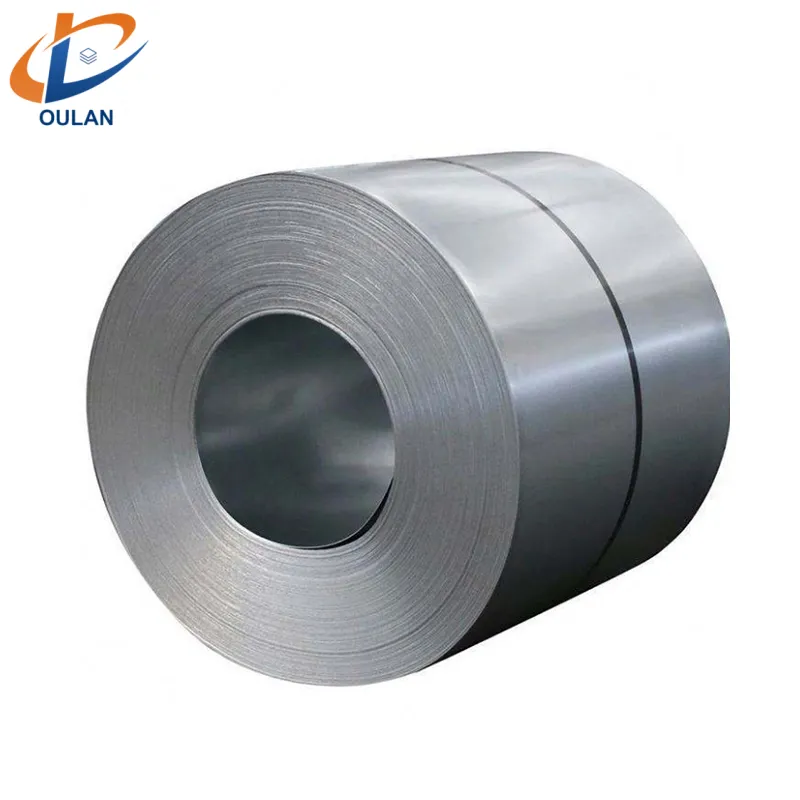
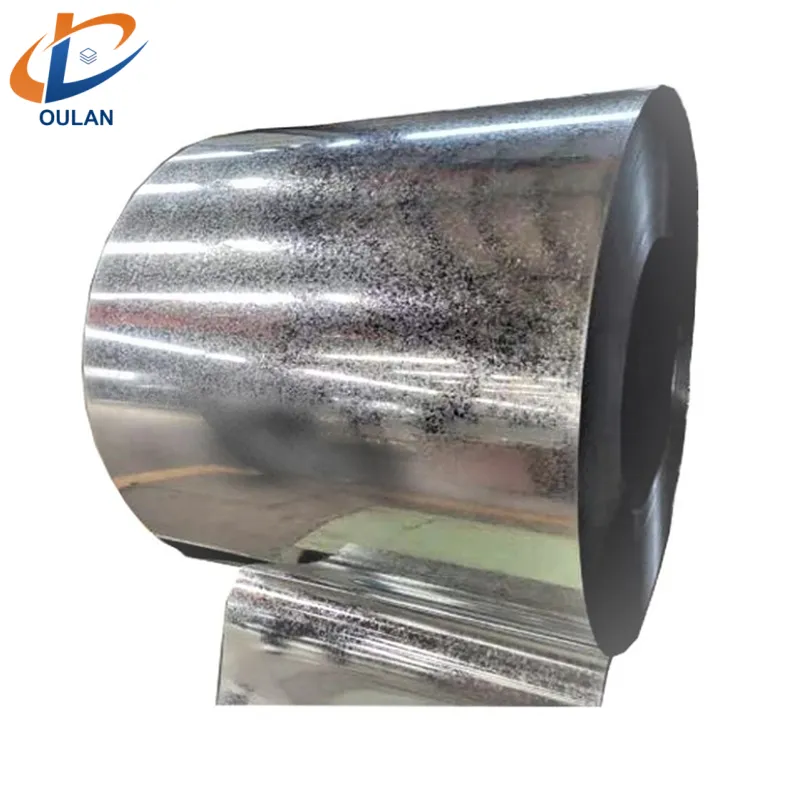
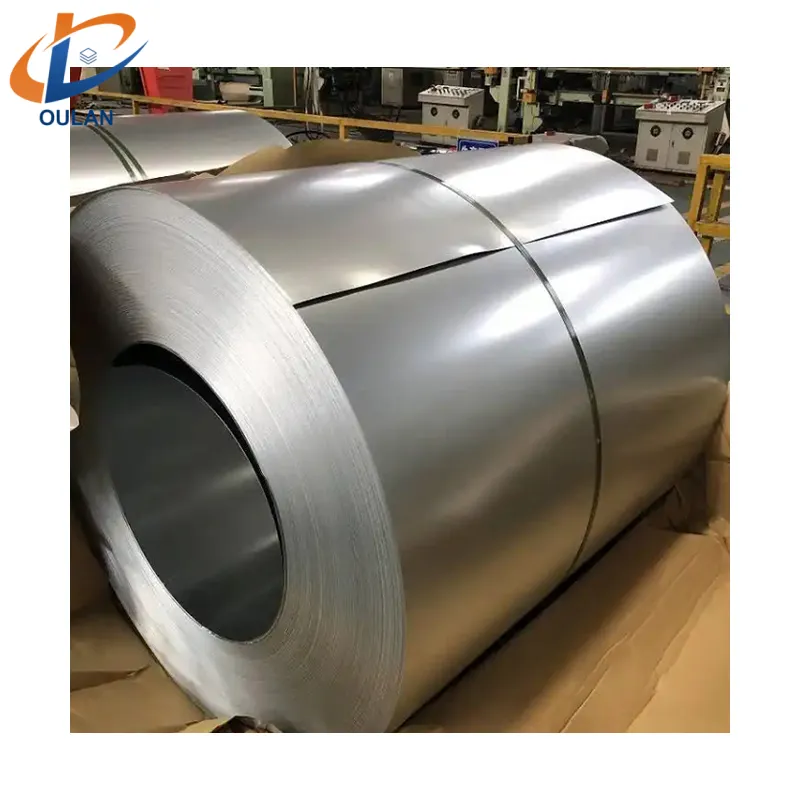
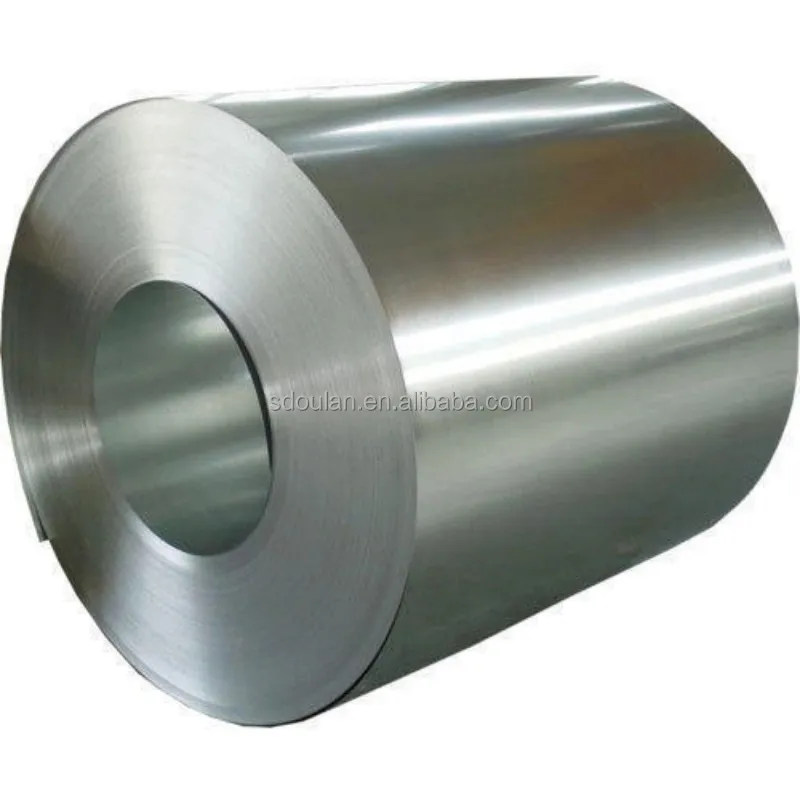
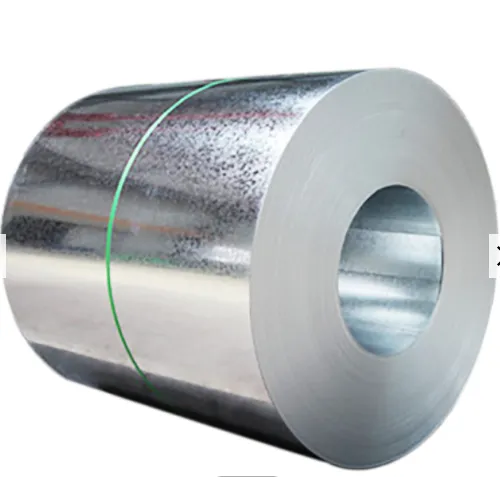
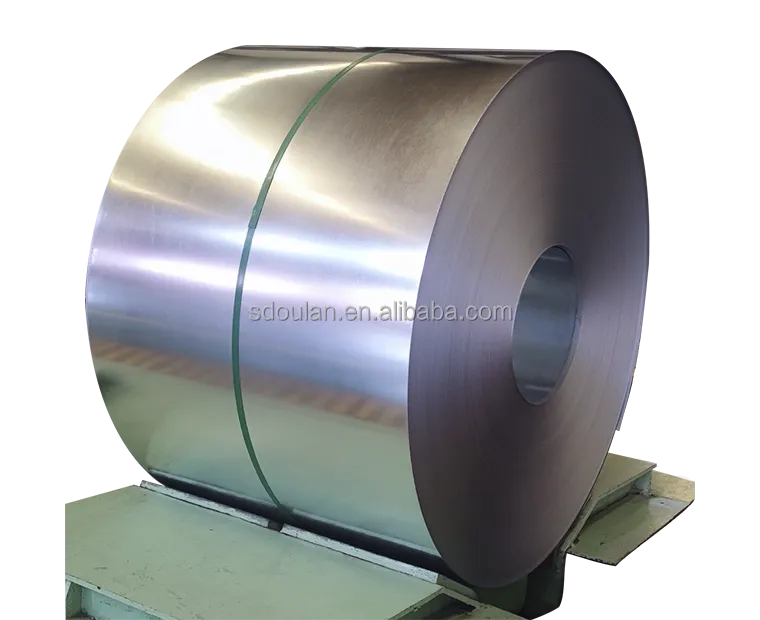
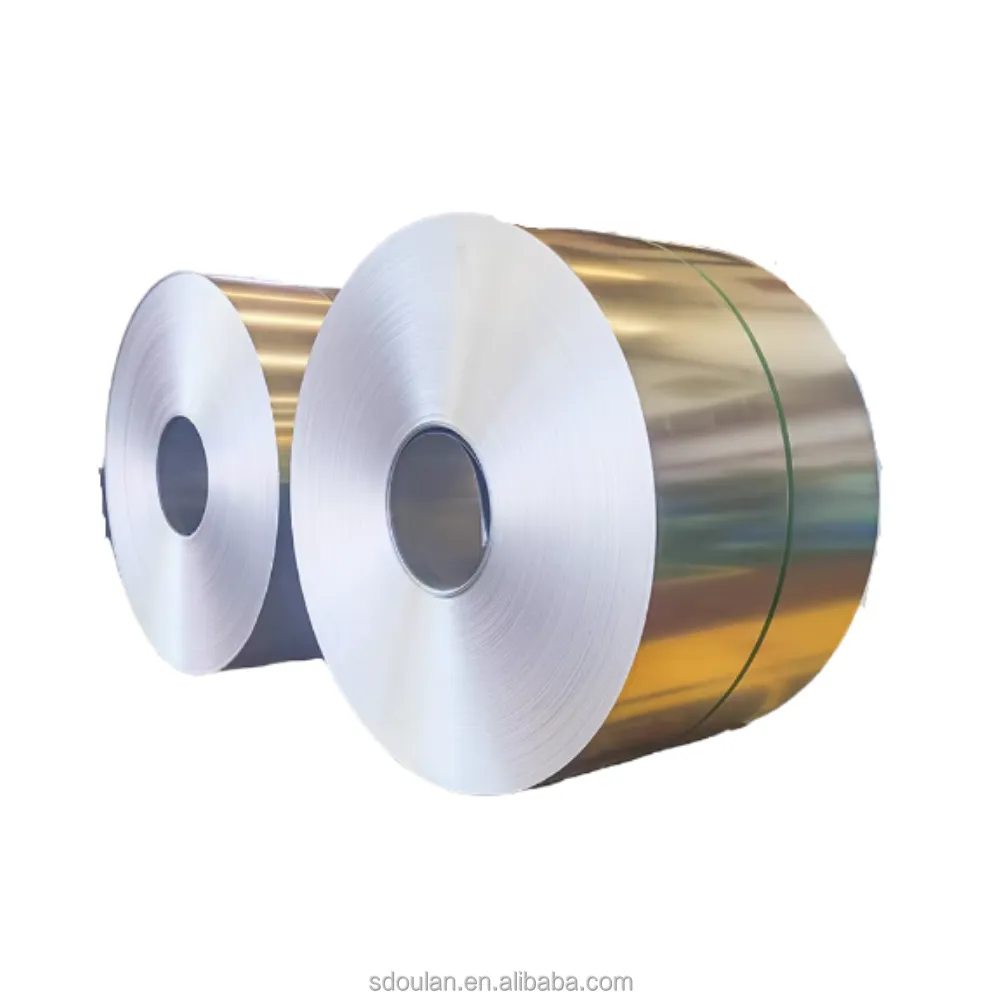
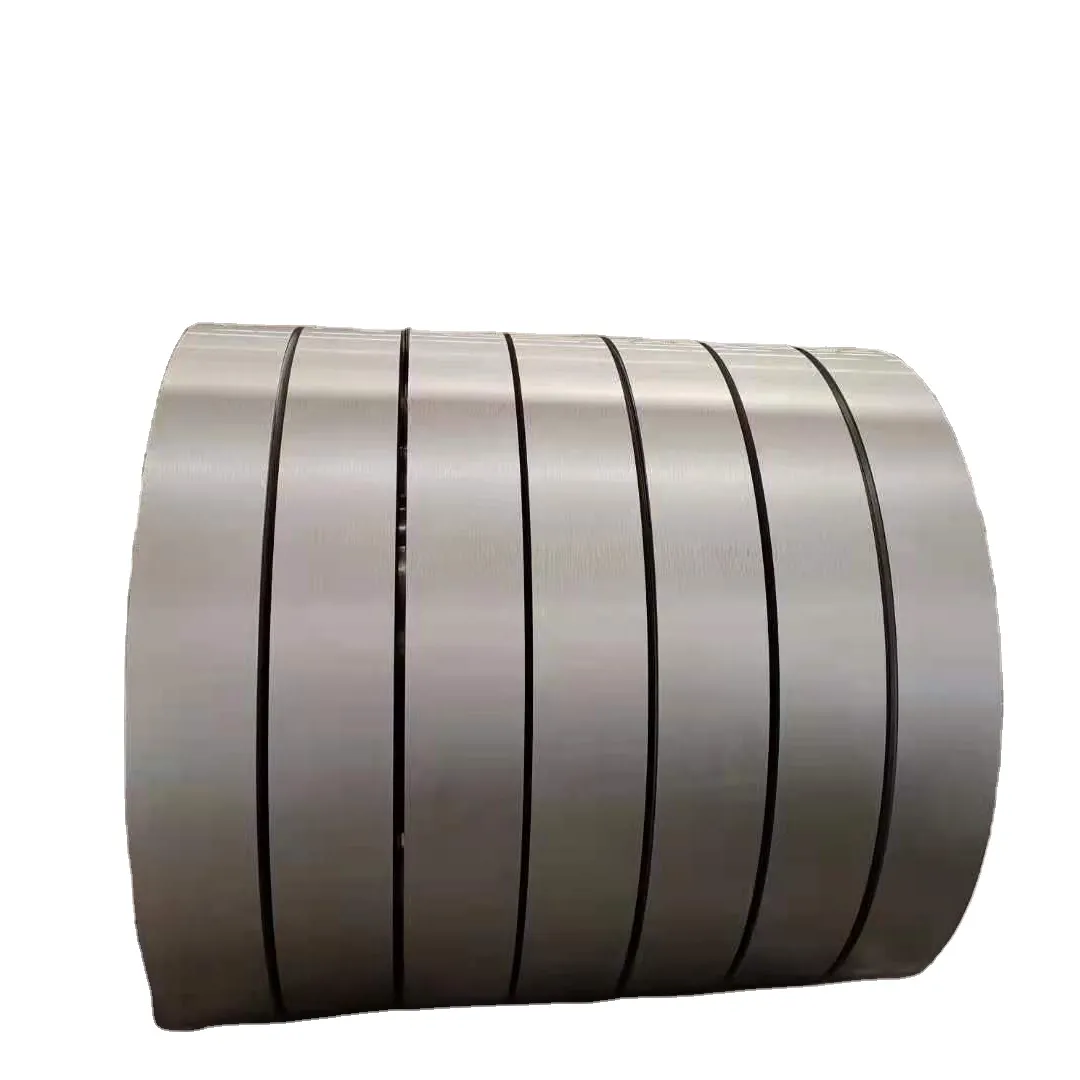
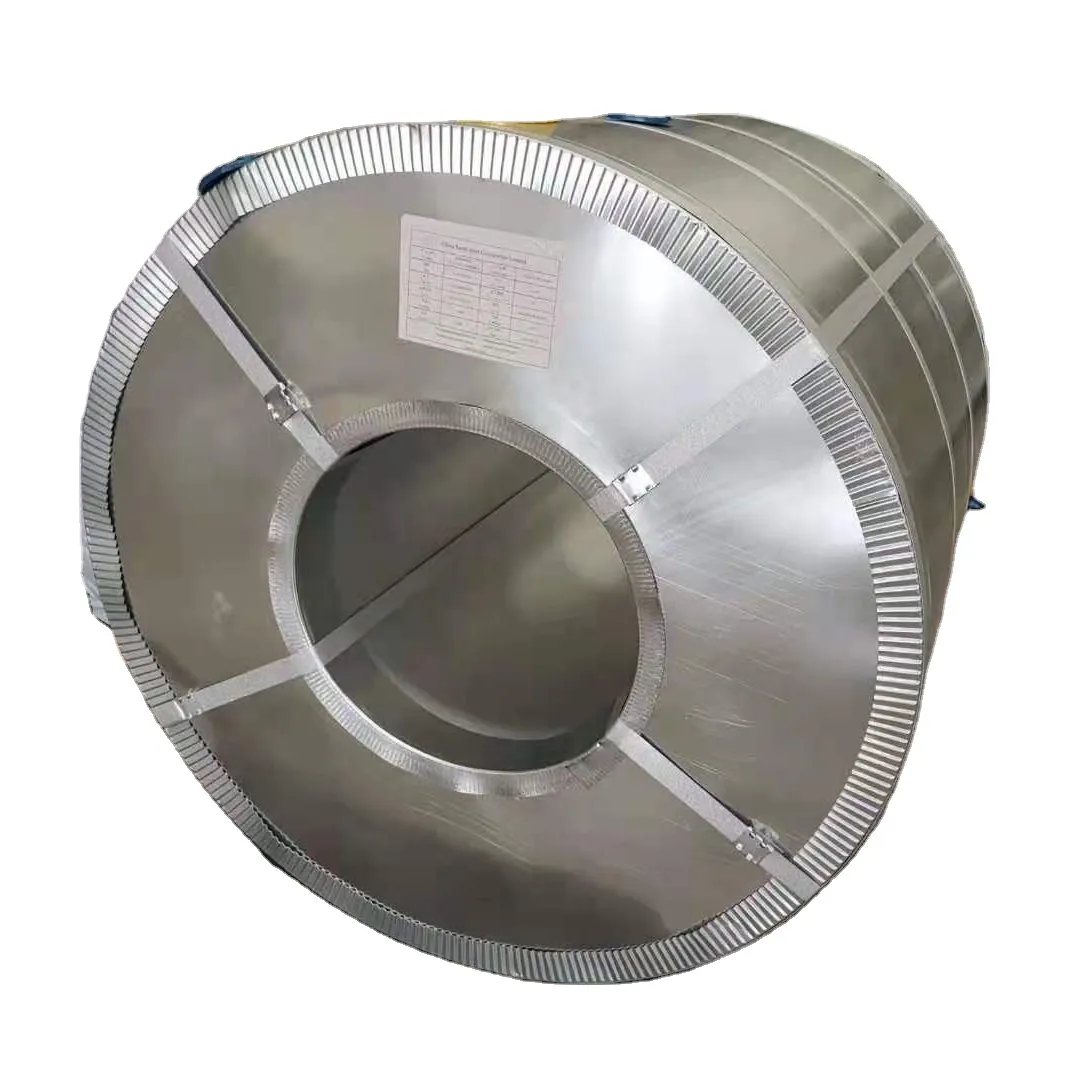
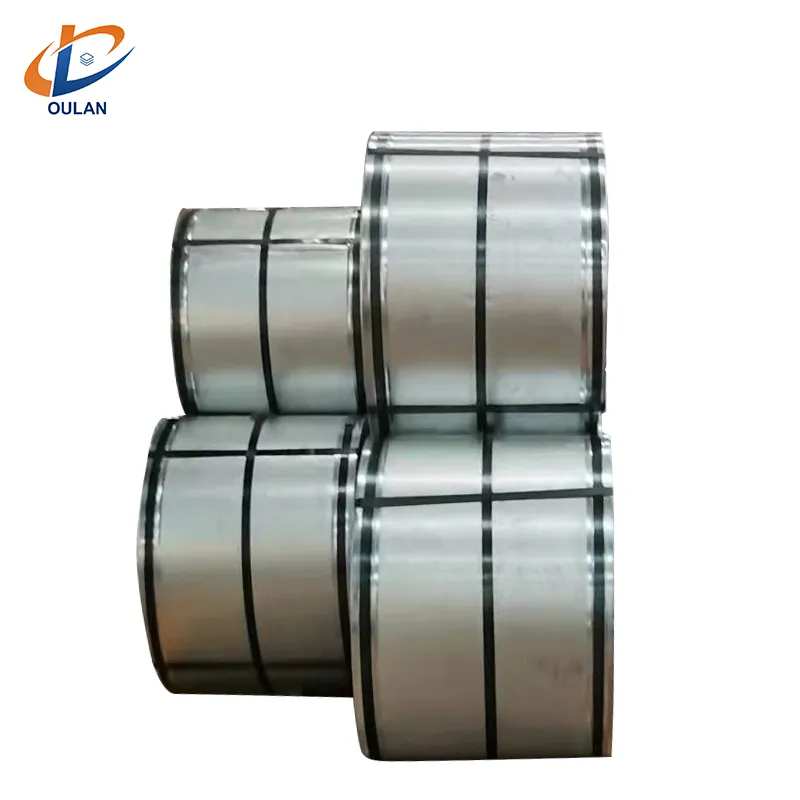
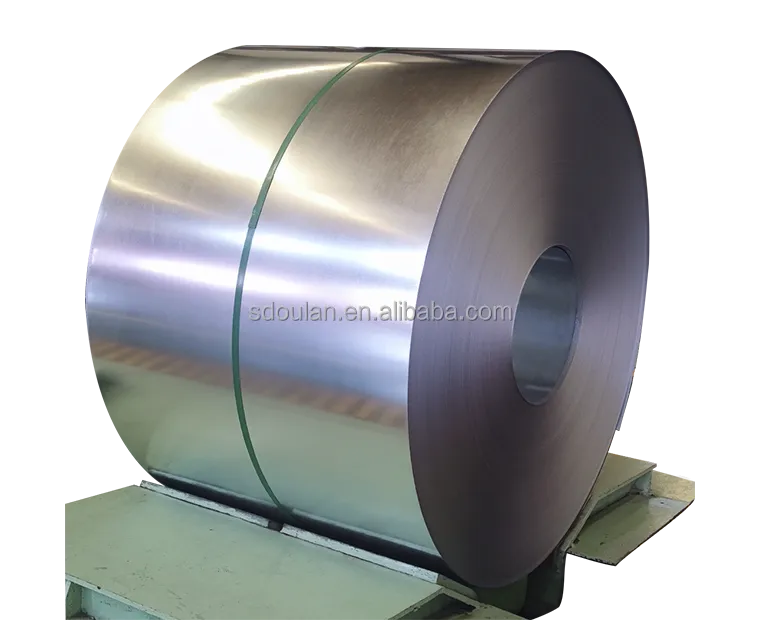
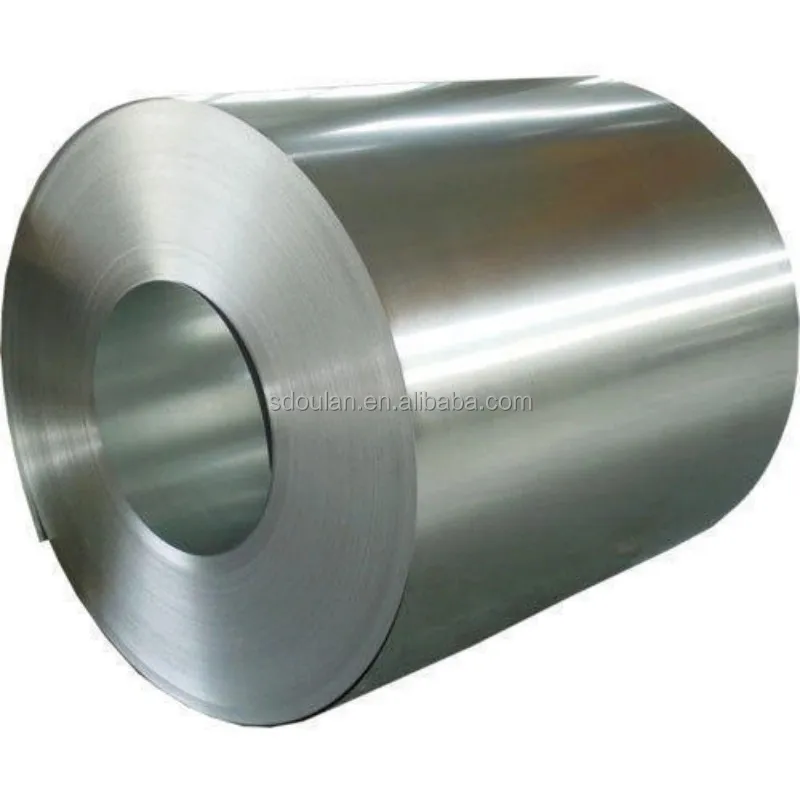
Zinc-Aluminum-Magnesium alloy coated steel sheets and coils (ZAM / ZMM) represent the next-generation revolutionary metallic coated substrate engineered for extreme atmospheric corrosion resistance, self-healing cut-edge protection, and heavy-duty structural forming. Featuring an advanced alloy bath composition (typically 93% Zinc, 3% Aluminum, and 3% Magnesium, or 85% Zn, 11% Al, 3% Mg), our ZAM coils deliver 5 to 10 times the corrosion resistance of standard hot-dip galvanized steel. Ideal for utility-scale solar mounting structures, agricultural livestock housing, and severe marine environments, these sheets guarantee decades of maintenance-free service.
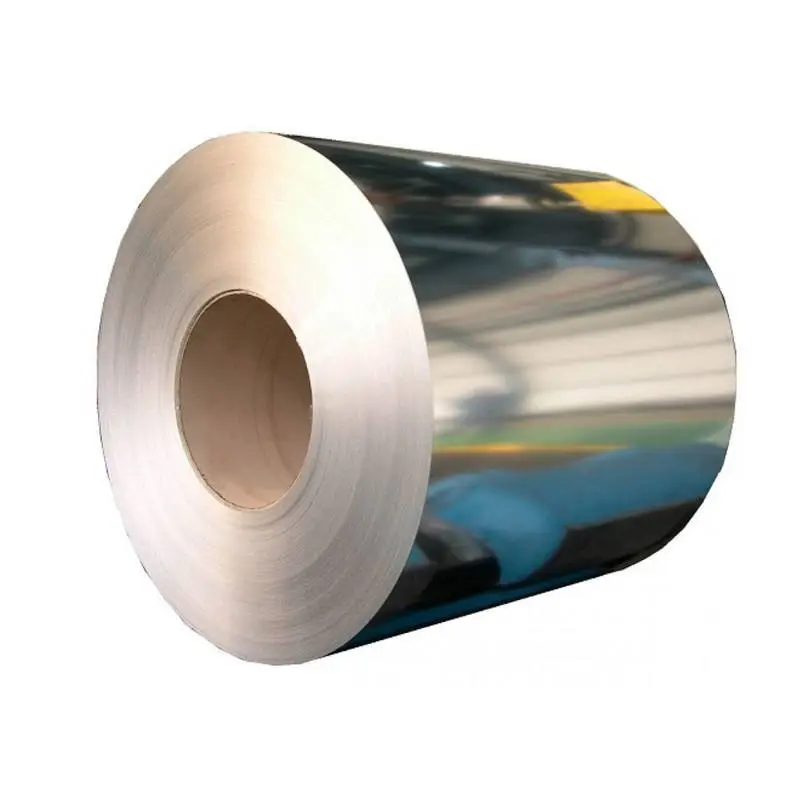
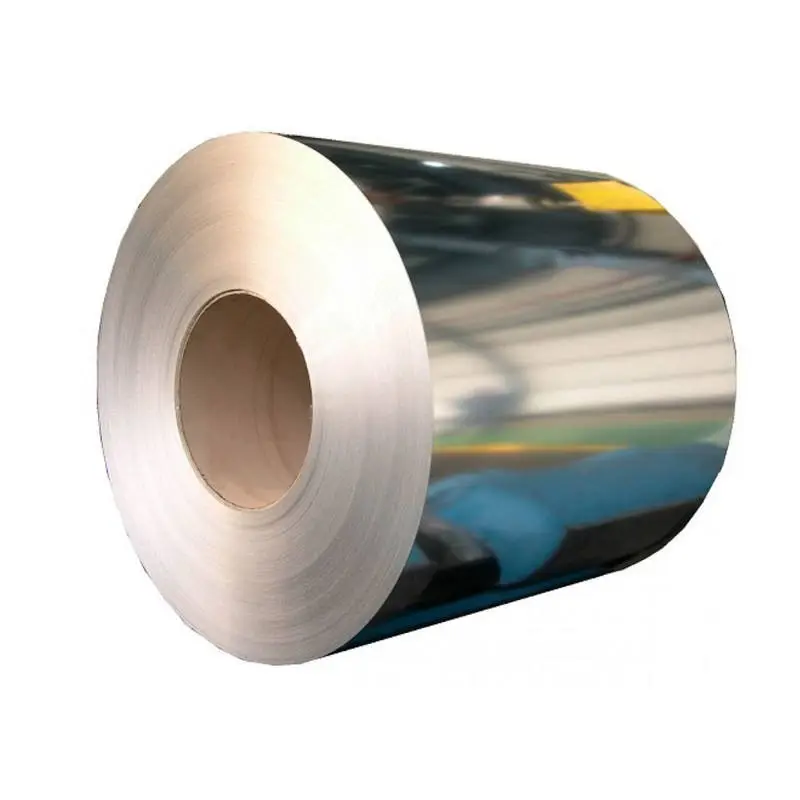
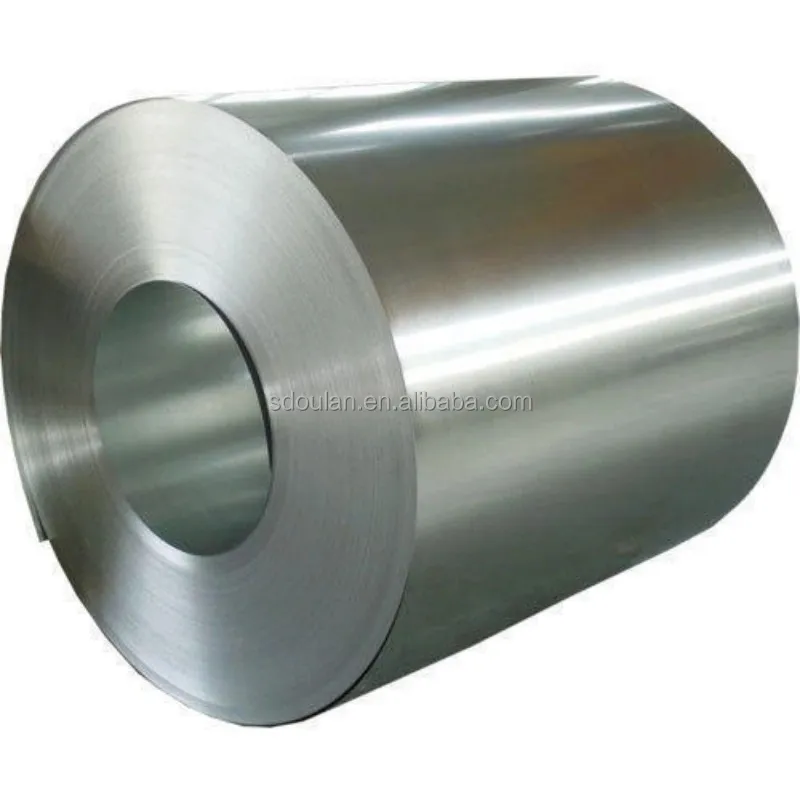 High-Strength 80g-275g Zinc Aluminium Magnesium Steel Coil JIS Hot-Dip Galvanized with Custom Cutting & Bending GS KS Certified
- Shandong, China+15-21 days+magnesium zinc aluminum+Non-oiled+Yes
$5,500.00
MOQ: 10
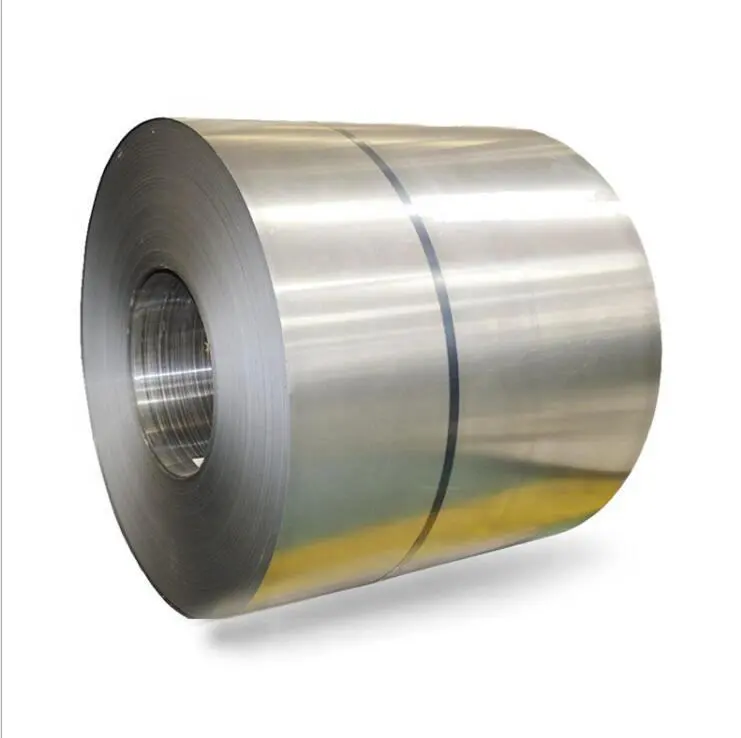 Factory Direct 275g Zinc Aluminum Magnesium Steel Coil 0.12-2.0mm Coating JIS & GS Certified
- Shandong, China+15-21 days+magnesium zinc aluminum+Non-oiled+Yes
$4,990.00
MOQ: 10

About Zinc-Aluminum-Magnesium (ZAM) Super-Alloy Steel
In modern structural engineering, outdoor infrastructure, and harsh industrial environments, traditional galvanized steel coatings suffer rapid degradation from acidic rain, ammonia vapors in animal husbandry, and airborne sea salts. Zinc-Aluminum-Magnesium (ZAM) coated steel provides an unprecedented metallurgical leap forward. During atmospheric exposure, the addition of magnesium reacts with zinc and aluminum to form an ultra-dense, insoluble, alkaline protective film composed of simonkolleite and magnesium hydroxide. This dense passivating barrier is far more chemically stable than standard porous zinc rust, drastically slowing the overall corrosion rate.
The most extraordinary capability of ZAM coated steel is its autonomous self-healing mechanism along cut edges, sheared ends, and drilled bolt holes. When the bare steel edge is exposed to moisture, magnesium ions dissolve from the surrounding alloy coating and migrate across the exposed steel surface, forming a tightly knit protective galvanic barrier that halts red rust before it can initiate. This self-healing phenomenon completely eliminates the need for post-fabrication galvanizing or touch-up paint along sheared purlin and bracket edges.
Roll formed from structural steel grades ranging from S350GD to ultra-high-strength S550GD with coating weights from ZM120 to ZM430 g/m², our ZAM coils exhibit superior hard-phase surface friction characteristics that withstand heavy roll forming passes without tool galling. Conforming to EN 10346, ASTM A1046, and JIS G3323 standards, our ZAM products provide certified 30- to 50-year structural longevity.
Applications
Utility-Scale Ground Mount Solar Photovoltaic Racking
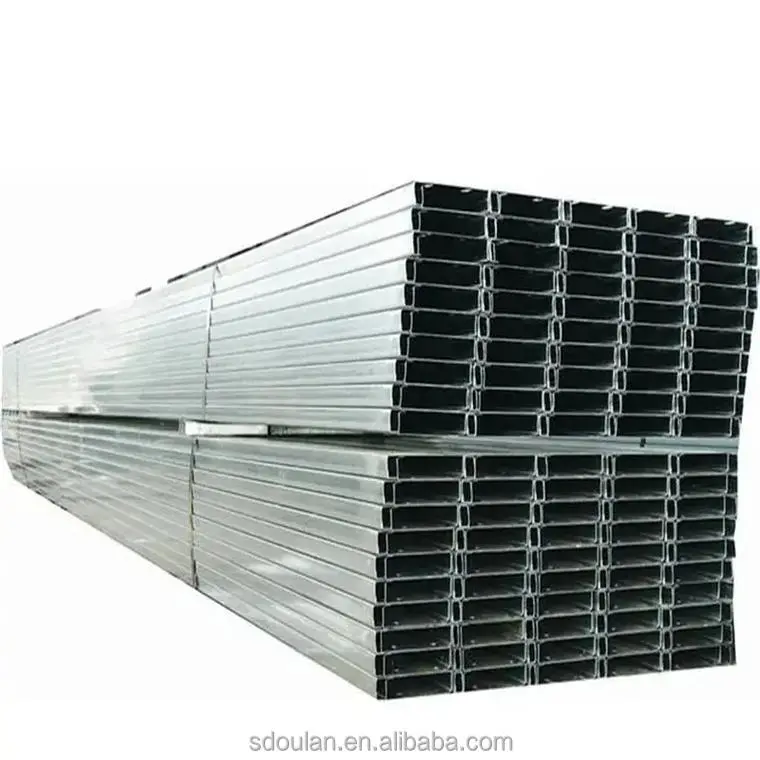
In utility-scale ground mount solar photovoltaic racking, heavy 2.5mm ZAM S350GD structural steel roll formed into continuous C and U channels for a 500MW desert solar power plant. These corrosion-resistant structural components withstand extreme wind uplift forces and harsh atmospheric weathering, ensuring 25-plus year operational longevity.
Agricultural Livestock Barn Ammonia-Resistant Purlins
In agricultural livestock barn ammonia-resistant purlins, zAM coated steel Z-purlins installed on an enclosed commercial poultry and swine breeding facility resisting animal ammonia vapors. These high-tensile C and Z purlins provide lightweight secondary structural framing across wide bays, supporting heavy corrugated metal roof and wall cladding.
Coastal Highway Guardrail Crash Barrier Posts
In coastal highway guardrail crash barrier posts, heavy-gauge ZM310 zinc-aluminum-magnesium C-posts anchored along a coastal highway barrier resisting continuous ocean saltwater spray. Engineered with deep corrugations and heavy steel posts, these certified highway safety assemblies deliver superior impact dissipation and prevent median crossovers.
Greenhouse Structural Framework Roll Formed Tubes
In greenhouse structural framework roll formed tubes, high-strength ZAM steel roll formed into rectangular greenhouse structural columns resisting high humidity and fertilizer sprays. Manufactured to rigorous industrial tolerances from high-grade structural alloys, these dependable components withstand demanding environmental stresses and deliver certified reliability.
Heavy Electrical Cable Tray & Busway Enclosures
In heavy electrical cable tray & busway enclosures, perforated ZAM alloy sheet roll formed into heavy industrial cable ladder trays installed across an offshore petrochemical facility. These rigid galvanized and stainless steel cable pathways provide superior structural span capacity, facilitate heat dissipation, and support high-voltage power networks.
Technical Overview
| Parameter | Information |
|---|---|
| Alloy Coating Composition | Standard ZAM (Zn-93%, Al-3.5%, Mg-3.0%), High-Al ZAM (Zn-85%, Al-11%, Mg-3.0%) |
| Coating Mass Weights Available | ZM120, ZM180, ZM275 (275 g/m² standard), ZM310, ZM430 (extreme corrosion grade) |
| Steel Substrate Grades | S350GD+ZM, S450GD+ZM, S550GD+ZM (High-Yield Structural), DX51D+ZM (Forming Quality) |
| Thickness Gauge Range | 0.60 mm to 4.00 mm (heavy-duty structural solar racking and purlin specifications) |
| Slit Width Capabilities | 100 mm to 1500 mm (custom slit coils with tightly controlled slit edge tolerances) |
| Salt Spray Test Resistance | Exceeds 4,000 to 6,000 hours Neutral Salt Spray (NSS per ASTM B117) with zero red rust |
| Self-Healing Cut-Edge Performance | Full galvanic cut-edge passivation up to 4.0 mm sheet thickness without edge paint |
| Surface Hardness of Coating | HV 130–150 (approx. twice as hard as conventional hot-dip zinc coatings) |
| Chemical Resistance Range | Stable in wide pH range from pH 4 to pH 12 (ammonia and coastal chloride resistant) |
| Applicable Standards | EN 10346, ASTM A1046, JIS G3323, ISO 9001, Certified Mill Test Reports EN 10204 3.1 |
FAQ
How does Zinc-Aluminum-Magnesium (ZAM) coating provide self-healing protection on sheared edges?
Magnesium in the coating dissolves and migrates into the exposed bare steel cut edge when exposed to moisture, forming a dense alkaline zinc-magnesium carbonate barrier (simonkolleite) that permanently seals the cut edge against red rust.
Why is ZAM coated steel replacing post-hot-dip galvanizing in utility-scale solar farms?
ZAM steel allows continuous roll forming of pre-punched C and U mounting channels that self-heal along hole rims, eliminating the high cost, logistics delays, and thermal warping associated with batch post-hot-dip galvanizing.
How does ZAM corrosion resistance compare to standard hot-dip galvanized (HDG) steel?
In standardized salt spray tests and outdoor exposure trials, ZAM coatings provide 5 to 10 times greater corrosion resistance than standard HDG steel with equivalent coating thickness, and over 3 times the lifespan of Galvalume in alkaline environments.
Can ZAM coated steel withstand aggressive ammonia atmospheres in livestock farming?
Yes, while standard galvanized and Galvalume steels corrode rapidly from animal urine and ammonia vapors, ZAM's magnesium-rich passive film remains chemically stable in pH 4 to pH 12 environments, making it ideal for poultry and swine housing.
What coating weight classes are standard for outdoor solar and structural purlins?
ZM275 (275 g/m²) is standard for commercial solar racking and agricultural purlins, while ZM310 and ZM430 are specified for high-salinity coastal zones and heavy industrial chemical environments.
How does ZAM coating hardness affect wear on roll forming machine rollers?
ZAM coatings are harder than pure zinc (approx. 130–150 HV vs 60–80 HV for zinc), resulting in superior scratch resistance and significantly less zinc flaking or pick-up on roll forming tooling during high-speed production.
Is ZAM steel compatible with standard resistance spot welding and roll forming?
Yes, ZAM steel forms smoothly with minimal springback, while its stable electrical resistance permits efficient resistance spot welding and laser welding with optimized welding parameters.