Global B2B Roll Forming Sourcing Platform | Free RFQ Response within 24h

- Tuo AI

- Live

- My Account
- Shopping Cart
- Inquiry Basket
- Contact Us
- Back to Top




Roof Sheet Making Machines
Roof sheet making machines continuously form prepainted galvanized steel (PPGI), galvalume (GL), and aluminum coils into structural trapezoidal, sinusoidal corrugated, and IBR building envelope panels. Engineered to handle coil gauges from 0.2 mm to 0.8 mm at speeds of 15 to 40 m/min, standard production systems integrate heavy uncoilers, 16 to 24 precision roll forming stands with hard chrome plated rollers, auxiliary anti-capillary side-lap forming wheels, and automated hydraulic cut-off shears. Available in single-profile, dual-layer (producing two profiles on one frame), or cassette-type configurations, these roll formers ensure high output and tight dimensional tolerances. Explore technical specifications, profile drawings, and factory direct quotations below.
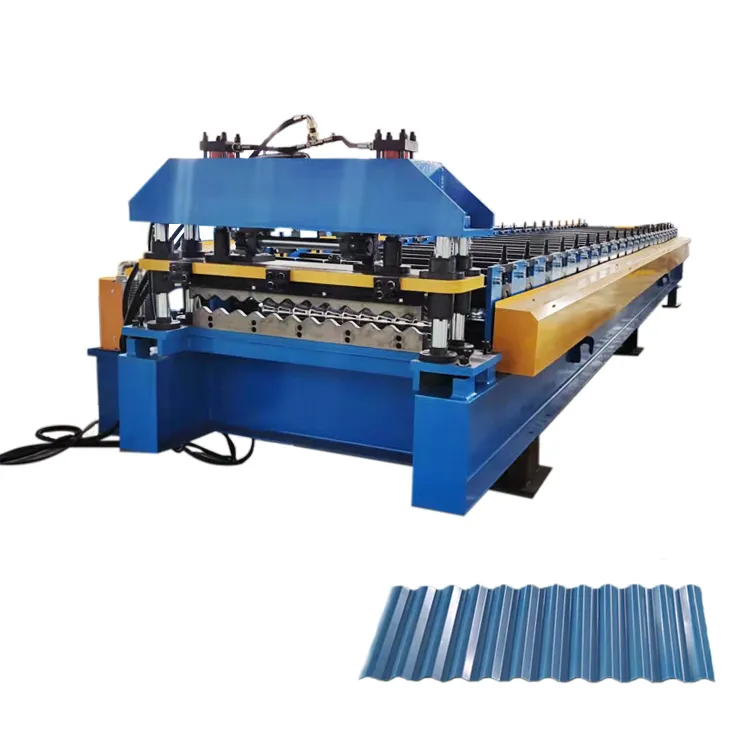 Corrugated Roof Sheet Roll Forming Machine Corrugated Tile
- 30 m/min+5.5 KW
$15,000.00
MOQ: 1
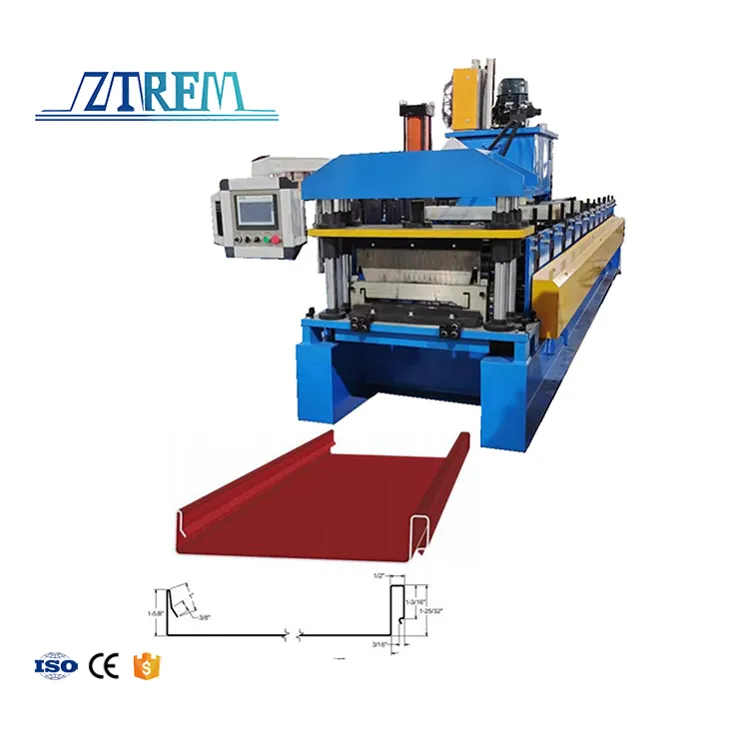
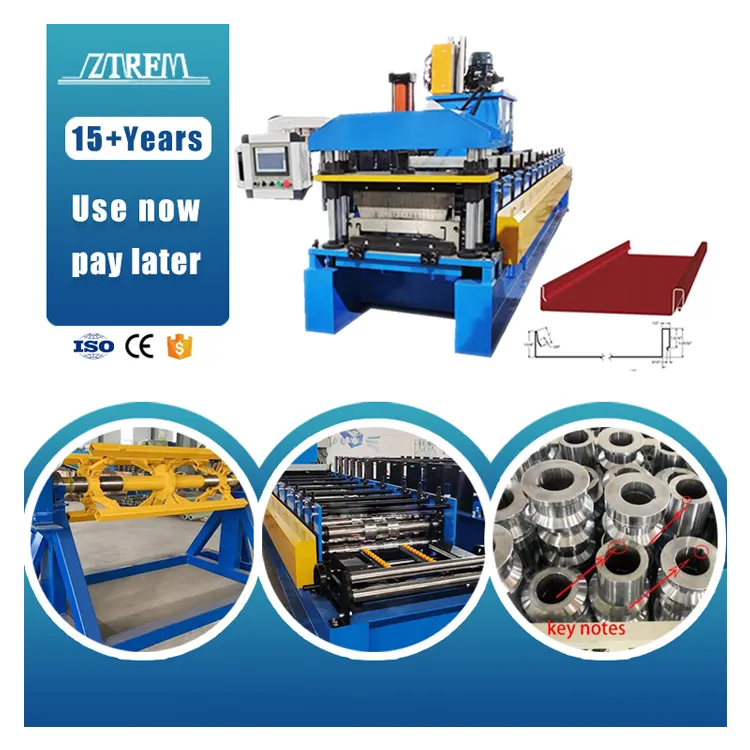 Color Steel Standing Seam Roll Forming Machine Custom Standing
- 20 m/min+High Quality Custom Standing Seam Forming Machine Color Steel+5.5 kw
$14,000.00
MOQ: 1
 Portable Standing Seam Metal Roofing Machine Portable Standing
- 7 meter per minute+0.55kw
$12,000.00
MOQ: 1
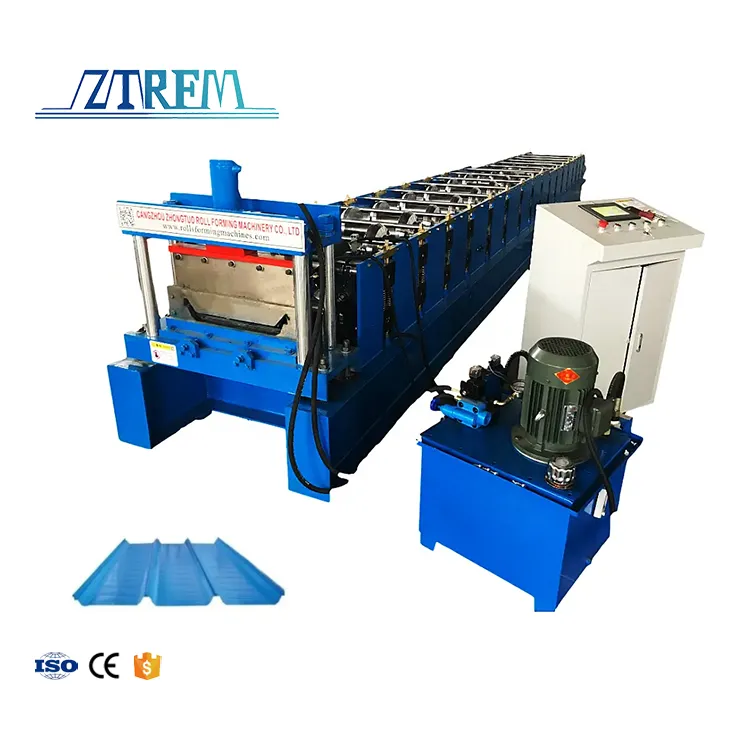 Standing Seam Roof Roll Forming Machine Standing Seam Metal
- 0-20m/min+15kw
$13,500.00
MOQ: 1
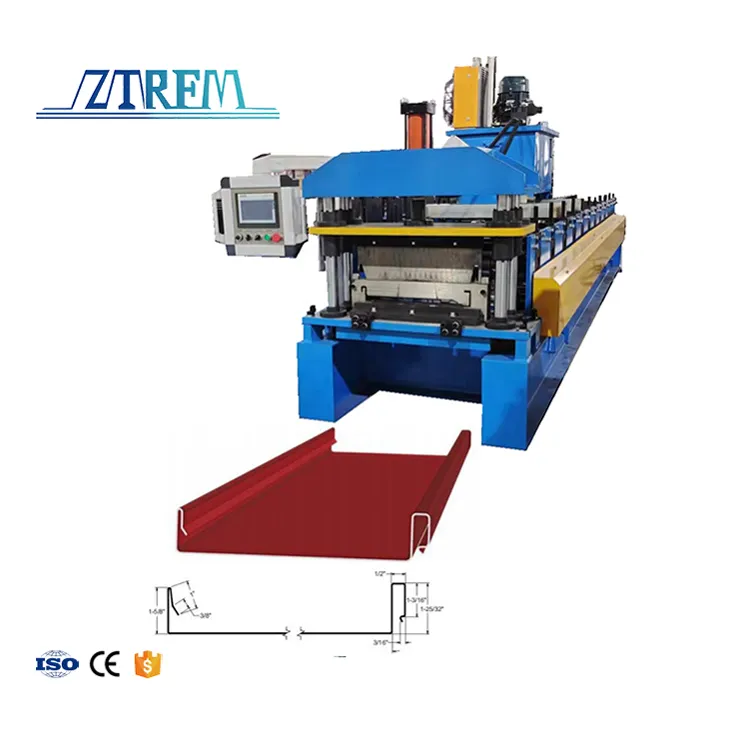 Standing Seam Metal Roof Welding Machine Standing Seam Metal Roof
- 5.5 kw+25 M/min
$14,000.00
MOQ: 1
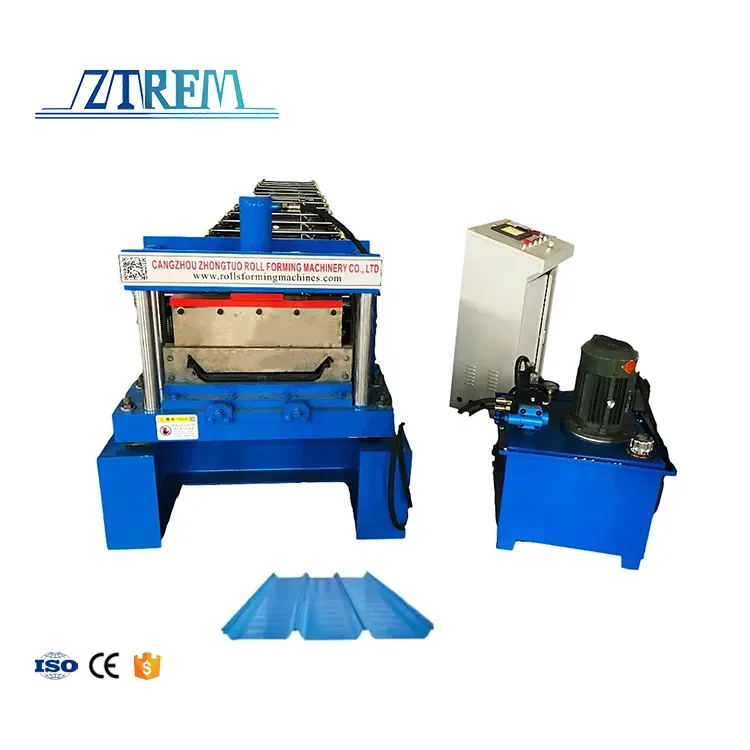 Standing Seam Roof Panel Roll Forming Machine Standing Seam Roof
- 0-20m/min+15kw
$13,500.00
MOQ: 1
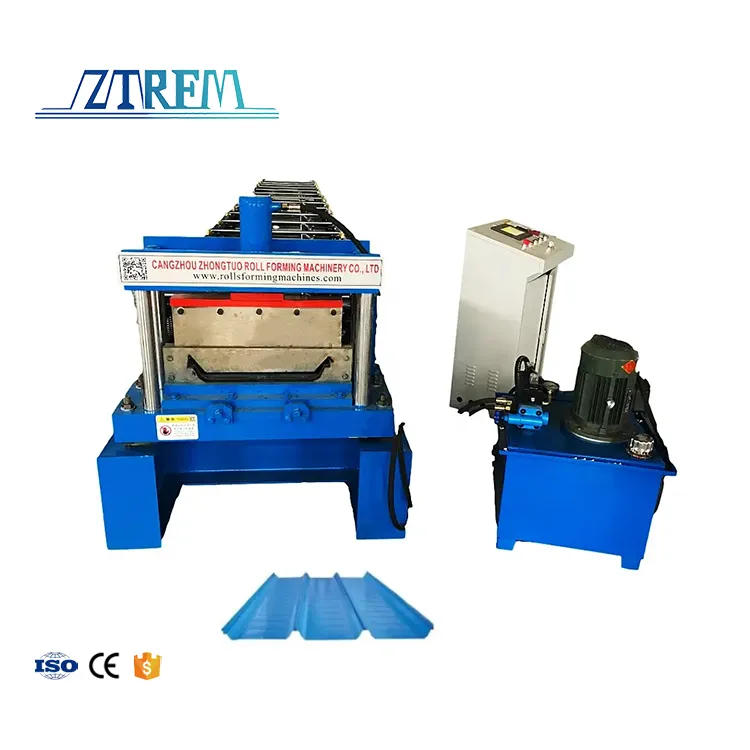 Standing Seam Roof Sheet Roll Forming Machine Standing Seam Roof
- 0-20m/min+15kw
$13,500.00
MOQ: 1
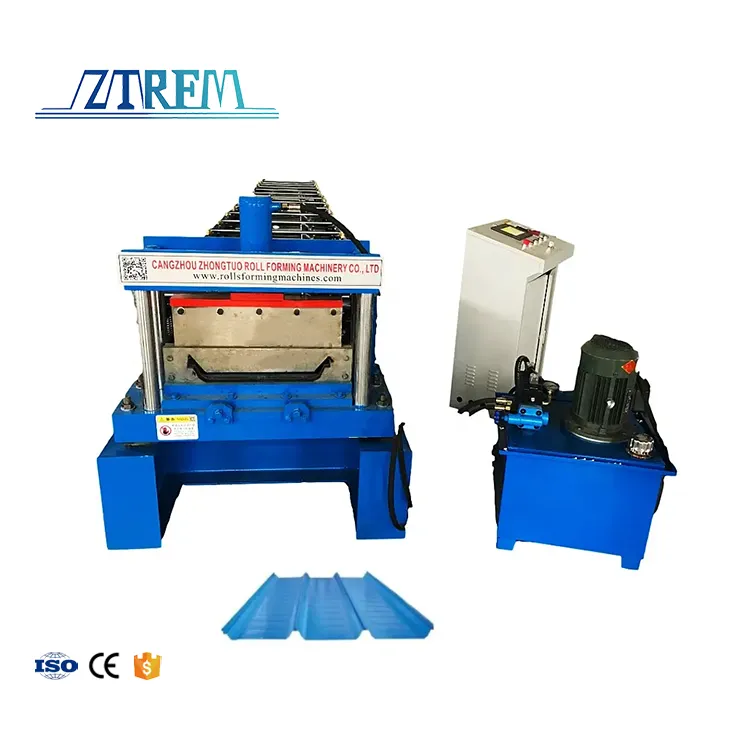 Standing Seam Metal Roof Seam Machine Stand Seam Forming Machine
- 0-20m/min+15kw
$13,500.00
MOQ: 1
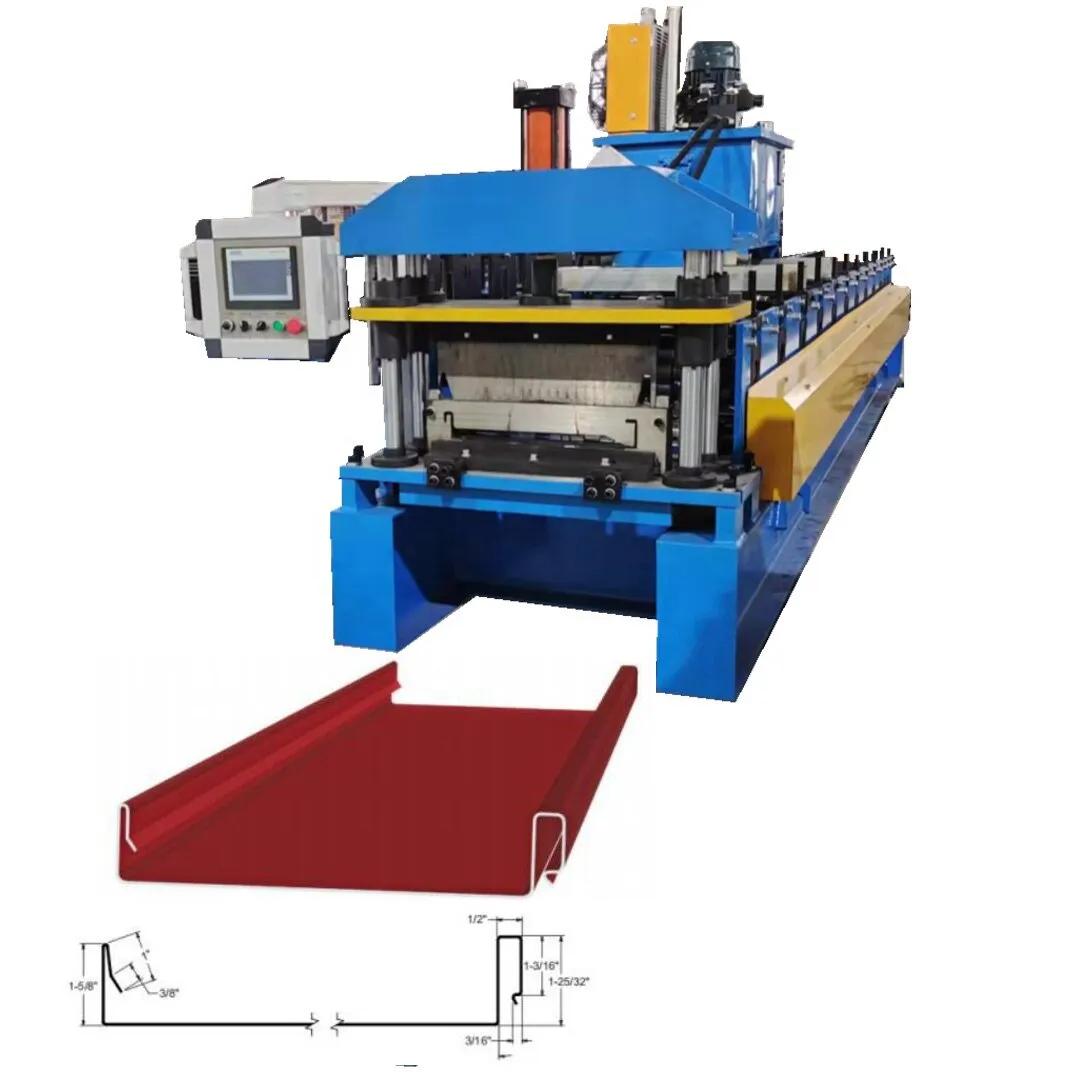 SMI Standing Seam Roof Machine US Market
- CNZT20247012203+9kw+15 m/min
$18,000.00
MOQ: 1
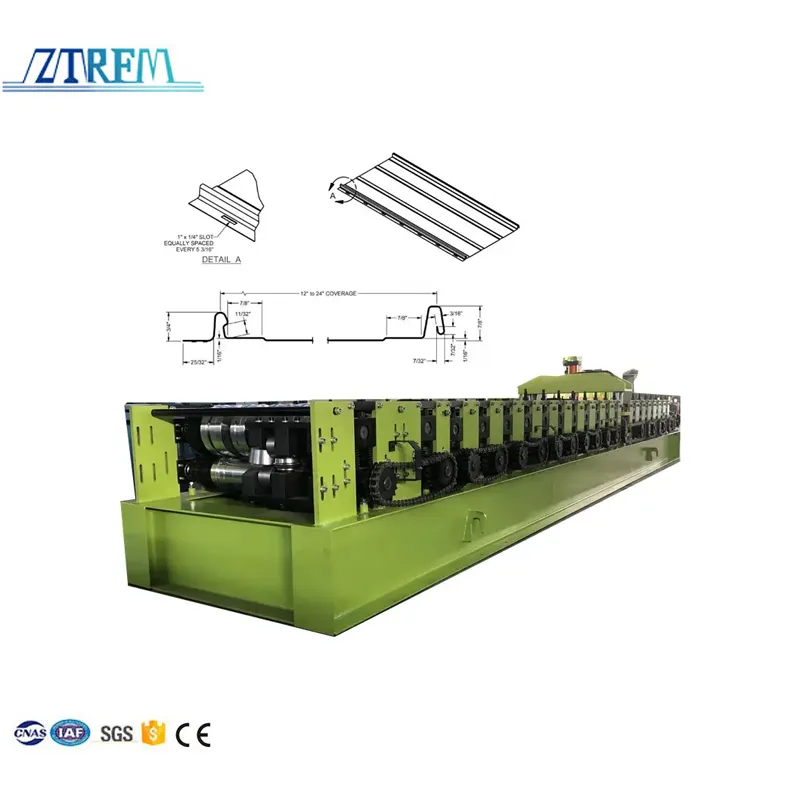 Standing Seam Roof Panel Roll Forming Machine Colored Steel
- 15m/min+15kw
$19,500.00
MOQ: 1
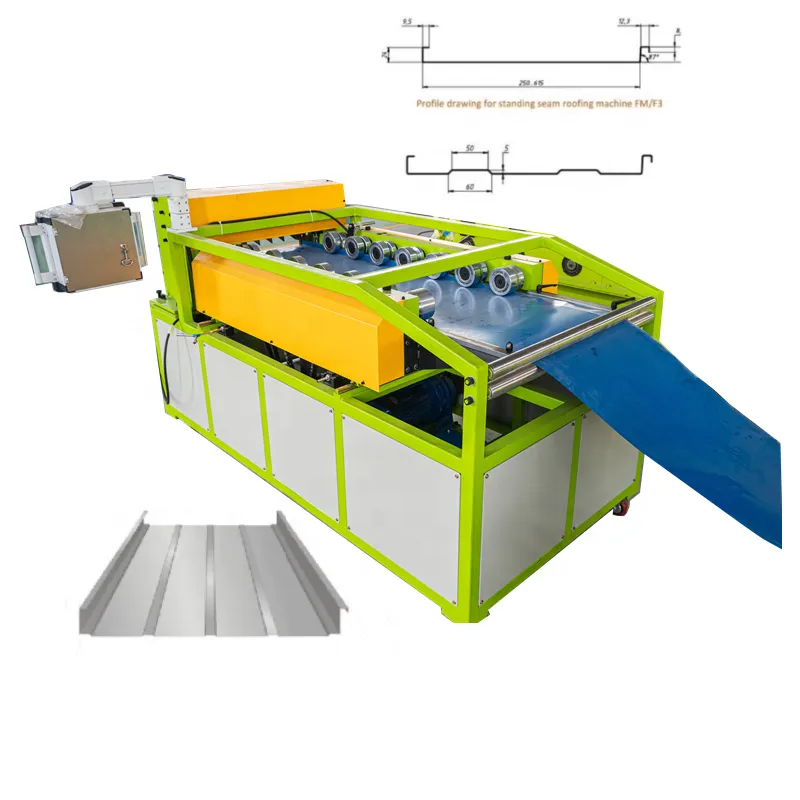 Portable Standing Seam Roll Forming Machine USA Standing Seam
- Automatic Standing Seam Making Machine+5.5kw+30 m/min
$8,000.00
MOQ: 1
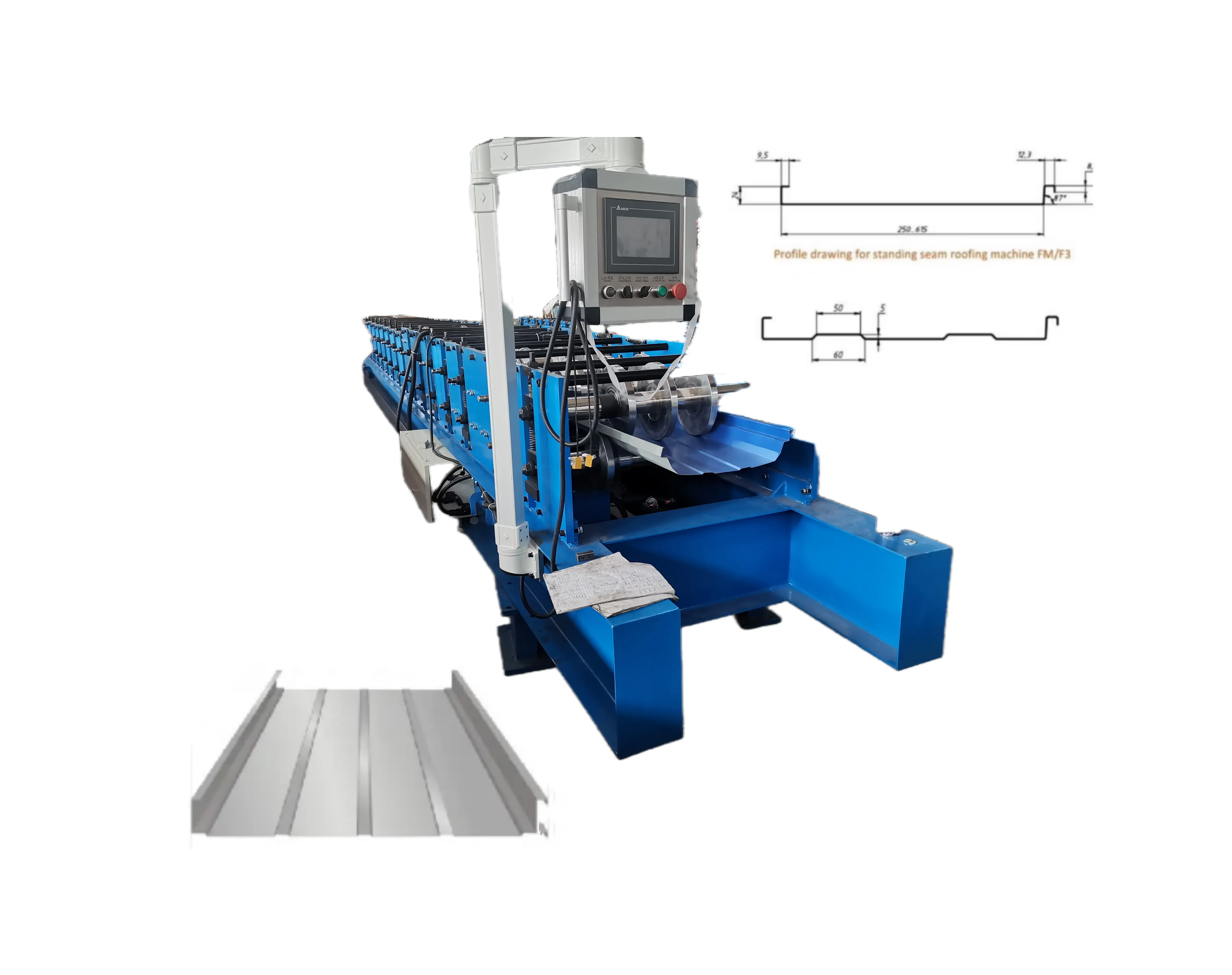 Portable Standing Seam Roll Forming Machine Steel 0.3-0.8mm
- Automatic Standing Seam Making Machine+5.5kw+50 m/min
$8,000.00
MOQ: 1
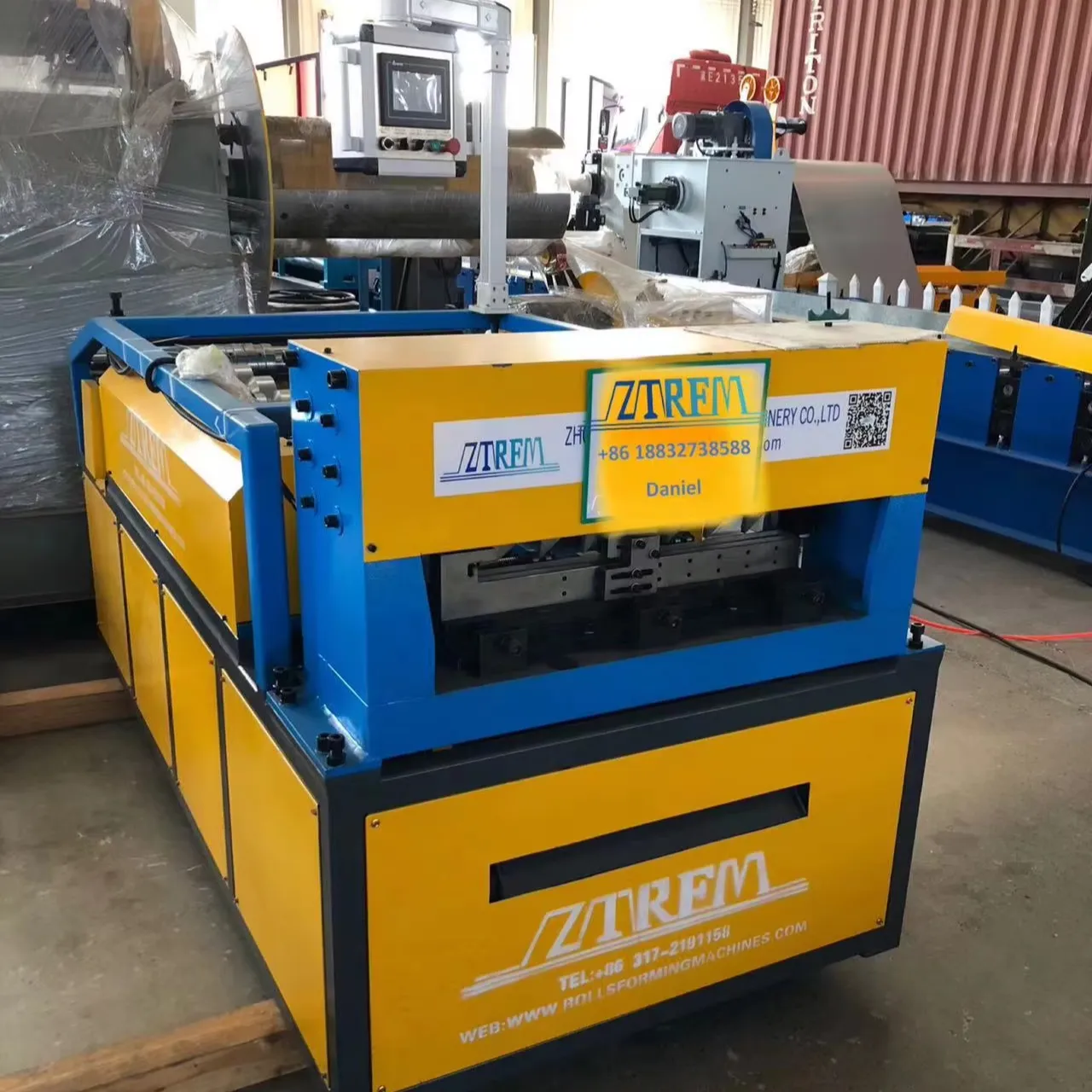 Standing Seam Roofing Sheet Machine Portable Standing Seam
- 30 m/min+Automatic Standing Seam Making Machine+5.5kw
$8,000.00
MOQ: 1
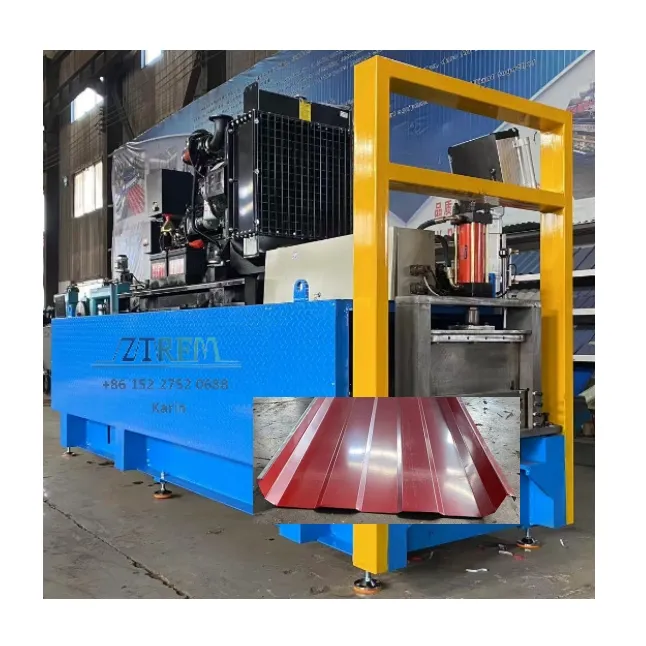 ZRFRM Mobile Portable Type Standing Seam Metal Roofing Roof Roll
- 20 M/Min+mobile+7.5kw
$16,000.00
MOQ: 1
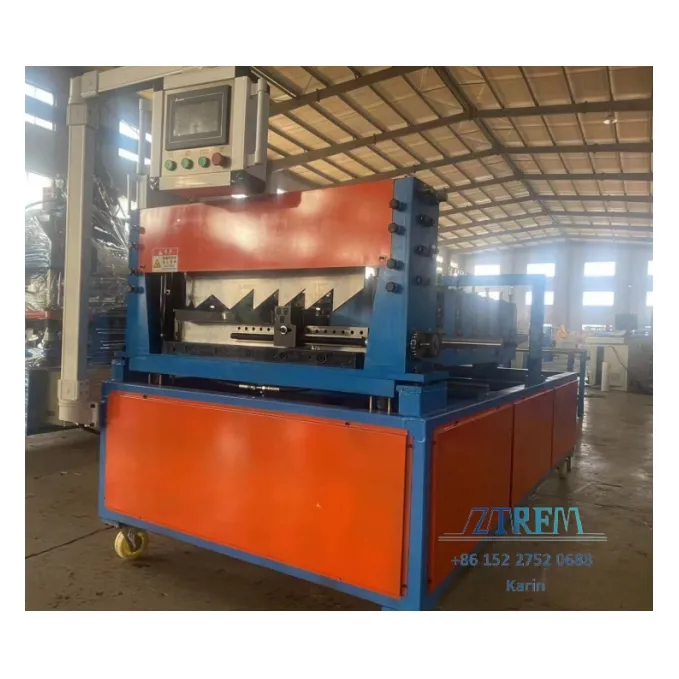 Smart Portable Type Standing Seam KR24 KR18 Metal Roofing
- 14 m/min+mobile+5.5kw
$15,000.00
MOQ: 1
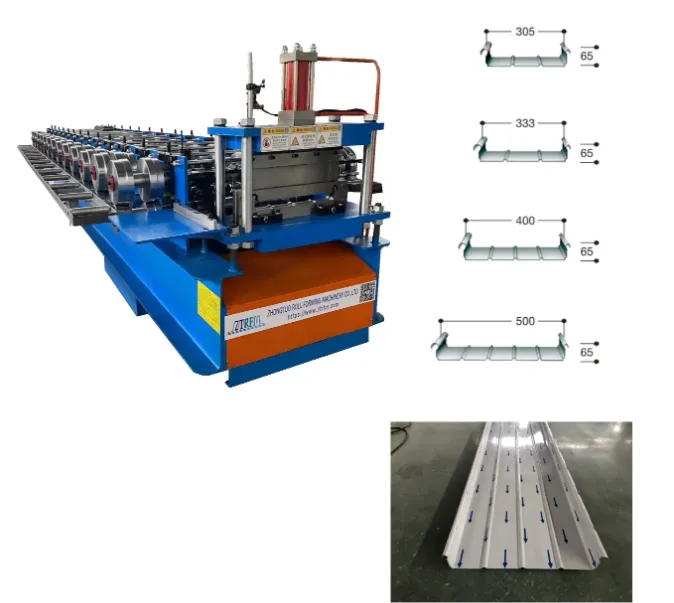 Bemo Tapered Standing Seam Steel Roof Sheet Roll Forming Machine
- 15 m/min+Bemo Tapered Standing SeamMachine+7.5kw
$13,000.00
MOQ: 1
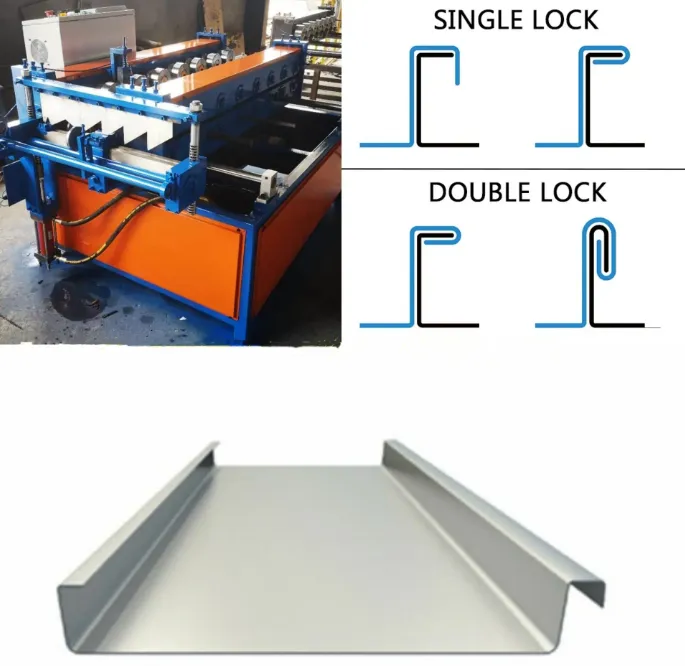 Imported Steel Roof Tile Seamer Machine Portable Standing Seam
- 30 m/min+Automatic Standing Seam Making Machine+5.5kw
$8,000.00
MOQ: 1
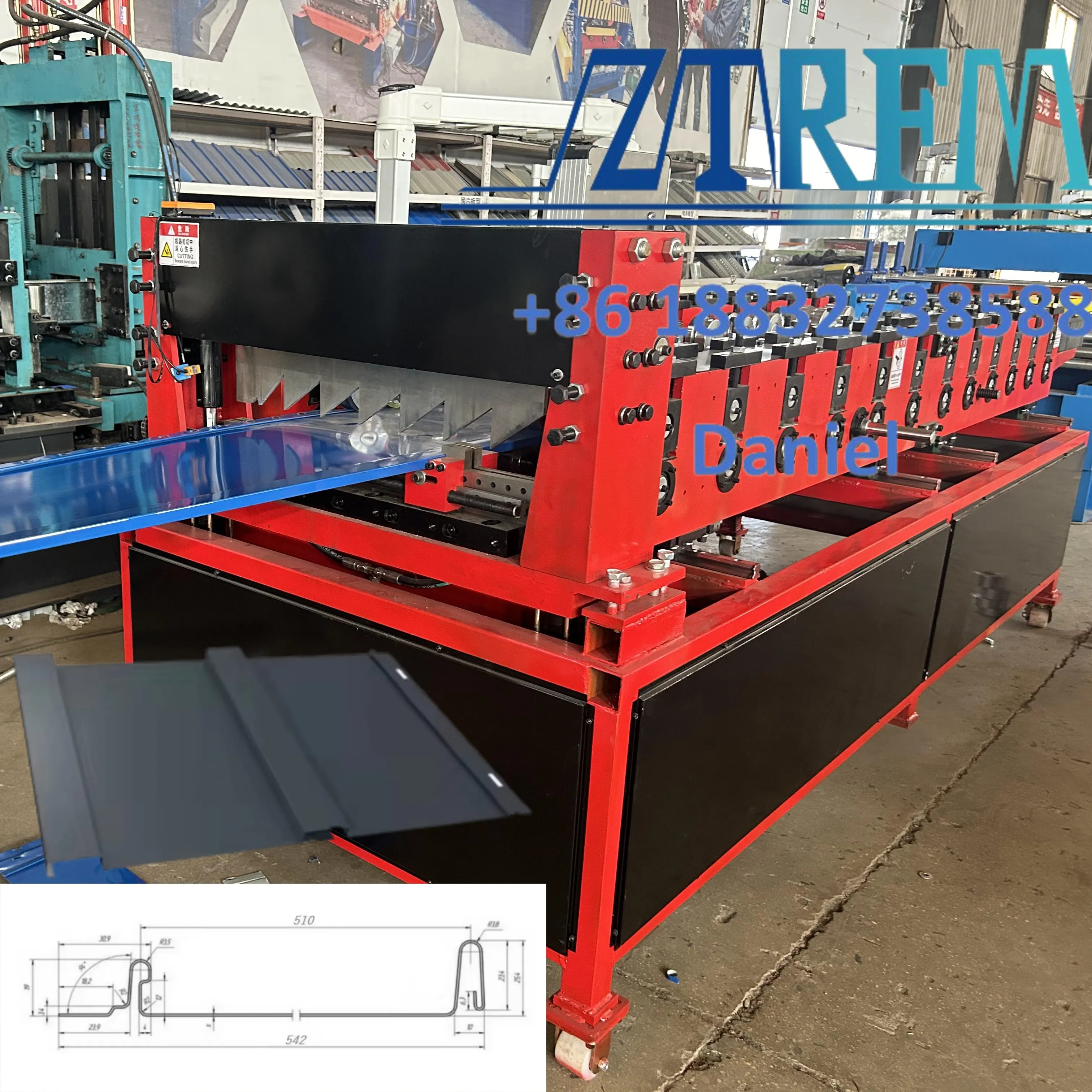 Portable Standing Seam Machine Roof Tile Machine Roll Forming Machine
- 20 M/Min+Portable Standing Seam Machine+5.5KW
$8,000.00
MOQ: 1
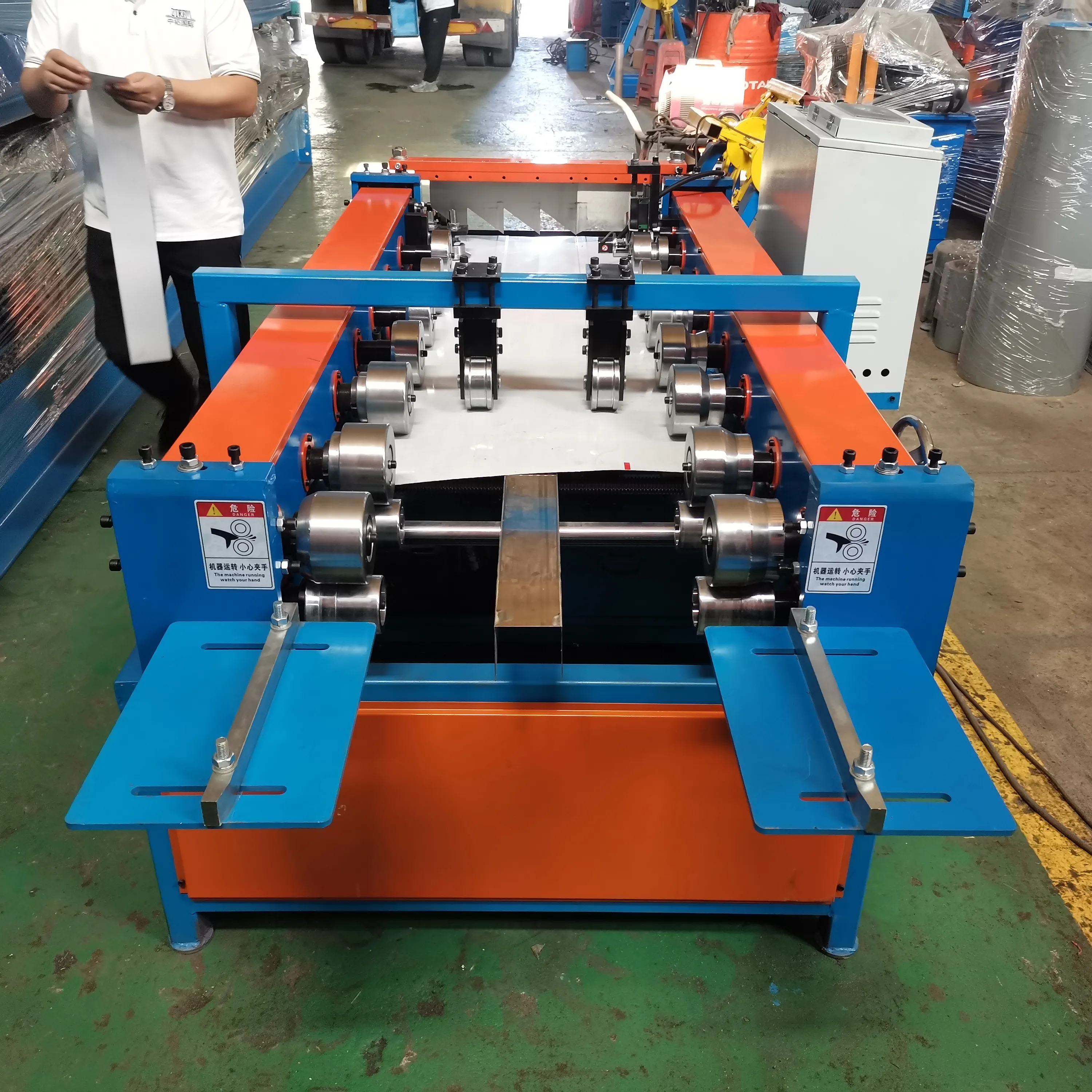 Automatic Standing Seam Making Machine Portable Standing Seam
- 15 m/min+Automatic Standing Seam Making Machine+5.5kw
$7,500.00
MOQ: 1
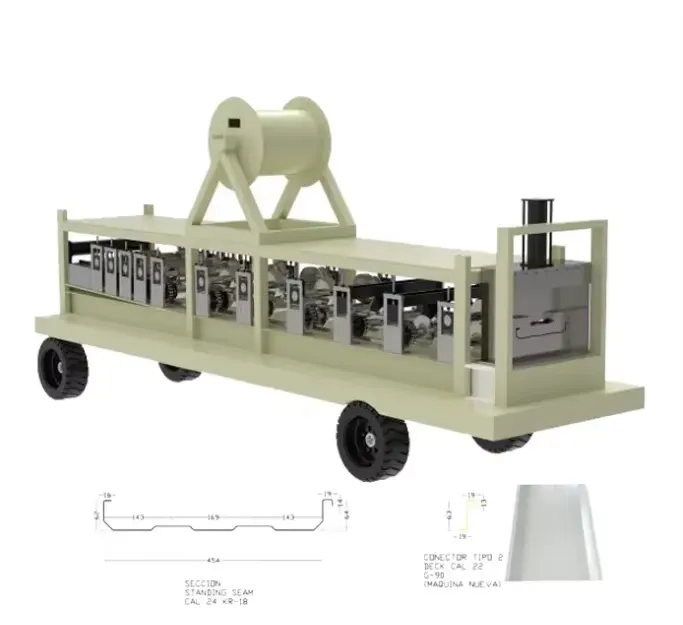 Portable Moving Standing Seam Metal Roofing Machine Trailer
- 20 M/Min+Portable Standing Seam Roofing Sheet Machine+7.5KW
$21,000.00
MOQ: 1

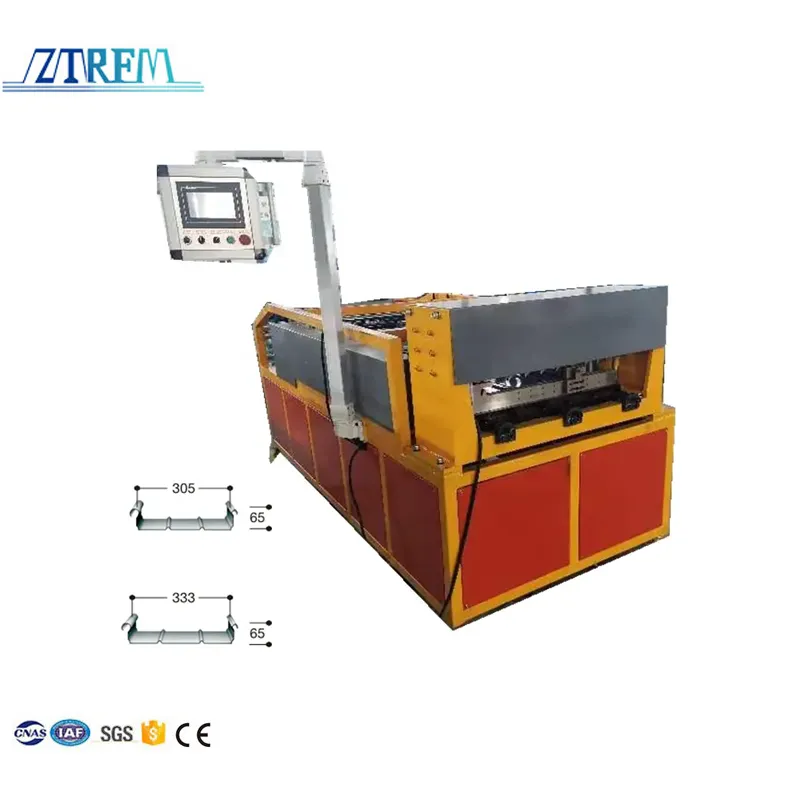

About Roof Sheet Making Machines
Roof sheet making machines represent the foundational equipment of the metal construction, roofing contracting, and building materials distribution industries worldwide. Converting slit color-coated steel strip into continuous, high-strength corrugated and trapezoidal panels (such as profiles YX35-125-750, 840, 820, and IBR 686), these machines produce building envelopes that deliver superior weather tightness, load-bearing span, and aesthetic appeal for commercial warehouses, factories, and agricultural sheds.
Modern machinery design emphasizes durability, surface protection, and high-speed automation. The machine bed utilizes heavy welded H-beam steel with intermediate tie rods and cast-iron stands to eliminate deflection during forming. Precision roll tooling—engineered from solid 45# carbon steel or GCr15 bearing steel with vacuum hardening and 0.05 mm hard chrome plating—gradually bends the flat coil without damaging delicate polyester or PVDF paint finishes. An integrated side-roll station rolls an anti-capillary drainage groove on the overlapping rib edge, preventing rainwater siphoning in severe storms.
Configurations range from economical stop-to-cut lines (10–18 m/min) with manual discharge racks to high-speed automated lines equipped with synchronized servo flying cut-off systems and automatic magnetic or vacuum sheet stackers achieving production speeds of 25 to 40 m/min. Dual-layer roll forming machines mount two independent forming levels on a shared machine frame—for example, a trapezoidal profile on the upper deck and a corrugated or glazed tile profile on the lower deck—saving up to 50% of workshop floor space and capital investment.
Roof Sheet Making Machines Profiles

Glazed Tile 970
Glazed Tile 970 glazed tile profile for roll forming lines. Key specs: Pitch 194…
View Profile
Applications
Industrial Distribution Hub Trapezoidal Roofs
In industrial distribution hub trapezoidal roofs, trapezoidal color-coated steel roofing panels produced on-site or in factory for large automated distribution centers, delivering high water drainage and solar readiness. These precision-formed solar mounting members accommodate thermal expansion cycles, secure photovoltaic modules firmly, and deliver dependable structural reliability.
Commercial Architectural Corrugated Facades
In commercial architectural corrugated facades, sinusoidal corrugated metal cladding panels roll formed for modern commercial office and retail building facades, offering contemporary aesthetic shadow lines. Engineered with anti-capillary side-laps and continuous structural ribs, these precision roll-formed metal panels deliver leak-proof weather-tightness and withstand hurricane-force wind uplift.
Rural Agricultural Storage & Livestock Buildings
In rural agricultural storage & livestock buildings, economical galvanized and prepainted corrugated sheets providing durable, ventilated roofing for grain storage sheds, barn structures, and livestock stables. These durable architectural roof and wall cladding profiles provide exceptional corrosion resistance, protecting industrial facilities from severe weather while delivering modern aesthetics.
Aircraft Hangar Wide-Span Metal Roofing
In aircraft hangar wide-span metal roofing, high-tensile heavy-gauge trapezoidal metal roof panels engineered for wide clear-span aviation hangars requiring extreme wind-uplift and snow-load resistance. Featuring high-strength interlocking seams and concealed fastener clips, these continuous metal panels prevent water infiltration and ensure long-term building envelope integrity.
Suburban Residential Carports & Canopies
In suburban residential carports & canopies, lightweight prepainted corrugated steel canopy sheets installed on residential carports, patio awnings, and garden storage sheds with rapid fastener installation. Engineered with anti-capillary side-laps and continuous structural ribs, these precision roll-formed metal panels deliver leak-proof weather-tightness and withstand hurricane-force wind uplift.
Technical Overview
| Parameter | Information |
|---|---|
| Machine / Product Family | Trapezoidal, corrugated & IBR metal roofing sheet roll forming line |
| Applicable Coil Materials | PPGI (prepainted galvanized), PPGL (galvalume), GI, structural aluminum |
| Material Thickness Range | 0.20 mm – 0.80 mm (standard 0.30 mm, 0.40 mm, 0.50 mm) |
| Coil Infeed Width | 914 mm / 1000 mm / 1200 mm / 1219 mm / 1250 mm |
| Effective Covering Width | 750 mm – 1050 mm (engineered per customer profile drawing) |
| Forming Stations & Tooling | 16 – 24 stations (solid 45# / 40Cr steel rollers, hard chrome plated) |
| Roller Shaft Diameter | Φ70 mm – Φ80 mm (solid 45# carbon steel, quenched and tempered) |
| Cutting System & Shear Blade | Hydraulic profile stop-cut or servo flying shear (Cr12MoV blade) |
| Forming Production Speed | 12 – 20 m/min (stop-cut) / 25 – 40 m/min (high-speed flying cut) |
| Automation & Controls | PLC control system (Siemens / Mitsubishi / Delta) with touch HMI |
Related Solutions
Metal Roofing & Wall Panel Roll Forming Solution
Trapezoidal / IBR, standing-seam, corrugated or glazed-tile roof and wall panel…
Roof Panel and Wall Panel Combined Line
Combined line for standing seam roof and wall panels. Quick tooling change betwe…
Multi-Layer Roofing Solution
One mill that sells two (or three) roof profiles, and a barrel corrugator that s…
Wide-Format Roofing Production Solution
Buyers type “3 m roofing” for four different jobs: a 3 m cut length on a roof mi…
Standing Seam Roofing Project Solution
A standing-seam project is a shop mill that forms lock legs, plus an on-roof sea…
Arch Roof & Warehouse Building Solution
An “arch roof” search usually means one of four hosts: a jobsite K-span that for…
Related Information

Roofing Sheet Roll Forming Machine: Corrugated, Trapezoidal & IBR Profiles Explained
Corrugated vs trapezoidal vs IBR roofing profiles — what each looks like, where…
Read More
Cold Roll Forming Process for Metal Roofing: From Coil to Roof Sheet
cold roll forming process metal roofing, roof sheet roll forming process, how ro…
Read More
Corrugated Roof Sheet Machine: Profiles, Specs and How to Choose One
sinusoidal profiles, real specs, standard vs drum-type lines, speed units explai…
Read More
Double Layer Roof Sheet Roll Forming Machine: Advantages, Specs & Trade-offs
double layer roof sheet roll forming
Read More
Steel Roofing Sheet Profiles and Dimensions: A Buyer's Reference Guide
840, 900, 750, IBR, corrugated, standing seam — what do these roofing sheet prof…
Read More
Galvanized Steel Roofing Sheets: SGC400, Z275, and Coating Standards Explained (2026)
Understand SGC400, Z275 and related coating standards for galvanized steel roofi…
Read More
FAQ
What common metal roofing profiles can be produced on a roof sheet making machine?
Standard machines produce trapezoidal (box-rib) roofing panels (such as 840, 820, YX35-125-750), sinusoidal corrugated wave sheets, IBR profiles, and snap-lock or standing seam panels. Each single-level roll former is dedicated to one profile drawing, while dual-layer machines produce two distinct profiles.
What coil widths and thickness ranges are compatible with roof sheet roll formers?
Machines process standard infeed coil widths of 914 mm, 1000 mm, 1200 mm, 1219 mm, or 1250 mm, yielding effective cover widths from 750 mm to 1050 mm. Material thickness typically spans 0.20 mm to 0.80 mm (30-gauge to 22-gauge) across PPGI, PPGL, GI, and aluminum coils.
How does a dual-layer roof sheet roll forming machine operate and save space?
A dual-layer machine incorporates two separate forming roller passes stacked vertically on a single chassis, driven by a common motor and transmission with a mechanical clutch selector. The operator switches between profiles by flicking a lever and threading coil into either the upper or lower tier, halving machine footprint.
What is the function of the anti-capillary groove formed on roofing sheet edges?
The anti-capillary groove is a small longitudinal channel rolled along the underlapping side rib. When adjacent sheets overlap on a roof, this groove breaks water surface tension and capillary action, creating an air barrier that drains wind-driven rain safely off the roof.
Stop-to-cut hydraulic shear vs. flying shear: which should you choose for roof sheet production?
Stop-to-cut hydraulic shearing halts material feed during cutting, offering simple maintenance, lower initial investment, and production speeds of 12–18 m/min suitable for standard commercial fabrication. Synchronized servo flying shears track moving material without deceleration, achieving speeds of 25–40 m/min with higher throughput and zero hesitation marks.
How do hardened chrome rollers prevent scratching on prepainted color steel coils?
Rollers are CNC-machined from solid steel (45# or 40Cr), heat treated, mirror polished, and electroplated with 0.05 mm hard chrome (Ra ≤ 0.4 µm). Smooth roller surfaces minimize friction against the paint layer, preventing scuffing, whitening, or paint peel on high-gloss coils.
What parameters should buyers verify when sourcing a roof sheet making machine?
Buyers should provide exact profile drawings (pitch, rib height, effective cover), coil material specifications (PPGI/GI, thickness range, yield strength), target production speed (m/min), roller station count (16–22), uncoiler capacity (manual or 5T hydraulic), and local electrical voltage/frequency.