Global B2B Roll Forming Sourcing Platform | Free RFQ Response within 24h

- Tuo AI

- Live

- My Account
- Shopping Cart
- Inquiry Basket
- Contact Us
- Back to Top




Roofing Sheets
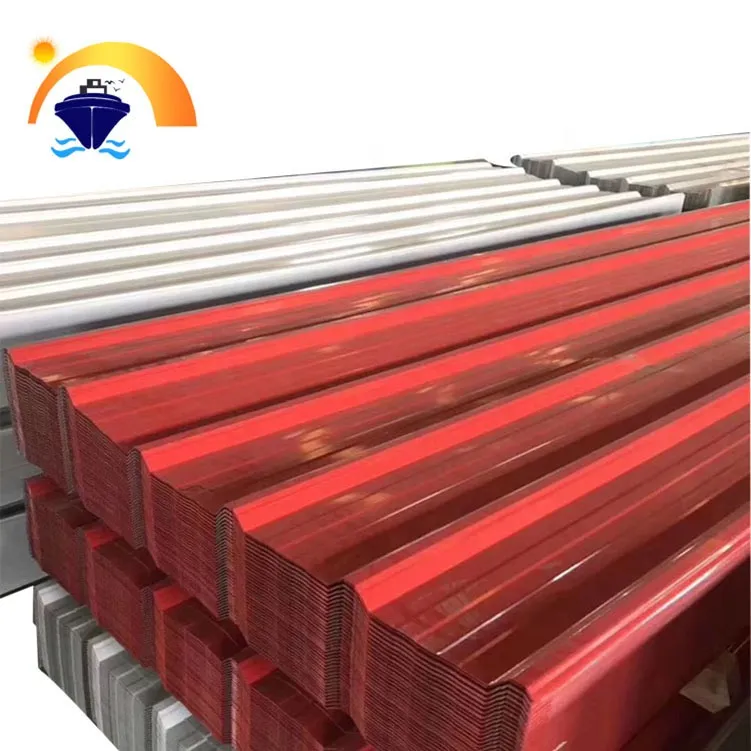
Roofing sheet roll forming lines continuously convert prepainted galvanized steel (PPGI), galvanized steel (GI), and galvalume (GL) coils into structural metal roofing and cladding panels. Typical outputs cover classic trapezoidal rib profiles (such as YX35-125-750, 840, and 820), sinusoidal corrugated sheets, heavy-duty industrial IBR sections, and architectural glazed step-tiles. Engineered to process coil thicknesses from 0.2 mm to 0.8 mm at speeds up to 25–40 m/min, standard production systems integrate decoiling, high-precision precision roll stands, anti-capillary grooving, hydraulic or synchronized flying cut-off, and automated runout stacking. Explore verified profile geometries, technical specifications, and turnkey production line solutions below to evaluate the optimal roll former for your building project.
 Nail Strip Standing Seam Roof Panel Roll Forming Machine Clipless Metal
- Nail Strip Standing Seam Metal Roof Panel
$18,000.00
MOQ: 1
 Ameri-Cana Roof Panel Roll Forming Machine High Speed Trapezoidal
- Ameri-Cana Roof Panel Roll Forming Machine
$17,500.00
MOQ: 1
 Flush Wall Panel Roll Forming Machine for Soffit & Fascia color coated
- color coated roofing sheet
$11,320.75
MOQ: 1
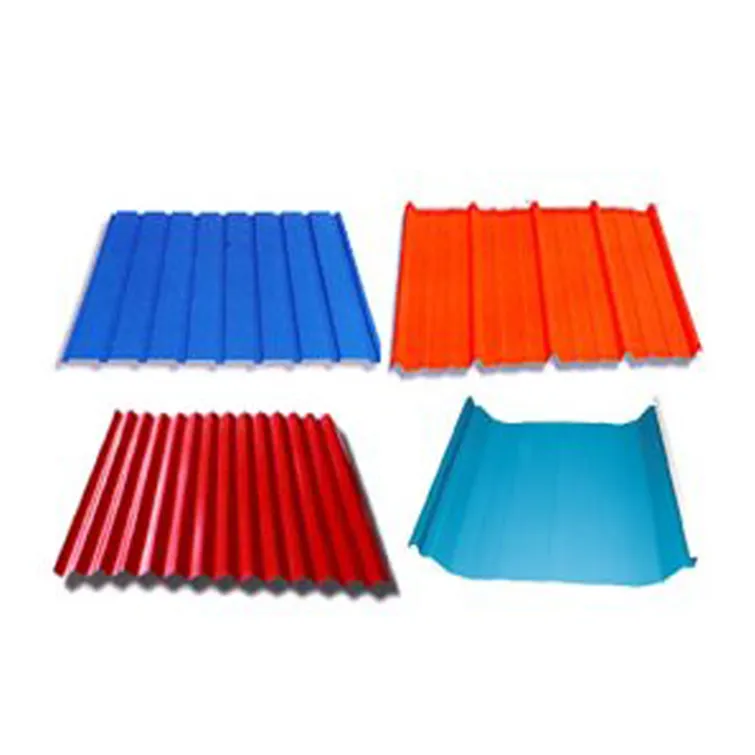
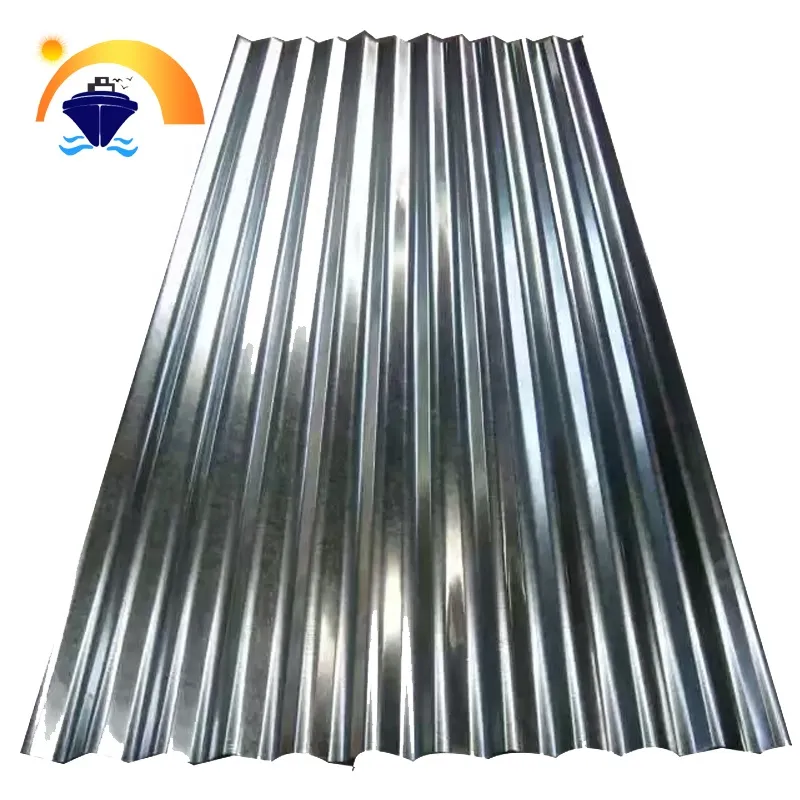
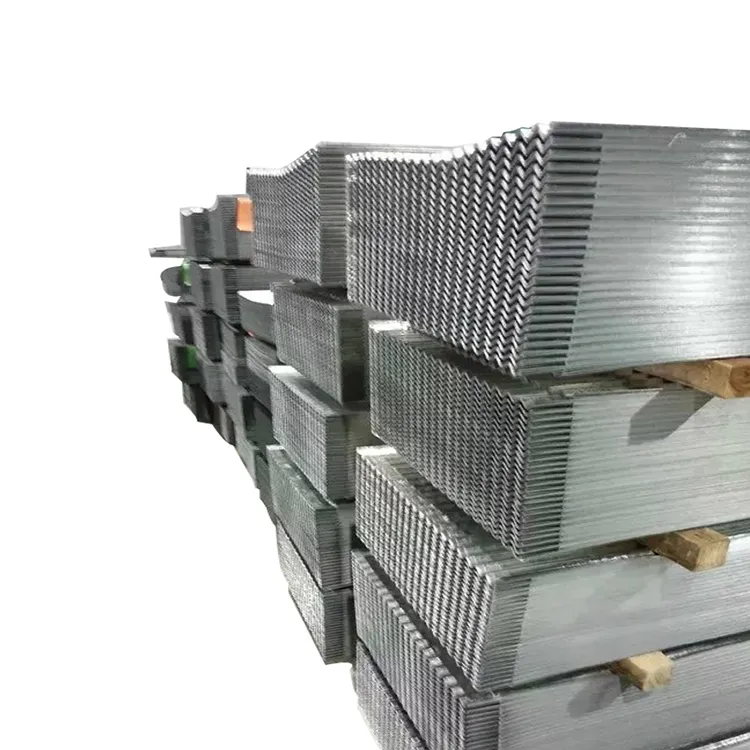
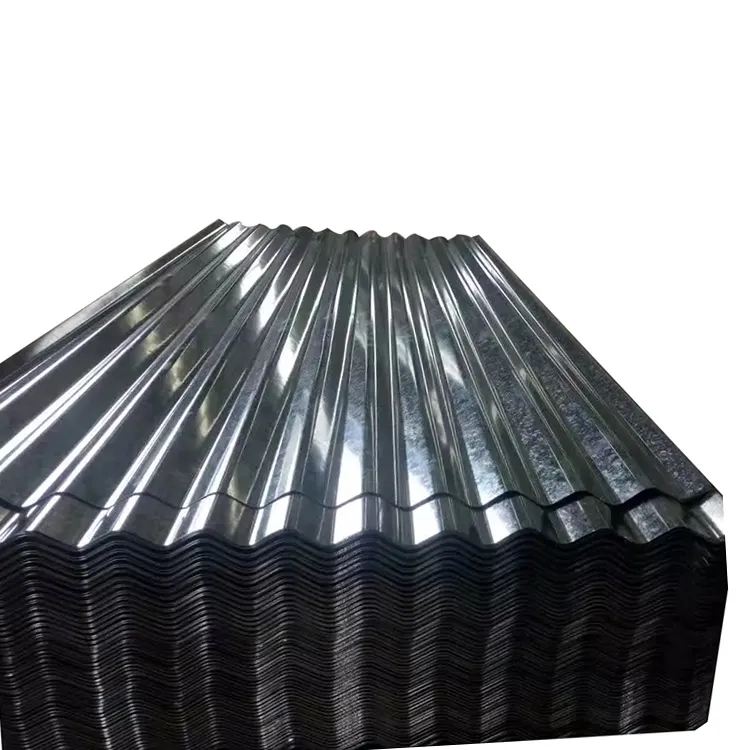
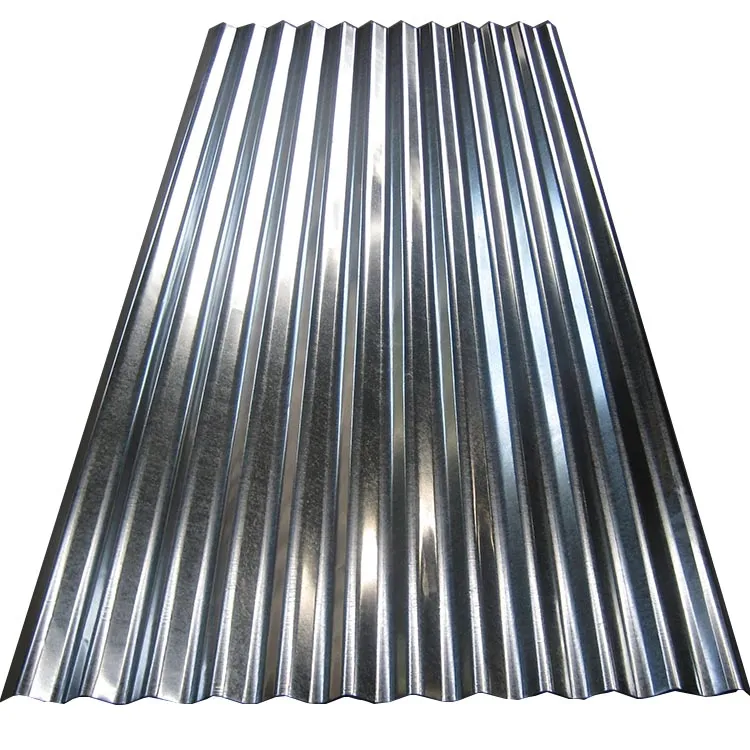
 Corrugated Galvanized Roofing Steel Sheet Gauge24-27 Thickness
- 665mm~1050mm+2000mm~2440mm
$619.00
MOQ: 5
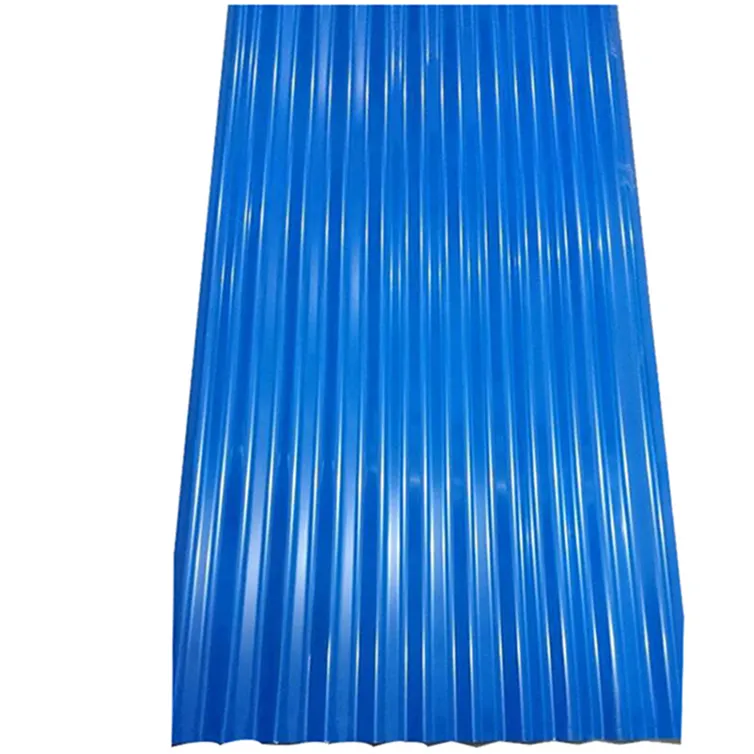
 Corrugated Galvanized Roofing Sheet 0.12-0.7mm Thickness
- 665mm~1050mm+2000mm~2440mm
$619.00
MOQ: 5
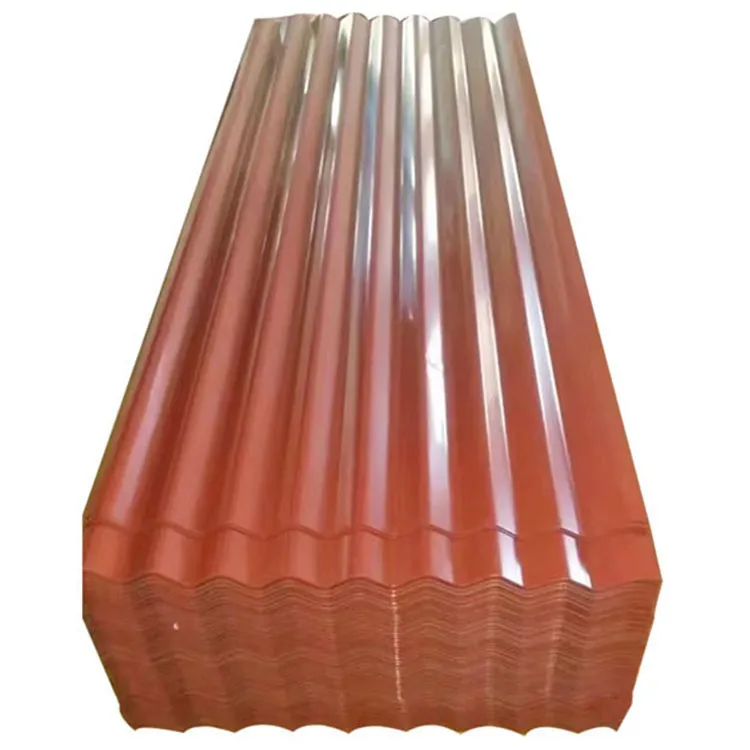
 0.21-0.22mm Wavy 5V T-type Galvanized Corrugated Roofing Sheet with Cutting Service
- 1000-12000mm+762 mm ~ 899 mm
$635.00
MOQ: 25
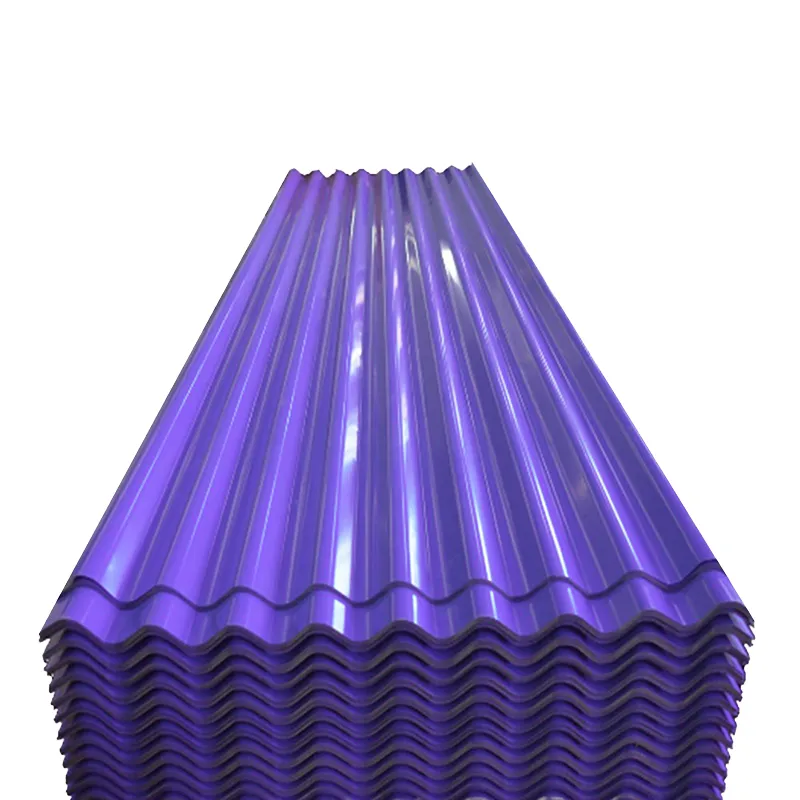 PPGI AZ41-AZ60 Coated Mid Hard Steel Prepainted Galvanized Roofing Sheets 0.12-3.0mm Thickness Building Materials
- China+15-21 days+Q195Q235,q345,SPCC,DX51D,DX52D,DC01,DC02,SGHC,SGCC+GB,ASTM,JIS+45% ~ 55%
$630.00
MOQ: 25
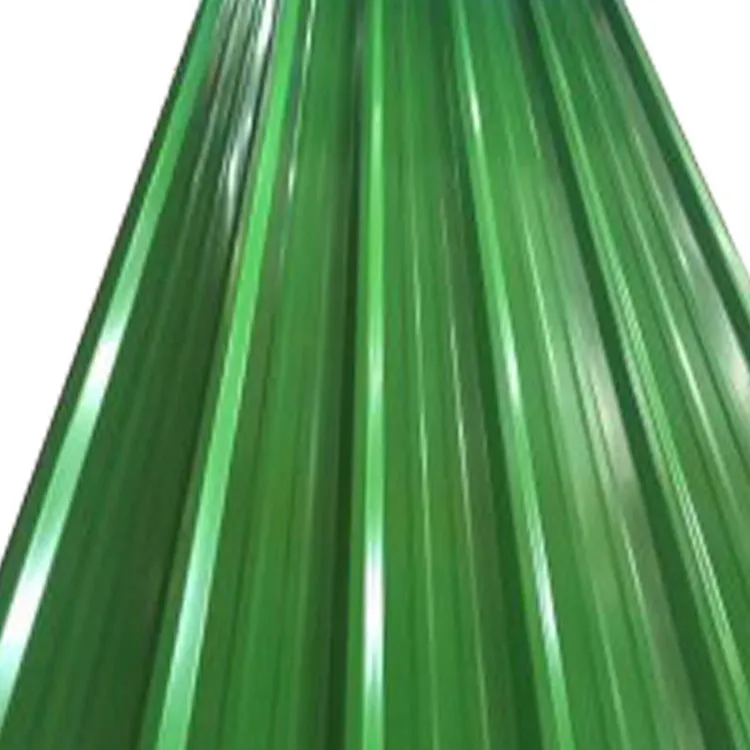
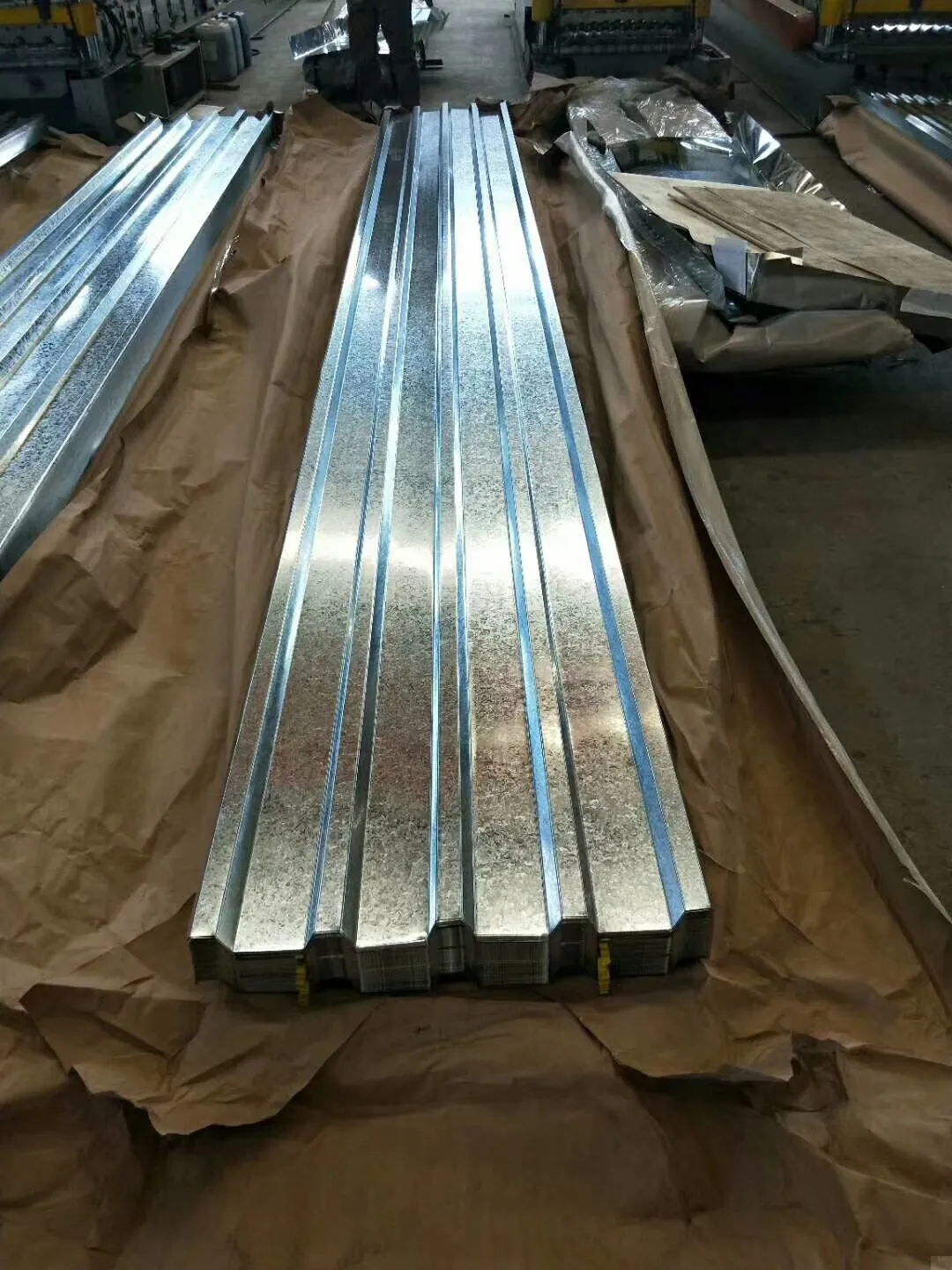 Hot Dip Galvanized Corrugated Roof Sheet DX51D+Z Wave Type for Africa Export High Corrosion Resistance Large Quantity Available
- 0.12*1000 MM+900 mm ~ 1000 mm
$560.00
MOQ: 25
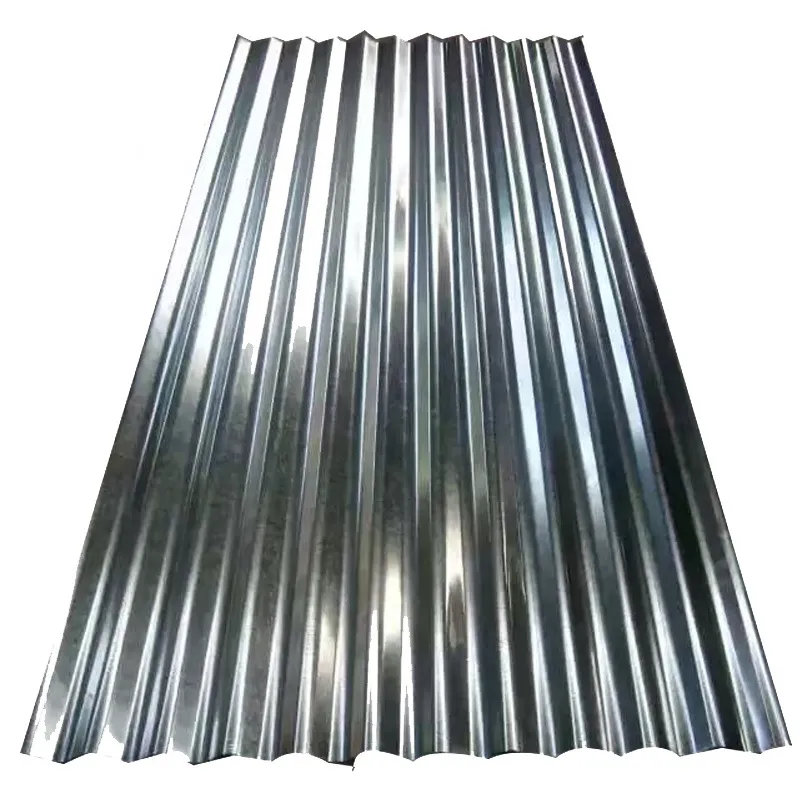 Good Price Galvanized Steel Corrugated Roofing Sheets Z10-Z29 Coating 0.21-0.22mm Thickness Mid Hard DIN Standard PVOC Certified
- 1 400 mm ~ 1 799 mm+900-999mm
$625.00
MOQ: 25


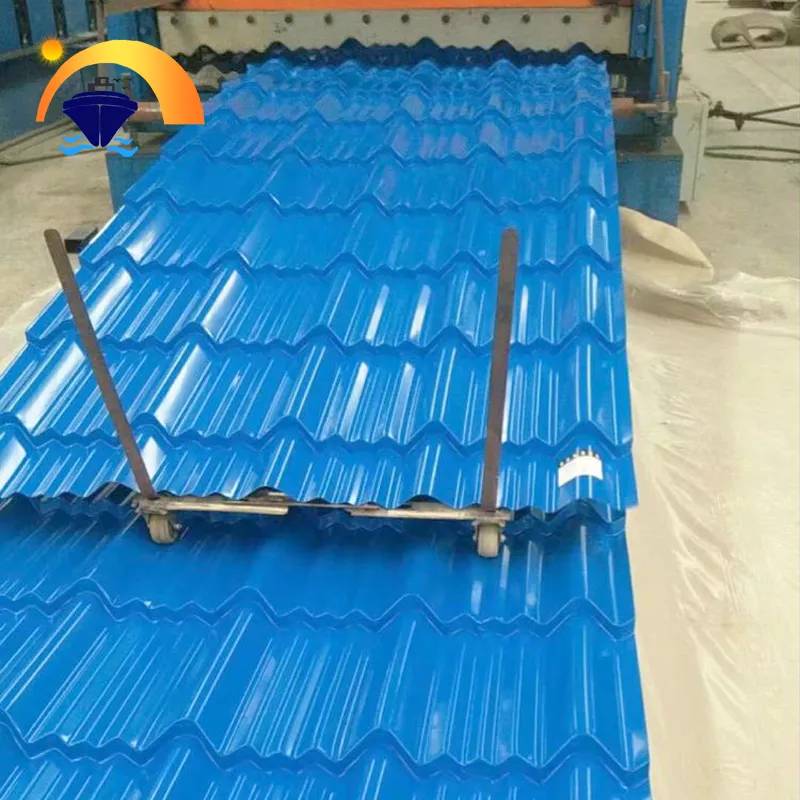

About Roofing Sheets
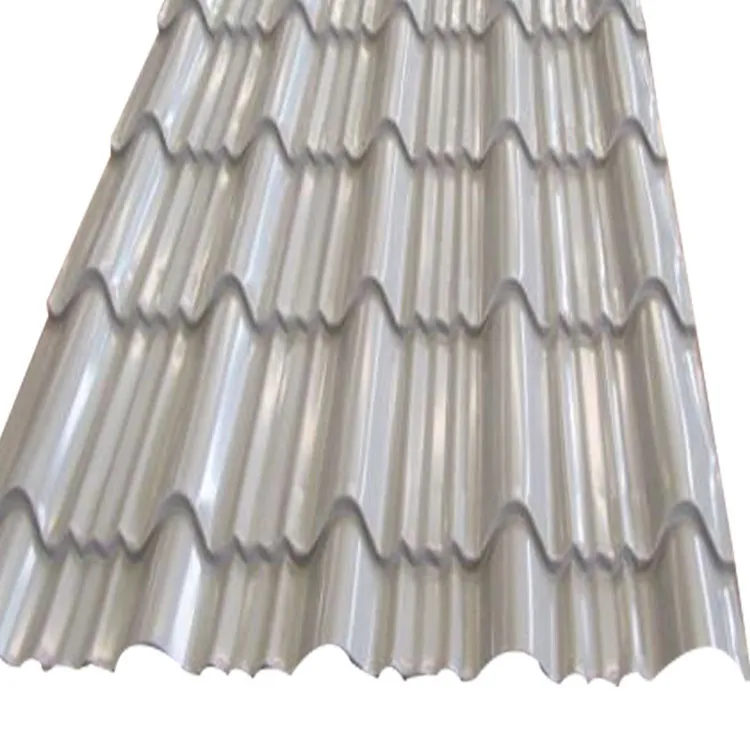
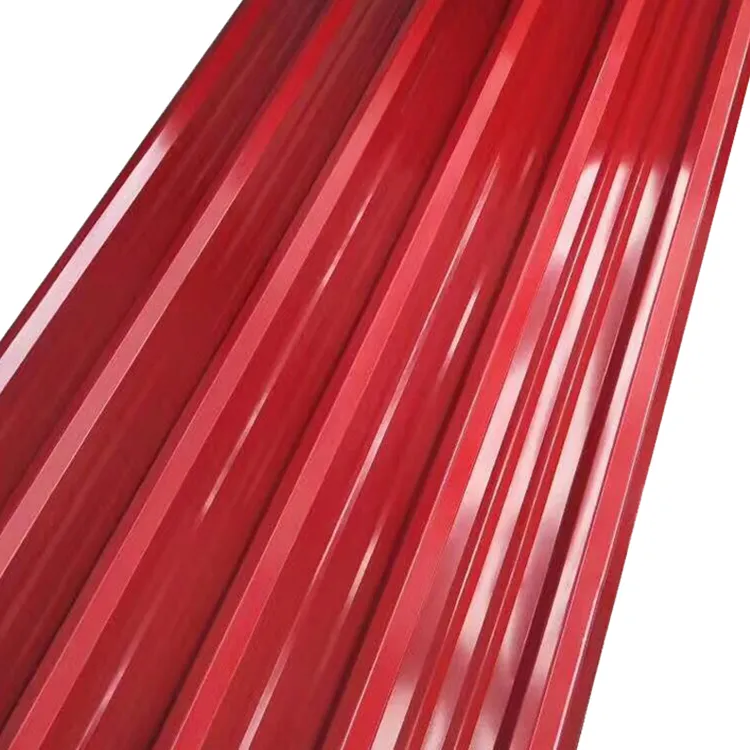
Metal roofing sheets are structural exterior cladding components engineered for superior weather-tightness, load-bearing capacity, and rapid building assembly. Common profile geometries include trapezoidal (box-rib) sheets with high longitudinal ribs for long spans, circular corrugated profiles for agricultural and light industrial applications, concealed-fastener standing seam panels for low-slope architectural roofs, and stepped glazed tiles mimicking traditional clay roof aesthetics with metal durability.
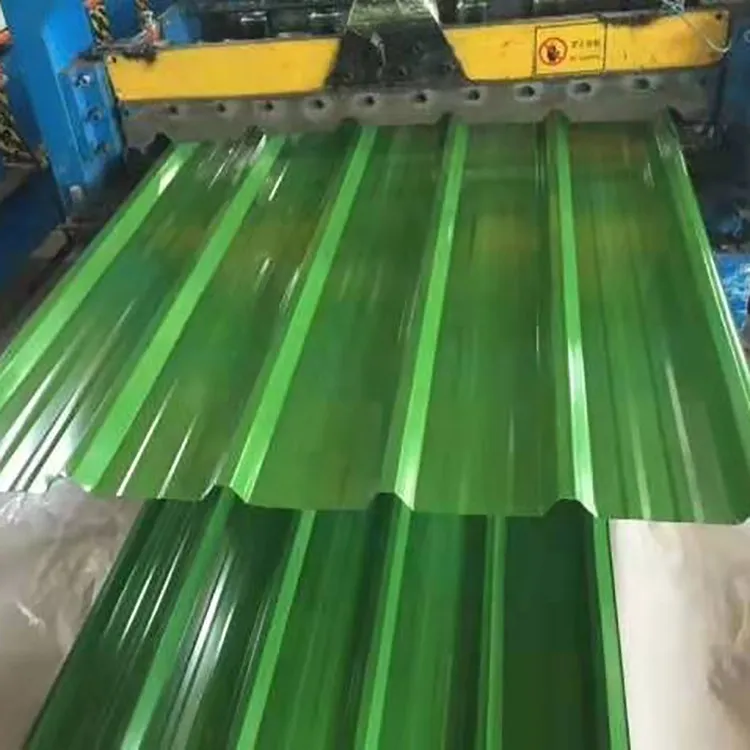
Dedicated roll forming machinery produces continuous, custom-cut panels directly from slit coil stock. The cold forming process utilizes a progressive series of hardened roller stations (typically 18 to 26 stands) to shape flat strip into precise rib configurations without damaging surface coatings. Integrated features often include pre-punching for fastening clips, transverse stepping presses for tile effects, side-lap capillary drainage grooves, and synchronized hydraulic flying shears for non-stop length control.
Coil substrates predominantly encompass hot-dip galvanized steel (GI with Z60–Z275 zinc coating), 55% aluminum-zinc alloy coated steel (GL / Galvalume), and prepainted steel (PPGI / PPGL) with polyester (PE), silicone-modified polyester (SMP), high-durability polyester (HDP), or fluorocarbon (PVDF) topcoats. Metal thickness commonly spans 0.25 mm to 0.8 mm with yield strengths ranging from G300 for ductile forming to G550 for high-tensile structural profiles.
These roofing panels serve as primary building envelopes across industrial warehouses, commercial distribution hubs, steel workshops, agricultural poultry and grain facilities, aircraft hangars, and residential carports.
Equipment configurations vary from compact, budget-friendly single-profile machines with manual stackers to dual-layer machines (producing two distinct profiles on a single chassis) and high-speed automated production lines equipped with automatic hydraulic decoilers, coil cars, high-speed flying shears, and pneumatic auto-packers controlled by a central touch-screen PLC.
Roofing Sheets Profiles

Glazed Tile 970
Glazed Tile 970 glazed tile profile for roll forming lines. Key specs: Pitch 194…
View Profile
C100x50x15
C100x50x15 C purlin profile for roll forming lines. Key specs: Web height 100mm,…
View Profile
Z200x70x20
Z200x70x20 Z purlin profile for roll forming lines. Key specs: Web height 200mm,…
View Profile
Applications
Industrial Logistics Warehouses & Loading Docks
In industrial logistics warehouses & loading docks, heavy-gauge G-shaped guide rails and reinforced jamb casings withstand high wind suction and dynamic impact from continuous forklift traffic across busy warehouse exterior loading bays. Engineered with precision miter joints, heavy reinforcement plates, and robust interlocking slats, these certified door assemblies resist forced entry and wind suction.
Commercial Steel Structure Workshops & Factories
In commercial steel structure workshops & factories, heavy-duty corrugated and ribbed roof sheets protect manufacturing bays and heavy machinery from ambient weathering, utilizing anti-capillary side-laps and engineered drainage channels to ensure leak-proof performance under severe industrial conditions.
Agricultural Storage & Livestock Buildings
In agricultural storage & livestock buildings, corrosion-resistant PPGI and Galvalume roofing sheets withstand humid, ammonia-rich agricultural environments, providing lightweight, durable roof cladding for grain storage silos, machinery sheds, and large-scale livestock housing facilities. Featuring high-strength interlocking seams and concealed fastener clips, these continuous metal panels prevent water infiltration and ensure long-term building envelope integrity.
Transportation Hubs & Railway Stations
In transportation hubs & railway stations, long-length standing seam and curved metallic roof sheets accommodate thermal expansion and aerodynamic wind loads across sweeping airport terminals, rail platforms, and public transit concourses with concealed fastener integrity. Engineered with anti-capillary side-laps and continuous structural ribs.
Architectural Residential & Commercial Roofs
In architectural residential & commercial roofs, step-tile glazed steel roofing sheets combine classic architectural aesthetics with lightweight metal strength, delivering superior hail resistance, rainwater shedding, and long-term color retention for luxury villas, resort pavilions, and commercial plazas. These durable architectural roof and wall cladding profiles provide exceptional corrosion resistance, protecting industrial facilities from severe weather while delivering modern aesthetics.
Technical Overview
| Parameter | Information |
|---|---|
| Profile / Product Family | Trapezoidal, corrugated, IBR & glazed tile metal roofing |
| Applicable Coil Materials | PPGI, PPGL, GI (hot-dip galvanized), GL (galvalume) |
| Material Thickness Range | 0.20 mm – 0.80 mm (standard); up to 1.0 mm for heavy ribs |
| Infeed Coil Width | 914 mm / 1000 mm / 1200 mm / 1220 mm / 1250 mm |
| Effective Covering Width | 750 mm – 1050 mm (according to profile drawing) |
| Forming Roller Stations | 18 – 26 stations (solid 45# / 40Cr steel rollers, hard chrome plated) |
| Cutting System | Hydraulic stop-to-cut or synchronized servo flying cut-off (Cr12Mov blade) |
| Forming Line Speed | 10 – 20 m/min (hydraulic stop-cut) / 25 – 40 m/min (high-speed flying shear) |
| Drive & Control System | Gearbox / chain drive with PLC (Siemens / Mitsubishi / Delta) + Touchscreen HMI |
| Line Automation Options | Automatic hydraulic decoiler, coil loading car & auto-stacker available |
Related Solutions
Metal Roofing & Wall Panel Roll Forming Solution
Trapezoidal / IBR, standing-seam, corrugated or glazed-tile roof and wall panel…
Multi-Layer Roofing Solution
One mill that sells two (or three) roof profiles, and a barrel corrugator that s…
Roof Panel and Wall Panel Combined Line
Combined line for standing seam roof and wall panels. Quick tooling change betwe…
Standing Seam Roofing Project Solution
A standing-seam project is a shop mill that forms lock legs, plus an on-roof sea…
Wide-Format Roofing Production Solution
Buyers type “3 m roofing” for four different jobs: a 3 m cut length on a roof mi…
Arch Roof & Warehouse Building Solution
An “arch roof” search usually means one of four hosts: a jobsite K-span that for…
Related Information

Roofing Sheet Roll Forming Machine: Corrugated, Trapezoidal & IBR Profiles Explained
Corrugated vs trapezoidal vs IBR roofing profiles — what each looks like, where…
Read More
Steel Roofing Sheet Profiles and Dimensions: A Buyer's Reference Guide
840, 900, 750, IBR, corrugated, standing seam — what do these roofing sheet prof…
Read More
How to Choose a Roof Panel Roll Forming Machine: 10 Factors That Matter
How to choose a roof panel roll forming machine for your market: profile type (c…
Read More
Cold Roll Forming Process for Metal Roofing: From Coil to Roof Sheet
cold roll forming process metal roofing, roof sheet roll forming process, how ro…
Read More
Galvanized Steel Roofing Sheets: SGC400, Z275, and Coating Standards Explained (2026)
Understand SGC400, Z275 and related coating standards for galvanized steel roofi…
Read More
Prepainted Steel Coil: PPGI vs PPGL vs AZ150 Coating Systems
PPGI vs PPGL vs AZ150 — coating composition, corrosion resistance, color durabil…
Read More
FAQ
What profile types can be produced on a roofing sheet roll forming line?
Standard lines produce trapezoidal (box-rib) panels, sinusoidal corrugated sheets, IBR profiles, snap-lock or mechanical standing seam panels, and glazed step tiles. Tooling and roller station counts are specifically engineered for a single profile geometry, though dual-layer machines can incorporate two separate profiles within a shared machine frame.
What coil materials, widths, and thickness ranges are standard for metal roofing?
Common coil materials include hot-dip galvanized steel (GI), 55% Al-Zn galvalume (GL), and prepainted coils (PPGI/PPGL). Typical infeed coil widths are 914 mm, 1000 mm, 1200 mm, or 1220/1250 mm, producing finished effective cover widths of 750 mm to 1050 mm. Working thickness generally ranges between 0.2 mm and 0.8 mm depending on profile depth and structural span requirements.
Can one roll forming machine produce both roof and wall cladding profiles?
Yes, many symmetrical trapezoidal and corrugated profiles function as both roofing and wall cladding. For distinctly different profiles, manufacturers choose either a dual-level roll forming machine—which mounts two independent forming tiers on one machine bed—or interchangeable cassette-type roll formers that share a common drive and electrical base.
How do anti-capillary grooves and side-lap details prevent roof water leakage?
High-quality roofing roll formers incorporate specialized auxiliary forming rolls on the male rib edge to roll an anti-capillary drainage channel. When overlapping adjacent sheets during roof installation, this groove creates an air break that breaks capillary surface tension, preventing rainwater siphonage under severe wind-driven rain.
Stop-and-cut hydraulic shear vs. synchronized flying shear: which should you choose?
Stop-to-cut hydraulic shearing halts material feed during cutting, offering simple maintenance, lower initial investment, and production speeds of 10–18 m/min suitable for standard commercial fabrication. Synchronized servo flying shears track moving material without deceleration, achieving speeds of 25–40 m/min with higher throughput and zero hesitation marks, making them ideal for high-volume automated service centers.
How is glazed tile stepped pressing integrated into the roll forming process?
Glazed tile roll forming lines position a dedicated hydraulic pressing mold downstream of the forming roller stands. After the trapezoidal base wave is rolled, the line advances material by a programmed step distance (typically 150–400 mm), halts momentarily to stamp an architectural transverse crease, and continues until a custom cut-off blade trims the cascading tile profile.
What critical parameters should be confirmed before requesting a line quotation?
Buyers should provide exact cross-sectional drawings with dimensions (infeed width, effective coverage, rib height, pitch), coil material specifications (GI/PPGI/GL, yield strength G300 or G550), minimum and maximum coil thickness, target daily output capacity (m/min), and plant electrical standards (voltage/frequency).