Global B2B Roll Forming Sourcing Platform | Free RFQ Response within 24h

- Tuo AI

- Live

- My Account
- Shopping Cart
- Inquiry Basket
- Contact Us
- Back to Top




C/Z Purlin Framing Systems
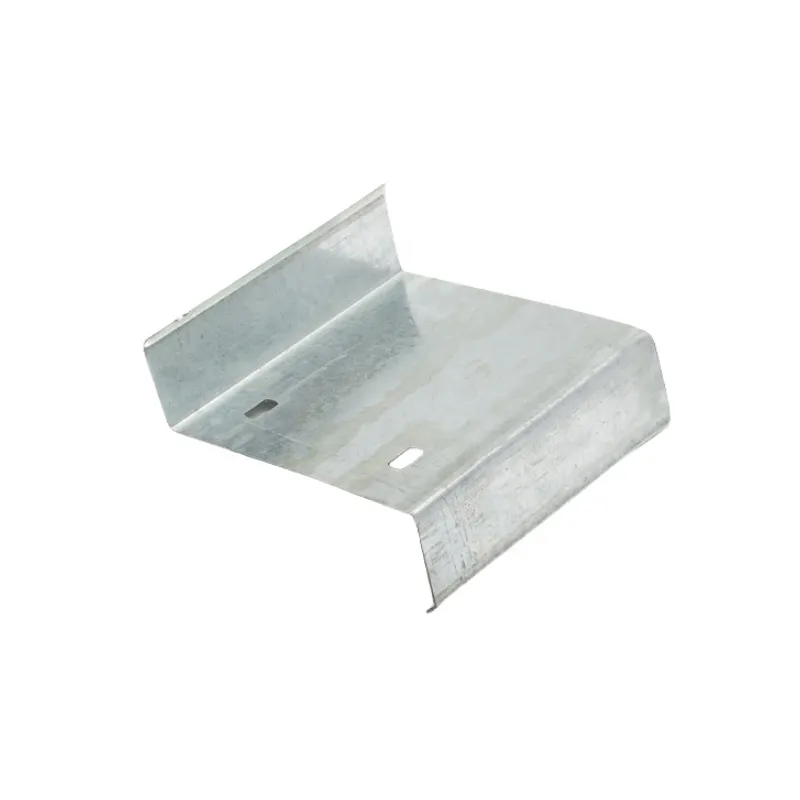
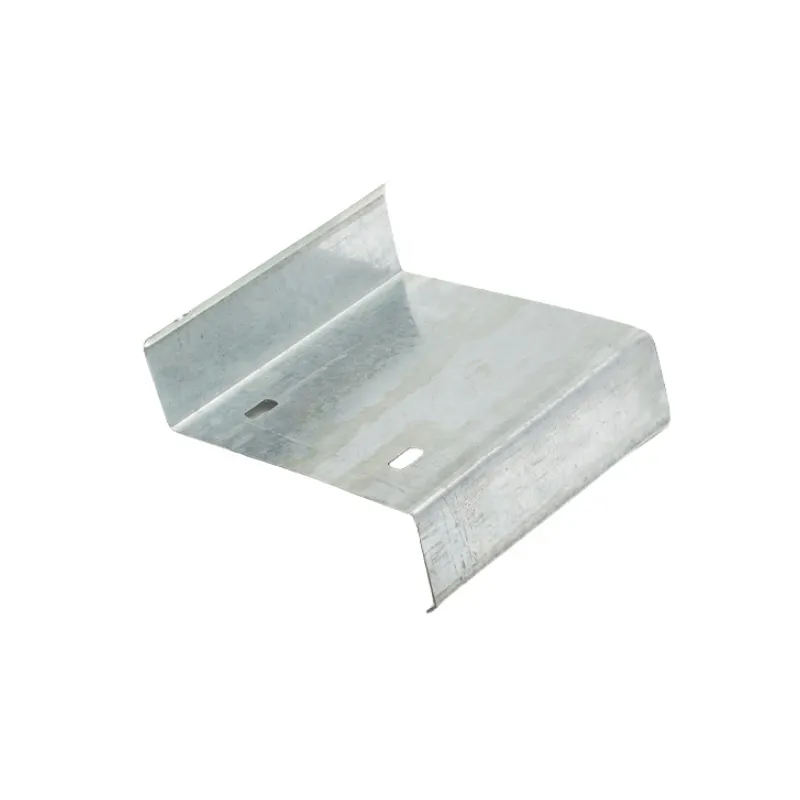
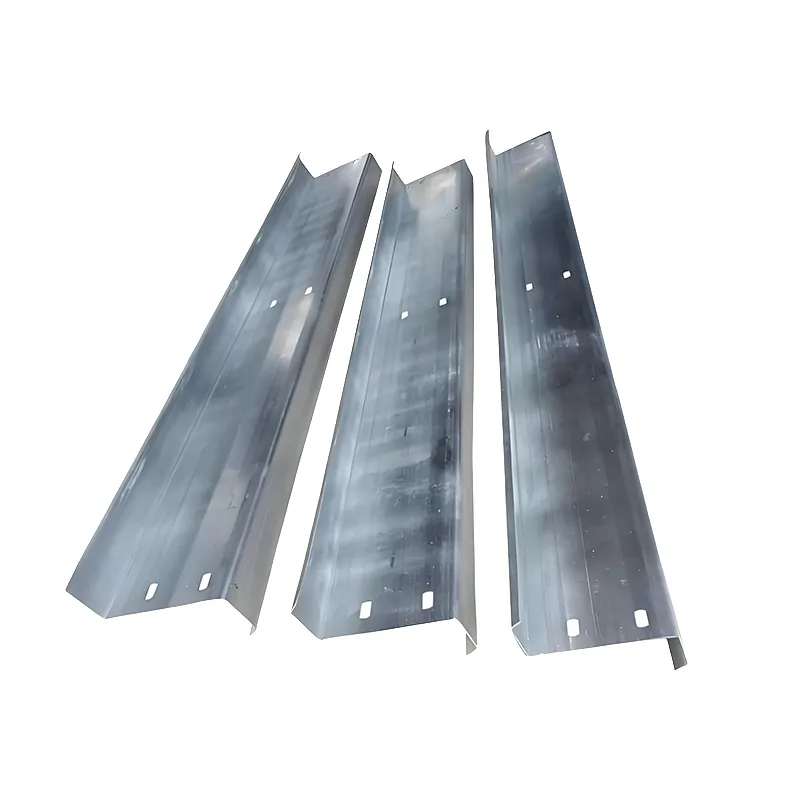
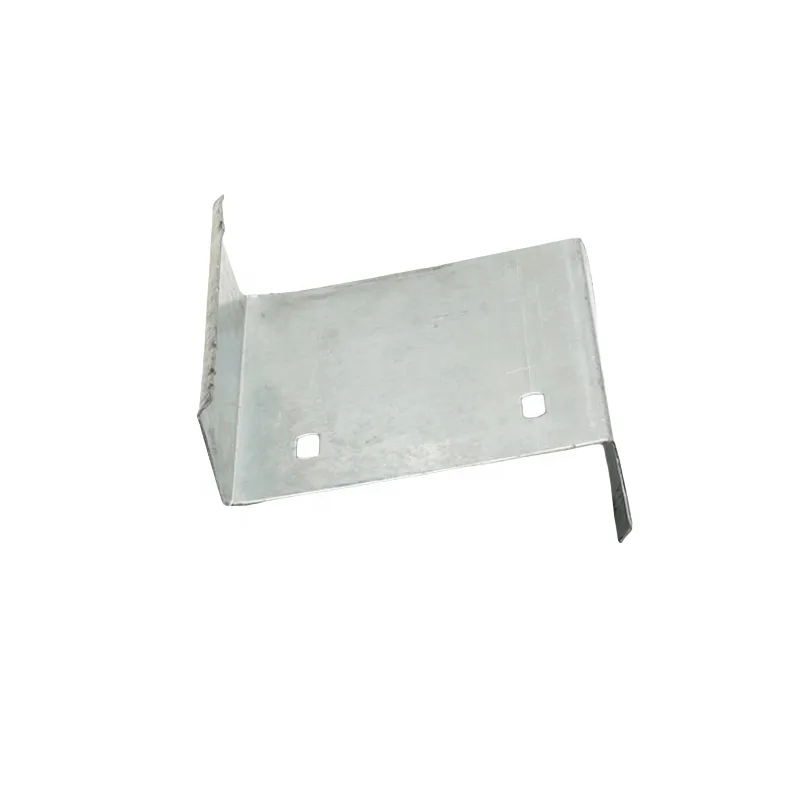
Cold-formed C and Z purlins serve as essential secondary structural framing components, transferring roof and wall envelope loads directly to primary steel portal frames. Manufactured from high-strength hot-dip galvanized steel strip (S350GD+Z to S550GD+Z, thickness 1.5 mm to 3.5 mm), C-sections provide rigid structural support for single-span frames and wall girts, while Z-purlins feature unequal flanges that nest and overlap continuously across intermediate rafters for enhanced multi-span moment capacity. Integrated with pre-punched web and flange bolt holes, automated C/Z framing ensures rapid bolt-together jobsite assembly. Review verified profile load charts, dimension ranges, and quick-change roll forming machinery solutions below.
 Auto Size Changeable C/Z Purlin Roll Forming Machine
- 10-20 m/min
$35,000.00
MOQ: 1
 Eaves Strut Roll Forming Machine Eaves Beam & C/Z Purlin Roll Former Eaves
- Eaves Strut / Eaves Beam Roll Forming Machine
$30,000.00
MOQ: 1
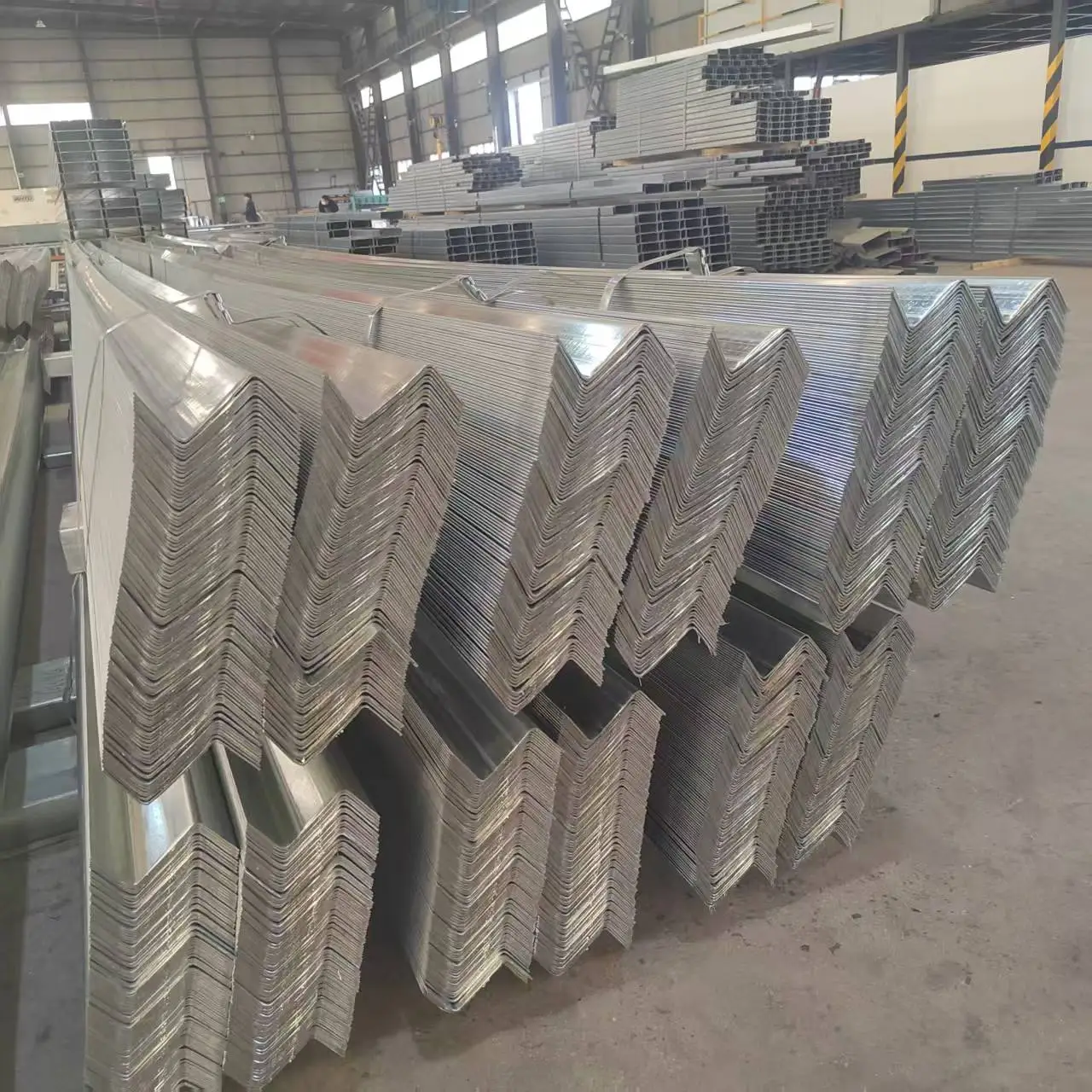 2025 New Design Customized Q235B/Q355B 1.5mm-4.0mm Z Shape Steel Channels
- Tianjin, China+Is Alloy+8 ~ 14 days+Z Shape Steel Channels+Yixunyuan
$750.00
MOQ: 1
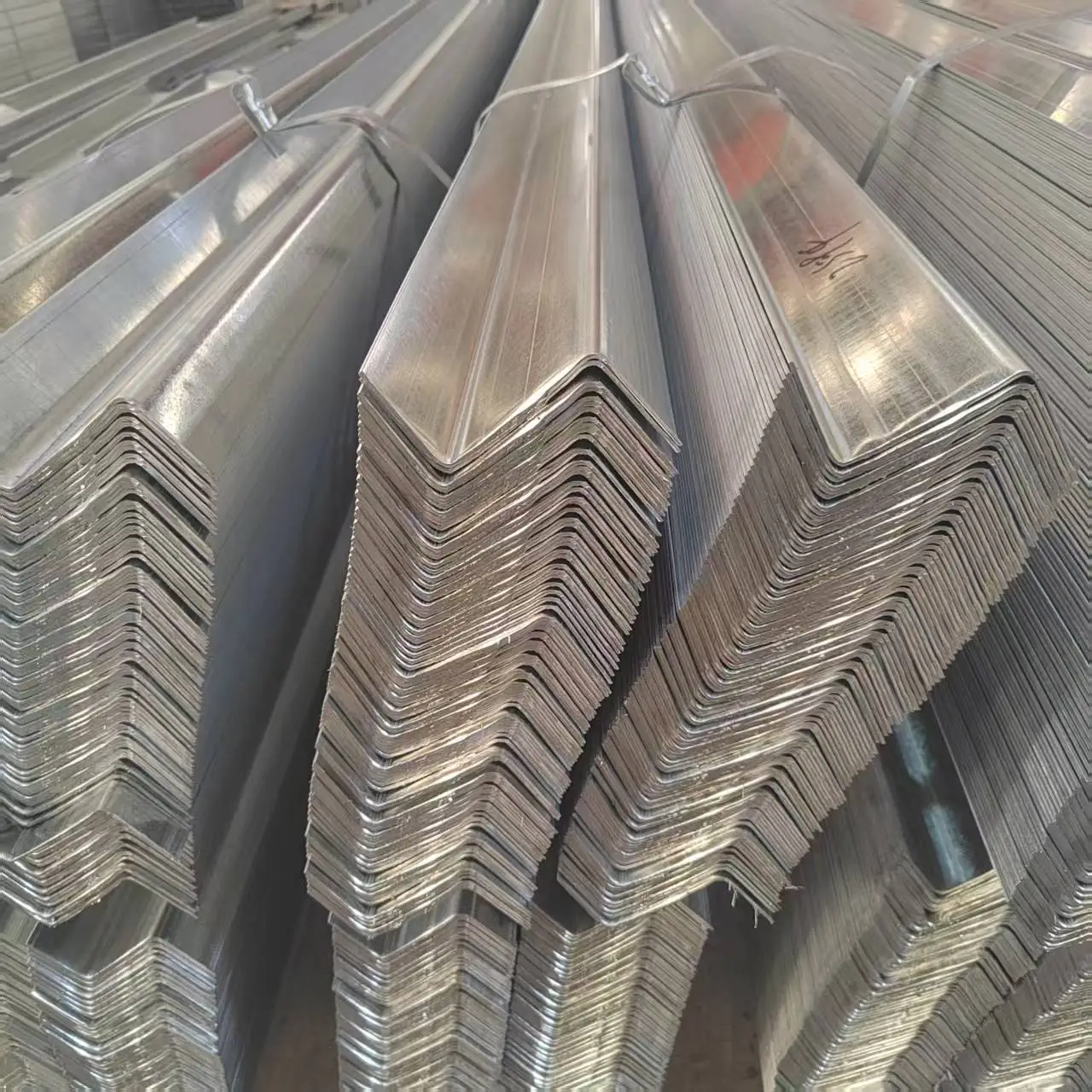 2025 Hot Selling Customized Q235B/Q355B 1.5mm-4.0mm Z Shape Steel Channels
- Tianjin, China+Is Alloy+8 ~ 14 days+Z Shape Steel Channels+Yixunyuan
$750.00
MOQ: 1
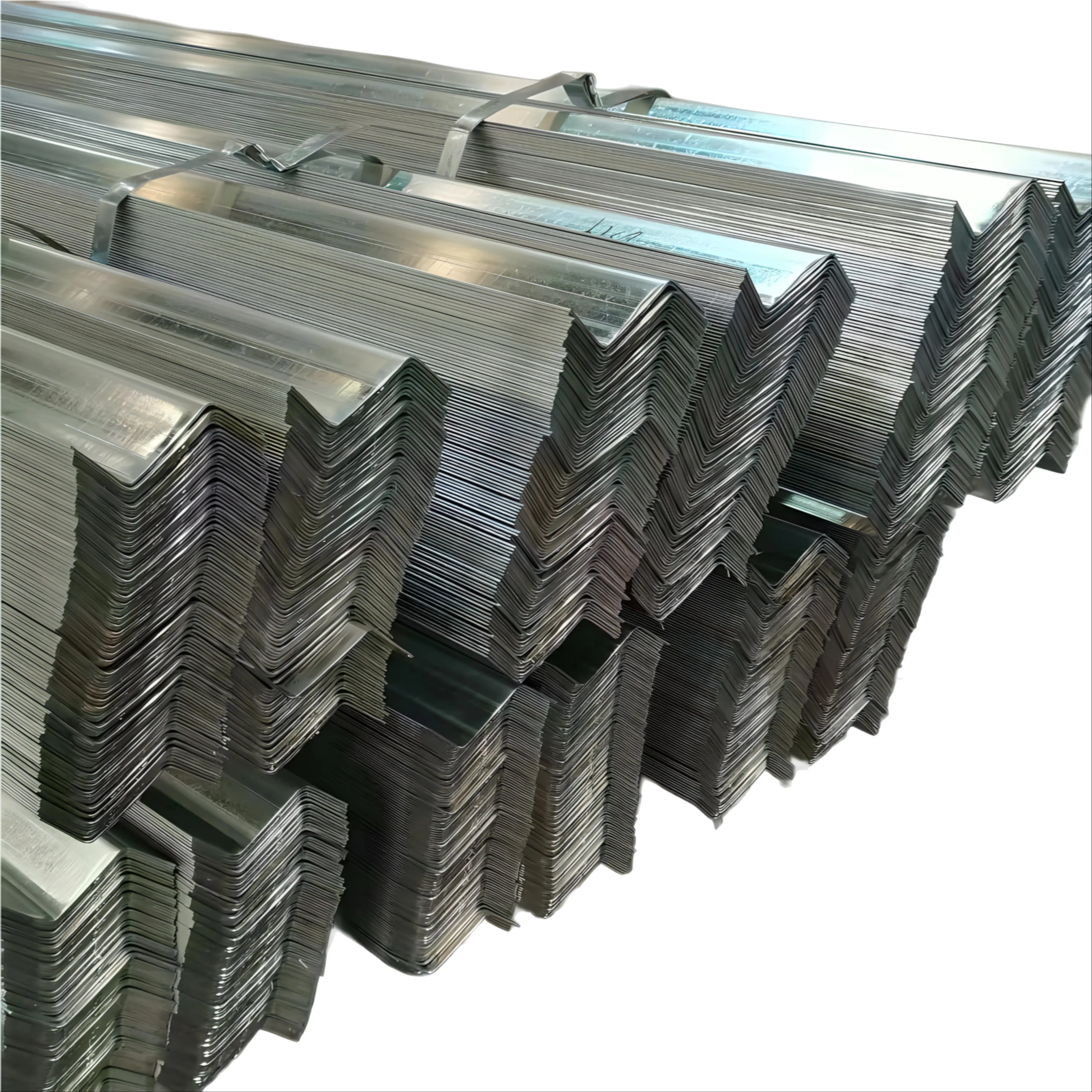 China Manufacturer Factory Price Customized Q235B/Q355B 1.5mm-4.0mm Z Shape Steel Channels
- Tianjin, China+Is Alloy+8 ~ 14 days+Z Shape Steel Channels+Yixunyuan
$750.00
MOQ: 1
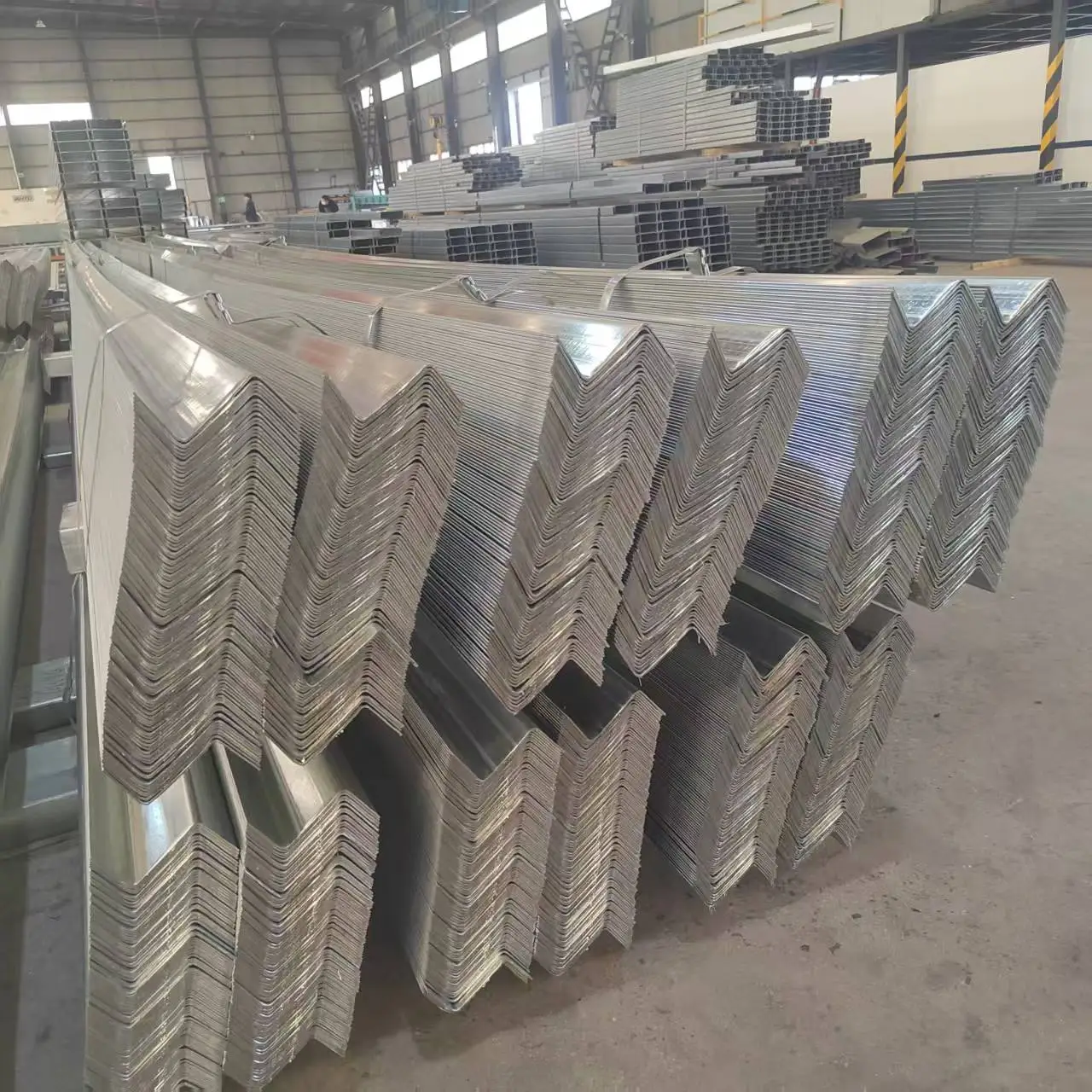 High Quality Low Price Customized Q235B/Q355B 1.5mm-4.0mm Z Shape Steel Channels
- Tianjin, China+Is Alloy+8 ~ 14 days+Z Shape Steel Channels+Yixunyuan
$750.00
MOQ: 1
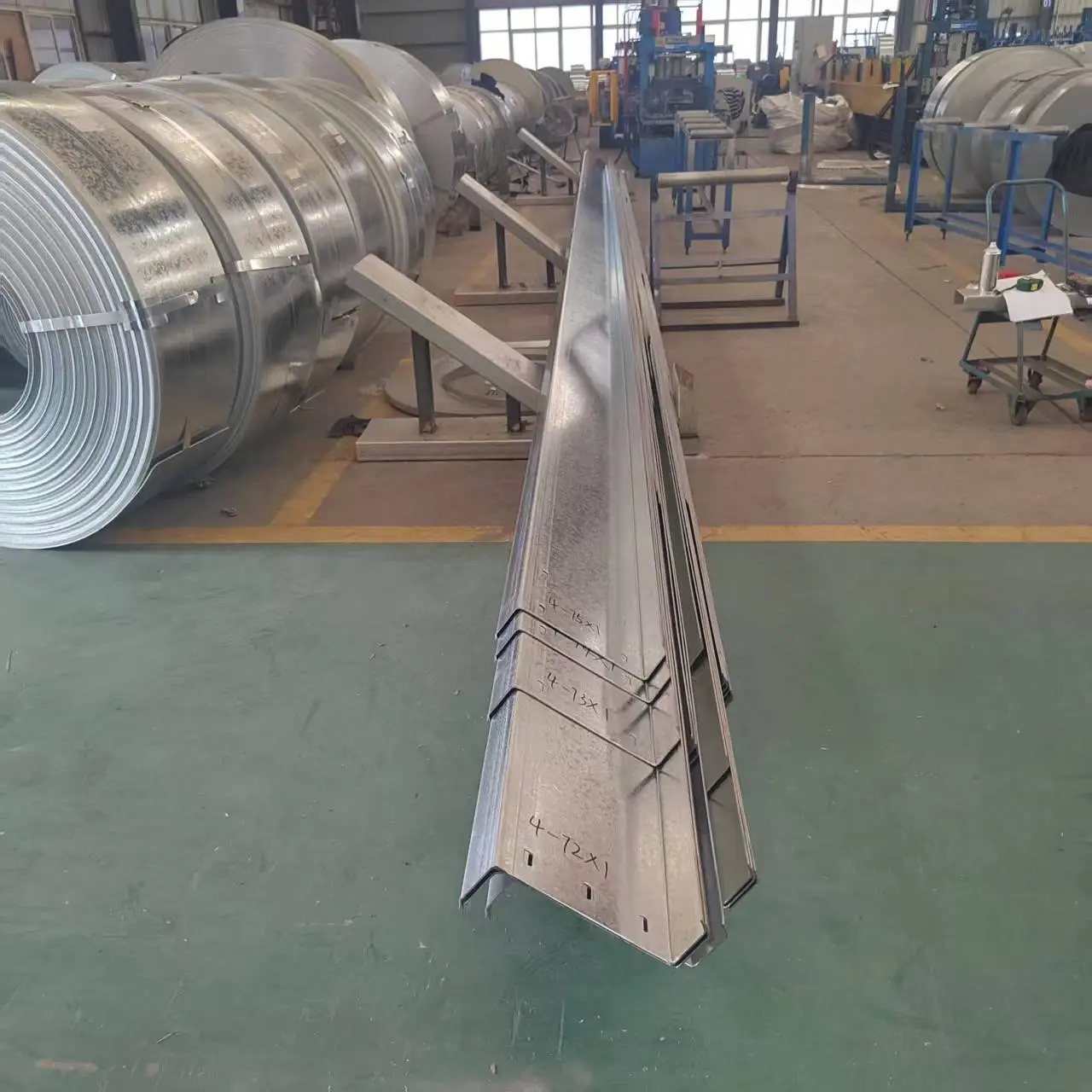 High Quality Customized 1.5mm-4.0mm C Z Shape Steel Channels Cutting Welding Bending Processing Services
- Tianjin, China+Is Alloy+8 ~ 14 days+Z Shape Steel Channels+Yixunyuan
$750.00
MOQ: 1
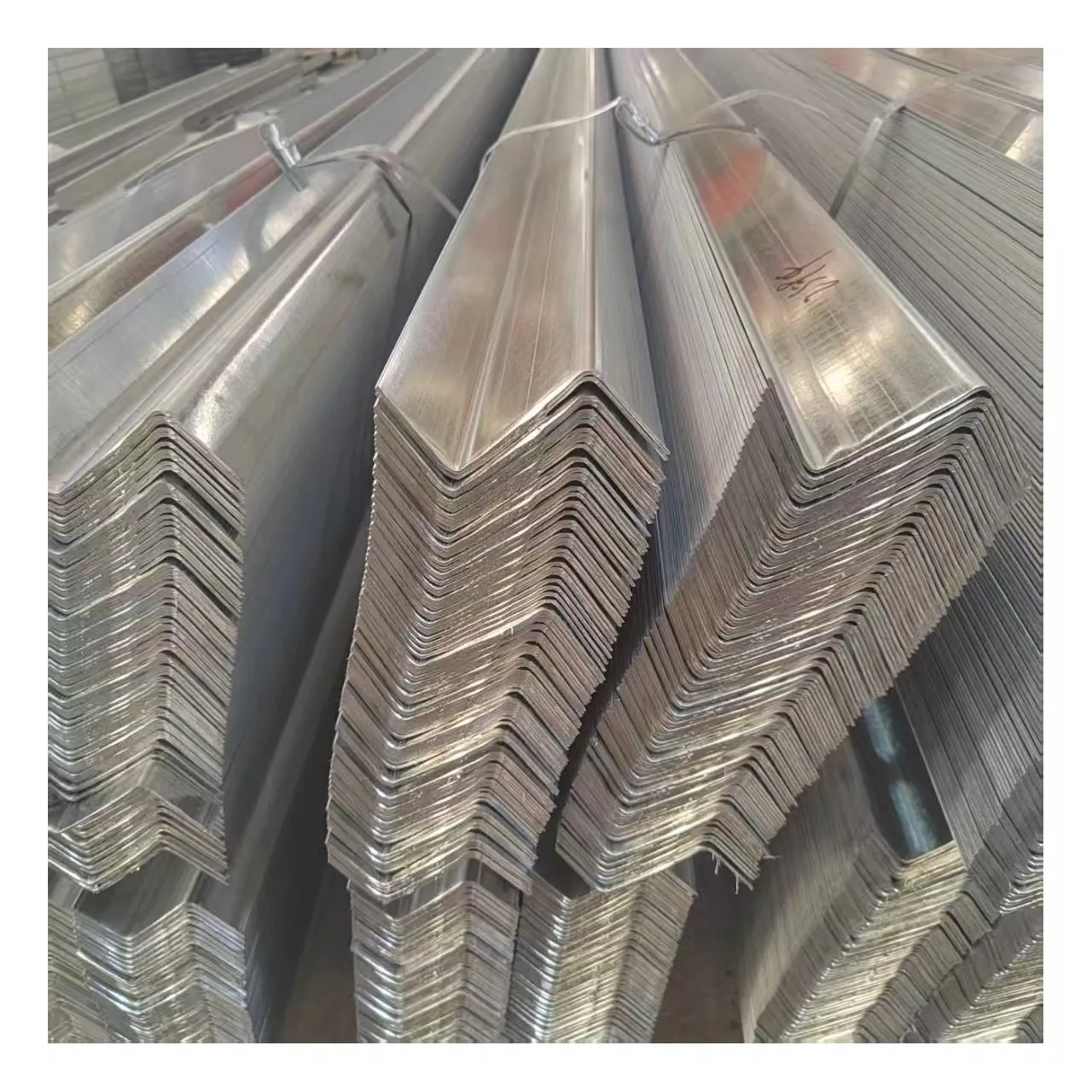 High Quality Customized 1.5mm-4.0mm C Z Shape Steel Channels Cutting Welding Bending Processing Services
- Tianjin, China+Is Alloy+8 ~ 14 days+Z Shape Steel Channels+Yixunyuan
$750.00
MOQ: 1
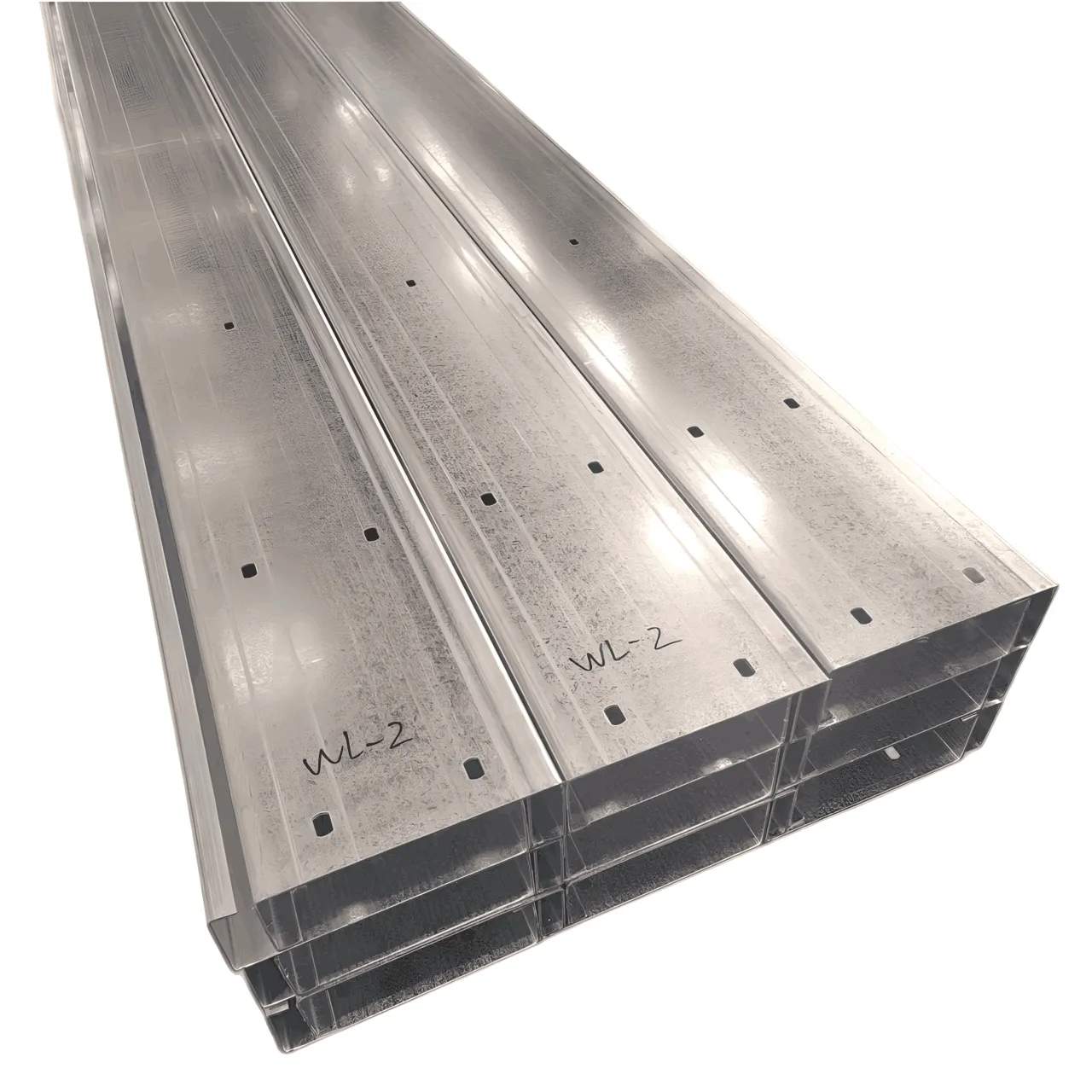 Best Price High End Customized 1.5mm-4.0mm C Shape Steel Channels
- Tianjin, China+Is Alloy+8 ~ 14 days+C Shape Steel Channels+Yixunyuan
$750.00
MOQ: 1
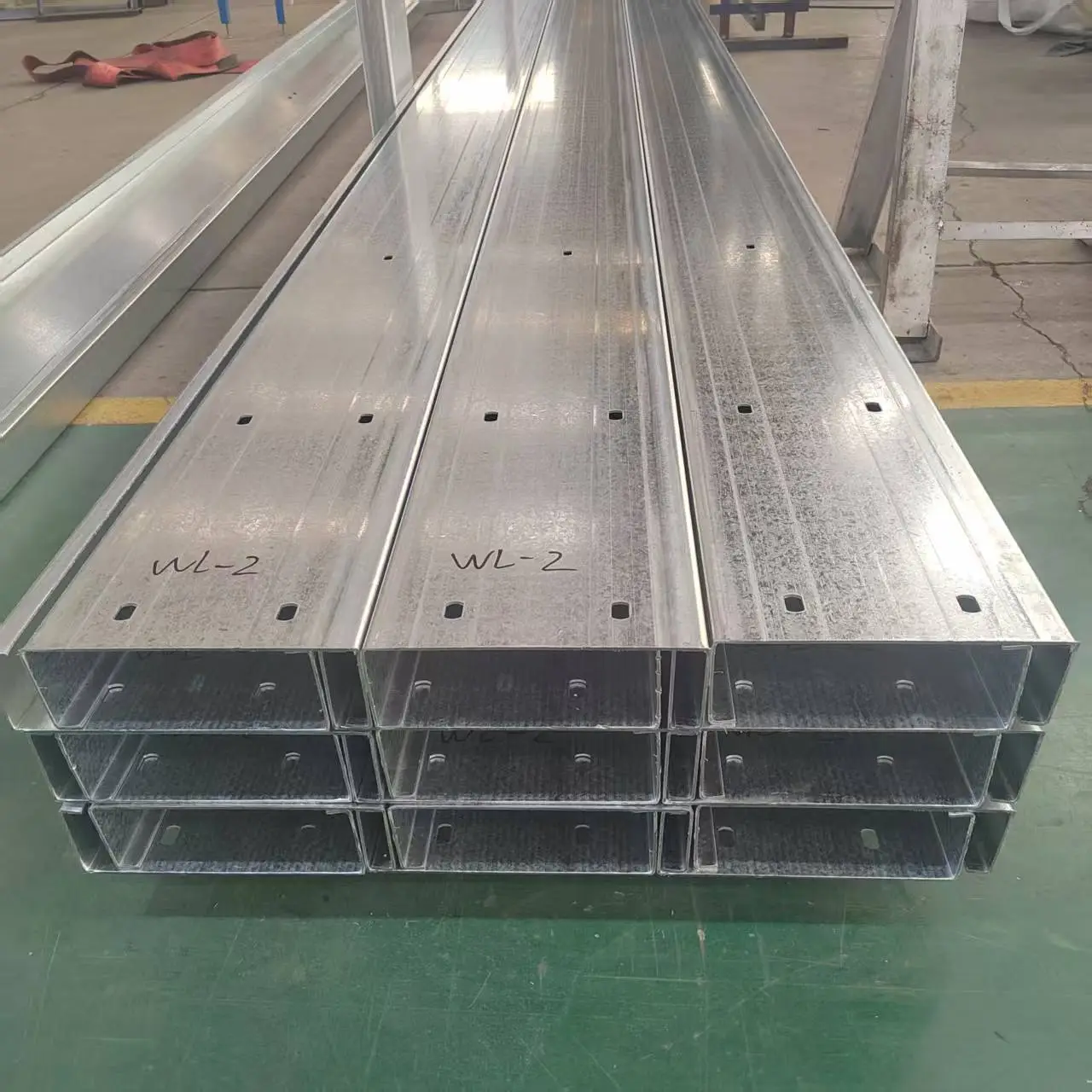 Professional Manufacture Customized Q235B/Q355B 1.5mm-4.0mm C Shape Steel Channels
- Tianjin, China+Is Alloy+8 ~ 14 days+C Shape Steel Channels+Yixunyuan
$750.00
MOQ: 1
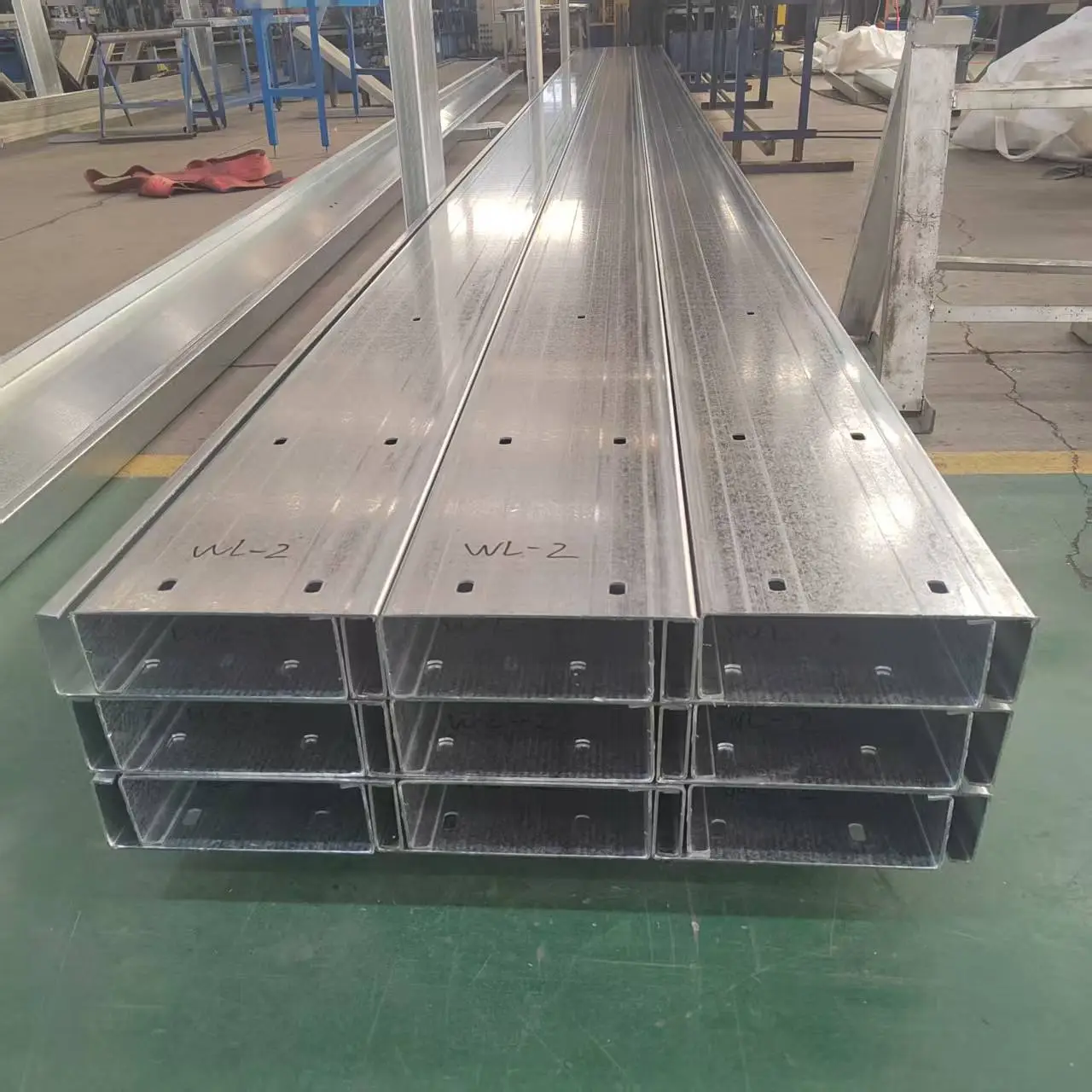 Top Quality And Good Price Customized Q235B/Q355B 1.5mm-4.0mm C Shape Steel Channels
- Tianjin, China+Is Alloy+8 ~ 14 days+C Shape Steel Channels+Yixunyuan
$750.00
MOQ: 1
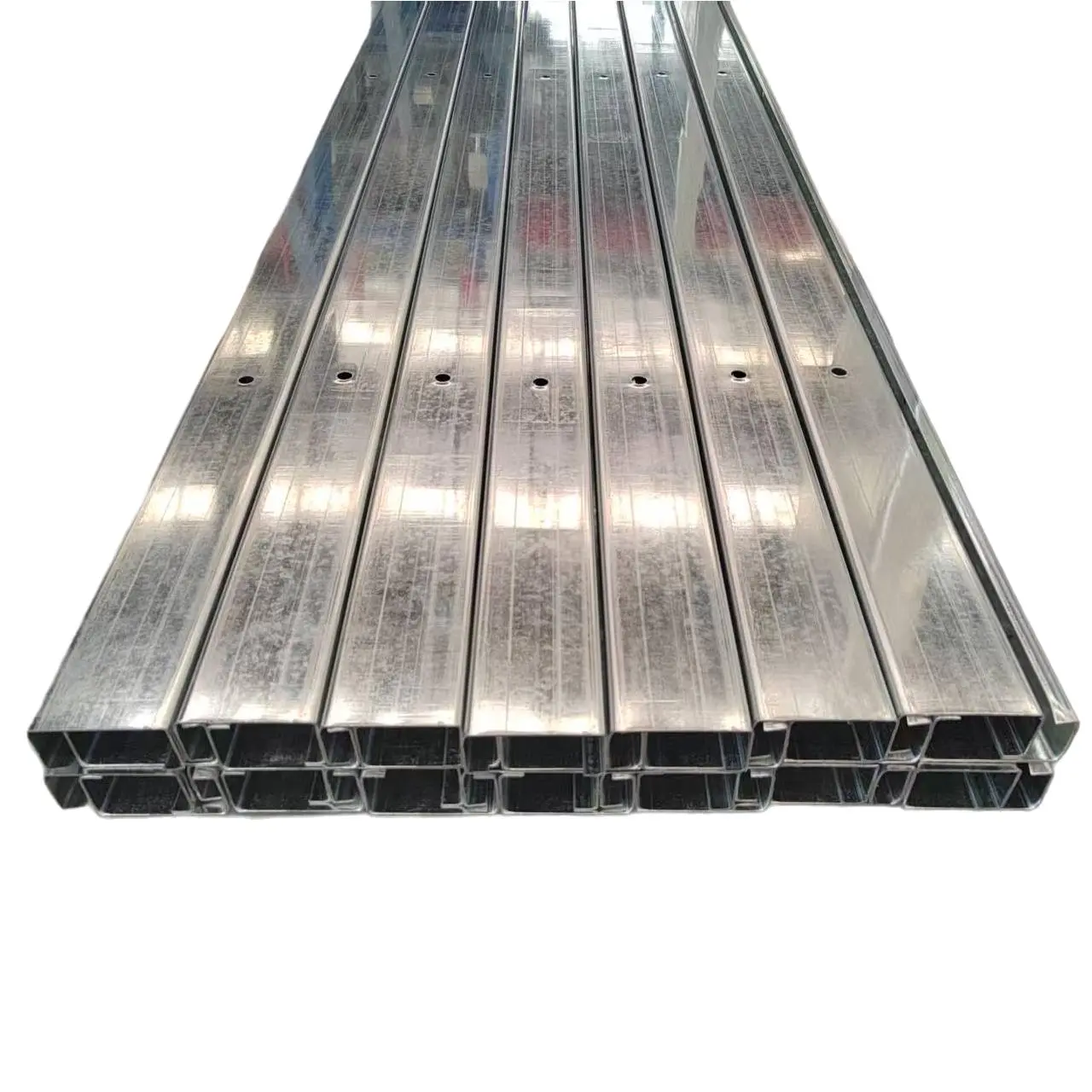 High Quality Customized Q235B/Q355B C Shape Steel Channels 1.5mm-4.0mm Good Price
- Tianjin, China+Is Alloy+8 ~ 14 days+C Shape Steel Channels+Yixunyuan
$750.00
MOQ: 1
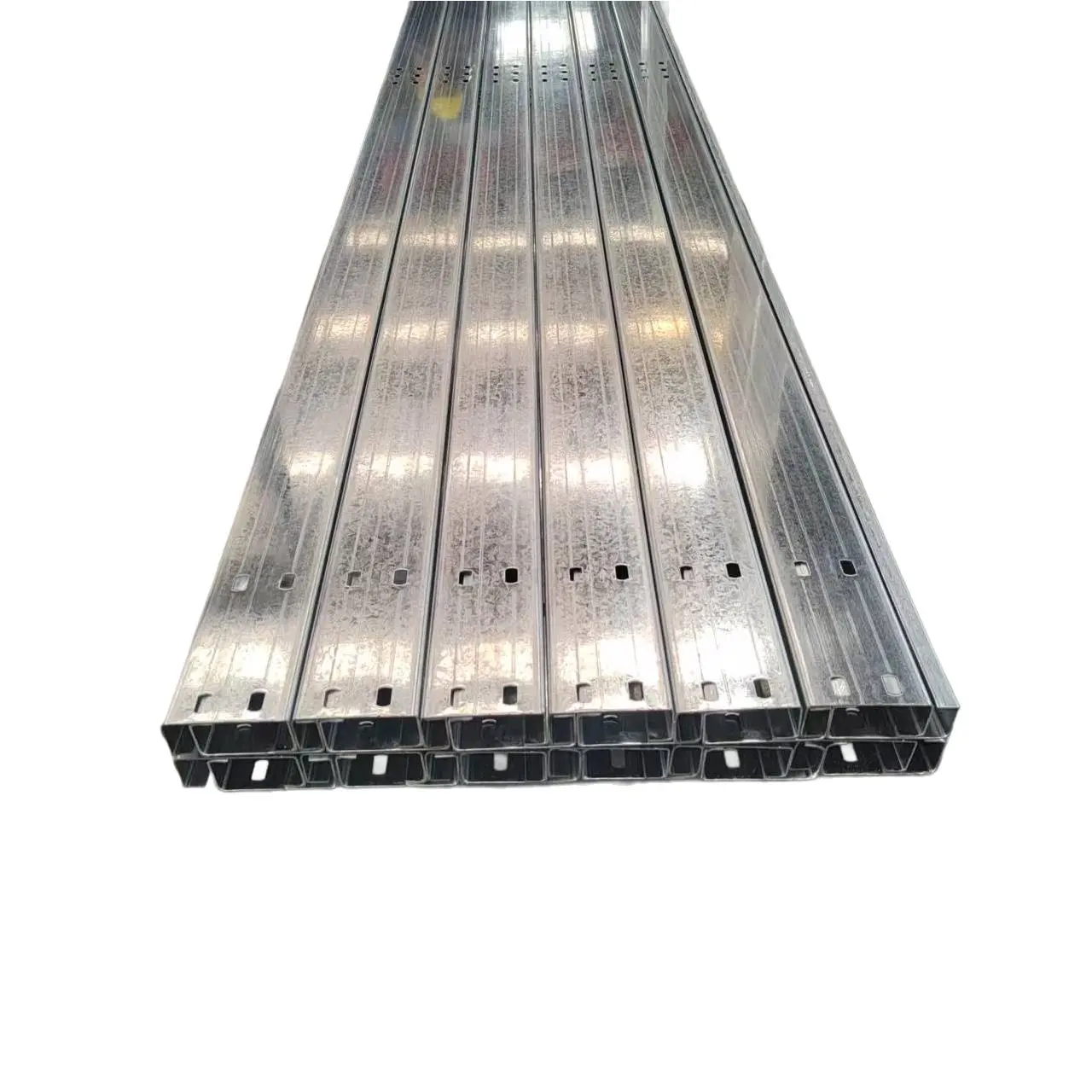 High Quality Customized Q235B/Q355B C Shape Steel Channels 1.5mm-4.0mm Good Price
- Tianjin, China+Is Alloy+8 ~ 14 days+C Shape Steel Channels+Yixunyuan
$750.00
MOQ: 1
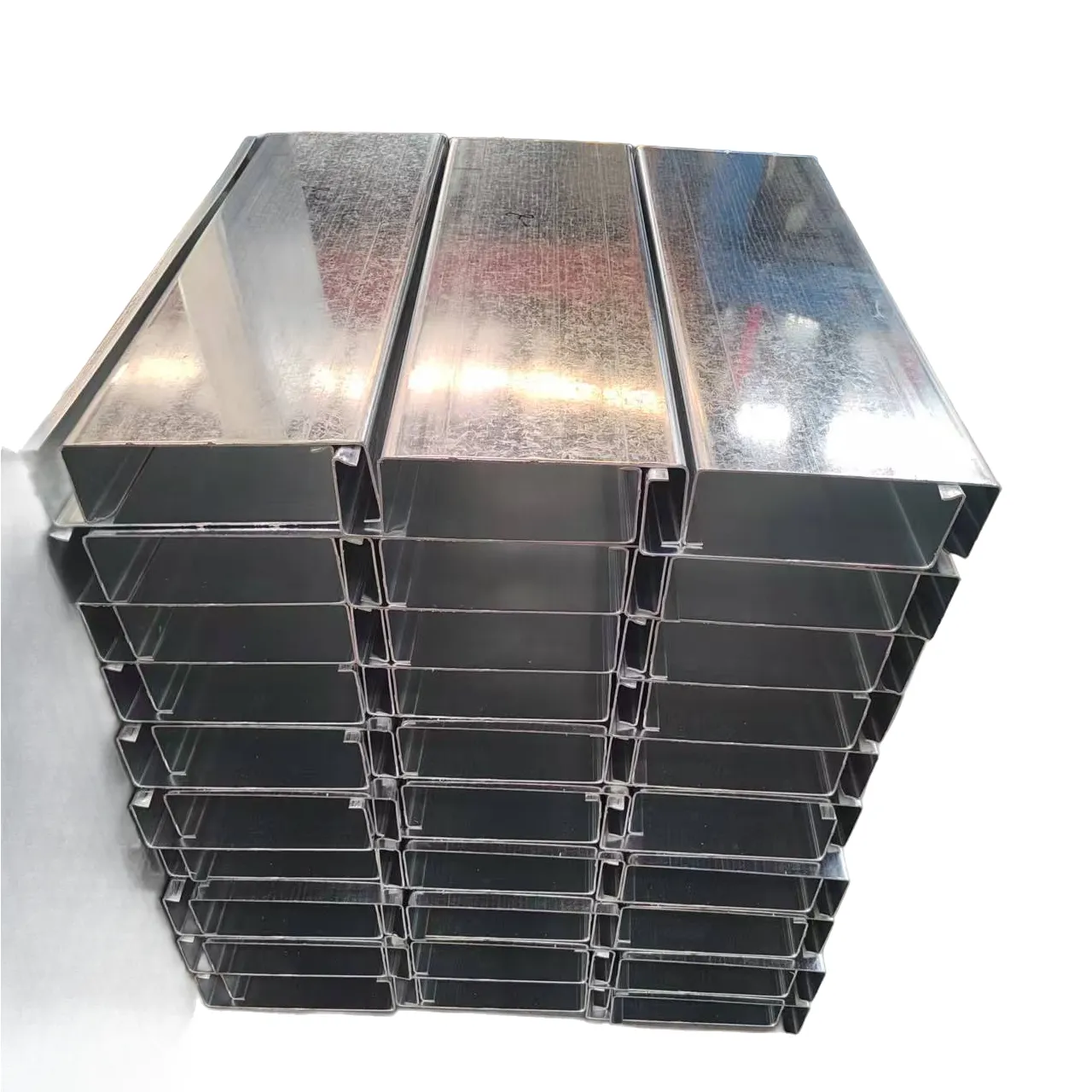 High Quality Customized Q235B/Q355B C Shape Steel Channels 1.5mm-4.0mm Good Price
- Tianjin, China+Is Alloy+8 ~ 14 days+C Shape Steel Channels+Yixunyuan
$750.00
MOQ: 1
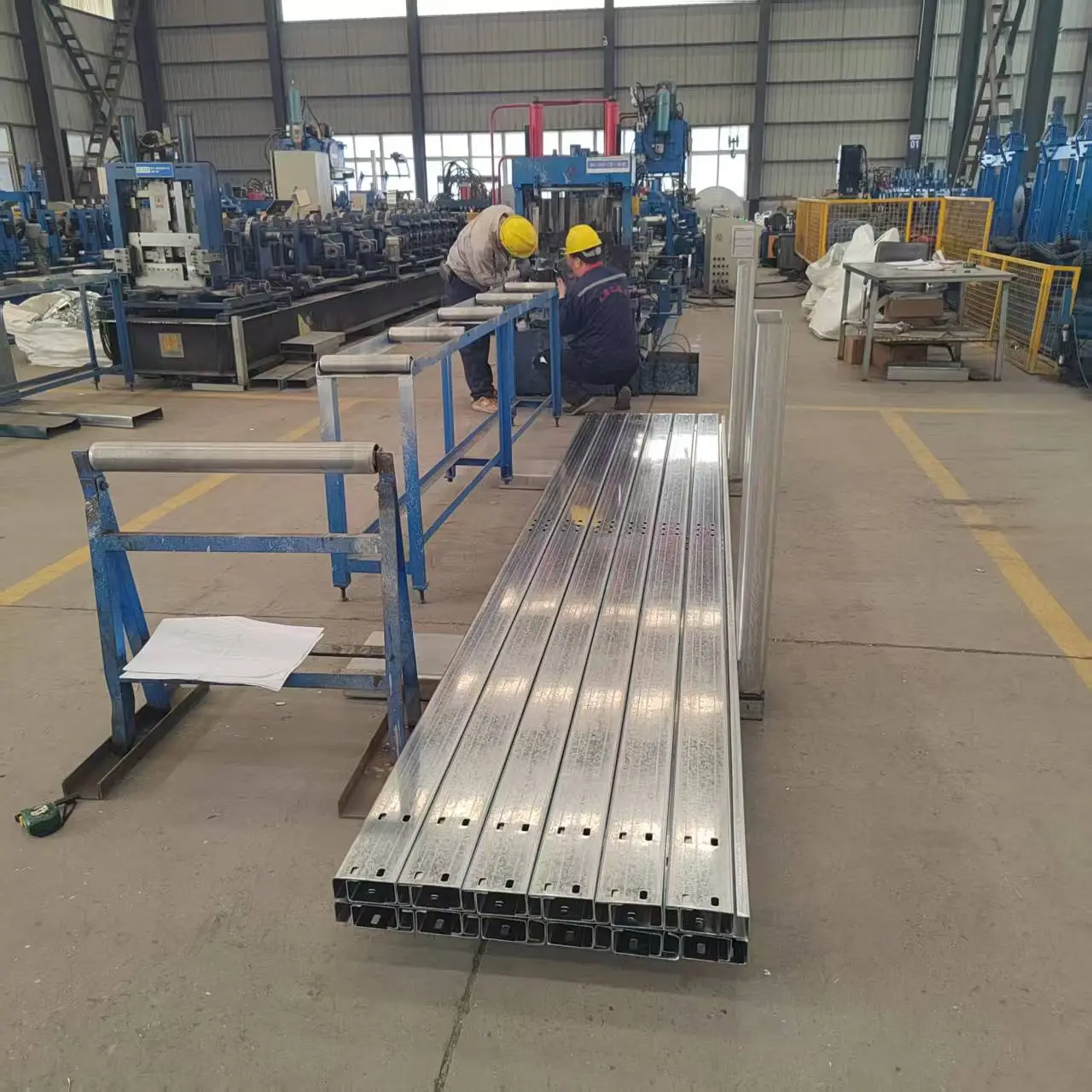 High Quality Customized Q235B/Q355B C Shape Steel Channels 1.5mm-4.0mm Good Price
- Tianjin, China+Is Alloy+8 ~ 14 days+C Shape Steel Channels+Yixunyuan
$750.00
MOQ: 1
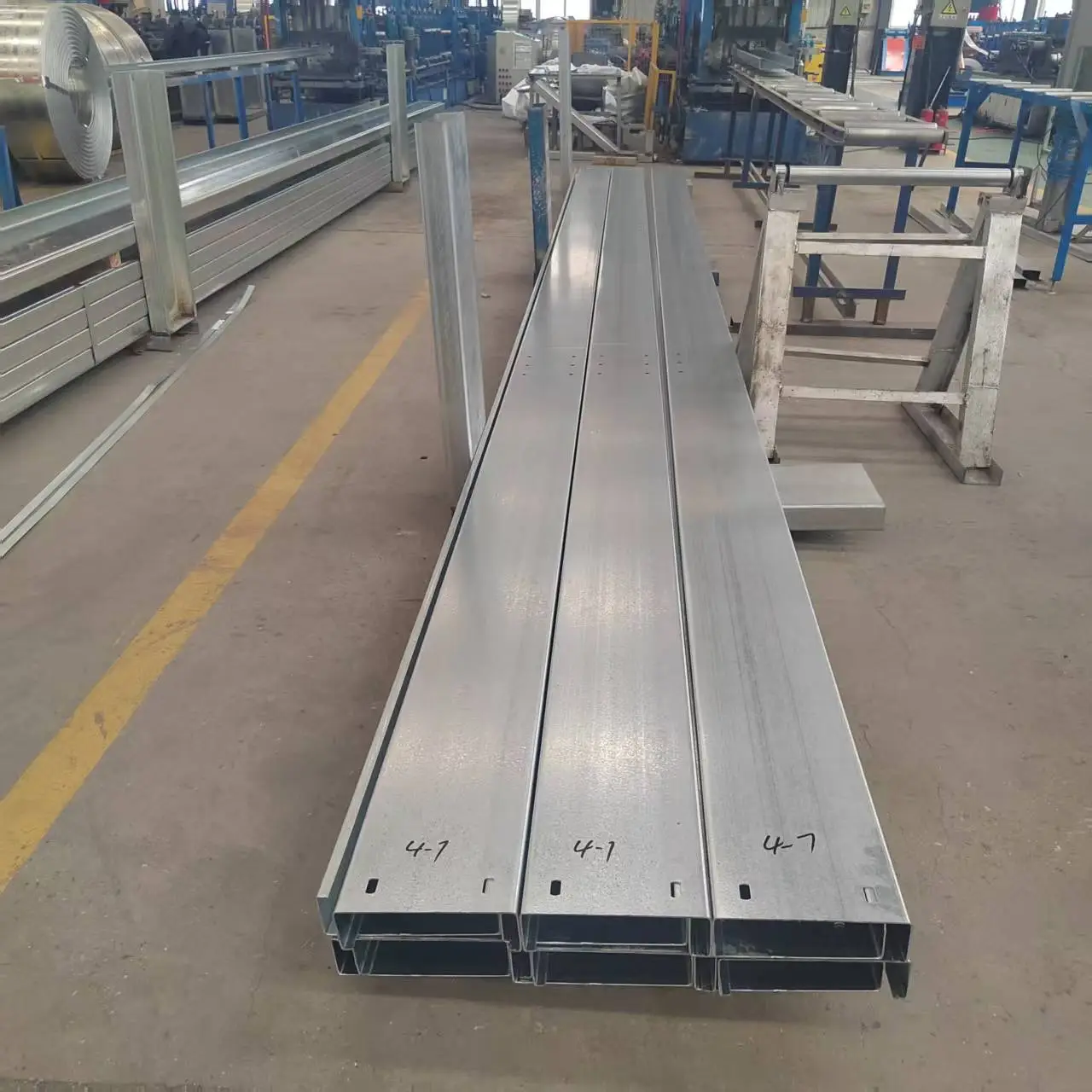 High Quality Customized Q235B/Q355B C Shape Steel Channels 1.5mm-4.0mm Good Price
- Tianjin, China+Is Alloy+8 ~ 14 days+C Shape Steel Channels+Yixunyuan
$750.00
MOQ: 1
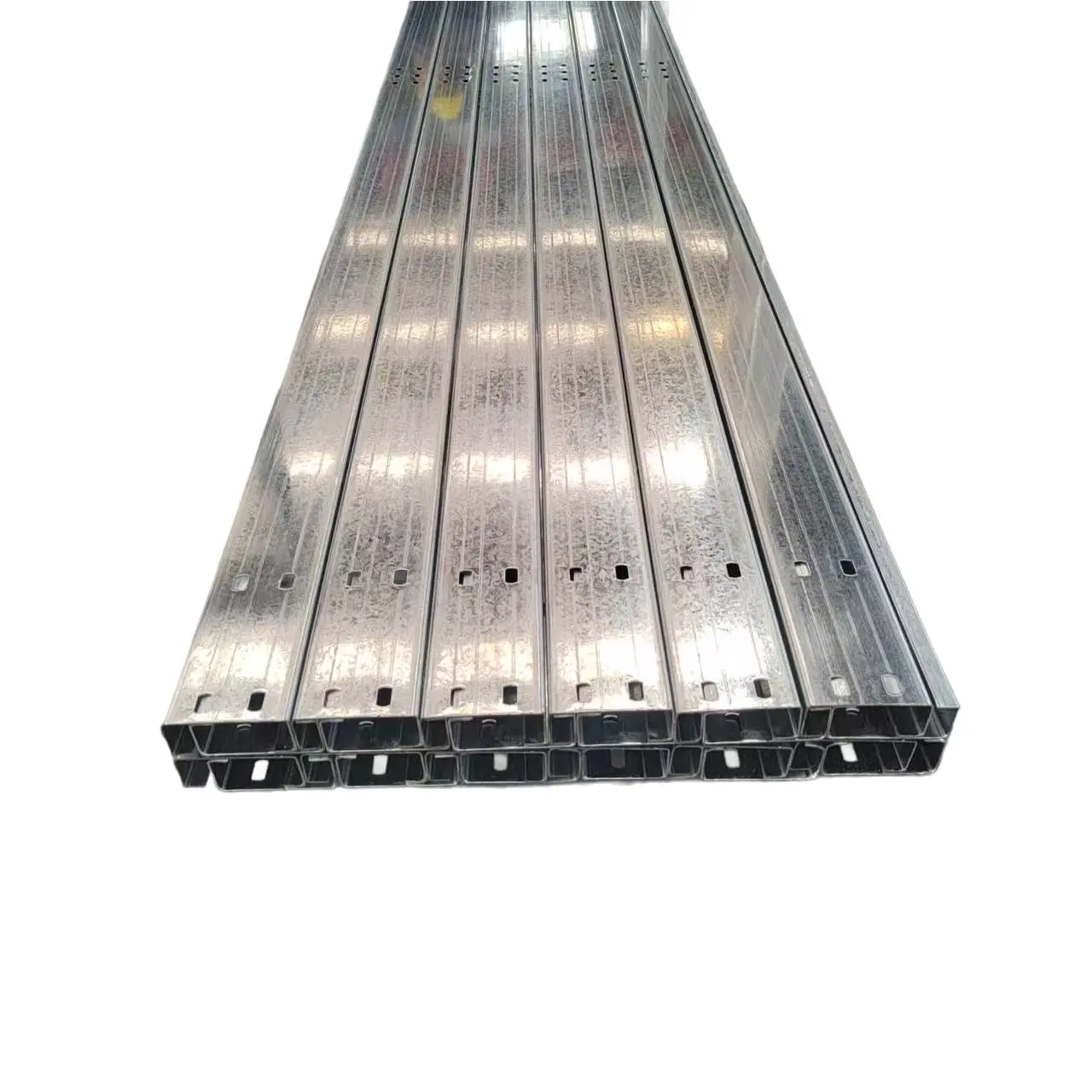 High Quality Customized Q235B/Q355B C Shape Steel Channels 1.5mm-4.0mm Good Price
- Tianjin, China+Is Alloy+8 ~ 14 days+C Shape Steel Channels+Yixunyuan
$750.00
MOQ: 1
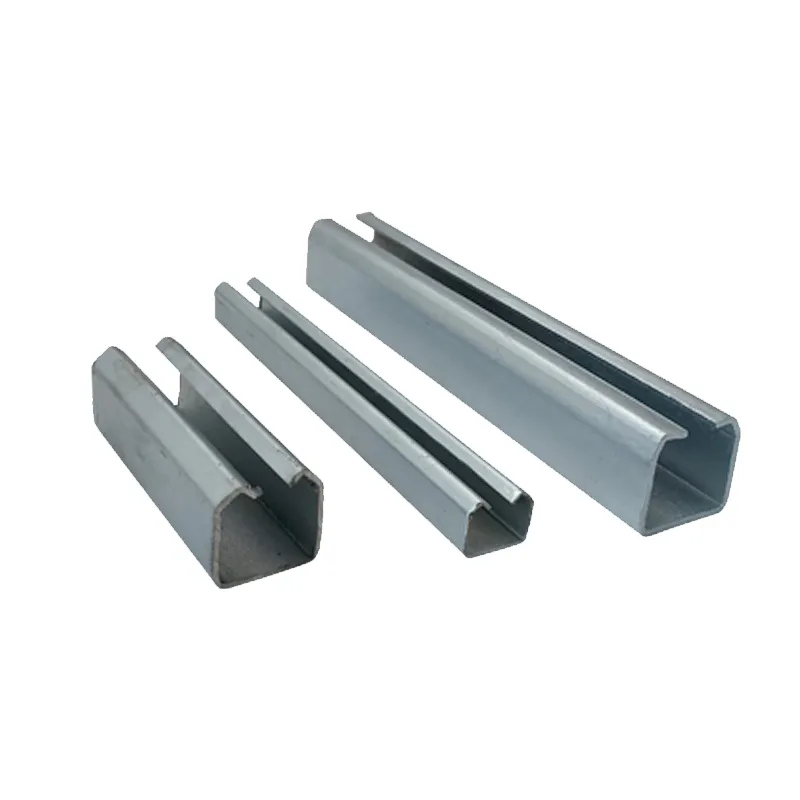 C Type Carbon Steel Frame for Building Materials Cold Rolled C Section Purlins Roof Truss with Welding and Cutting Services
- Sichuan, China+Non-Alloy+15-21 days+Q195 Q235 Q345 SS400+Titanium-Zinc
$643.70
MOQ: 5
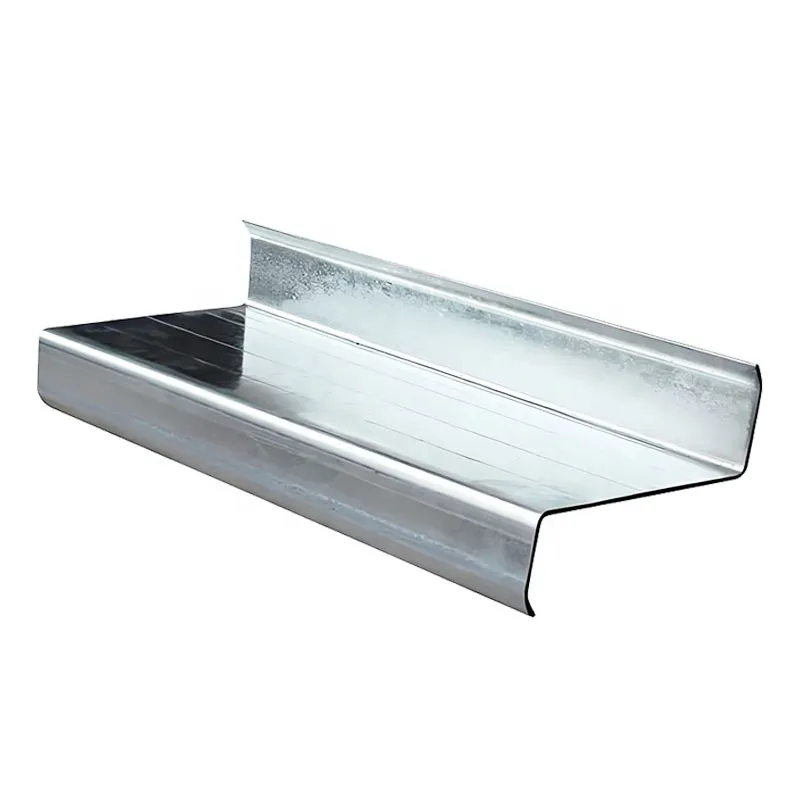 Customized Z-Shaped Steel Purlin Good Stability Lightweight Galvanized Structural Steel Channel Profile Cutting Welding Bending
- Sichuan, China+Is Alloy+22 ~ 30 days+Titanium-Zinc+Construction
$600.50
MOQ: 1

About C/Z Purlin Systems
C and Z purlins constitute the secondary structural backbone of pre-engineered steel buildings (PEB), industrial manufacturing workshops, aircraft hangars, agricultural grain sheds, and commercial logistics warehouses. Roll-formed from continuous high-tensile galvanized steel strip (ASTM A653 Grade 50/SS50 or EN 10346 S350GD/S450GD/S550GD with Z180 to Z275 zinc coatings), these thin-walled cold-formed steel sections deliver superior structural strength-to-weight ratios compared to traditional hot-rolled channels.
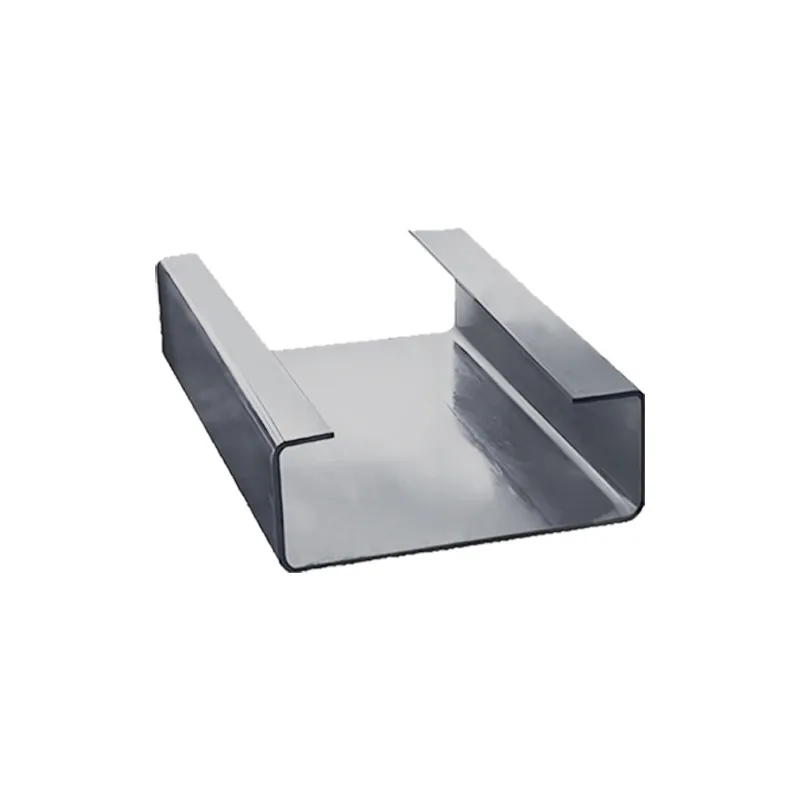
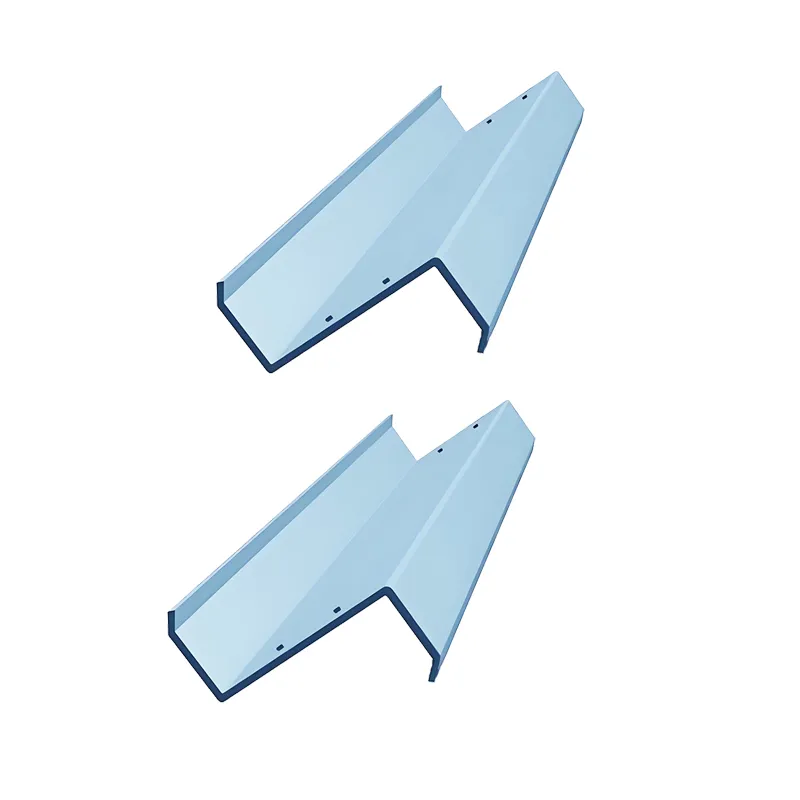
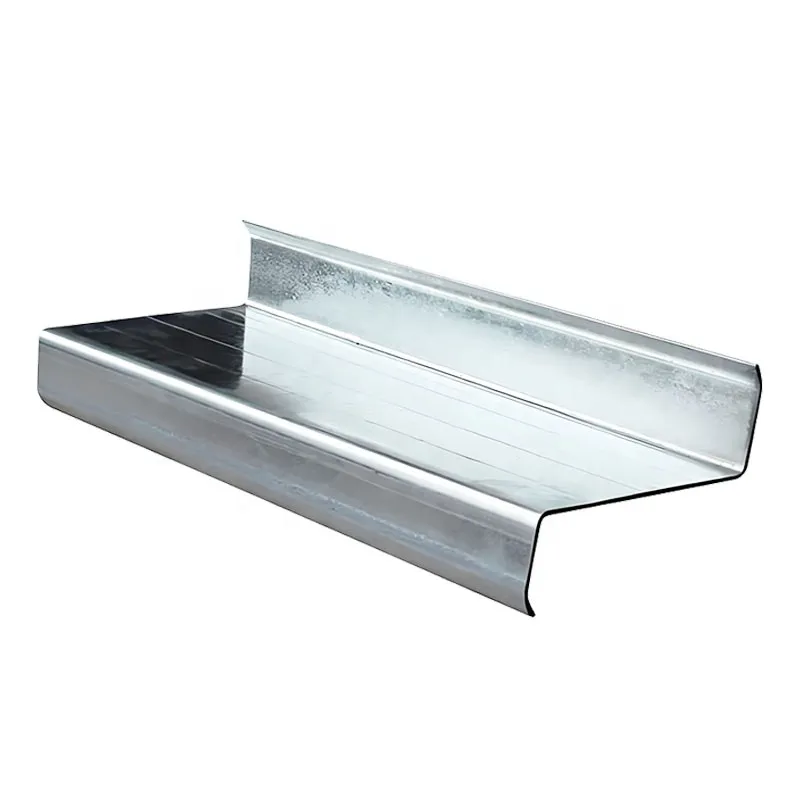
C-purlins are symmetrical channel sections with equal flanges and inward return lips, commonly deployed as simple-span roof purlins, vertical wall girts, floor joists, and door framing members. Z-purlins feature one wider flange and one narrower flange angled slightly beyond 90 degrees, allowing sections to invert and nest seamlessly inside each other. When overlapped across interior building rafters by 10% to 15% of span length, continuous Z-purlin systems create double-thickness structural continuity that increases bending capacity and reduces deflections by up to 40%.
Modern manufacturing utilizes advanced automatic quick-changeover C/Z purlin roll forming lines. Controlled by high-precision PLC servo drive systems, these machines adjust web heights (from 80 mm to 300 mm), flange widths (from 40 mm to 80 mm), and lip lengths within 2 to 5 minutes via touchscreen inputs, completely eliminating manual spacer changes. The integrated production line incorporates high-speed hydraulic pre-punching units for round and slotted bolt holes, 14 to 18 heavy-duty forming stands with solid GCr15/Cr12 rollers, and a universal flying or hydraulic shear that cuts all sizes without blade exchange at line speeds up to 25 to 35 m/min.
Applications
Wide-Span Logistics Warehouse Roof Purlin Framing
In wide-span logistics warehouse roof purlin framing, continuous overlapping galvanized Z-purlins spanning across portal frame rafters in large automated logistics distribution hubs, supporting insulated metal roofing and skylights. These high-tensile C and Z purlins provide lightweight secondary structural framing across wide bays, supporting heavy corrugated metal roof and wall cladding.
Heavy Industrial Crane Workshop Wall Girt Structures
In heavy industrial crane workshop wall girt structures, heavy-gauge C-purlins and wall girts bolted horizontally between primary structural H-columns in heavy machinery plants, supporting side-wall cladding and crane runway bays. Engineered with tight flange angles and continuous web stiffeners, these cold-formed purlins deliver exceptional strength-to-weight ratios conforming to modern design codes.
Solar Photovoltaic Ground & Rooftop Mounting Sub-Framing
In solar photovoltaic ground & rooftop mounting sub-framing, corrosion-resistant Z275 galvanized C-channel purlin mounting rails supporting high-efficiency commercial rooftop solar PV arrays under extreme wind-uplift pressures. These corrosion-resistant structural components withstand extreme wind uplift forces and harsh atmospheric weathering, ensuring 25-plus year operational longevity.
Commercial Aircraft Hangar Portal Frame Secondary Systems
In commercial aircraft hangar portal frame secondary systems, high-strength 300 mm deep continuous Z-purlin framing systems engineered for massive clear-span aircraft maintenance hangars requiring tight deflection control. These high-tensile C and Z purlins provide lightweight secondary structural framing across wide bays, supporting heavy corrugated metal roof and wall cladding.
Agricultural Grain Storage & Livestock Bulk Sheds
In agricultural grain storage & livestock bulk sheds, heavy-galvanized C/Z purlin roof and wall framework providing durable anti-corrosive structural backing for bulk grain and crop storage buildings against humid rural atmospheres. Engineered with tight flange angles and continuous web stiffeners, these cold-formed purlins deliver exceptional strength-to-weight ratios conforming to modern design codes.
Technical Overview
| Parameter | Information |
|---|---|
| Product / Profile Family | Cold-formed C-channels, Z-purlins, U-channels & structural girts |
| Applicable Coil Materials | Hot-dip galvanized structural steel (GI / HDG) S350GD+Z to S550GD+Z |
| Material Thickness Range | 1.50 mm – 3.50 mm (16-gauge to 10-gauge structural strip) |
| Web Height Dimension (H) | 80 mm – 300 mm (infinitely adjustable via PLC servo motors) |
| Flange Width Dimension (B) | 40 mm – 80 mm (independent flange sizing for Z nesting) |
| Lip Length Dimension (C) | 12 mm – 25 mm (inward stiffening return lips) |
| Zinc Coating Weights | Z120, Z180, Z275 (G90) up to Z350 / Z600 for severe environments |
| Forming Stations & Tooling | 14 – 18 heavy-duty stands (solid GCr15 / 42CrMo rollers, HRC 58–62) |
| Punching System | Multi-cylinder hydraulic pre-punching for web & flange slotted bolt holes |
| Cutting System & Line Speed | Universal stepless hydraulic or flying shear; speed 15 – 35 m/min |
Related Solutions
C-Purlin Production Line for Roof Systems
Complete cold roll forming solution for C-section purlins used in metal building…
Z-Purlin Roll Forming Solution
Dedicated Z-purlin line for overlapping roof purlin applications. Lap joint desi…
C & Z Purlin Combined Production Line
One line produces both C and Z purlins with quick tooling change. Ideal for meta…
C/Z Purlin Interchange Line Solution
C/Z interchangeable purlin line for plants that run both C and Z. Dedicated C or…
Roof & Wall Purlin System Solution
Secondary steel for roofs and walls is a section family first: dedicated C, dedi…
Pre-Engineered Building Component Line
Integrated solution for PEB secondary framing: C/Z purlins, girts, eave struts,…
Related Information

What Is a CZ Purlin Roll Forming Machine? Specs, Changeover & RFQ Guide
Define CZ purlin roll forming machines: dual C/Z profile capability, changeover…
Read More
How Does a CZ Purlin Roll Forming Machine Work?
Learn how CZ purlin roll forming machines work: from decoiling to precision cutt…
Read More
C Purlin vs Z Purlin: Structural Differences, Spanning, and Sourcing Guide
Compare C vs Z purlins for structural strength, spanning, and installation. Lear…
Read More
How to Choose a CZ Purlin Roll Forming Machine: Technical & Sourcing Guide
Guide to choosing a CZ purlin roll forming machine: evaluate tolerance, servo-cu…
Read More
CZ Purlin Machine RFQ Checklist: What Buyers Must Specify
Essential RFQ checklist for CZ purlin machines: specify material strength, punch…
Read More
Manual vs Automatic CZ Purlin Roll Forming Machines
Compare manual vs automatic CZ purlin roll forming machines. Analyze changeover…
Read More
FAQ
What is the structural difference between C-purlins and Z-purlins in building design?
C-purlins are used for simple, single-span roof and wall girt systems because they stand independently and bolt cleanly to column flanges. Z-purlins feature unequal flanges that nest and lap continuously across portal frame rafters, forming continuous multi-span beams that distribute negative bending moments and reduce total steel weight by 15% to 25%.
What steel grades and material thicknesses are standard for cold-formed purlins?
Structural high-yield galvanized steel coils with yield strengths of 350 MPa to 550 MPa (ASTM A653 SS50 / EN 10346 S350GD+Z or S550GD) are standard. Typical steel thickness ranges from 1.5 mm to 3.5 mm (16-gauge to 10-gauge) depending on wind uplift, snow load, and rafter spacing.
How fast is profile changeover on an automatic CZ quick-change roll forming machine?
Advanced automatic CZ quick-change roll formers switch web heights (80–300 mm) and flange dimensions in under 3 minutes via servo-driven pushbuttons on the HMI touchscreen. Switching between C and Z profiles takes approximately 5 minutes by rotating forming cassettes 180 degrees, without disassembling rollers.
What standard bolt hole punching patterns are integrated into purlin production lines?
Production lines feature multi-axis hydraulic pre-punching stations that punch slotted holes (e.g., 14×22 mm or 18×26 mm) in web centers, flange edges, and lap zones. Hole spacing and patterns are fully programmed in the controller to align with portal frame cleats without manual site drilling.
What are typical spanning distances for C and Z purlins in pre-engineered buildings?
Standard purlin spans range from 6.0 m to 9.0 m between portal frame rafters, with heavy 250 mm to 300 mm deep sections spanning up to 12.0 meters when utilizing continuous overlapping Z-purlin designs and sag rods.
How do sag rods and anti-sag struts stabilize purlin framing under wind uplift?
Sag rods and diagonal bridging struts connect adjacent purlins at mid-span or third-points, providing lateral-torsional restraint to the compression flange under wind suction or gravity loads, preventing section twist and torsional buckling.
What critical features should buyers verify when sourcing a CZ purlin roll forming line?
Buyers should verify web size range (80–300 mm or 100–400 mm), maximum thickness capability (up to 3.0 or 3.5 mm), roller shaft diameter (Φ80–100 mm), universal shear blade design (no blade change across sizes), and automatic servo-driven motor width adjustment.