Global B2B Roll Forming Sourcing Platform | Free RFQ Response within 24h

- Tuo AI

- Live

- My Account
- Shopping Cart
- Inquiry Basket
- Contact Us
- Back to Top




Perforated Cable Trays & Ventilated Cable Management
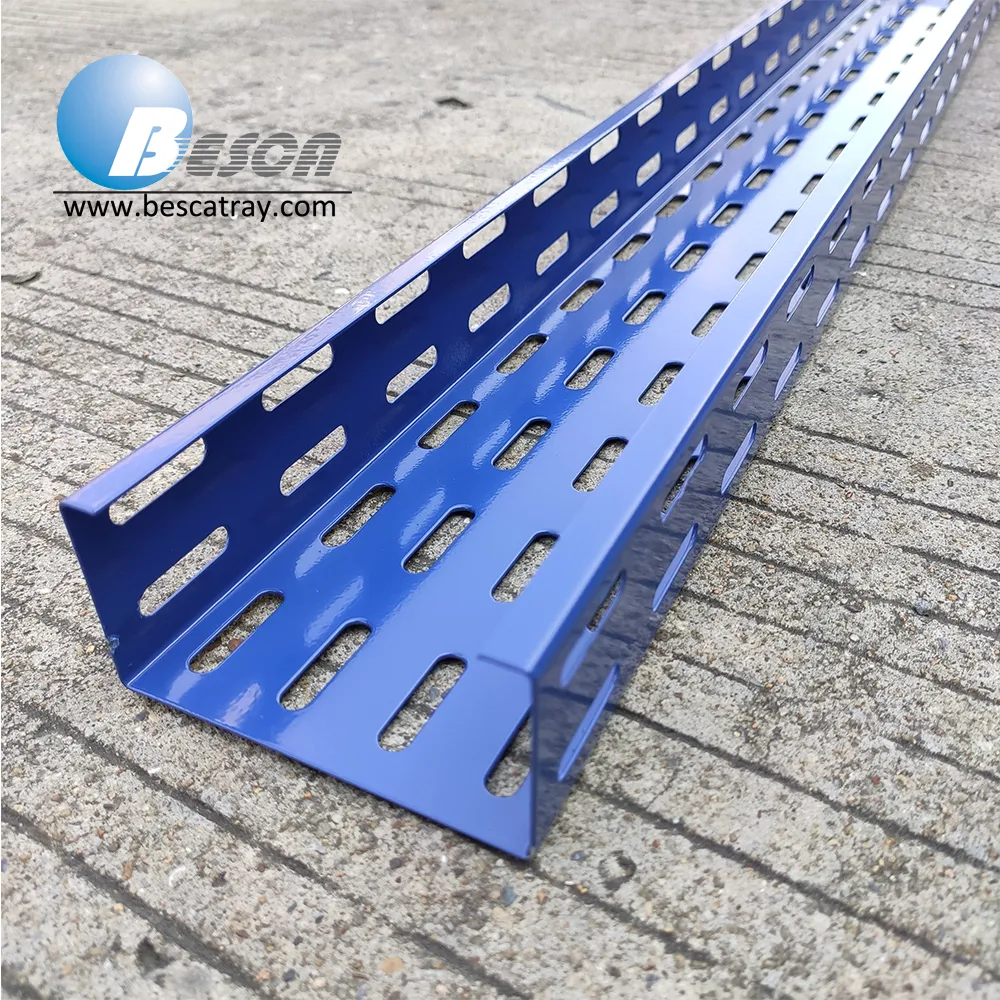
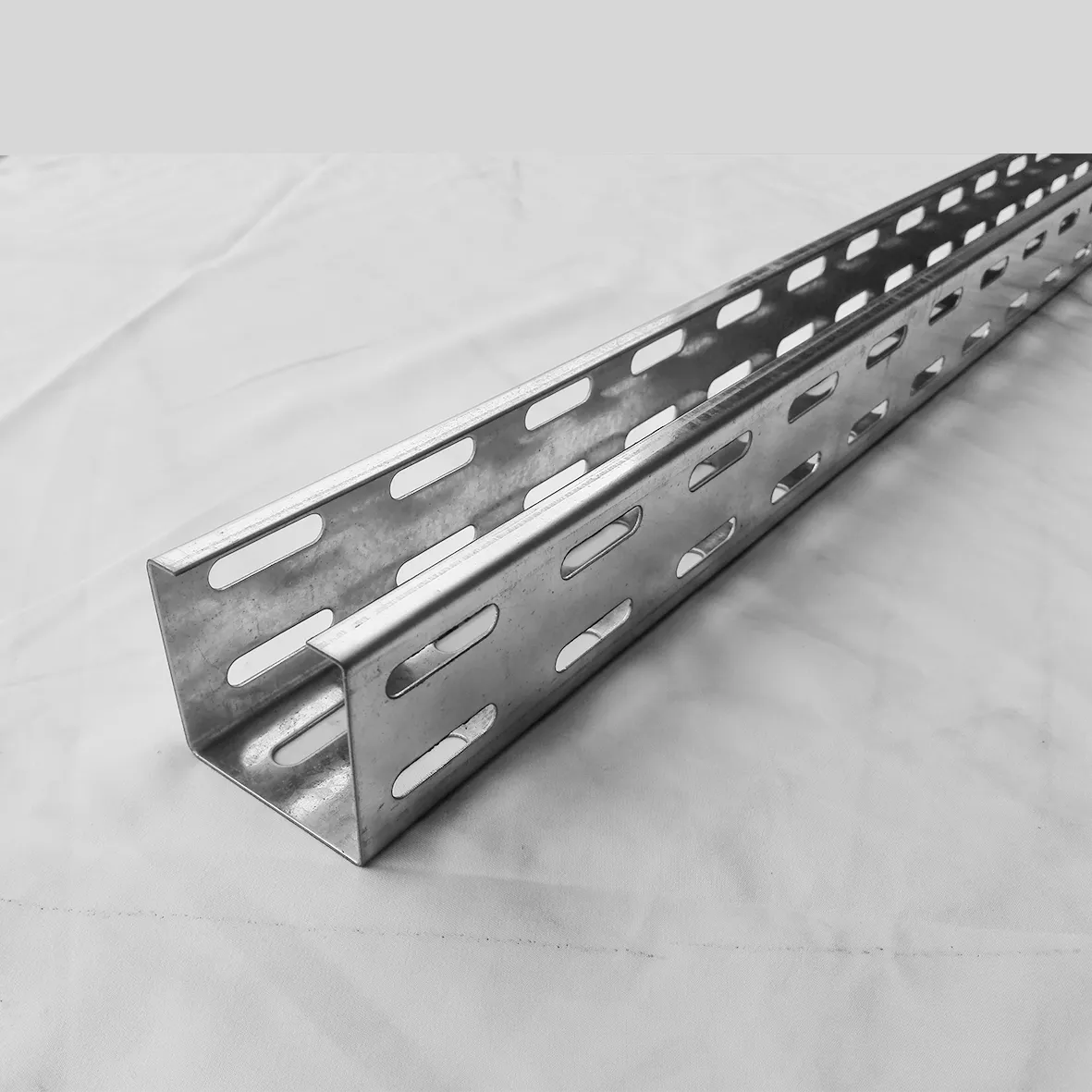
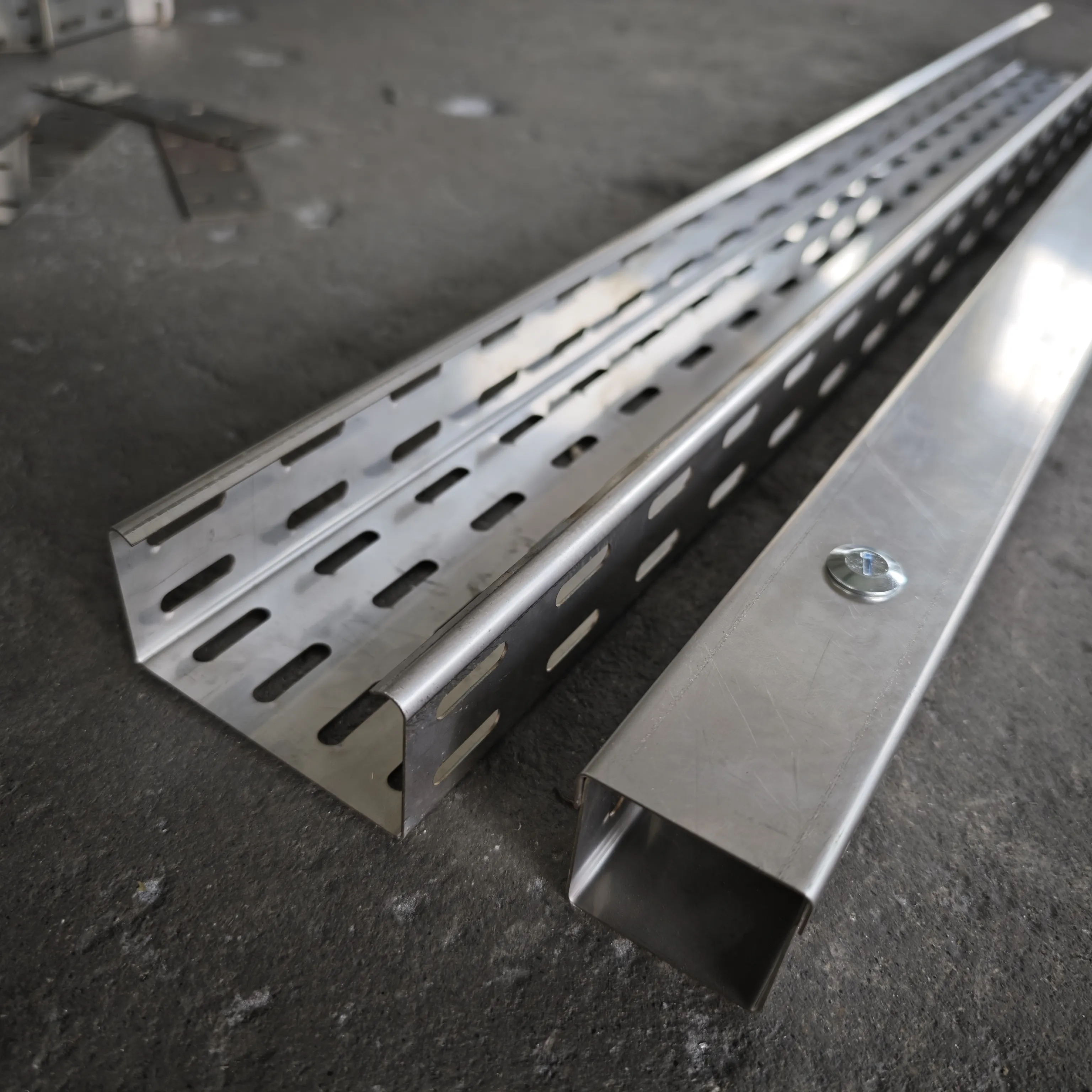
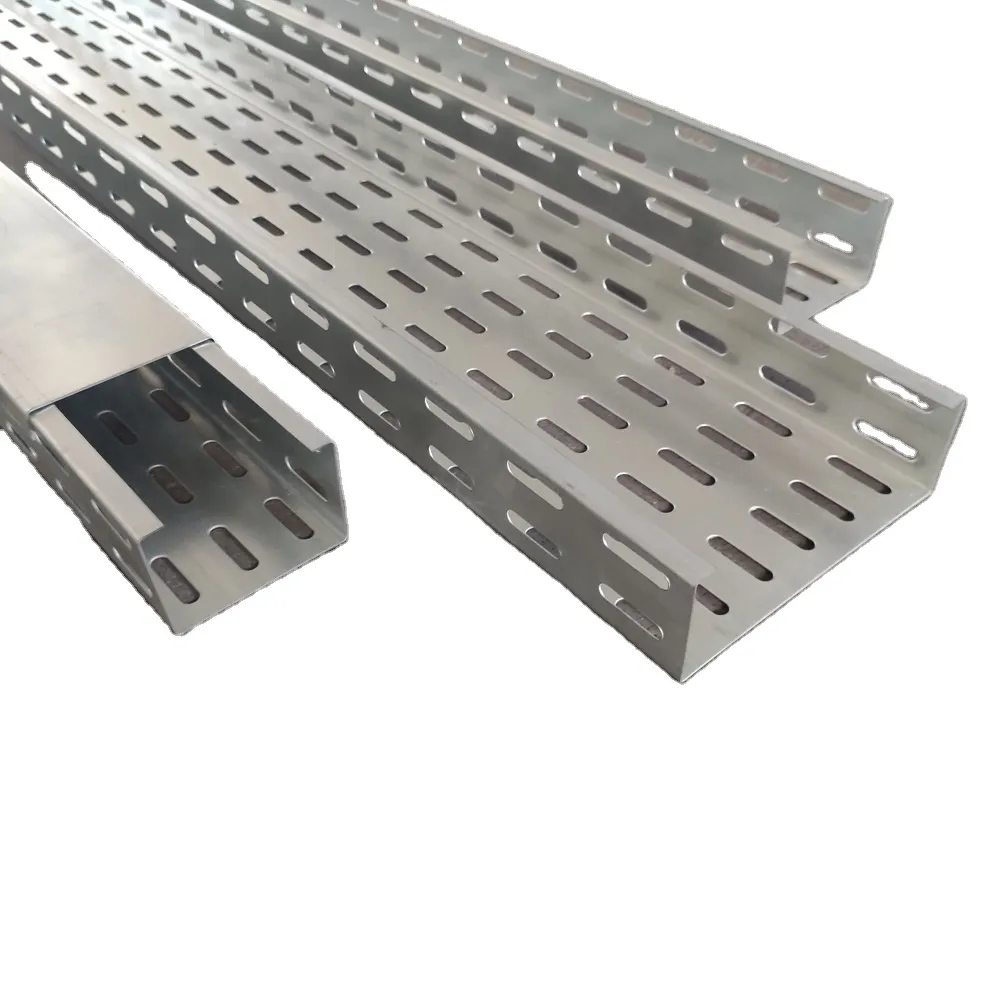
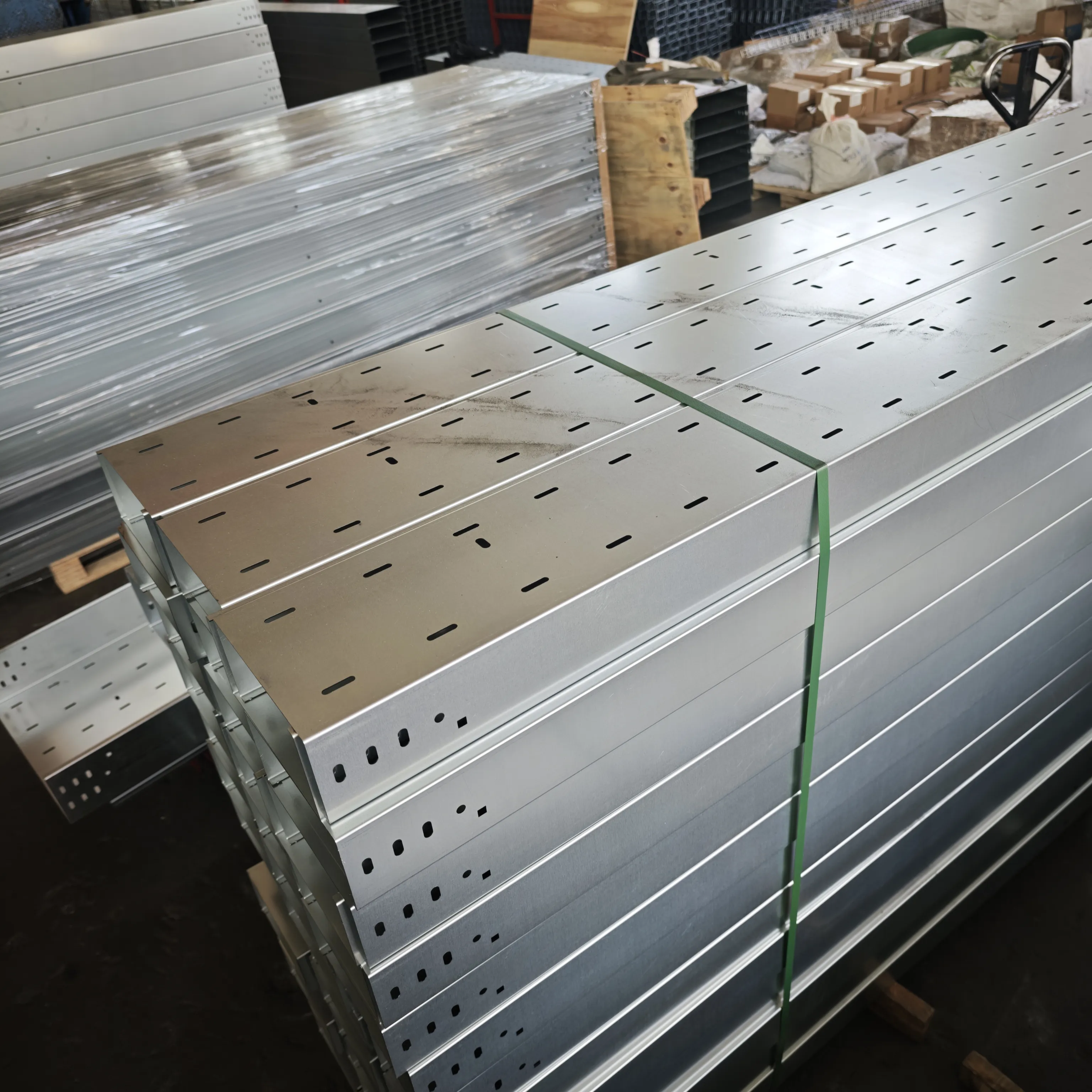
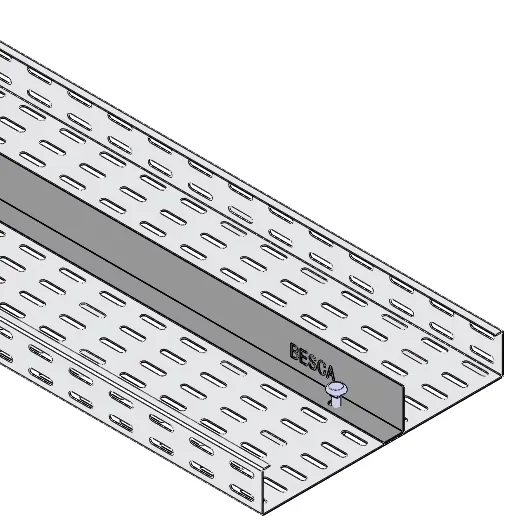
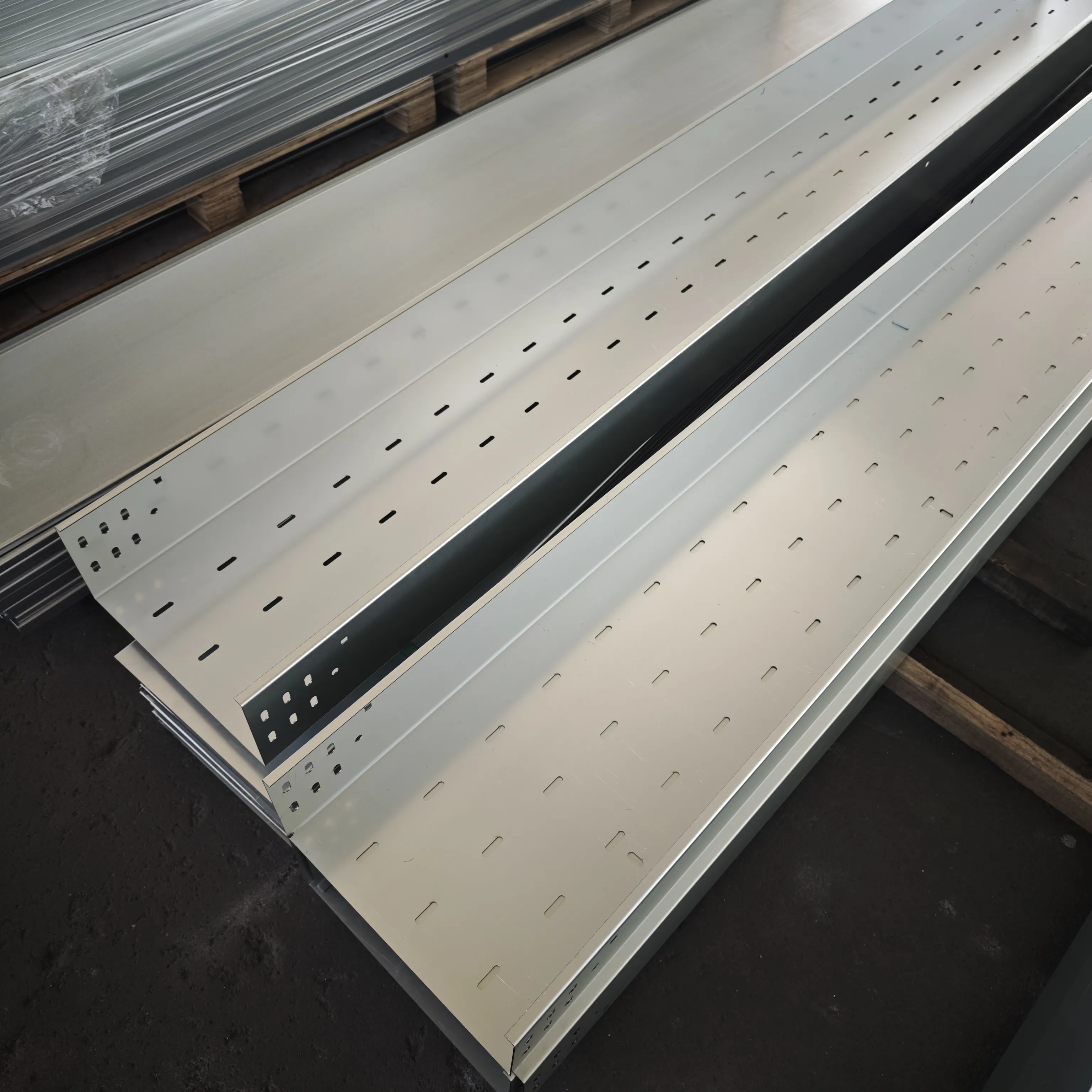
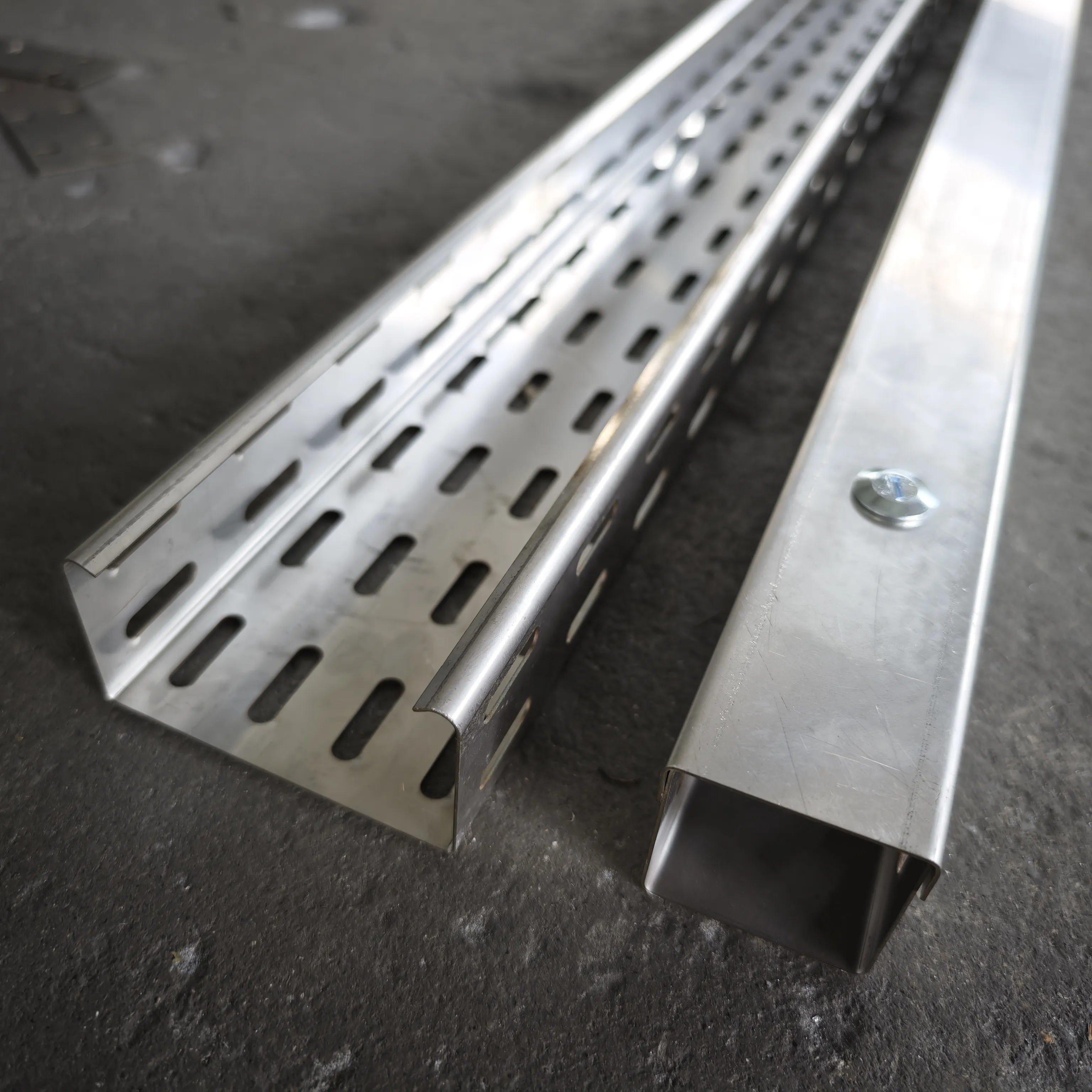
Perforated cable trays are high-strength roll-formed metal containment channels engineered with precision-punched ventilation slots to provide rigid structural support, thermal heat dissipation, and organized routing for electrical power, control, and instrumentation cabling. Manufactured from pre-galvanized coil, post-fabrication hot-dip galvanized steel (HDG), or corrosion-resistant stainless steel, these trays feature continuous return-lip side flanges that enhance beam loading capacity while eliminating sharp edges. Compliant with NEMA VE-1 and IEC 61537 standards, our perforated cable trays deliver exceptional load-bearing performance across commercial infrastructure, industrial plants, and utility-scale installations.
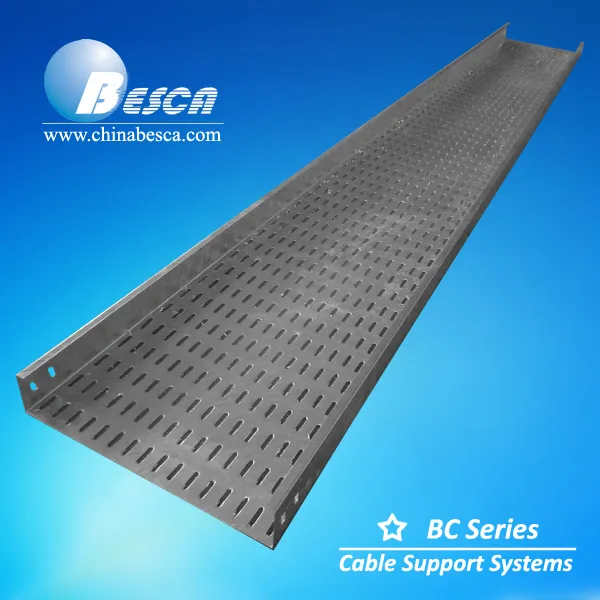 Pre Galvanized Cable Ladder Tray 3 Meters Length for High Efficiency Roll Forming Machine System
- 2.44mm/3m/6m+50-900mm
$10.00
MOQ: 1
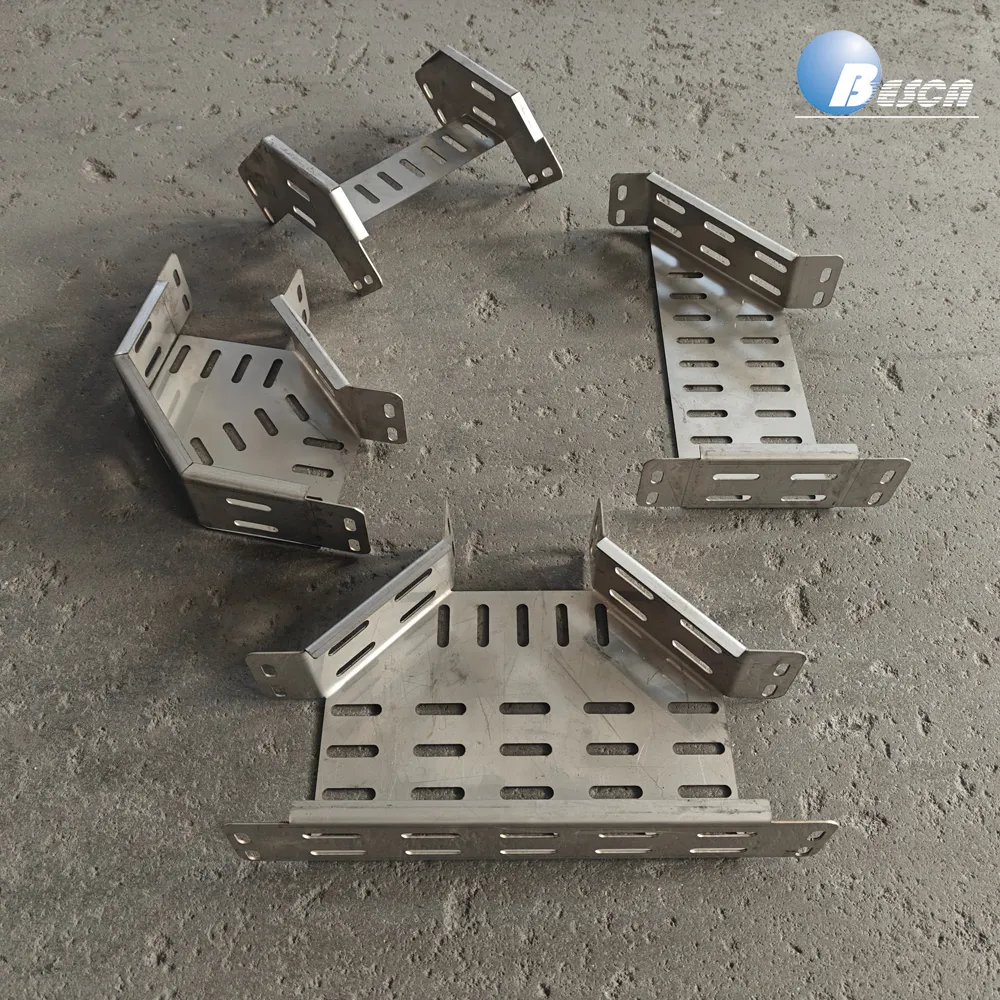 Fireproof Mineral Insulated Cable Tray for Nuclear Plant and High Risk Facilities
- 2.44mm/3m/6m+50-900mm
$10.00
MOQ: 1
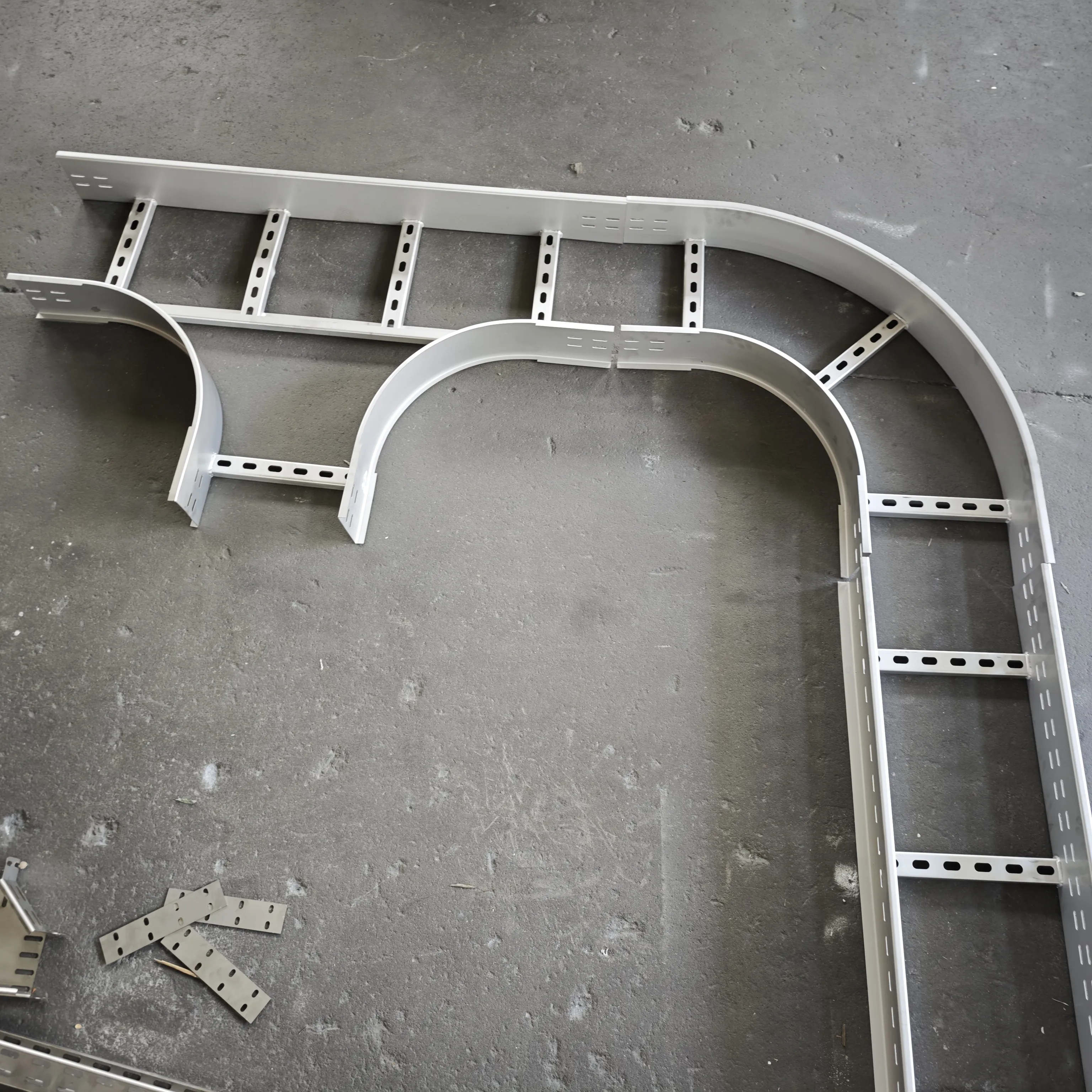 NEMA 1 NEMA 2 NEMA 3 NEMA 4 NEMA 20C Industrial Construction Cable Laying Ventilated Hot Dip Galvanized Stainless Steel Cable
- Jiangsu, China+BC+BESCA+Hot-Dip Galvanized, Passivated, Pre-Galvanized, Coated With Anti-Corrosion Paint+silver,orange,red,white
$5.00
MOQ: 500
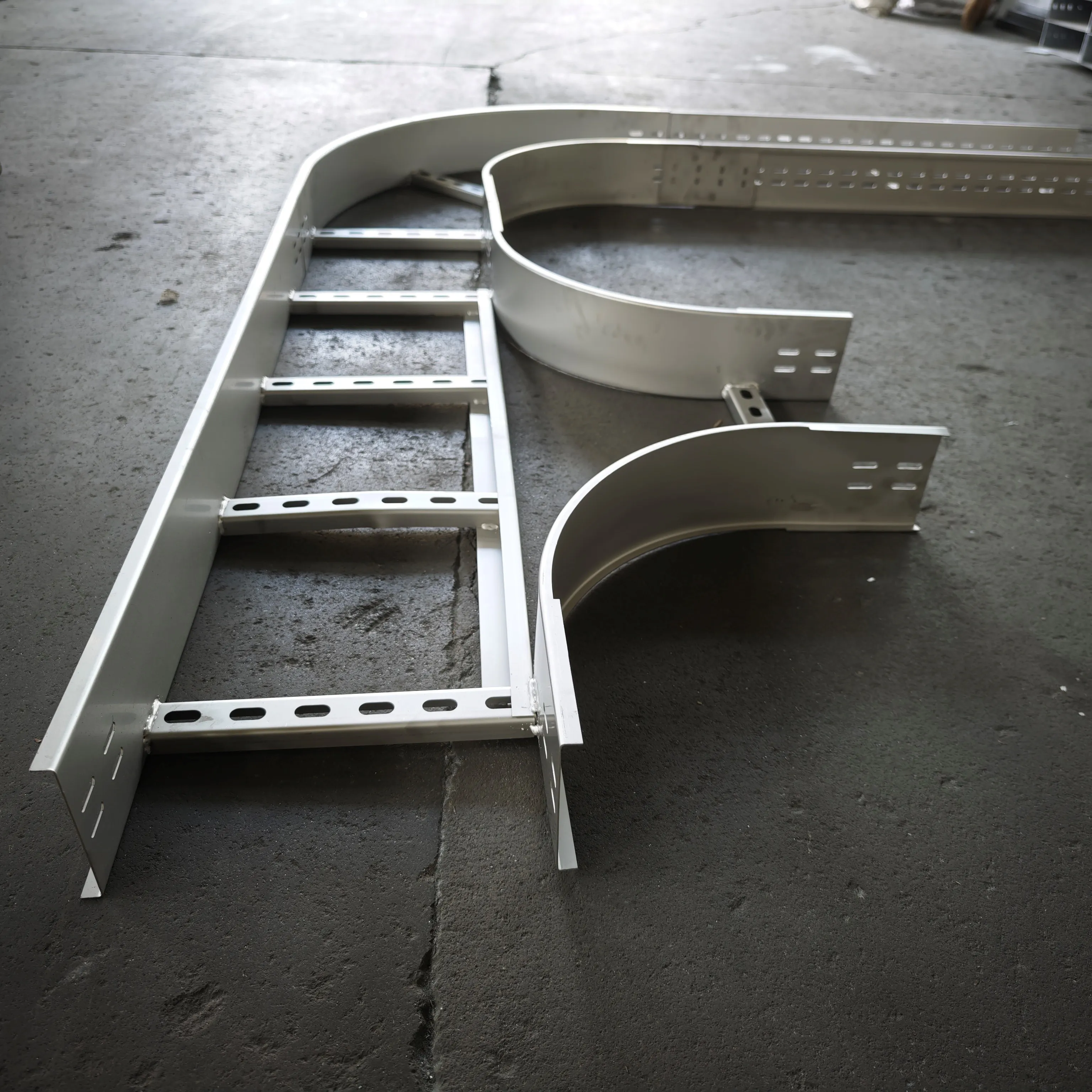 450x100mm and 150mm HDG Hot Dip Galvanized Cable Ladder Outdoor Steel Ladder Type Cable Tray Manufacturer
- Jiangsu, China+BC+BESCA+Hot-Dip Galvanized, Passivated, Pre-Galvanized, Coated With Anti-Corrosion Paint+silver,orange,red,white
$5.00
MOQ: 500
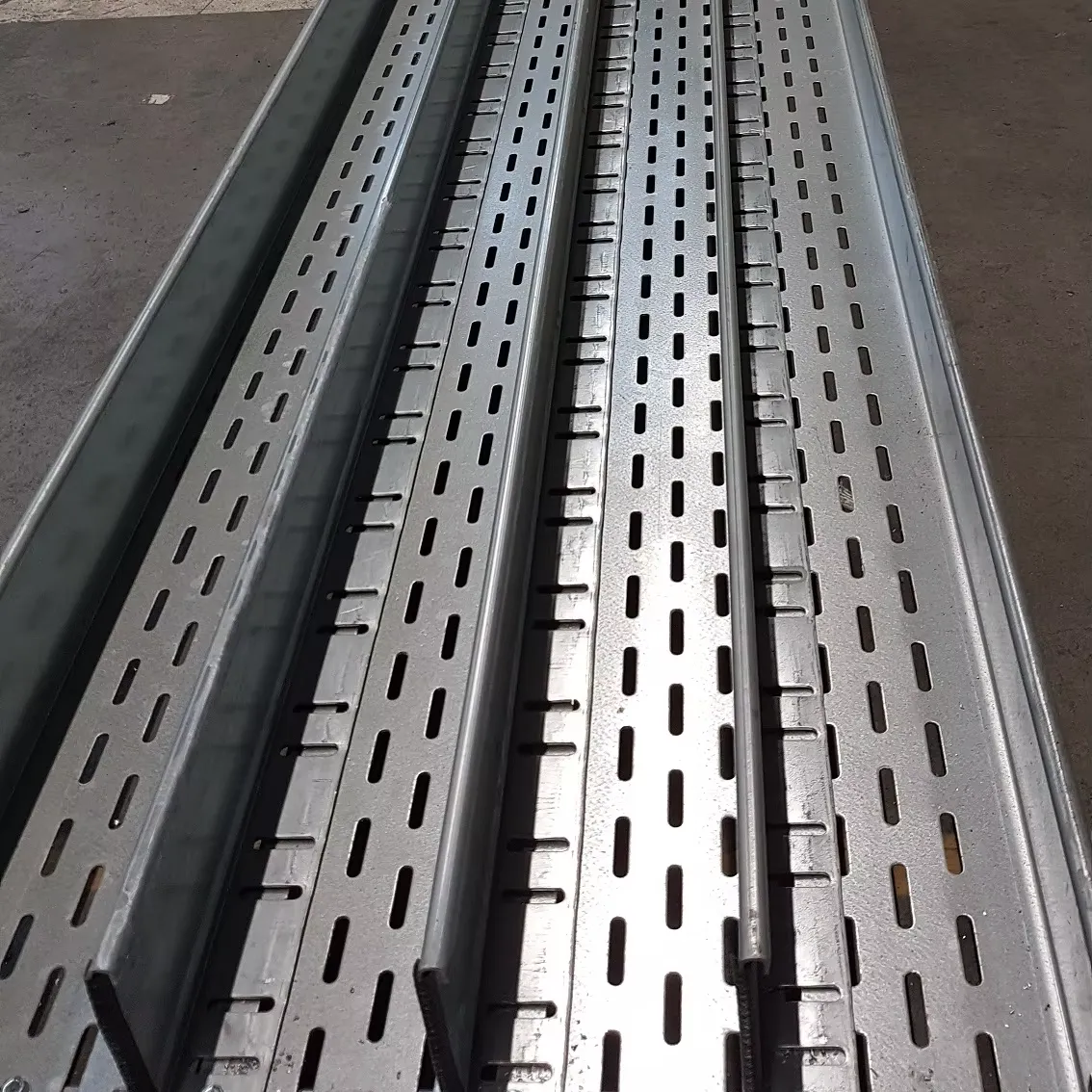 Black Steel Cable Tray Cable Trunking With Cover and Strut Channel As Support
- 2.44mm/3m/6m+50-900mm
$10.00
MOQ: 1
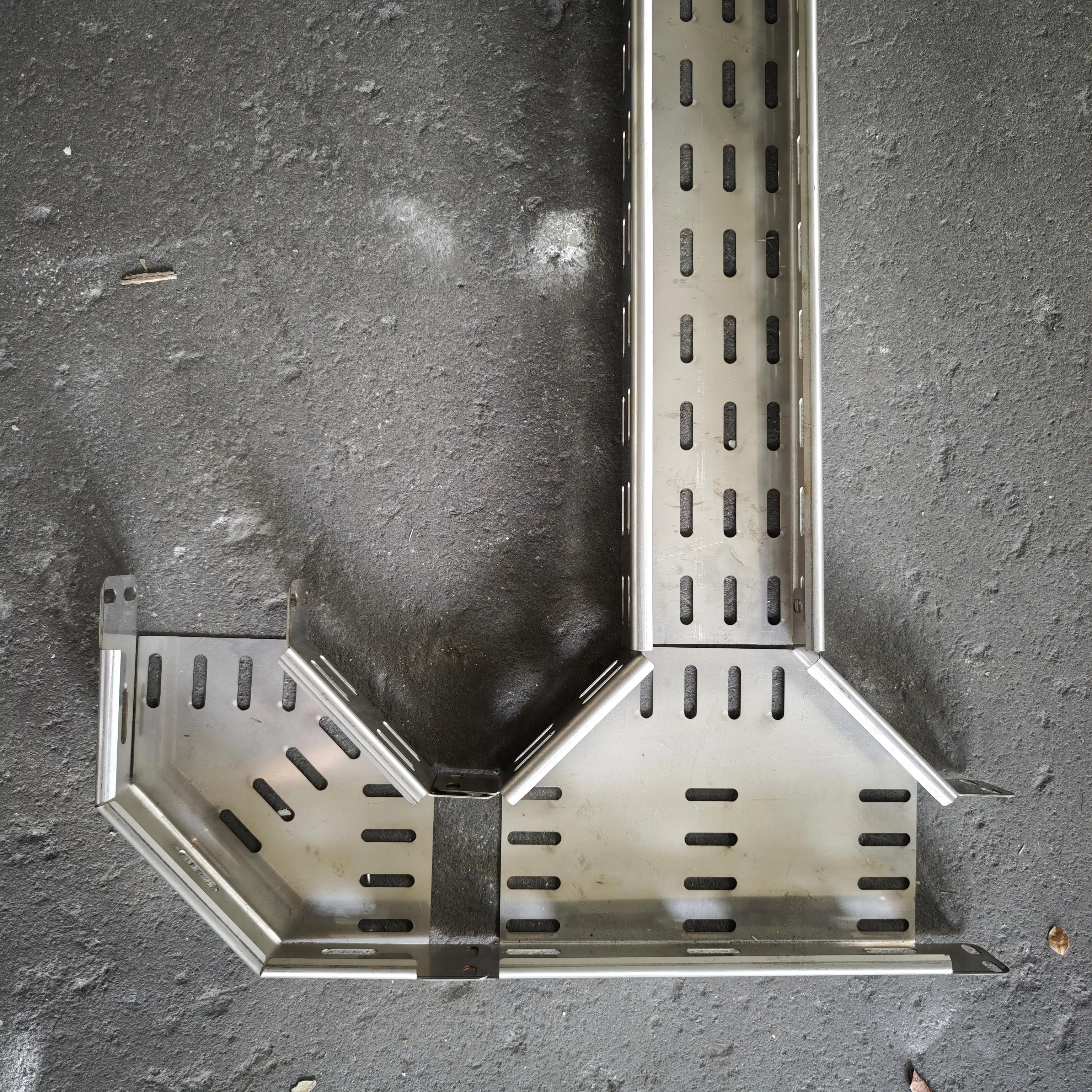 Easy Installation No Need Couplers Flexible Perforated Cable Tray
- 2.44mm/3m/6m+50-900mm
$10.00
MOQ: 1
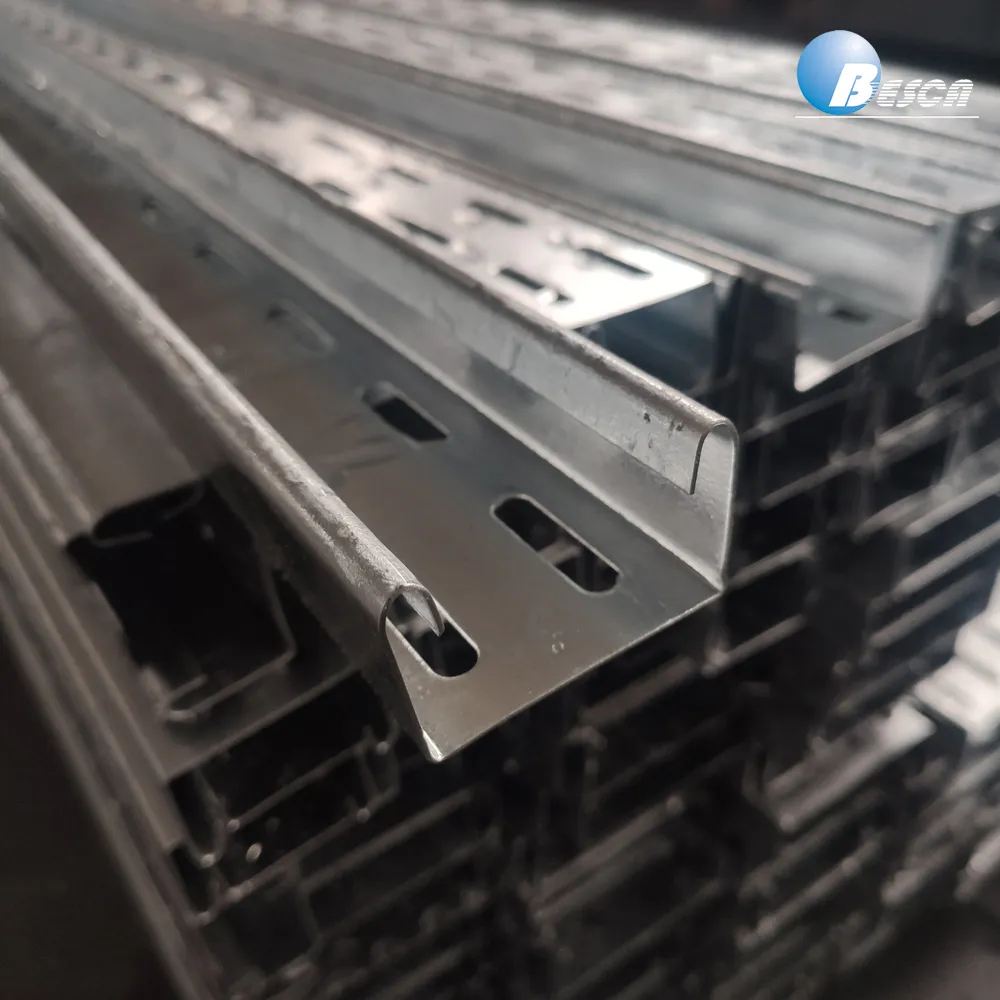 Cable Assemblies Slotted Cable Tray OEM Galvanized Cable Tray with Cover with Divider in 500x100mm
- 2.44mm/3m/6m+50-900mm
$10.00
MOQ: 1
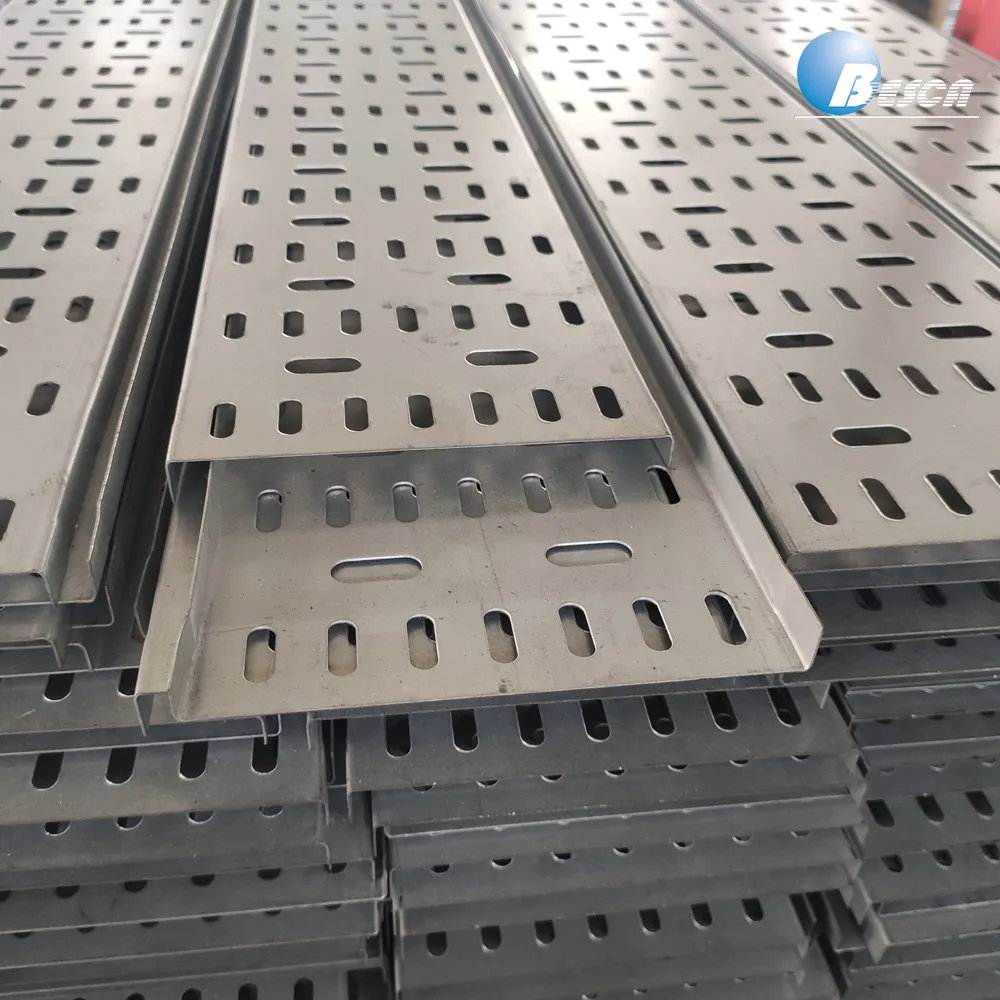 China Factory Electrical Perforated Stainless Steel Sample Customized Hot Galvanized Cable Trays Accessories
- Jiangsu, China+BC+BESCA+Hot-Dip Galvanized, Passivated, Pre-Galvanized, Coated With Anti-Corrosion Paint+2.44mm/3m/6m
$5.00
MOQ: 500
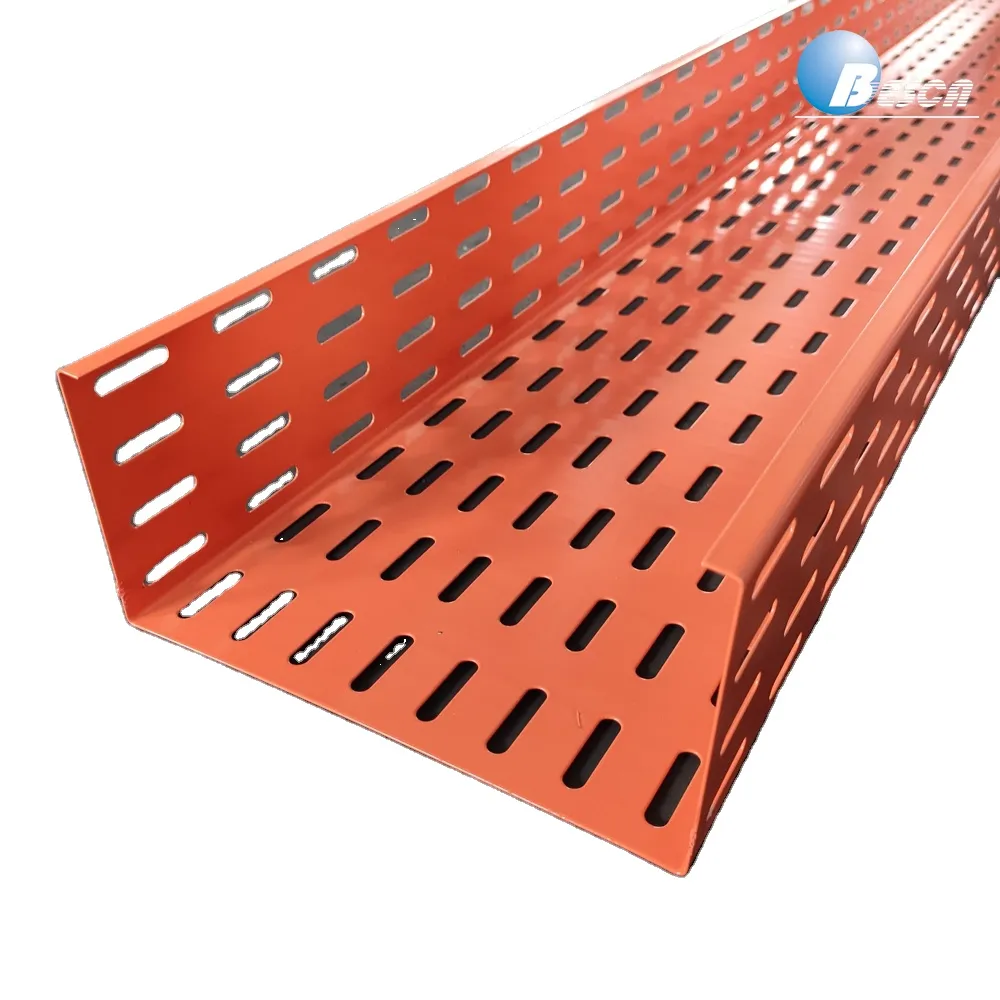 Ventilated Cable Tray Easy to Dissipate Heat with Hot dip galvanizing Coat Industrial Chemical Use
- Jiangsu, China+BC+BESCA+2.44mm/3m/6m+50-900mm
$3.80
MOQ: 500
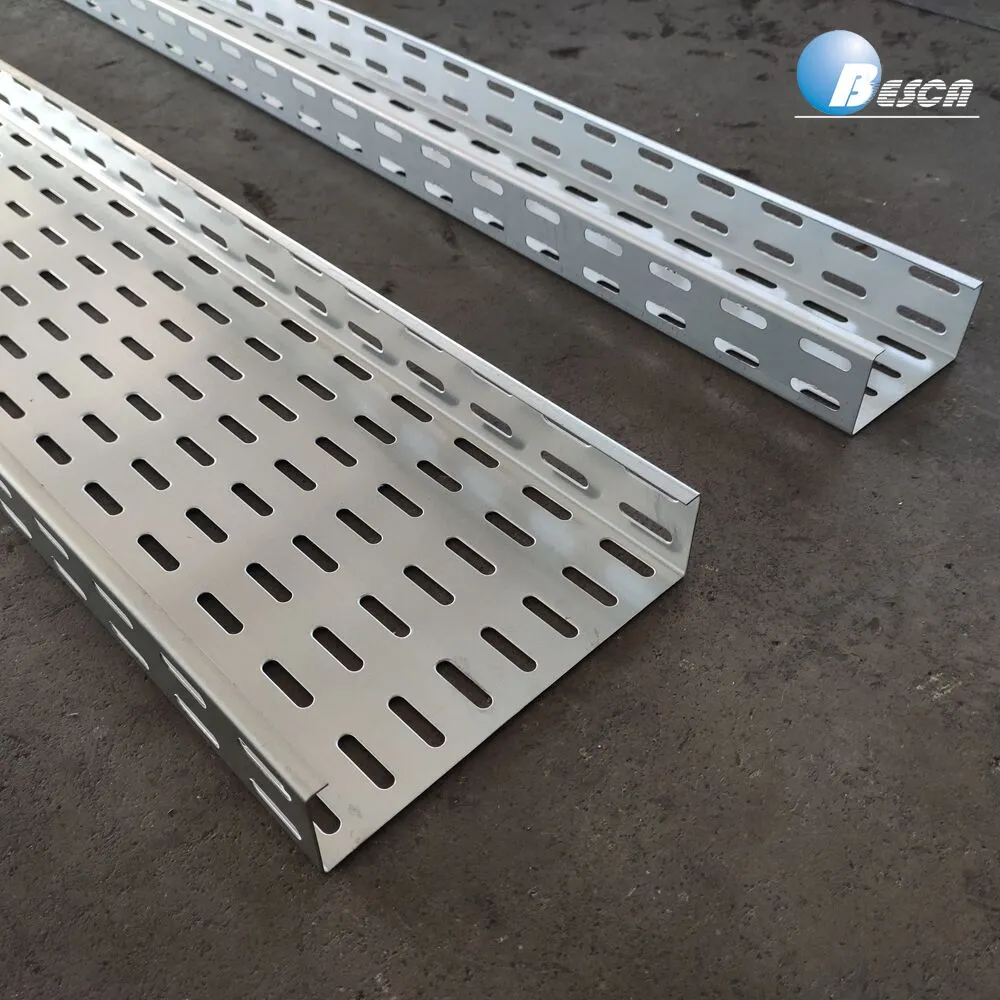 10mm Height Cable Tray Hot Dip Galvanized Steel Perforated Design
- Jiangsu, China+BC+BESCA+Max 6000mm+50-900mm
$11.90
MOQ: 1000
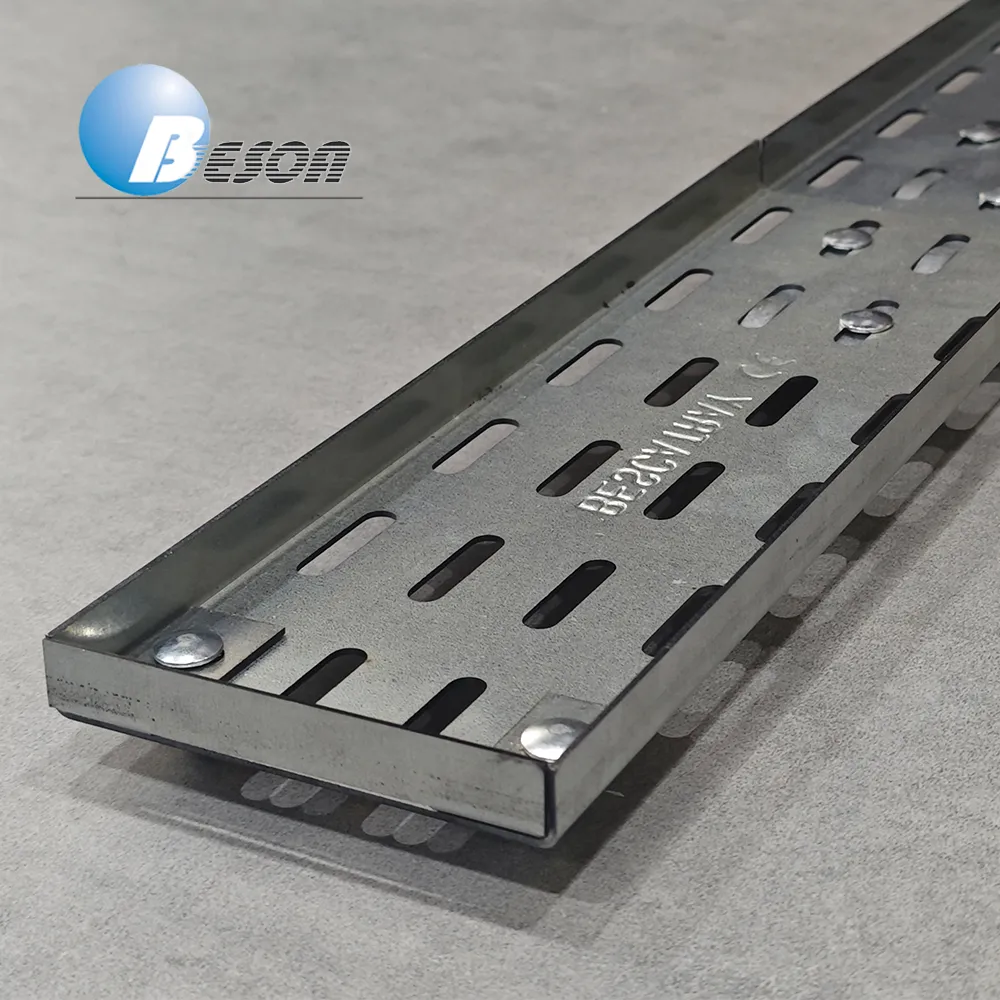 China Factory Heavy Duty Electrical Cable Trunking Trough Cable Bridge Perforated Cable Tray Supporting System OEM Customized
- Jiangsu, China+BC+BESCA+2.44mm/3m/6m+50-900mm
$10.00
MOQ: 300
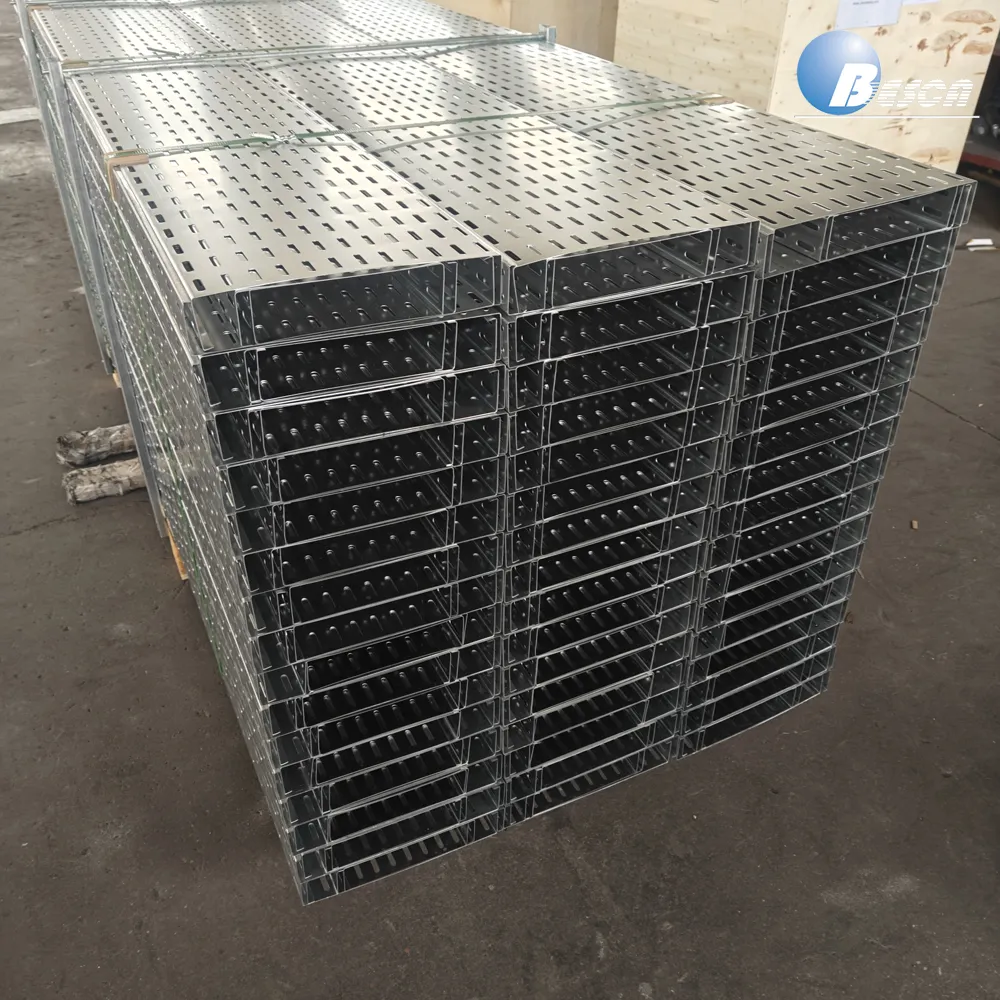 Electro Galvanised Hot Dip Galvanized Cable Ladder Tray Made in China Factory
- Jiangsu, China+BL+BESCA+3000mm+50-800mm
$10.00
MOQ: 500
 ASTM A123 Nema 20C Cable Tray Cable Duct Cable Raceway Support System Manufacture
- Jiangsu, China+BC+BESCA+2.44mm/3m/6m+50-900mm
$3.50
MOQ: 100
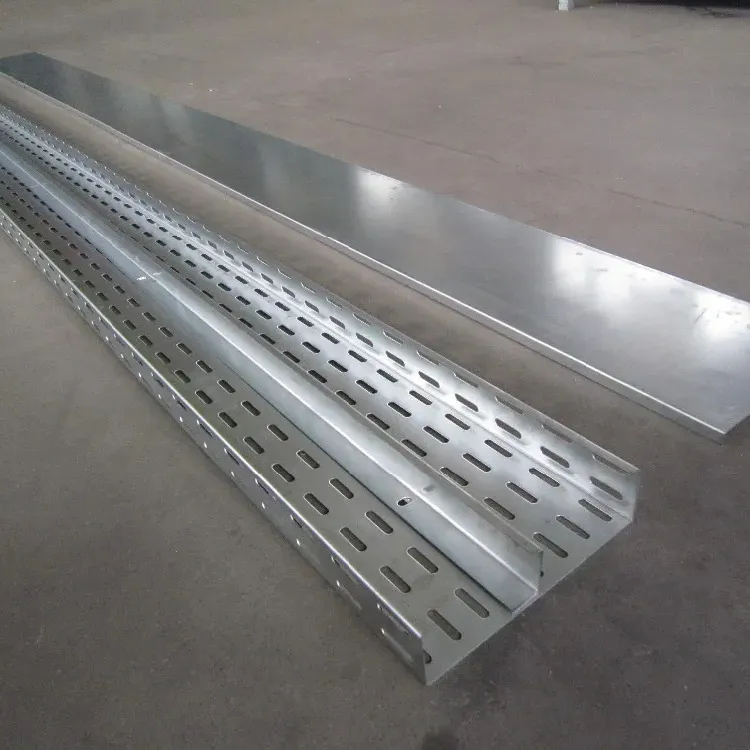 Heavy Light Duty Flexible Perforated Cable Tray with Inside or Outside Flange 45 Degree Price List
- Jiangsu, China+BC+BESCA+2.44mm/3m/6m+50-900mm
$3.50
MOQ: 100
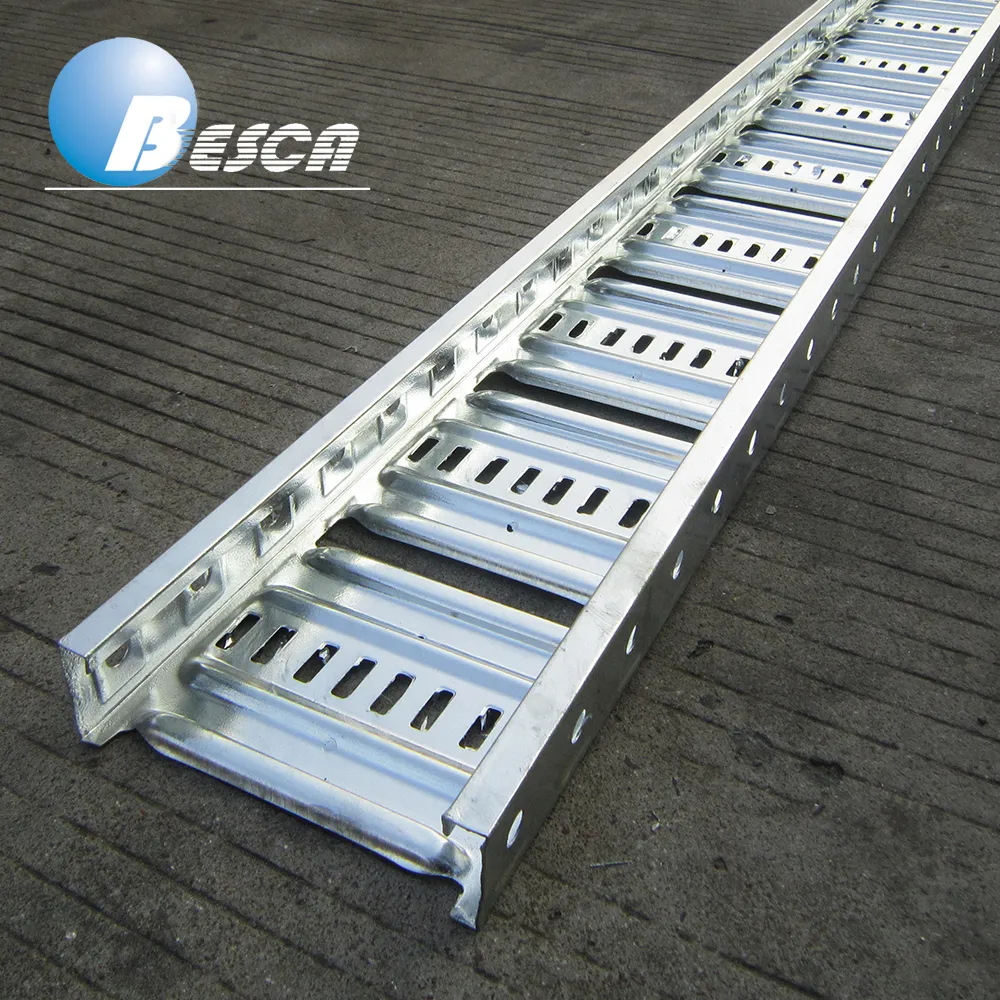 Ladder Cable Tray Fill Calculator for Sale Light Duty Low Costs Medium Loading
- Jiangsu, China+BC+BESCA+2.44mm/3m/6m+50-900mm
$20.00
MOQ: 100
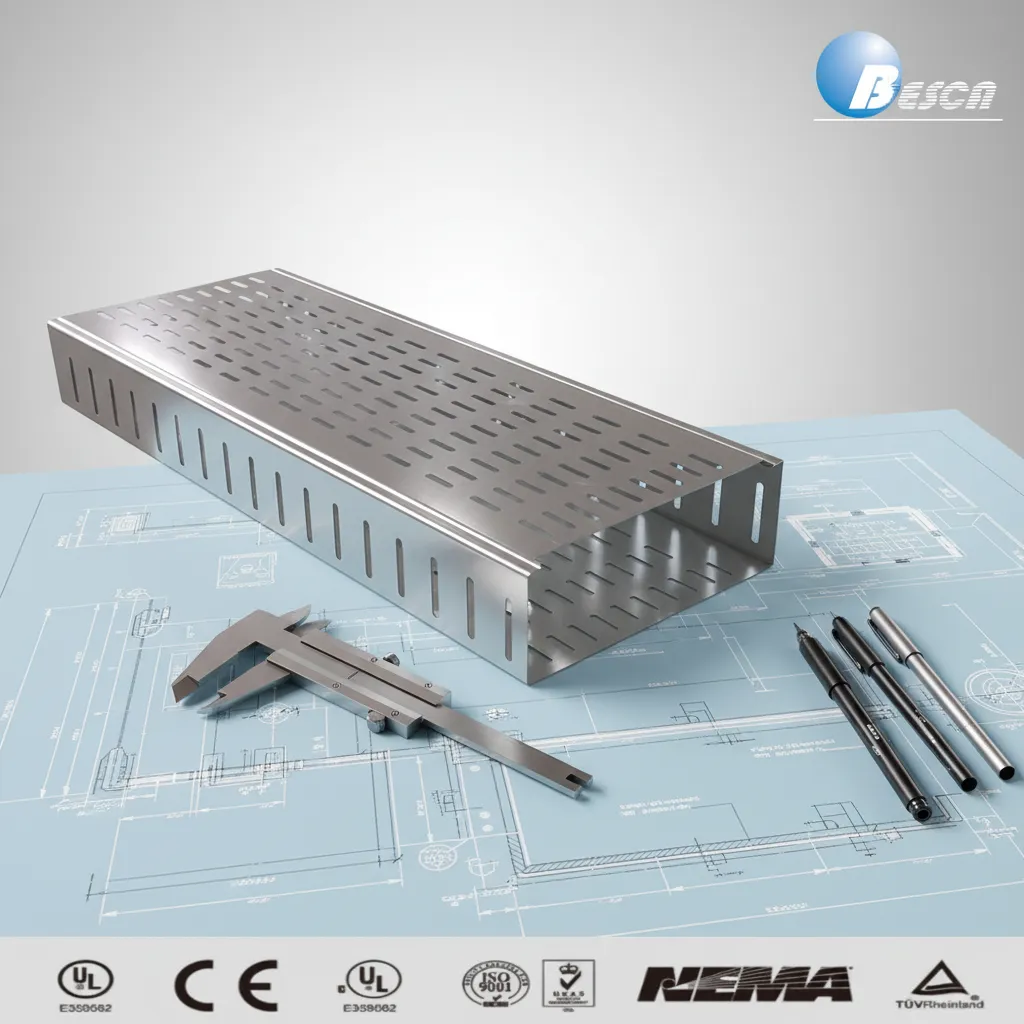 EN IEC Standard Cable Tray GI Perforated Cable Tray Factory Price
- China+BC1/2/5/6 Cable Tray Straight+Besca+EN IEC Standard Cable Tray GI Perforated Cable Tray Factory Price+CEUL-SGS,NEMA,ISO
$5.50
MOQ: 1
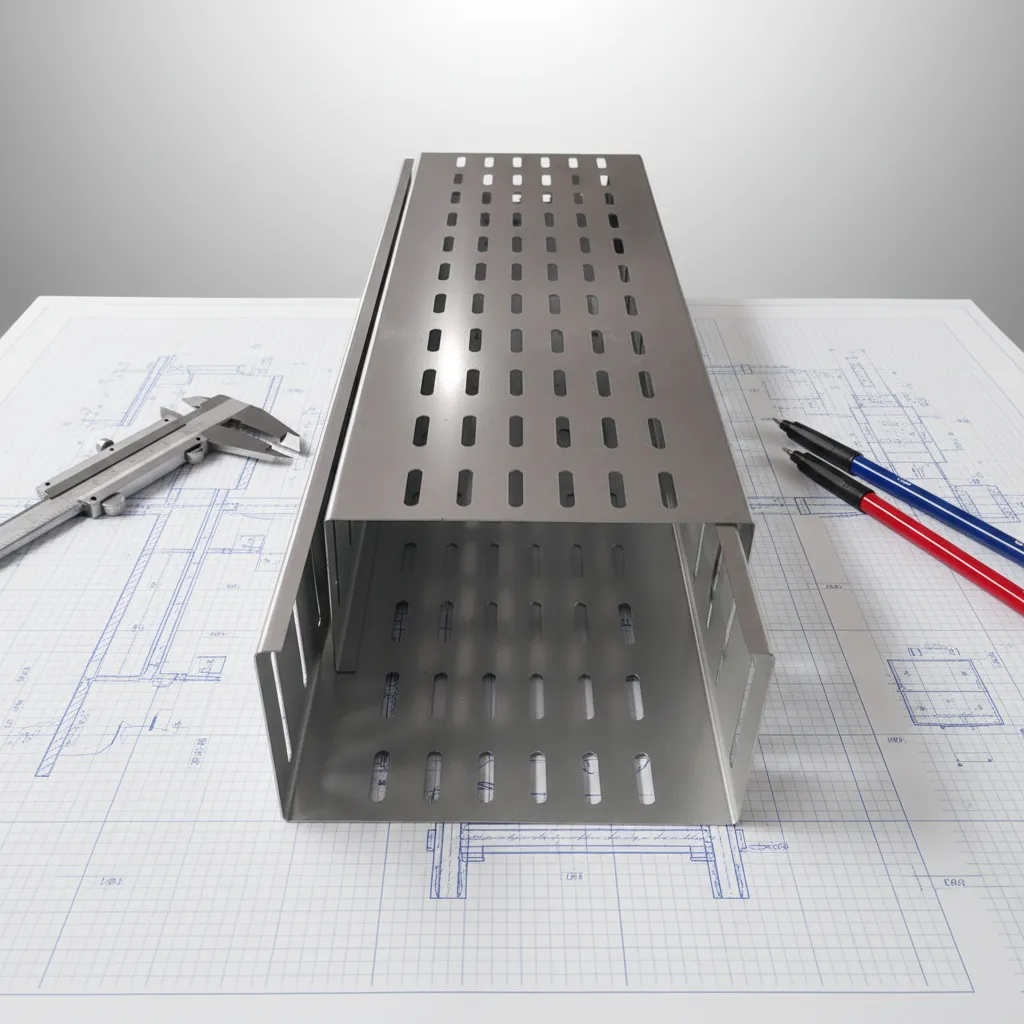 Anti Fire Cable Tray Galvanized Perforated Cable Tray Factory Price
- China+BC1/2/5/6 Cable Tray Straight+Besca+Anti Fire Cable Tray Galvanized Perforated Cable Tray Factory Price+CEUL-SGS,NEMA,ISO
$5.50
MOQ: 1
About Perforated Cable Trays & Ventilated Cable Management
In modern commercial buildings, energy infrastructure, and industrial manufacturing plants, perforated cable trays serve as the primary containment backbone for high-density electrical networks. The strategically engineered perforation pattern in the tray bottom ensures optimal air circulation around heavily loaded power cables, preventing Joule heating and conductor ampacity de-rating while providing universal anchor slots for secure cable tie-down fastening.
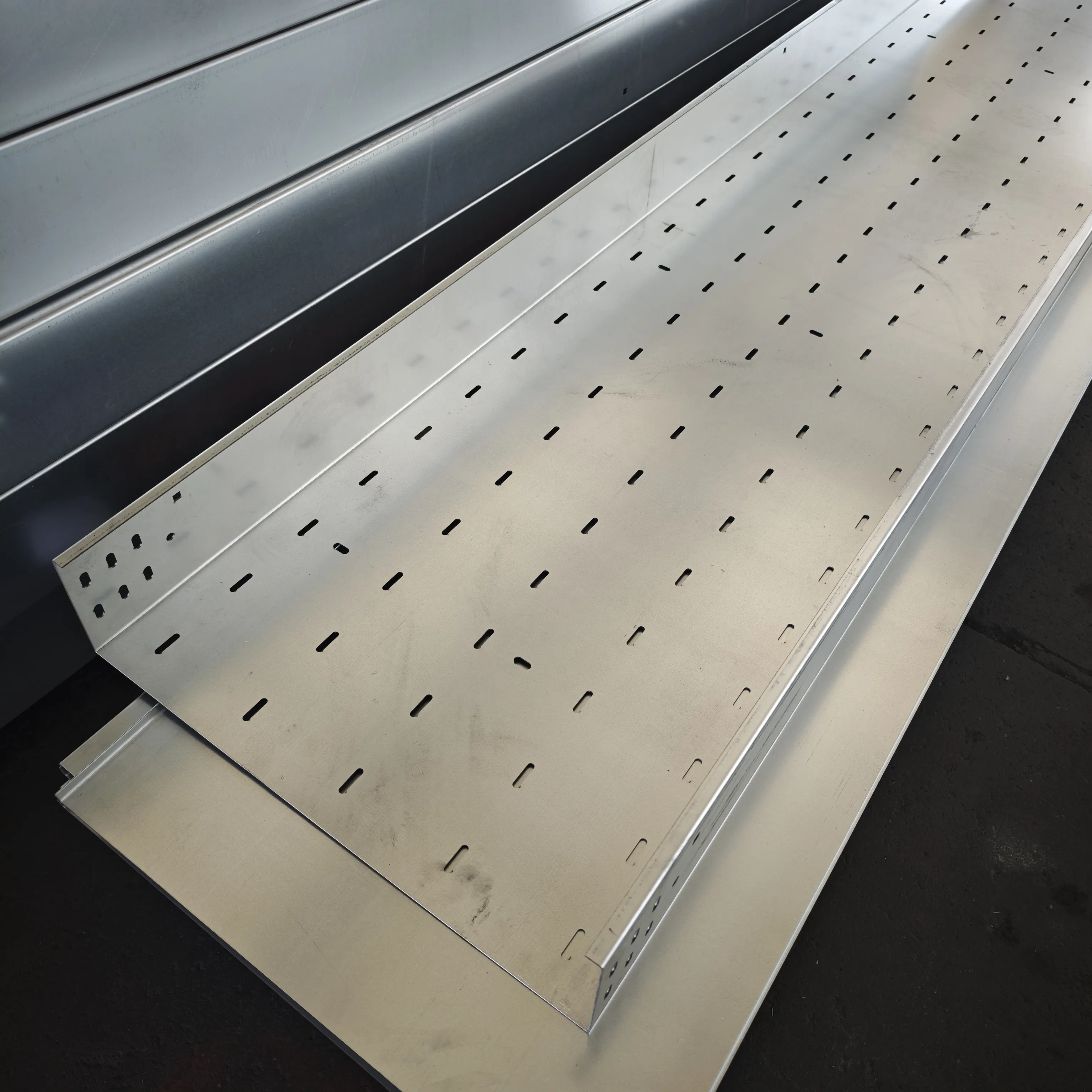
Our perforated cable trays are cold roll formed on high-precision continuous production lines utilizing CNC servo hydraulic pre-punching presses. This ensures exact pitch alignment of slotted ventilation holes, coupler bolt holes, and ground-bonding points across standardized 3-meter and 6-meter span lengths. Return-edge top flanges provide superior structural section modulus (resisting lateral deflection under heavy cable loads) while protecting cable sheaths during high-speed pulling operations.
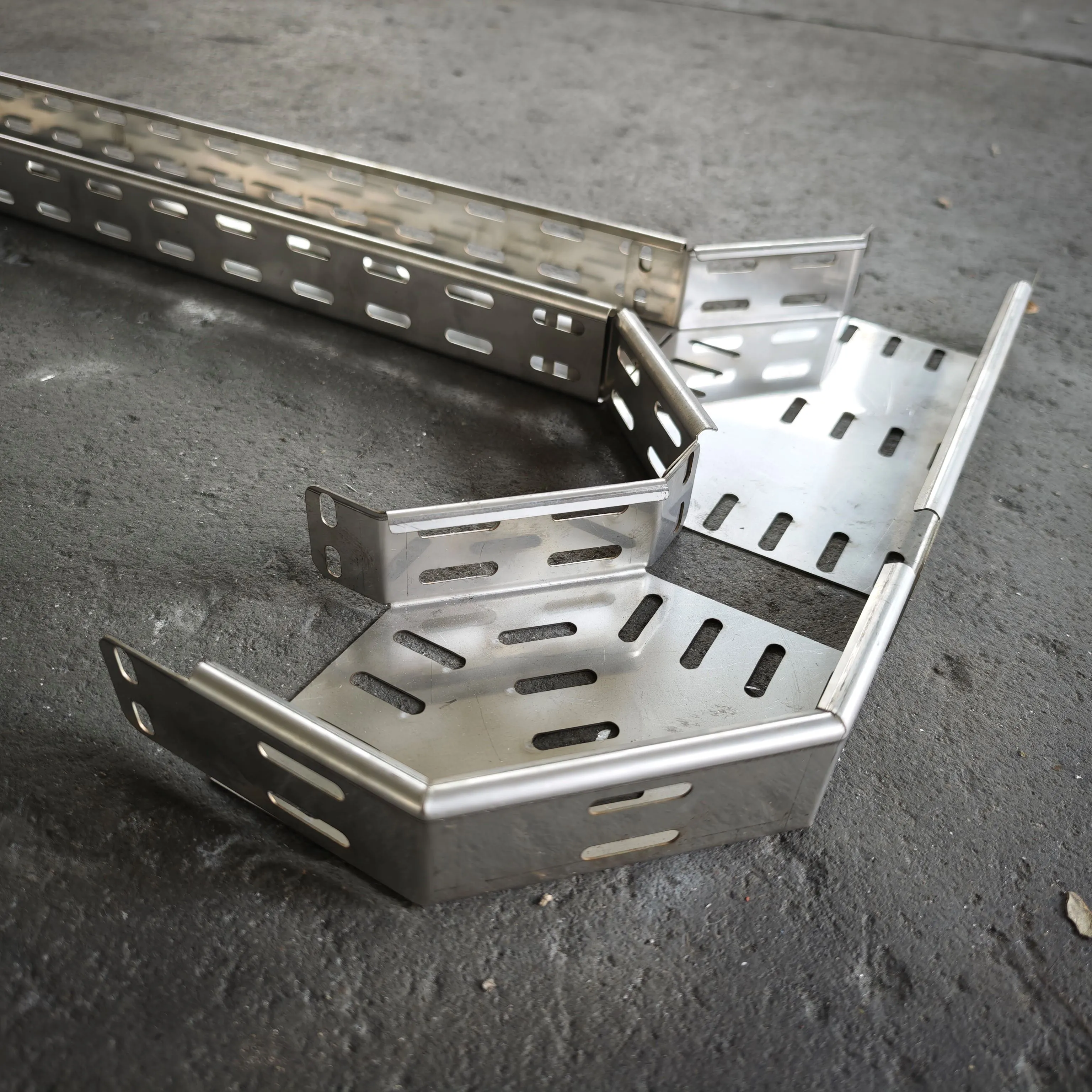
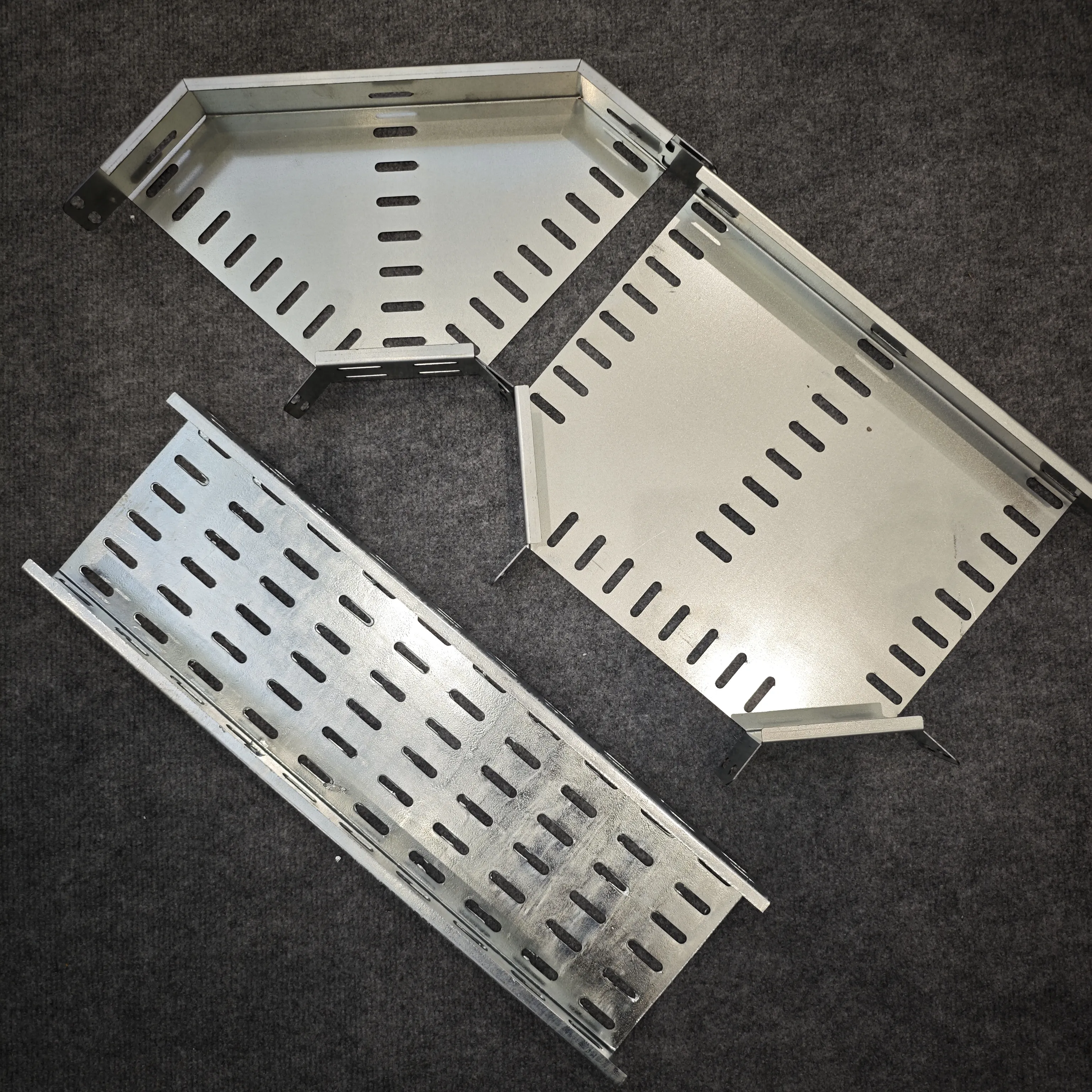
Available in standard side rail heights of 50 mm, 75 mm, 100 mm, and 150 mm, with tray widths spanning 100 mm up to 1000 mm, these systems are complemented by a complete modular suite of prefabricated fittings including horizontal elbows, vertical inside/outside risers, tee junctions, cross intersections, and quick-locking snap-in covers. Surface finishes include pre-galvanized Z275 steel for indoor dry environments, hot-dip galvanizing (coating thickness ≥ 65–85 µm per ISO 1461) for aggressive marine and chemical atmospheres, and electro-polished 304/316L stainless steel for food-grade and hygienic cleanrooms.
Applications
High-Density Data Center Overhead Server Rack Cable Management
In high-density data center overhead server rack cable management, powder-coated black and galvanized perforated cable trays suspended above hot and cold aisle server racks, routing thousands of high-speed Cat6A, fiber optic, and power distribution cables. Featuring tight dimensional pitch tolerances and secure locking mechanisms, these structural racking members support multi-tier storage loads safely and reliably.
Heavy Industrial Petrochemical Plant & Refinery Cable Containment
In heavy industrial petrochemical plant & refinery cable containment, hot-dip galvanized (HDG) heavy-gauge perforated cable trays installed along multi-tier pipe racks in chemical refineries, supporting high-voltage power feeders in corrosive atmospheres. Engineered from high-yield structural steel, these heavy-duty components resist dynamic forklift impacts, prevent beam deflection, and comply with strict RMI standards.
Commercial High-Rise False Ceiling Plenum Power Distribution
In commercial high-rise false ceiling plenum power distribution, pre-galvanized perforated cable trays routed through suspended ceiling plenums and vertical utility risers to distribute lighting, HVAC power, and building management cables. These engineered industrial systems and accessories provide vital structural and operational support, ensuring seamless equipment integration and robust weather protection.
Utility-Scale Photovoltaic Solar Farm Inverter & DC Cable Trays
In utility-scale photovoltaic solar farm inverter & dc cable trays, outdoor weather-resistant perforated cable trays with peaked covers installed along solar panel tracker rows and inverter stations, safeguarding DC solar cables from UV exposure. These precision-formed solar mounting members accommodate thermal expansion cycles, secure photovoltaic modules firmly, and deliver dependable structural reliability.
Metro Subway Tunnel & Railway Traction Control Cabling Systems
In metro subway tunnel & railway traction control cabling systems, stainless steel 316 and heavy galvanized perforated trays mounted on curved tunnel walls, carrying traction power, signaling, and trackside emergency communication cables. Engineered from high-yield structural steel, these heavy-duty components resist dynamic forklift impacts, prevent beam deflection, and comply with strict RMI standards.
Technical Overview
| Parameter | Information |
|---|---|
| Manufacturing Standards | IEC 61537 / NEMA VE-1 / BS EN 61537 / UL Listed |
| Base Material Options | Pre-Galvanized Steel (Z180–Z275), Mild Carbon Steel (Q235B), Stainless Steel (SS304/SS316L) |
| Surface Finishes | Hot-Dip Galvanized after fabrication (ISO 1461, 65–85 µm), Pre-Galvanized, Epoxy Powder Coated |
| Tray Width Range | 100 mm, 150 mm, 200 mm, 300 mm, 400 mm, 500 mm, 600 mm, 800 mm, 1000 mm |
| Side Rail Height Options | 50 mm, 75 mm, 100 mm, 150 mm (Rolled return flange construction) |
| Material Sheet Thickness | 1.0 mm, 1.2 mm, 1.5 mm, 2.0 mm, 2.5 mm, 3.0 mm |
| Standard Section Lengths | 2.0 m, 2.44 m (8 ft), 3.0 m (10 ft), 6.0 m continuous spans |
| Perforation Pattern | Staggered slotted ventilation pattern (7×25 mm slots) with cable tie anchoring points |
| Load Rating & Deflection | NEMA Class 8C / 12C / 16B / 20C; Maximum deflection < L/200 under rated load |
| Fittings & Accessories | Splice plates, 90° horizontal bends, tees, crosses, internal/external reducers, covers, brackets |
Related Solutions
Cable Tray Roll Forming Solution
Cable tray / ladder line, 50-600 mm width. Example: 1-2 mm, 200 t punch, 6-10 m/…
Custom Profile Roll Forming for OEM
Flexible roll forming line for custom cross-sections. Suitable for OEMs who need…
Light-Gauge Keel Roll Forming Solution
Light-gauge keel package: partition stud and track, ceiling T-grid, furring, or…
Solar Mounting Roll Forming Solution
Solar strut / hat-bracket mill for PV mounting. Example: 24 stands with cooling,…
Pre-Engineered Building Component Line
Integrated solution for PEB secondary framing: C/Z purlins, girts, eave struts,…
Metal Sheet Processing Solution
Blanking and cut-off around a roll former is a shear class: flying (tracking) sh…
Related Information

What Is a Cable Tray Roll Forming Machine? Tray, Trough & Ladder Explained
cable tray roll forming machine, cable trough roll forming, cable tray making ma…
Read More
Cable Trays and Cable Ladders: Roll-Formed Profiles and Standards
Perforated trays, ladder trays, wire mesh - each rolls from steel or aluminum co…
Read More
Pre-Punching vs Post-Punching in Roll Forming
Punch the holes before or after forming? The choice changes hole accuracy, tooli…
Read More
Galvanized Coil Specifications for Roll Forming: ASTM A653 vs EN 10346 vs JIS G3302
galvanized coil specifications astm a653 en 10346 jis g3302
Read More
Galvanized Steel Roofing Sheets: SGC400, Z275, and Coating Standards Explained (2026)
Understand SGC400, Z275 and related coating standards for galvanized steel roofi…
Read More
Surface Scratching on Prepainted (PPGI) & Galvanized Coils: Prevention in Roll Forming
surface scratching prepainted ppgi galvanized coils prevention roll forming
Read More
FAQ
What are the primary advantages of perforated cable trays over solid trunking?
Perforated trays provide continuous ventilation that prevents heat accumulation in high-amperage power cables (allowing higher current-carrying ampacity), enable easy visual inspection and moisture drainage, and offer multiple slotted tie-off points for cable securing.
Which international manufacturing standards do your cable trays comply with?
Our cable tray systems are engineered and tested in accordance with NEMA VE-1 (Metal Cable Tray Systems), IEC 61537 (Cable management - Cable tray systems and cable ladder systems), and UL 568 certified for electrical grounding continuity.
What surface finishes are recommended for outdoor or coastal chemical environments?
For harsh outdoor, industrial, or marine coastal environments, Hot-Dip Galvanized (HDG) after fabrication with minimum 65–85 µm zinc thickness (per ISO 1461 / ASTM A123) or Grade 316L stainless steel is strongly recommended for 25+ years of corrosion protection.
How do return-flange side rails benefit cable tray installation?
The inward-rolled return flange significantly stiffens the tray side rail against torsional bending under load, increases permissible support spans up to 3 to 6 meters, and eliminates sharp raw sheet edges that could slice cable insulation.
Are snap-on ventilated and solid covers available for outdoor protection?
Yes, we supply matching pre-galvanized, HDG, and stainless steel covers in flanged, snap-on, and peaked configurations that shed rainwater while protecting cabling from UV radiation, falling debris, and chemical washdowns.
What load classes and span distances are supported?
Depending on side rail height (50 mm to 150 mm) and steel gauge (1.0 mm to 3.0 mm), trays are rated for NEMA load classes 8A through 20C, supporting uniform working loads from 75 kg/m up to 300 kg/m across 3-meter to 6-meter support spans.
How are electrical grounding continuity and bonding ensured between tray sections?
Each tray end features pre-punched grounding conductor slots, and sections are connected using heavy-duty splice plates with serrated flange bolts, verified for low electrical earth impedance meeting UL grounding requirements.