Global B2B Roll Forming Sourcing Platform | Free RFQ Response within 24h

- Tuo AI

- Live

- My Account
- Shopping Cart
- Inquiry Basket
- Contact Us
- Back to Top




Industrial Cable Ladders & Heavy-Duty Power Trays
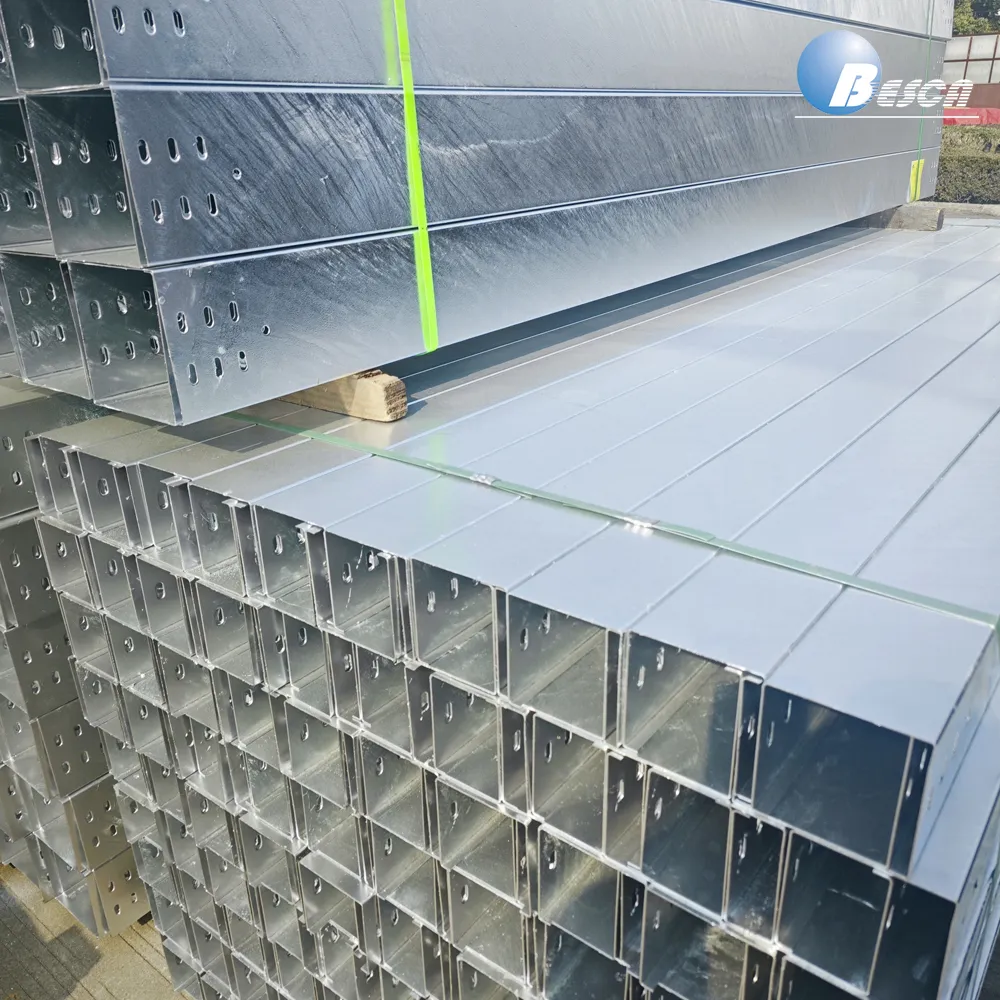
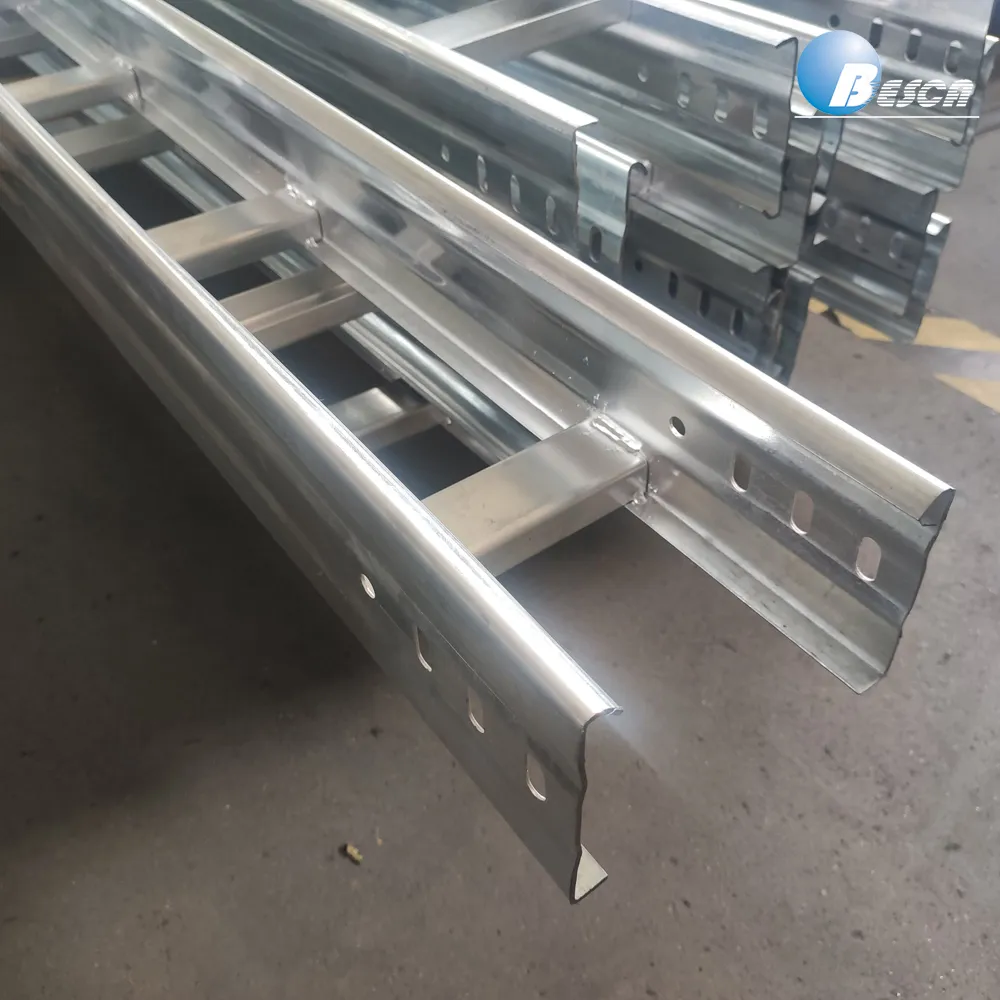
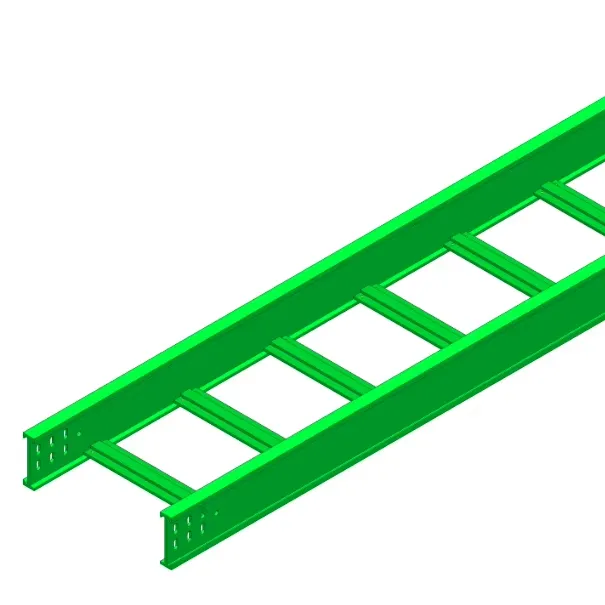
Industrial cable ladders provide maximum structural load capacity, superior heat dissipation, and long-span support for heavy electrical power cables, substation feeders, and high-voltage distribution lines across heavy industrial plants, oil refineries, and utility power stations. Fabricated from heavy-gauge cold roll formed C-channel side rails and welded or swaged slotted rungs, our cable ladders feature standard rung spacings, reinforced gusseted joints, and universal splice accessories. Engineered to span long distances between building columns without sag while ensuring complete ventilation around high-amperage cables, these ladders deliver certified structural safety and corrosion resistance under extreme operating conditions.
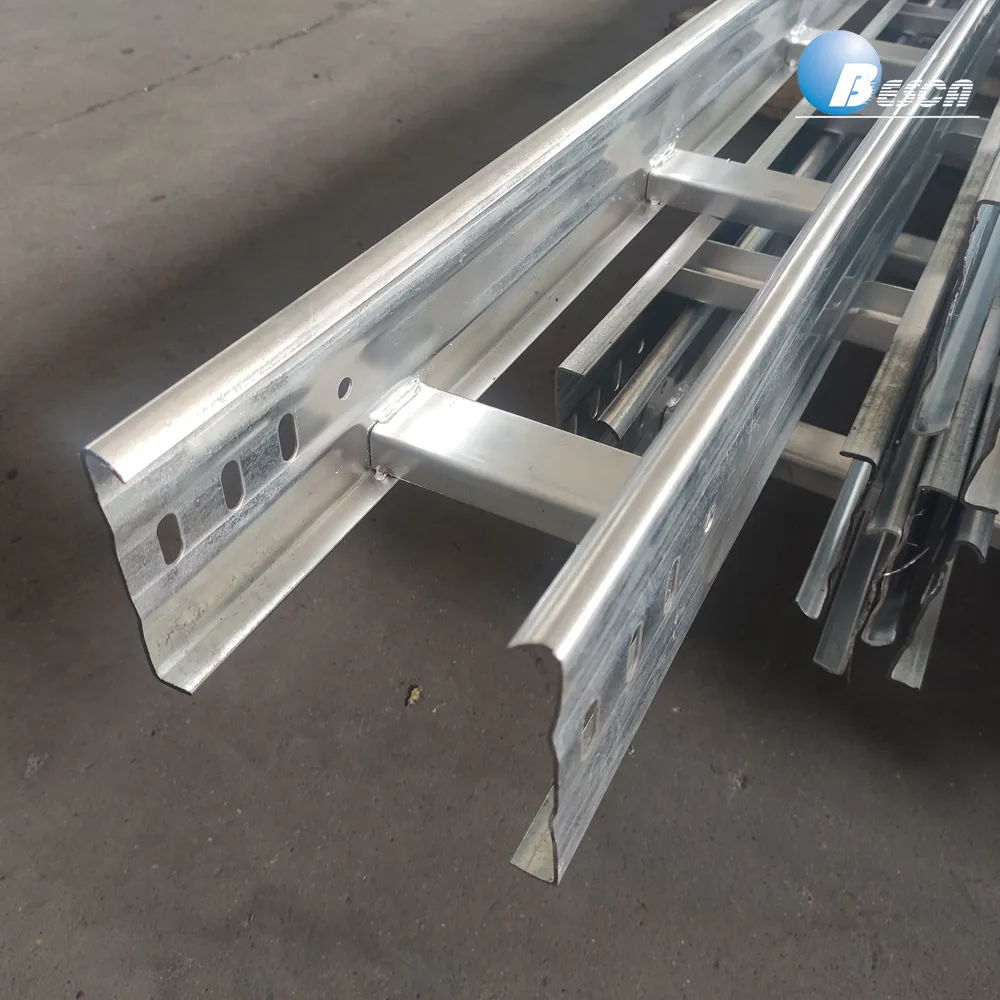 Bandeja De Escalera Disenada Para Entornos Industriales Con Cargas Elevadas Alternos De Acero De 100 Y 150 mm De Altura
- Jiangsu, China+BL+BESCA+3000mm+50-800mm
$9.80
MOQ: 100
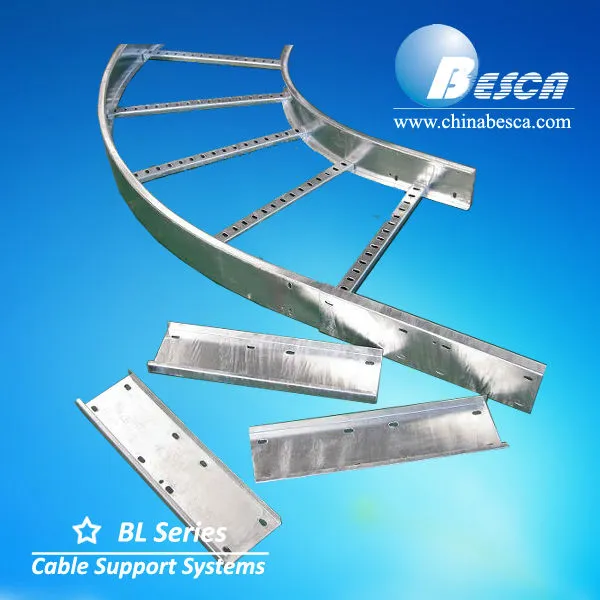 Elbow Flexible Cable Trays Hot Dipped Galvanized After Fabrication Ladder Type System Y Accessories with UL CS a Certificate
- Jiangsu, China+BL+BESCA+Hot-Dip Galvanized, Pre-Galvanized+3000mm
$3.50
MOQ: 100
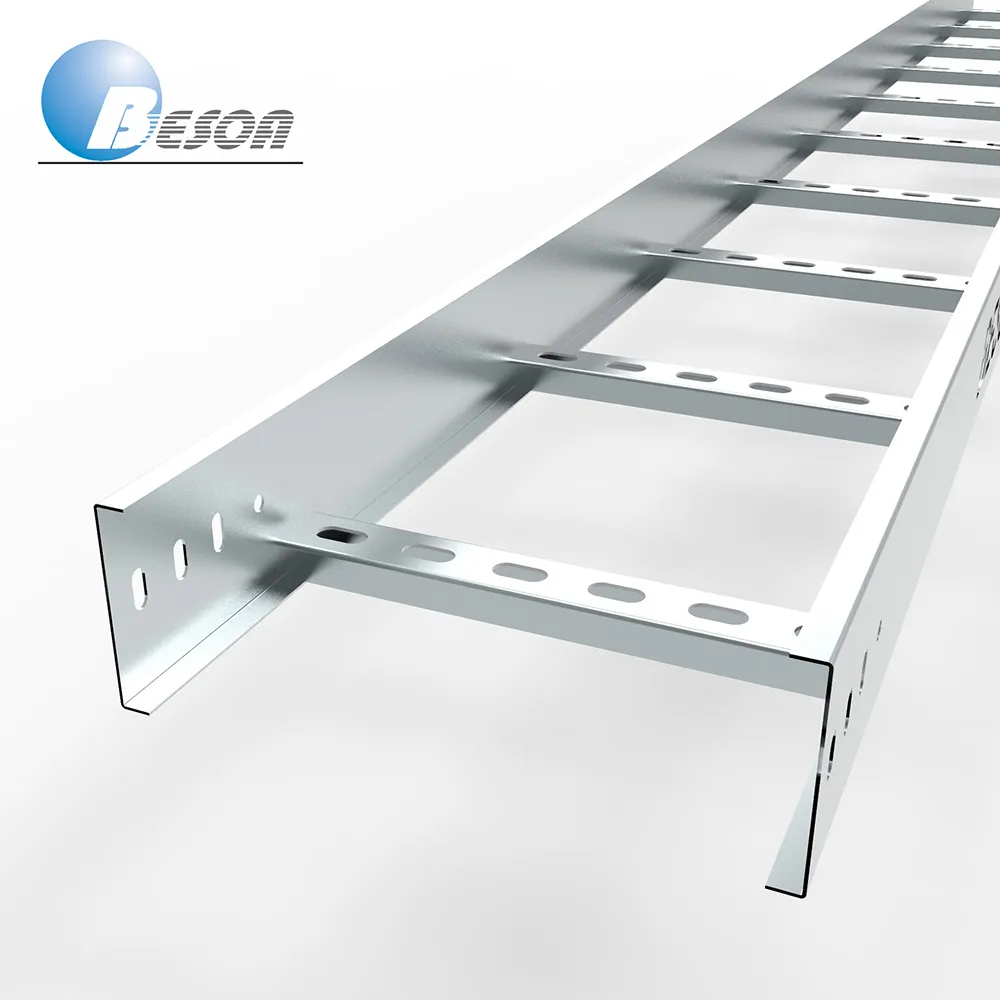 UL CE NEMA 20B 20C 12B Cable Tray
- Jiangsu, China+BL+BESCA+3000mm+50-800mm
$15.00
MOQ: 500
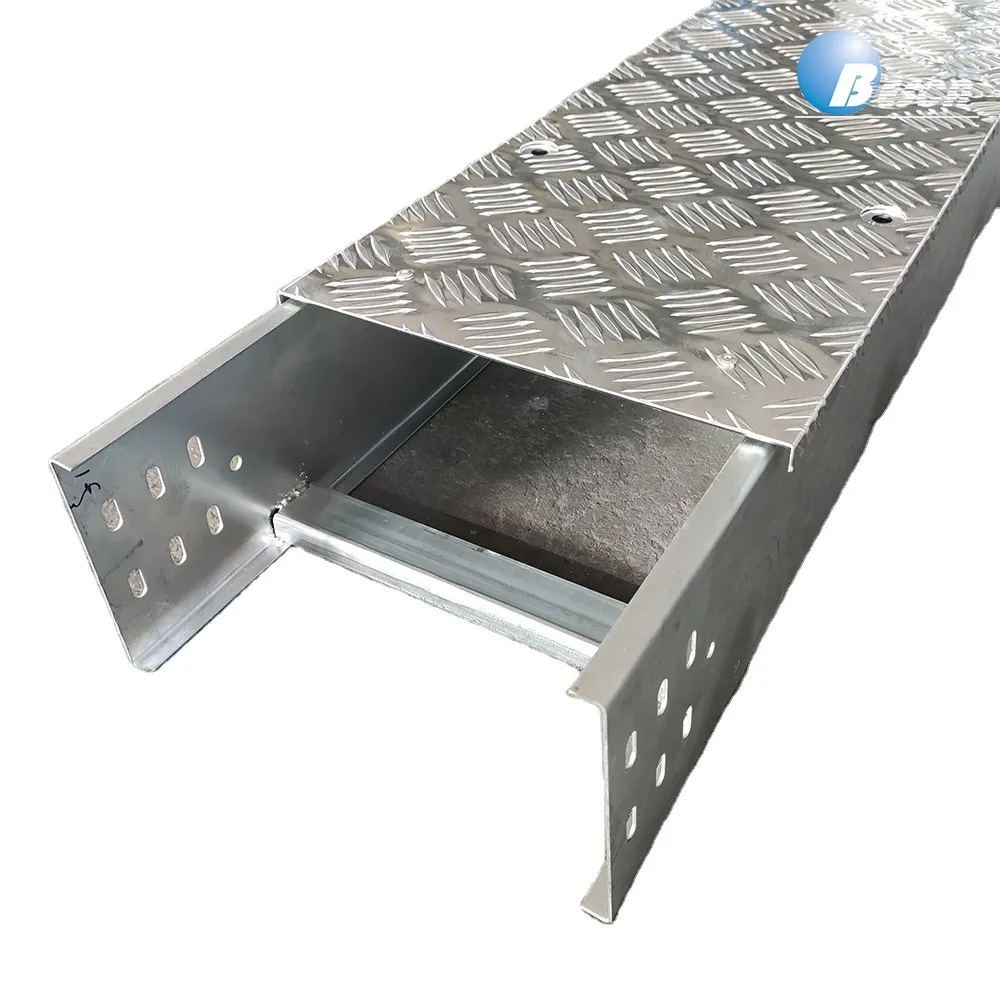 NEMA 12A 12C Ladder Type Cable Tray
- Jiangsu, China+BL+BESCA+3000mm+50-800mm
$3.50
MOQ: 100
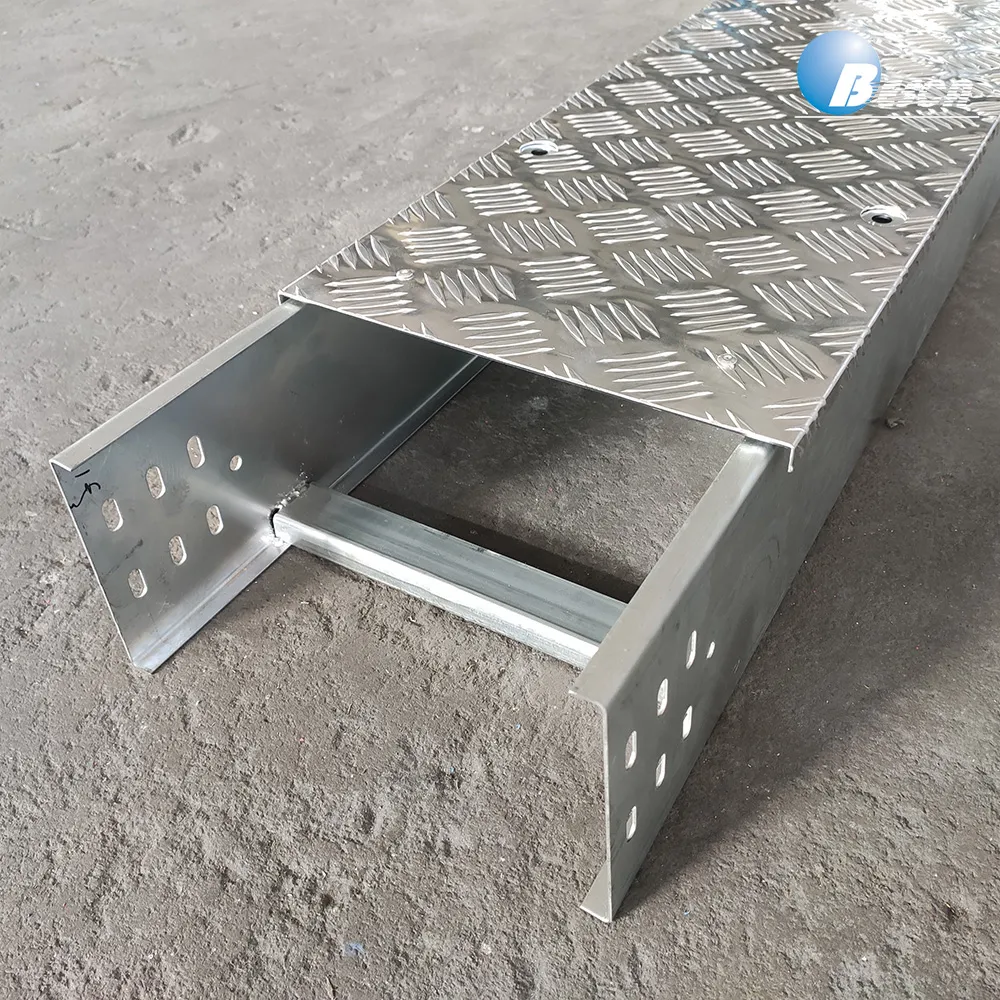 Aluminium Steel Galvanized NEMA 20A 20C Cable Ladder Cable Rack Ladders (UL,cUL,NEMA,IEC,CE,ISO)
- Jiangsu, China+BL+BESCA+3000mm+50-800mm
$10.00
MOQ: 500
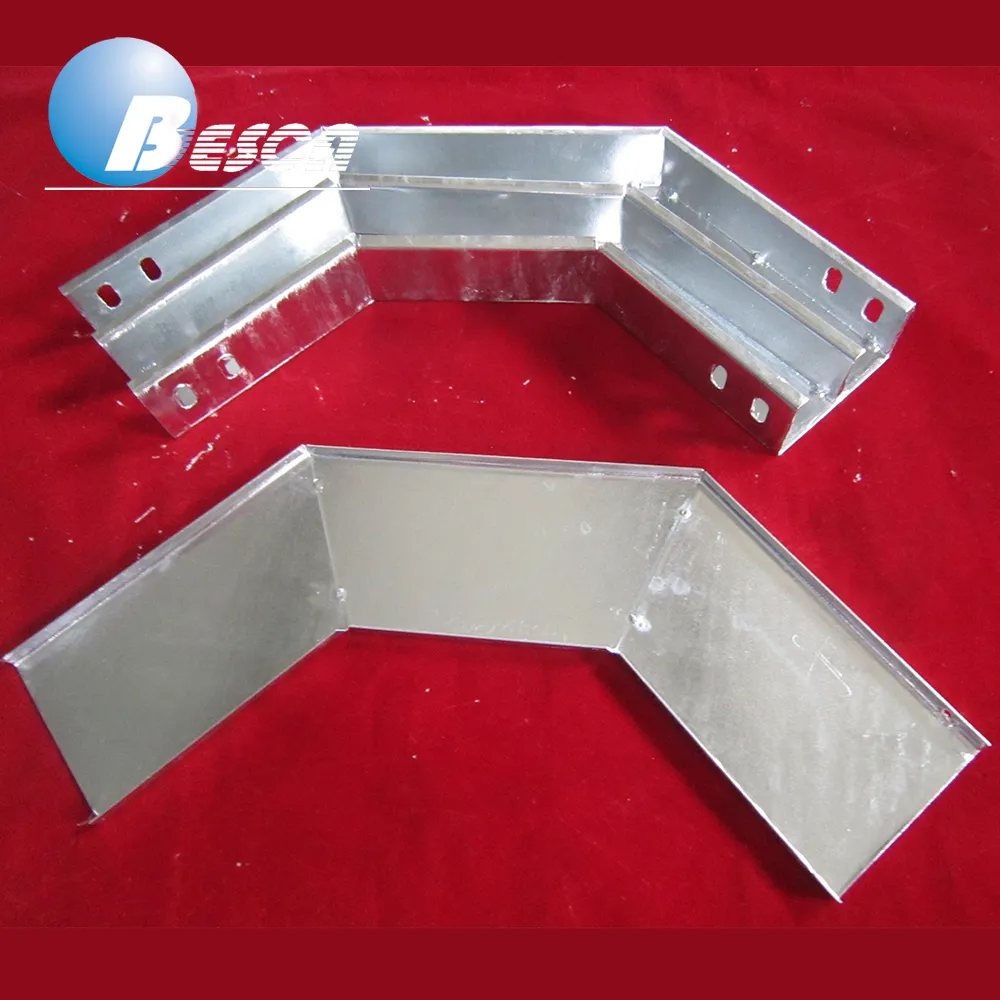 Cable Trays Vertical Horizontal Elbow 90 Degree Zhenjiang City
- Jiangsu, China+BL+BESCA+3000mm+50-800mm
$6.00
MOQ: 500
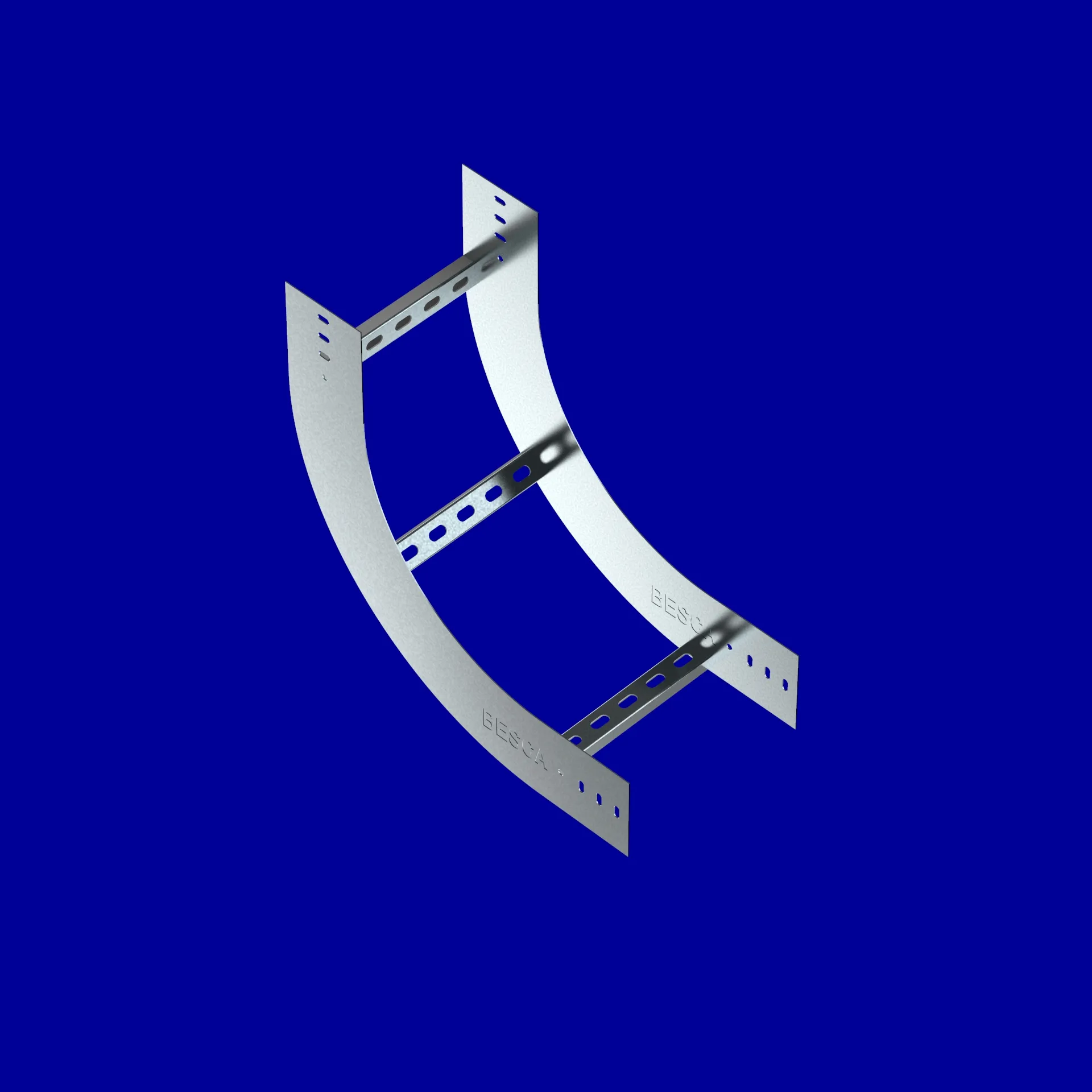 Escalerilla TEE Y Curva Reforzada 600x100mm Galv Bandeja Porta Cable
- Jiangsu, China+BL+BESCA+Hot-Dip Galvanized, Pre-Galvanized, Coated With Anti-Corrosion Paint+HDG,pre-galvanized,powder coated,SS304,SS316,Aluminum
$4.40
MOQ: 1000
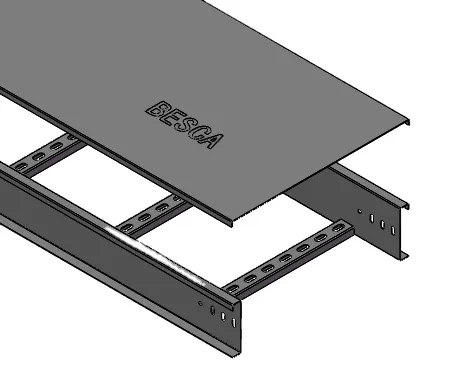 Waterproof Aluminum Ventilated Cable Tray Solid Bottom With Unequal Tee Fittings for Electric Cable
- Jiangsu, China+BL+BESCA+Anodized+HDG,pre-galvanized,powder coated,SS304,SS316,Aluminum
$4.40
MOQ: 1000
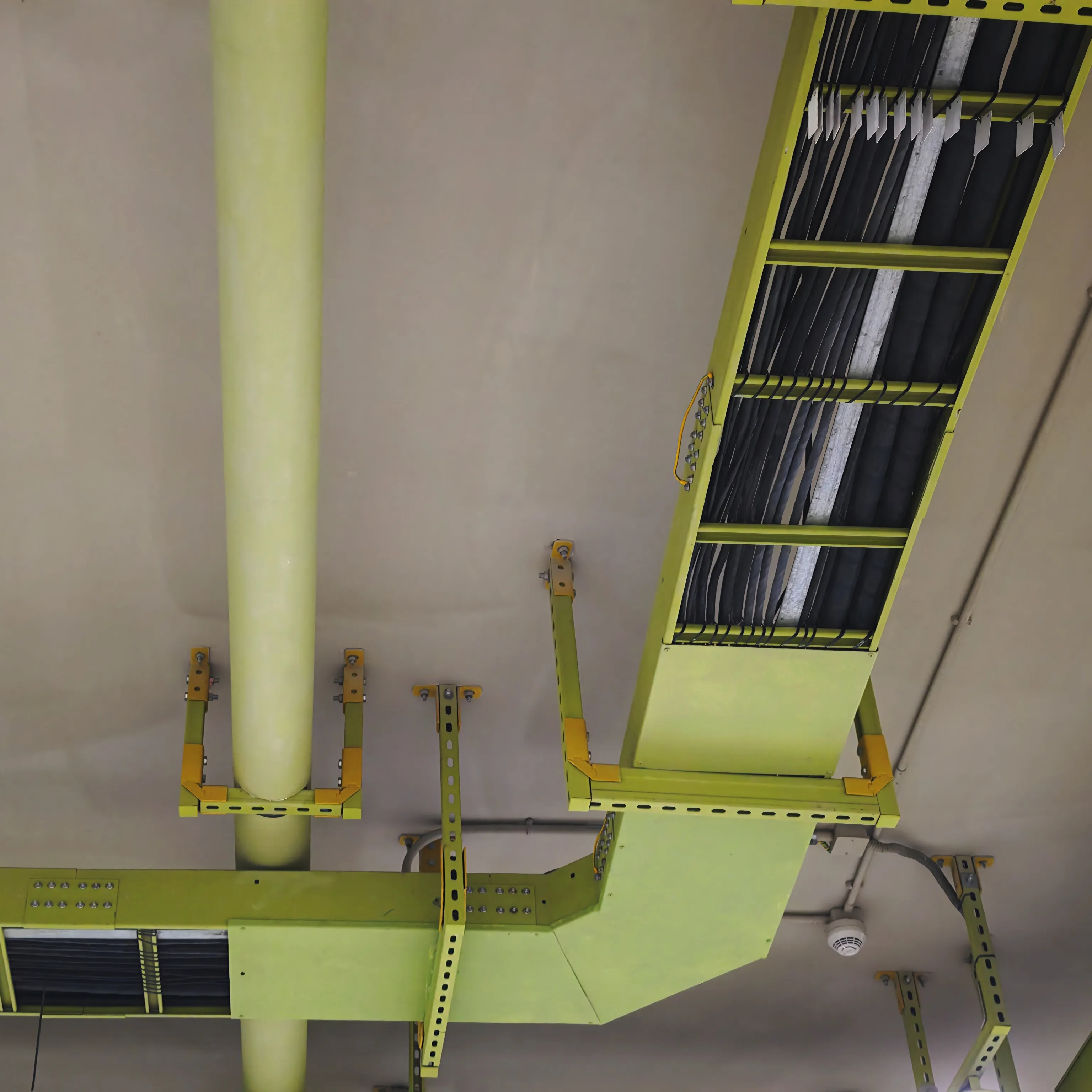 Powder Coated Cable Tray Cable Ladder RAL Color Options for Aesthetic Architectural and Industrial Cable Management
- Jiangsu, China+BL+BESCA+Hot-Dip Galvanized, Pre-Galvanized, Coated With Anti-Corrosion Paint+HDG,pre-galvanized,powder coated,SS304,SS316,Aluminum
$4.40
MOQ: 1000
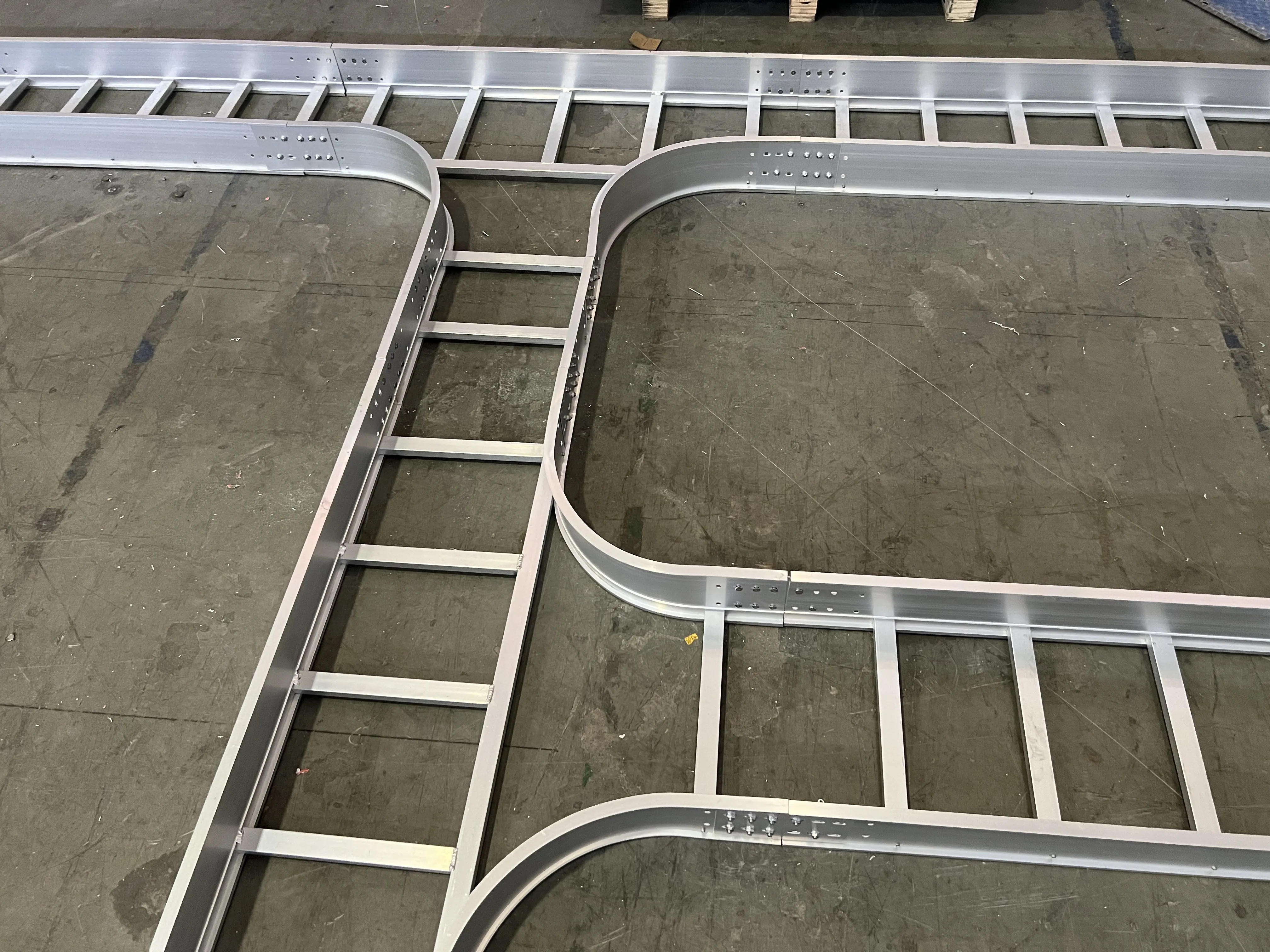 6 Inch Aluminum Cable Ladder Lightweight and Durable for Data Center Server Rack Installations
- Jiangsu, China+BL+BESCA+Anodized+HDG,pre-galvanized,powder coated,SS304,SS316,Aluminum
$4.40
MOQ: 1000
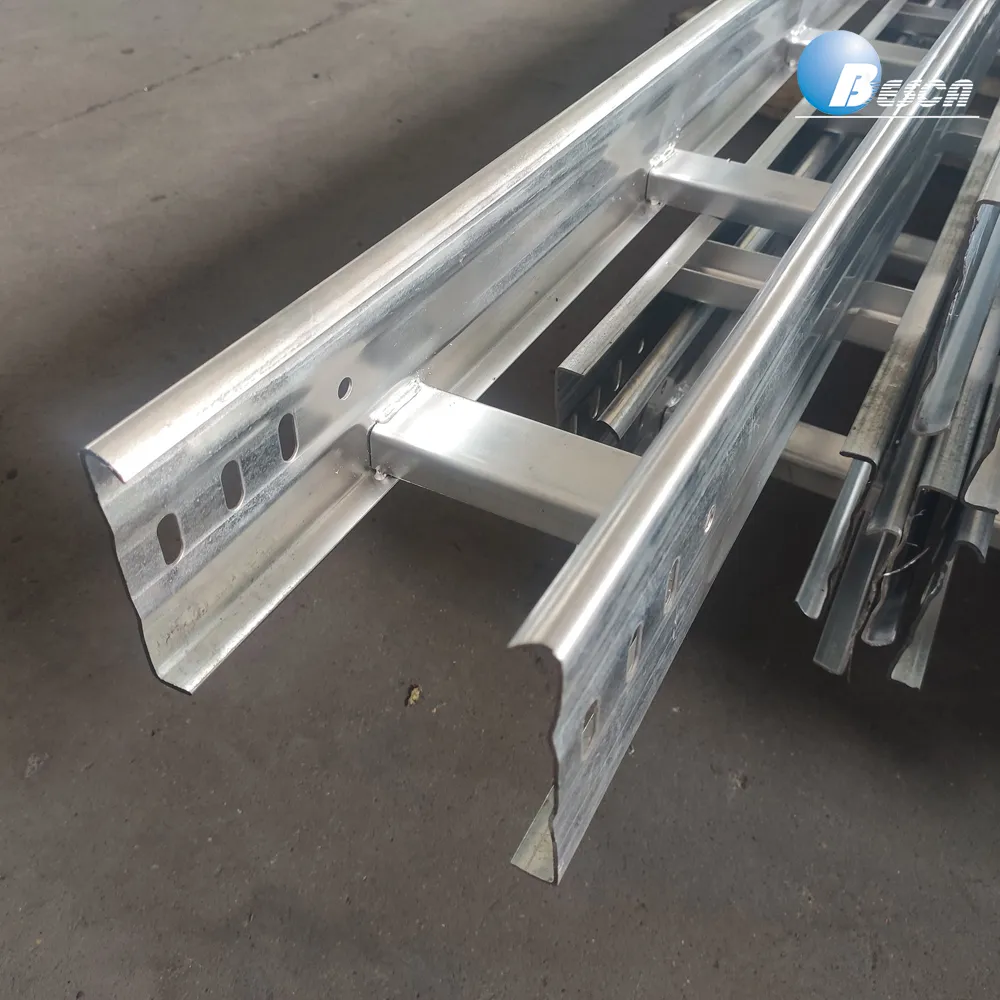 12A 12B 16A 20B 14Ga 12Ga Hot-dip Galvanized Steel HDG Aluminum Cable Ladder Tray
- Jiangsu, China+BL+BESCA+Hot-Dip Galvanized, Pre-Galvanized, Coated With Anti-Corrosion Paint+HDG,pre-galvanized,powder coated,SS304,SS316,Aluminum
$4.40
MOQ: 1000
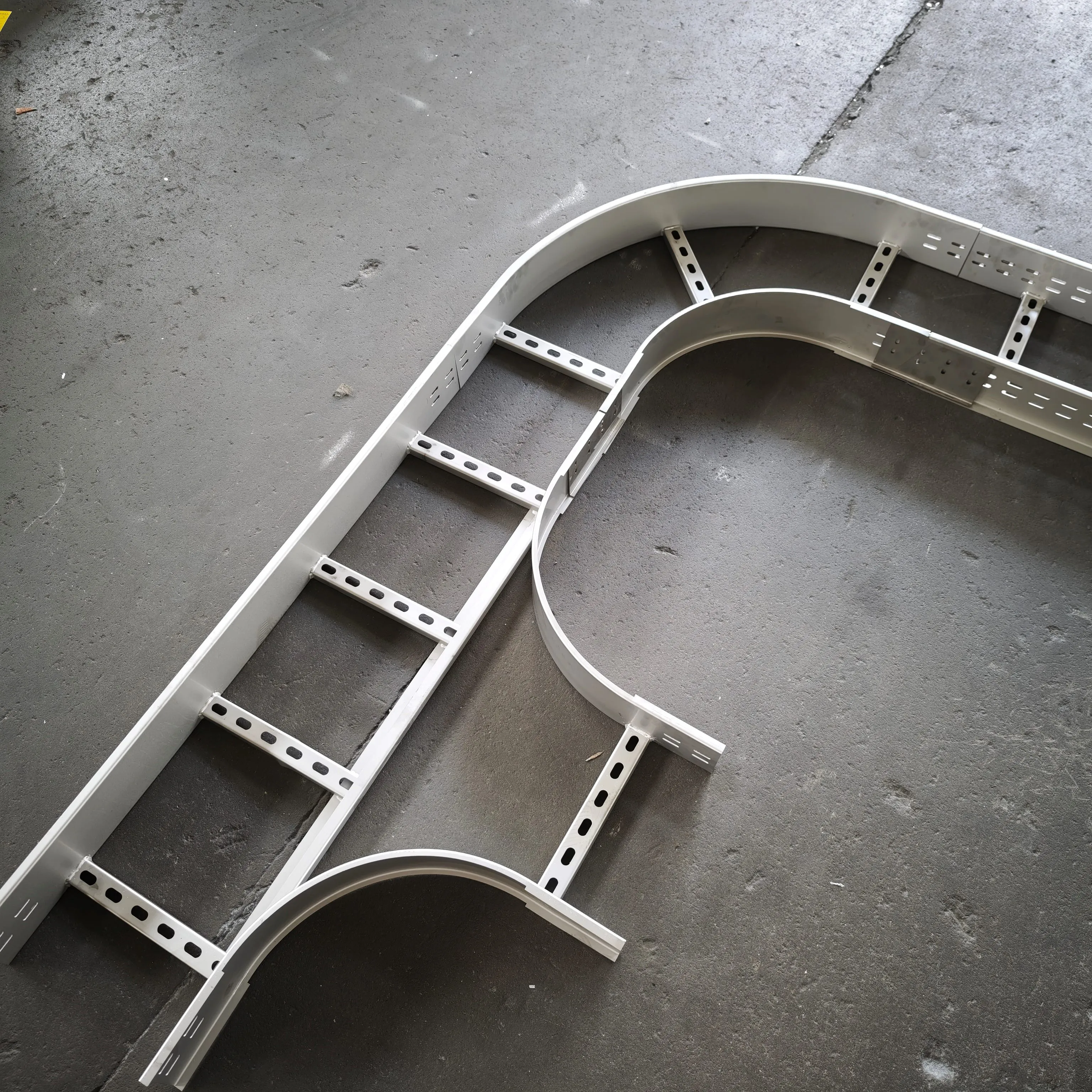 NEMA 2 Standard Industrial Aluminum Powder Coating Painted HDG Stainless Steel Ladder Tray 2'' 4'' 6'' 8
- Jiangsu, China+BL+BESCA+Hot-Dip Galvanized, Pre-Galvanized, Coated With Anti-Corrosion Paint+HDG,pre-galvanized,powder coated,SS304,SS316,Aluminum
$4.40
MOQ: 1000
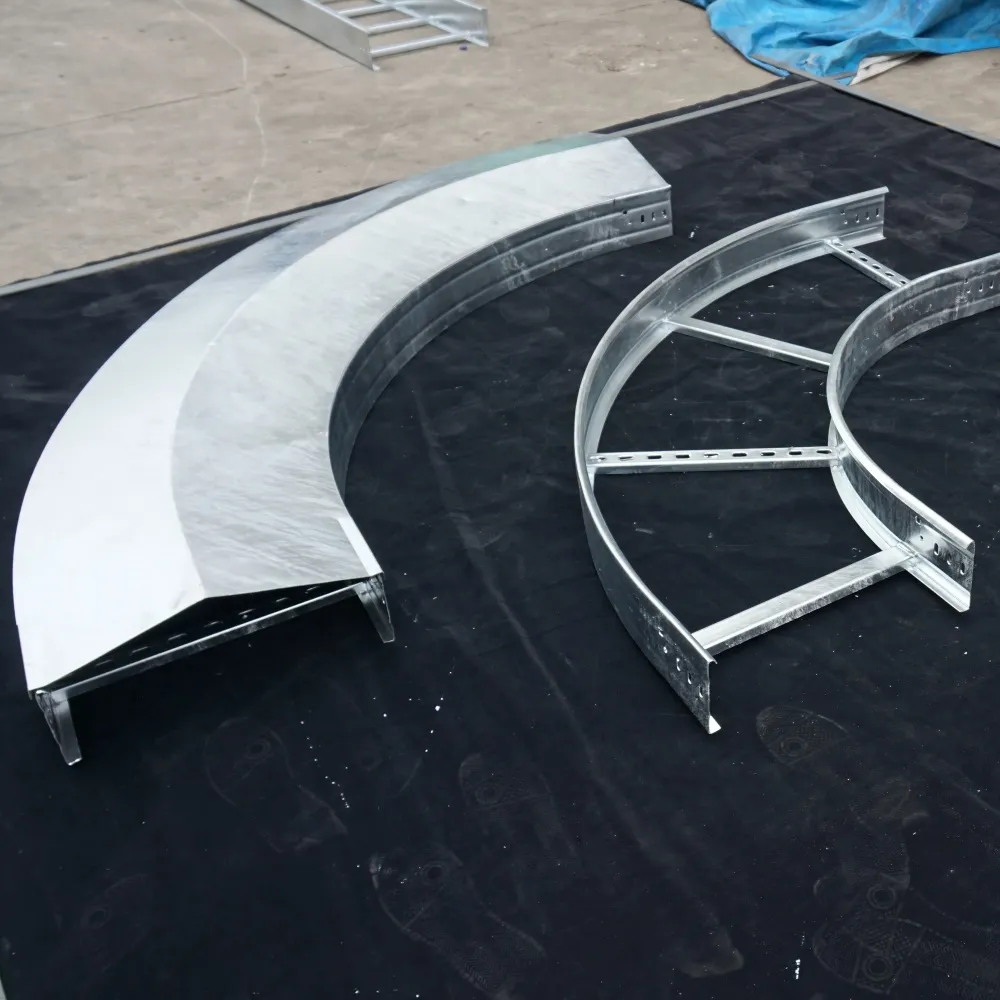 Hot Dipped Galvanized Cable Ladder Tray Corrosion Resistant for Long Span Support in Harsh Outdoor Environments
- Jiangsu, China+BL+BESCA+Hot-Dip Galvanized, Pre-Galvanized, Coated With Anti-Corrosion Paint+3 m, 6 m, 2 m, 4 m
$6.50
MOQ: 500
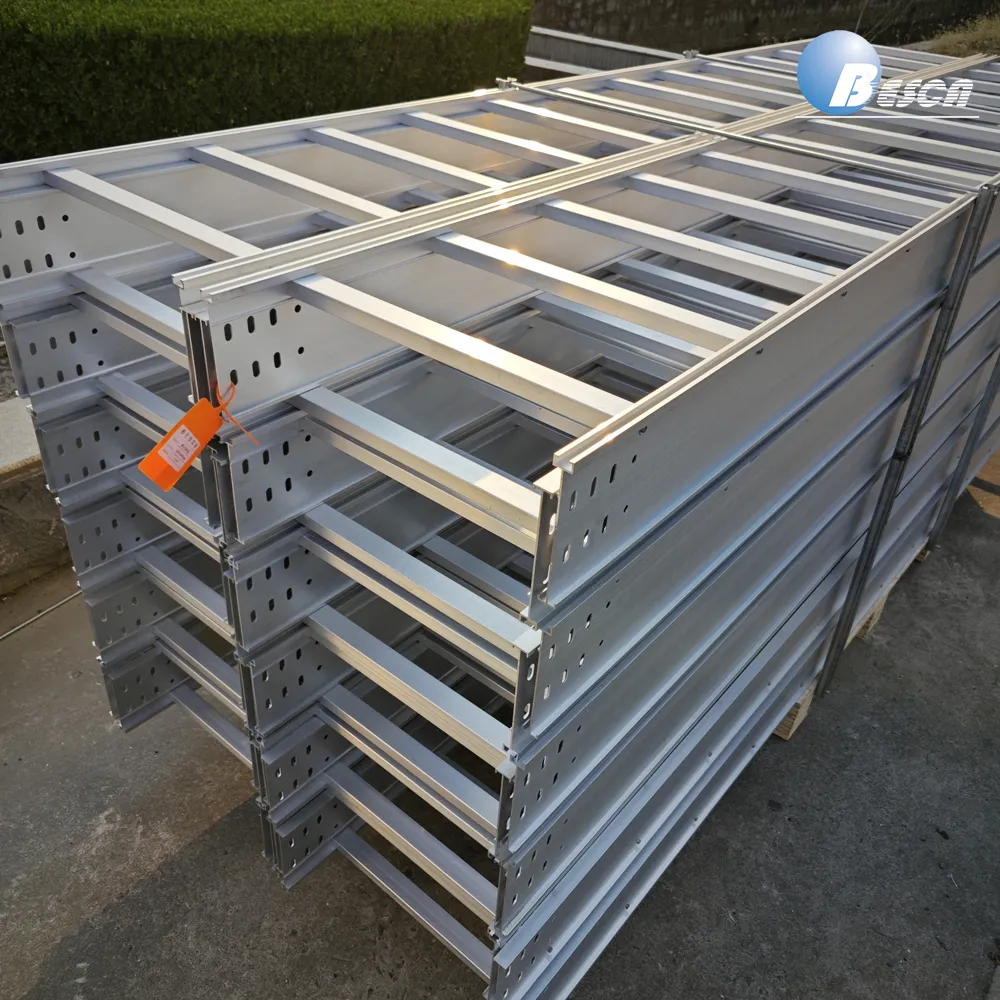 Wide Span Vertical Horizontal Cable Ladder System
- Jiangsu, China+BL+BESCA+Hot-Dip Galvanized, Pre-Galvanized, Coated With Anti-Corrosion Paint+3 m, 6 m, 2 m, 4 m
$6.50
MOQ: 500
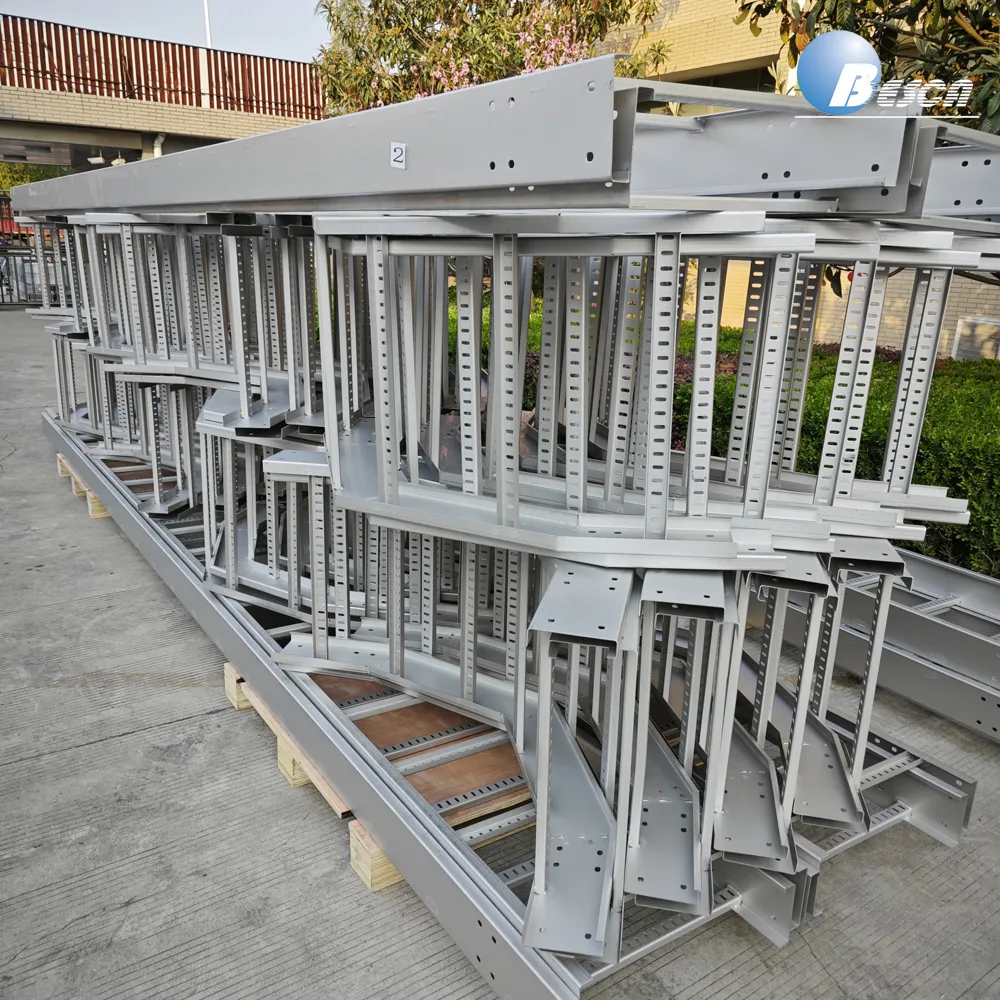 Pre-Galvanized Hot Dip Galvanized Stainless Steel Cable Ladder Type Cable Tray with Heat Dissipation Features
- Jiangsu, China+BL+BESCA+Hot-Dip Galvanized, Pre-Galvanized, Coated With Anti-Corrosion Paint+3 m, 6 m, 2 m, 4 m
$8.50
MOQ: 500
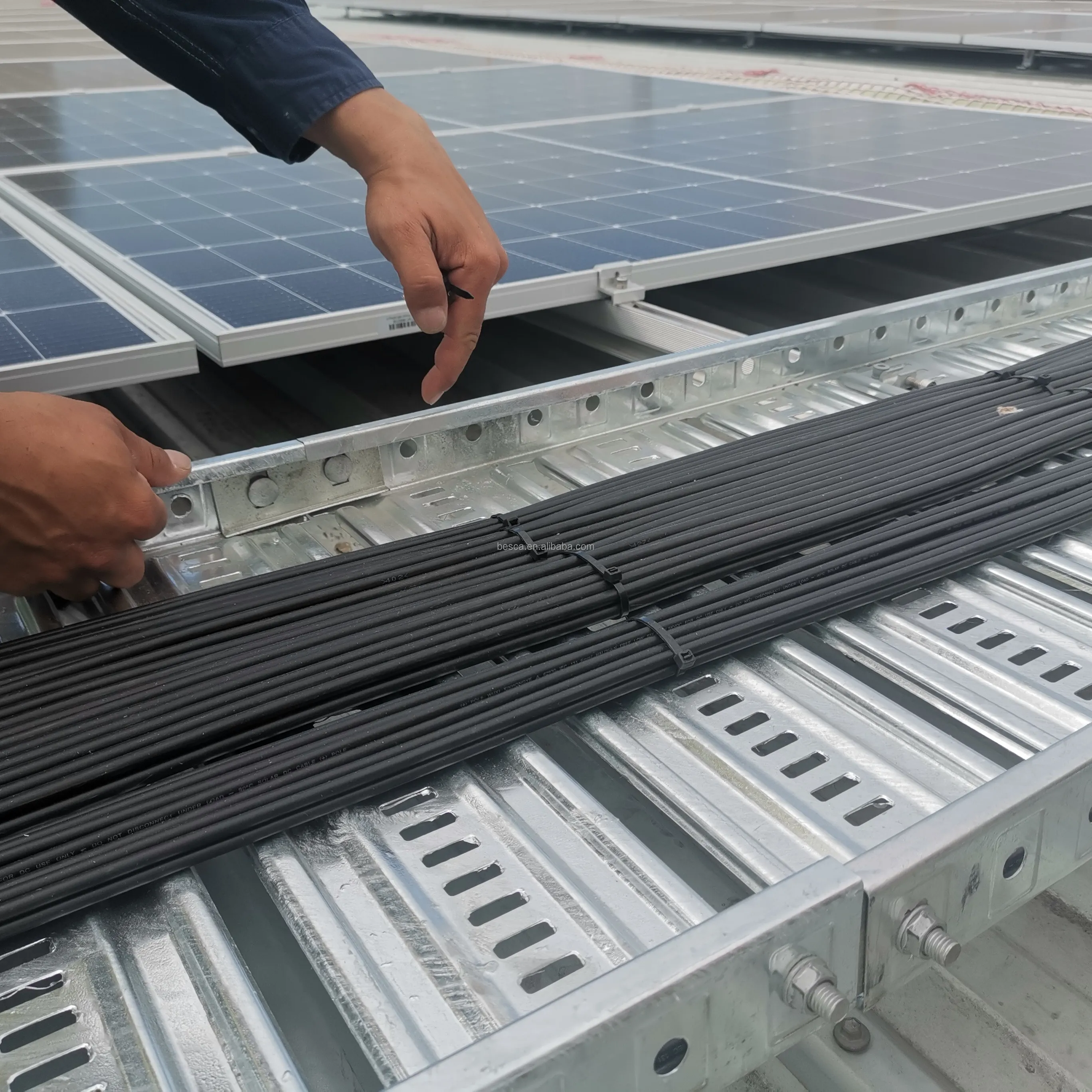 Jiangsu Factory Wholesale Custom Large Spacing Fireproof Cable Tray Stainless Steel Metal Trunking FRP Aluminium
- Jiangsu, China+BL+BESCA+Hot-Dip Galvanized, Pre-Galvanized, Coated With Anti-Corrosion Paint+3 m, 6 m, 2 m, 4 m
$6.50
MOQ: 500
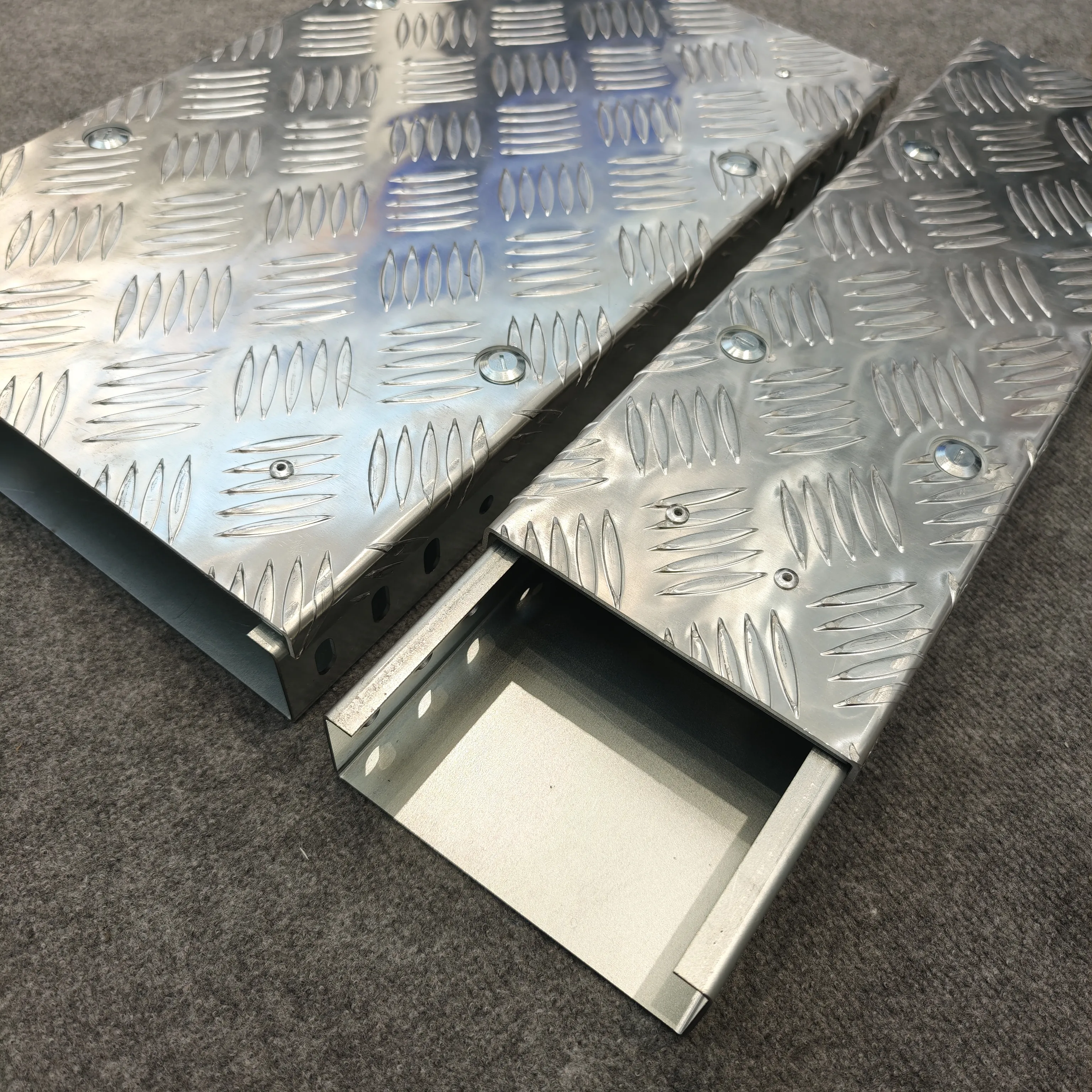 6"(H) Side Rail Aluminum Cable Ladder NEMA Standard with Footstep Non-slip Cover
- Jiangsu, China+BL+BESCA+Anodized, Hot-Dip Galvanized, Passivated, Pre-Galvanized, Coated With Anti-Corrosion Paint+3000mm
$10.00
MOQ: 1000
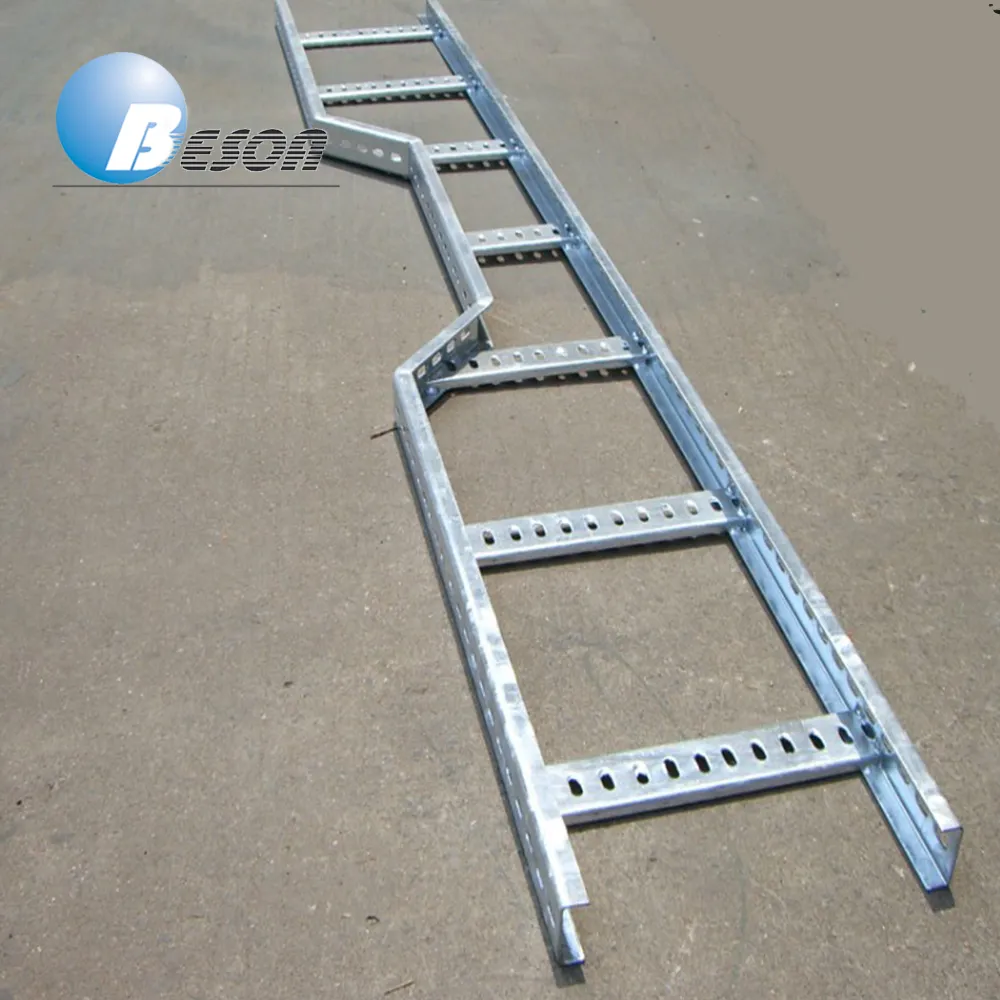 HORIZONTAL ELBOW LADDER MODULE R=117 /300 Hot Dip Galvanized After Fabrication (TS EN ISO 1461)
- Jiangsu, China+BL+BESCA+Hot-Dip Galvanized, Pre-Galvanized, Coated With Anti-Corrosion Paint+3000mm
$6.50
MOQ: 500
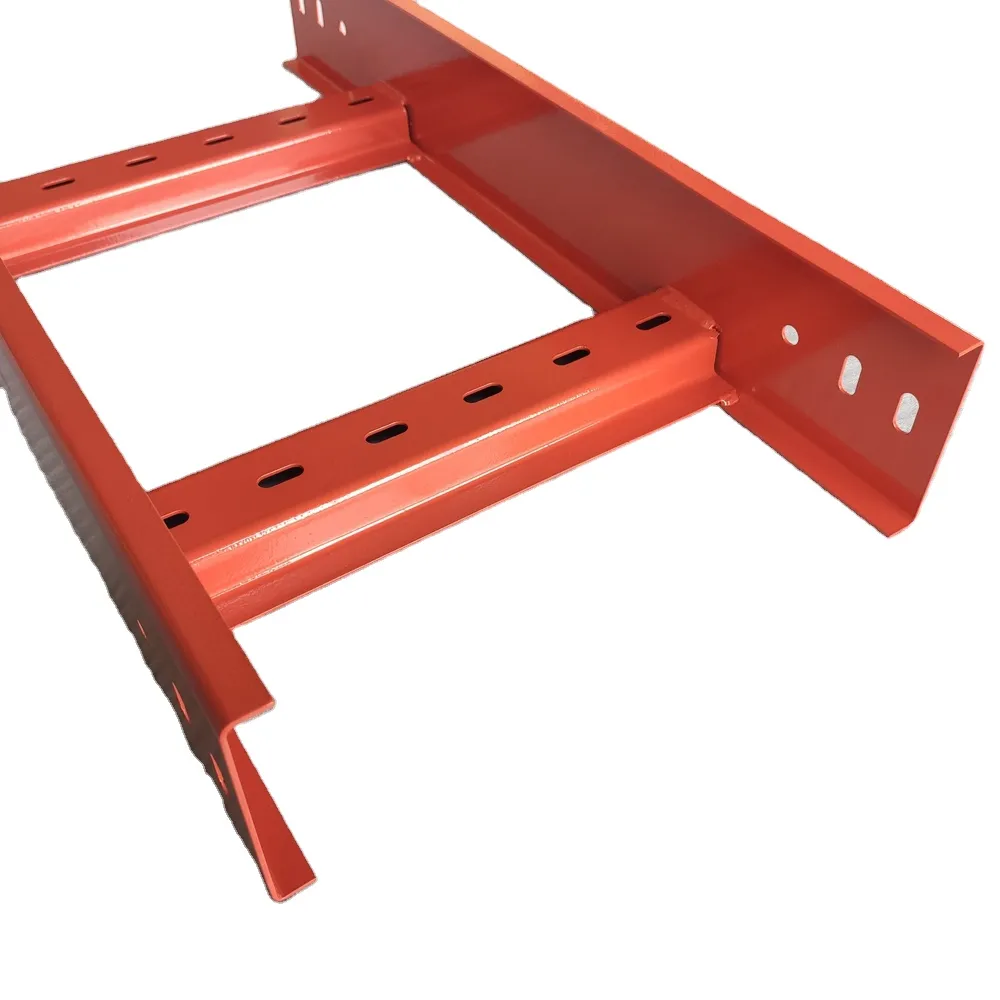 Steel Cable Tray Ladder with Hot dip galvanized Finish Installing cable tray in a marine offshore application
- Jiangsu, China+BL+BESCA+3000mm+50-800mm
$5.00
MOQ: 500
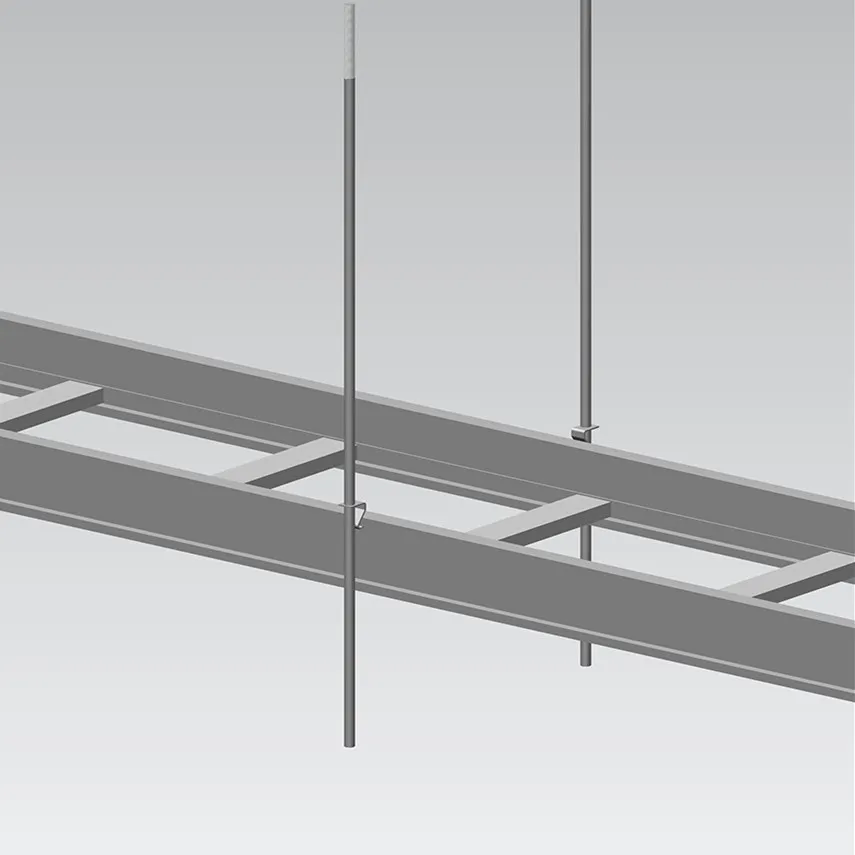 Cable Ladder with a 60 mm Side Height with Welded Profile Rungs C30 FS LCIS 60 in 6 m
- Jiangsu, China+BL+BESCA+3000mm+50-800mm
$6.00
MOQ: 1000
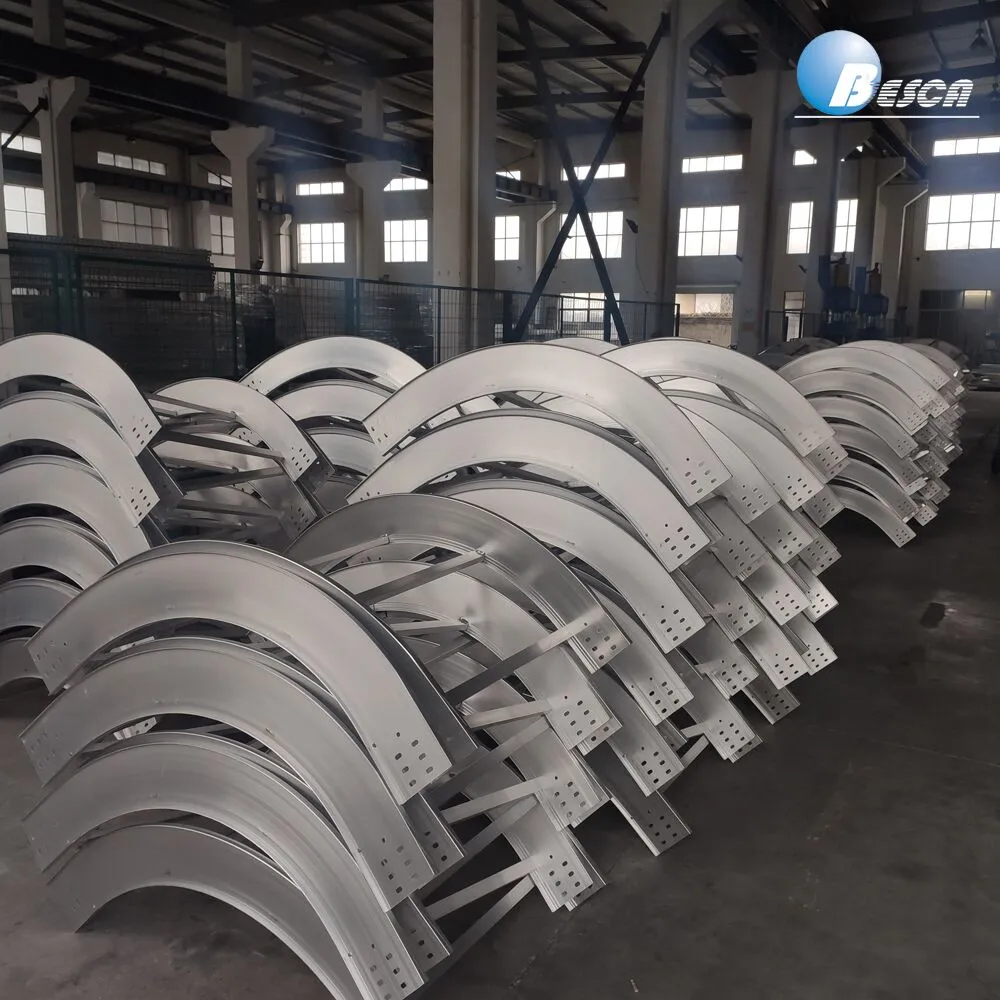 Width 450mm 600mm 900mm Heavy Duty Weight Horizontal Vertical Ladder Type Cable Ladder
- Jiangsu, China+BL+BESCA+3000mm+50-800mm
$10.00
MOQ: 500
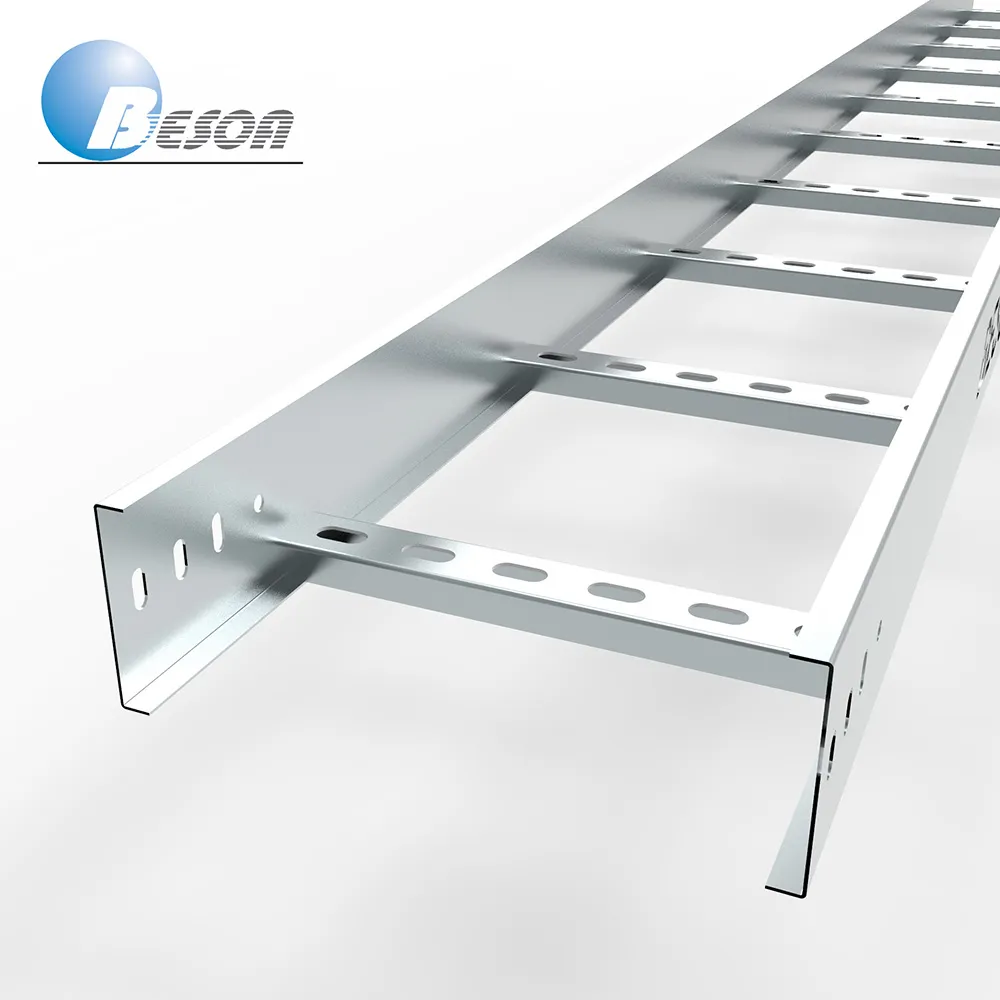 NEMA Certified Standard Aluminum Galvanized Ladder Type Cable Trays Cable Ladder
- Jiangsu, China+BL+BESCA+3000mm+50-800mm
$10.00
MOQ: 500
About Industrial Cable Ladders & Heavy-Duty Power Trays
Cable ladders represent the premier structural support infrastructure for heavy-gauge electrical power distribution across petrochemical complexes, steel mills, mining facilities, and commercial utility substations. Unlike enclosed trunking systems that restrict airflow and create dangerous heat buildup around heavy conductors carrying hundreds of amperes, cable ladders utilize an open rung-and-rail architecture. This configuration provides complete, uninhibited natural air circulation around power cables, maximizing conductor current-carrying ampacity ratings while preventing insulation degradation and premature cable failure.
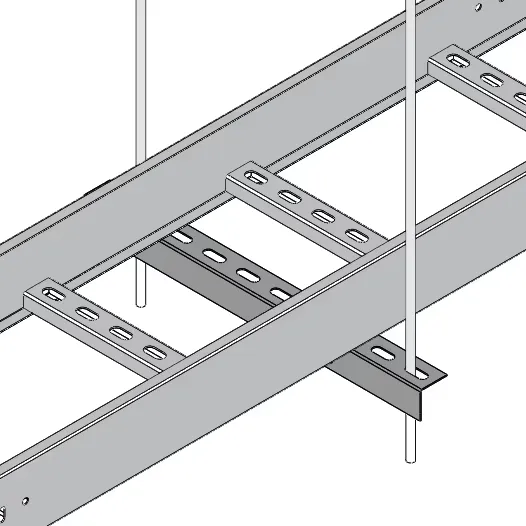
Our cable ladder portfolio covers rail depths from 75 mm to 200 mm and widths from 150 mm to 1000 mm, engineered for support spans up to 6.0 meters between structural bents. Side rails are roll formed with inward-facing stiffener lips to provide high beam moment of inertia. Slotted, punched rungs are welded to the side rails using automated robotic fixtures or mechanically swaged under high hydraulic pressure, providing rigid torsional resistance against short-circuit electromagnetic repulsion forces that occur during heavy electrical fault conditions.
Manufactured from heavy hot-dip galvanized steel (HDG per ASTM A123), marine-grade extruded aluminum alloy 6063-T6, and acid-resistant AISI 316L stainless steel, our cable ladders incorporate full lines of factory fittings—including horizontal elbows, vertical outside/inside risers, tees, and cross transitions—strictly conforming to NEMA VE-1 and IEC 61537 industrial standards.
Applications
Petrochemical Refinery Heavy-Duty Power Cable Ladder Pipe Rack Routing
In petrochemical refinery heavy-duty power cable ladder pipe rack routing, multi-tier hot-dip galvanized steel cable ladders spanning elevated pipe racks across an oil refinery, supporting massive 35kV armored power feeder cables. These precision roll-formed upright and beam profiles deliver maximum vertical space utilization, rigid seismic resistance, and dependable high-density pallet storage.
Thermal & Nuclear Power Generating Station High-Voltage Cable Routing
In thermal & nuclear power generating station high-voltage cable routing, heavy-gauge stainless steel cable ladders carrying high-amperage generator bus cables inside a thermal power plant turbine building. Built for heavy industrial service, these precision-engineered components resist mechanical wear and environmental corrosion, maintaining structural alignment and building performance.
Mining & Mineral Processing Facility Heavy-Vibration Cable Ladder Support
In mining & mineral processing facility heavy-vibration cable ladder support, robust NEMA 20C heavy-duty steel cable ladders equipped with rubber isolation pads and bolted cleats, resisting severe machinery vibration in mineral processing mills. Engineered with smooth edges and ventilation patterns, these modular cable raceways prevent insulation damage and ensure continuous electrical earth bonding.
High-Bay Automated Logistics Warehouse Vertical Riser Cable Ladder
In high-bay automated logistics warehouse vertical riser cable ladder, vertical cable ladder shafts climbing 30-meter high-bay warehouse walls, organizing main distribution cables with stainless steel cable cleat clamps. These rigid galvanized and stainless steel cable pathways provide superior structural span capacity, facilitate heat dissipation, and support high-voltage power networks.
Commercial Airport Terminal Long-Span Cantilevered Cable Ladder Run
In commercial airport terminal long-span cantilevered cable ladder run, extruded aluminum cable ladders spanning long cantilevered spans beneath architectural ceiling trusses in a modern international airport terminal. Featuring high load-carrying capacity and modular hardware, these certified cable routing systems protect critical cabling while enabling organized overhead deployment.
Technical Overview
| Parameter | Information |
|---|---|
| Ladder Classifications | Heavy-Duty Power Cable Ladder, Marine Aluminum Ladder, Long-Span Industrial Ladder |
| Side Rail Height Options | 75 mm (3"), 100 mm (4"), 125 mm (5"), 150 mm (6"), 200 mm (8") |
| Ladder Width Capacities | 150 mm to 1000 mm (6 inch to 40 inch standard power raceway widths) |
| Rung Spacing Options | 150 mm (6"), 225 mm (9"), 300 mm (12") on-center standard spacing |
| Rung Attachment Methods | Automated Robotic Full-Fillet Welding or High-Pressure Mechanical Swaging |
| Rung Profile Design | Slotted Aerodynamic Hat Channel or Tubular Profile with cable cleat slots |
| Standard Section Lengths | 3.0 meters (10 ft), 6.0 meters (20 ft) continuous transport lengths |
| Material Options Available | Hot-Dip Galvanized Carbon Steel, Extruded Aluminum 6063-T6, SS 304 / 316L |
| NEMA Load Class Rating | NEMA Class 12C, 16C, 20B, 20C (resists over 150 kg/m on 6-meter span) |
| Manufacturing Standards | NEMA VE-1, IEC 61537, ASTM A123, UL Classified (EGC), CE Certified |
FAQ
What makes cable ladders superior to solid-bottom cable trays for heavy power cables?
Cable ladders provide 100% free air circulation around high-amperage power conductors, which prevents heat buildup, maximizes allowable cable current ratings per electrical code, allows cables to enter/exit freely between rungs, and prevents water and debris accumulation.
How do slotted ladder rungs assist in securing single-conductor and three-phase power cables?
Slotted rungs feature elongated perforations that allow electricians to quickly install standardized cable cleats, heavy-duty cable clamps, or stainless banding straps, anchoring cables securely against dynamic magnetic forces during short-circuit events.
What is the typical support span distance for heavy-duty industrial cable ladders?
Industrial cable ladders are engineered for standard support spans of 3.0 meters (10 ft) to 6.0 meters (20 ft) between structural pipe racks or trapeze hangers, certified under NEMA 20C or 20B load-bearing classes.
When should welded rungs be specified over mechanically swaged rungs?
Welded rungs deliver maximum torsional rigidity and earth bonding continuity in heavy steel mill, mining, and high-vibration applications; swaged rungs provide clean, weld-free aesthetics ideal for aluminum ladders in commercial and marine installations.
How do short-circuit electromagnetic forces affect cable ladder design?
During short-circuit faults, adjacent high-voltage cables experience massive repulsive magnetic forces that can violently twist cables; robust ladder rungs and certified cable cleats absorb these dynamic shock loads without structural buckling.
What surface finishing provides the best protection for cable ladders in chemical refineries?
Hot-dip galvanizing after fabrication (HDG with zinc coating over 85 µm / 600 g/m² per ASTM A123) or AISI 316L stainless steel delivers permanent corrosion resistance against sulfur dioxide, moisture, and chemical vapors.
Which international specifications govern our heavy-duty cable ladder production?
Our cable ladders strictly comply with NEMA VE-1 (Metal Cable Tray Systems), NEMA VE-2 (Installation Guidelines), IEC 61537 (Cable Management Systems), and UL Classified grounding safety certifications.