Global B2B Roll Forming Sourcing Platform | Free RFQ Response within 24h

- Tuo AI

- Live

- My Account
- Shopping Cart
- Inquiry Basket
- Contact Us
- Back to Top




Stainless Steel Coils for Industrial Gutter & Downspout Systems
Stainless steel coils for architectural and industrial rainwater systems represent the pinnacle of structural longevity, corrosion resistance, and aesthetic prestige. Engineered from premium austenitic stainless steel grades AISI 304 (EN 1.4301) and marine-grade AISI 316 (EN 1.4401), these coils provide impervious resistance against chemical airborne pollutants, acid rain, and heavy coastal marine saline exposure. Precision cold-rolled and bright-annealed to exacting thickness tolerances, our stainless steel coils undergo seamless roll forming and lock-seaming, delivering 50+ year maintenance-free drainage lifespans for critical infrastructure and luxury architecture.
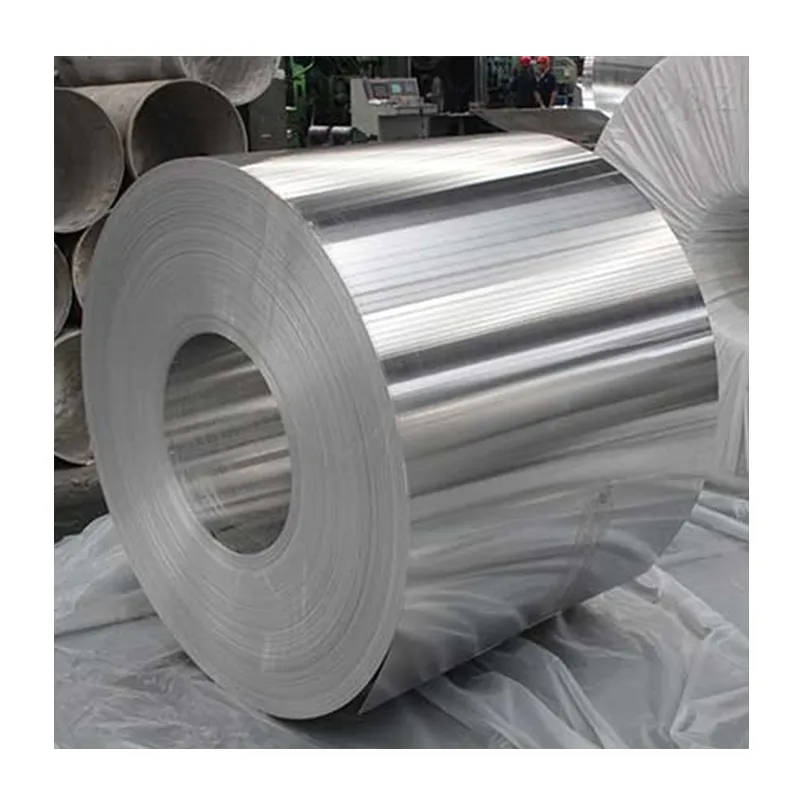 AISI ASTM JIS 316L Grade 300 Series Corrosion Resistance Stainless Steel Coils 201 304 Series Cold Rolled for Decoration Cutting
- Shandong, China+15-21 days+300 Series+AiSi+301L, S30815, 301, 304N, 310S, S32305, 204C3, 316Ti, 316L, 441, 316, 420J1, 321, 410S, 436L, 410L, 443, LH, S32304, 314, 347, 430, 309S, 304, 425M, 409L, 420J2, 204C2, 436, 445, 405, 370, S32101, 904L, 444, 301LN, 429, 304J1, 317L
$1,800.00
MOQ: 1
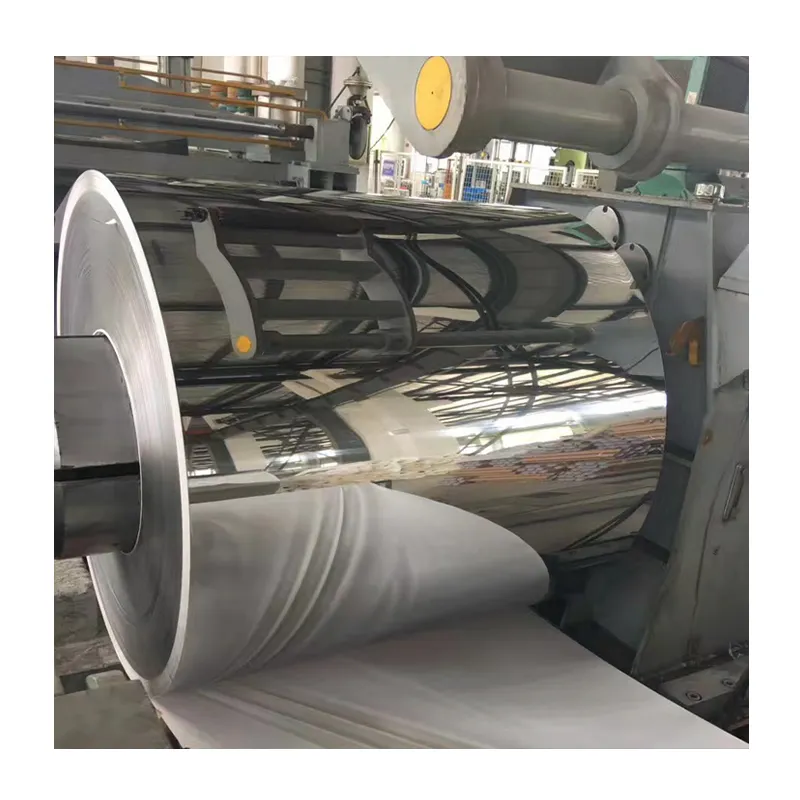 Wanzhi Factory Selling 304l Hot Cold Rolled Stainless Steel Thin Sheet Factory Stock 304 Stainless Steel Coil 201 Foshan
- Shandong, China+15-21 days+300 Series+AiSi+301L, S30815, 301, 304N, 310S, S32305, 410, 204C3, 316Ti, 316L, 441, 316, 420J1, L4, 321, 410S, 436L, 410L, 443, LH, L1, S32304, 314, 347, 430, 309S, 304, 439, 425M, 409L, 420J2, 204C2, 436, 445, 304L, 405, 370, S32101, 904L, 444, 301LN, 305, 429, 304J1, 317L
$1,800.00
MOQ: 1
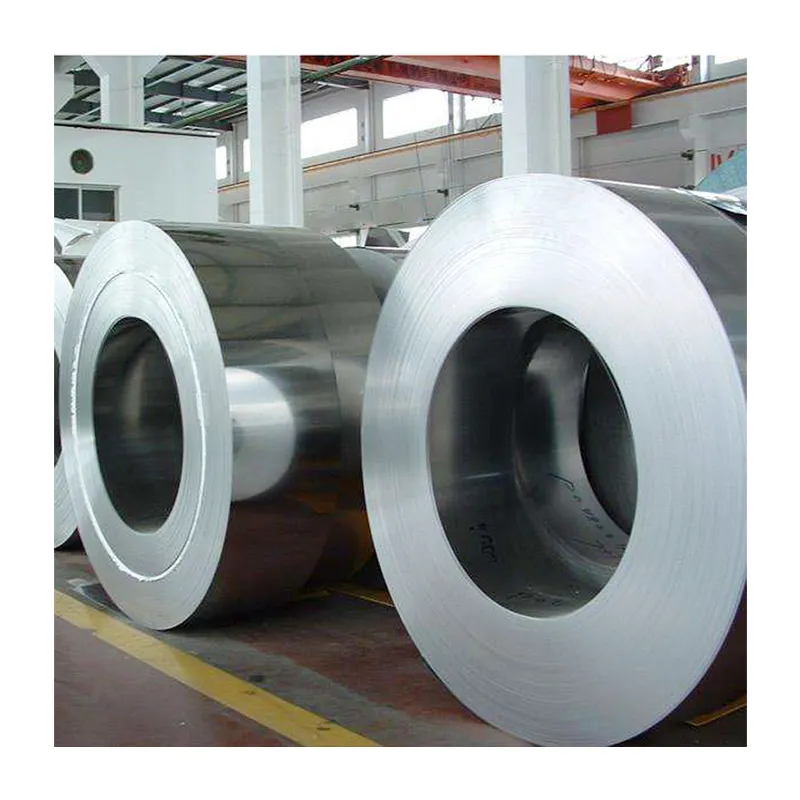 201 301High Quality Astm SS Sheets 0.5mm Sus404 Stainless Steel Coil Prices in China
- Shandong, China+15-21 days+300 Series+ASTM+301L, S30815, 301, 304N, 310S, S32305, 410, 204C3, 316Ti, 316L, 441, 316, 420J1, L4, 321, 410S, 436L, 410L, 443, LH, L1, S32304, 314, 347, 430, 309S, 304, 439, 425M, 409L, 420J2, 204C2, 436, 445, 304L, 405, 370, S32101, 904L, 444, 301LN, 305, 429, 304J1, 317L
$1,800.00
MOQ: 1
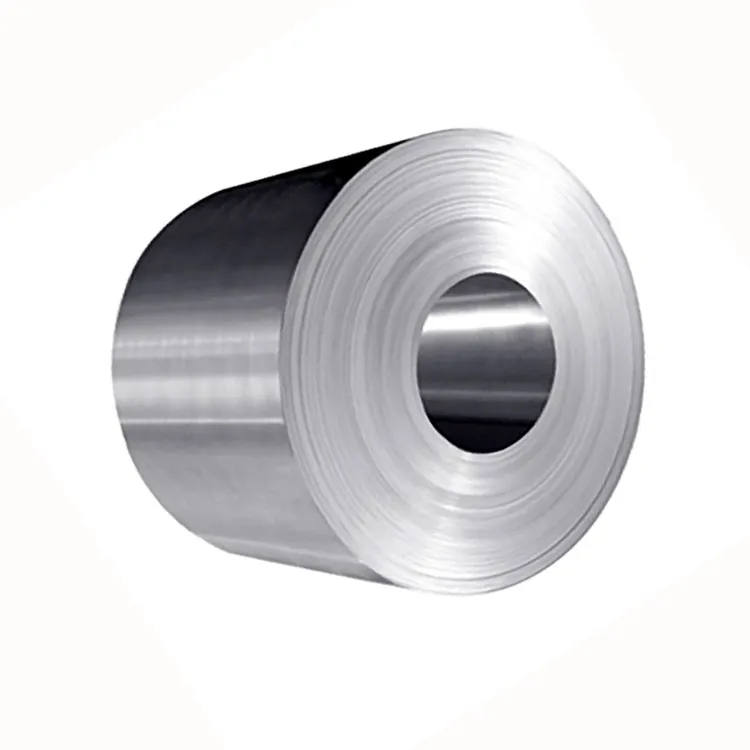
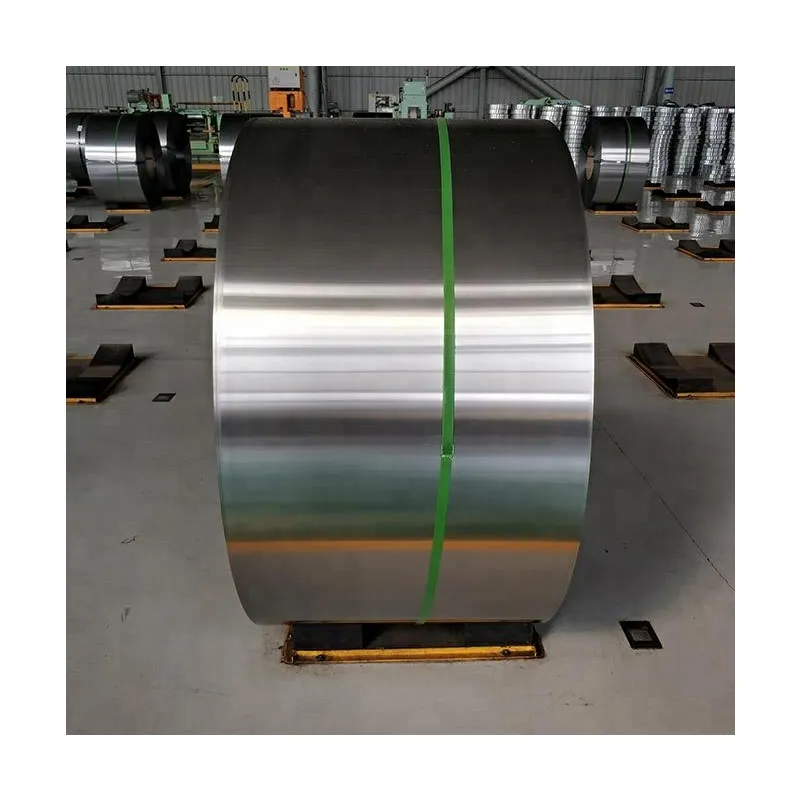
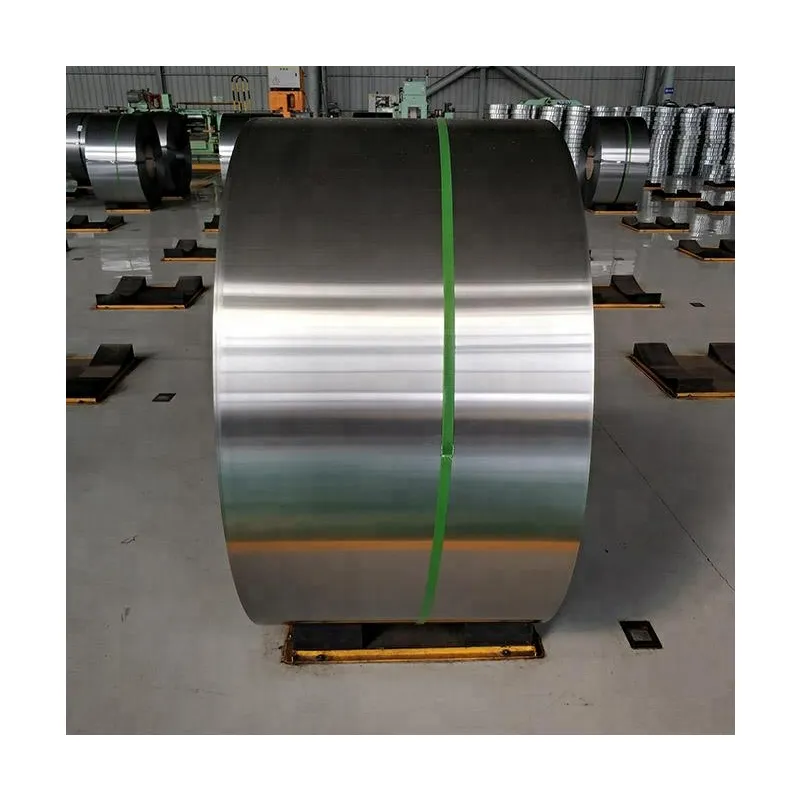
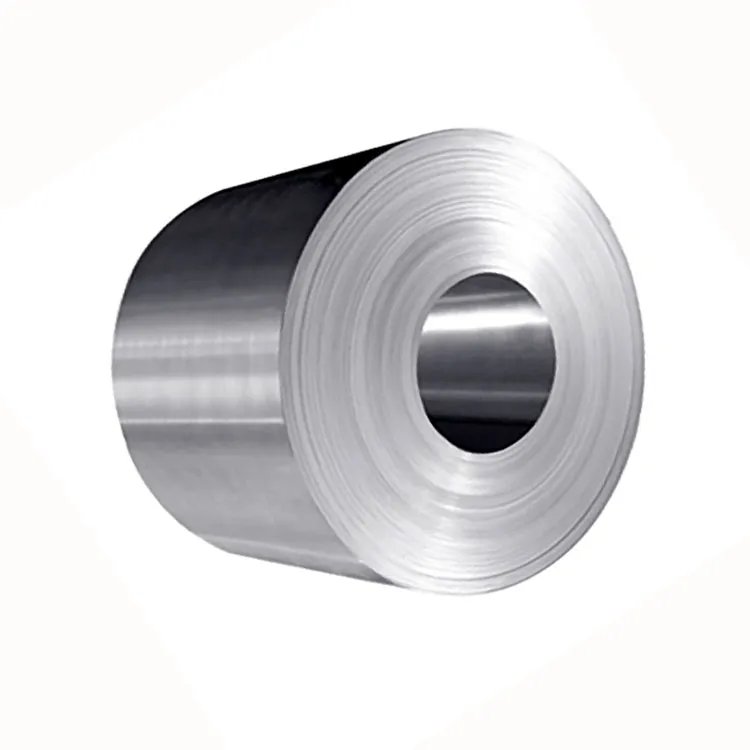
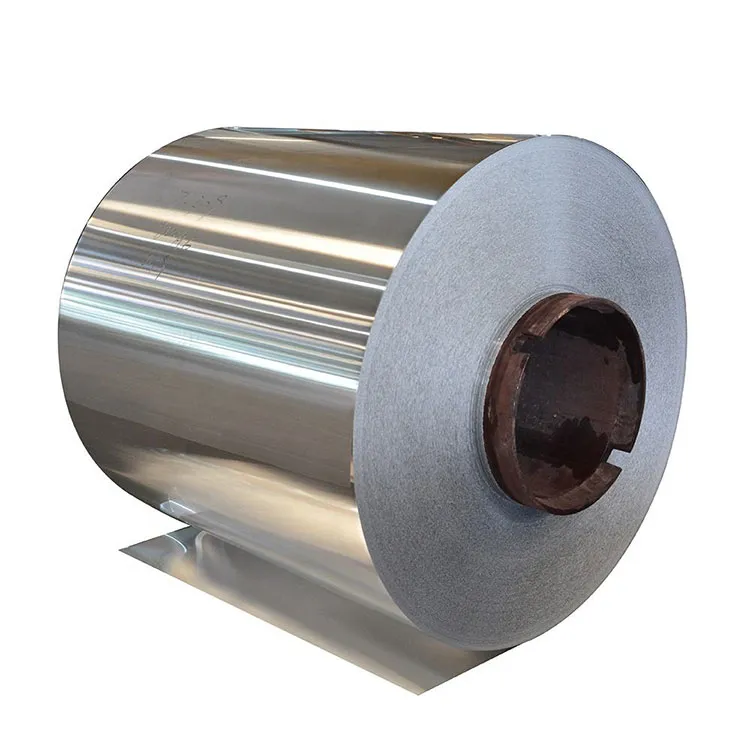
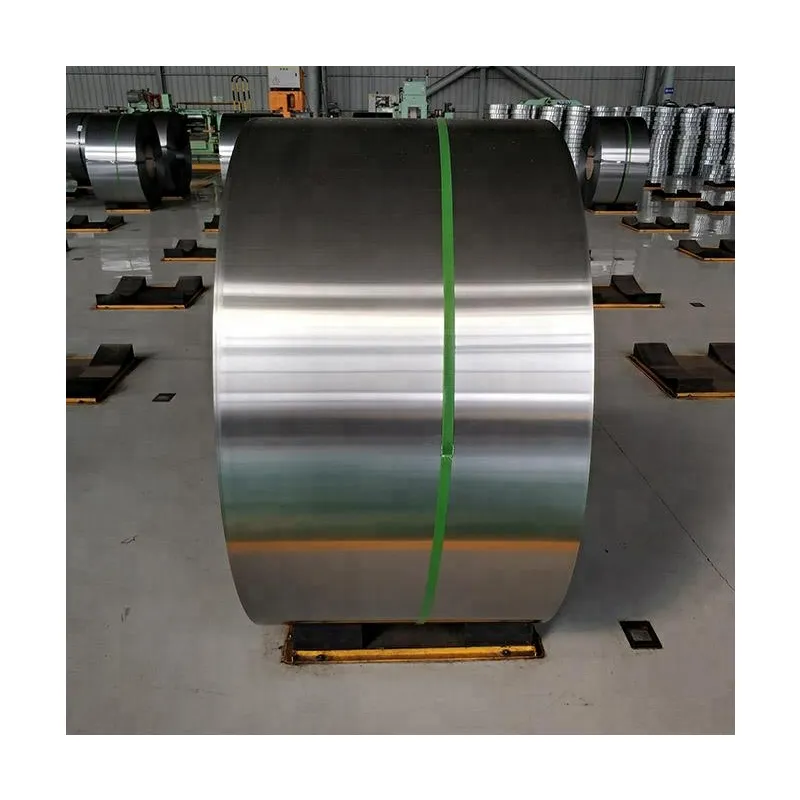
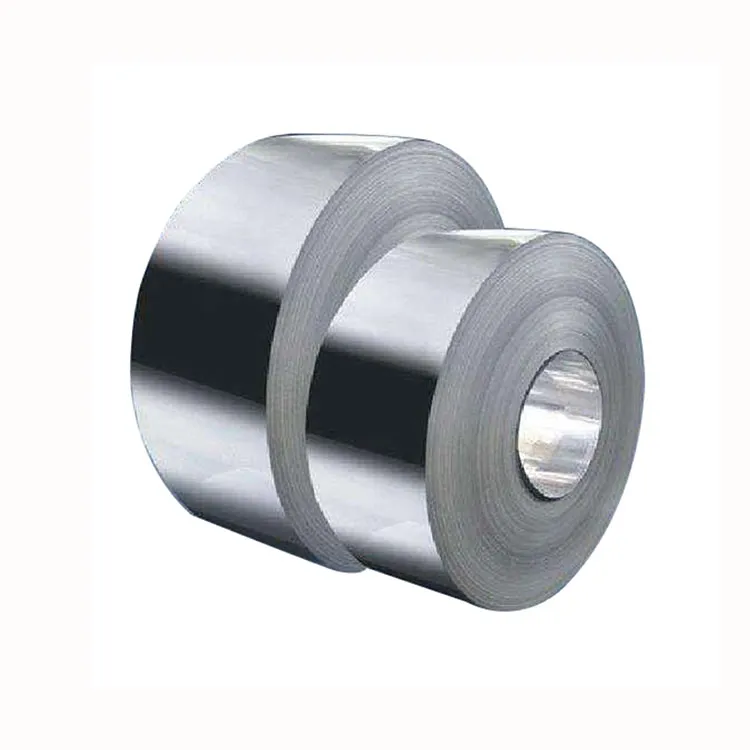
About Stainless Steel Coils for Harsh Environment Drainage
In severe industrial manufacturing environments, chemical refineries, food processing plants, and luxury coastal architectural projects, standard galvanized steel or aluminum gutters degrade prematurely due to acidic fumes, alkaline washdowns, and continuous salt-mist corrosion. Austenitic stainless steel coils provide an uncompromising metallurgical solution. With high chromium (18–20%) and nickel (8–10%) content, complemented by 2–3% molybdenum in Grade 316, stainless steel forms an exceptionally tough, self-healing passive chromium oxide film that permanently halts pitting and crevice corrosion along gutter waterlines.
Cold roll forming of stainless steel requires specialized metallurgical parameters due to its significant work hardening rate and high yield strength. Our stainless gutter coils undergo precision bright annealing (BA) and skin-passing, optimizing elongation (≥40%) and ductility for crisp hem forming, deep box gutter bending, and high-frequency circular downpipe roll forming without edge cracking. Available in 2B matte finish and No. 4 brushed architectural grain, coils are pre-laminated with heavy-duty laser PE protective films (80–100 µm) to safeguard surfaces against tooling scuffs during multi-pass roll forming operations.
Fully compatible with automated TIG welding, laser welding, and high-strength mechanical lock-seaming, our coils conform strictly to ASTM A240, EN 10088-2, and ISO 9445 standards, providing certified metallurgical purity and unmatched lifecycle value for global builders.
Applications
Chemical Plant Heavy Duty Box Gutter Forming
In chemical plant heavy duty box gutter forming, industrial application of chemical plant heavy duty box gutter forming in modern automated cold roll forming and metal building manufacturing. Featuring high-capacity hydraulic cross-sections and corrosion-resistant coatings, these roll-formed rainwater components channel heavy storm runoff away from exterior building foundations.
Coastal Commercial Stainless Downspout Piping
In coastal commercial stainless downspout piping, industrial application of coastal commercial stainless downspout piping in modern automated cold roll forming and metal building manufacturing. Engineered with leak-proof interlocking joints and precision fittings, these architectural drainage profiles ensure smooth water flow and prevent roof fascia rot.
Sanitary Food Processing Roof Drainage System
In sanitary food processing roof drainage system, industrial application of sanitary food processing roof drainage system in modern automated cold roll forming and metal building manufacturing. Featuring high-strength interlocking seams and concealed fastener clips, these continuous metal panels prevent water infiltration and ensure long-term building envelope integrity.
High Durability Stainless Elbow Lock Seaming
In high durability stainless elbow lock seaming, industrial application of high durability stainless elbow lock seaming in modern automated cold roll forming and metal building manufacturing. Manufactured to rigorous industrial tolerances from high-grade structural alloys, these dependable components withstand demanding environmental stresses and deliver certified reliability.
Architectural Facade Integrated Downpipe Installation
In architectural facade integrated downpipe installation, industrial application of architectural facade integrated downpipe installation in modern automated cold roll forming and metal building manufacturing. Engineered with leak-proof interlocking joints and precision fittings, these architectural drainage profiles ensure smooth water flow and prevent roof fascia rot.
Technical Overview
| Parameter | Information |
|---|---|
| Stainless Steel Alloy Grades | AISI 304 (EN 1.4301 / X5CrNi18-10), AISI 316 (EN 1.4401), AISI 316L, AISI 430 |
| Thickness Gauge Range | 0.40 mm to 1.50 mm (28 Gauge to 16 Gauge precision cold rolled) |
| Slit Width Capabilities | 100 mm to 1250 mm (precision slit coils with deburred edges) |
| Surface Finish Options | 2B (Cold Rolled Matte), BA (Bright Annealed), No.4 (Satin Brushed), Hairline (HL) |
| Surface Protective Films | Laser-Grade PE Film (80–100 µm), Easy-Peel Blue Protective Film |
| Tensile Strength Rm | ≥ 520 MPa (Grade 304), ≥ 530 MPa (Grade 316 per ASTM A240) |
| Yield Strength Rp0.2 | ≥ 205 MPa (Grade 304), ≥ 220 MPa (Grade 316) |
| Elongation at Break A80 | ≥ 40% (exceptional deep-drawing and sharp lock-seam ductility) |
| Hardness Specification | ≤ 90 HRB (annealed condition, optimal for continuous roll forming) |
| Applicable Standards | ASTM A240, EN 10088-2, ISO 9445, JIS G4305, Mill Test Certificate EN 10204 3.1 |
FAQ
When should Grade 316 stainless steel be selected over Grade 304 for gutter systems?
Grade 316 contains 2–3% molybdenum, providing superior resistance against chloride pitting and crevice corrosion within 5 km of saltwater coastlines, in chemical fertilizer plants, and in industrial zones with heavy sulfurous emissions.
How does stainless steel work hardening affect roll forming machine design?
Stainless steel work-hardens rapidly during forming, requiring approximately 50% higher forming tonnage, rigid machine chassis, hardened D2/DC53 rollers, and extra forming stands to compensate for springback and prevent profile distortion.
What protective film should be specified to prevent surface scratching during roll forming?
Heavy-duty laser-grade polyethylene (PE) protective film (80–100 µm thickness) with controlled rubber-based adhesive protects polished 2B or No.4 surfaces from roller scoring and strips cleanly after installation without residue.
Can stainless steel gutters be soldered or must they be welded?
Stainless steel can be soft-soldered using specialized phosphoric or hydrochloric acid fluxes and 50/50 tin-lead or lead-free tin-silver solder; for high-stress industrial applications, automated TIG or laser welding provides superior joint strength.
How does the thermal expansion rate of stainless steel compare to carbon steel and aluminum?
Austenitic stainless steel has a thermal expansion coefficient of approx. 16–17 µm/m/°C, higher than carbon steel (12 µm/m/°C) but significantly lower than aluminum (23 µm/m/°C), requiring engineered expansion joints every 15–20 meters.
What surface finishes are most commonly specified for architectural stainless gutters?
2B (smooth cold-rolled matte finish) is standard for industrial hidden gutters, while No.4 (directional satin brushed) and BA (bright annealed reflective) are preferred for high-visibility architectural facades and luxury residences.
Does stainless steel require painting or chemical passivation after roll forming and installation?
Stainless steel does not require painting; however, pickling or chemical passivation (per ASTM A380) after welding or fabrication removes heat tint and iron contamination, fully restoring the protective chromium oxide passive layer.