Global B2B Roll Forming Sourcing Platform | Free RFQ Response within 24h

- Tuo AI

- Live

- My Account
- Shopping Cart
- Inquiry Basket
- Contact Us
- Back to Top




Precision Extruded Aluminum Solar Rails
Engineered for high structural efficiency and universal photovoltaic module clamping, our aluminum solar rails deliver robust support across rooftop and commercial solar installations. Extruded from premium 6005-T5 and 6063-T6 architectural aluminum alloys, these mounting tracks incorporate proprietary top-groove and side-channel profiles designed for rapid mid-clamp and end-clamp engagement. With optimized cross-sectional moments of inertia, our solar rails withstand intense wind uplift and heavy snow loads while significantly streamlining mechanical assembly for commercial, industrial, and utility-scale solar contractors worldwide. Integrated grounding paths and precision anodized finishes ensure decades of corrosion-free performance across aggressive marine, agricultural, and desert environmental conditions.
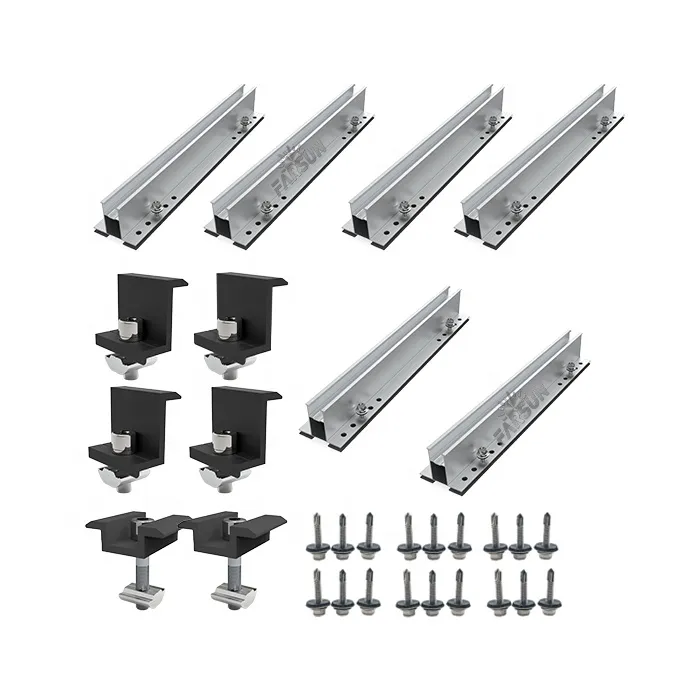 FarSun Aluminum Roof Mounting Structure Solar Short Rail Mini Rail
- Roof Mounting+0-45°+AL6005-T5&SUS410
$1.58
MOQ: 1
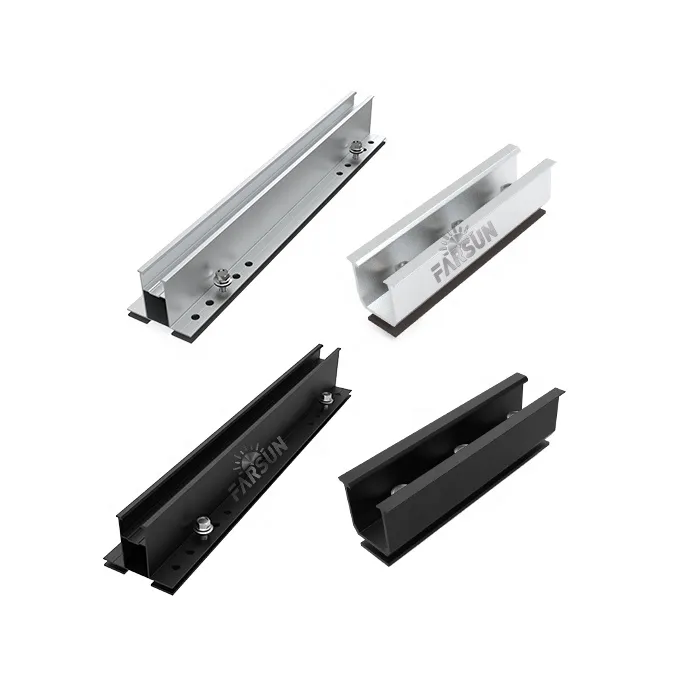 FarSun Easy Solar Installation Aluminum Roof Mount Racking System
- Roof Mounting+0-45°+AL6005-T5&SUS410
$1.58
MOQ: 1
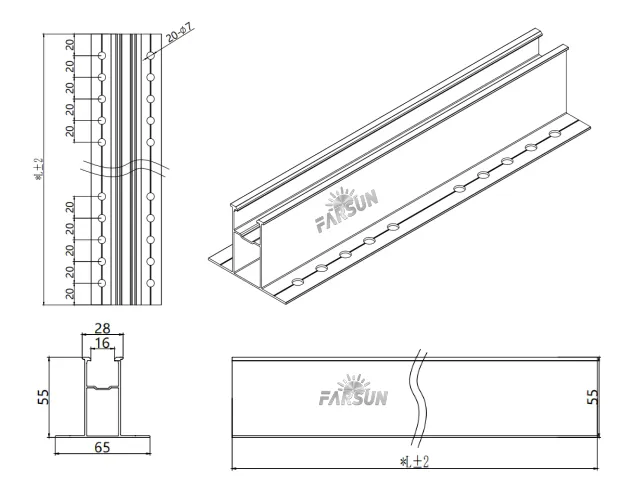 FarSun Roof Mounting Bracket Solar PV Mount Systems Short Mini Rail
- Roof Mounting+0-45°+AL6005-T5&SUS410
$1.58
MOQ: 1
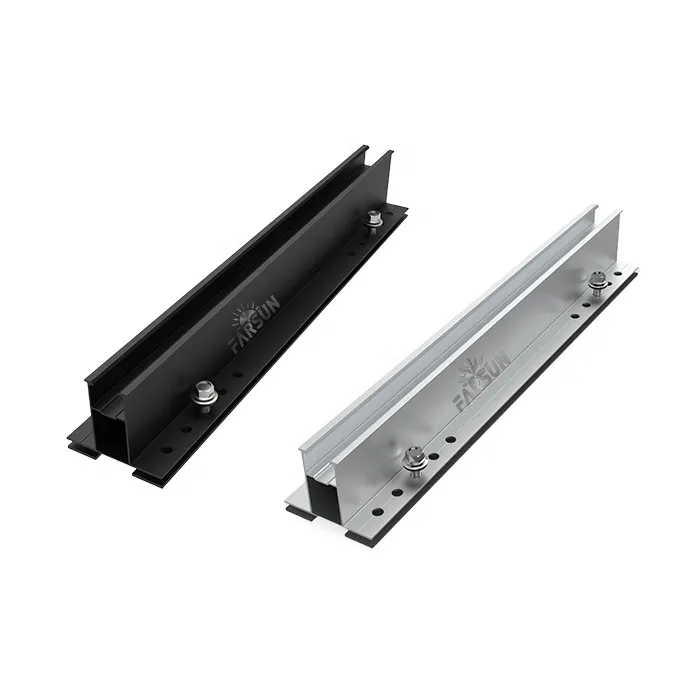 FarSun Solar Mounting Bracket Profile PV Aluminum Roof Mount Railless
- Roof Mounting+0-45°+AL6005-T5&SUS410
$1.58
MOQ: 1
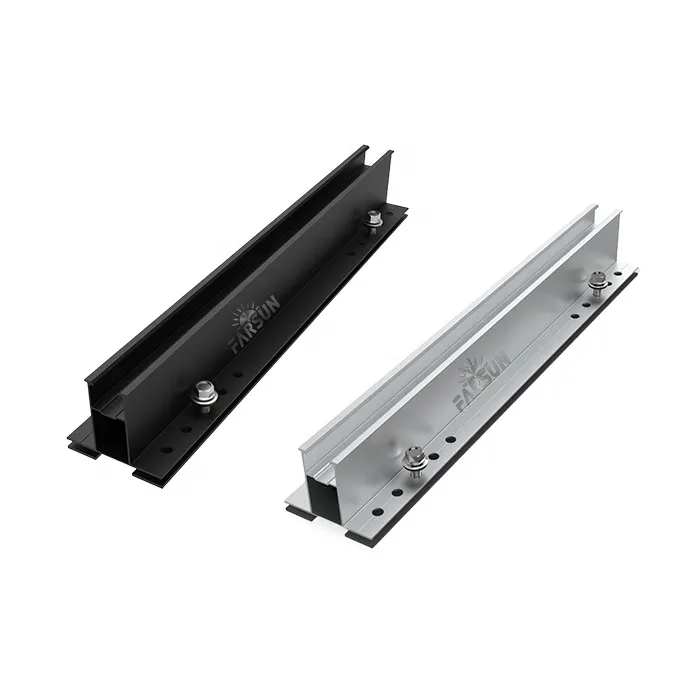 FarSun Mounting System Photovoltaic Metal Rack Aluminum Racking Structure
- Roof Mounting+0-45°+AL6005-T5&SUS410
$1.58
MOQ: 1
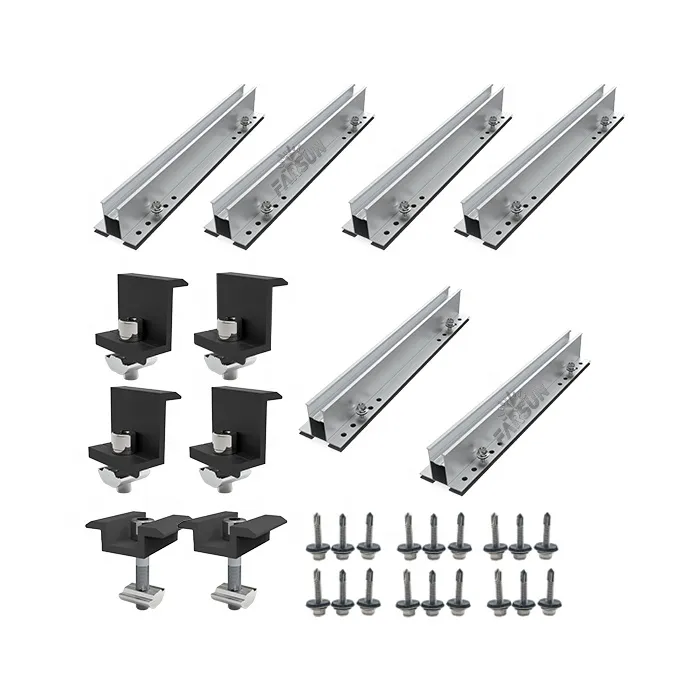 FarSun Solar Panel Mount Roof Solar Mounting System Aluminum Solar Rail
- Roof Mounting+0-45°+AL6005-T5&SUS410
$1.58
MOQ: 1
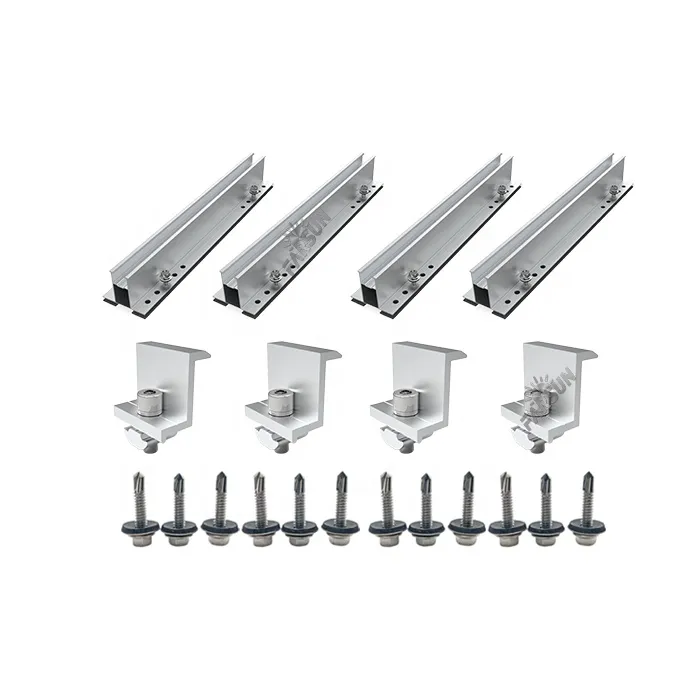 FarSun Solar Photovoltaic Install Structure PV Mounting System Railless Kit
- Roof Mounting+0-45°+AL6005-T5&SUS410
$1.58
MOQ: 1
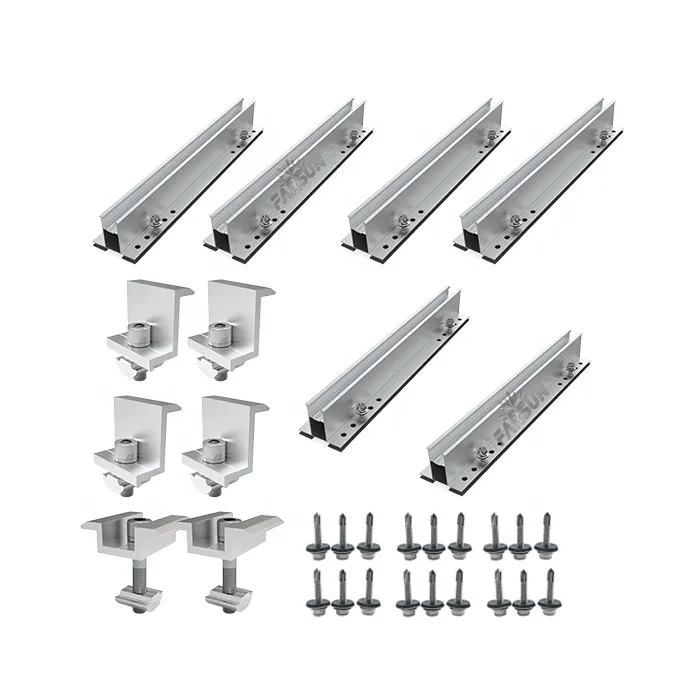 FarSun Manufacturer Photovoltaic Brackets PV Module Support on Roof
- Roof Mounting+0-45°+AL6005-T5&SUS410
$1.58
MOQ: 1
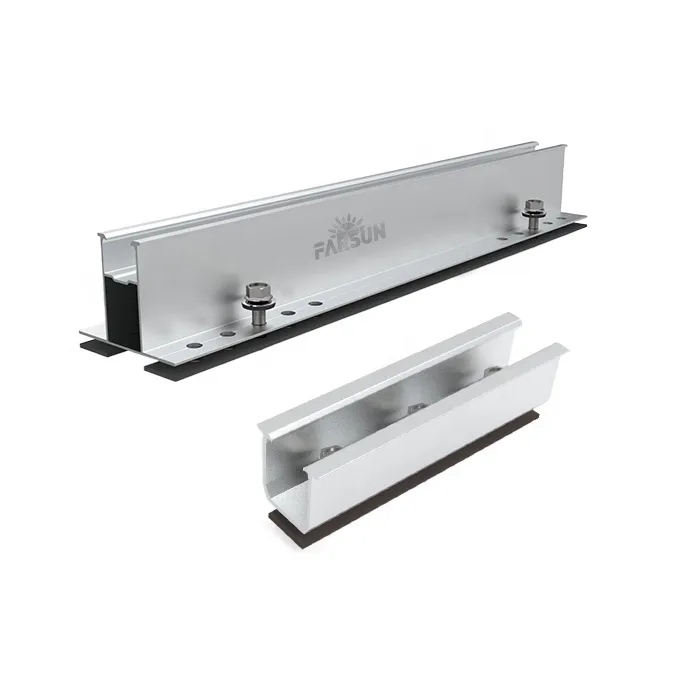 FarSun Roof Mounting Solar System Solar Panel Mounting Brackets
- Roof Mounting+0-45°+AL6005-T5&SUS410
$1.58
MOQ: 1
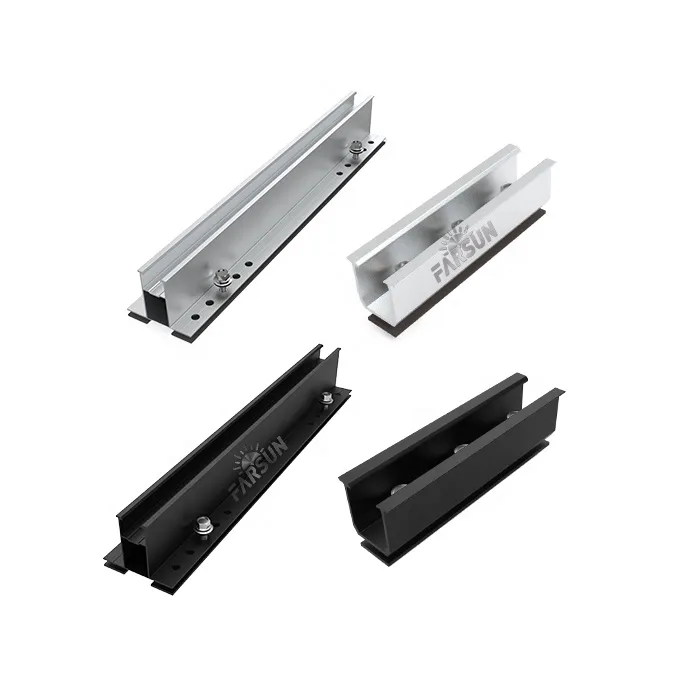 FarSun Mini Bracket PV Solar Bracket Rail Roof Mounting System
- Roof Mounting+0-45°+AL6005-T5&SUS410
$1.58
MOQ: 1
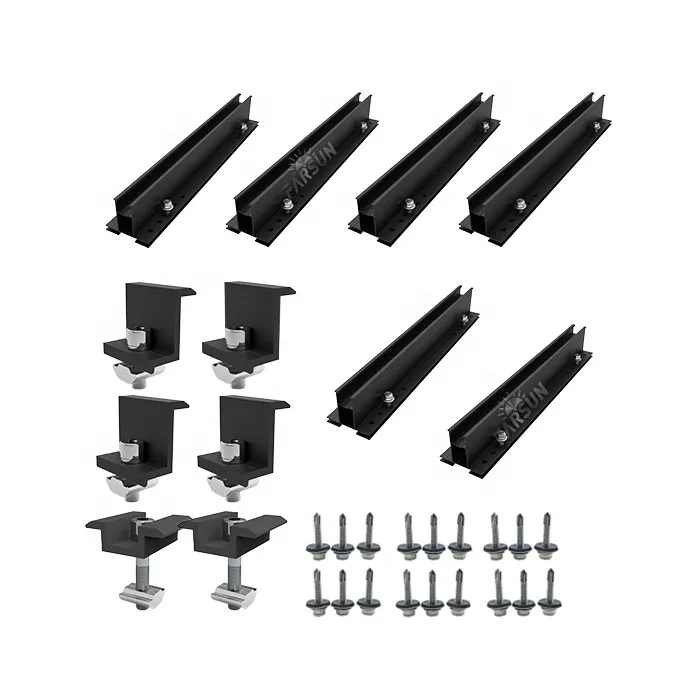 FarSun Easy Installation Pre-Assemble Aluminum Accessories Mini Rail Sets
- Roof Mounting+0-45°+AL6005-T5&SUS410
$1.58
MOQ: 1
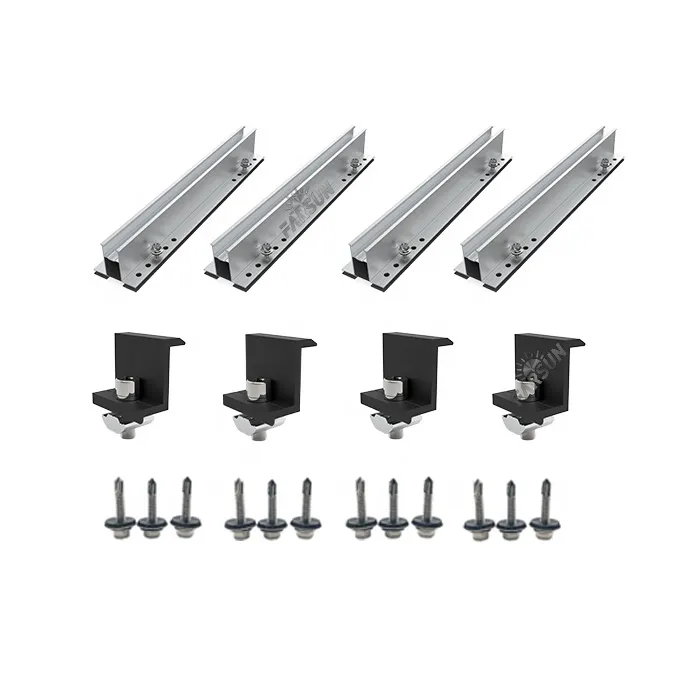 FarSun Aluminium Solar Panel Roof Mounted Racks Roof Mounting Structure
- Roof Mounting+0-45°+AL6005-T5&SUS410
$1.58
MOQ: 1
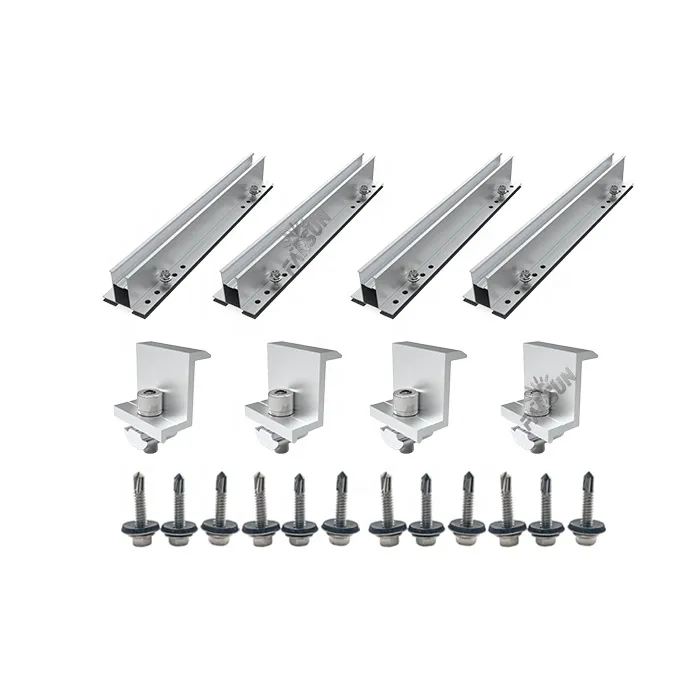 FarSun Solar Roof Mount Brackets Photovoltaic Roof Mounting System
- Roof Mounting+0-45°+AL6005-T5&SUS410
$1.58
MOQ: 1
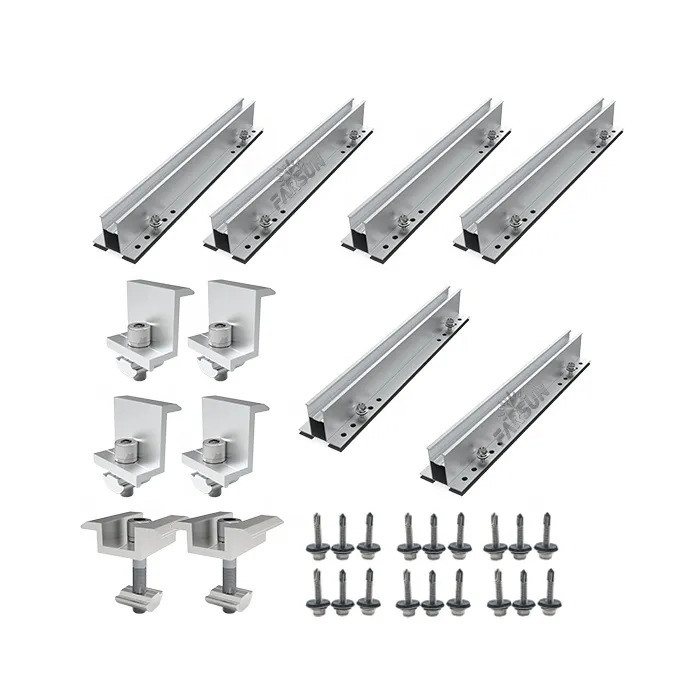 FarSun Aluminum Roof Mount System Bracket Solar Panel Mini Short Rail
- Roof Mounting+0-45°+AL6005-T5&SUS410
$1.58
MOQ: 1
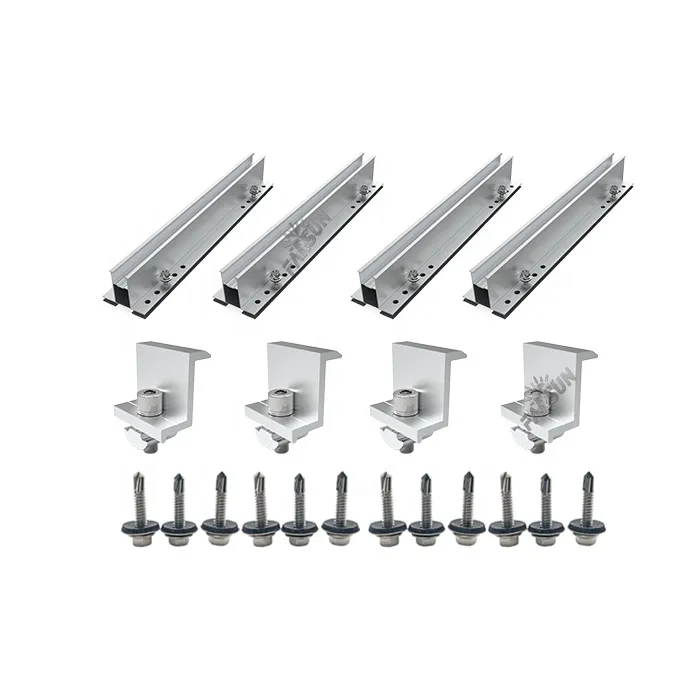 FarSun Aluminum Solar Mounting PV Rack Solar Mini Rails Kits Brackets
- Roof Mounting+0-45°+AL6005-T5&SUS410
$1.58
MOQ: 1
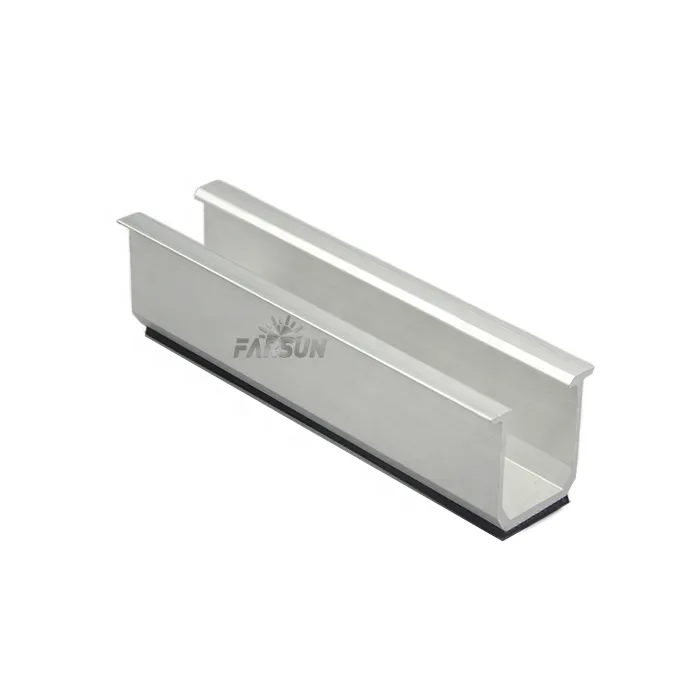 FarSun Solar Structural Aluminum Photovoltaic Mount System Mini U Rail
- Roof Mounting+0-45°+Aluminum Alloy
$0.52
MOQ: 1
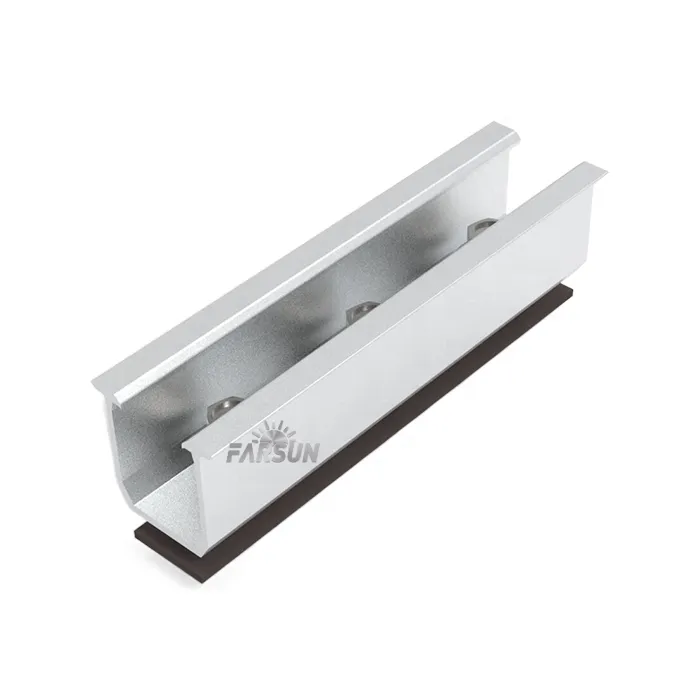 FarSun Solar Panel Mounting Aluminum Rail Structure Solar PV Bracket U Rail
- Roof Mounting+0-45°+Aluminum Alloy
$0.52
MOQ: 1
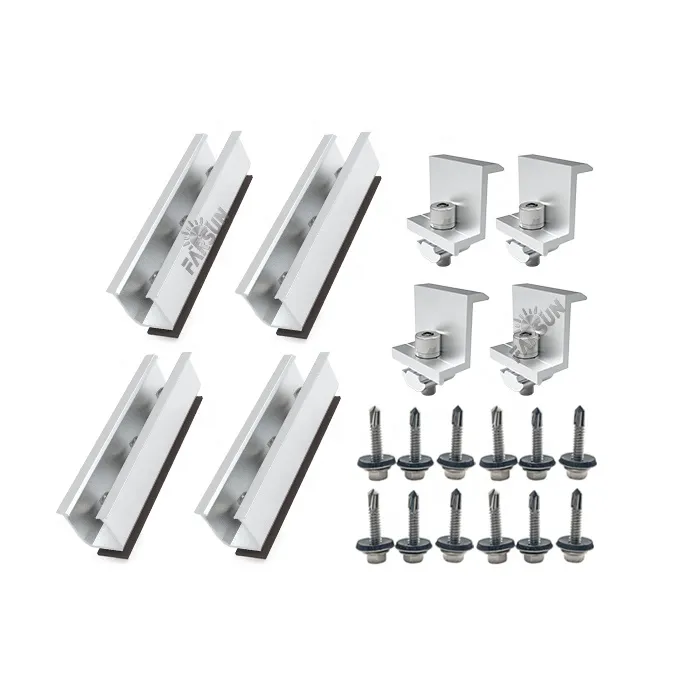 FarSun Solar Panel Mounting Structure Aluminum Short Rail
- Roof Mounting+0-45°+AL6005-T5&SUS410
$0.52
MOQ: 1
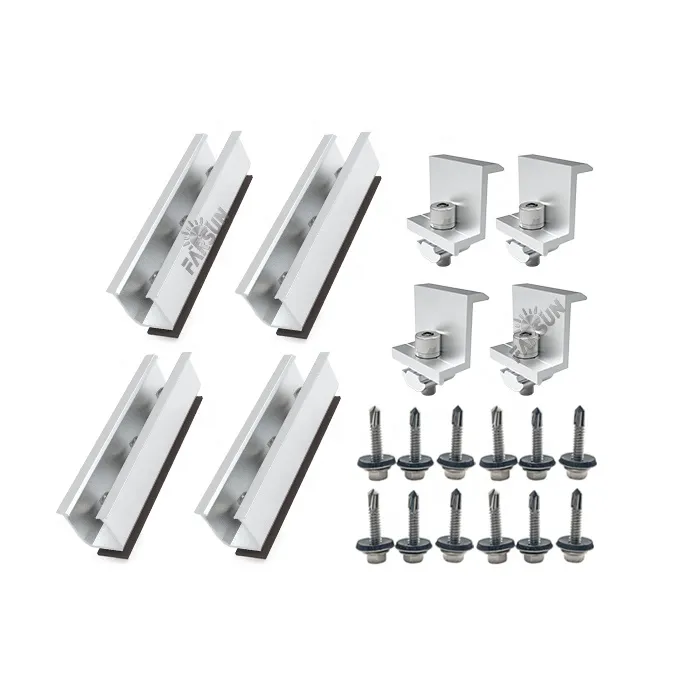 FarSun Corrugated Roof Solar Mounting Systems Rustproof U Rail
- Roof Mounting+0-45°+AL6005-T5&SUS410
$0.52
MOQ: 1
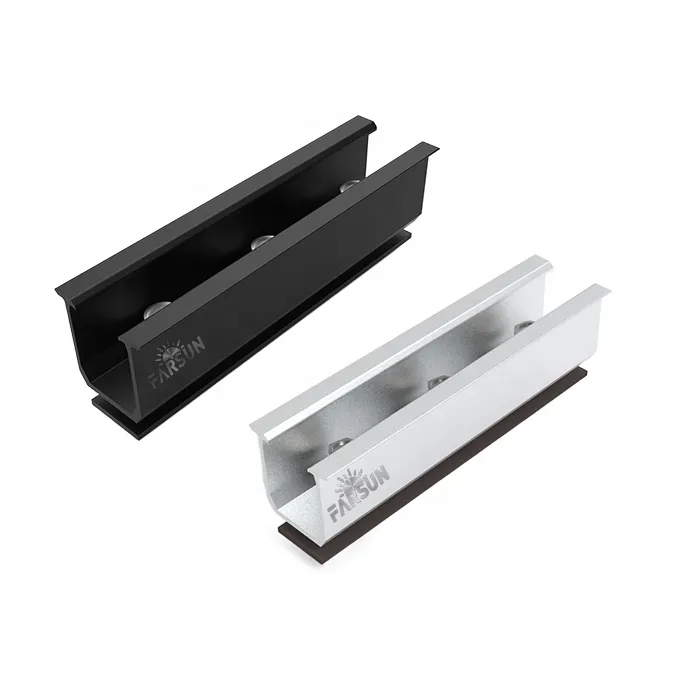 FarSun Solar Panel Mountain Aluminum Rail for PV Brackets System
- Roof Mounting+0-45°+Aluminum Alloy
$0.52
MOQ: 1
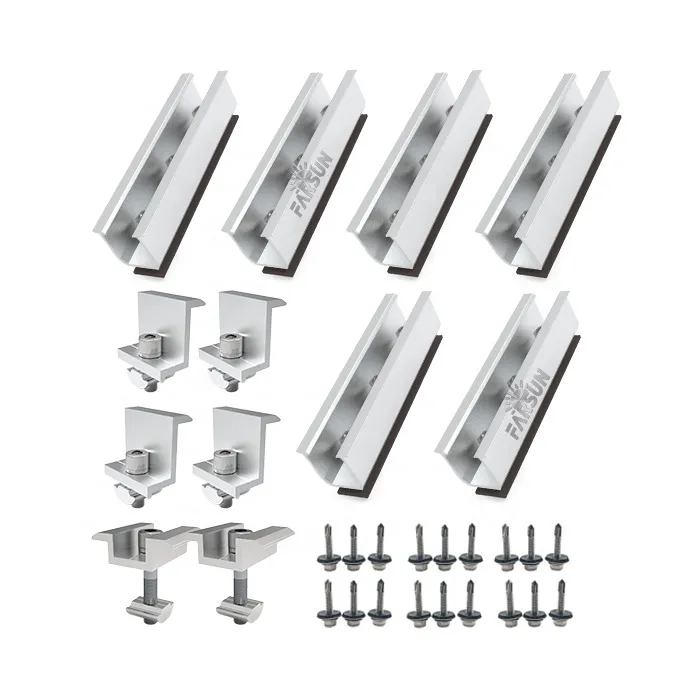 FarSun Trapezoidal Solar Rail System Solar Panel Mini Rail Mounting Kit
- Roof Mounting+0-45°+Aluminum Alloy
$0.52
MOQ: 1
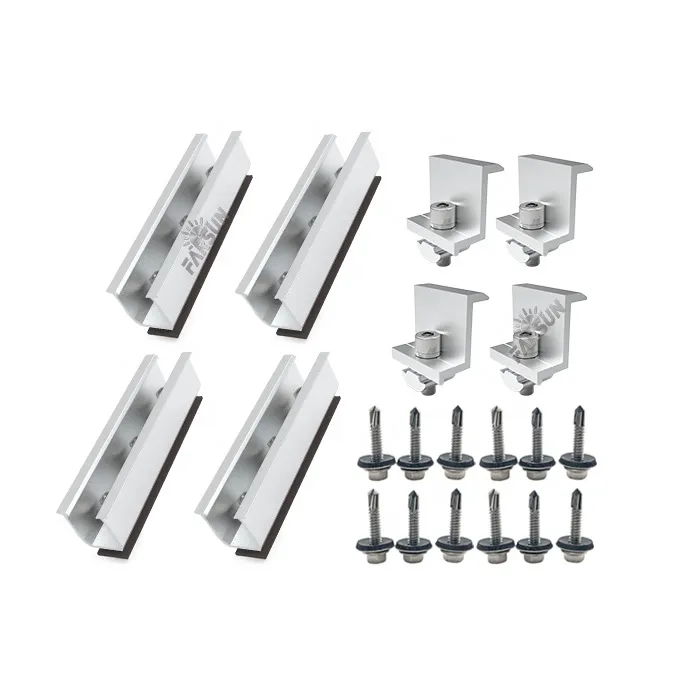 FarSun Roof Solar Racking Mini Rail System Trapezoidal Short Rail
- Roof Mounting+0-45°+AL6005-T5&SUS410
$0.52
MOQ: 1
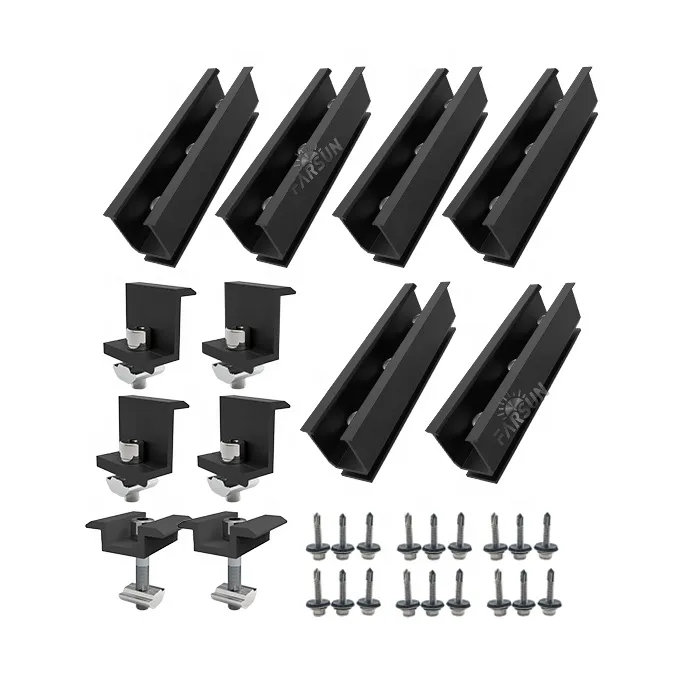 FarSun Solar Aluminum Mini Rail Rooftop Rails for Tarpezoidal Metal Sheet
- Roof Mounting+0-45°+Aluminum Alloy
$0.52
MOQ: 1
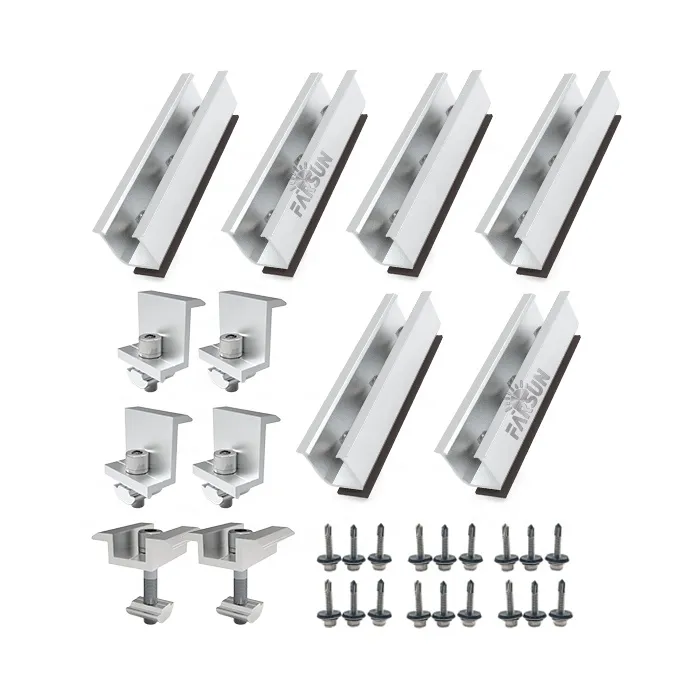 FarSun Solution Solar Panel Mounting Trapezoidal Profile Metal Roof Mini Rail
- Roof Mounting+0-45°+Aluminum Alloy
$0.52
MOQ: 1
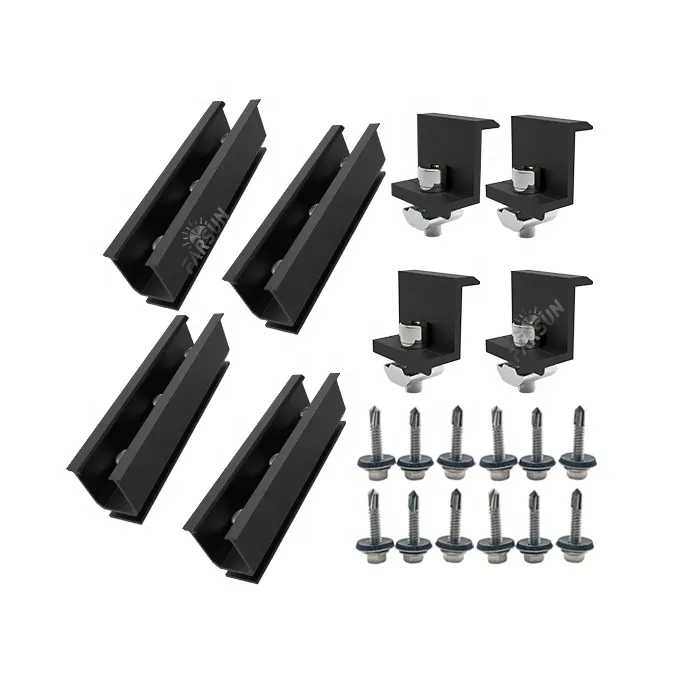 FarSun Aluminium Structure Roof System Racking Solar Mini Short Rails
- Roof Mounting+0-45°+AL6005-T5&SUS410
$0.52
MOQ: 1
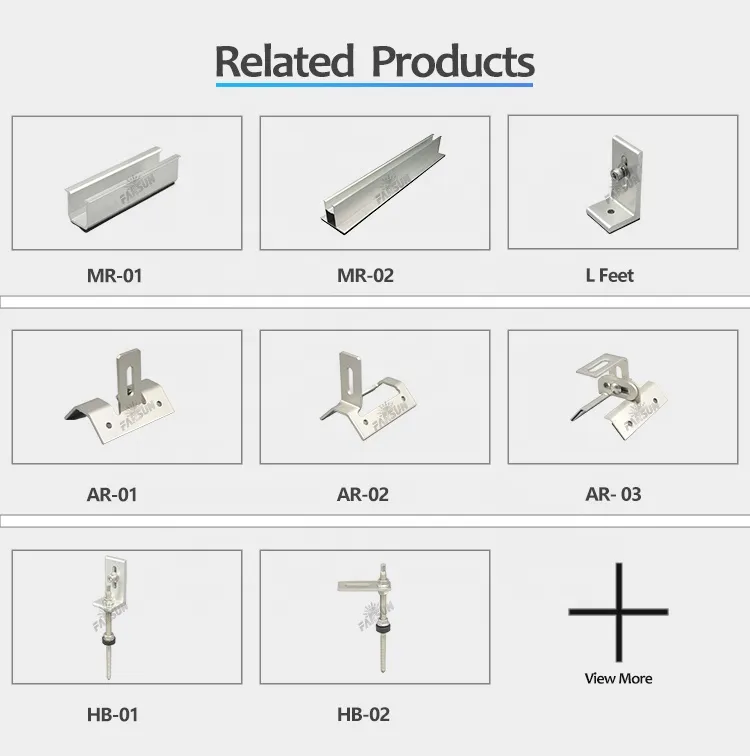 FarSun Solar Structure Rail PV Racking Rail Aluminum Mini Rail
- Roof Mounting+0-45°+AL6005-T5&SUS410
$0.50
MOQ: 1
 FarSun Aluminium Bracket Rooftop Solar U Rail Solar Mounting System Roof
- Roof Mounting+0-45°+AL6005-T5&SUS410
$0.50
MOQ: 1
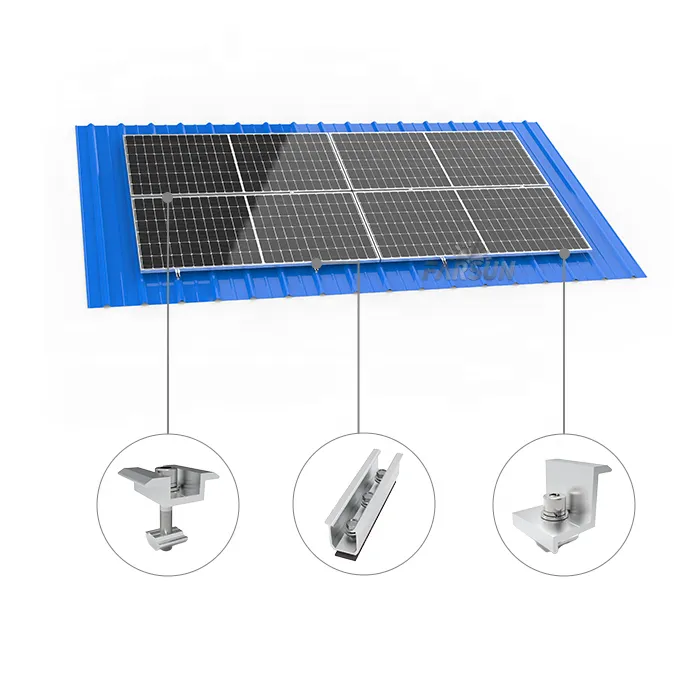 FarSun Mini Solar Mounted Aluminum Short Rail PV Racking
- Roof Mounting+0-45°+AL6005-T5&SUS410
$0.50
MOQ: 1
Aerodynamic High-Load Solar Racking Rails for PV Installations
Solar rails constitute the primary structural foundation of modern photovoltaic racking, transferring dynamic environmental loads from solar modules directly into underlying roof purlins, substructures, or ground-mounted foundations. Engineered to withstand catastrophic wind pressures exceeding 60 meters per second and extreme snow accumulations up to 1.8 kilonewtons per square meter, each rail geometry undergoes finite element stress analysis to optimize strength while minimizing total material expenditure per installed watt.
Manufactured using continuous extrusion and automated punch-cutting technologies, these rails feature thick clear-anodized or black-anodized surface finishes (10–15 microns) compliant with AS/NZS 1170.2, JIS C 8955, and UL 2703 standards. The integrated upper fastening channel accommodates spring-loaded sliding nuts, pre-assembled T-bolts, and grounding clips, allowing solar technicians to secure solar panels from above without requiring cumbersome bottom-side wrenching. Standard side mounting slots ensure seamless connection to tile roof hooks, L-feet brackets, standing seam roof clamps, and heavy-duty ground-mount triangular legs.
To support diverse span requirements, our solar rail catalog includes low-profile residential tracks for compact roof aesthetics, reinforced standard rails for 1.5-meter purlin spans, and deep-web commercial profiles capable of spanning up to 3 meters between structural attachment points. Precision-engineered aluminum internal splice connectors ensure effortless rail extension across long panel strings, maintaining seamless structural alignment and continuous electrical bonding across the entire solar array footprint.
Applications
Commercial Trapezoidal Metal Roof Solar Rail Mounting
In commercial trapezoidal metal roof solar rail mounting, extruded aluminum solar rails mounted to commercial industrial warehouse trapezoidal sheet roofs using L-feet. These precision-formed solar mounting members accommodate thermal expansion cycles, secure photovoltaic modules firmly, and deliver dependable structural reliability.
Residential Tile Roof Solar Rail Array Installation
In residential tile roof solar rail array installation, black-anodized aluminum solar rails secured to curved clay residential roof tiles with stainless steel hooks. These corrosion-resistant structural components withstand extreme wind uplift forces and harsh atmospheric weathering, ensuring 25-plus year operational longevity.
Utility-Scale Ground Mount Photovoltaic Aluminum Track System
In utility-scale ground mount photovoltaic aluminum track system, long-span heavy-duty aluminum solar rails supporting large-format bifacial solar modules on ground-mounted steel posts. Engineered from high-strength alloys, these mounting assemblies provide exceptional structural rigidity, rapid bolt-together alignment, and durable cathodic corrosion protection.
Commercial Solar Carport Canopy Rail Structure
In commercial solar carport canopy rail structure, reinforced aluminum solar rails integrated into commercial parking lot carport canopies providing shading and clean energy. These precision-formed solar mounting members accommodate thermal expansion cycles, secure photovoltaic modules firmly, and deliver dependable structural reliability.
Standing Seam Metal Roof Non-Penetrative Solar Railing
In standing seam metal roof non-penetrative solar railing, non-penetrative standing seam roof clamps securing aluminum solar rails without puncturing roof waterproofing. These corrosion-resistant structural components withstand extreme wind uplift forces and harsh atmospheric weathering, ensuring 25-plus year operational longevity.
Technical Overview
| Parameter | Information |
|---|---|
| Material Alloy Grade | AL6005-T5 / AL6063-T6 High-Tensile Structural Aluminum |
| Surface Treatment | Clear Anodized (10-15 μm) / Black Anodized / Mill Finish |
| Profile Height Options | 38 mm, 45 mm, 50 mm, 55 mm, 80 mm High-Span |
| Standard Stock Lengths | 2100 mm, 3150 mm, 4200 mm, 6200 mm (Customizable) |
| Module Compatibility | Framed & Frameless Glass PV Modules (30 mm - 50 mm Frame) |
| Fastener Channel Type | Top Quick-Click Slot & Side M8/M10 T-Bolt Channel |
| Maximum Wind Speed Rating | Up to 60 m/s (134 mph) per ASCE 7-16 & AS/NZS 1170 |
| Maximum Snow Load Rating | Up to 1.8 kN/m² (UL 2703 Certified) |
| Structural Span Capability | 1.2 m to 3.0 m between Rafter / Purlin Attachments |
| Warranty & Lifespan | 12-Year Structural Warranty / 25-Year Service Life |
FAQ
What aluminum alloys are primarily used for manufacturing solar rails?
Solar rails are predominantly extruded from AL6005-T5 and AL6063-T6 alloys. AL6005-T5 delivers enhanced tensile and yield strength, making it ideal for high-wind coastal and heavy snow load zones, while AL6063-T6 provides exceptional surface quality and superior corrosion resistance.
How do solar rails achieve electrical grounding and bonding?
Modern solar rails incorporate specialized grounding clips, bonding pins, or serrated channel washers that pierce anodized surface layers upon bolt torquing, creating a continuous electrical bond across modules and rails in compliance with UL 2703 standards.
What is the maximum span distance between solar rail roof attachments?
Depending on rail profile depth, local wind velocity, and roof rafter pitch, spans typically range from 1.2 meters for standard profiles in high-wind regions up to 2.5 to 3.0 meters for reinforced deep-section commercial rails.
How are adjacent solar rail segments connected across long rows?
Adjacent rail segments are connected using internal aluminum splice connectors secured with self-drilling screws or hex bolts, preserving bending strength, linear alignment, and continuous thermal expansion capability.
Can these solar rails be used on trapezoidal metal sheet roofs?
Yes, solar rails easily connect to metal roofs using L-feet or specialized mini-rail mounting brackets with EPDM waterproof gaskets fastened directly into the metal ribs or underlying purlins.
Are black-anodized solar rails available for aesthetic residential arrays?
Yes, black-anodized solar rails and matching black mid/end clamps are available to provide a seamless, uniform all-black aesthetic for residential rooftop solar installations.
Do solar rails support both portrait and landscape solar panel layouts?
Yes, solar rails can be configured in cross-rail or single-rail orientations to accommodate both portrait and landscape module orientations with equal structural reliability.