Global B2B Roll Forming Sourcing Platform | Free RFQ Response within 24h

- Tuo AI

- Live

- My Account
- Shopping Cart
- Inquiry Basket
- Contact Us
- Back to Top




Industrial Aluminum Alloy Cable Tray Systems
Engineered for harsh industrial environments, our aluminum alloy cable tray systems provide superior corrosion resistance, high strength-to-weight performance, and flexible routing capabilities. Manufactured from premium 6063-T6 architectural grade aluminum alloys, these cable support assemblies encompass heavy-duty ladder racks, ventilated troughs, and solid-bottom channels designed for complex commercial, chemical, and offshore electrical wiring installations. The modular architecture facilitates rapid assembly, simplifies overhead expansion, and guarantees reliable electrical grounding across critical infrastructure deployments worldwide. Every component undergoes rigorous dimensional quality control to ensure seamless mechanical interlock and prolonged service life under extreme environmental exposure.
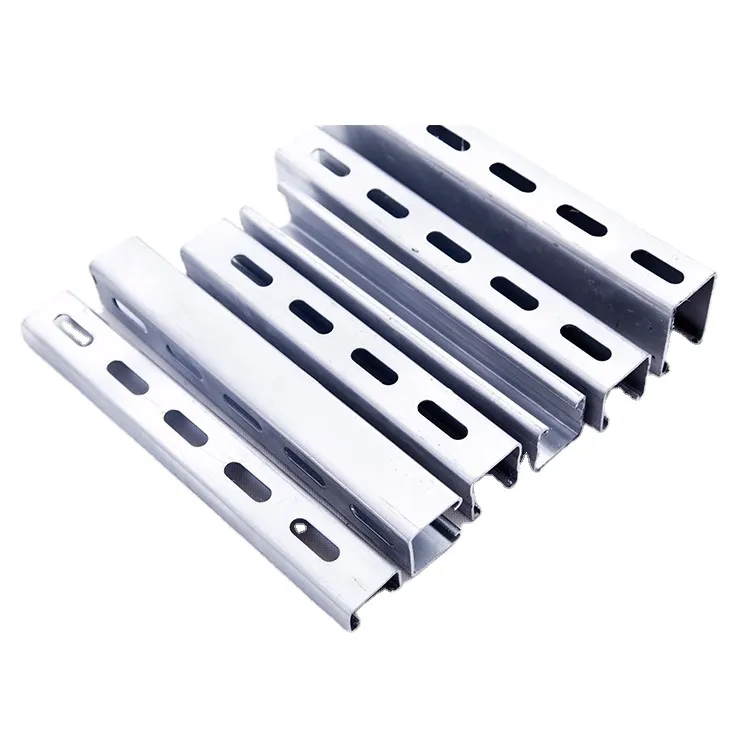
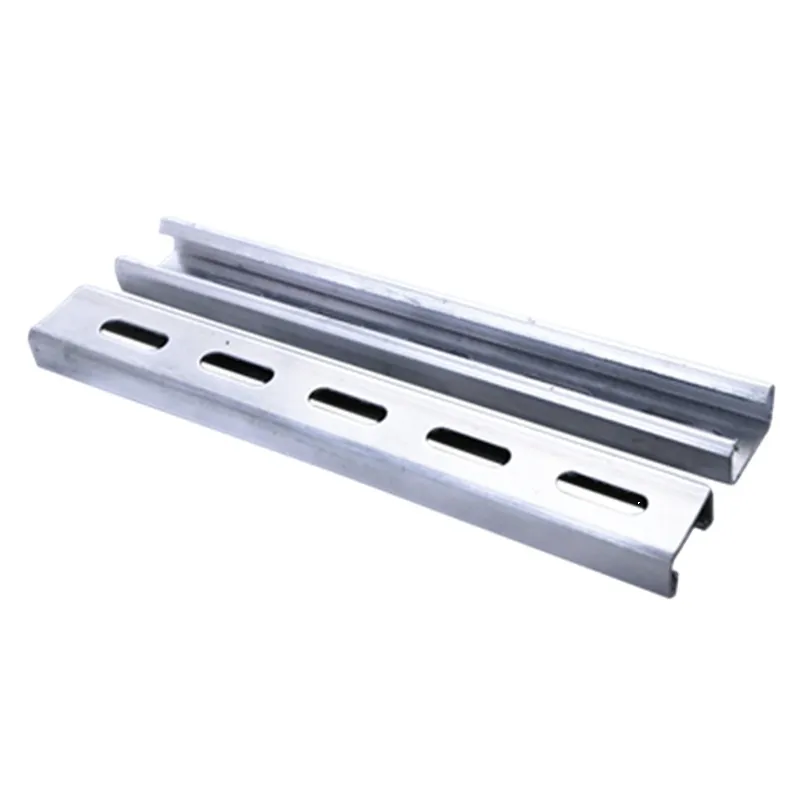
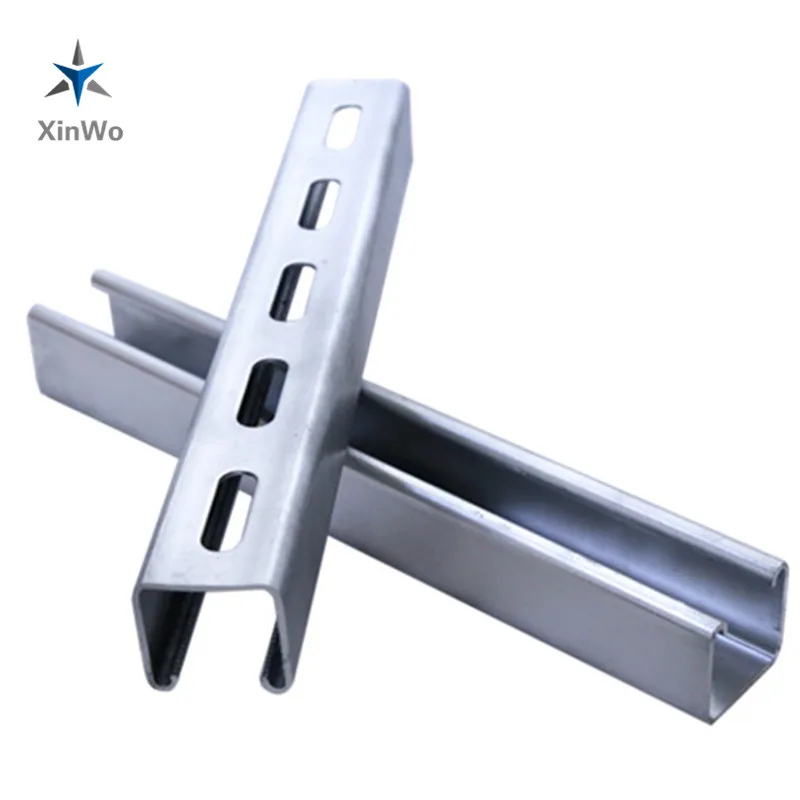
 Universal Industrial Use Strut Channel Galvanized Slotted Channel
- Hebei, China+Is Alloy+15-21 days+JC-1254+Is Perforated
$3.90
MOQ: 100
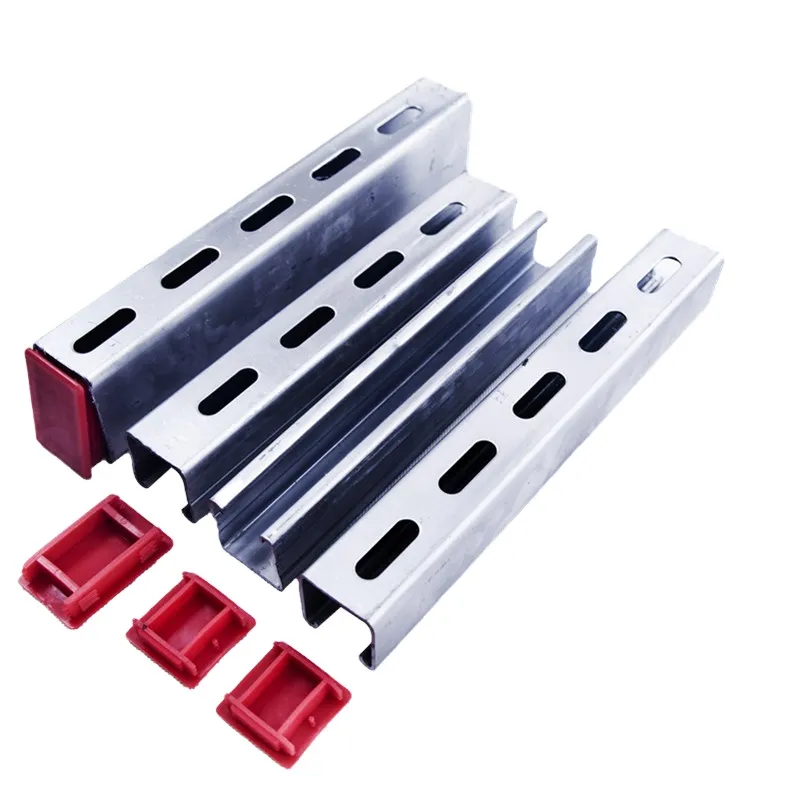
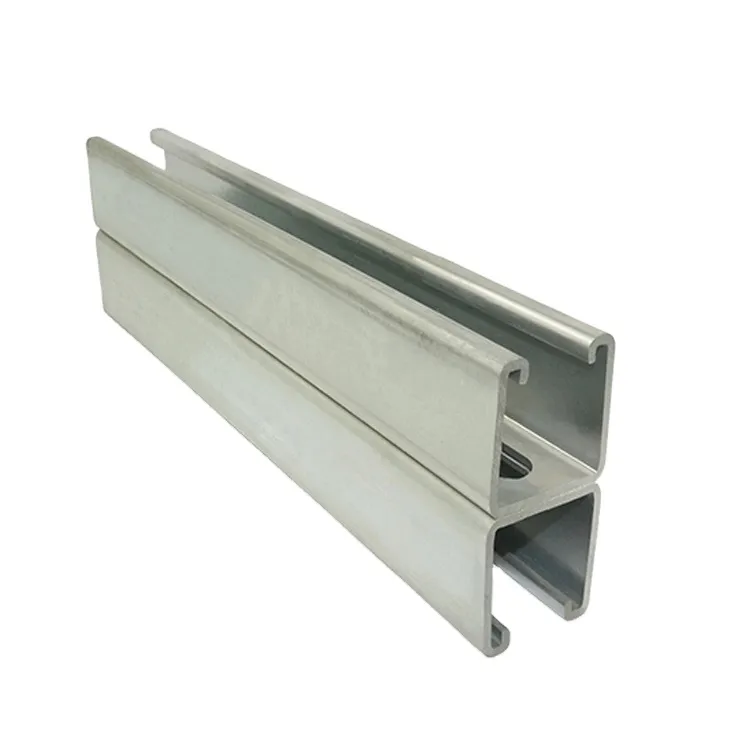
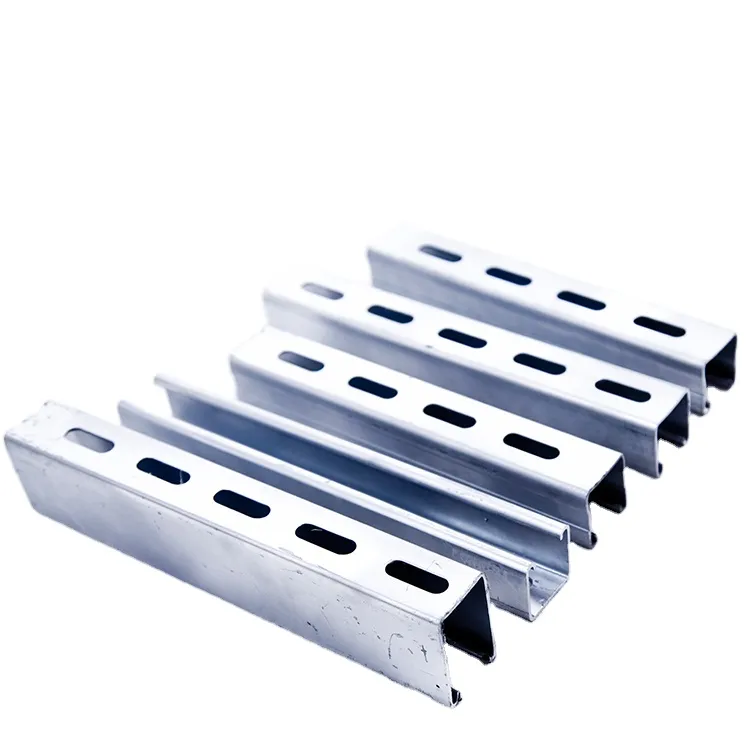
 High Quality C Beam C Steel Channel Bracket Sizes
- 41x41x2.0mmx3m
$5.00
MOQ: 100
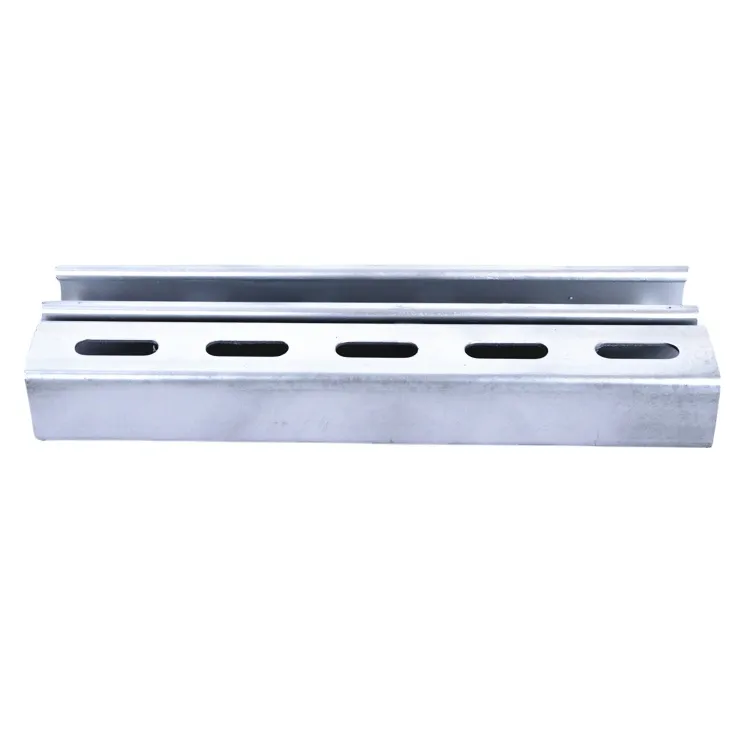
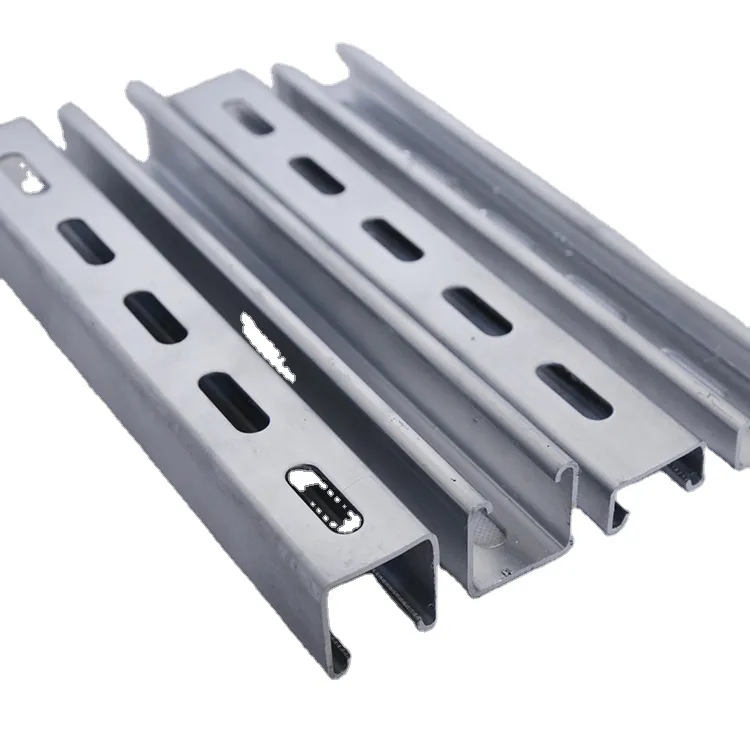
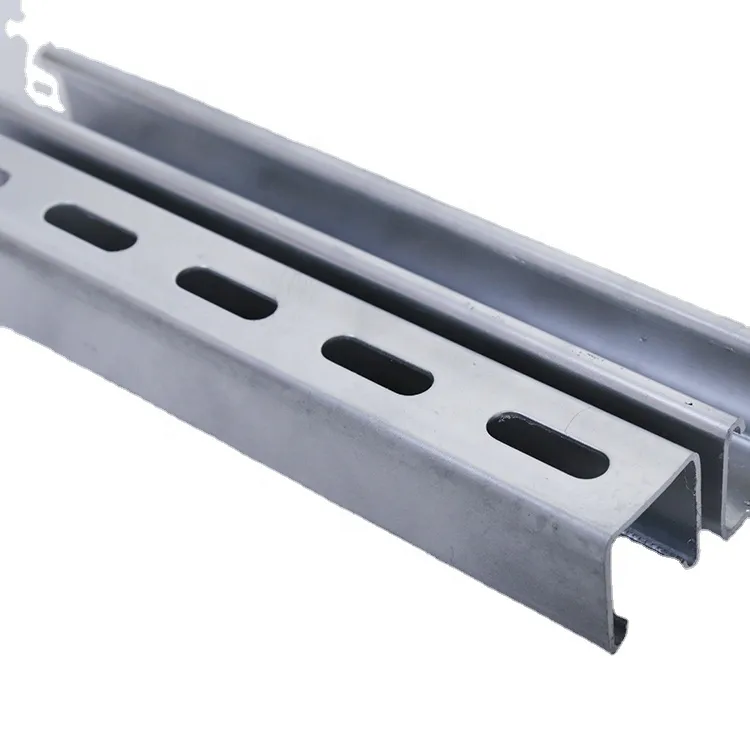
 High Strength Favorable Price Galvanized Light C Channel for Ceiling System
- 41*21 41*41 41*61 41*82
$1.20
MOQ: 1000
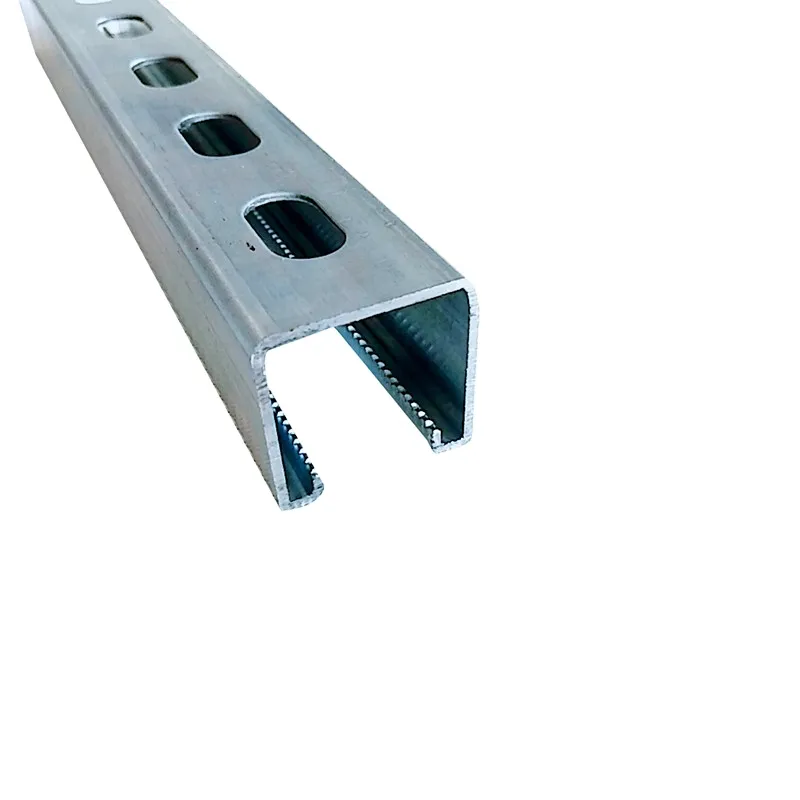
 GI Galvanized Strut Channel Used on Building
- 41*41*2.5mm
$1.50
MOQ: 100
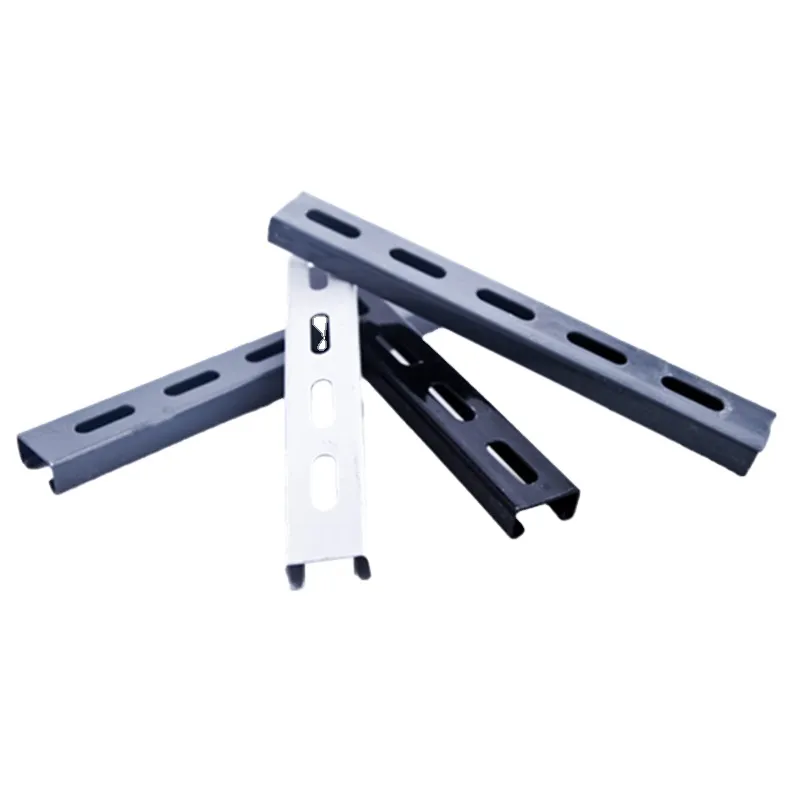
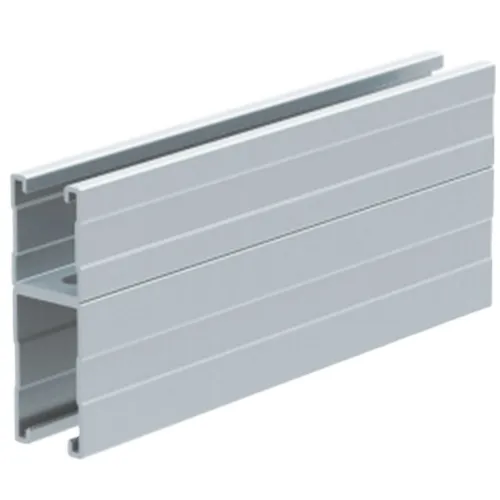 Latest Producing Mounting Din Rail Mounted Channel High Quality C Channel
- Hebei, China+Is Alloy+15-21 days+JC-157+Is Perforated
$4.00
MOQ: 500
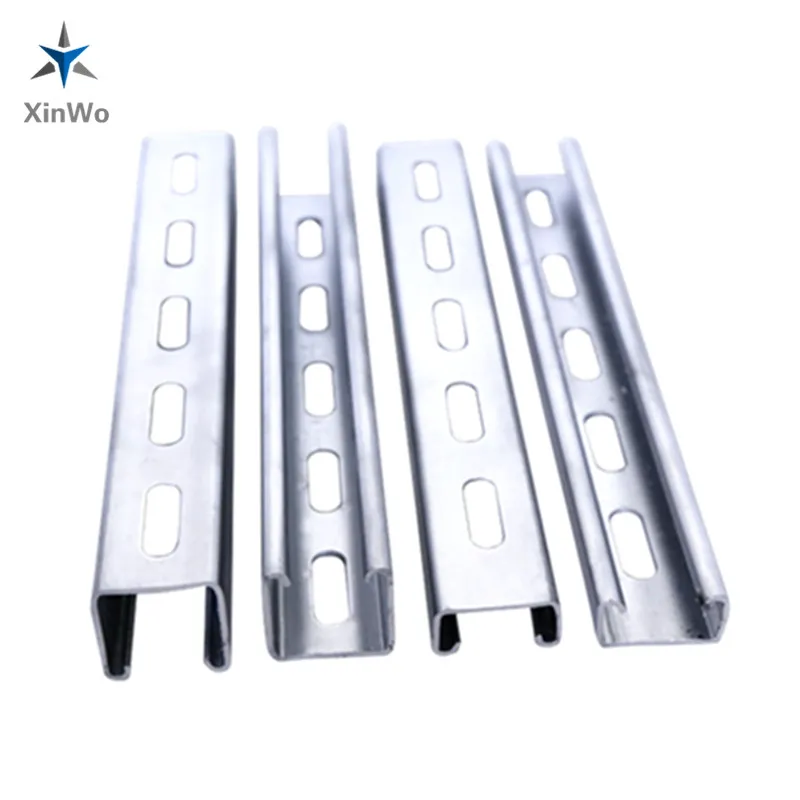 Perforated Galvanized Structural c Steel Channel
- 41*41/41*21/41*62
$2.00
MOQ: 500
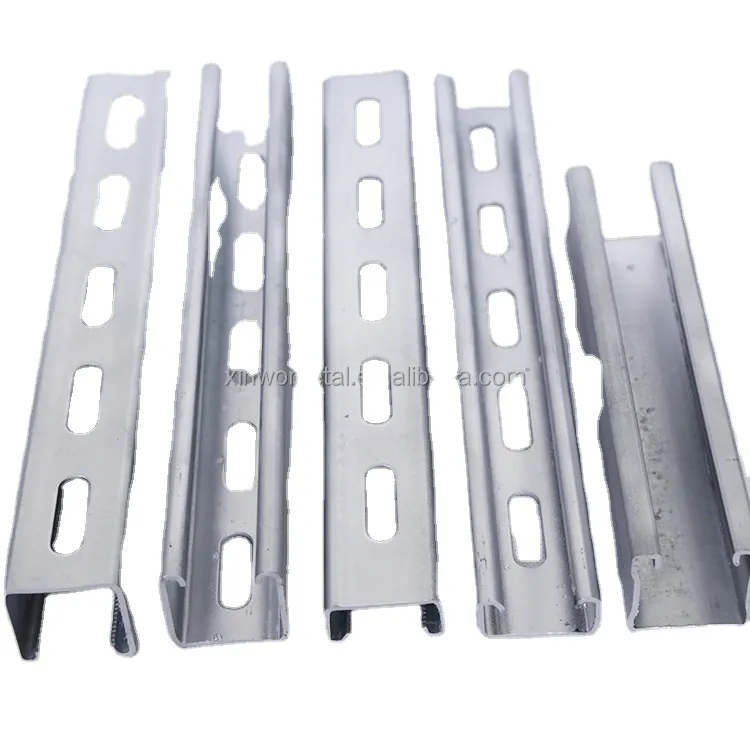
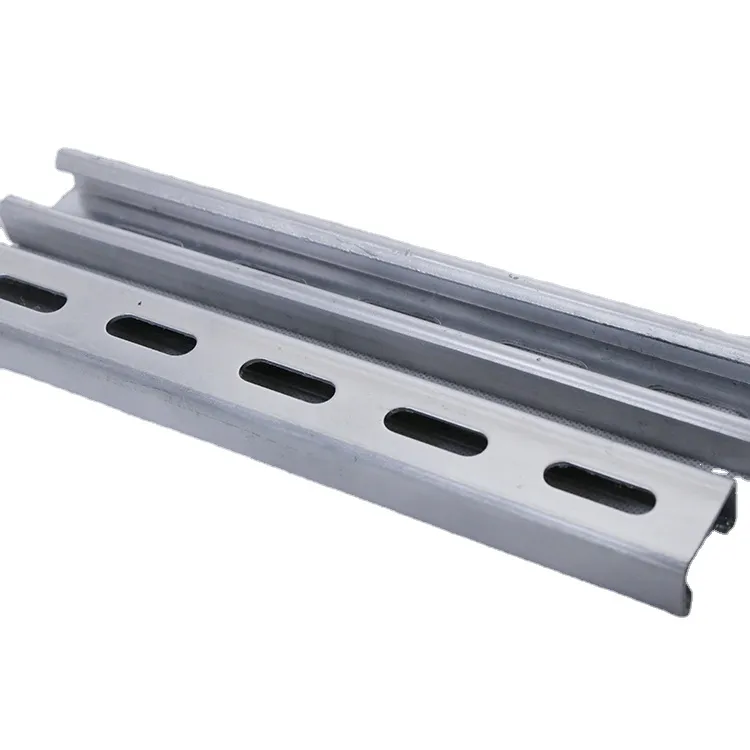
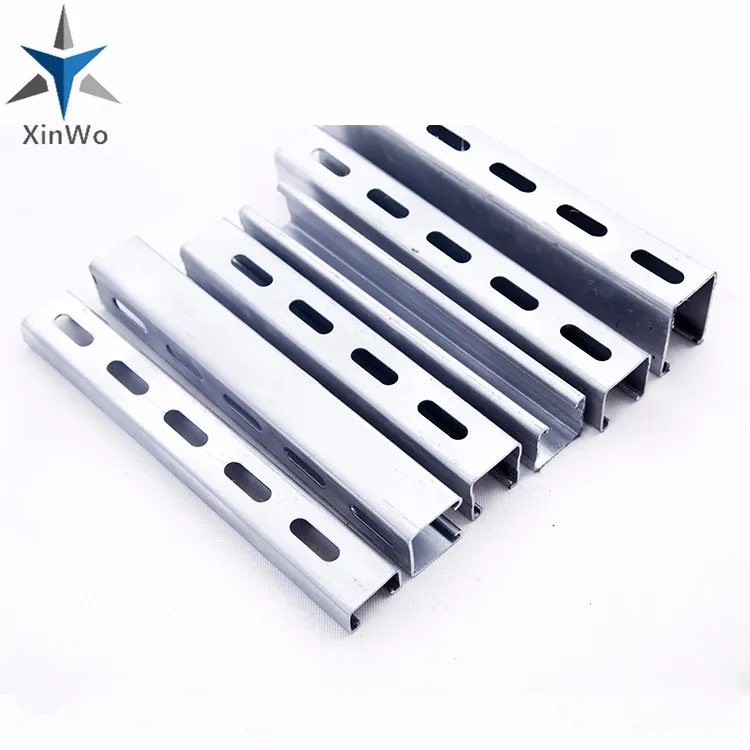





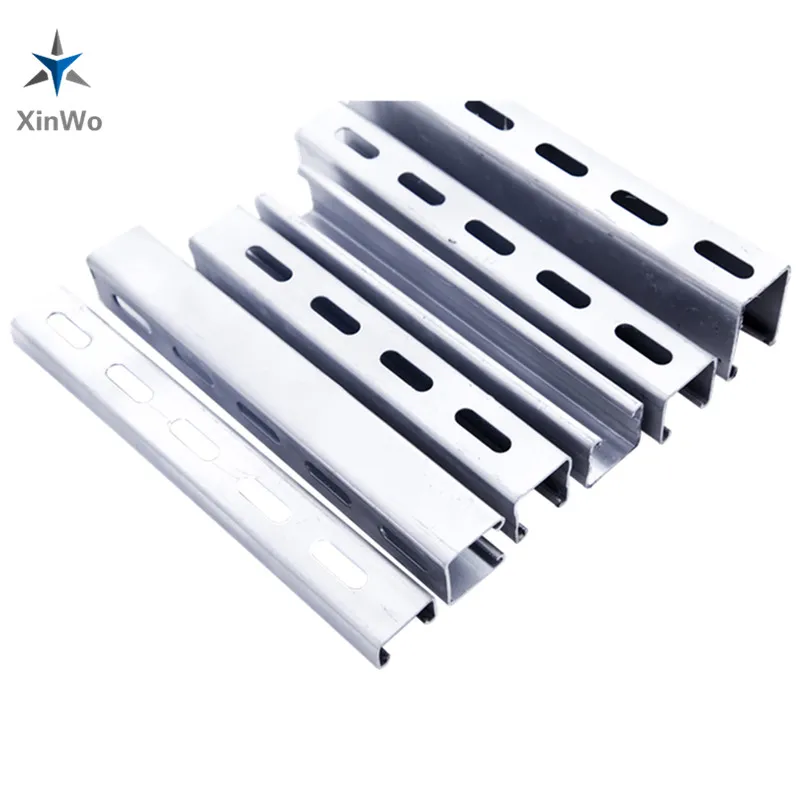

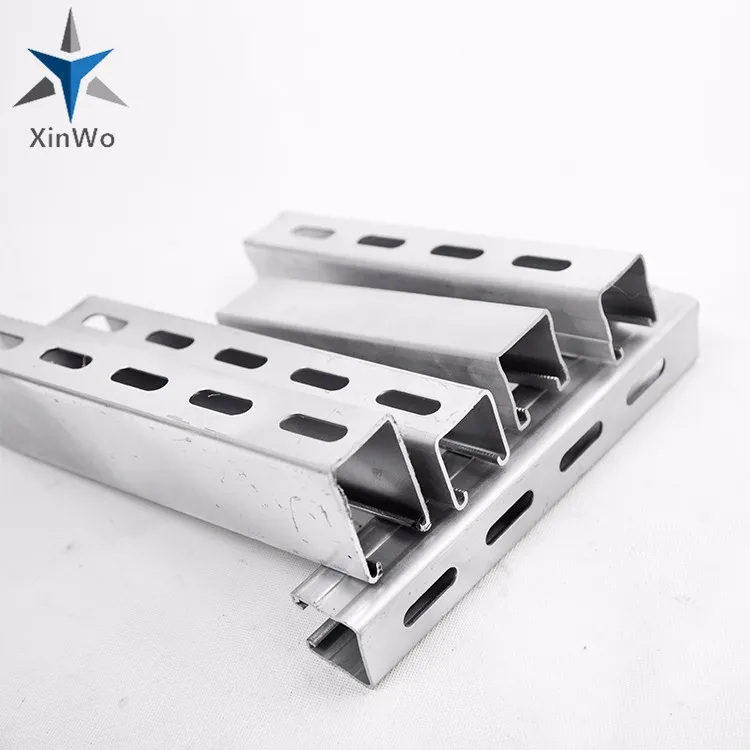


High-Strength Corrosion-Resistant Aluminum Cable Management Architecture
The aluminum alloy cable tray series represents an advanced structural cabling solution engineered to replace heavy galvanized steel in corrosive, coastal, and offshore environments. Formed through precision roll forming and continuous extrusion processes, each tray profile leverages high-purity aluminum-magnesium-silicon alloys (6063-T6) to achieve exceptional yield strength while reducing overall structural weight by up to fifty percent. This lightweight advantage substantially lowers ceiling dead loads, minimizes structural hanger requirements, and accelerates field installation across petrochemical refineries, coastal power stations, water treatment plants, and mission-critical enterprise data centers.
Each cable tray configuration complies with NEMA VE 1 and IEC 61537 international standards, ensuring validated structural deflection margins, seismic loading capabilities, and electrical continuity across all interlocking joints. High-performance ladder designs feature rungs welded or swaged into extruded I-beam side rails, delivering maximum ventilation for power cables and preventing heat entrapment in high-amperage feeder circuits. For sensitive control, telecommunication, and instrumentation lines, our continuous perforated and solid-bottom troughs deliver continuous physical shielding against environmental debris and electromagnetic interference. Integrated splice plates, expansion joints, and hot-dip stainless steel hardware maintain structural integrity across thermal contraction cycles, providing industrial facility owners with an ultra-durable, maintenance-free cable management pathway designed for decades of trouble-free operational service in challenging atmospheric conditions.
Applications
Offshore Oil Platform & Marine Cable Tray Routing
In offshore oil platform & marine cable tray routing, corrosion-resistant 6063-T6 aluminum ladder cable trays installed across open marine walkways and offshore drilling rigs. Engineered with smooth edges and ventilation patterns, these modular cable raceways prevent insulation damage and ensure continuous electrical earth bonding.
Chemical Plant Pipe Rack Electrical Cable Distribution
In chemical plant pipe rack electrical cable distribution, overhead aluminum cable tray pathways routed alongside industrial chemical process piping and storage tanks. These precision roll-formed upright and beam profiles deliver maximum vertical space utilization, rigid seismic resistance, and dependable high-density pallet storage.
Hyperscale Data Center Overhead Server Cabling System
In hyperscale data center overhead server cabling system, high-density lightweight aluminum perforated cable troughs suspended above enterprise data center server racks. Featuring tight dimensional pitch tolerances and secure locking mechanisms, these structural racking members support multi-tier storage loads safely and reliably.
Substation High-Voltage Control & Feeder Cable Runway
In substation high-voltage control & feeder cable runway, heavy-duty outdoor aluminum ladder trays supporting high-voltage feeder cables across electrical utility substations. Engineered with precision miter joints, heavy reinforcement plates, and robust interlocking slats, these certified door assemblies resist forced entry and wind suction.
Commercial Transit Tunnel & Subway Cable Tray Infrastructure
In commercial transit tunnel & subway cable tray infrastructure, curved wall-mounted aluminum alloy cable racks supporting signal and traction power cabling along metro railway tunnels. These precision roll-formed upright and beam profiles deliver maximum vertical space utilization, rigid seismic resistance, and dependable high-density pallet storage.
Technical Overview
| Parameter | Information |
|---|---|
| Material Grade | Extruded Aluminum Alloy 6063-T6 / 5052-H32 Marine Grade |
| Side Rail Height | 50 mm - 200 mm (2 in - 8 in) |
| Tray Width Range | 100 mm - 1000 mm (4 in - 40 in) |
| Standard Section Length | 3000 mm / 6000 mm (10 ft / 20 ft) |
| Structural Profile Types | Ladder Type, Ventilated Trough, Solid Bottom Channel |
| Rung Spacing (Ladder) | 150 mm / 225 mm / 300 mm Center-to-Center |
| Load Bearing Capacity | NEMA 12A, 12B, 12C, 20A, 20B, 20C Heavy Industrial Ratings |
| Corrosion Resistance Class | Atmospheric C4/C5 Coastal Marine & Industrial Chemical |
| Electrical Continuity | Integral Grounding Path (< 0.05 Ohm joint resistance) |
| Compliance Standards | NEMA VE 1, CSA C22.2 No. 126, IEC 61537, UL E-Class Listed |
FAQ
Why choose aluminum alloy cable trays over galvanized steel in industrial facilities?
Aluminum alloy cable trays offer superior natural corrosion resistance through a self-healing oxide film, making them virtually maintenance-free in chemical and marine environments. Furthermore, they are approximately 50% lighter than steel, significantly reducing dead loads and cutting installation labor costs.
What international standards govern the structural loading of aluminum cable trays?
Our aluminum cable tray systems are engineered and tested in strict compliance with NEMA VE 1, CSA C22.2 No. 126, and IEC 61537 standards, which specify structural load capacity, deflection limits, electrical continuity, and impact performance.
What is the typical rung spacing for ladder-type aluminum cable trays?
Standard rung spacings are 150 mm, 225 mm, and 300 mm (6 in, 9 in, and 12 in). Closer spacings such as 150 mm are recommended for smaller-diameter power and control cables to prevent cable sagging between rungs.
Do aluminum cable trays require separate bonding jumpers for electrical grounding?
When installed with certified UL-listed splice plates and torque-controlled hardware, aluminum trays provide an excellent continuous equipment grounding conductor (EGC) in accordance with NEC requirements, eliminating external grounding jumpers across standard joints.
Can aluminum cable trays be installed in coastal and marine environments?
Yes, aluminum alloys 6063-T6 and 5052-H32 exhibit outstanding resistance to salt spray and high atmospheric humidity, making them the standard choice for offshore platforms, shipyards, marine ports, and coastal substations.
How do aluminum cable trays accommodate thermal expansion and contraction?
Expansion splice plates with slotted bolt holes and designated thermal gaps are installed at calculated intervals along long straight runs, preventing thermal buckling and maintaining joint structural integrity across ambient temperature swings.
What cable tray profile is recommended for sensitive instrumentation wiring?
Ventilated or solid-bottom aluminum troughs fitted with clip-on covers are recommended for instrumentation and low-voltage signal cables to provide continuous mechanical support, dust shielding, and enhanced electromagnetic attenuation.