Global B2B Roll Forming Sourcing Platform | Free RFQ Response within 24h

- Tuo AI

- Live

- My Account
- Shopping Cart
- Inquiry Basket
- Contact Us
- Back to Top




CNC Servo Punching Units
CNC servo punching units provide high-precision, high-speed automated hole perforation for roll forming production lines. Engineered to punch continuous hole matrices, teardrop patterns, cable tray slots, and fastener knockouts into heavy steel strip from 1.0 mm to 4.0 mm thickness, these standalone and inline machines integrate dual servo sheet feeding, multi-station hydraulic or mechanical punch heads, and closed-loop optical encoder controls. Operating at stroke rates up to 100 to 250 punches per minute, they deliver unmatched hole-pitch precision and zero strip deformation. Explore technical specifications, die configurations, and turnkey line integrations below to optimize your manufacturing automation.
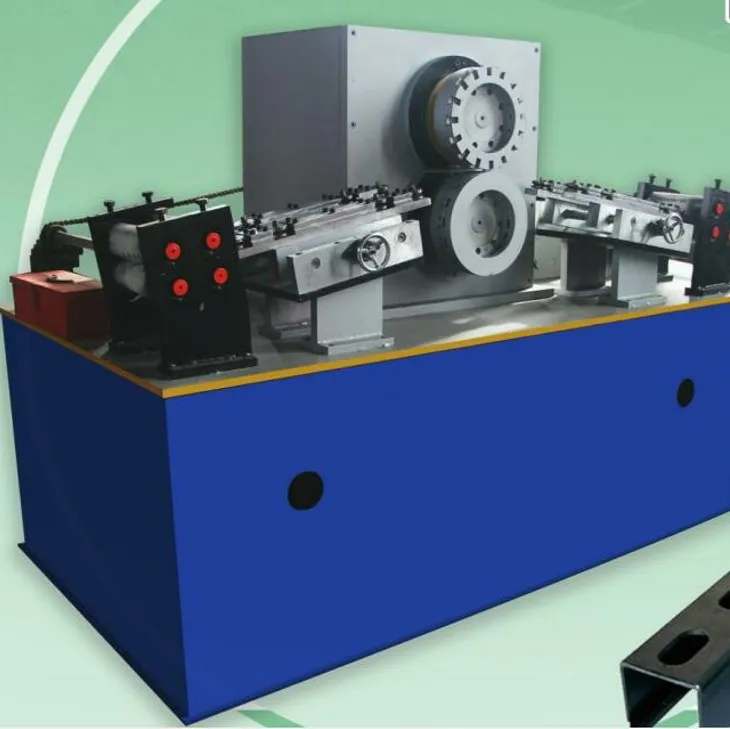
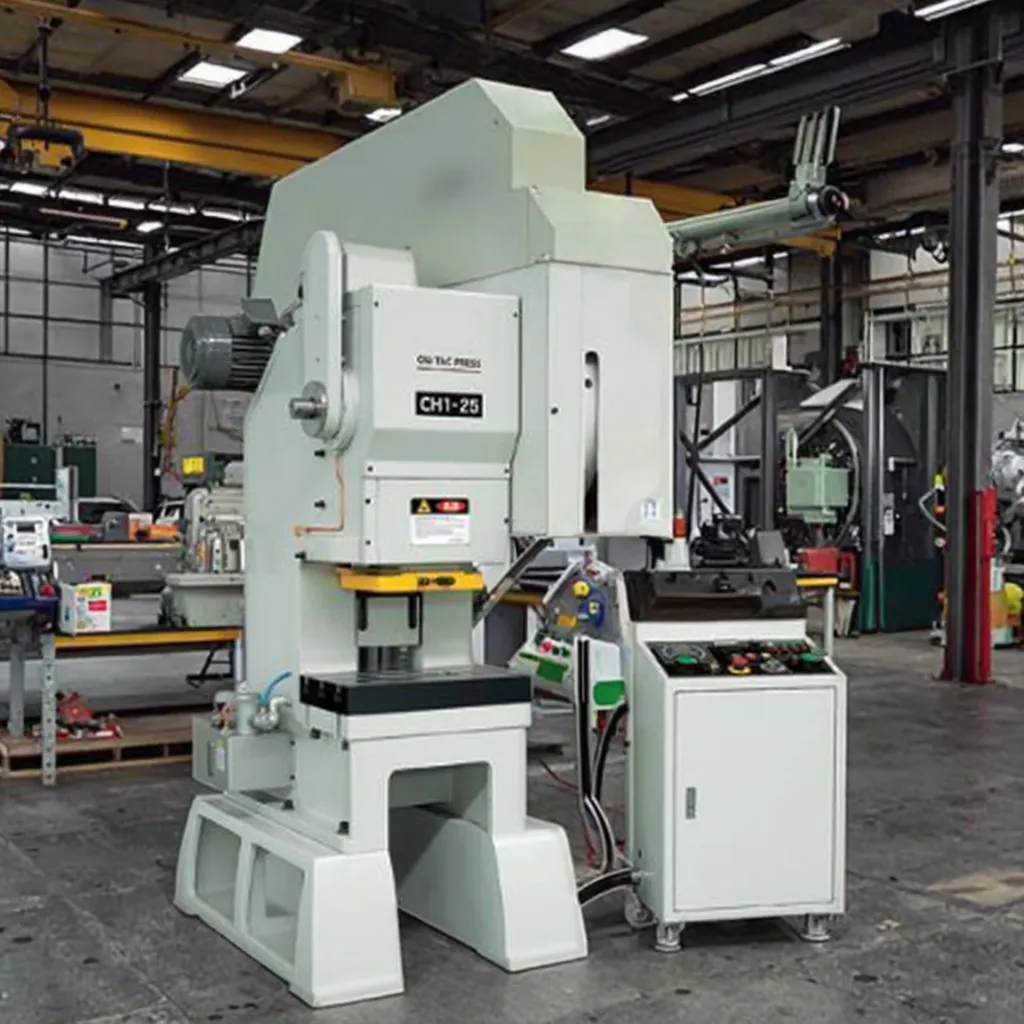
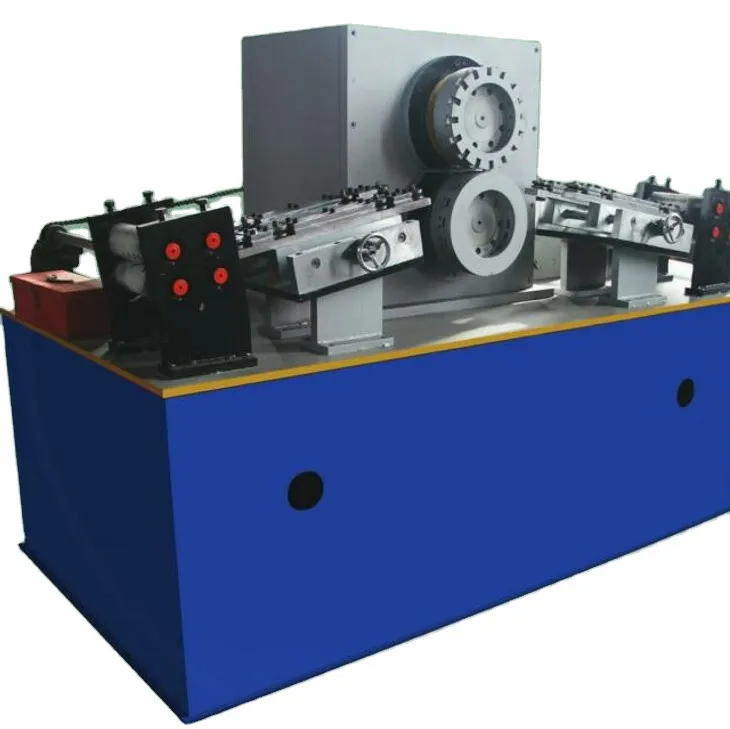
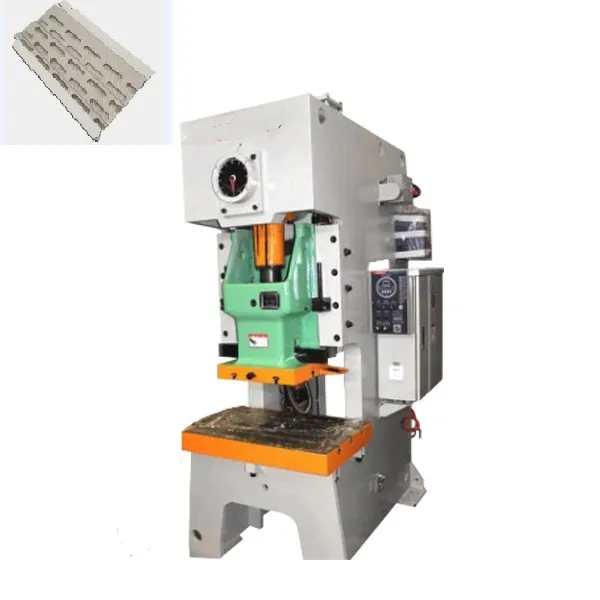
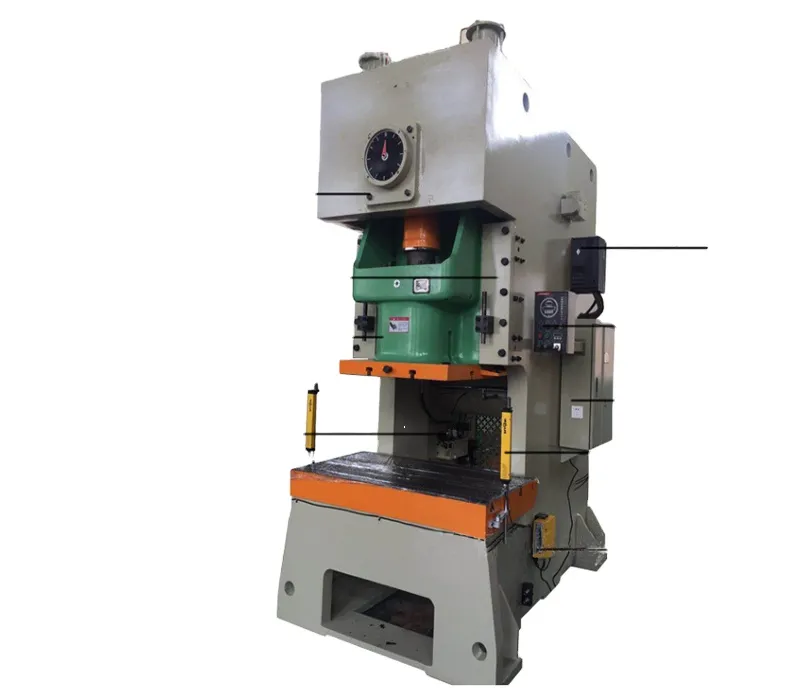
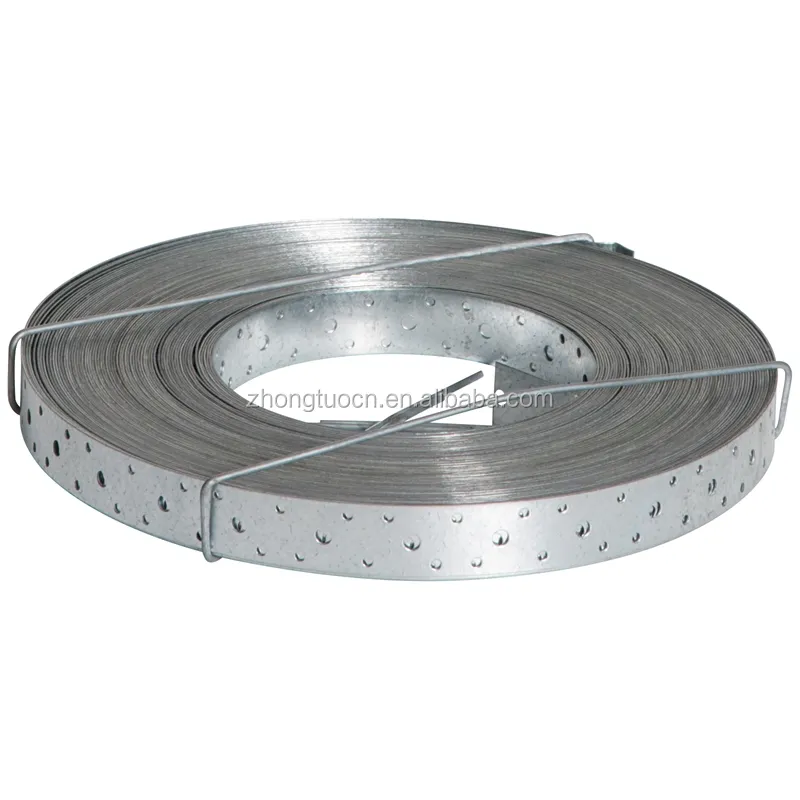 Hoop Iron Punching Machine Roofing Hoop Iron Rotary Punching Machine
- ZT hoop iron punching machine+5.5KW
$10,000.00
MOQ: 1
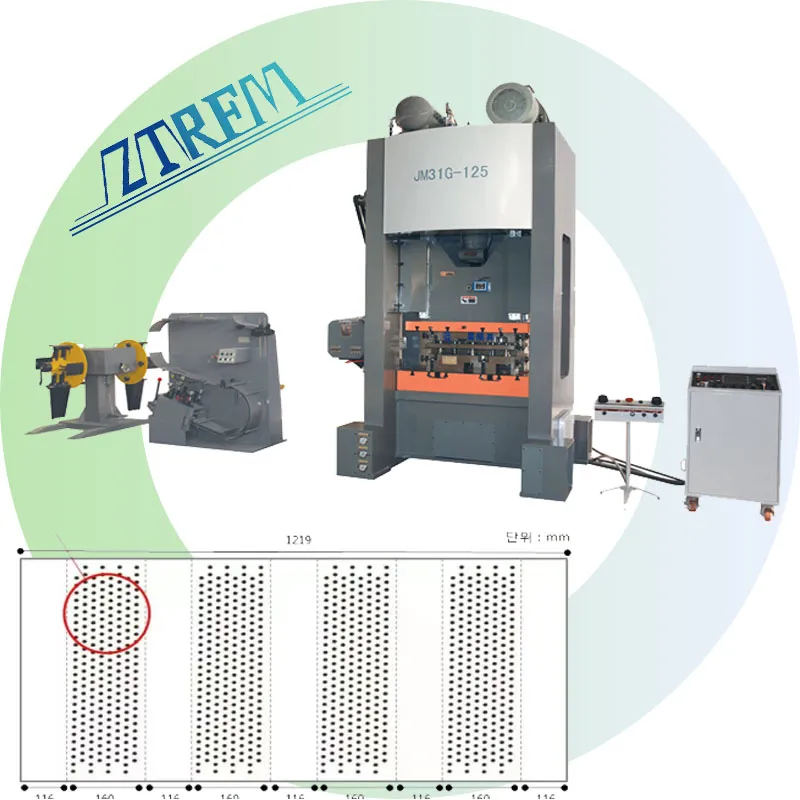
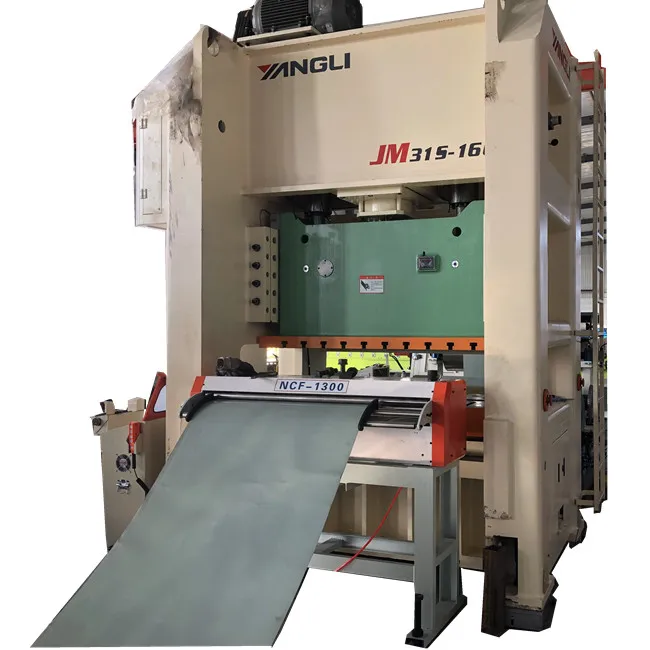
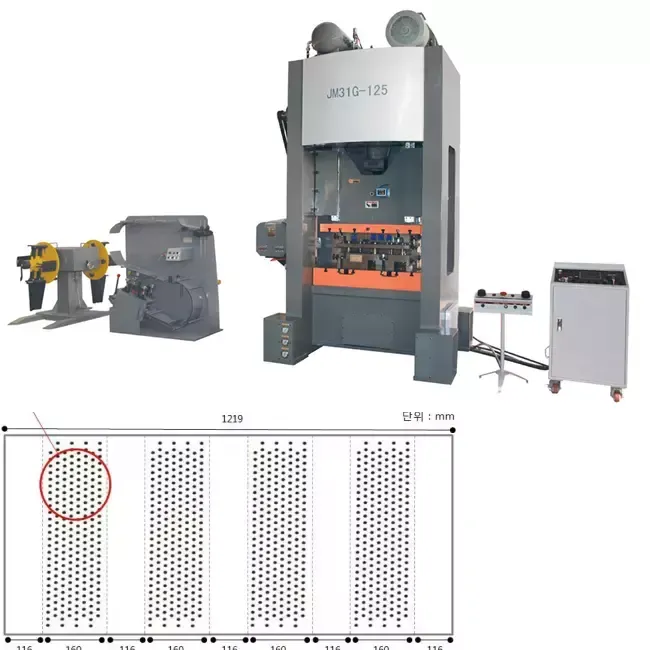
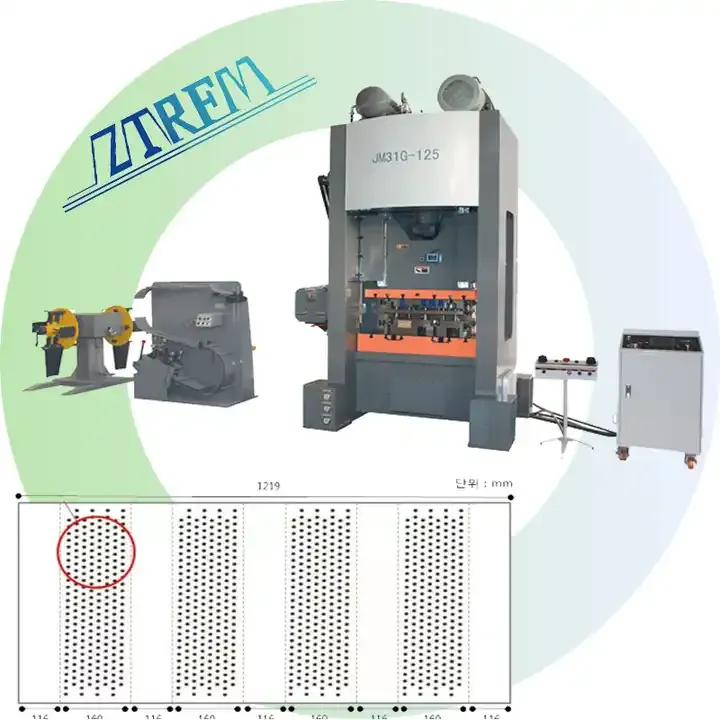
About Inline Servo Punching Equipment for Roll Formers
Modern roll forming production lines for storage rack uprights, solar mounting channels, electrical cable trays, and structural purlins require complex, repeatable hole patterns stamped into flat steel strip before roll forming. Pre-punching ensures uniform hole geometry without distorting finished cold-rolled profiles, eliminating expensive post-punching secondary operations.
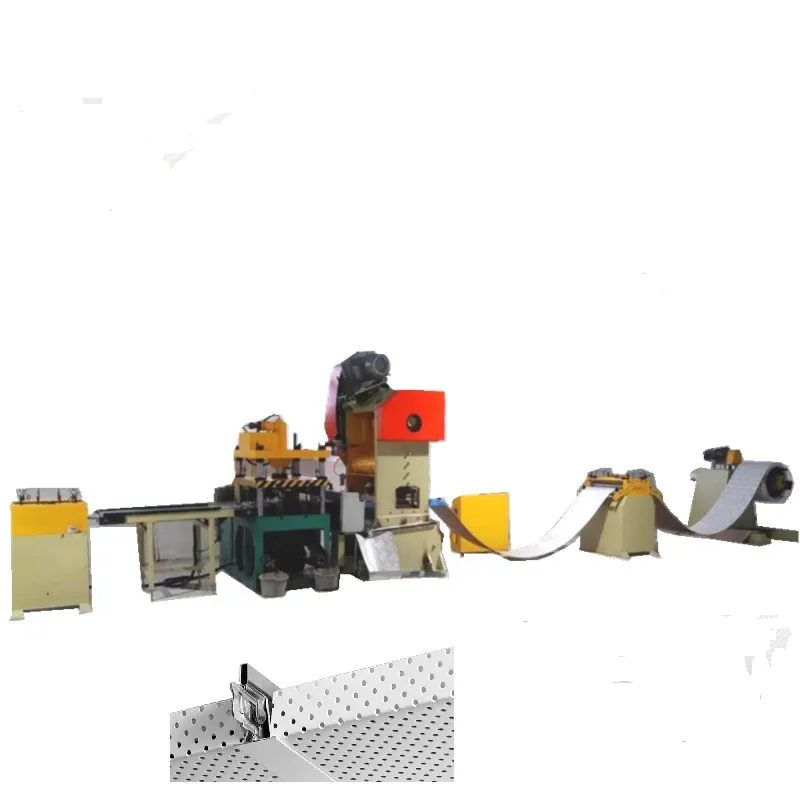
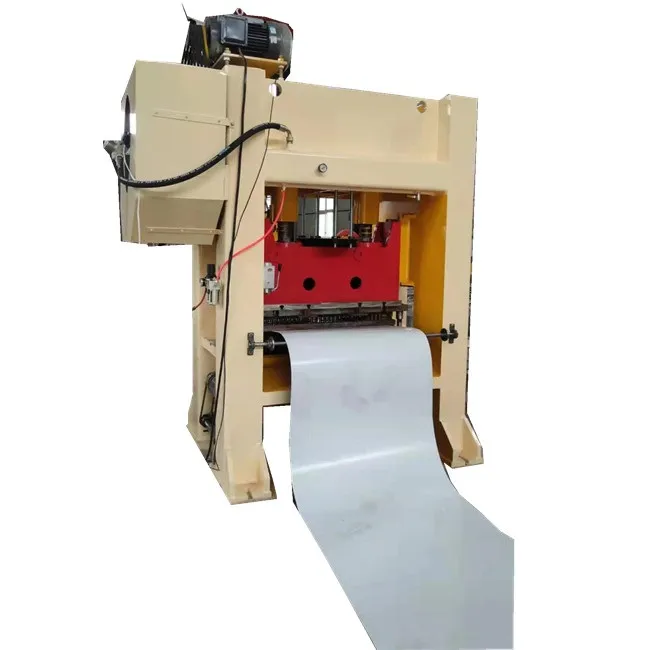
A dedicated CNC servo punching unit integrates between the coil uncoiler/leveler and the roll forming mill. High-precision AC servo motors drive dual urethane-coated or hardened steel pinch rollers through low-backlash planetary gearboxes. Material advances in synchronized incremental steps or continuous flying strokes beneath multi-cylinder hydraulic or mechanical eccentric punch presses. Hardened D2, Cr12MoV, or tungsten carbide punching dies stamp teardrop slots, oval adjustment holes, circular bolt passages, and side notches with micron-level repeatability.
Advanced servo punching systems feature multi-head tool configurations where separate hydraulic cylinders actuate independently based on programmed PLC recipe sequences. This allows a single punching unit to produce varying hole spacings, skip punch cycles for part lead and trailing ends, and switch between different product models without stopping coil feed or changing tooling sets.
Strip processing capacities handle mild steel, high-strength structural steel (Q355, S450GD), and hot-dip galvanized coil up to 4.0 mm thickness and 600 mm width. Rigid four-pillar cast iron or welded stress-relieved steel frames withstand stamping shocks up to 60–200 tons. Finished punched coils achieve strict pitch tolerances (±0.1 mm over 10 meters) and burr heights below 0.05 mm, ensuring flawless assembly and high load capacities in automated racking and building systems.
Applications
High-Speed Storage Rack Upright Teardrop Punching
In high-speed storage rack upright teardrop punching, servo hydraulic punching unit stamping continuous teardrop and diamond hole patterns into 3.5 mm structural steel strip prior to upright roll forming. Featuring tight dimensional pitch tolerances and secure locking mechanisms, these structural racking members support multi-tier storage loads safely and reliably.
Solar PV Strut Channel Continuous Slotted Punching
In solar pv strut channel continuous slotted punching, high-speed CNC punch press stamping uniform oval adjustment slots into galvanized and ZAM steel strip for solar mounting channel roll forming lines. These corrosion-resistant structural components withstand extreme wind uplift forces and harsh atmospheric weathering, ensuring 25-plus year operational longevity.
Cable Tray Bottom & Side Pattern High-Speed Perforation
In cable tray bottom & side pattern high-speed perforation, wide-bed servo punching unit stamping dense ventilation slots and connection hole clusters across wide coil strip for electrical cable tray lines. These rigid galvanized and stainless steel cable pathways provide superior structural span capacity, facilitate heat dissipation, and support high-voltage power networks.
Highway Guardrail Splice Bolt Hole Precision Punching
In highway guardrail splice bolt hole precision punching, heavy hydraulic punching press stamping slotted connector bolt holes into 3.0 mm high-strength steel coils on highway W-beam roll forming machines. Engineered with deep corrugations and heavy steel posts, these certified highway safety assemblies deliver superior impact dissipation and prevent median crossovers.
Light Steel Stud Service Hole & Dimple CNC Punching
In light steel stud service hole & dimple cnc punching, precision servo punch unit punching utility passage holes, swaged screw dimples, and lip chamfers into galvanized steel strip for framing machines. Precision-punched for rapid field erection, these high-strength structural members distribute wind loads, resist lateral torsional buckling, and maintain building frame rigidity.
Technical Overview
| Parameter | Information |
|---|---|
| Equipment / Product Family | CNC servo hydraulic & mechanical pre-punching units |
| Applicable Coil Materials | Cold-rolled steel, hot-dip galvanized steel, high-strength structural steel (Q235/Q355) |
| Material Thickness Capacity | 1.0 mm – 4.0 mm (heavy structural strip) |
| Maximum Strip Width | 150 mm – 600 mm (customizable up to 1250 mm) |
| Punching Press Tonnage | 40 tons – 200 tons (hydraulic cylinder or high-speed mechanical eccentric) |
| Punching Stroke Frequency | 80 – 250 strokes/min (servo-synchronized variable speed) |
| Punch Tooling Material | Cr12MoV / SKD11 / DC53 / Tungsten carbide (vacuum treated HRC 60-63) |
| Hole-Pitch Accuracy | ±0.1 mm over 10-meter continuous length |
| Feeding Drive System | Siemens / Yaskawa AC servo motor with low-backlash planetary gearbox |
| Control Architecture | Independent PLC with touchscreen HMI, recipe memory & encoder feedback |
Related Solutions
Storage Rack Roll Forming Solution
Pallet-rack P-beam mill with bottom laser weld. Example: 26 stands, 1-1.5 mm, 6…
Custom Profile Roll Forming for OEM
Flexible roll forming line for custom cross-sections. Suitable for OEMs who need…
Pre-Engineered Building Component Line
Integrated solution for PEB secondary framing: C/Z purlins, girts, eave struts,…
Heavy Coil Handling Solution
Coil infeed is a weight class plus a drive: manual expand, electric expand with…
Metal Sheet Processing Solution
Blanking and cut-off around a roll former is a shear class: flying (tracking) sh…
Light-Gauge Keel Roll Forming Solution
Light-gauge keel package: partition stud and track, ceiling T-grid, furring, or…
Related Information

Pre-Punching vs Post-Punching in Roll Forming
Punch the holes before or after forming? The choice changes hole accuracy, tooli…
Read More
Roll Forming Machine Control Systems: PLC, HMI and Encoder Integration
How do PLC, HMI, VFD and encoders work together on a roll forming line? A practi…
Read More
Storage Rack Upright Roll Forming Machine: Specs & Punching Explained
storage rack upright roll forming machine, rack pillar roll forming machine, war…
Read More
Warehouse Storage Rack Upright Roll Forming Lines: Punching Precision, Heavy Gauge Forming & Machine Specs
pallet rack upright roll forming, heavy duty rack upright machine, rack upright…
Read More
Cut-to-Length Systems in Roll Forming: Flying Shear vs Static Shear Explained
Stop-cut or flying shear? A machine designer explains the difference, accuracy,…
Read More
Roll Forming Roller Materials: D2 vs DC53 and Heat Treatment Guide
D2, DC53, Cr12MoV — which roller material is right for your roll forming line? H…
Read More
FAQ
What is the difference between servo stop-punching and servo flying-punching?
Stop-and-go servo punching halts strip motion momentarily during each die stroke, delivering maximum hole accuracy and complex cluster patterns. Flying servo punching synchronizes the punch carriage with continuously moving strip, achieving higher throughput speeds up to 30–50 m/min.
What punch hole shapes and patterns can be stamped on this unit?
Units accommodate teardrop holes, diamond slots, round bolt holes, rectangular louver slots, hexagonal knockouts, and multi-hole matrix clusters using interchangeable CNC die cassettes.
What maximum steel thickness and tonnage capacities are available?
Standard units handle strip thicknesses from 1.0 mm to 4.0 mm, with hydraulic or mechanical pressing tonnages ranging from 40 tons to 250 tons depending on hole size and material tensile strength.
How is hole-pitch accuracy maintained across long production runs?
Dual closed-loop servo motor drives and high-resolution optical rotary encoders track strip linear displacement, maintaining cumulative hole-to-hole pitch accuracy within ±0.1 mm over a 10-meter span.
How are die wear and punch slug jamming prevented?
Punches and dies are precision-ground from high-wear D2 or tungsten carbide tool steel, equipped with vacuum slug extraction chutes and automated pulsed lubricant mist systems to prevent slug pull-back and tool galling.
Can the punching unit be synchronized with existing third-party roll formers?
Yes, standalone servo punching units feature independent PLC controllers with standardized Ethernet/Profinet communication interfaces to synchronize start, stop, and speed matching with any brand of roll forming machine.
What information is needed to design a custom servo punching system?
Buyers should provide strip material specifications (yield strength, thickness, width), detailed hole pattern drawings with pitch spacing, desired line speed (m/min), and press cycle requirements.