Global B2B Roll Forming Sourcing Platform | Free RFQ Response within 24h

- Tuo AI

- Live

- My Account
- Shopping Cart
- Inquiry Basket
- Contact Us
- Back to Top




Sandwich Panel Raw Material Coils, Core Insulations & Adhesives
Sandwich panel raw material coils, structural core insulations, polyurethane chemical precursors, and structural two-component adhesives provide the essential tensile facing strength, high thermal insulation, Class A1 non-combustible fire resistance, and structural shear delamination resistance necessary for continuous insulated architectural sandwich panel production. Encompassing pre-painted galvanized steel coils (PPGI), Galvalume alloy coils (AZ150), 304 stainless steel coils, high-density non-combustible rock wool core slabs (100–140 kg/m³), polyurethane (PUR/PIR) polyol and isocyanate chemical systems, and two-component polyurethane adhesives (Part A + B), our raw materials guarantee defect-free continuous lamination conforming to EN 14509.
Filters
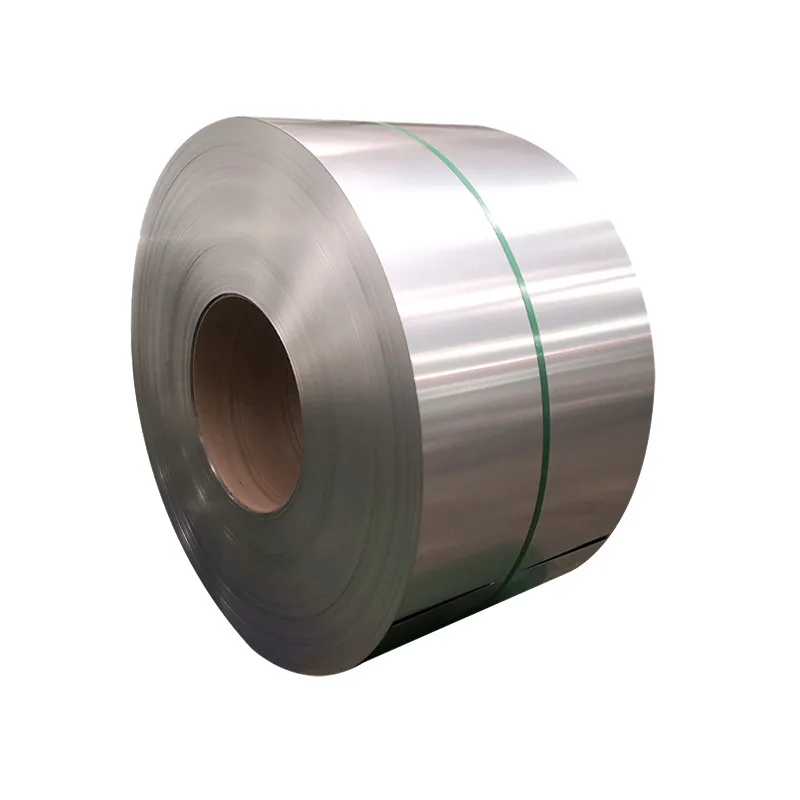 Prime Quality Anti-corrosion Hot Rolled Stainless Steel Coil 0.8mm 1.0mm Stainless Steel Sheet in Coil
- Shanghai, China+15-21 days+300 Series+ASTM+300 Series
$1,550.00
MOQ: 1
 Factory Low Price Cold Rolled 300 Series Stainless Steel Coil 301 304 BA Grade Finishing Cold Rolled Stainless Steel Roll
- China+8 ~ 14 days+300 Series+ASTM+301L, S30815, 304N, 301, 310S, S32305, 410, 204C3, 316Ti, 316L, 441, 420J1, L4, 321, 410S, 436L, 410L, 443, LH, L1, S32304, 314, 430, 347, 309S, 304, 439, 409L, 204C2, 445, 304L, 436, 420J2, 425M, 370, S32101, 904L, 444, 301LN, 405, 305, 429, 304J1, 317L
$839.00
MOQ: 1
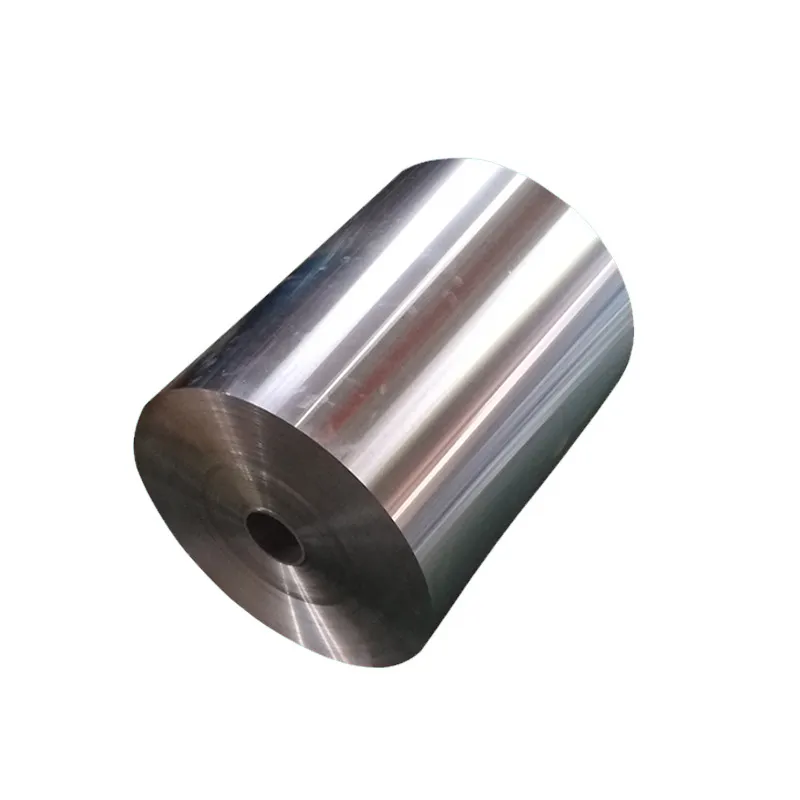 316L Stainless Coils and Strips, and 1.4404 Precision Strips,and Steel Strips.
- Shanghai, China+15-21 days+300 Series+AiSi+301, 304N, 310S, 301L, S30815
$399.00
MOQ: 1
 305 Stainless Steel Coil High Corrosion Resistance 2B Surface Finish 1% Tolerance Custom Production
- Shanghai, China+15-21 days+300 Series+AiSi+301, 304N, 310S, 301L, S30815
$399.00
MOQ: 1
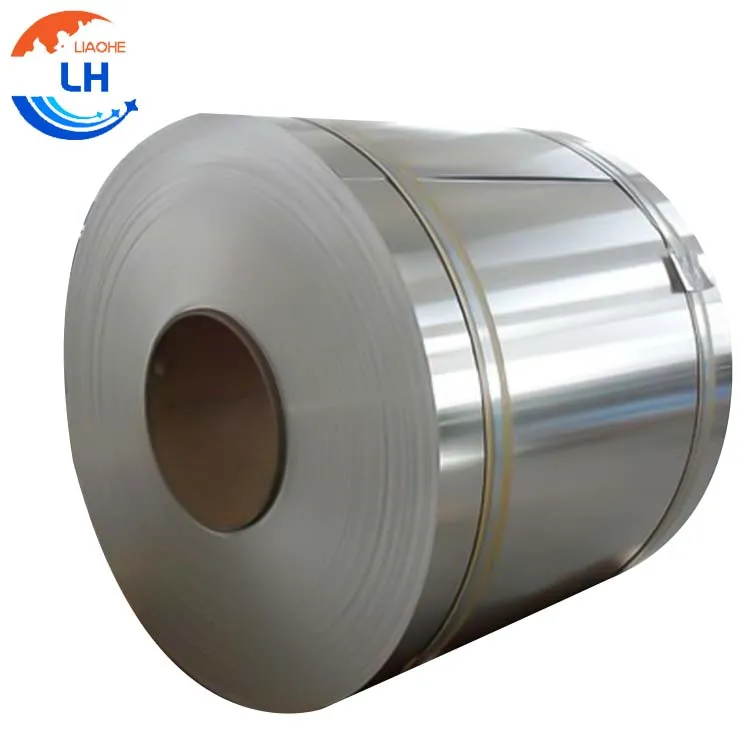
 Structural Aluminum Coil for Marine, Rail & Automotive | O / H32 Temper 5052 5005 5083 5182 5454 5754 Corrosion-Resistant Alloy
- China+15-21 days+XIONGJI+Is Alloy+Transport, construction, industrial vessels
$1,239.00
MOQ: 1
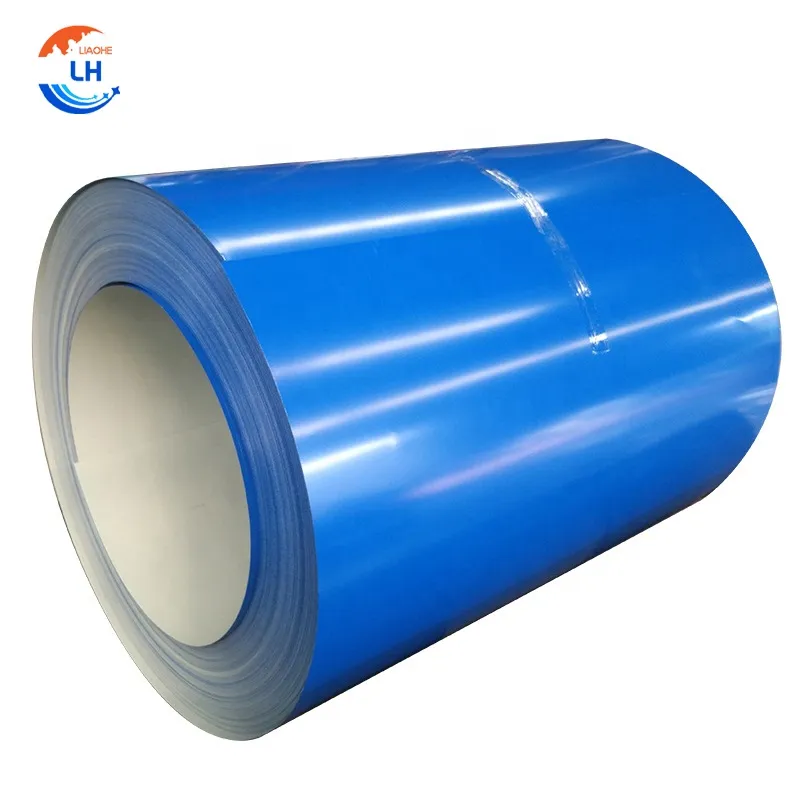
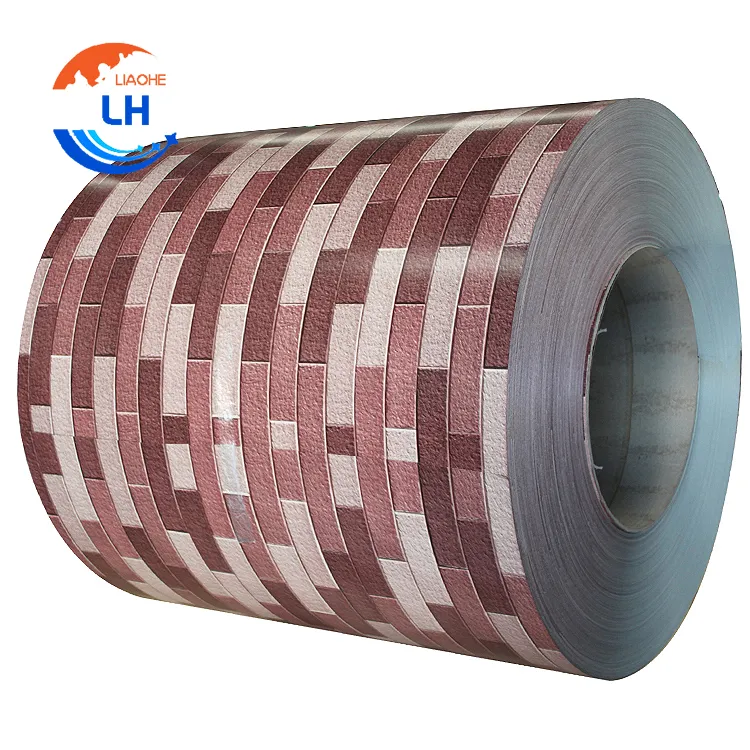
 Pre-painted Galvanized Steel Coil for Roofing and Sandwich Panel with lamination
- customized
$810.00
MOQ: 1
 Dx51d G350 G450 G550 Galvanized Steel Coil 0.2mm 0.4mm 0.6mm Hot Dipped Galvanized Steel Coil for Roofing Sheet
- Shanghai, China+8 ~ 14 days+SGCC/CGCC/DX51D+Non-oiled+Yes
$500.00
MOQ: 1
 Color Coated Aluminum Coils 5052 H32 for Construction 1000mm X C Custom Colors Aluminum Rolls
- 0.2mm-8mm
$2,900.00
MOQ: 5






About Sandwich Panel Raw Material Coils, Core Insulations & Adhesives
Premium prepainted steel coils, high-density mineral wool insulation slabs, and liquid polyurethane chemical systems represent the critical composite materials foundation determining the thermal efficiency, structural span capability, fire ratings, and exterior aesthetic longevity across modern cold storage facilities, industrial warehouses, and pharmaceutical cleanrooms. Because continuous sandwich panel lamination lines run at high speeds up to 15 m/min—bonding metallic facings to rigid insulation cores under continuous heat and pressure—uniform chemical reactivity and coil flatness are vital.
Our sandwich panel raw materials portfolio encompasses four core material categories: metallic facings (pre-painted galvanized steel PPGI and Galvalume coils in thicknesses from 0.40 mm to 0.80 mm featuring polyester, SMP, PVDF, and anti-static food-safe coatings with tight surface flatness and protective PE masking films); structural core insulations (Class A1 non-combustible high-density basalt rock wool slabs with oriented vertical lamella fibers providing high compressive strength >= 100 kPa, and flame-retardant EPS foam blocks); polyurethane liquid chemicals (rigid PUR and fire-resistant polyisocyanurate PIR formulation packages featuring polyol blends, polymeric MDI isocyanates, and eco-friendly pentane blowing agents delivering zero ODP and low thermal conductivity lambda <= 0.022 W/mK); and structural adhesives (two-component solvent-free polyurethane A+B glues delivering high tensile bond strength).
Formulated to ensure rapid green-strength curing and 100% core substrate cohesive failure during pull-off adhesion testing, all raw materials undergo rigorous fire testing conforming to EN 13501-1 (Euroclass A1 and B-s1,d0) and ASTM E84. Delivering certified raw materials to continuous sandwich panel lines globally, our materials guarantee superior composite panel structural integrity.
Applications
Master Blue PPGI Prepainted Steel Coil Uncoiling on Double-Belt Line
In master blue ppgi prepainted steel coil uncoiling on double-belt line, twin expanding decoilers feeding vibrant blue prepainted steel facings with transparent protective film into top and bottom profiling stands. Engineered with heavy-duty arch stands and precision-ground alloy steel shafts, these automated production lines ensure smooth continuous metal processing and high yield.
High-Density Oriented Rock Wool Core Slab Slicing and Lamella Staging
In high-density oriented rock wool core slab slicing and lamella staging, automated multi-blade circular saw station slicing dense rock wool slabs into vertical lamella strips and rotating them 90 degrees. Engineered for fast-track modular installation, these rigid insulated panels provide structural exterior cladding and hygienic interior partitions complying with international codes.
High-Pressure Polyurethane Isocyanate and Polyol Chemical Dosing
In high-pressure polyurethane isocyanate and polyol chemical dosing, operator monitoring stainless steel high-pressure dosing metering pumps and temperature conditioning circuits for isocyanate and polyol tanks. Manufactured to rigorous industrial tolerances from high-grade structural alloys, these dependable components withstand demanding environmental stresses and deliver certified reliability.
Two-Component Polyurethane Adhesive A+B Automated Bridge Spraying
In two-component polyurethane adhesive a+b automated bridge spraying, high-speed oscillating applicator bridge spraying uniform streams of liquid polyurethane adhesive A+B across moving pre-profiled steel facing. These engineered industrial systems and accessories provide vital structural and operational support, ensuring seamless equipment integration and robust weather protection.
Marine-Grade 304 Stainless Steel Facings Feeding into Cleanroom Panel Line
In marine-grade 304 stainless steel facings feeding into cleanroom panel line, uncoiling high-grade 304 satin stainless steel coils with protective white laser film into cleanroom wall panel roll forming stands. Manufactured with advanced protective paint systems and tight dimensional tolerances, these master coils withstand severe outdoor weathering while enabling continuous production.
Technical Overview
| Parameter | Information |
|---|---|
| Raw Material Categories | Prepainted Coils (PPGI), Galvalume, Rock Wool, PUR/PIR Chemicals, A+B Adhesives |
| Steel Facing Thickness Range | 0.40 mm to 0.80 mm (standard exterior: 0.50/0.60 mm; interior: 0.40/0.50 mm) |
| Facing Paint Coating Systems | Polyester (PE), SMP, PVDF (Kynar 500), Plastisol, Food-Safe Anti-Bacterial Film |
| Rock Wool Core Density | High-Density Basalt Rock Wool Slabs: 100 to 140 kg/m³ (vertical lamella orientation) |
| PUR / PIR Foam Density | Rigid Closed-Cell Core Density: 38 to 45 kg/m³ (closed-cell content >= 92%) |
| Core Thermal Conductivity | PIR Foam: lambda <= 0.022 W/mK; Rock Wool: lambda <= 0.040 W/mK (EN 12667) |
| Adhesive Type & Mixing Ratio | Two-Component Solvent-Free Polyurethane Adhesive A+B (mixing ratio 100:25 to 100:30) |
| Fire Reaction Classifications | Rock Wool: Euroclass A1 (non-combustible); PIR Foam: Euroclass B-s1,d0 (EN 13501-1) |
| Core Compressive Strength | Rock Wool Lamella: >= 100 kPa; Rigid PIR Foam: >= 150 kPa at 10% deformation |
| Compliance Standards | EN 14509, EN 13501-1, ASTM E84, ASTM C1289, ISO 9001:2015 Quality Certified |
FAQ
Why is vertical lamella fiber orientation mandatory when slicing rock wool core slabs?
Slicing rock wool into strips and turning them 90 degrees orients mineral fibers perpendicular to metal facings; this vertical lamella orientation increases panel compressive strength from 20 kPa to over 100 kPa and dramatically boosts structural bending span resistance.
What makes polyisocyanurate (PIR) chemical systems superior to standard PUR for cold storage panels?
PIR formulations feature high isocyanate index (>250), creating tight isocyanurate ring molecular structures that char into a protective barrier under flame, achieving Euroclass B-s1,d0 fire ratings and superior thermal insulation (lambda <= 0.022 W/mK).
How does two-component polyurethane adhesive A+B achieve non-delaminating bond strength on rock wool lines?
Part A (polyol resin) and Part B (polymeric MDI) mix automatically in a multi-nozzle bridge applicator; the solvent-free glue penetrates deep into rock wool fibers and chemically cross-links with the metal primer, ensuring 100% fiber-tear adhesion.
What paint systems (PVDF vs SMP vs Polyester) are recommended for external sandwich panel facings?
Standard polyester (PE) suits indoor walls; silicone modified polyester (SMP) provides enhanced chalking resistance for industrial roofs; and 70% fluoropolymer PVDF delivers 20+ year color retention in extreme UV and marine coastal environments.
Why is tight strip thickness tolerance (+/- 0.02 mm) critical for continuous double-belt lamination lines?
Thickness variations in top or bottom steel coils cause uneven adhesive roller pressure and localized heat transfer differences inside the continuous heated caterpillar press, which can result in panel surface blistering or visual pillowing.
What environmental blowing agents are utilized in our liquid polyurethane chemical packages?
Our PUR/PIR chemical formulations utilize eco-friendly cyclopentane or HFO (hydrofluoroolefin) blowing agents that feature zero ozone depletion potential (ODP = 0) and ultra-low global warming potential (GWP < 1).
What quality testing ensures complete adhesive bonding between metal facings and insulation cores?
Factory technicians perform periodic tensile pull-off bond tests conforming to EN 14509; a compliant bond must demonstrate 100% cohesive failure within the rock wool or PIR foam core rather than adhesive delamination from the steel sheet.