Global B2B Roll Forming Sourcing Platform | Free RFQ Response within 24h

- Tuo AI

- Live

- My Account
- Shopping Cart
- Inquiry Basket
- Contact Us
- Back to Top




Gutter Corners & Precision Miters for Roof Drainage
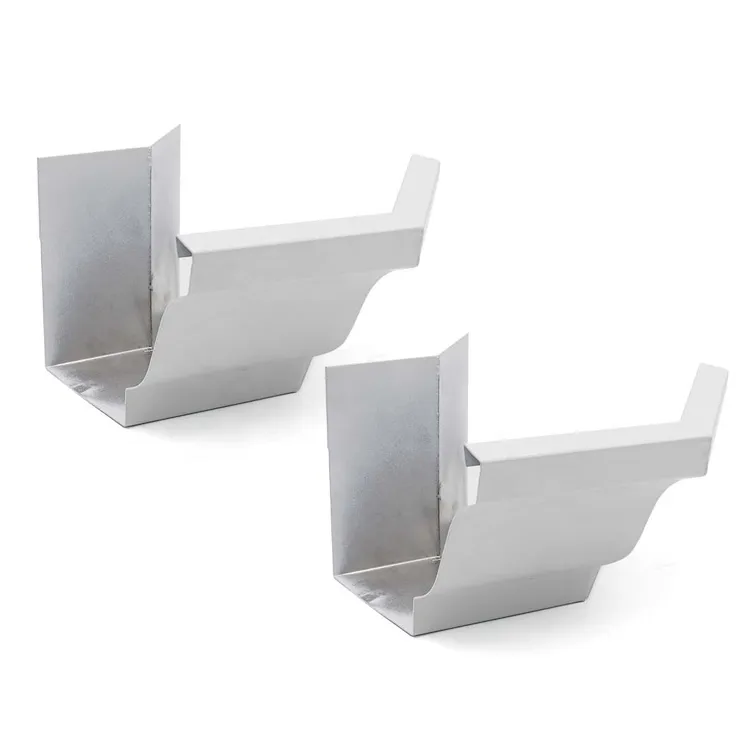
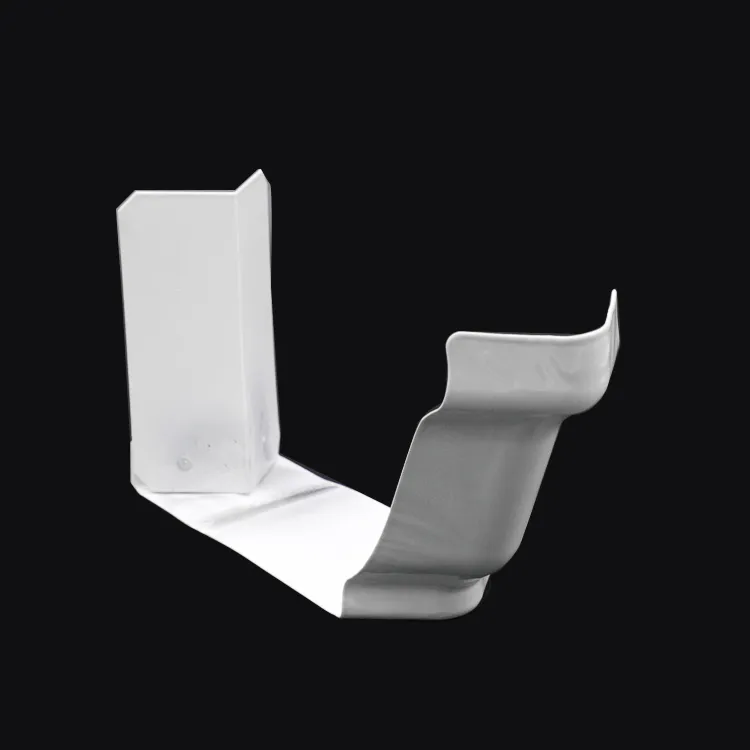
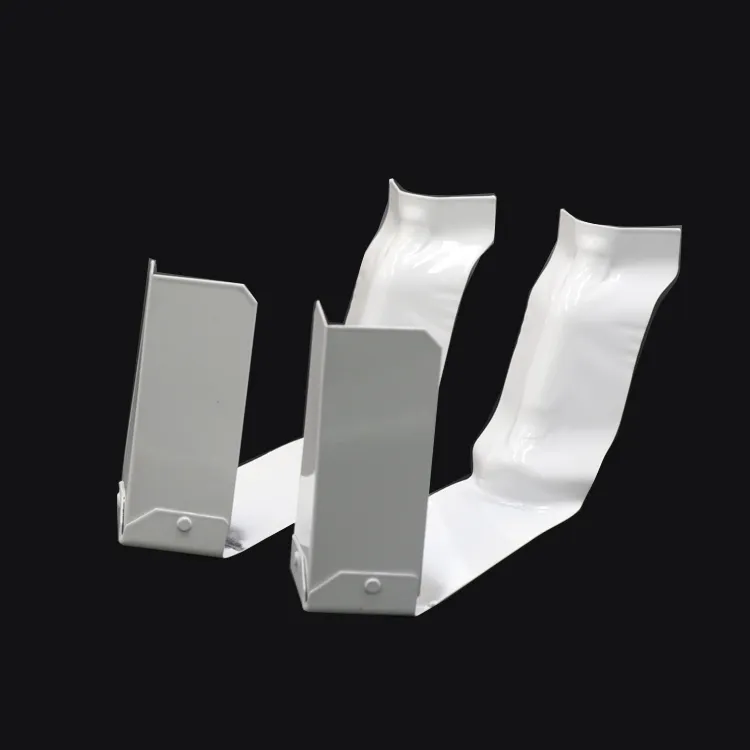
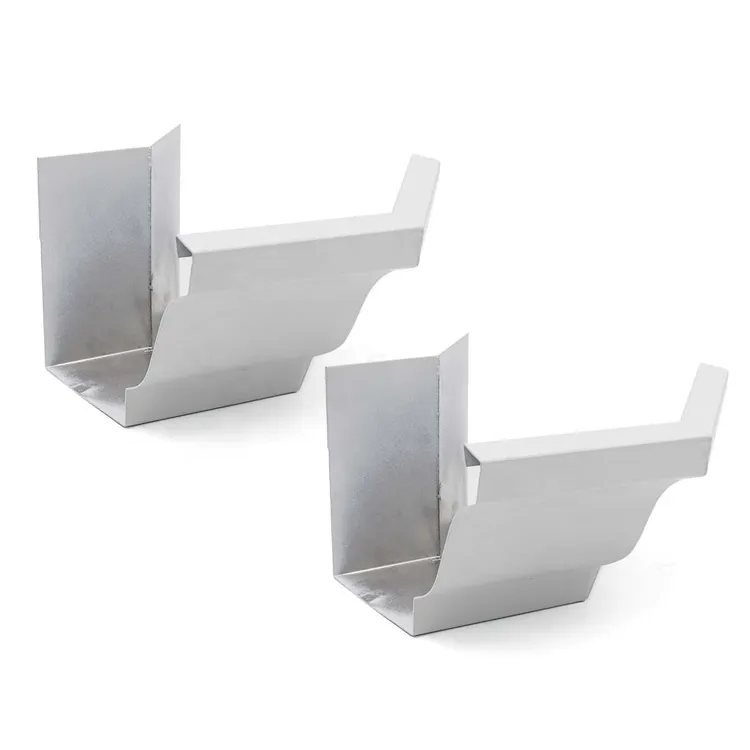
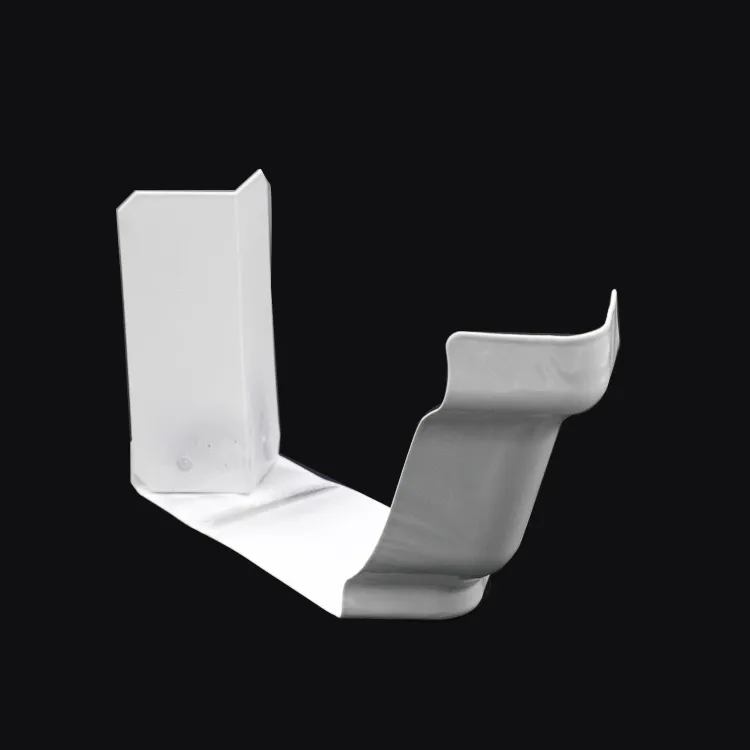
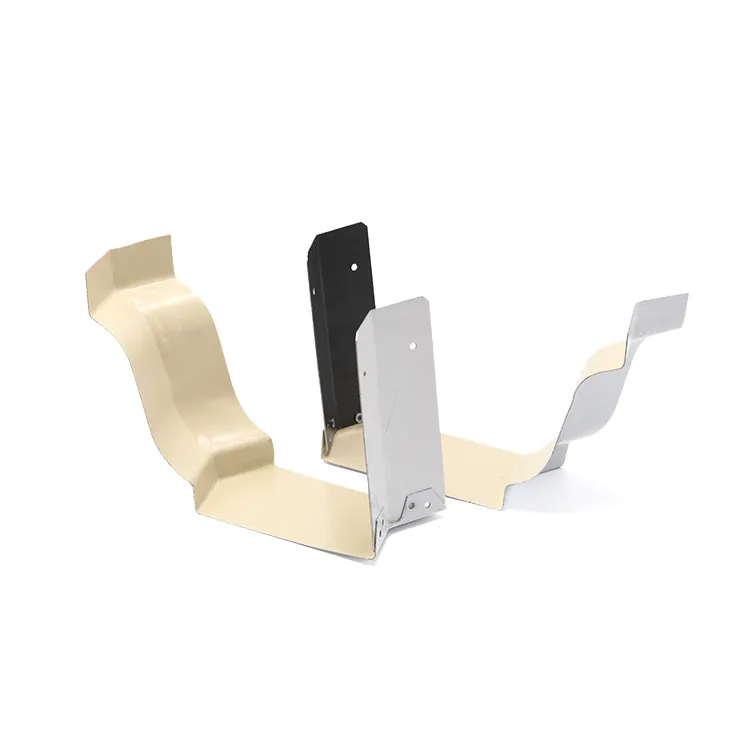
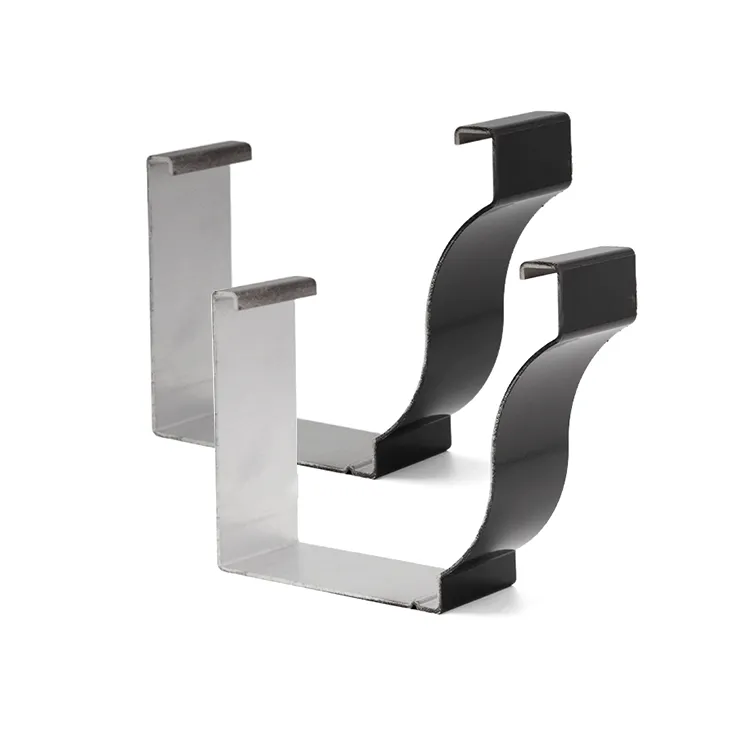
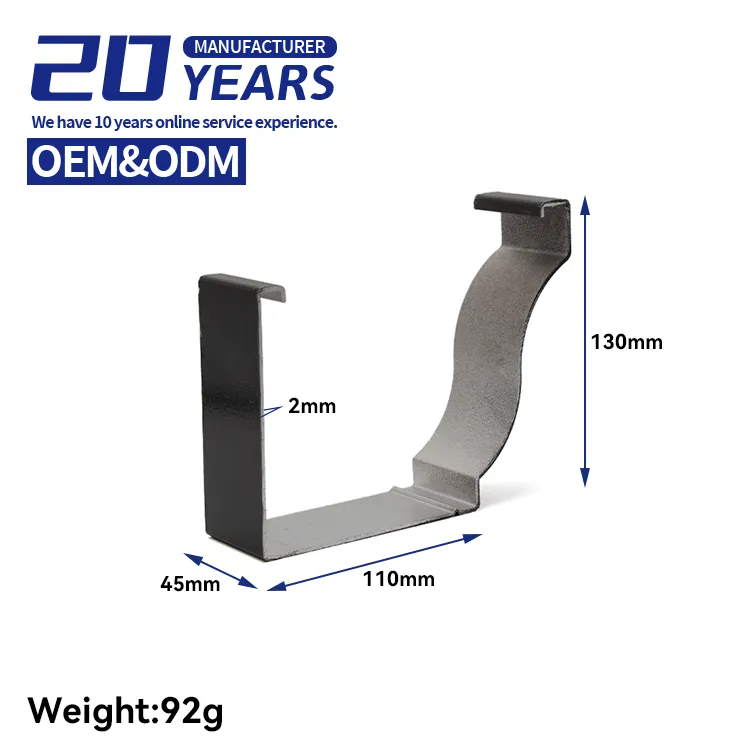
Gutter corners and precision miters provide seamless, hydraulic-efficient corner transitions for residential and commercial eave drainage systems. Available in 90-degree and 135-degree inside and outside configurations, our corner fittings encompass one-piece stamped box miters, low-profile strip miters, and heavy custom welded industrial corners. Engineered from premium aluminum alloy, galvanized steel, and cold rolled copper, they bridge roof hips, valleys, and bay windows without turbulent water choke points. Deep overlapping hems and pre-drilled fastening tabs ensure leak-proof joints that resist thermal expansion fatigue and heavy snow loading.
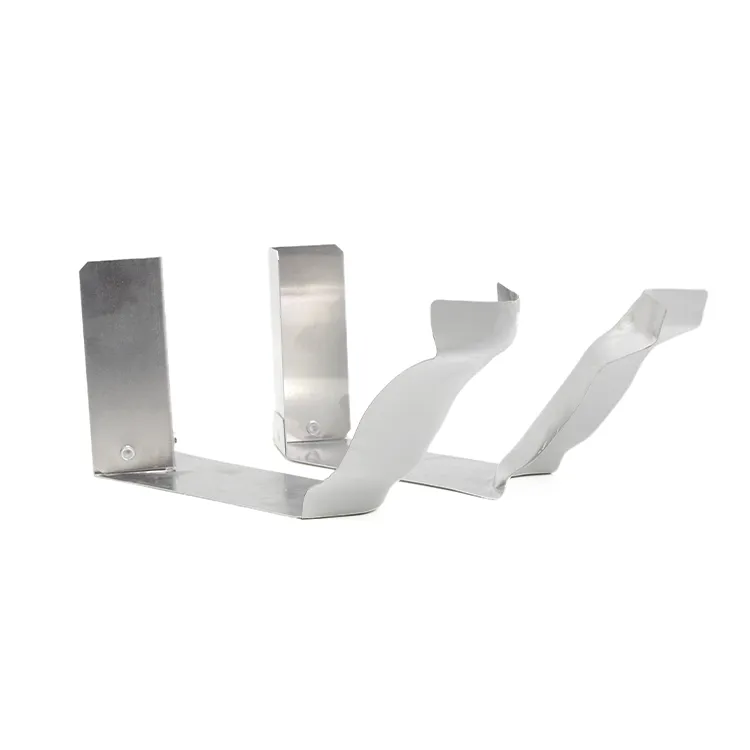
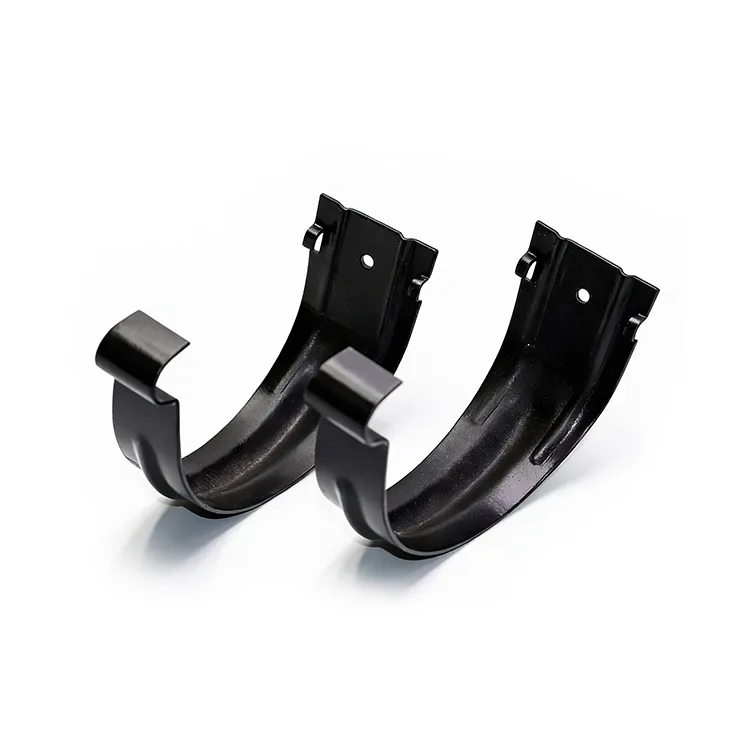
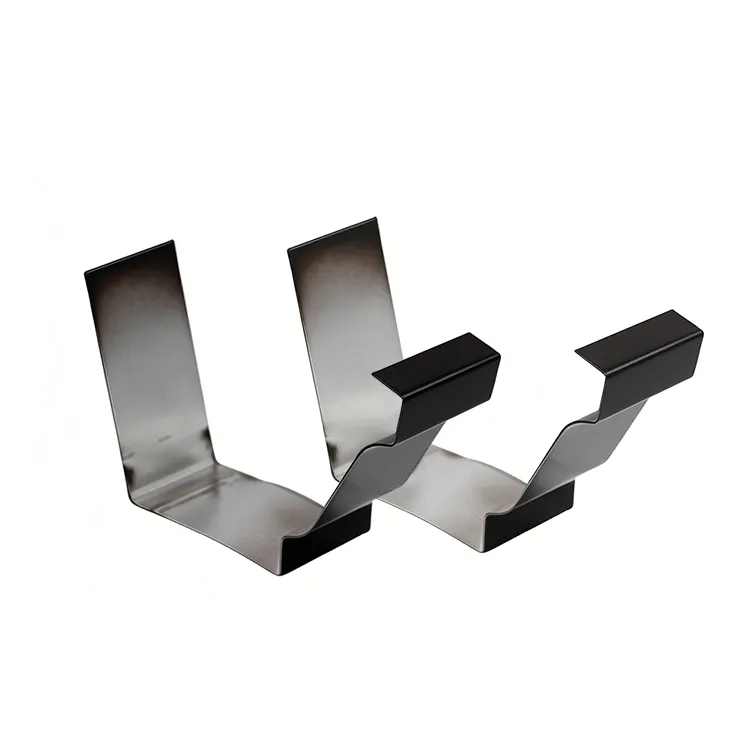
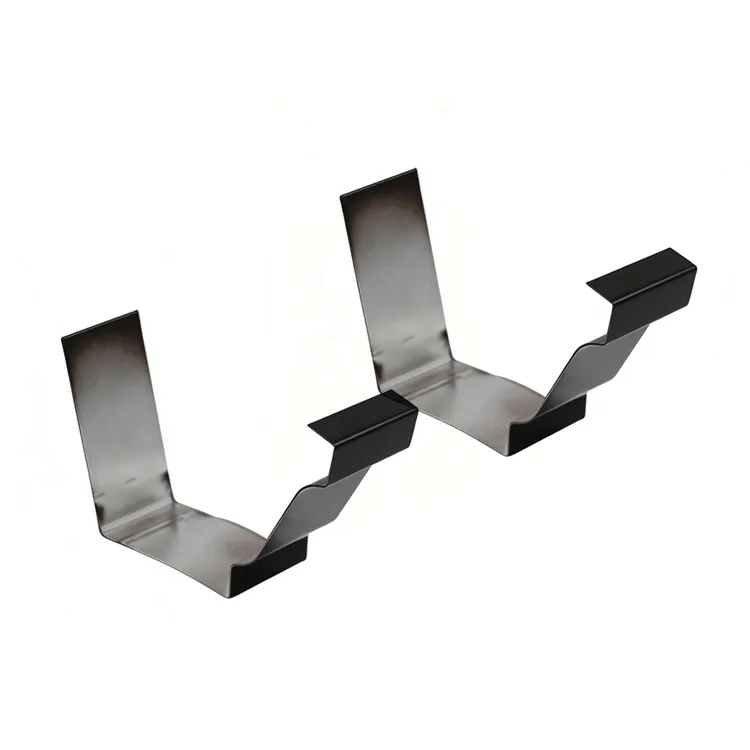

About Gutter Corners & Precision Miters for Roof Drainage
Roof eaves rarely follow uninterrupted straight runs; hip roofs, dormers, interior valleys, and octagonal bay window projections necessitate clean corner transitions where seamless gutters change direction. Because corner joints receive concentrated multidirectional stormwater surges from converging roof slopes, they represent the highest-risk failure locations for hydraulic overflowing, sealant breakdown, and structural sagging across building envelopes.
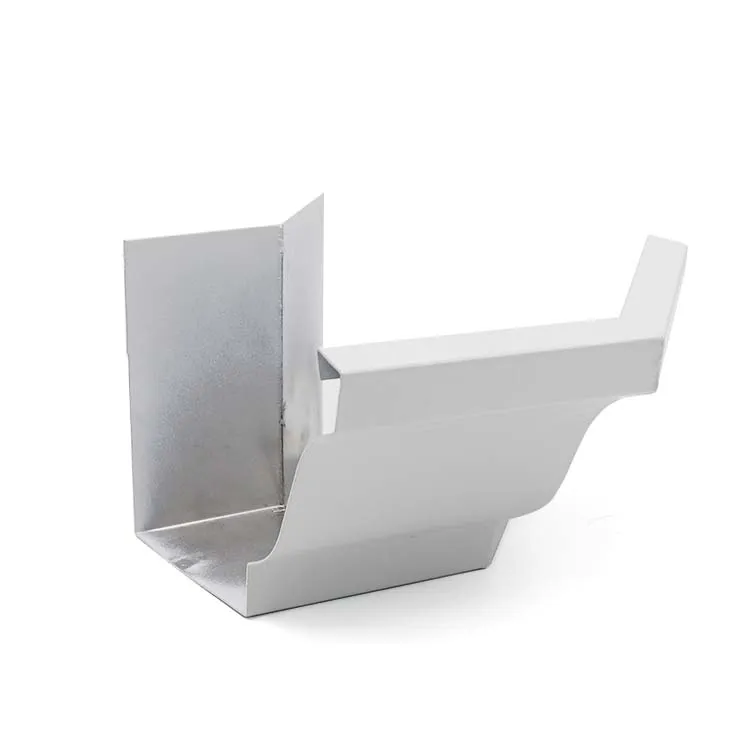
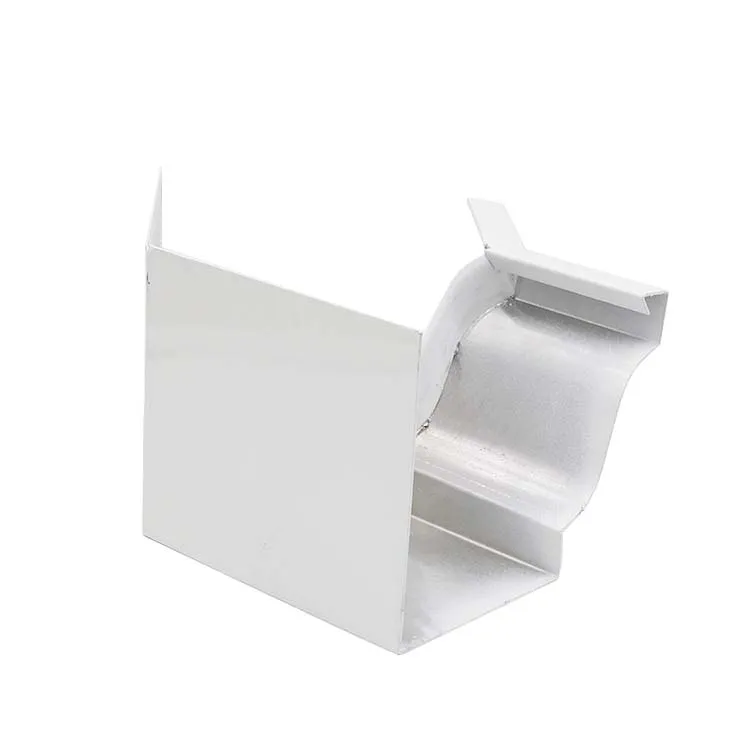
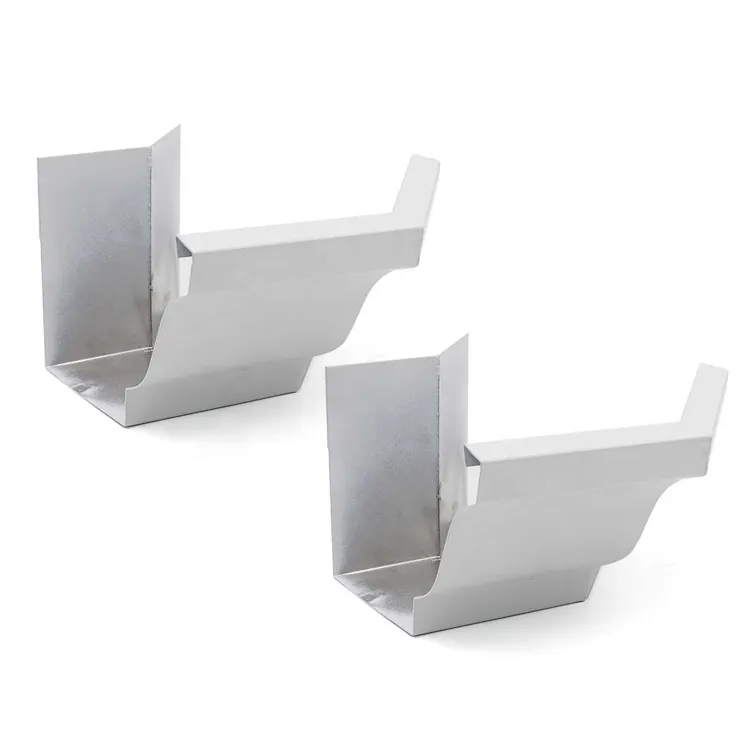
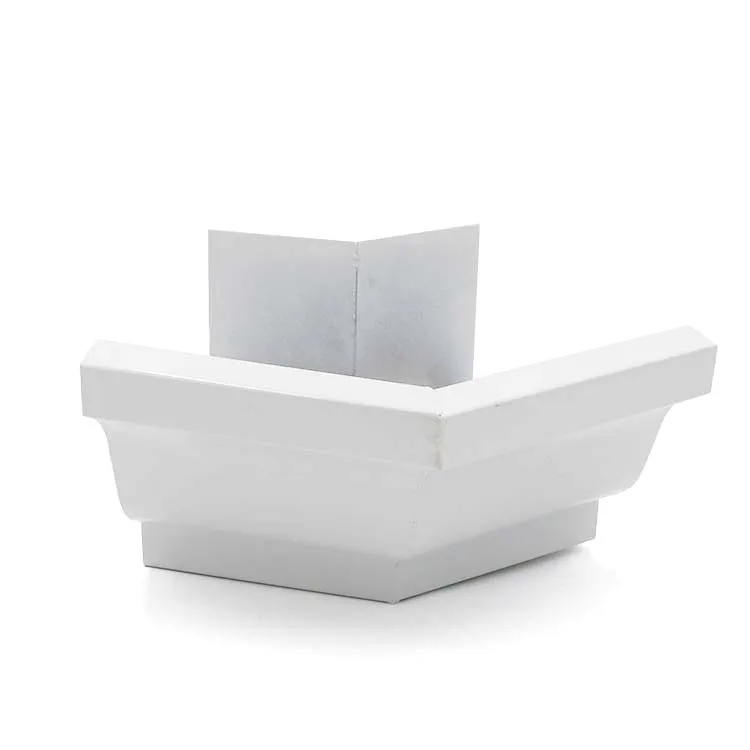
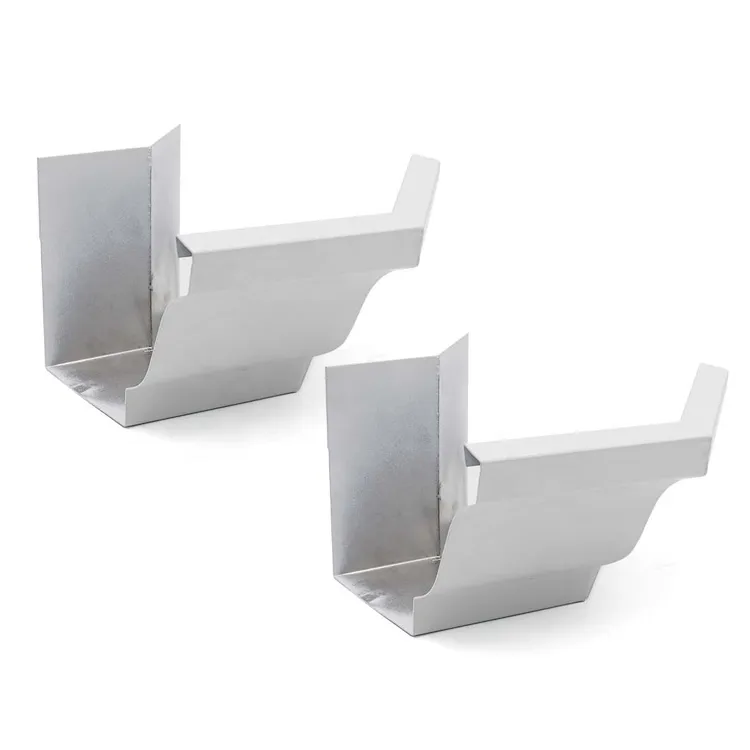
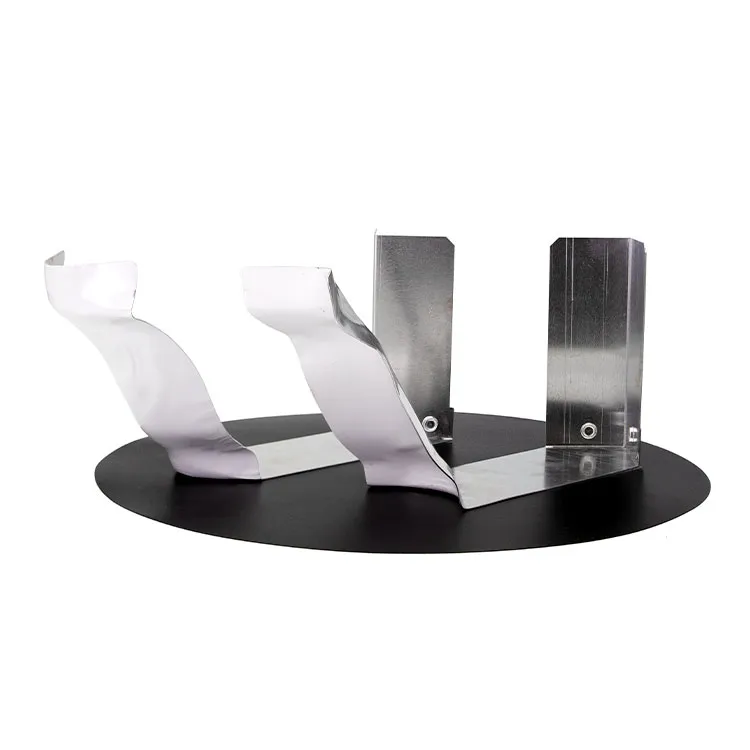
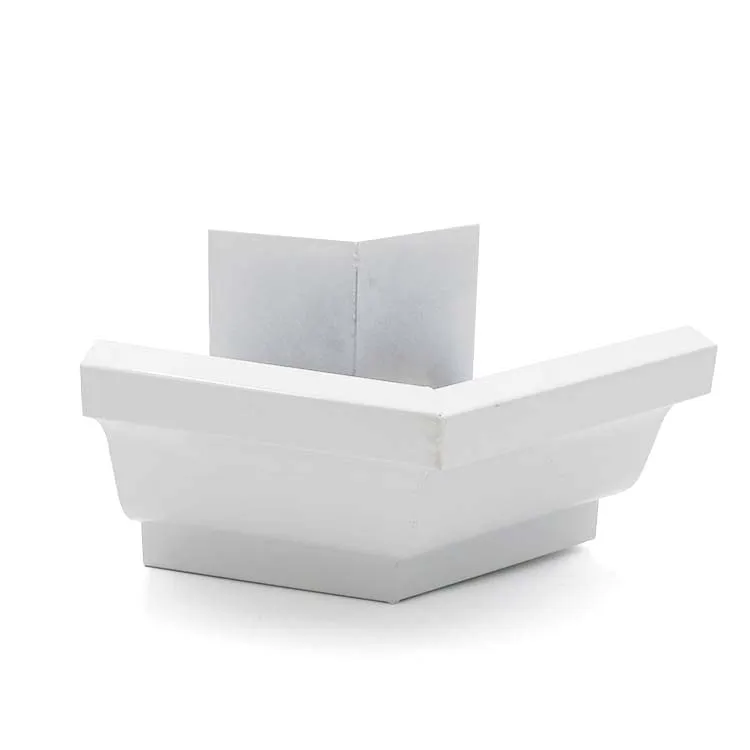
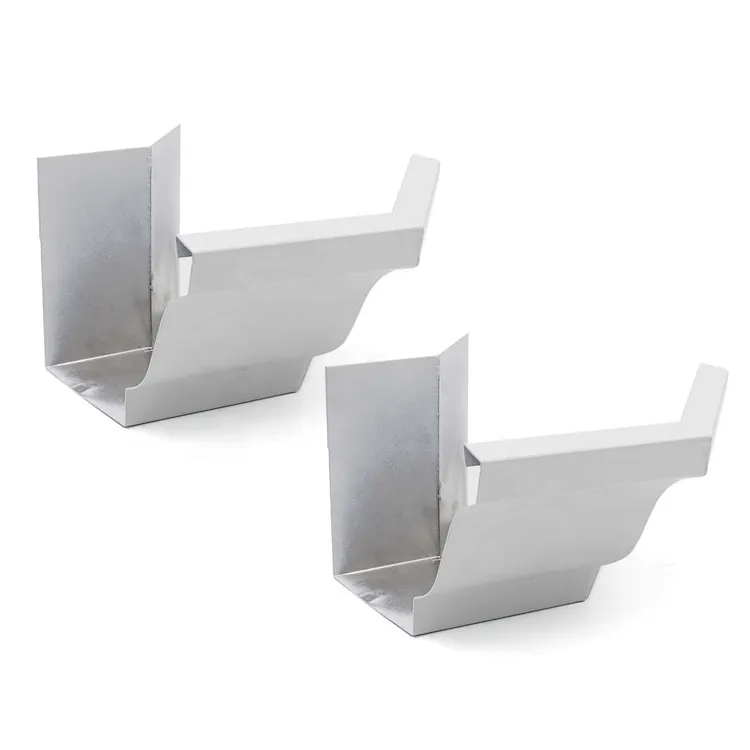
Our precision gutter corners are engineered in both box miter and strip miter geometries. Stamped box miters feature factory pre-formed 90-degree or 135-degree corners with integrated extension cuffs, allowing straight gutter sections to slide inside and rivet securely without on-site angle cutting errors. For architectural purists, low-profile strip miters wrap tightly around hand-cut 45-degree gutter seams, presenting an almost invisible exterior seamline while maintaining structural joint rigidity and watertight integrity.
Each miter fitting is manufactured on high-tonnage precision stamping tooling from aluminum alloys, hot-dip galvanized steel, or natural cold rolled copper. Enhanced corner radiuses and smooth interior hydraulic transitions prevent organic leaf debris accumulation and turbulent vortex formation, ensuring rapid water conveyance toward downspout drops even during severe atmospheric rainfall events. Compatible with elastomeric sealants and pop rivets, these corners ensure decades of maintenance-free drainage performance on residential homes and industrial facilities.
Applications
Residential Hip Roof Outside 90-Degree Box Miter Corner Installation
In residential hip roof outside 90-degree box miter corner installation, white painted aluminum 90-degree outside box miters connecting seamless K-style gutters around exterior corners of a residential suburban home. These durable rainwater profiles integrate seamlessly with modern rooflines, providing long-term weather-tight drainage performance and protecting buildings from moisture intrusion.
Commercial Building Inside Valley Gutter Inside Miter Joining
In commercial building inside valley gutter inside miter joining, high-flow 90-degree inside miter corners handling heavy converging stormwater runoff where two major roof valleys meet on a commercial office complex. Featuring high-capacity hydraulic cross-sections and corrosion-resistant coatings, these roll-formed rainwater components channel heavy storm runoff away from exterior building foundations.
Architectural Half-Round Copper Gutter 135-Degree Bay Window Miter
In architectural half-round copper gutter 135-degree bay window miter, custom-soldered 135-degree architectural copper miters wrapping gracefully around a traditional curved bay window facade on a luxury residence. Engineered with leak-proof interlocking joints and precision fittings, these architectural drainage profiles ensure smooth water flow and prevent roof fascia rot.
Industrial Warehouse High-Capacity Box Gutter Welded Corner Assembly
In industrial warehouse high-capacity box gutter welded corner assembly, heavy-gauge welded galvanized steel corners joining large 8-inch box gutters on an industrial logistics distribution warehouse. These durable rainwater profiles integrate seamlessly with modern rooflines, providing long-term weather-tight drainage performance and protecting buildings from moisture intrusion.
Contemporary Villa Seamless Aluminum Gutter Strip Miter Corner Riveting
In contemporary villa seamless aluminum gutter strip miter corner riveting, ultra-slim dark grey aluminum strip miters providing nearly invisible corner seams on modern minimalist villa flat roofs. Featuring high-capacity hydraulic cross-sections and corrosion-resistant coatings, these roll-formed rainwater components channel heavy storm runoff away from exterior building foundations.
Technical Overview
| Parameter | Information |
|---|---|
| Corner Configurations | 90° Outside Miter, 90° Inside Miter, 135° Bay Window Outside, 135° Bay Window Inside |
| Miter Fabrication Types | One-Piece Stamped Box Miter, Low-Profile Strip Miter, Welded Industrial Miter |
| Profile Sizes Accommodated | 5" K-Style, 6" K-Style, 7" K-Style, 6" Half-Round, Custom Commercial Box |
| Material Options Available | Aluminum Alloy (3003-H14), Hot-Dip Galvanized Steel, Architectural Copper (16 oz) |
| Material Thickness Range | 0.6 mm – 1.0 mm (high-rigidity precision stamping) |
| Surface Finishing / Coating | Factory Pre-Painted Polyester/PVDF, Mill Finish, Mill Copper |
| Overlap Cuff Depth | 35 mm – 50 mm (provides generous sealant bonding surface) |
| Fastening Method | Blind Pop Rivet or Sheet Metal Screw with Elastic Polyurethane Sealant |
| Operating Temperature Range | -40°C to +85°C (resistant to extreme diurnal expansion cycles) |
| Quality & Manufacturing Standards | ISO 9001, ASTM B209, CE Certified |
FAQ
What is the difference between a box miter and a strip miter gutter corner?
A box miter is a pre-formed corner unit with wide tabs that straight gutters slide into, while a strip miter is a narrow metal channel that wraps over two hand-cut, mitered gutter ends for a lower-profile appearance.
How do installers differentiate between inside miters and outside miters?
An outside miter wraps around an exterior corner (such as a hip roof corner), while an inside miter fits into an interior corner where two converging roof valleys meet.
What angles are available for gutter corner fittings?
Standard corners are manufactured at 90 degrees for square building corners and 135 degrees for 45-degree bay windows and angled architectural rooflines; custom angles are fabricated upon request.
How are gutter corner joints permanently sealed against water leakage?
Installers apply two continuous beads of high-performance elastomeric sealant between the overlapping gutter and miter surfaces, then fasten with stainless steel pop rivets along the front, bottom, and rear flanges.
What materials are used to ensure color matching and corrosion resistance?
Corners are stamped from aluminum (3003 alloy) with factory coil-coated polyester/PVDF finishes, heavy-gauge galvanized steel, or 16 oz copper, matching seamless gutter profiles exactly.
Can gutter corners handle heavy snow slides without pulling apart?
Yes, internal mechanical riveting combined with structural corner stiffening ribs provides high tensile resistance against downhill snow creep and expanding ice loads.
What causes gutter corners to leak and how can it be avoided?
Leaks are caused by improper sealant choice, lack of mechanical rivets, or thermal expansion strain; using elastomeric sealants that retain flexibility at sub-zero temperatures prevents joint failure.