Global B2B Roll Forming Sourcing Platform | Free RFQ Response within 24h

- Tuo AI

- Live

- My Account
- Shopping Cart
- Inquiry Basket
- Contact Us
- Back to Top




Industrial Blind Rivets & Structural Pop Rivets
Industrial blind rivets provide permanent, vibration-resistant single-sided mechanical fastening for cold roll formed steel sheets, insulated sandwich panels, and commercial architectural envelopes. Engineered in open-end dome head, sealed closed-end, and high-strength multi-grip structural configurations, these versatile fasteners eliminate the need for backside tool access. Manufactured from high-tensile aluminum alloys (5050/5052), zinc-plated carbon steel, and corrosion-resistant 304/316 stainless steel, our blind rivets deliver certified shear and tensile ratings conforming to ISO 15977 and ASTM F593 standards, guaranteeing structural joint integrity across high-vibration industrial and pre-engineered building environments.
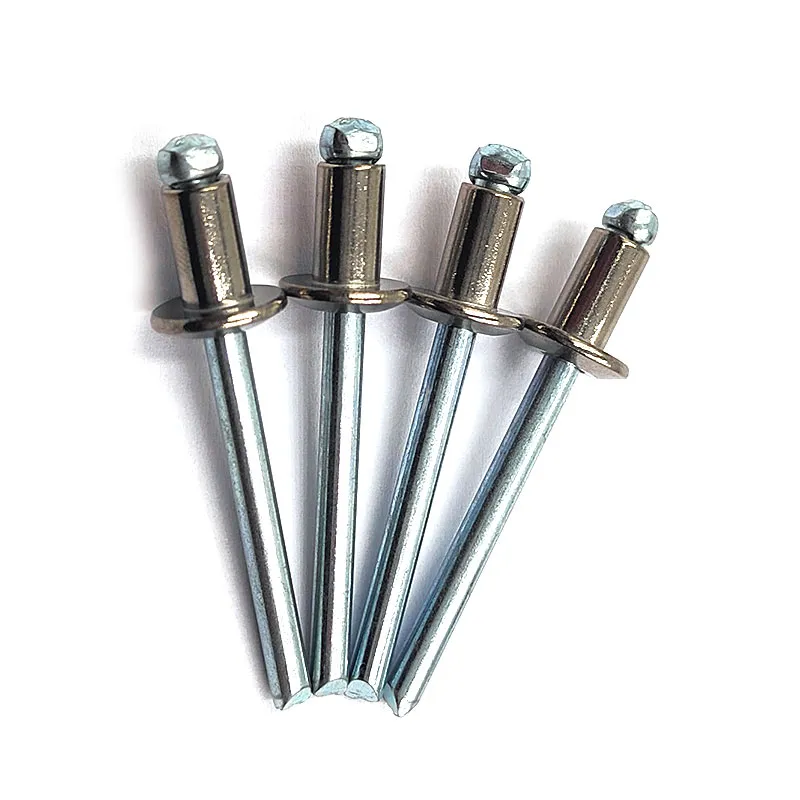 China Factory Open End Blind Rivet Stainless Steel Open End Blind Rivets Blind Rivet 4.8X16mm
- 6.4 mm+Flat Head Blind Rivets+12mm
$0.02
MOQ: 999
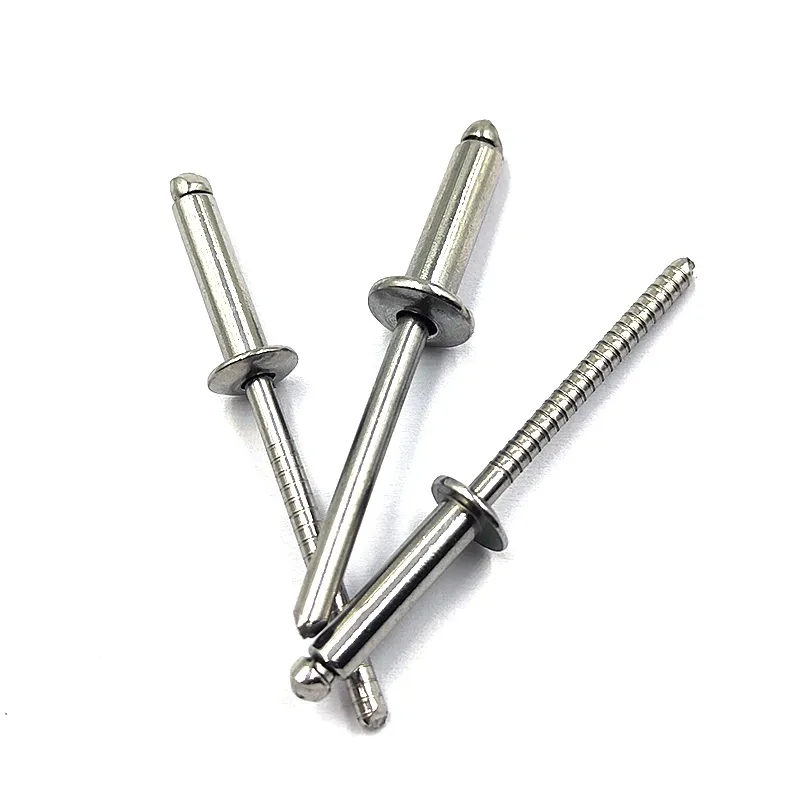 High Precision Stainless Steel Blind Rivets Are Large Quantity and Favorable Price.
- 4mm+12mm+Pan Head Semi-Tubular Rivets
$0.50
MOQ: 200
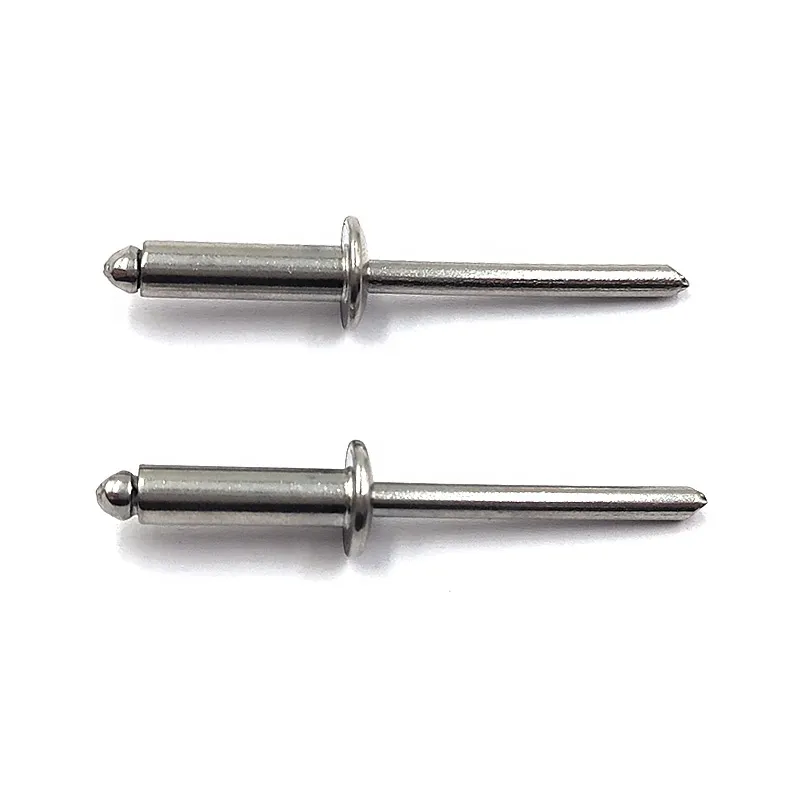 Rustproof High Precision Industrial Stainless Steel Blind Rivets Bulk Order Favorable Price
- 4mm+Round Head Solid Rivets+12mm
$0.50
MOQ: 200
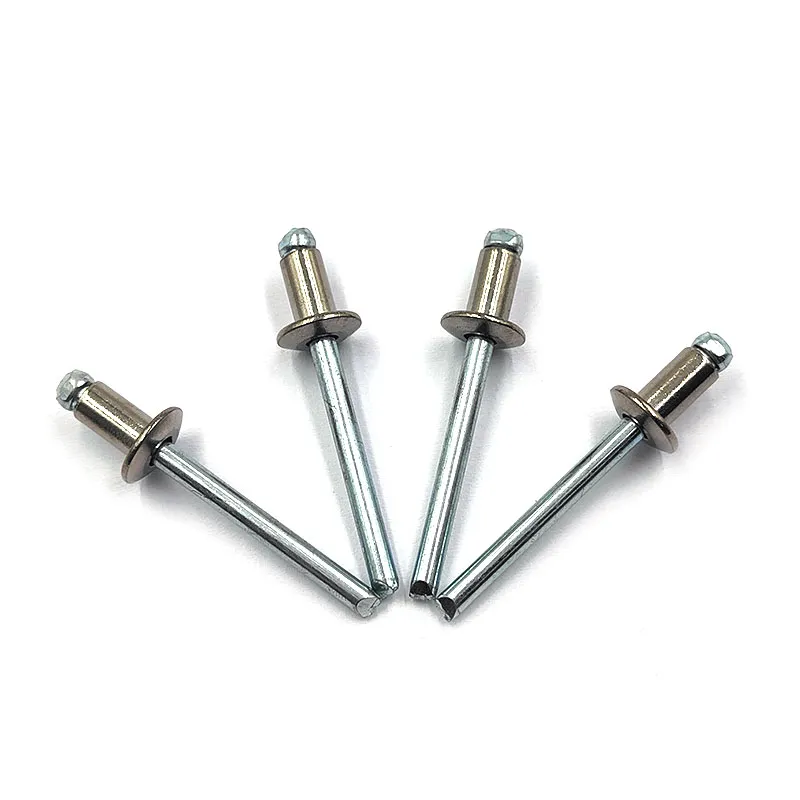 Hot-selling Stainless Steel Blind Rivets for Connections
- 4mm+12mm+Pan Head Semi-Tubular Rivets
$25.00
MOQ: 200
 China Factory Direct Supply Color Painted Blind Rivets Open Dome Head Packing in Small Box
- 6mm+blind rivets+38mm
$3.50
MOQ: 1000
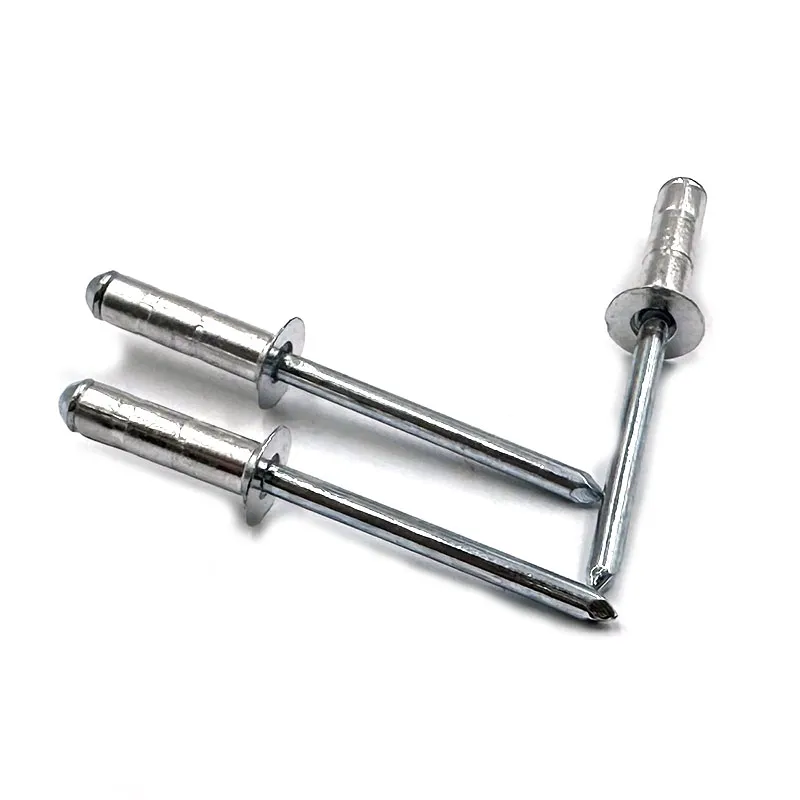 Round-head Aluminum Alloy, Double-bowl Type Blind Rivet, Double-drum Blind Rivets
- 4mm+Flat Head Blind Rivets+12mm
$0.02
MOQ: 500000
 China Customize Open Type Dome Head Color Painted Aluminum Steel Blind Rivets Pop Rivet Price
- 3/16"+12mm+Pan Head Semi-Tubular Rivets
$1.35
MOQ: 20000
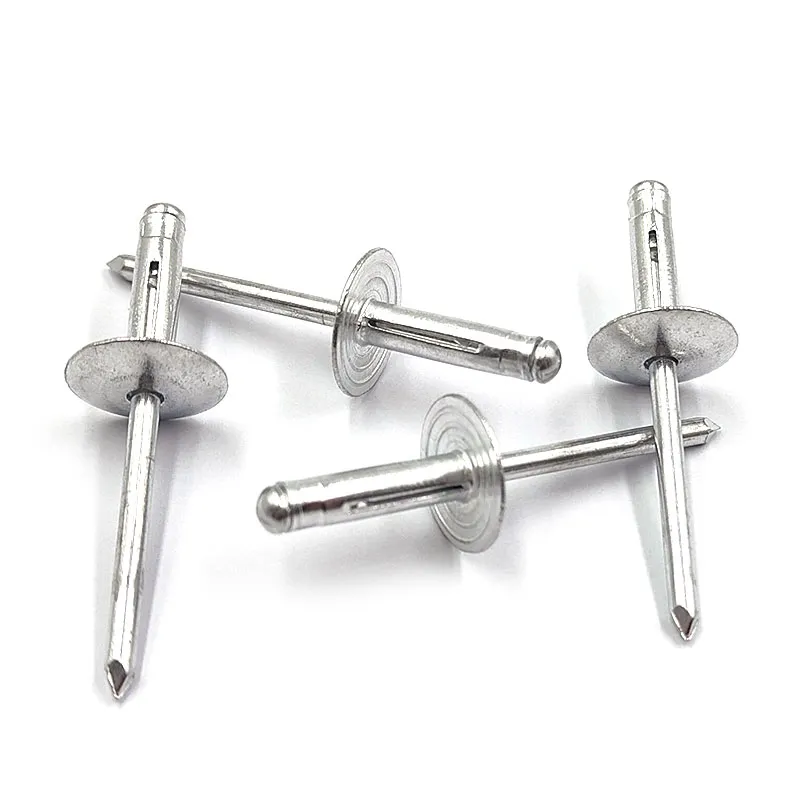 Limited Time Discount Countersunk High Strength Structural Bulbtite Blind Rivet
- 4mm+Pan Head Semi-Tubular Rivets+12mm
$1.35
MOQ: 20000
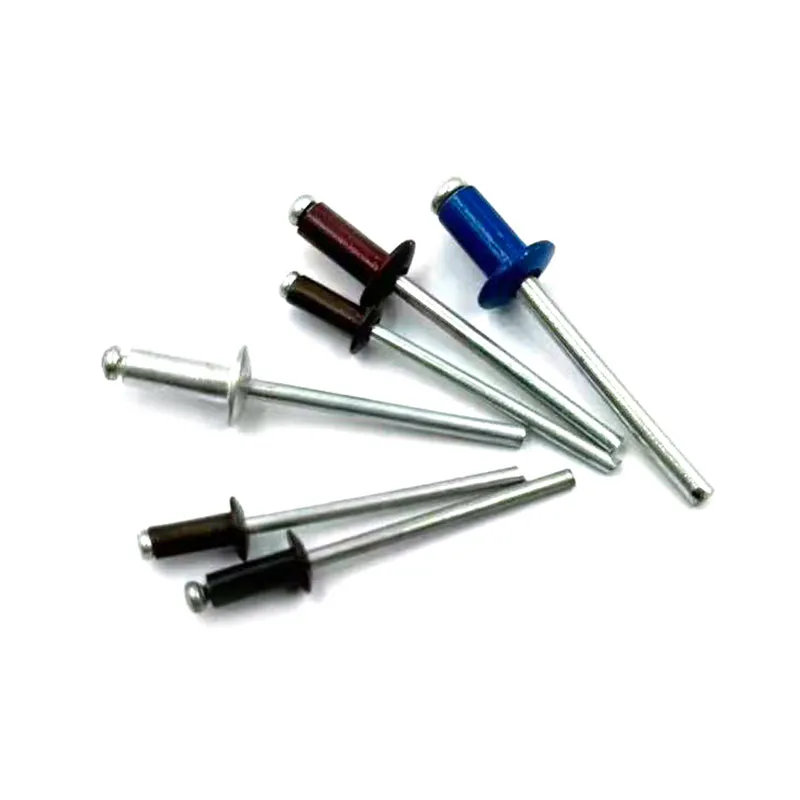 High Quality Manufacturer Supply Pop Blind Rivet Aluminium Stainless Steel Magnesium Alloy Round Head Color Painted Zinc Plated
- 4mm+Round Head Blind Rivets+12mm
$1.20
MOQ: 10000
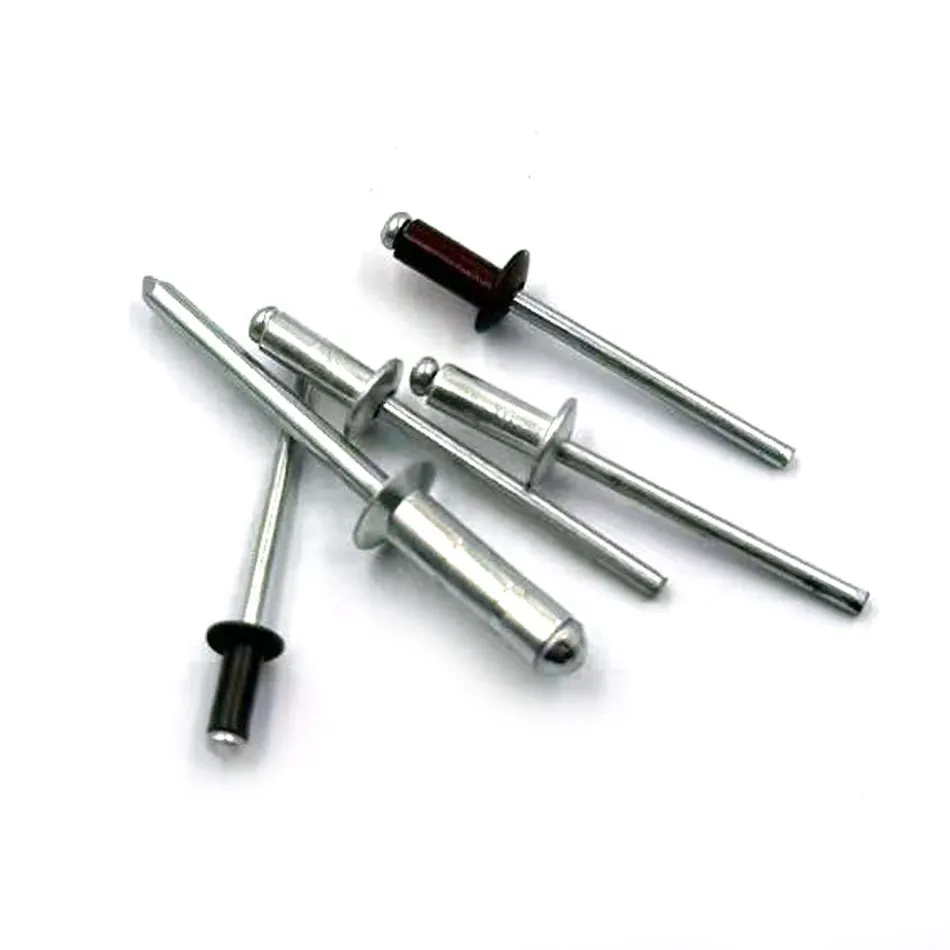 High Quality Factory Direct Supply Pop Blind Rivet Alloy Steel Colored Painted Aluminum Dome Head Class 4.8 and 6.8
- 4mm+Round Head Color Painted Rivets+40 mm
$1.60
MOQ: 10000
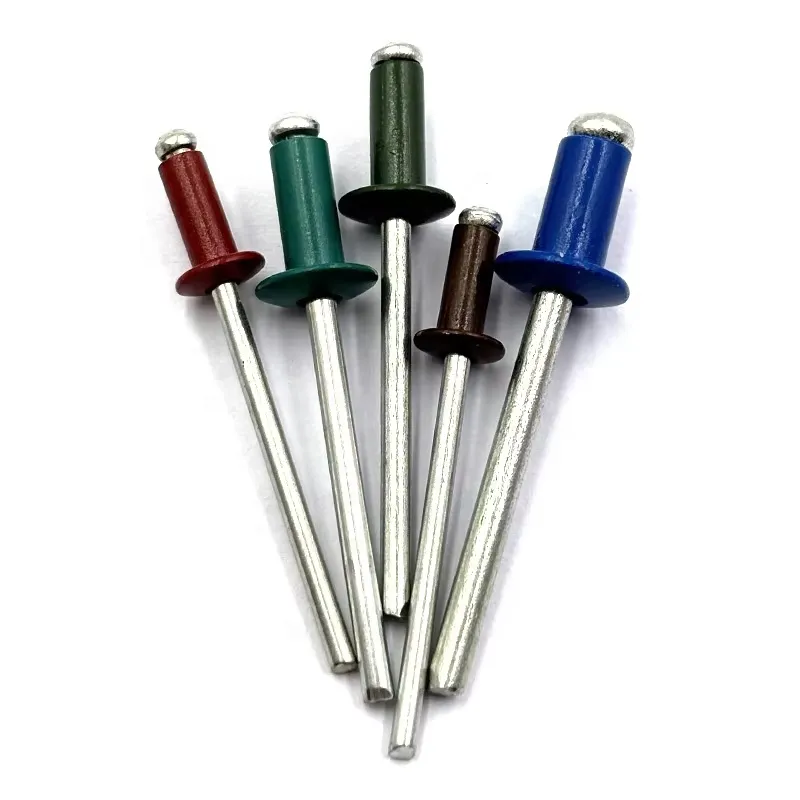 Leading Manufacturer Sale Colorful Painted Blind Rivets Standard Open Dome Head Wholesale Price
- 4mm+blind rivets+38mm
$3.50
MOQ: 1000
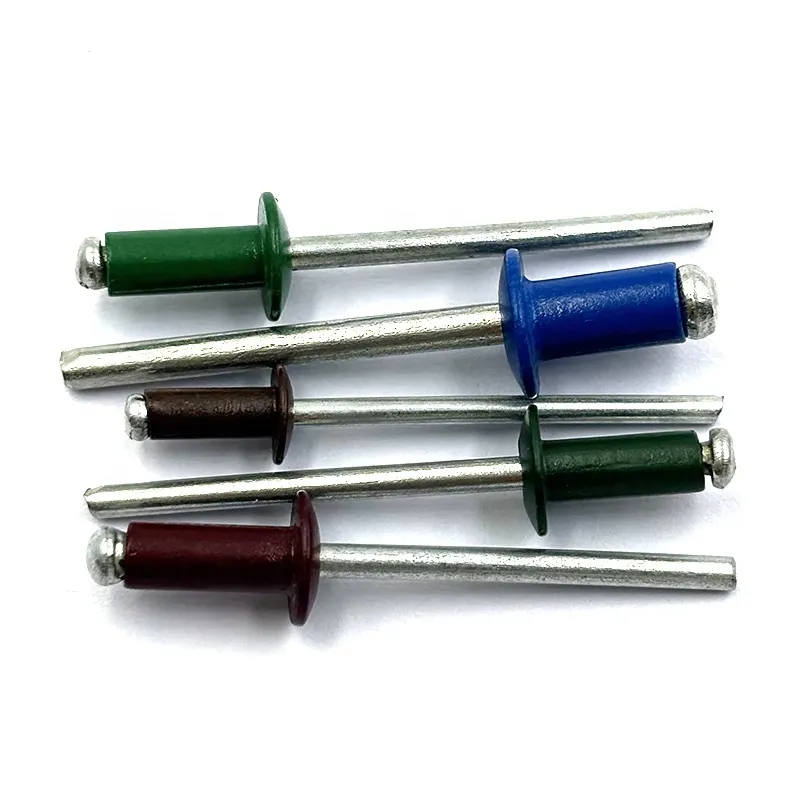 Top Quality Factory Direct Supply Pop Rivets Colored Aluminum Painted Rivets with Aluminum Dome Head China
- 4mm+Round Head Color Painted Rivets+40 mm
$1.60
MOQ: 100
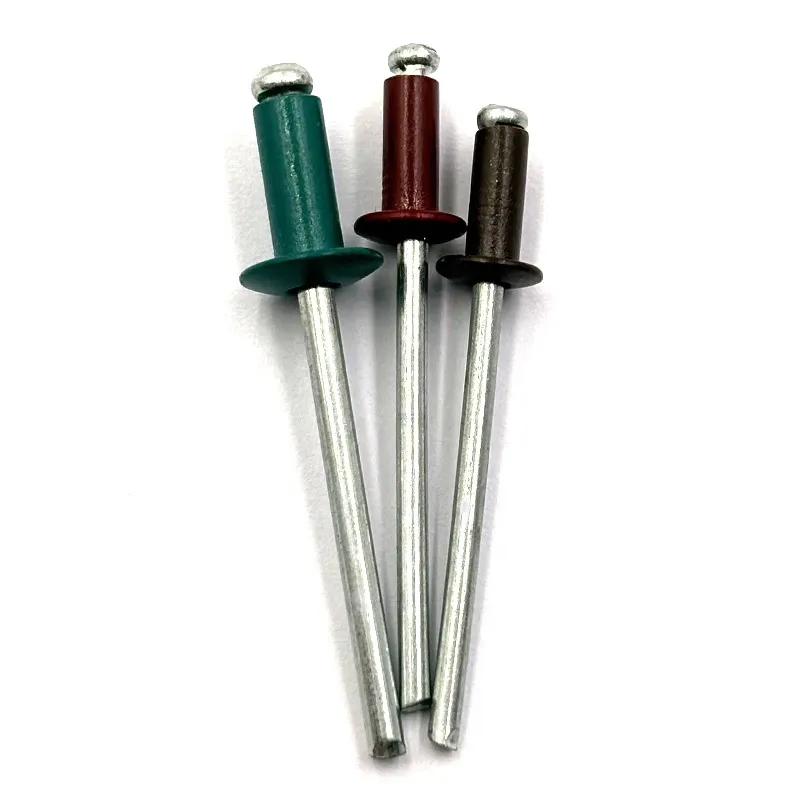 Color Painted Round Head Pop Blind Rivets Stainless Steel Aluminium Factory Direct High Quality
- Round Head Solid Rivets+6mm-40mm+3.2mm
$2.05
MOQ: 200
 High Quality Factory Price D7337 Colored RAL Pop Rivet Blind Rivet Aluminum Waterproof for Construction
- 6mm+Round Head Solid Rivets 1 mm - 8 mm+40 mm
$1.60
MOQ: 1000
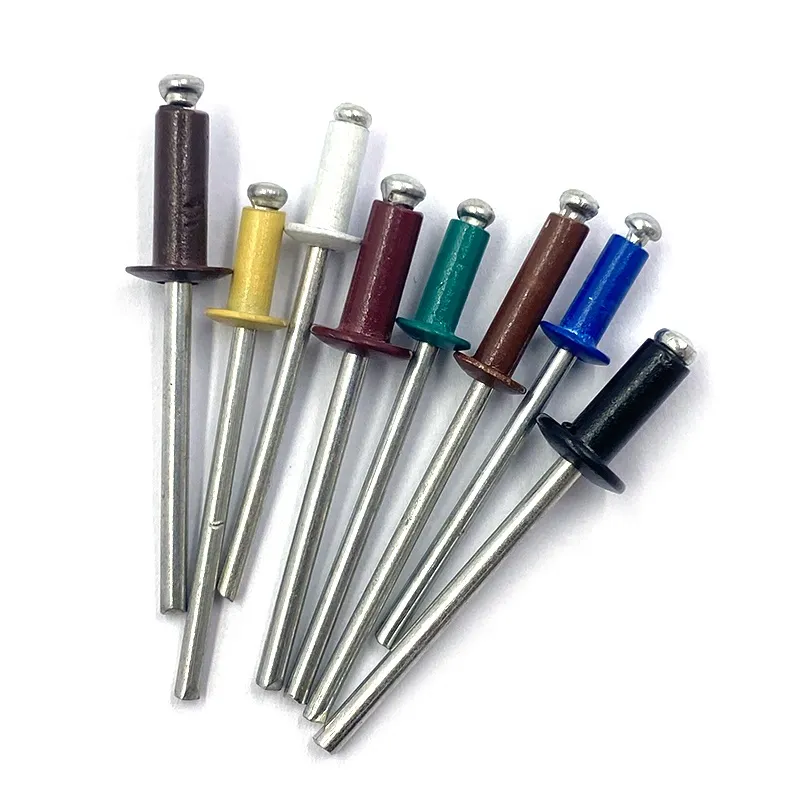 High Quality Pop Blind Aluminum Rivets Factory Supply Painted in Various Colors
- Round Head Solid Rivets 1 mm - 8 mm+6-40mm+3.2mm
$1.90
MOQ: 20
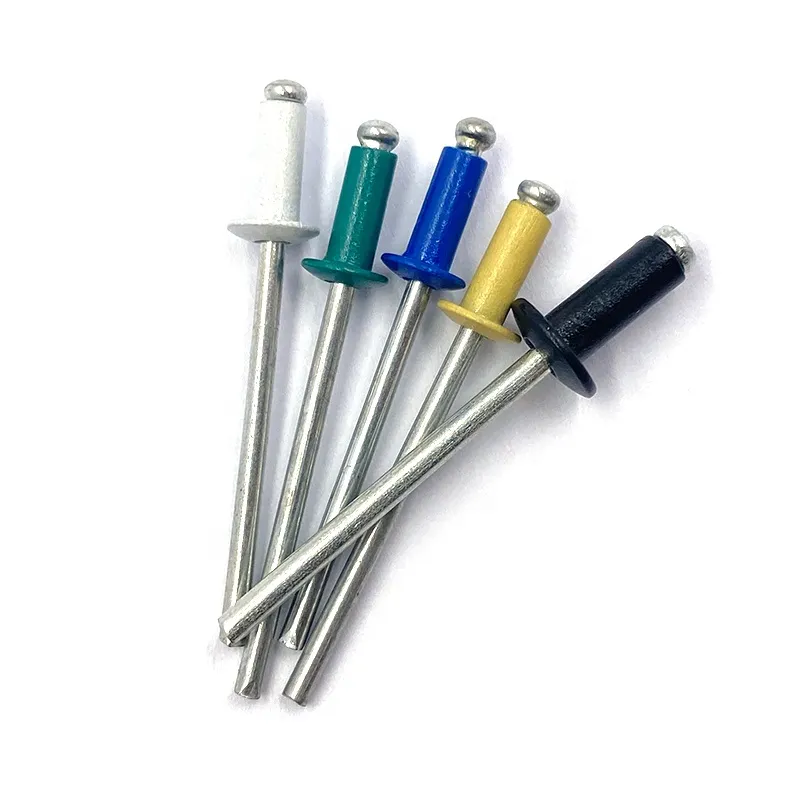 Manufacturer Direct Pop Blind Rivet Aluminium with Color Painted Head Key Features of the Product
- Round Head Solid Rivets 1 mm - 8 mm+6-40mm+3.2mm
$1.90
MOQ: 20
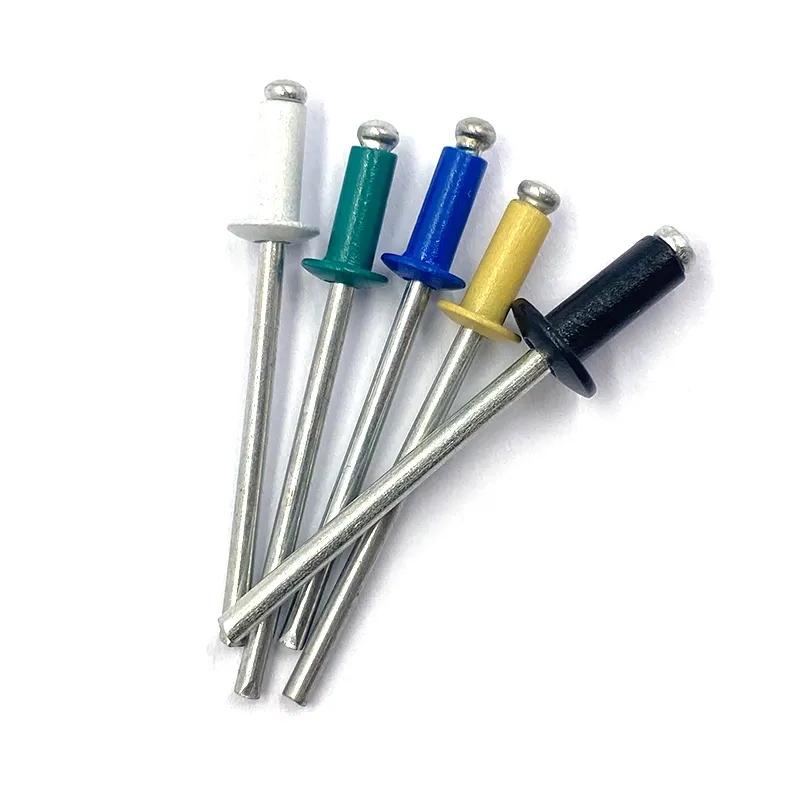 White Coated Blind Rivet, Customizable Color, Direct Sales from China Factory
- 4mm+Round Head Solid Rivets+12mm
$1.20
MOQ: 1000
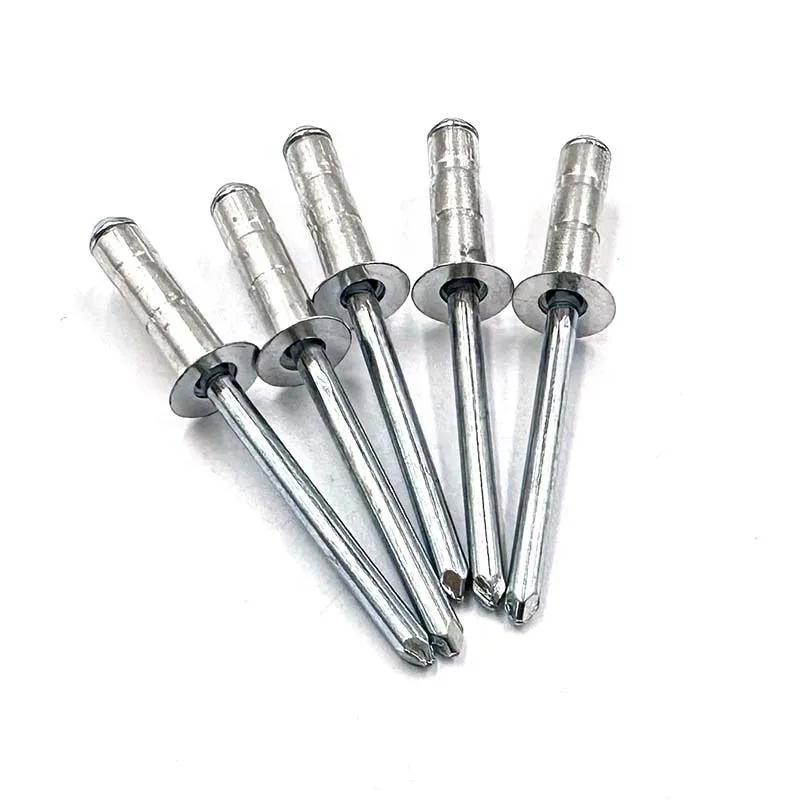 Wholesale Steel Blind Rivet M3 M4 M4.8 M6 Open Dome Circular Head Aluminum Pop Rivets
- Blind Rivet+6mm-40mm+4mm
$8.23
MOQ: 100
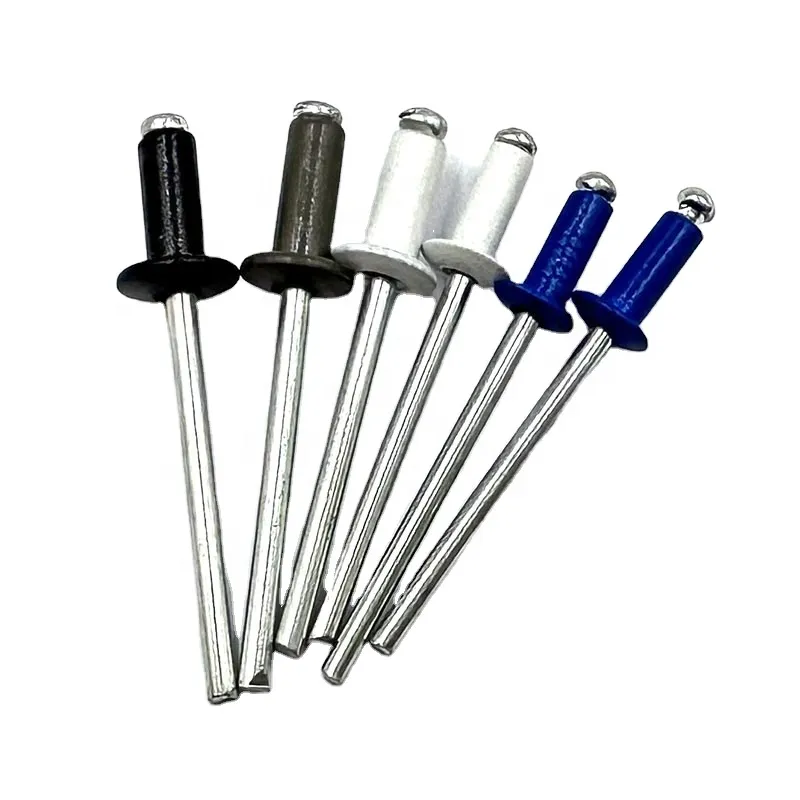 Factory Price Steel Blind Rivets M3 M4 M4.8 M6 Open Dome Head Aluminum Pop Rivets
- Blind Rivet+6mm-40mm+4mm
$8.23
MOQ: 100
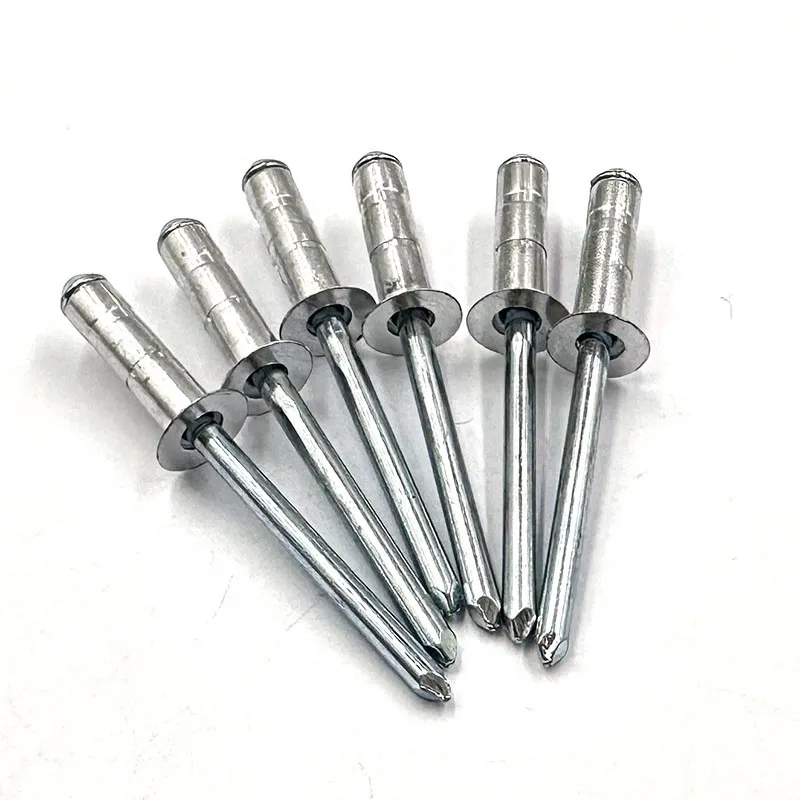 Manufacturers Price Steel Blind Rivet M3 M4 M4.8 M6 Open Dome Head Aluminum Pop Rivets
- Blind Rivet+6mm-40mm+4mm
$8.23
MOQ: 100
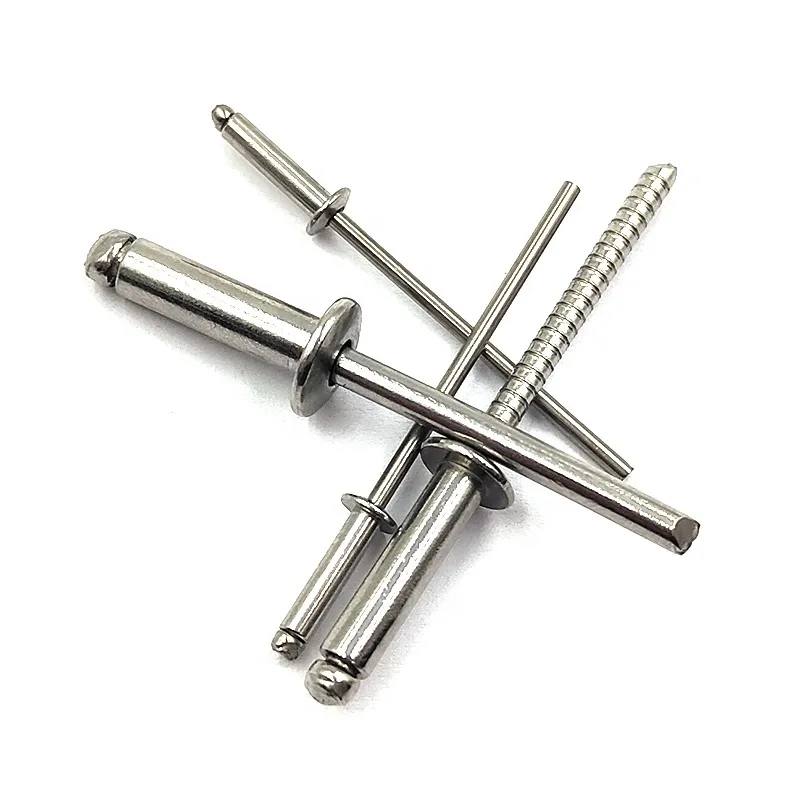 High Strength Factory Direct Steel Aluminium Cup Type Pop Blind Rivet Eco Friendly Free Sample
- 4mm+6mm-40mm+Pan Head Semi-Tubular Rivets
$0.09
MOQ: 1000
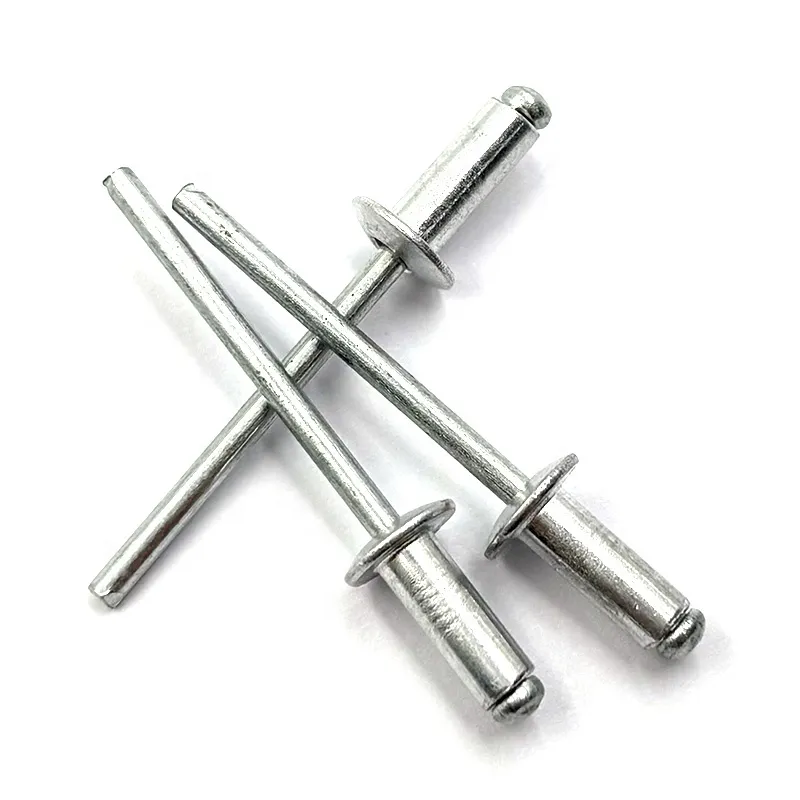 Factory Price Steel Blind Rivets M30 M40 M48 M60 Open Dome Circular Head Aluminum Pop Rivets
- Round Head Solid Rivets+6mm-40mm+3.2mm
$1.60
MOQ: 200
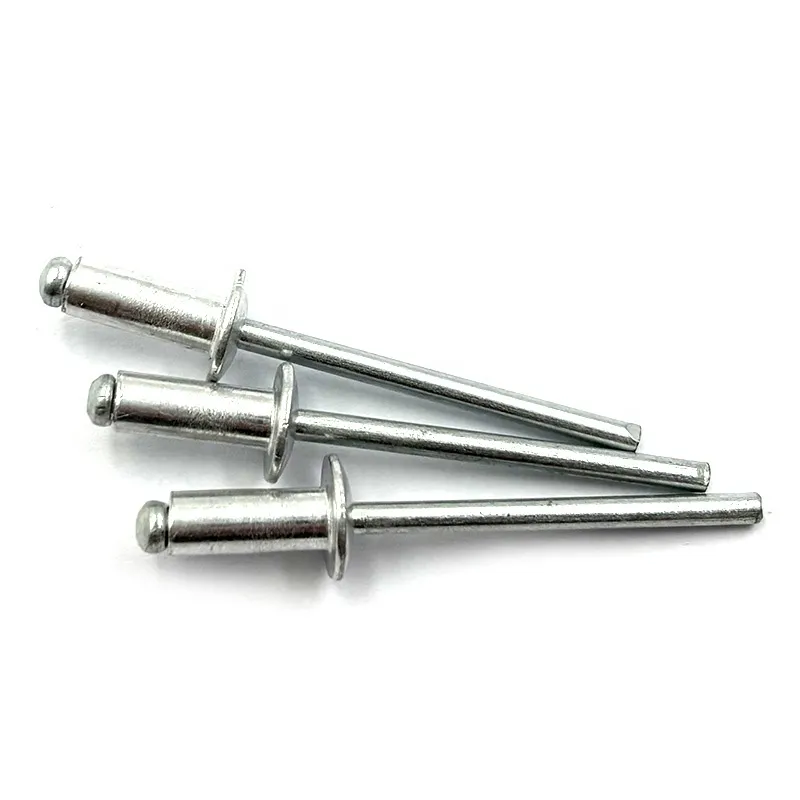 Industrial Grade Steel Aluminum Blind Rivets M30 M40 M48 M60 Open Dome Circular Head Pop Rivets
- Round Head Solid Rivets+6mm-40mm+3.2mm
$1.60
MOQ: 200
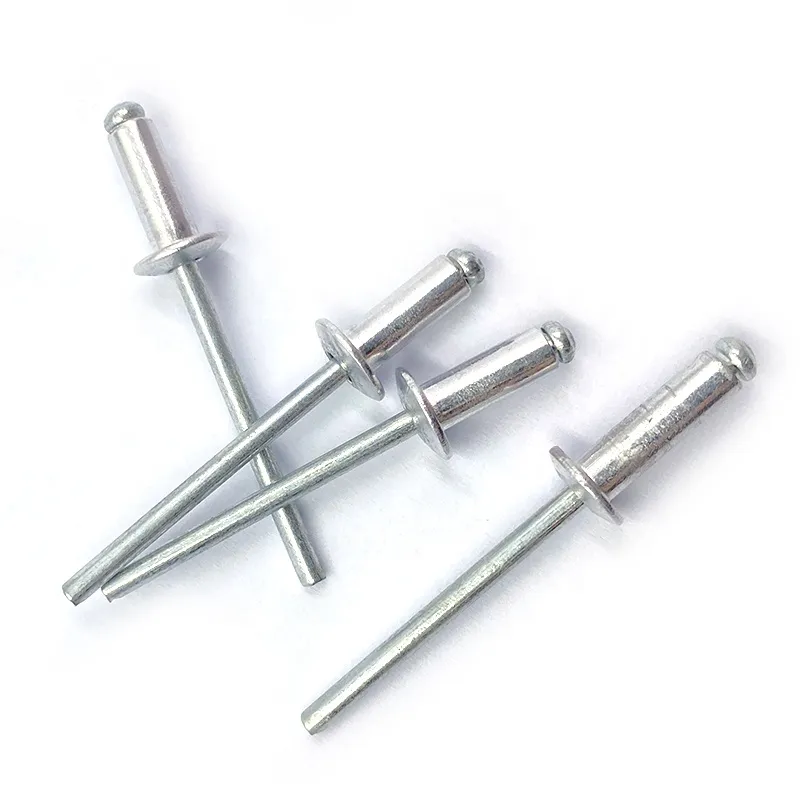 Open Type Heat-Resistant Aluminum Blind Rivets Best Price Hot Sale Closed End with Dome Flat Head
- Round Head Solid Rivets 1 mm - 8 mm+6-40mm+3.2mm
$1.50
MOQ: 20
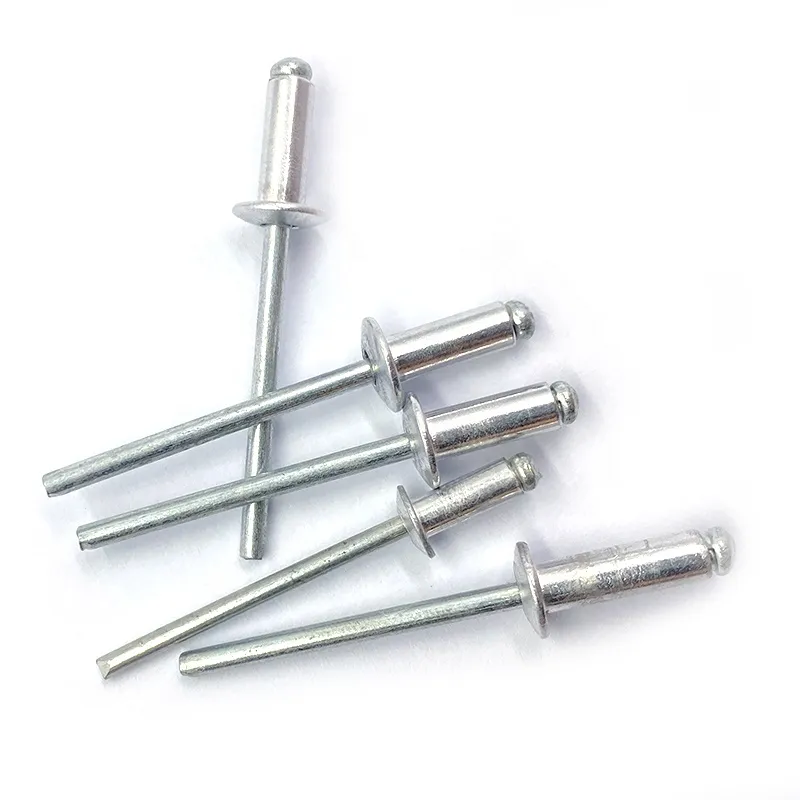 Hot Sale Factory Direct Open End Aluminum Blind Pop Rivets Multiple Sizes Dome Head Design
- Round Head Solid Rivets 1 mm - 8 mm+6-40mm+3.2mm
$1.50
MOQ: 20
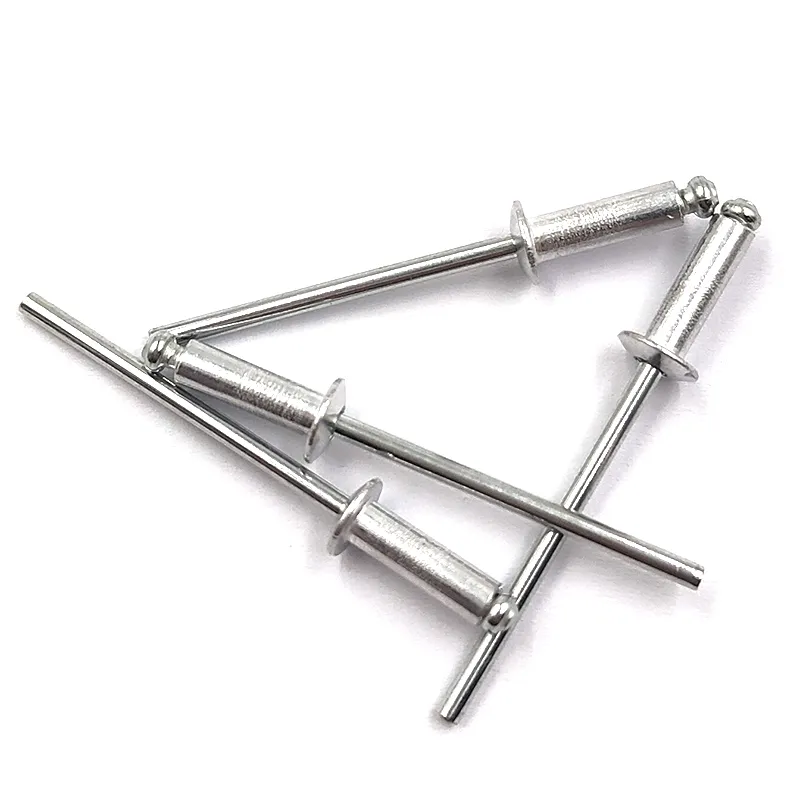 Silver Sturdy Riveter Color Blind Rivet Studs Complete Models Customized
- 4mm+Countersunk Head Blind Rivets+35 mm
$1.25
MOQ: 2000
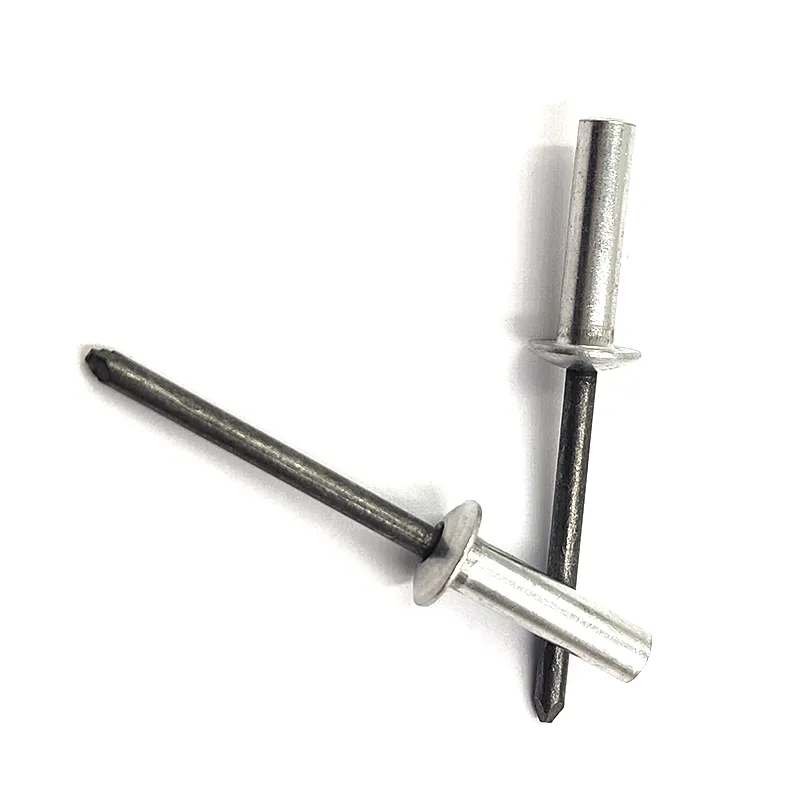 Blind Rivet Big Size Factory Direct Sales Models Complete Customization
- 4mm+Round Head Solid Rivets+12mm
$1.25
MOQ: 1000
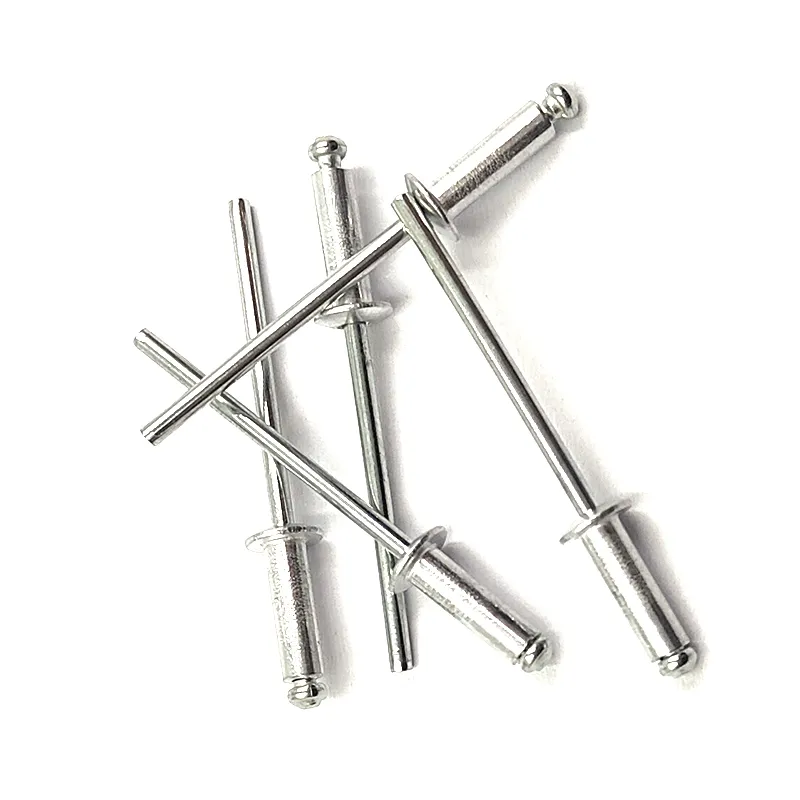 China Factory Anti-Corrosion Rust-Resistant Stainless Steel Blind Rivets Durable Product
- 4mm+Countersunk Head Blind Rivets+12mm
$1.25
MOQ: 1000
About Industrial Blind Rivets & Structural Pop Rivets
Blind rivets—commonly designated as pop rivets—are essential high-speed mechanical fasteners across modern steel building construction, HVAC duct fabrication, automotive body assembly, and architectural metal facade installation. When joining corrugated sheet metal laps, flashing trims, or box profiles where the interior hollow cavity is inaccessible, threaded bolts and nuts are impractical. Blind rivets expand on the blind side via a calibrated pulling mandrel that forms a robust clamping bulb before snapping cleanly at a precision break-neck groove.
Our extensive blind rivet product line encompasses standard open-end dome rivets for general sheet metal assembly, sealed closed-end rivets that provide 100% liquid and vapor tightness against weather penetration, and multi-grip structural locking-mandrel rivets. Structural rivets mechanically lock the mandrel head inside the expanded sleeve, creating high residual clamping force that completely resists vibration loosening and prevents pin rattle under severe cyclic wind uplift loads.
To prevent galvanic corrosion between dissimilar metals, our rivets feature precisely matched sleeve and mandrel metallurgy—such as all-stainless steel assemblies for aggressive chemical atmospheres and aluminum/steel combinations for lightweight cladding. Strict optical sorting and automated dimensional screening ensure jam-free operation in pneumatic rivet guns and high-speed robotic assembly cells worldwide.
Applications
Commercial Logistics Warehouse Metal Roof Lap Riveting
In commercial logistics warehouse metal roof lap riveting, pneumatic rivet gun fastening multi-grip waterproof blind rivets along longitudinal sheet metal laps on a vast commercial logistics warehouse roof. These durable architectural roof and wall cladding profiles provide exceptional corrosion resistance, protecting industrial facilities from severe weather while delivering modern aesthetics.
Insulated Cold Storage Sandwich Panel Flashing Riveting
In insulated cold storage sandwich panel flashing riveting, large flange aluminum blind rivets securing polyurethane sandwich panel corner flashing and drip edge trims on an exterior refrigerated warehouse facade. Engineered for fast-track modular installation, these rigid insulated panels provide structural exterior cladding and hygienic interior partitions complying with international codes.
Commercial Spiral HVAC Ductwork Joint Rivet Fastening
In commercial spiral hvac ductwork joint rivet fastening, high-shear steel blind rivets fastening galvanized sheet metal round duct collar joints inside a modern commercial ventilation workshop. Engineered with specialized corrosion-resistant surface coatings and precision-machined threads, these high-tensile fasteners resist dynamic shear stresses and cyclic vibrations.
Architectural Aluminum Composite Panel Facade Cassette Riveting
In architectural aluminum composite panel facade cassette riveting, countersunk stainless steel blind rivets flush-fastening aluminum composite cladding panels onto extruded curtain wall sub-framing rails. These high-tensile C and Z purlins provide lightweight secondary structural framing across wide bays, supporting heavy corrugated metal roof and wall cladding.
Industrial Transportation Enclosure Trailer Body Riveting
In industrial transportation enclosure trailer body riveting, structural multi-grip blind rivets fastening heavy aluminum side sheets onto roll formed steel upright pillars of a commercial freight cargo trailer. Featuring tight dimensional pitch tolerances and secure locking mechanisms, these structural racking members support multi-tier storage loads safely and reliably.
Technical Overview
| Parameter | Information |
|---|---|
| Rivet Classifications | Open End Blind Rivet, Closed End Sealed Rivet, Multi-Grip Structural Pop Rivet |
| Sleeve Body Materials | Aluminum Alloy 5050/5052, Carbon Steel (Zinc Plated), Stainless Steel 304/316 |
| Pulling Mandrel Materials | High-Tensile Carbon Steel, Stainless Steel 304, High-Strength Aluminum |
| Nominal Diameters | 3.2 mm (1/8"), 4.0 mm (5/32"), 4.8 mm (3/16"), 6.4 mm (1/4") |
| Grip Range Capacity | 1.0 mm – 25.0 mm (accommodates single sheet metal to thick composite panels) |
| Head Geometries Available | Standard Dome Head, Large Flange (Load Spreading), Countersunk 120° |
| Shear Strength Range | 0.9 kN – 12.5 kN (certified per diameter and material alloy grade) |
| Tensile Strength Range | 1.2 kN – 14.8 kN (with permanent mechanical mandrel retention) |
| Surface Corrosion Finish | Electro-Galvanized (Zinc Yellow/Blue 5-12 µm), Dacromet, Passivated Stainless |
| Manufacturing Standards | ISO 15977, ISO 15979, ASTM F593, DIN 7337, CE Certified |
FAQ
What is the primary advantage of blind rivets over traditional nuts and bolts?
Blind rivets can be installed entirely from one side of the workpiece, eliminating the need for backside wrench access inside hollow steel tubes, wall cavities, or enclosed ductwork.
What is the difference between open-end blind rivets and closed-end sealed rivets?
Open-end rivets leave a small hollow through-hole after the mandrel snaps, while closed-end rivets feature a seamless cup body that seals the mandrel core, providing complete waterproof and pressure-tight performance.
How do multi-grip structural rivets handle varying sheet metal stack thicknesses?
Multi-grip rivets expand uniformly over a broad grip range (e.g. 1.5 mm to 6.5 mm), allowing a single rivet size to replace multiple standard rivet lengths while accommodating panel thickness variations.
What mandrel and body combinations prevent galvanic corrosion on galvanized steel?
Zinc-plated carbon steel rivet bodies with high-tensile steel mandrels or passivated 304 stainless steel rivets are recommended for galvanized or prepainted steel sheets to prevent galvanic corrosion.
How is proper hole diameter tolerance maintained for reliable rivet installation?
Drilled holes should strictly adhere to manufacturer tolerances (nominal rivet diameter +0.1 mm to +0.2 mm); oversized holes cause loose bulbs and reduced shear strength, while undersized holes prevent insertion.
What mechanism prevents the mandrel pin from vibrating out of structural rivets?
Structural rivets feature an internal positive mechanical mandrel-locking groove that swages the sleeve metal around the mandrel head, permanently locking it in place against intense vibration.
Can structural blind rivets replace self-drilling screws in cyclone-prone roof zones?
Yes, structural multi-grip blind rivets offer superior shear strength and vibration resistance compared to screws in thin sheet laps, eliminating thread strip-out risks during hurricane wind cycling.