Global B2B Roll Forming Sourcing Platform | Free RFQ Response within 24h

- Tuo AI

- Live

- My Account
- Shopping Cart
- Inquiry Basket
- Contact Us
- Back to Top




Downspout Elbows & Directional Pipe Bends for Drainage
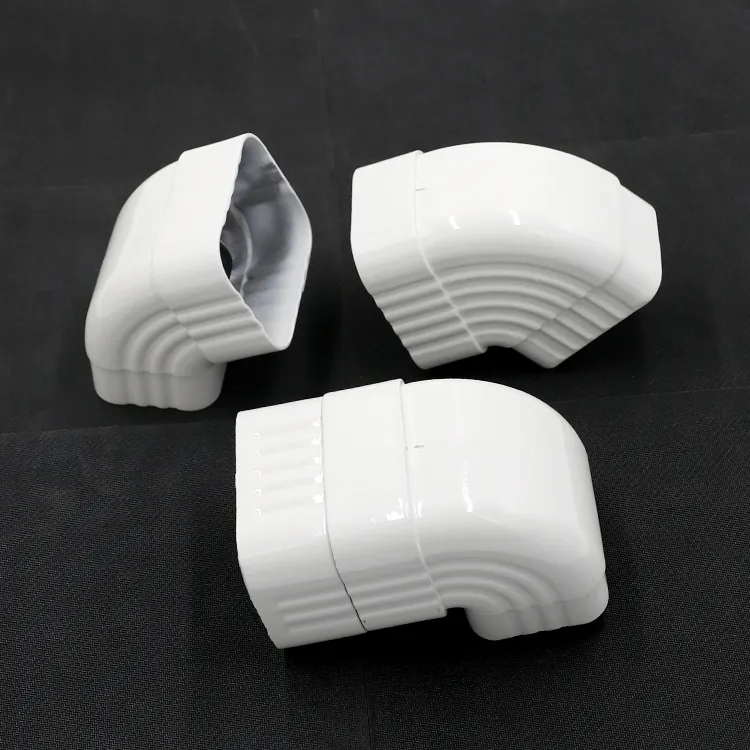
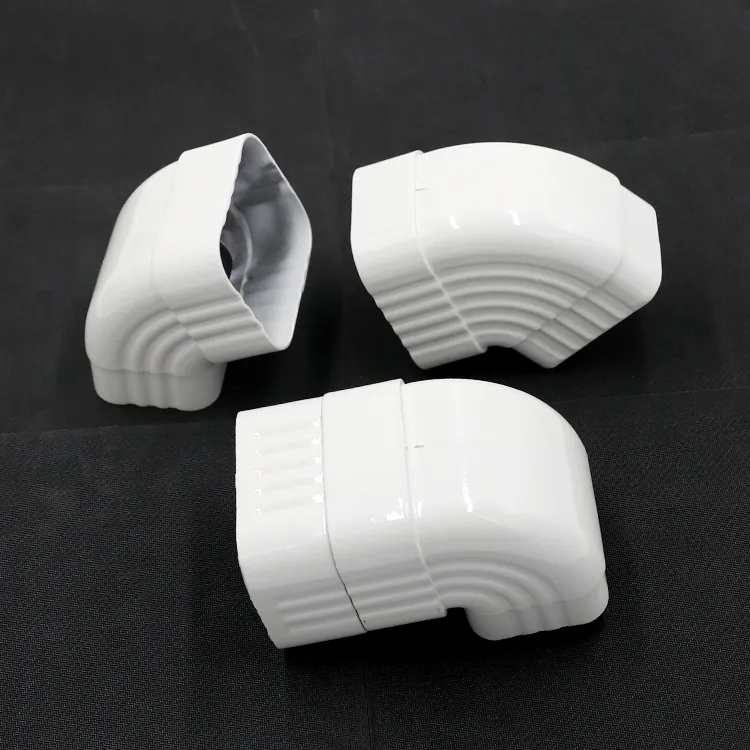
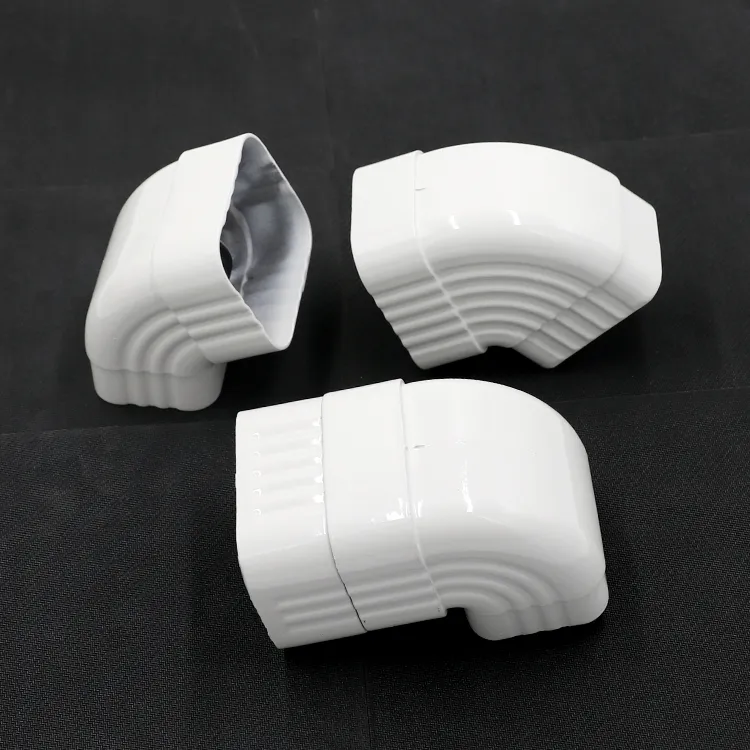
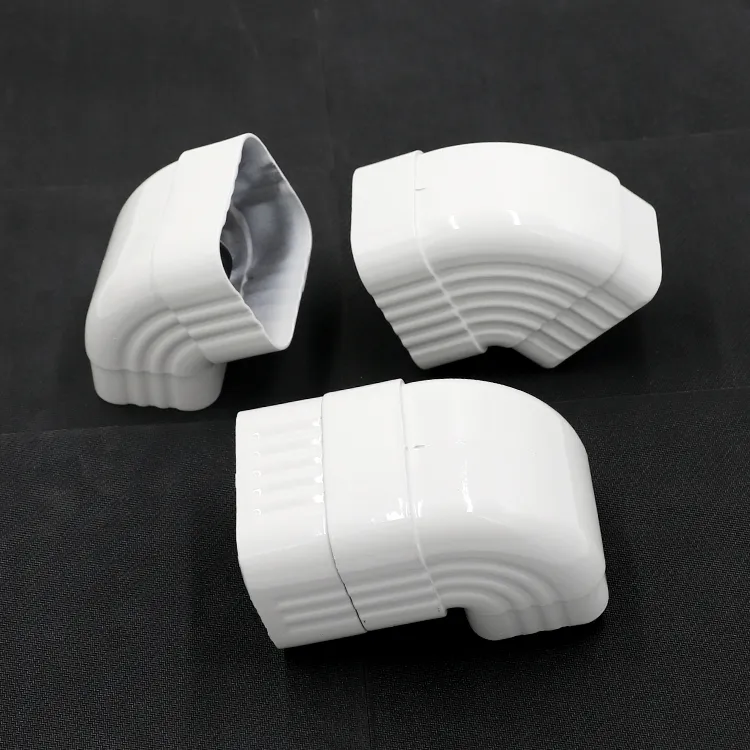
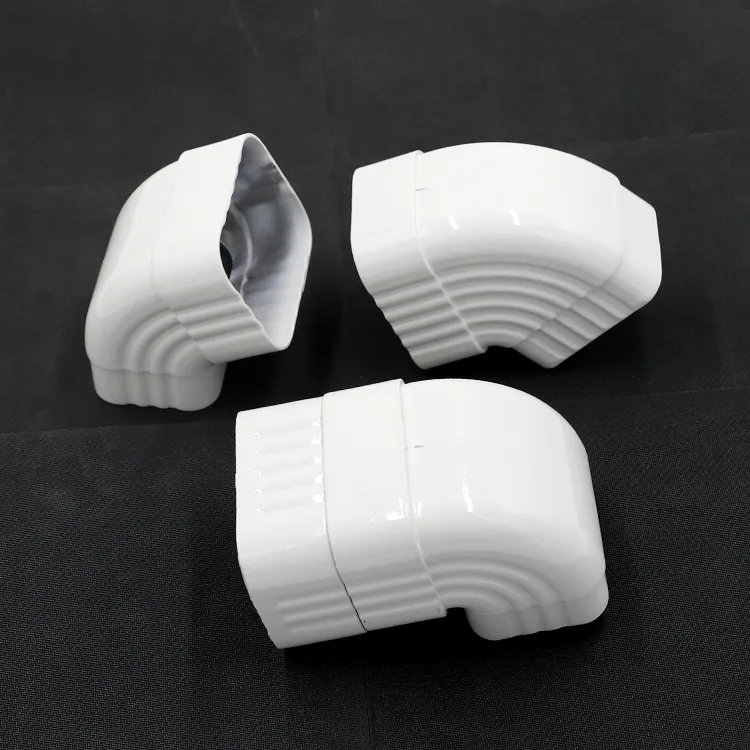
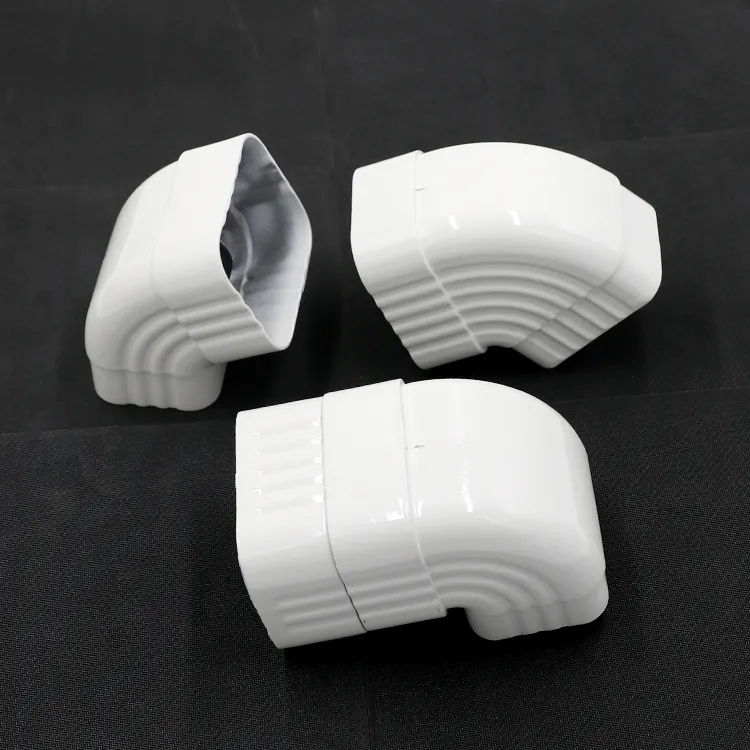
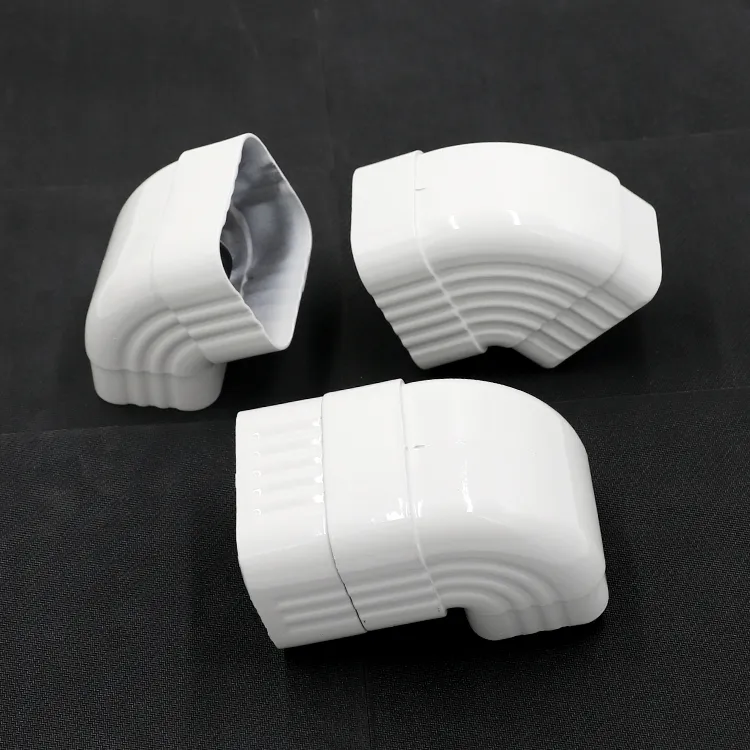
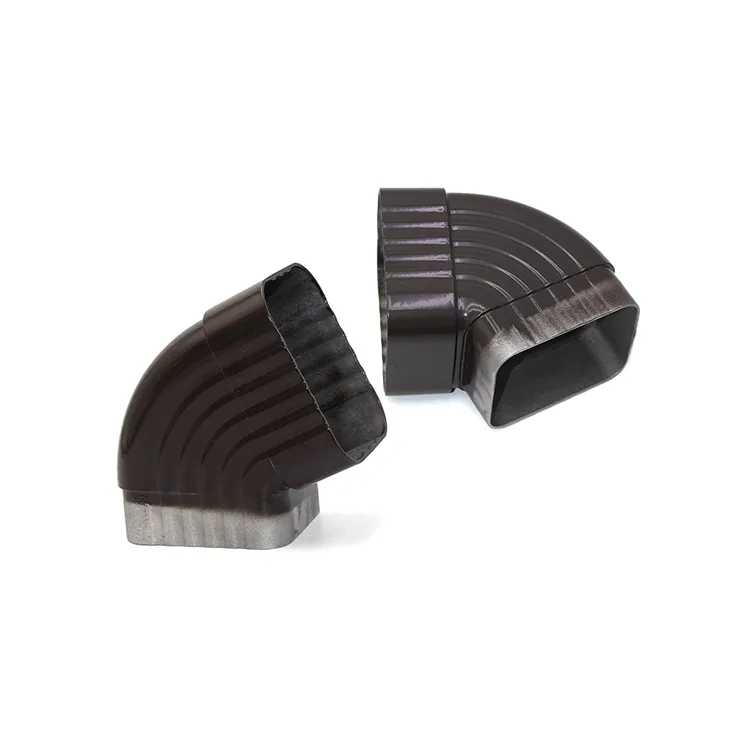
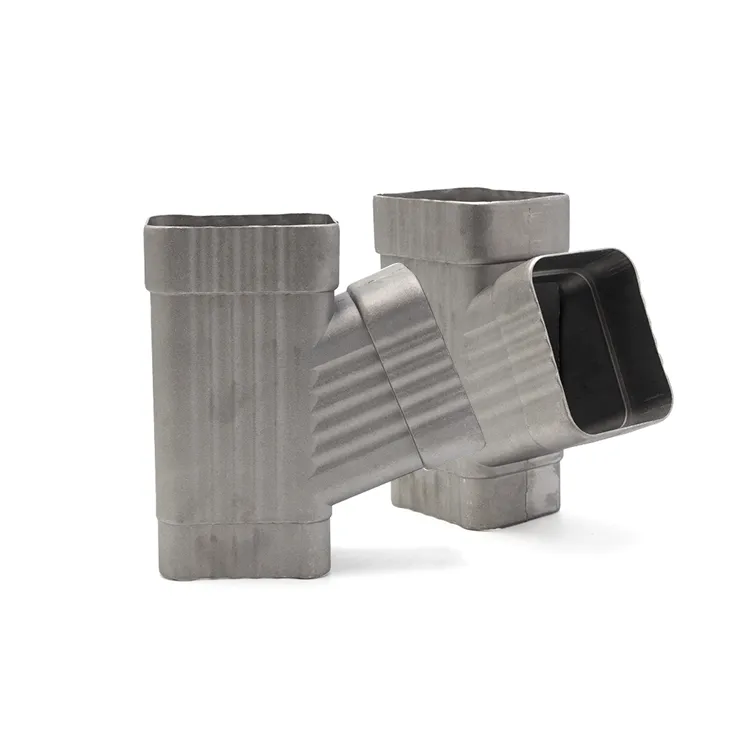
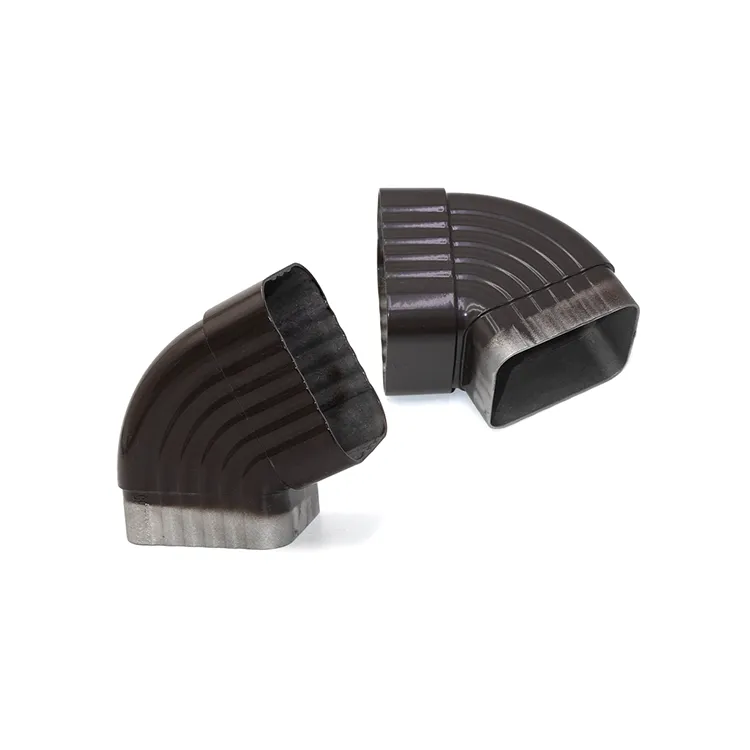
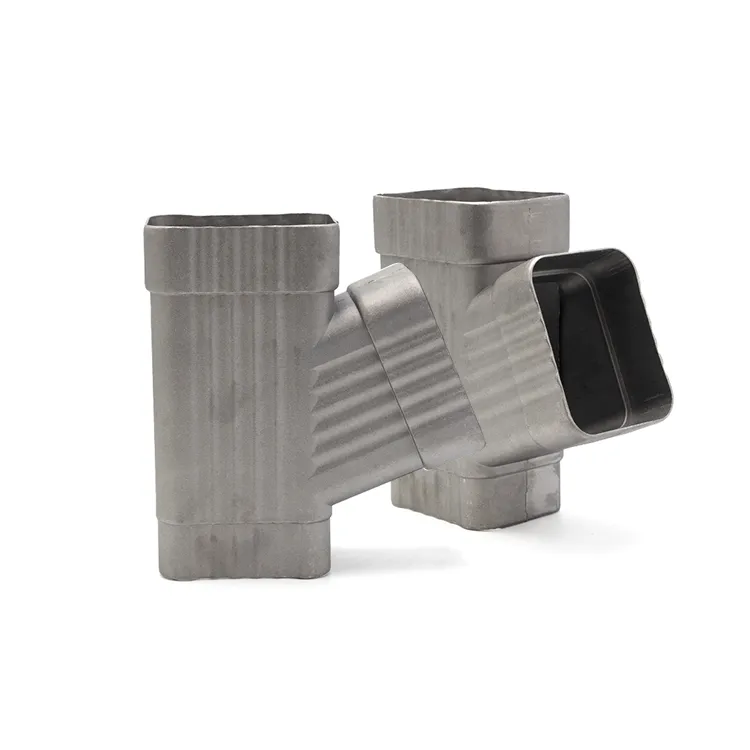
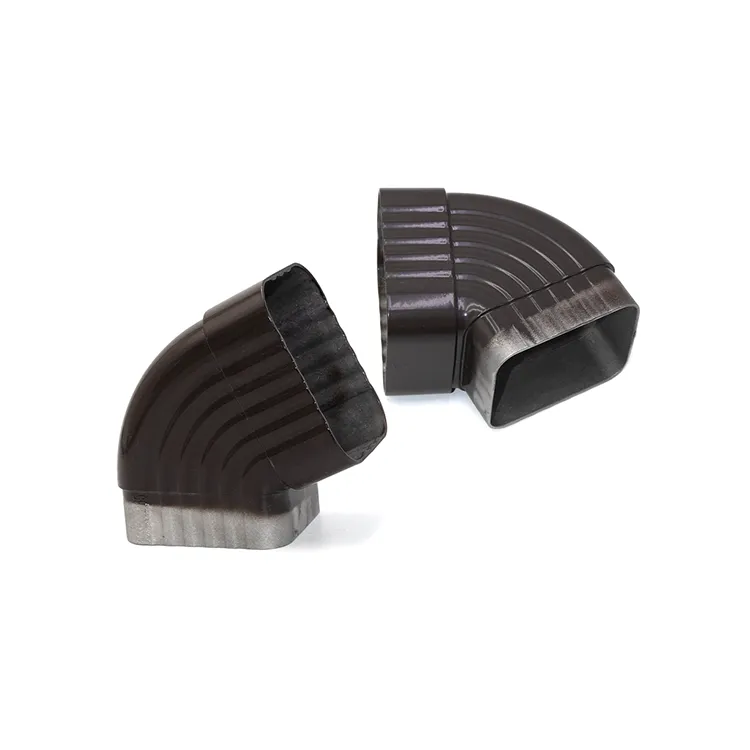
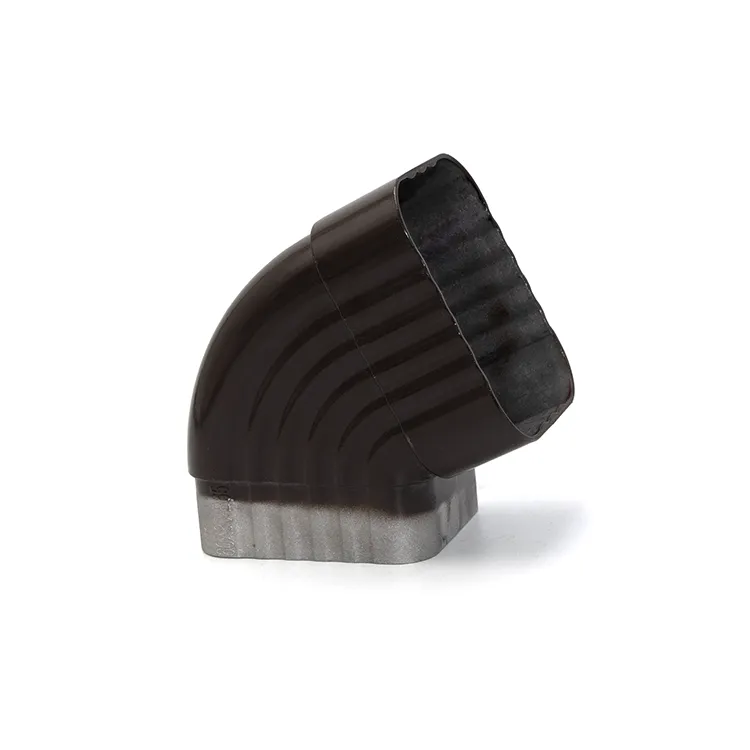
Downspout elbows provide precision-formed directional transitions for vertical rainwater drainage conduits, navigating roof overhang soffits, masonry wall ledges, and foundation ground grading. Available in Style A (front bend) and Style B (side bend) configurations at 45°, 75°, and 90° angles, our elbows are stamped from high-strength aluminum alloy, hot-dip galvanized steel, and architectural copper. Featuring ribbed crimped slip collars and smooth interior hydraulic curvatures, they ensure snug, leak-free telescoping fits into mating downspout pipes. Engineered to resist freeze-thaw splitting and heavy stormwater impact, our elbows safeguard building exteriors from foundation erosion.
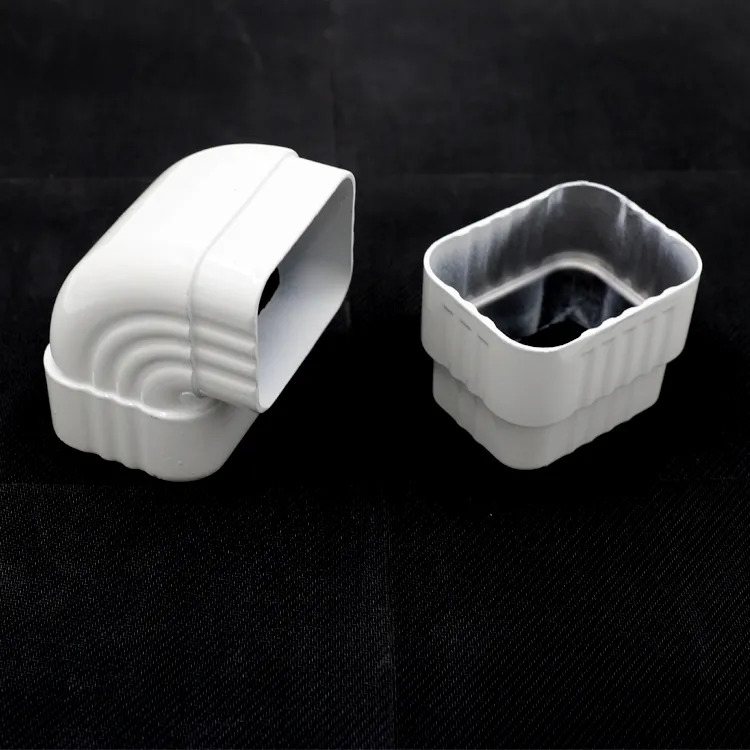 5"/6"/7" 90 Degree Elbow Rain Gutter Downspout Elbow
- Aluminum Alloy
$1.90
MOQ: 1000
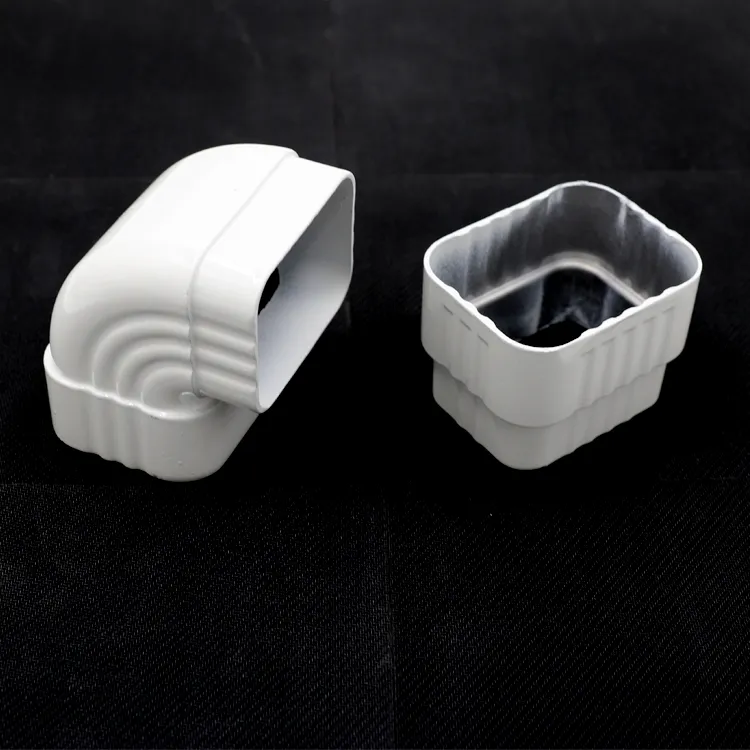 Rainwater Drainage System 2x3 Aluminum Downspout Elbow
- Custom Products
$1.90
MOQ: 1000
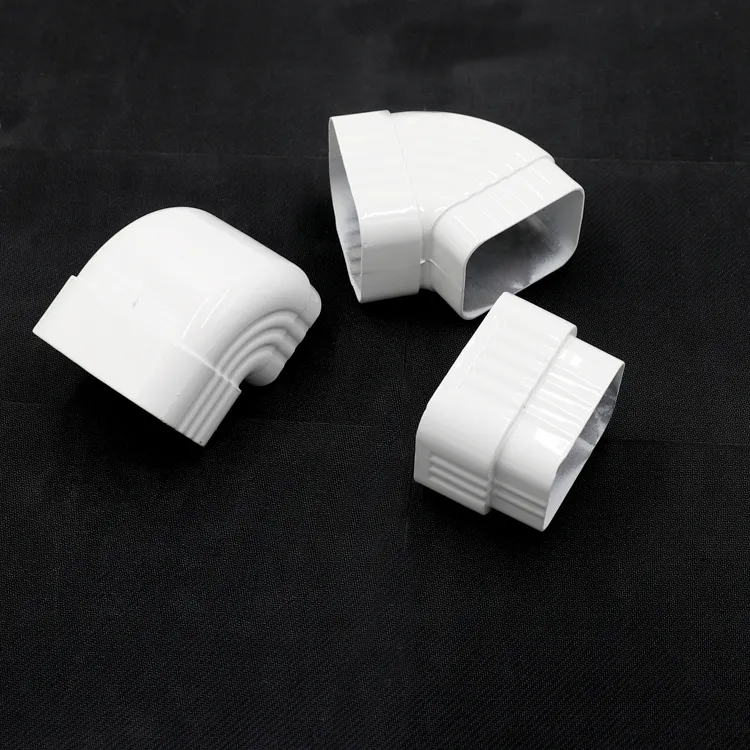
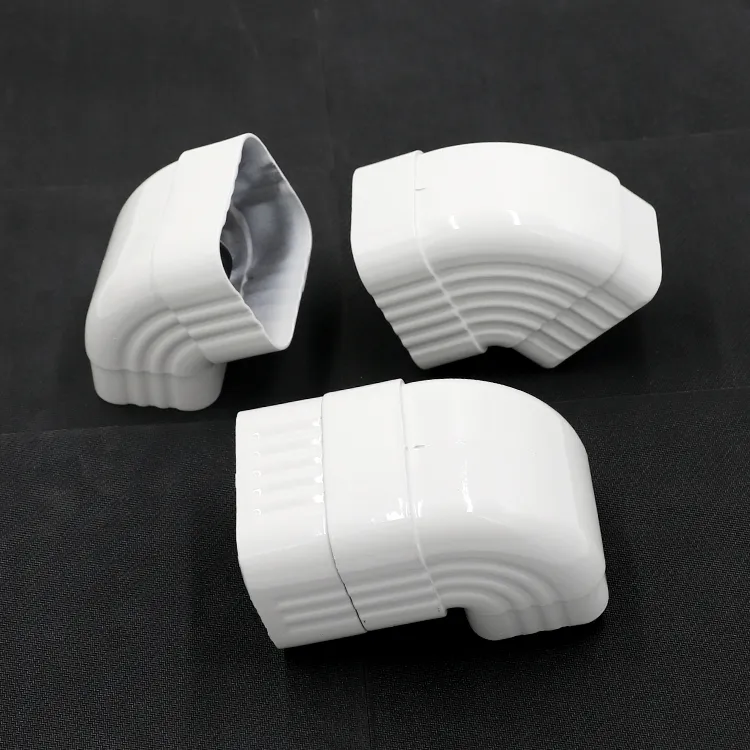
About Downspout Elbows & Directional Pipe Bends for Drainage
Vertical rainwater downspouts rarely descend from roof eaves to ground level in a straight, uninterrupted vertical line. Architectural fascia boards extend past exterior wall planes, masonry water tables create foundation offsets, and grade drainage systems require directional kick-outs. Downspout elbows serve as the essential directional joints that route stormwater gracefully around these architectural projections while preventing high-velocity water splashing against building facades.
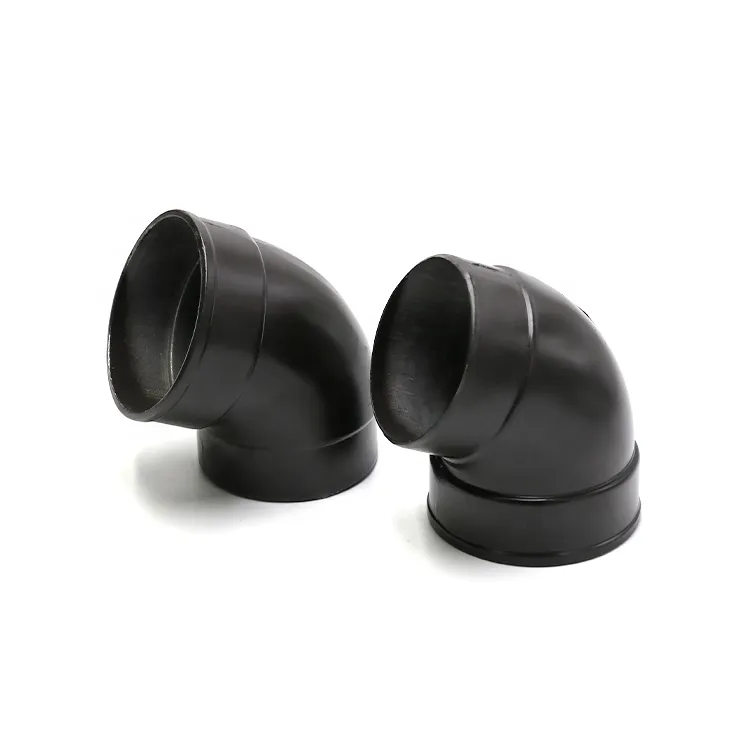
Our precision elbows are manufactured in two distinct orientations: Style A elbows bend forward or backward across the wide face of rectangular pipes, making them ideal for bridging soffits from eave gutters back to wall surfaces; Style B elbows bend across the narrow side face, perfect for turning downspouts around building corners and chimneys. For round downspout systems, smooth two-piece welded and corrugated one-piece elbows provide laminar, vortex-free flow transitions that resist leaf clogging.
Stamped with precision multi-stage roll forming dies, each elbow features one expanded female receiving socket and one tapered, multi-crimp male insertion collar. This precision geometry ensures tight friction-locked slip joints that direct water downward inside the pipe rather than leaking through seams. Finished with factory-baked PVDF or polyester coatings, they endure decades of thermal expansion without seam splitting.
Applications
Residential Soffit Fascia Downspout Style A Offset Elbow Assembly
In residential soffit fascia downspout style a offset elbow assembly, white aluminum 75-degree Style A downspout elbows bridging an eave overhang back to exterior brick siding on a suburban two-story home. These durable rainwater profiles integrate seamlessly with modern rooflines, providing long-term weather-tight drainage performance and protecting buildings from moisture intrusion.
Commercial Parapet Wall Foundation Ledge Downspout Elbow Transition
In commercial parapet wall foundation ledge downspout elbow transition, heavy 3x4-inch dark bronze aluminum elbows navigating an architectural stone water table ledge on an executive commercial office building. Featuring high-capacity hydraulic cross-sections and corrosion-resistant coatings, these roll-formed rainwater components channel heavy storm runoff away from exterior building foundations.
Half-Round European Copper Downspout Seamless 72-Degree Elbow
In half-round european copper downspout seamless 72-degree elbow, artisan-crafted round seamless copper elbows connecting eave gutter outlets into vertical fluted copper pipes on a historic stone cathedral. Engineered with leak-proof interlocking joints and precision fittings, these architectural drainage profiles ensure smooth water flow and prevent roof fascia rot.
Industrial Warehouse Heavy-Gauge Square Downspout Discharge Elbow
In industrial warehouse heavy-gauge square downspout discharge elbow, galvanized steel 90-degree square downspout elbows creating base discharge kickouts onto concrete splash blocks on an industrial warehouse. These durable rainwater profiles integrate seamlessly with modern rooflines, providing long-term weather-tight drainage performance and protecting buildings from moisture intrusion.
Multi-Family Residential Downspout Rain Barrel Diverter Elbow Connection
In multi-family residential downspout rain barrel diverter elbow connection, aluminum Style B elbows routing rainwater runoff into an eco-friendly rainwater harvesting barrel system on a residential garden patio. Featuring high-capacity hydraulic cross-sections and corrosion-resistant coatings, these roll-formed rainwater components channel heavy storm runoff away from exterior building foundations.
Technical Overview
| Parameter | Information |
|---|---|
| Elbow Bend Styles | Style A (Wide Face Bend), Style B (Side Face Bend), Round Corrugated Bend, Round Smooth Bend |
| Standard Bend Angles | 45°, 75°, 90° (engineered for optimized soffit offset and discharge throw) |
| Applicable Pipe Dimensions | 2"x3", 3"x4", 4"x5" Rectangular; Ø 75 mm, Ø 100 mm, Ø 150 mm Round |
| Material Options Available | Aluminum Alloy (3003-H14), Hot-Dip Galvanized Steel, Architectural Copper (16 oz) |
| Material Thickness Range | 0.6 mm – 1.0 mm (high-rigidity precision stamping) |
| Surface Finishing / Coating | Baked Polyester Powder Coat, Fluorocarbon PVDF, Galvanized, Natural Copper |
| End Joint Connections | Multi-Ribbed Crimped Male Insertion End & Expanded Smooth Female Socket |
| Seam Construction Type | Interlocking Mechanical Lockseam (welded seams on heavy commercial versions) |
| Operating Temperature Range | -40°C to +85°C (resistant to freeze-thaw cyclic expansion) |
| Quality & Manufacturing Standards | ISO 9001, ASTM B209, CE Certified |
FAQ
What is the difference between a Style A downspout elbow and a Style B elbow?
A Style A elbow bends across the wide face of rectangular downspout pipe (front to back), while a Style B elbow bends across the narrow face (side to side) to navigate corners.
What bend angles are most commonly used in residential and commercial drainage?
The 75-degree elbow is the most popular angle for bridging soffits from gutters back to exterior walls; 90-degree elbows are used for sharp offsets and ground discharge kickouts; 45-degree elbows provide gentle slope transitions.
How do corrugated elbows compare with smooth seamless downspout elbows?
Corrugated elbows have ribbed accordion folds that provide higher crush resistance and flexible bend tolerances; smooth elbows offer sleek architectural aesthetics and lower hydraulic friction.
What downspout dimensions do these elbows accommodate?
We manufacture elbows for 2x3-inch and 3x4-inch standard residential downspouts, 4x5-inch commercial rectangular downspouts, and 3-inch, 4-inch, and 6-inch round downspout pipes.
How do installers assemble downspout elbows to prevent joint water leakage?
The crimped male end of the upper component must always insert downward inside the female socket of the lower component, ensuring gravity pulls water past the joint without leaking.
What materials are used to ensure long-term outdoor corrosion resistance?
Elbows are stamped from aluminum (3003-H14) with factory coil-coated finishes, heavy-gauge galvanized steel (Z275), or 16 oz copper, matching seamless downspout lines perfectly.
Can downspout elbows withstand expanding ice plugs during freezing winter months?
Yes, our corrugated elbows utilize interlocking rolled lockseams engineered to flex slightly under hydrostatic freezing pressure, preventing seam rupture during winter freeze-thaw cycles.