Global B2B Roll Forming Sourcing Platform | Free RFQ Response within 24h

- Tuo AI

- Live

- My Account
- Shopping Cart
- Inquiry Basket
- Contact Us
- Back to Top




Industrial Steam Traps, Pipeline Strainers & Valves
Industrial steam traps, pipeline Y-strainers, spring-loaded safety relief valves, heavy forged steel pipe fittings, and flexible metallic bellows expansion joints provide the essential thermal fluid circulation control, condensate evacuation, foreign particle filtration, overpressure safety, and thermal expansion compensation powering heated continuous sandwich panel double-belt presses. Engineered to handle high-pressure saturated steam and high-temperature thermal oils up to 250°C and 40 bar pressure, our industrial valve and piping consumables ensure uncompromised thermal consistency and plant safety conforming to ASME B16.34, EN 12516, and ISO standards.
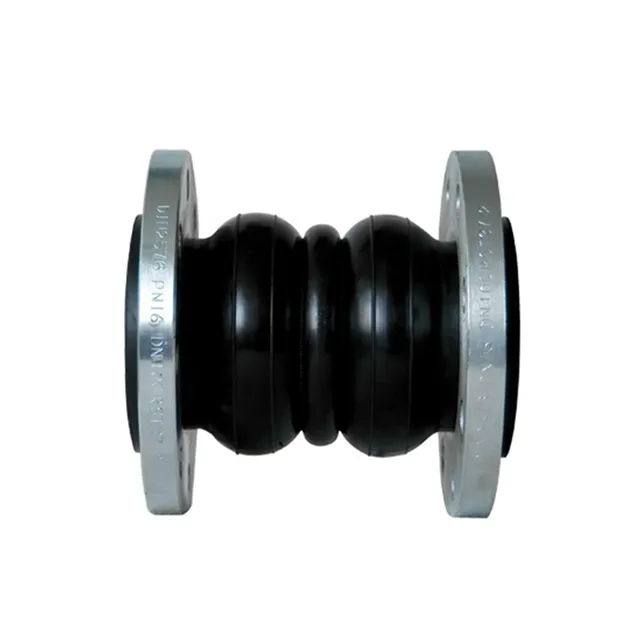
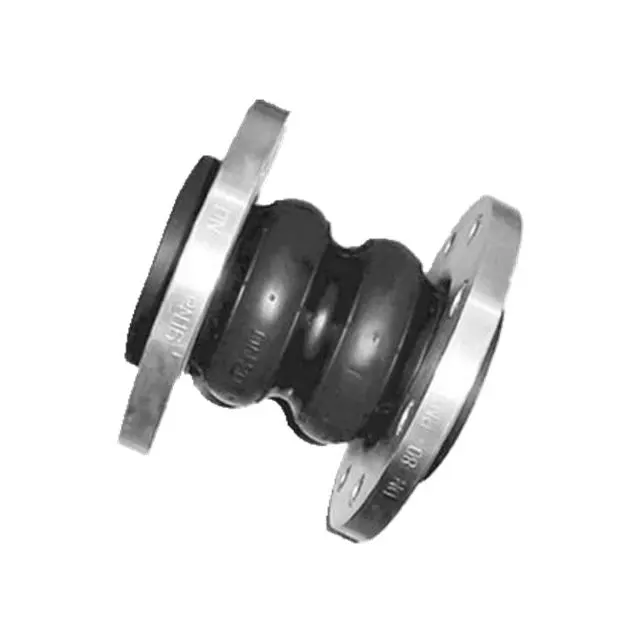 Double-Sphere Flanged Rubber Expansion Joints with Smooth Surface PN16 Pressure Model Number 'Head'
- joint+DN50-DN300+EPDM, NBR, NEOPRENE HYPLON
$36.00
MOQ: 10
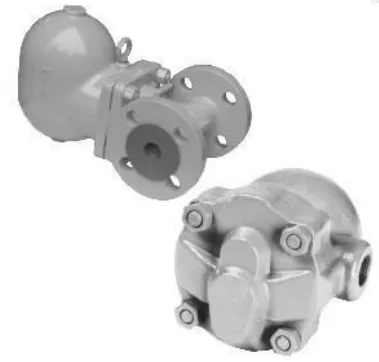
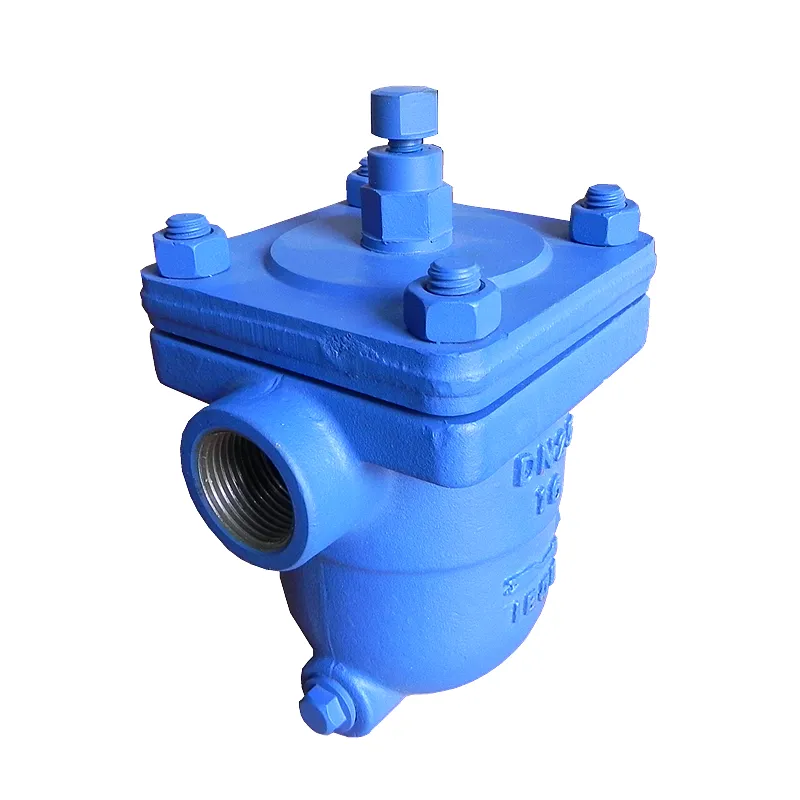 China Factory Price Cast Steel Flanged Inverted Bucket Steam Trap
- Casting+Low Pressure+1 in(2.54cm)
$60.00
MOQ: 10
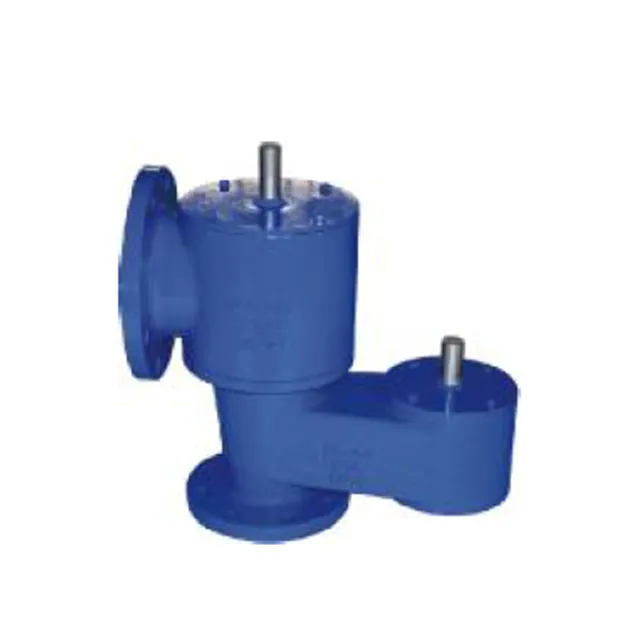 7120/8120 Series Pressure/Vacuum Relief Valve Pipe Away
- Medium Pressure+1 in(2.54cm)+Stainless Steel
$15.00
MOQ: 5
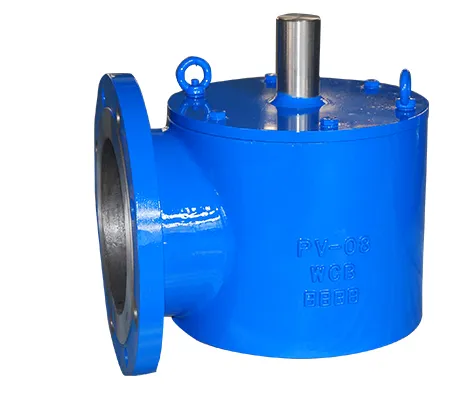 7110/8110 Series Pressure/Vacuum Relief Valve Vent to Atmosphere for Tanks
- Medium Pressure+1 in(2.54cm)+Stainless Steel
$15.00
MOQ: 5
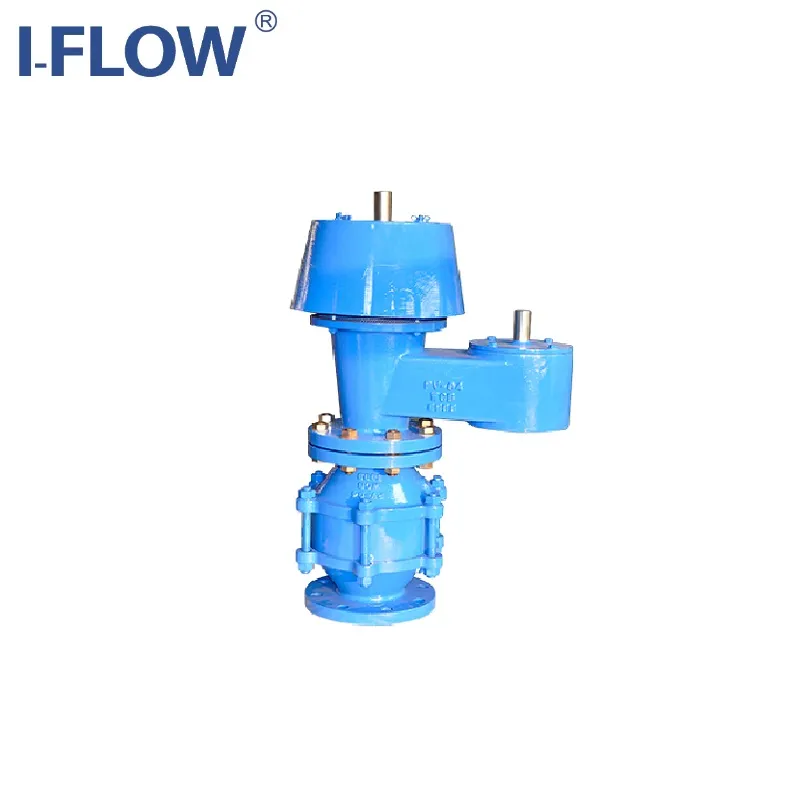 Flame Arrestor Valve Pressure Vacuum Safety Relief Valve With 4inch Flanged RF 150LB
- WCB+4inch(10.16cm)+High Pressure
$75.00
MOQ: 10
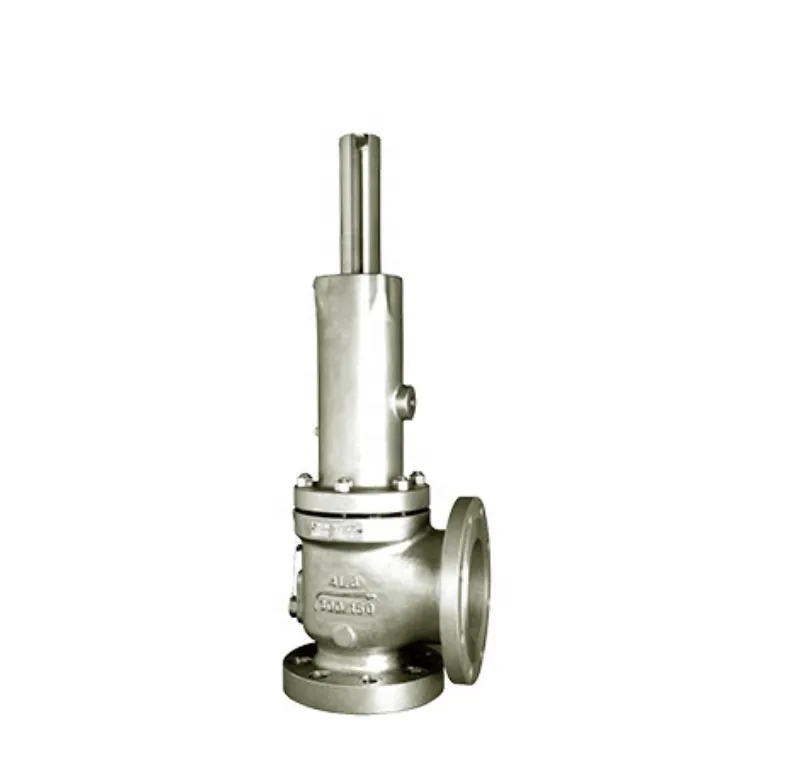 ASME Spring Safety Relief Valve Safety Valve for GAS HFO Series China Manufacturer
- Casting+1/4 in+High Pressure
$75.00
MOQ: 5
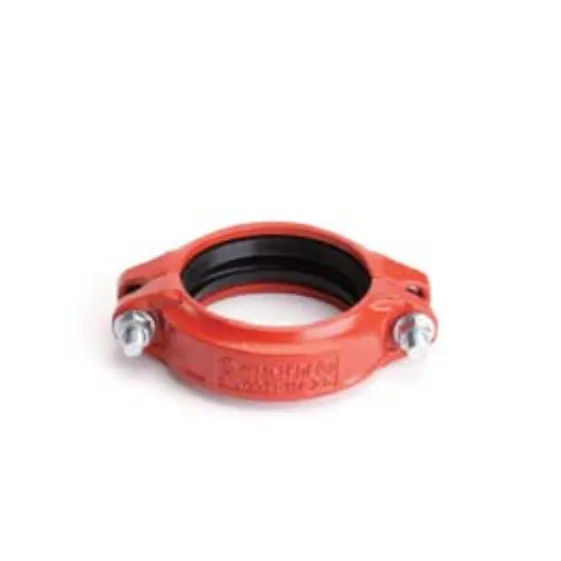 Grooved Rigid Coupling Pipe Fitting Fire Sprinkler Pipe Fittings Ductile Iron Cast Iron Coupling-sockets
- Elbow+10mm-50mm+Stainless Steel
$5.00
MOQ: 100
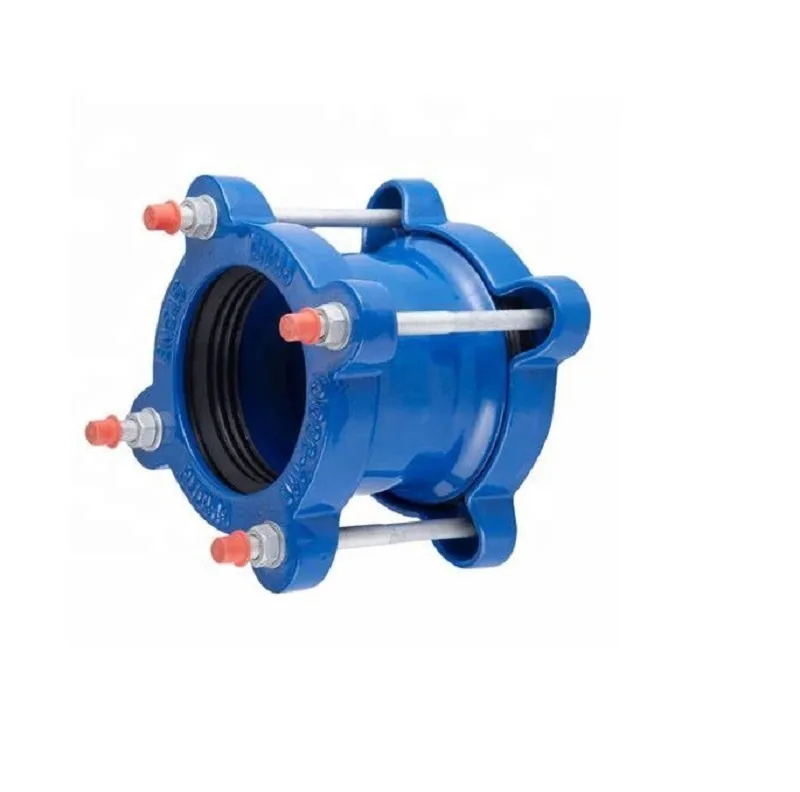
About Industrial Steam Traps, Pipeline Strainers & Valves
High-reliability industrial fluid control components, steam condensate management hardware, and thermal piping accessories represent the vital utility infrastructure ensuring continuous thermal stability across continuous sandwich panel heated double-belt presses and foam curing ovens. Because composite sandwich panel lamination demands precise double-belt temperatures maintained within +/- 1°C across large 30-meter heating platens—where condensate pooling or debris blockage would create cold spots resulting in uncured polyurethane foam or panel delamination—utilizing heavy-duty fluid hardware is essential.
Our consumables and accessories portfolio spans five certified industrial piping classifications: thermodynamic and inverted bucket steam traps (engineered with hardened stainless steel seats and disc mechanisms that rapidly discharge subcooled condensate and air without losing live steam, keeping heating platens operating at peak thermal efficiency); pipeline strainers (heavy cast steel Y-strainers and basket strainers fitted with dual-mesh stainless steel screens to capture pipe scale and weld slag before damaging control valves); safety relief valves (ASME-certified spring-loaded full-lift safety valves providing instantaneous overpressure relief for steam headers and heat exchangers); heavy forged flanges and fittings (Class 150/300 forged carbon steel and 316 stainless steel weld-neck flanges); and flexible metallic bellows (multi-ply corrugated stainless bellows absorbing thermal piping expansion).
Pressure-tested to 1.5 times rated working pressure and certified conforming to PED 2014/68/EU and ASME Boiler and Pressure Vessel codes, all valves and fittings withstand severe continuous thermal cycling. Providing certified fluid components to manufacturing facilities globally, our piping hardware guarantees flawless thermal operation.
Applications
Inverted Bucket High-Pressure Steam Trap Condensate Drainage Inspection
In inverted bucket high-pressure steam trap condensate drainage inspection, maintenance technician using an ultrasonic acoustic stethoscope and infrared pyrometer to audit condensate discharge from a heavy steam trap. These engineered industrial systems and accessories provide vital structural and operational support, ensuring seamless equipment integration and robust weather protection.
Stainless Steel Y-Strainer Pipeline Basket Filter Flush & Cleaning
In stainless steel y-strainer pipeline basket filter flush & cleaning, technician removing the threaded cap of a heavy Y-strainer on a thermal fluid line, inspecting the stainless steel cylindrical mesh screen. Built for heavy industrial service, these precision-engineered components resist mechanical wear and environmental corrosion, maintaining structural alignment and building performance.
High-Pressure Steam Boiler Spring-Loaded Safety Relief Valve Testing
In high-pressure steam boiler spring-loaded safety relief valve testing, certified pressure vessel inspector checking calibration test tag on a heavy bronze/steel spring-loaded safety valve on a steam distributor. Manufactured to rigorous industrial tolerances from high-grade structural alloys, these dependable components withstand demanding environmental stresses and deliver certified reliability.
Heavy Forged Steel Pipe Flange Bolting on Thermal Oil Heating Manifold
In heavy forged steel pipe flange bolting on thermal oil heating manifold, pipefitter using dual open-end wrenches to tighten high-tensile B7 stud bolts on a Class 300 spiral-wound gasketed pipe flange joint. These high-tensile C and Z purlins provide lightweight secondary structural framing across wide bays, supporting heavy corrugated metal roof and wall cladding.
Braided Stainless Steel Bellows Flexible Pipe Expansion Joint Installation
In braided stainless steel bellows flexible pipe expansion joint installation, installation of a flexible corrugated stainless steel bellows expansion joint with wire braiding on the heating platen supply manifold. Featuring high-strength interlocking seams and concealed fastener clips, these continuous metal panels prevent water infiltration and ensure long-term building envelope integrity.
Technical Overview
| Parameter | Information |
|---|---|
| Consumable Product Types | Inverted Bucket Steam Traps, Y-Strainers, Safety Relief Valves, Flanges, Bellows |
| Valve Body Metallurgy | Cast Steel (WCB / ASTM A216), Ductile Iron (GGG40.3), Forged Steel (A105), Stainless 316 |
| Nominal Pressure Ratings | Class 150, Class 300, PN16, PN25, PN40 Pressure Ratings (tested to 1.5x working pressure) |
| Operating Temperature Range | Continuous Thermal Operating Range: -20°C to +300°C (steam and thermal oil media) |
| Pipeline Connection Types | RF Flanged (ASME B16.5 / EN 1092-1), Female NPT / BSPT Threaded, Socket Weld |
| Strainer Screen Specifications | Dual-Layer Stainless Steel 304/316 Screen (perforated sheet with 80–100 mesh liner) |
| Safety Valve Design Standards | ASME Section VIII Div 1 & API 526 Spring-Loaded Full-Lift Safety Relief Valves |
| Flexible Joint Metallurgy | Multi-Ply Corrugated Bellows (AISI 321 / 316L) with External Stainless Wire Braid |
| Steam Trap Mechanism Specs | Hardened Stainless Steel Valve Seat & Chilled Cast Iron / Stainless Inverted Bucket |
| Compliance Standards | ASME B16.34, EN 12516, PED 2014/68/EU, API 598 (testing), ISO 9001:2015 Quality Certified |
FAQ
How do inverted bucket steam traps prevent cold spots on sandwich panel heated double-belt platens?
Inverted bucket traps utilize buoyant bucket kinematics to open automatically when condensate accumulates, continuously discharging non-condensable gases and dense water without steam leakage; this prevents platen water-logging and ensures uniform heat transfer.
Why are high-flow Y-strainers installed directly upstream of automatic temperature control valves?
Y-strainers contain fine stainless steel perforated mesh screens (80 to 100 mesh) that trap circulating pipe scale, rust particles, and weld debris before they can foul precision valve seats or jam pneumatic actuator stems.
What is the safety function of full-lift spring-loaded safety relief valves on steam headers?
Safety valves feature precision-calibrated springs that lift instantly when steam header pressure reaches set point (e.g., 10 bar), discharging excess volume safely into vent pipes to protect pressure vessels and heating platens from catastrophic overpressurization.
How do multi-ply stainless steel bellows flexible expansion joints absorb thermal piping movement?
Corrugated multi-ply 304/316L bellows flex axially and laterally to absorb thermal expansion and contraction as steam pipes heat to 200°C, preventing severe stress fractures on rigid boiler manifolds and double-belt platen connection nozzles.
Why are Class 300 forged steel weld-neck flanges preferred over slip-on flanges for thermal oil systems?
Weld-neck flanges feature a tapered hub that provides superior stress distribution and full-penetration radiographic butt welds; this eliminates crevice corrosion and prevents thermal oil leakage under thermal cycling up to 250°C.
What maintenance schedule is recommended for cleaning pipeline strainer mesh screens?
Maintenance personnel inspect and blow down strainer blow-off valves weekly, performing full basket screen removal and ultrasonic cleaning during monthly scheduled line maintenance to prevent pressure drop across the heating circuits.
What certifications and testing accompany our industrial steam traps and safety valves?
All units undergo hydrostatic shell testing (1.5x PN) and seat leakage testing per ISO 5208, delivered with EN 10204 Type 3.1 material test certificates and CE / PED 2014/68/EU pressure equipment compliance documentation.